Full Article
about Elduain (Elduayen)
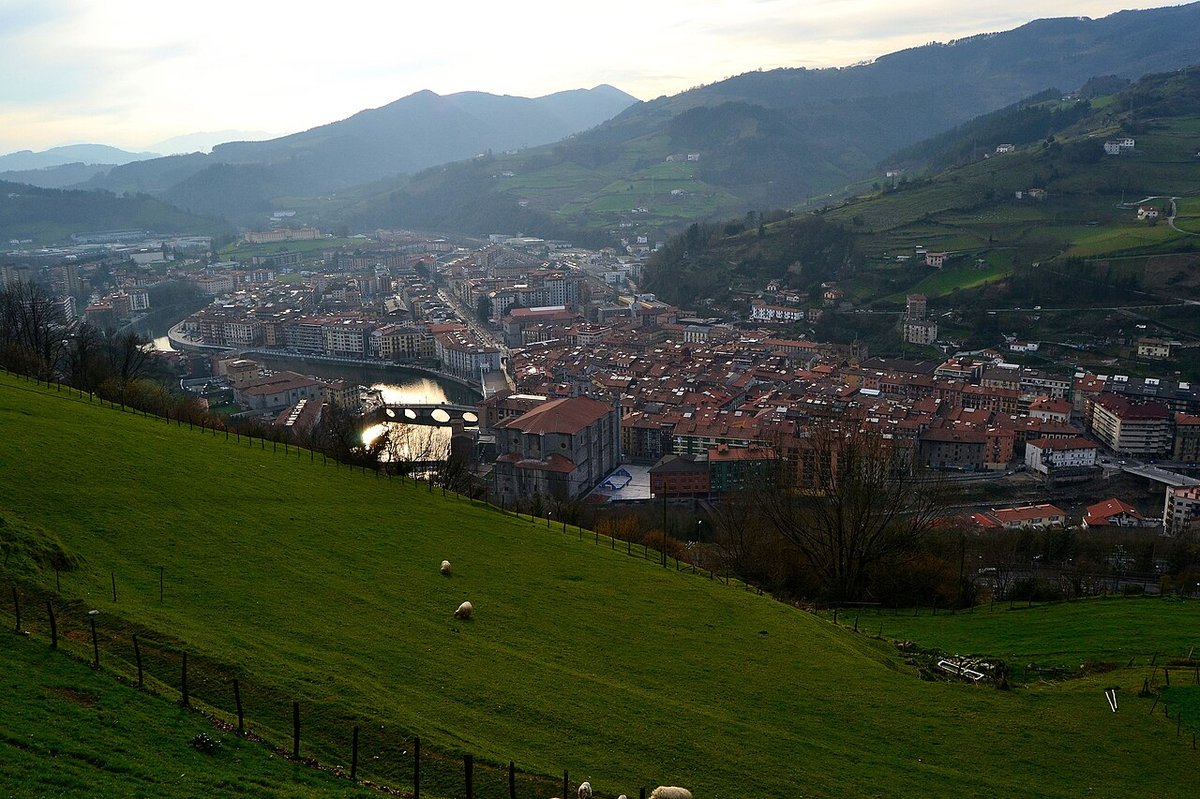
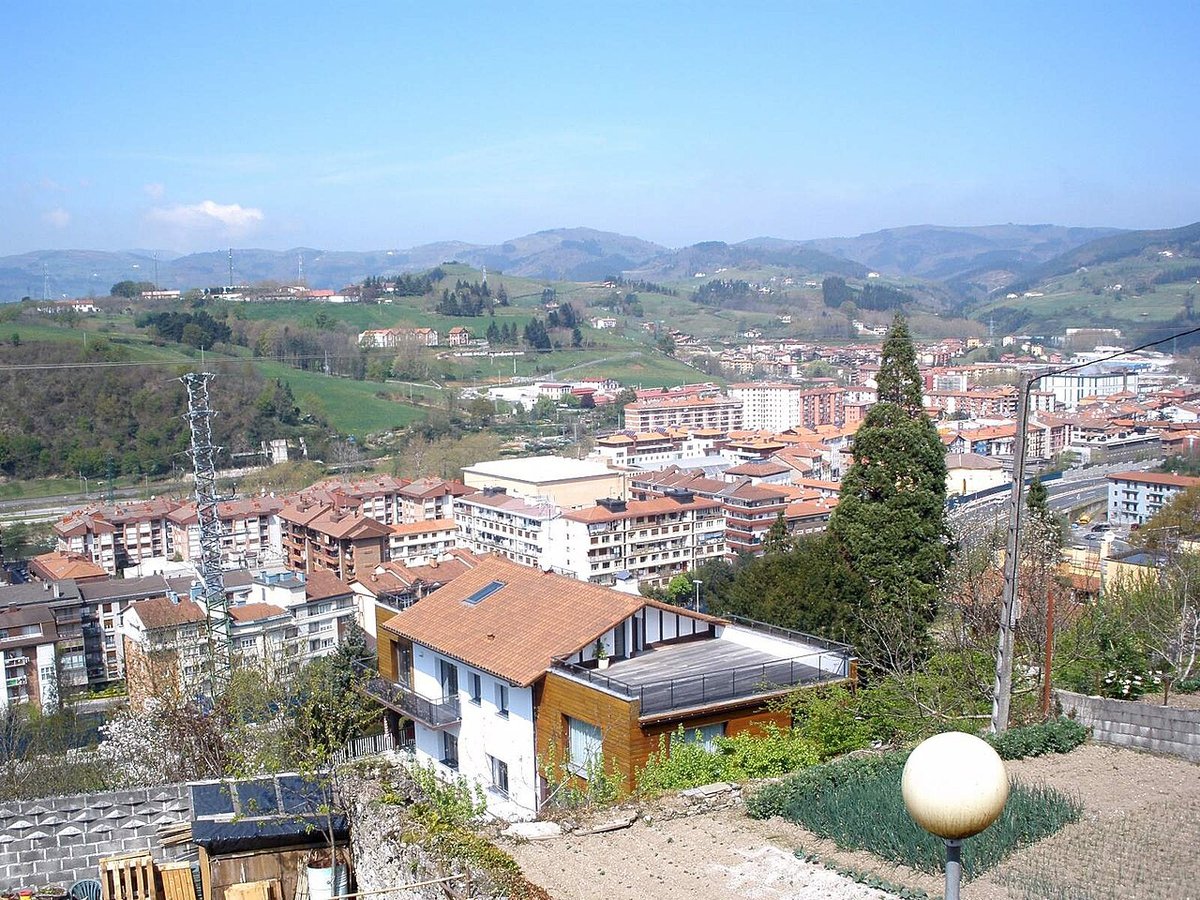
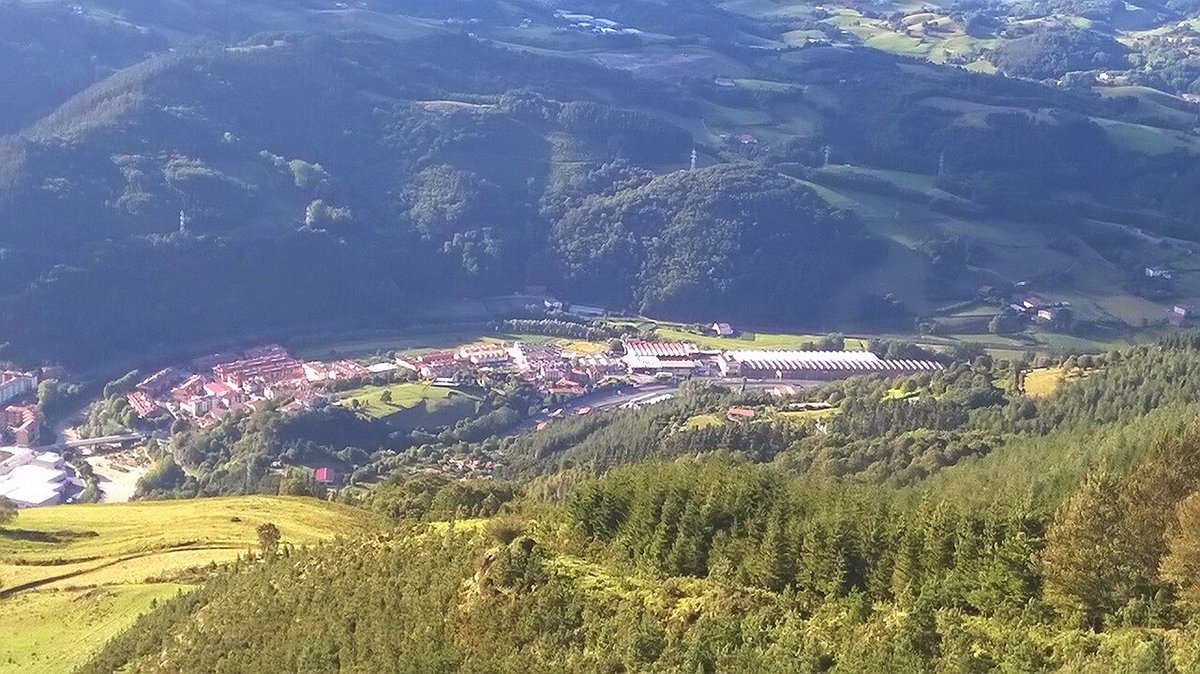
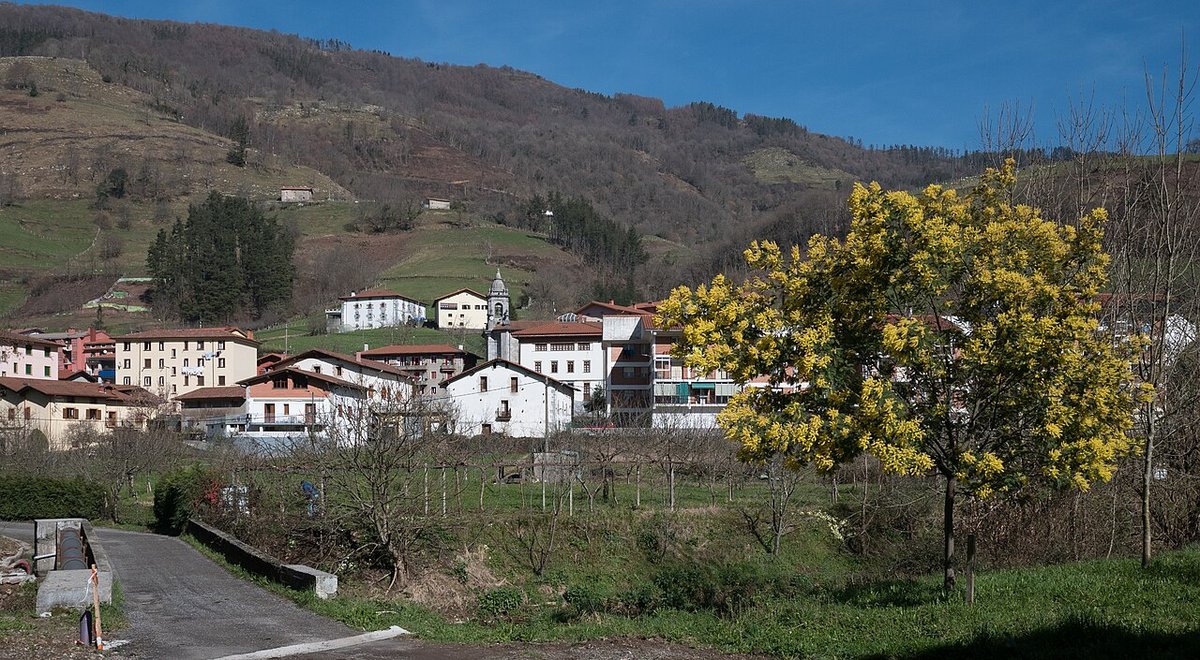
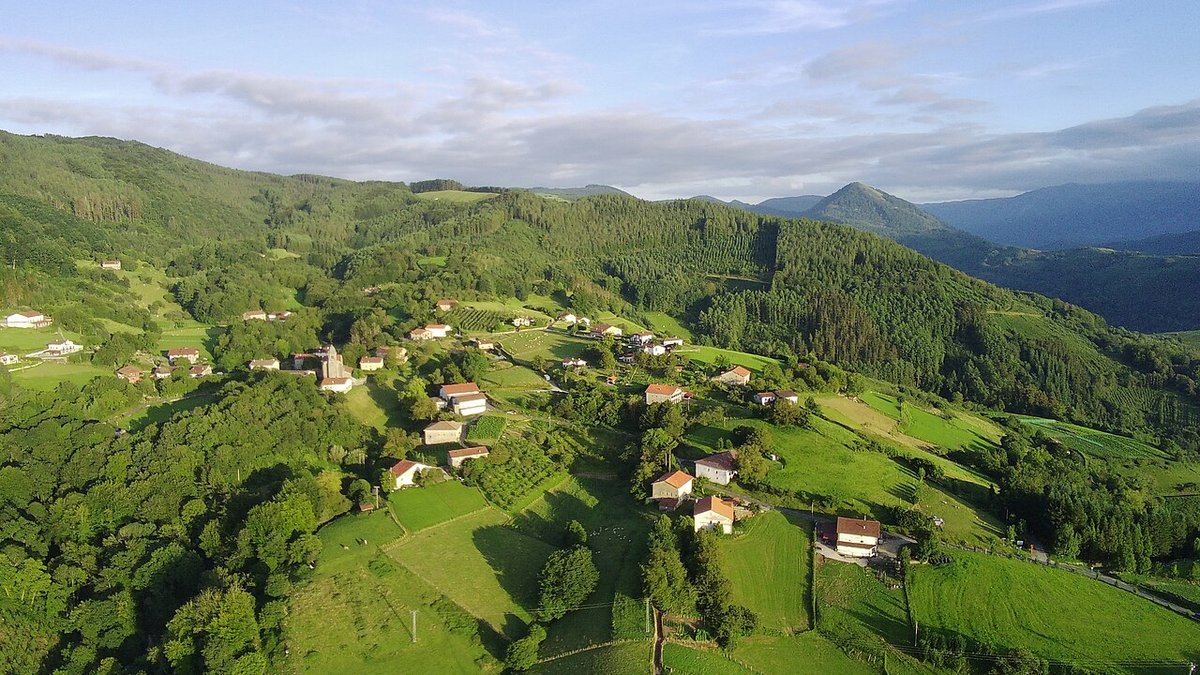
Deep green, farmhouses and nearby mountains with trails and viewpoints.
Hide article Read full article
A brief pause on the road
If you are considering tourism in Elduain, it helps to start with the practical side. This is a very small village, and arriving by car quickly makes that clear. Most vehicles end up along the main street, close to the church, where space is limited. At certain times, especially when locals are coming and going or during mass, it may take a bit of circling before finding somewhere to leave the car. Another option is to park slightly further up the road and walk back down.
This is not a place that demands hours of planning. A simple walk through the centre can take around half an hour. Elduain works better as a short stop than as a full-day destination.
A centre built around everyday life
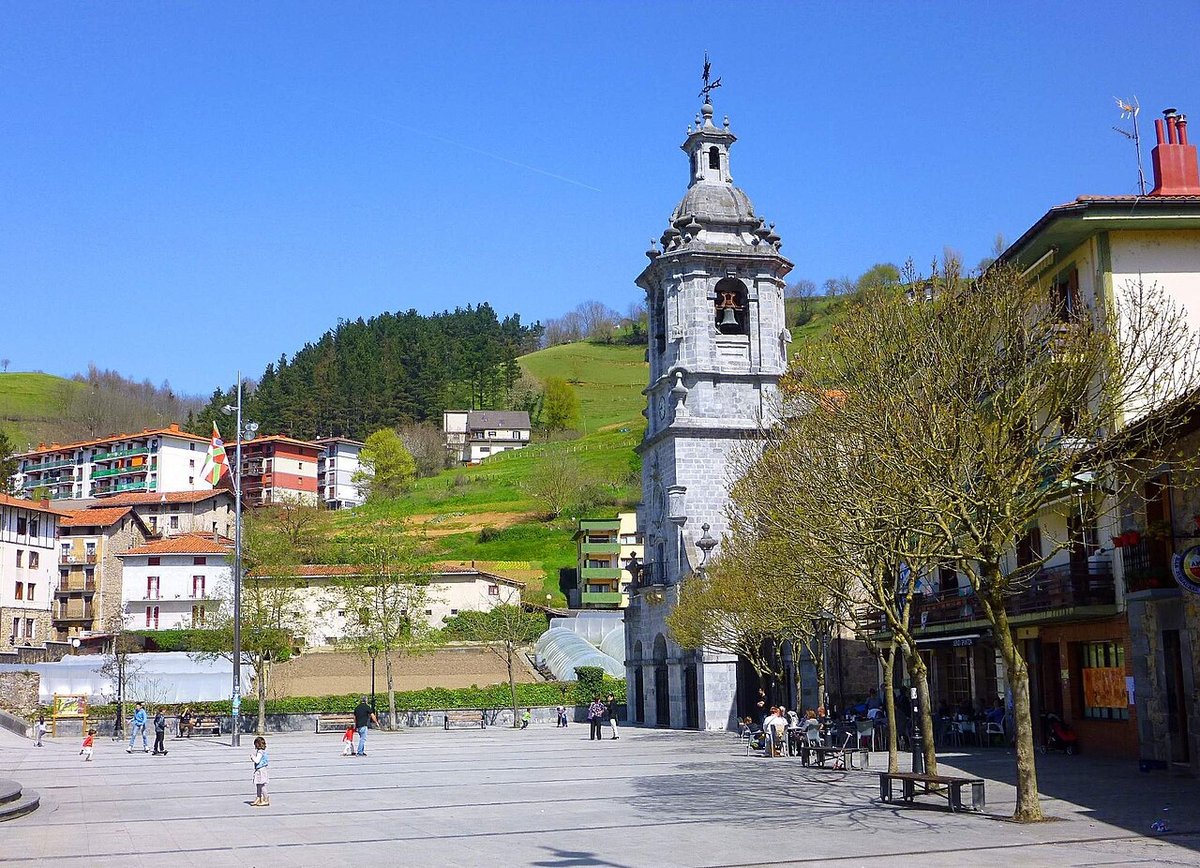
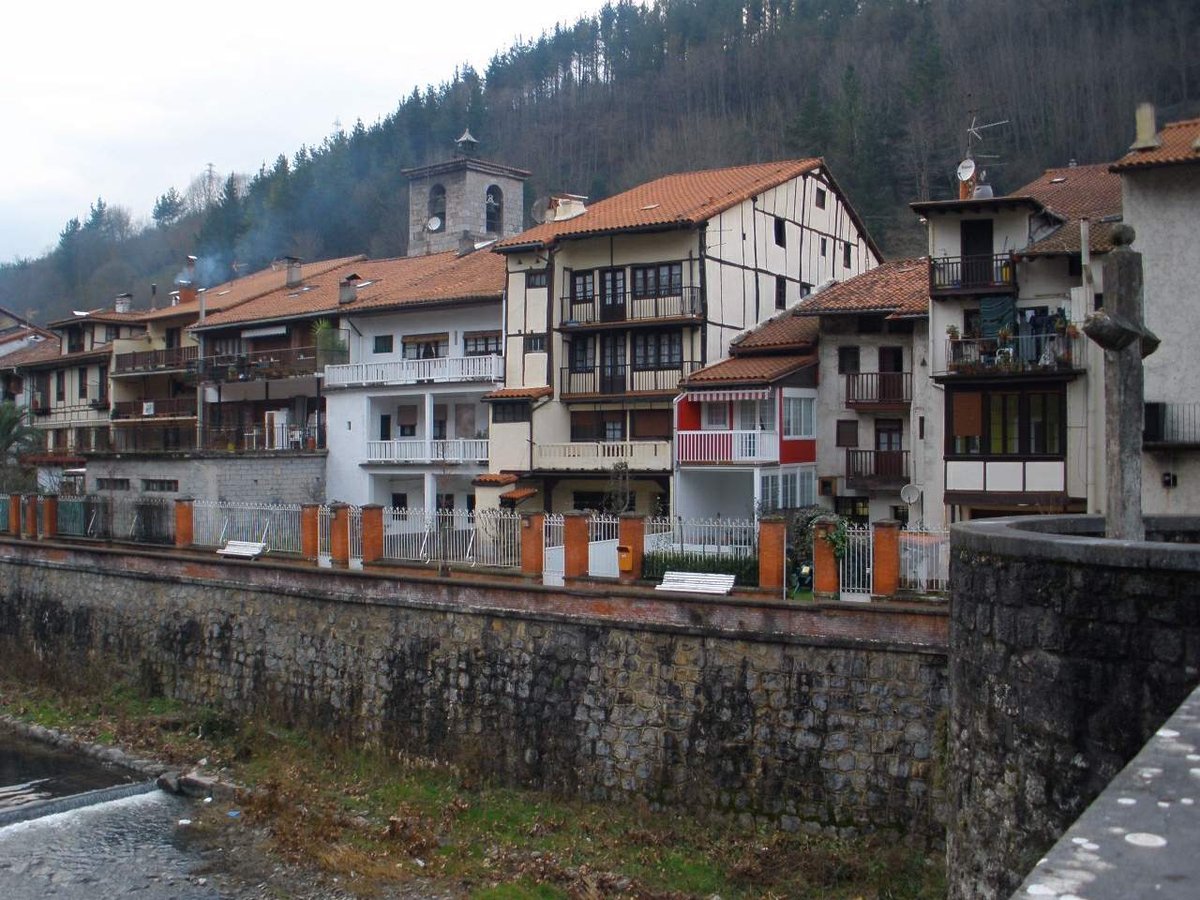
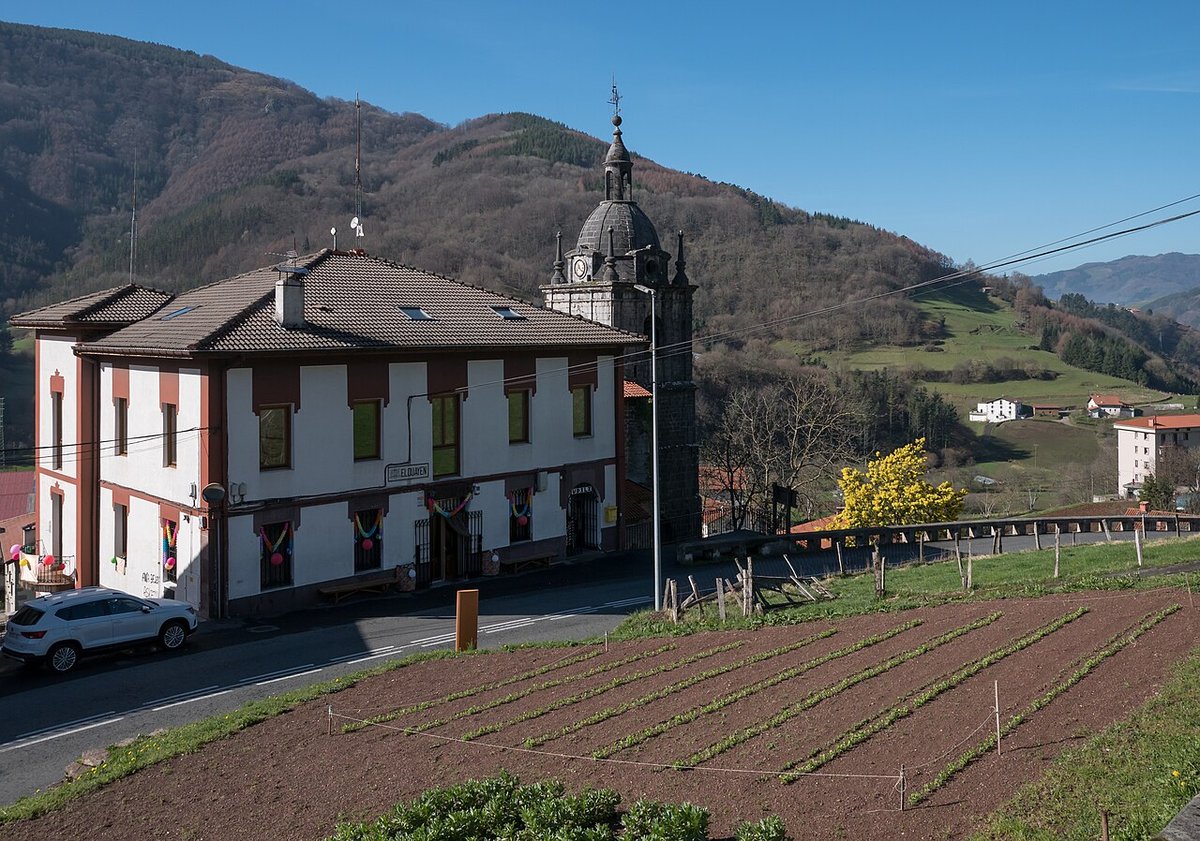
The village revolves around its main street and the church of San Andrés. The building dates back to the 16th century, although what tends to stand out when passing through is its side entrance and the small open space in front rather than any grand façade. There are no large squares or monumental landmarks here.
Next to the church sits the cemetery, along with a cluster of traditional Basque farmhouses, known as caseríos. Some have been renovated, while others continue to function as homes tied to agricultural work. This is not a place arranged for visitors. It is a living settlement, and that shows in small, everyday details: tractors parked nearby, open sheds, fenced meadows and the steady presence of rural activity.
The scale remains modest throughout. Everything feels close together, with no attempt to separate daily life from the occasional visitor passing through.
Beyond the village streets
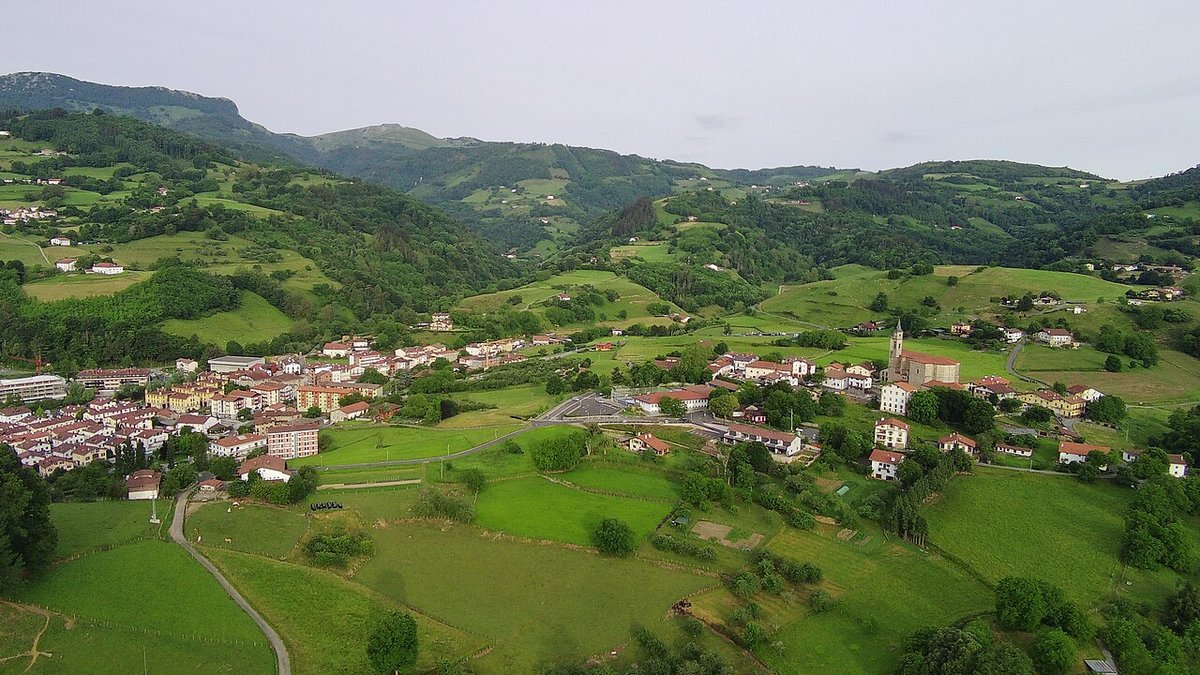
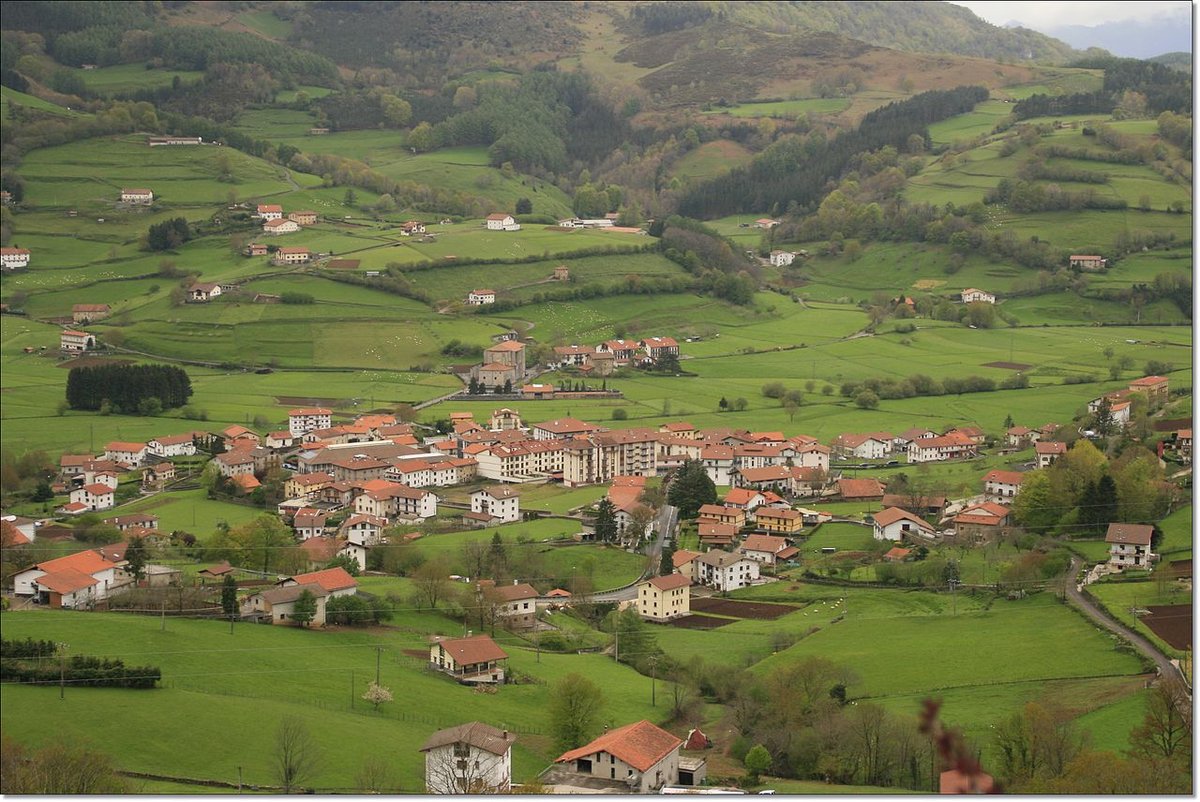
Leaving the centre, the surroundings open up into a patchwork of fields and scattered caseríos. The landscape is shaped by pastureland and gentle slopes, with rural tracks climbing up the nearby hillsides. These are wide dirt or gravel paths, the kind used by locals to move between properties rather than designed as formal walking routes.
Attention to boundaries matters here. Many of these tracks lead directly into private land or working farms. Chains or gates are common, and they mark a clear limit. If a रास्ता is closed off, the expectation is simple: turn back.
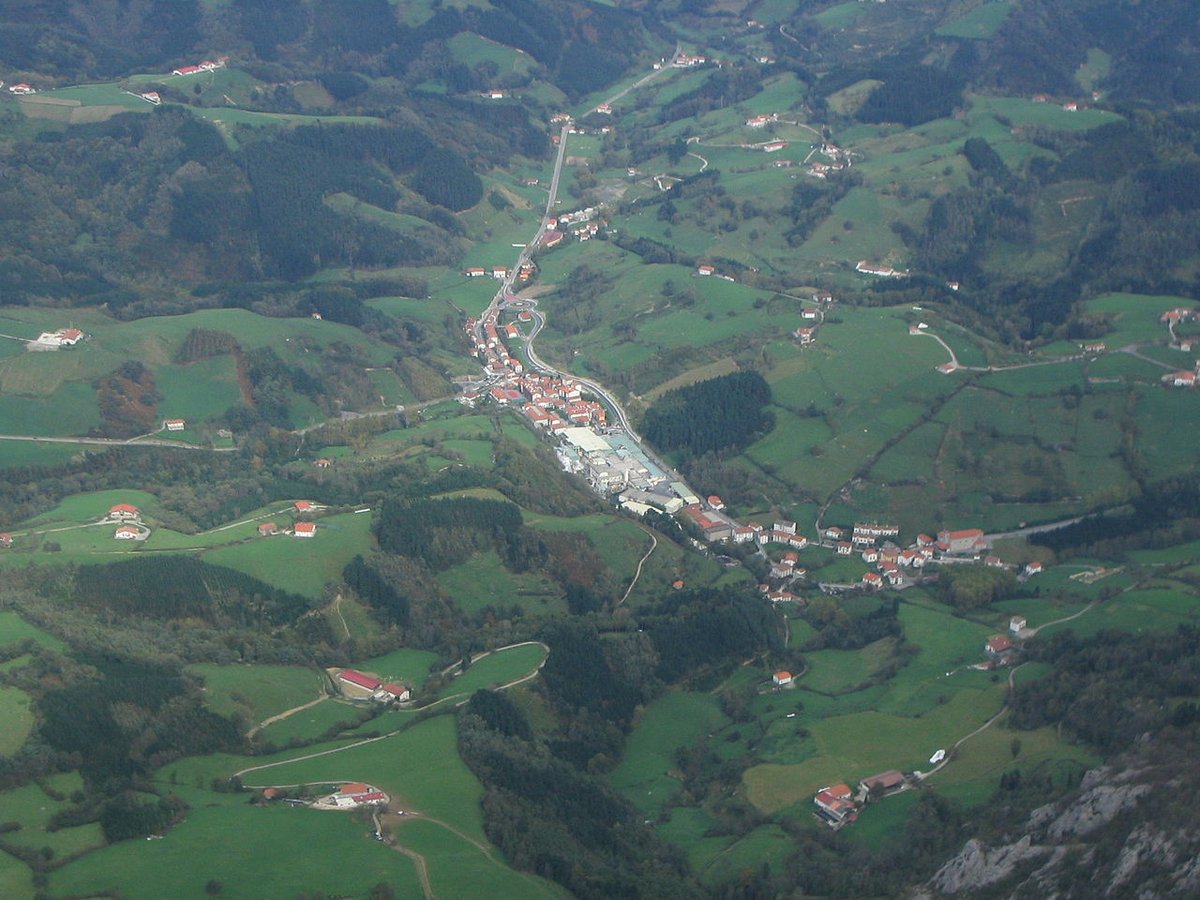
The transition from village to countryside is immediate. Within minutes, the built environment gives way to open land and working terrain, reinforcing the sense that Elduain is closely tied to its surroundings.
Walking routes and changing conditions
Several paths leave Elduain towards the surrounding hills and in the direction of the Tolosa valley. Some are signposted, while others are less clearly marked. Anyone planning to walk further than the immediate area benefits from checking their route in advance.
Weather plays a noticeable role. This part of the Basque Country sees frequent rain, and the ground reacts quickly. After heavy rainfall, mud appears fast, and slopes can feel steeper than they look on a map. Even short walks can become more demanding under these conditions.
The terrain itself is not extreme, but it requires a bit of awareness. Paths that seem straightforward in dry weather can change character within a day or two of rain.
What Elduain is, and what it is not
There are no museums here, and no standout buildings designed to draw attention. Elduain is essentially a small cluster of farmhouses set within a narrow valley. Its appeal lies in its scale and its ordinariness.
For those travelling along the old N‑1 road, it works well as a brief stop. Ten minutes is enough to stretch your legs and get a sense of a very small village in the Tolosaldea area. Staying longer is possible, but it depends on what you are looking for.
If the aim is to visit multiple attractions or follow a structured itinerary, this is not the place. Elduain does not try to offer that kind of experience.
A simple way to approach your visit
The best way to handle a stop in Elduain is to keep things straightforward. Park without blocking narrow streets, walk through the centre, and take in the surroundings at a slow pace. The entire core can be seen in just a few minutes on foot.
For a slightly longer visit, one of the rural tracks leading towards the hills can extend the experience. Even a short walk adds context to the village, showing how closely it is connected to the land around it.
At the same time, it is important to remember that most of these paths are still part of everyday working life. They are not maintained as tourist routes, and they pass through spaces that are actively used. Respect for that balance is expected.
Elduain does not present itself as a destination filled with highlights. It is a place to pause briefly, observe quietly, and move on when you are ready.