Full Article
about Gaztelu
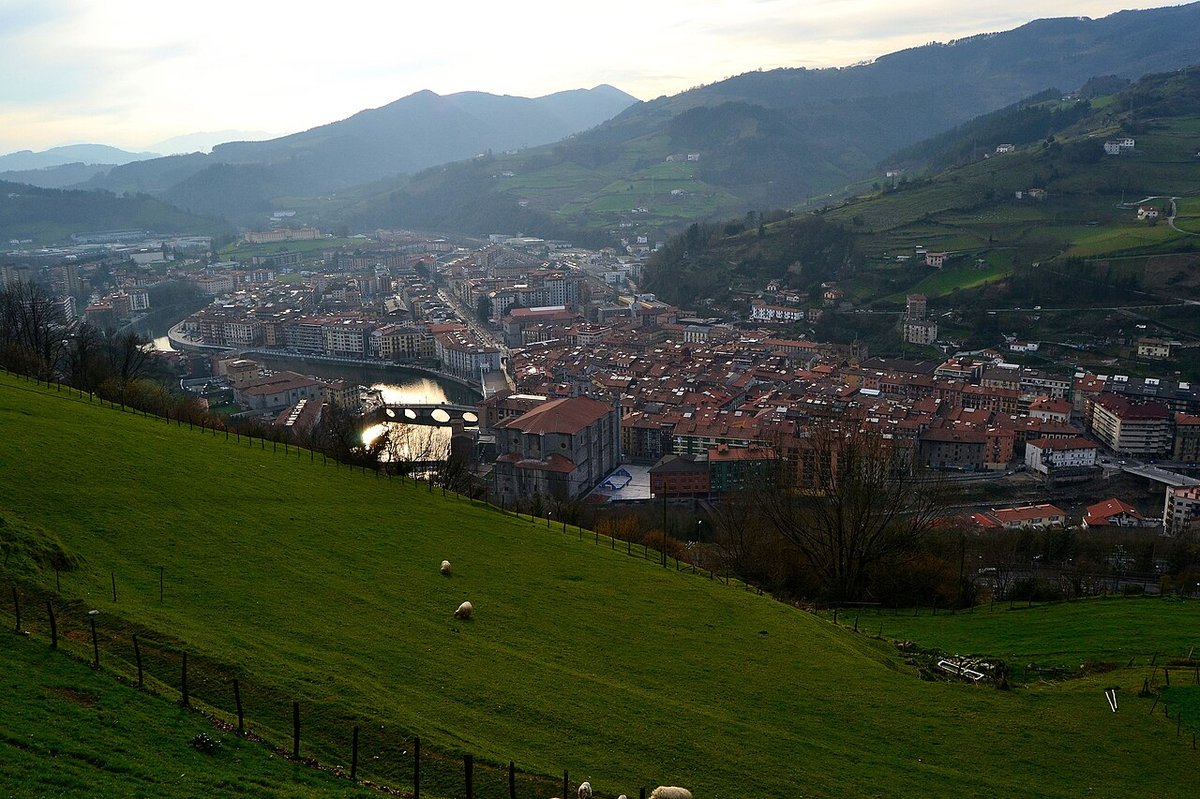
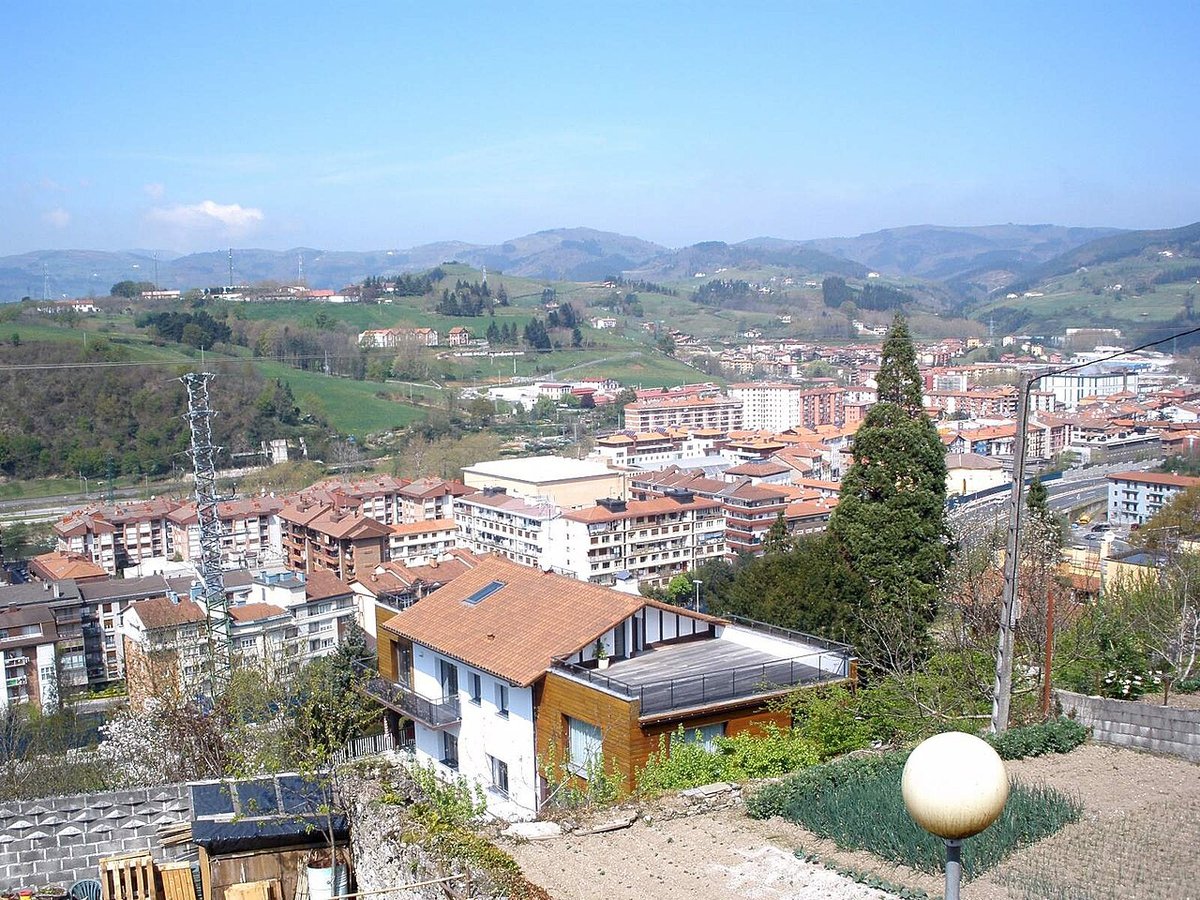
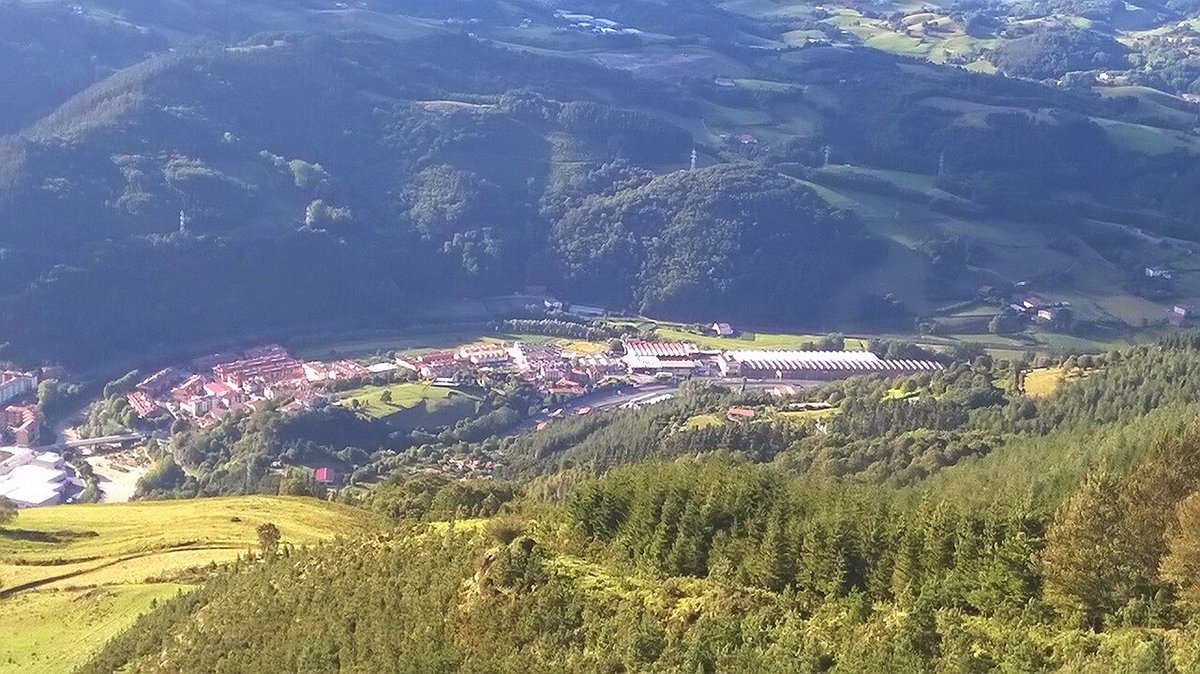
Deep green, farmhouses and nearby mountains with trails and viewpoints.
Hide article Read full article
A place that reveals itself slowly
Some villages seem made for a quick photo. Gaztelu works differently. You arrive, park the car, look around, and at first it may feel as though very little is happening. Then you walk for ten minutes along a track between farmhouses and things begin to make more sense.
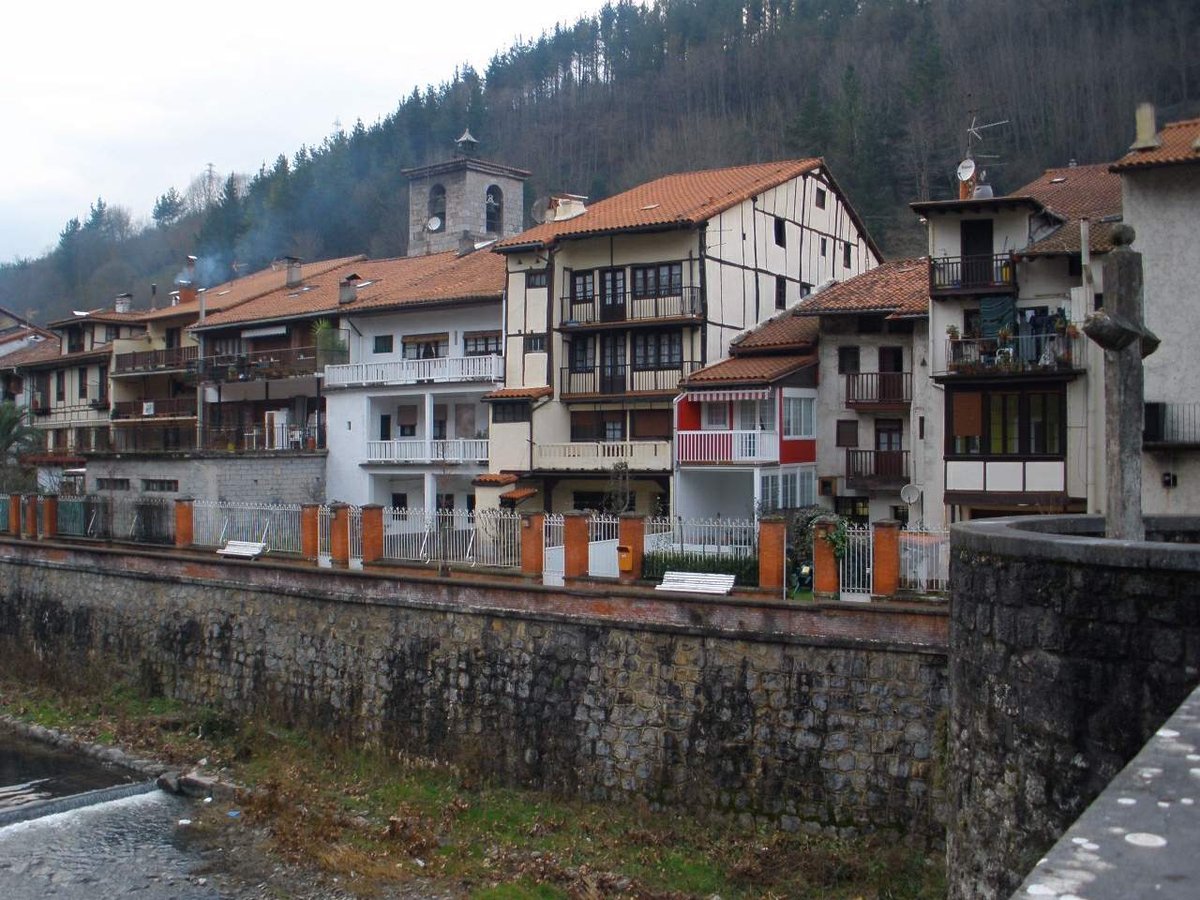
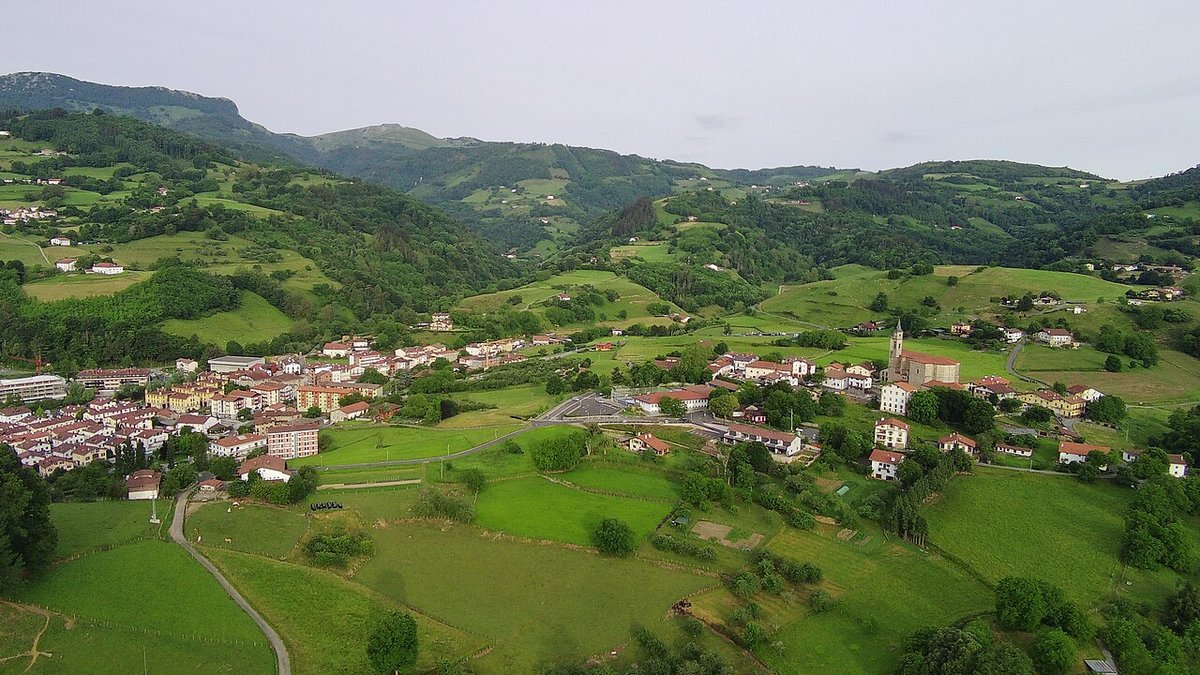
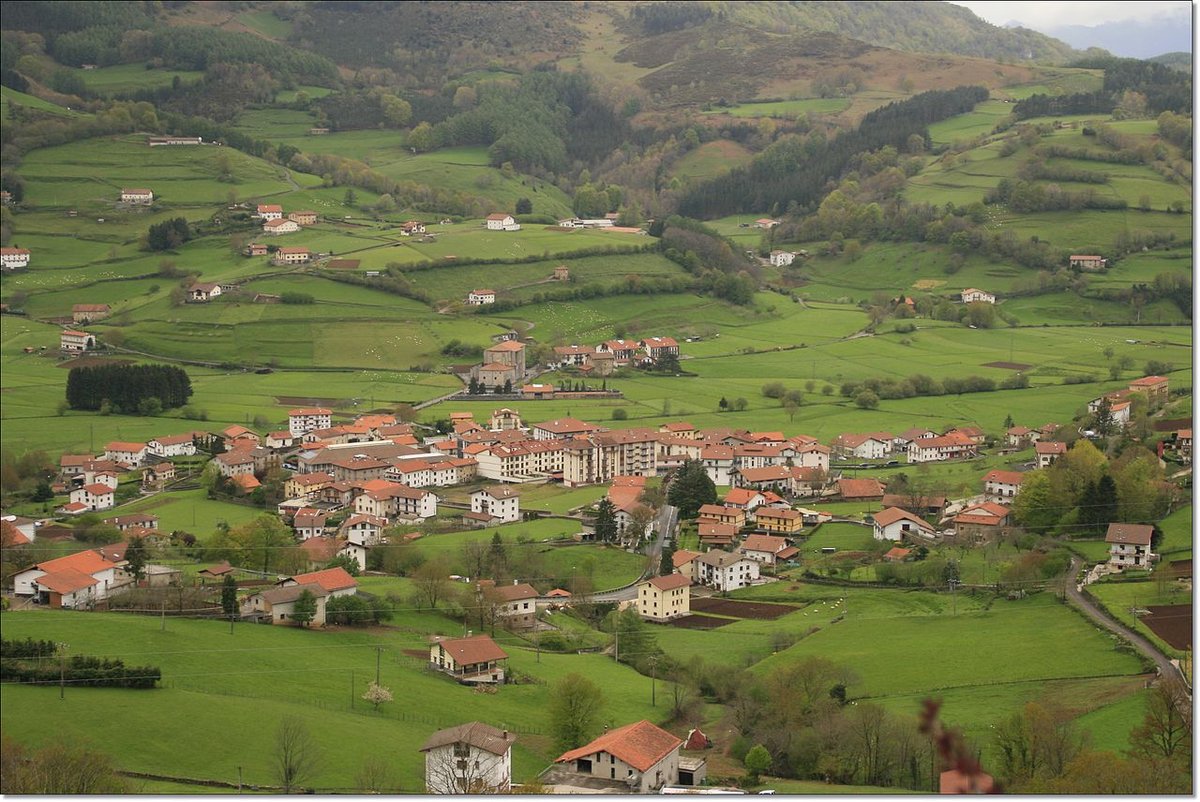
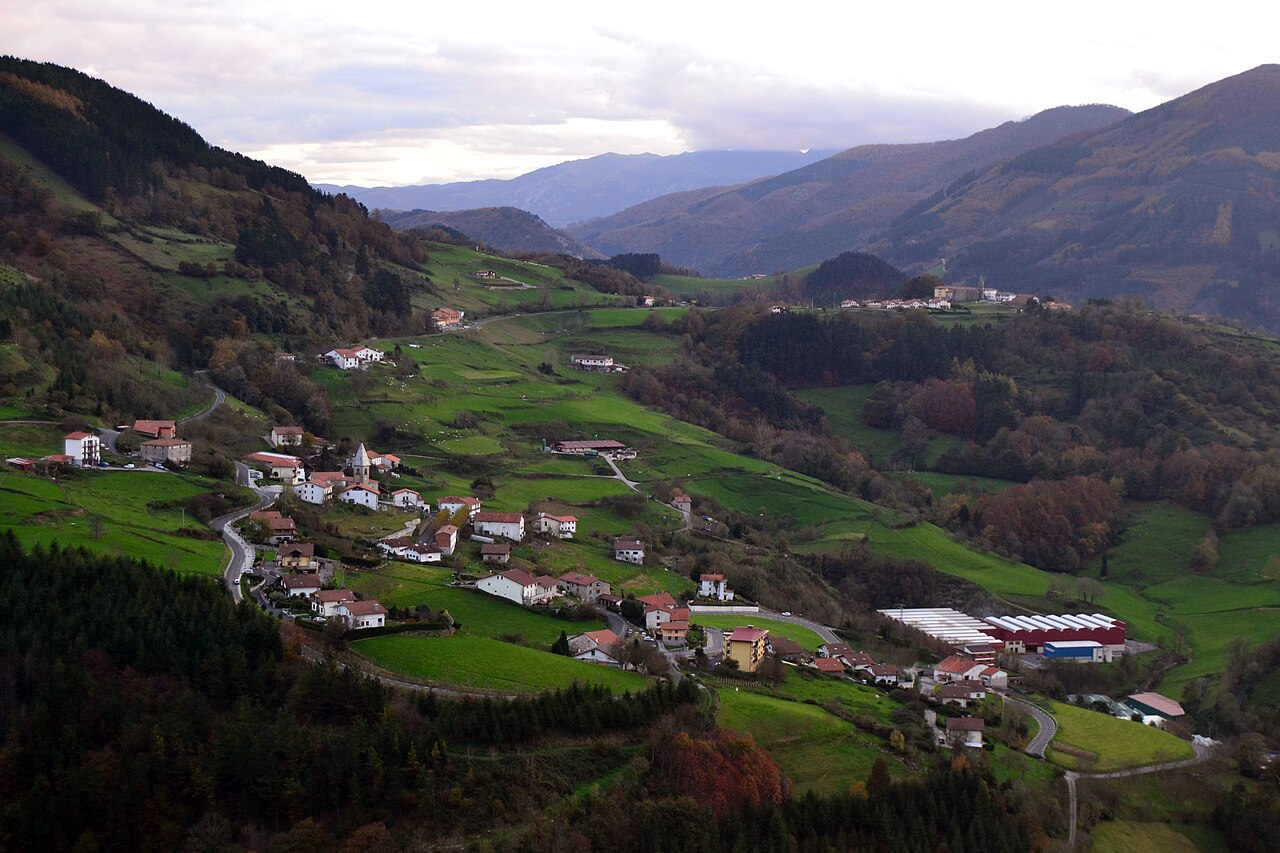
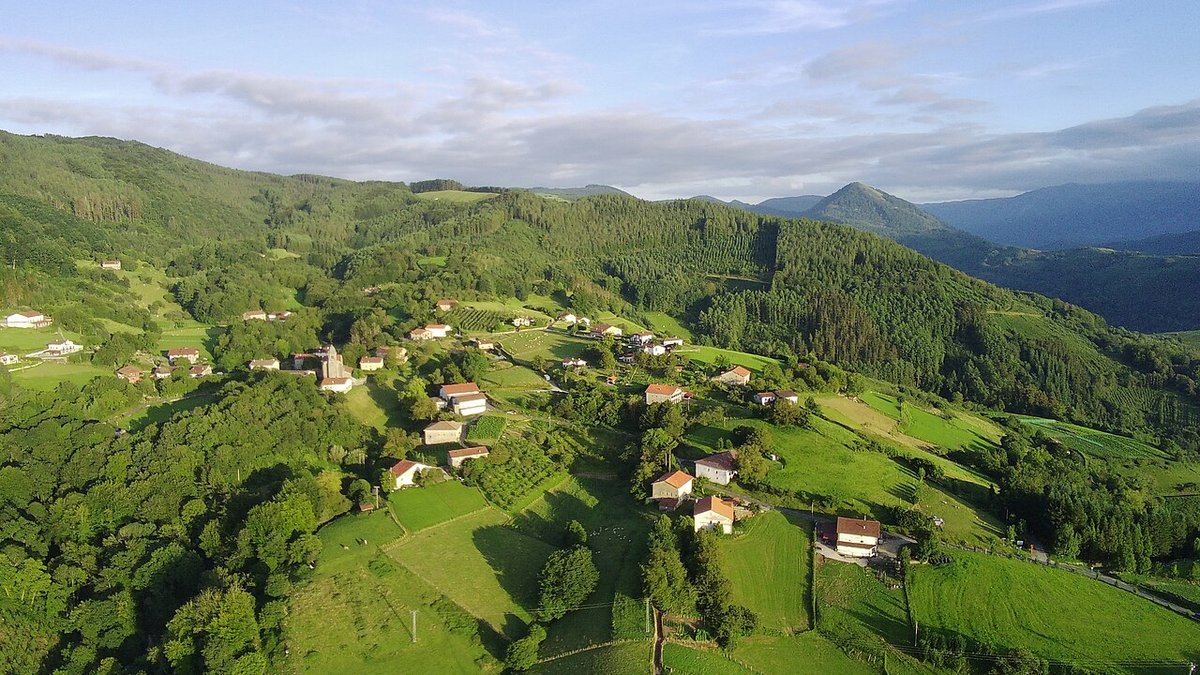
Tourism here does not revolve around monuments or a busy historic centre lined with signs. Gaztelu is small, with a handful of houses spread across a hillside, surrounded by meadows and a noticeable quiet. What stands out might simply be the sound of a tractor somewhere in the distance or the way clouds shift above the nearby mountains.
The name Gaztelu means “castle” in Basque, though there are no visible walls or towers. The name comes from the past and, at least today, has no obvious physical trace. What you do see is the logic of the Basque caserío, the traditional farmhouse system: clearly defined plots, large houses built for working the land, and paths linking one to another.
Santa María and the wider landscape
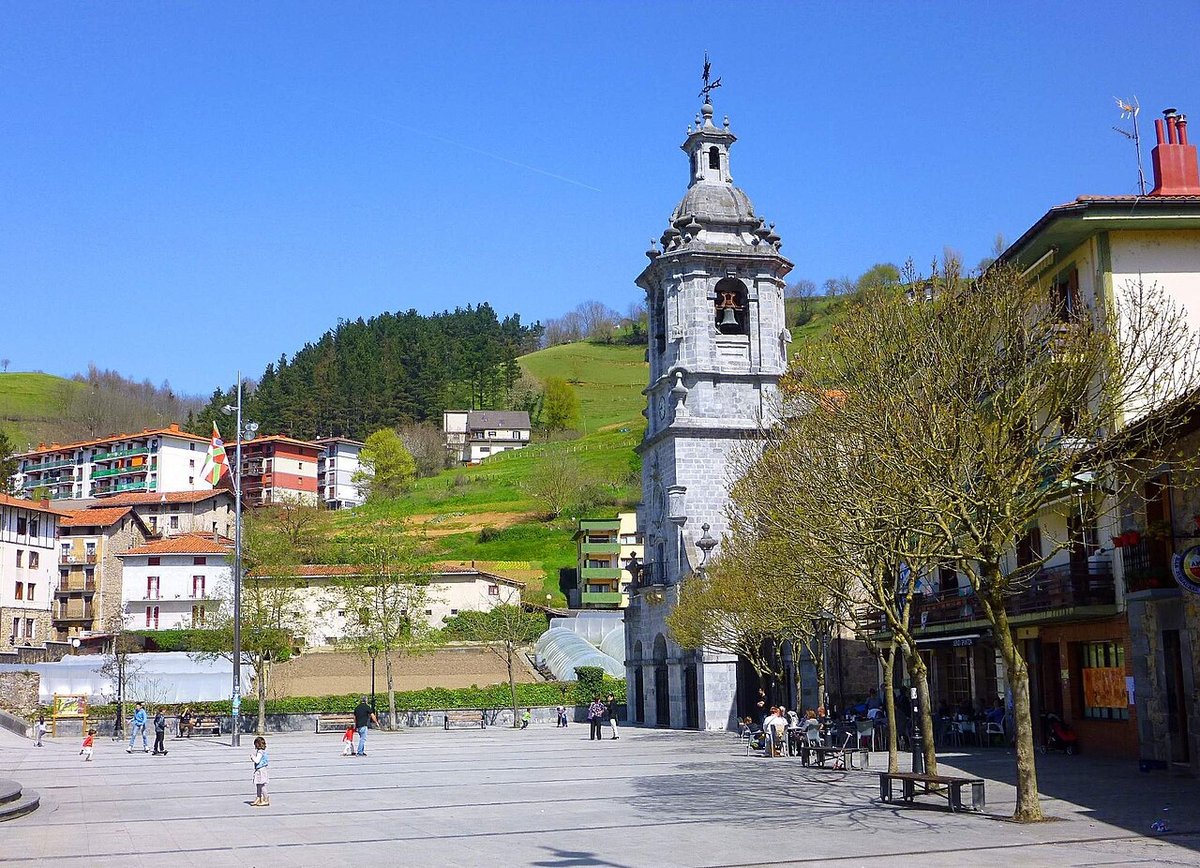
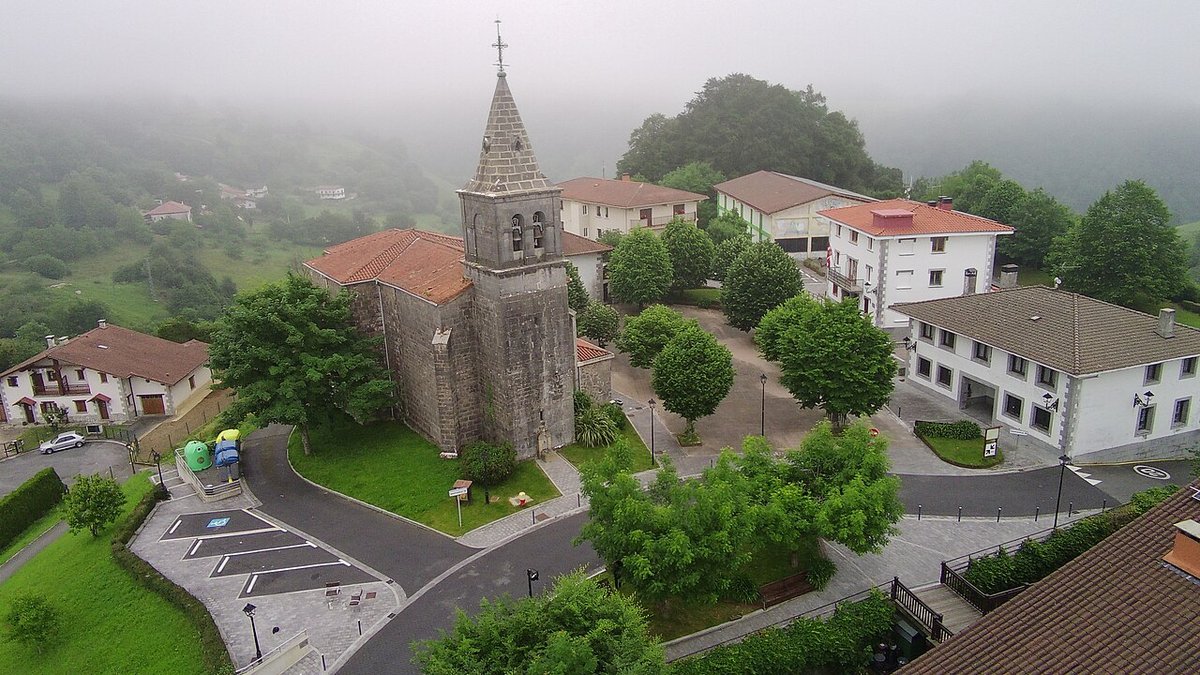
The church of Santa María appears almost without warning. It is small and plain, more a point of reference than an attraction in its own right. From the surrounding area, on a clear day, familiar silhouettes from this part of Gipuzkoa come into view, including Txindoki in the distance. The view is not staged. It appears naturally between houses and fields, without viewpoints or railings.
There is no official route that everyone follows. The most natural way to explore is simply to walk along the tracks that connect the caseríos. Some, such as Urrutikoetxea or Elortza, still hold that classic farmhouse appearance: sloping roofs, thick walls, tools resting against one side of the yard. Nothing has been arranged for display. These are working places, not exhibits.
As you move through the area, everyday scenes unfold. Someone might be tending livestock. A van passes loaded with sacks. A dog barks for a short while before settling down again. These small moments make it clear that life here does not revolve around visitors.
Walking without a set plan
Gaztelu does not ask for a detailed itinerary. A short walk from the area around the church, following one of the rural tracks towards nearby meadows, is often enough. There is no need to complicate things. Walk a little, take in the surroundings, and return.
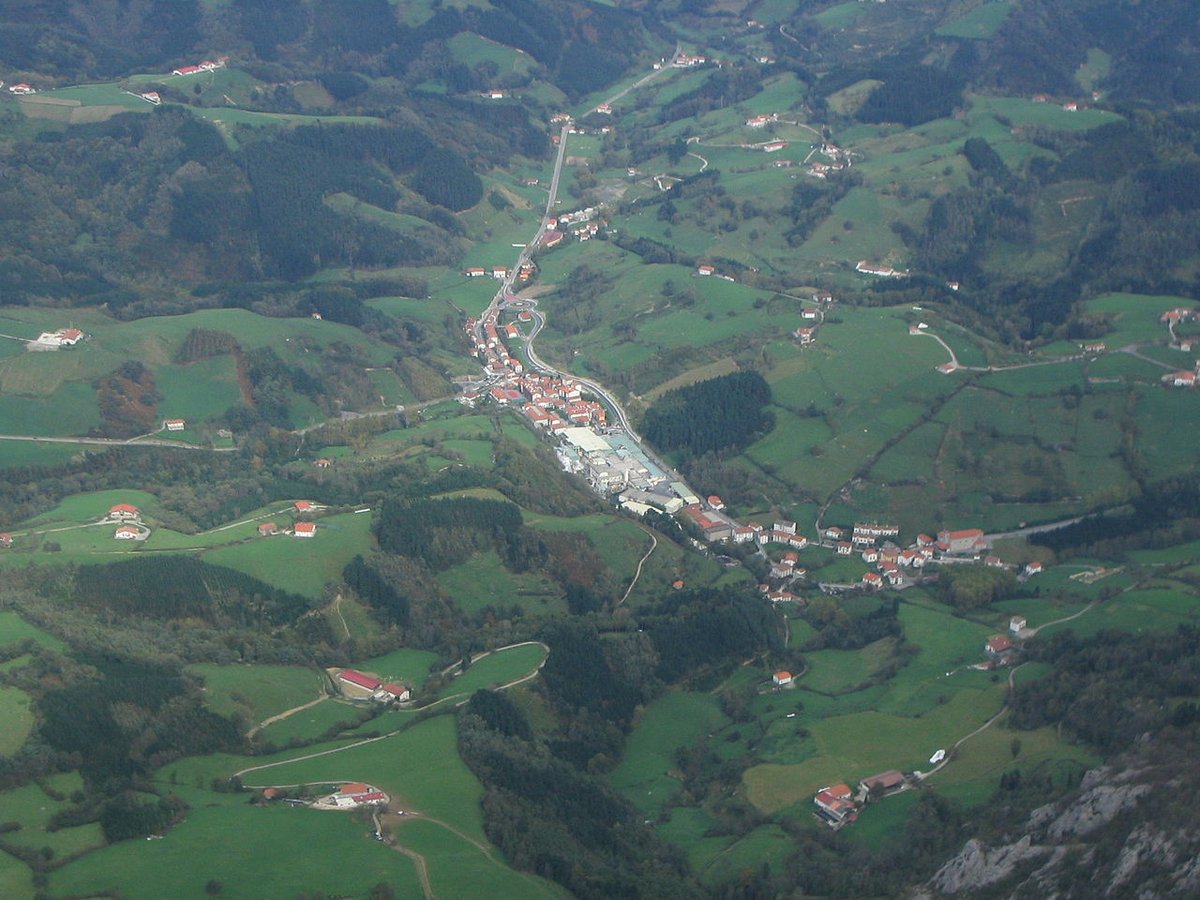
The landscape plays a big part in the experience. Forests cover much of the area, with beech, oak and patches of chestnut trees. Some days, mist drifts down into the valley and lingers for hours, softening everything. On others, the sky clears and the surrounding mountains come fully into view. The scene is never exactly the same twice, and that variability is part of what defines the place.
Autumn brings another quiet activity. People who know where to look head into the nearby woods to search for mushrooms. It is something to approach with care and respect. Boundaries between public and private land are not always marked with clear signs, though local residents know them well.
Respecting the rhythm of the village
Gaztelu functions as a lived-in rural space rather than a visitor-oriented destination. That comes with a few simple expectations. Farm tracks often pass close to private properties, so it is important not to enter fields or block access points. As long as those limits are respected, things tend to remain calm.
Parking thoughtfully makes a difference. Entrances and gates are used daily for machinery and livestock, so leaving space clear matters. Footwear is another practical consideration. Paths can become muddy quickly when it rains, and conditions change fast.
These details are not presented as rules so much as part of the shared understanding that allows everyday life and occasional visitors to coexist without friction.
Getting there and what it offers
From San Sebastián, the usual route heads towards Tolosa and continues along local roads that wind between hills. The distance is not great, though the curves tend to slow the journey. It is the kind of drive where you naturally ease off the accelerator.
Gaztelu is not a place for big plans or packed schedules. It works best as a short pause within the wider area of Tolosaldea. You arrive, take a walk, observe the landscape and the small details around you, and then continue on your way.
What stays with you is not a single landmark or a checklist of sights, but the sense of having seen a very real piece of inland Gipuzkoa.