Full Article
about Hernialde
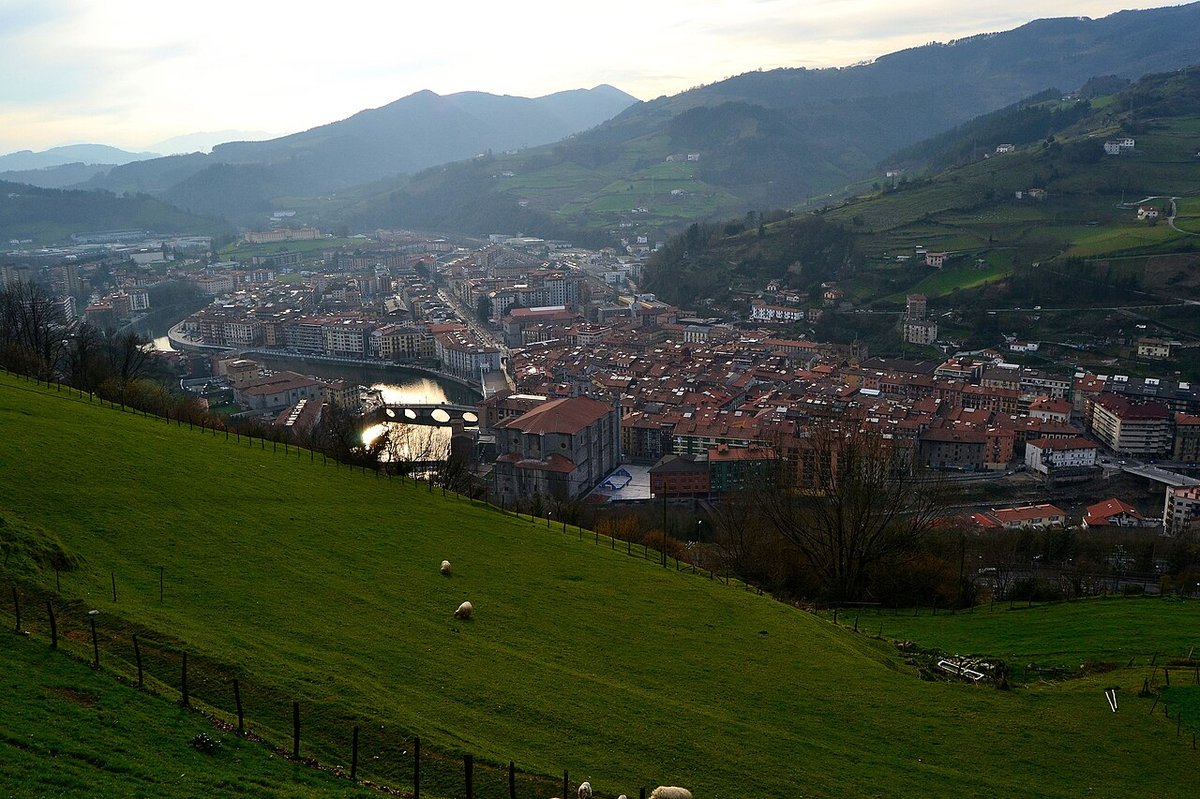
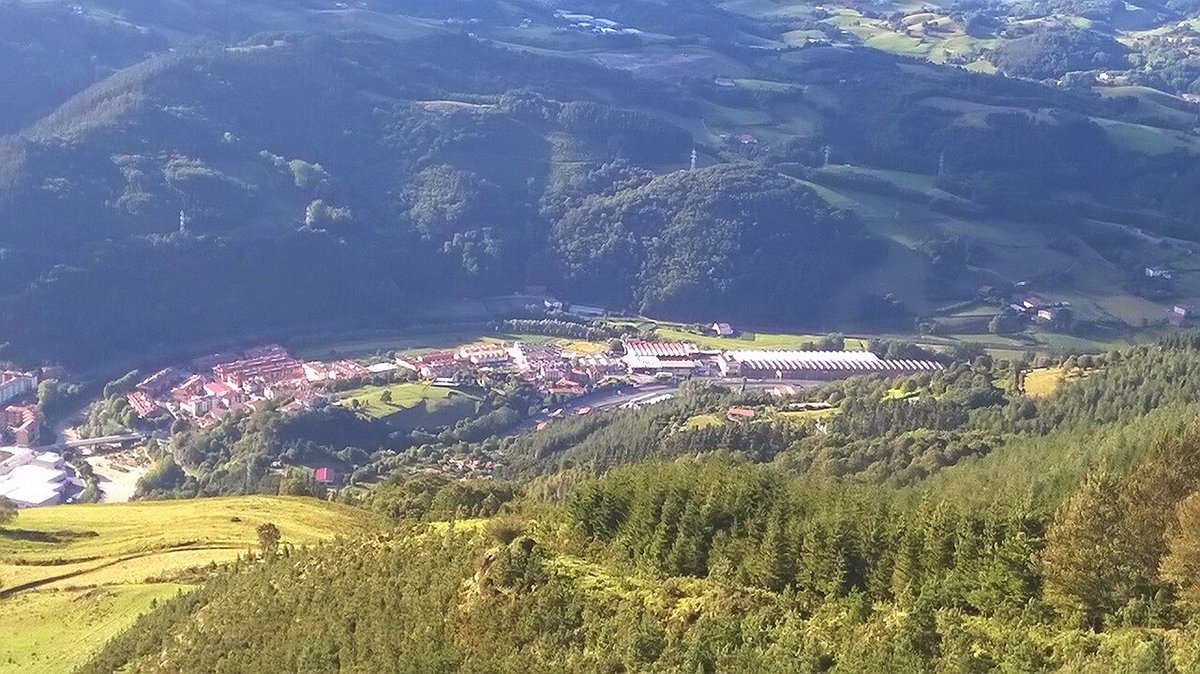
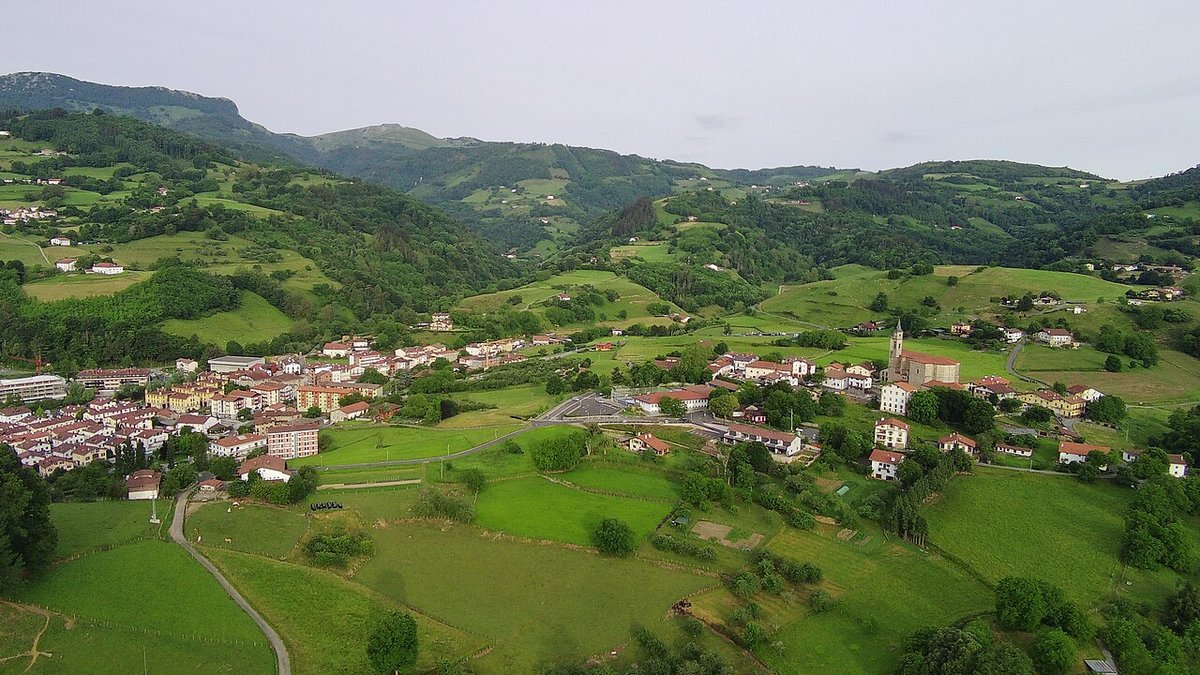
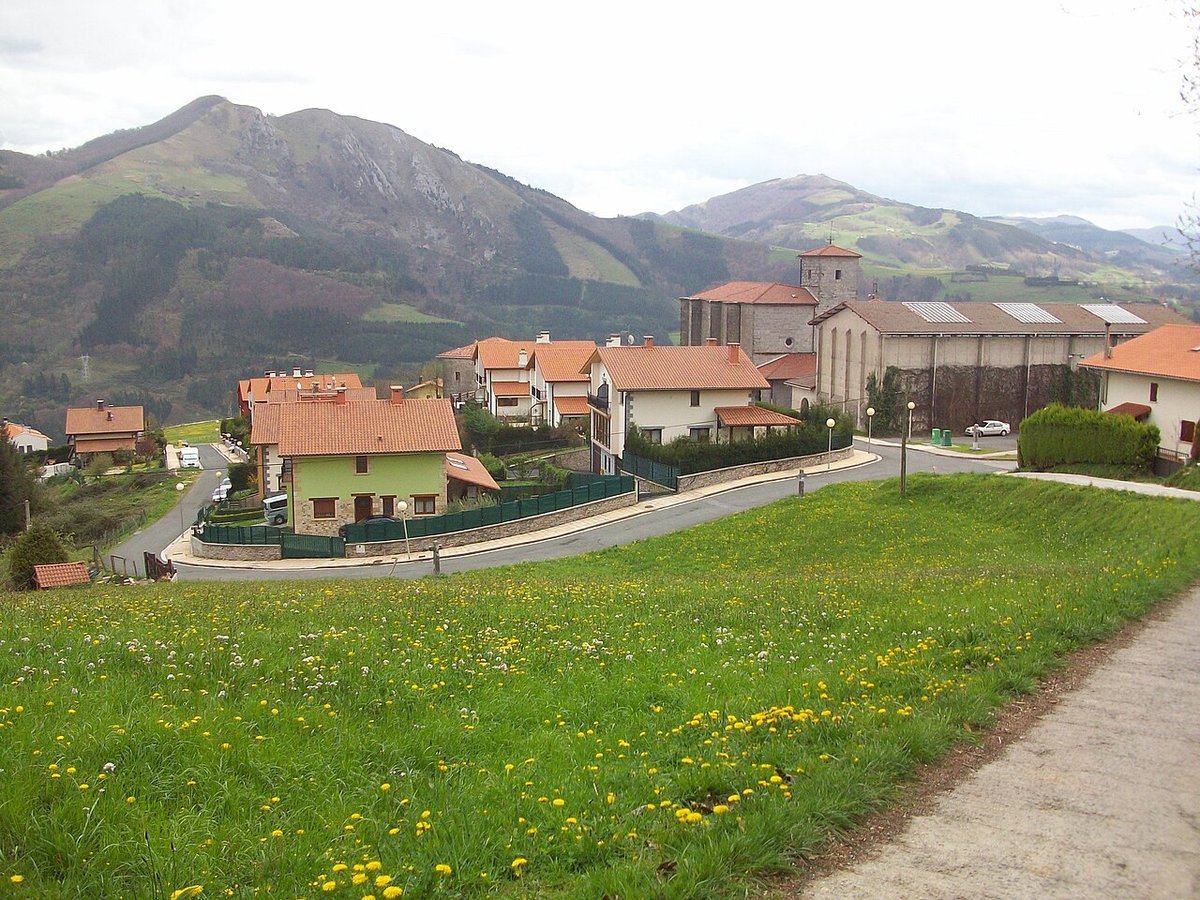
Deep green, farmhouses and nearby mountains with trails and viewpoints.
Hide article Read full article
A Village That Moves Differently
Some places come with an internal checklist: viewpoint, old town, a quick photo, then on to the next stop. Hernialde does not work like that. Arriving here feels closer to heading out for a walk with no fixed route than following a plan marked on a map.
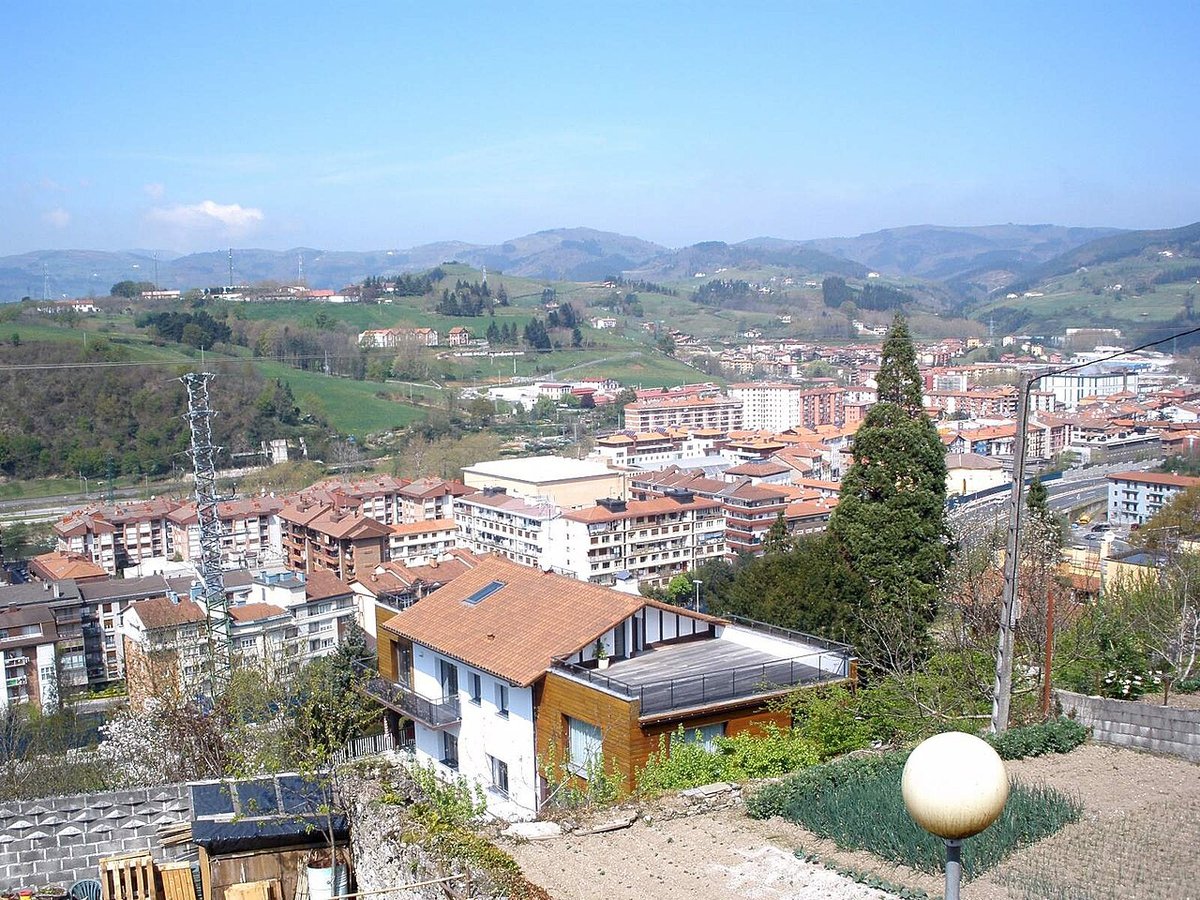
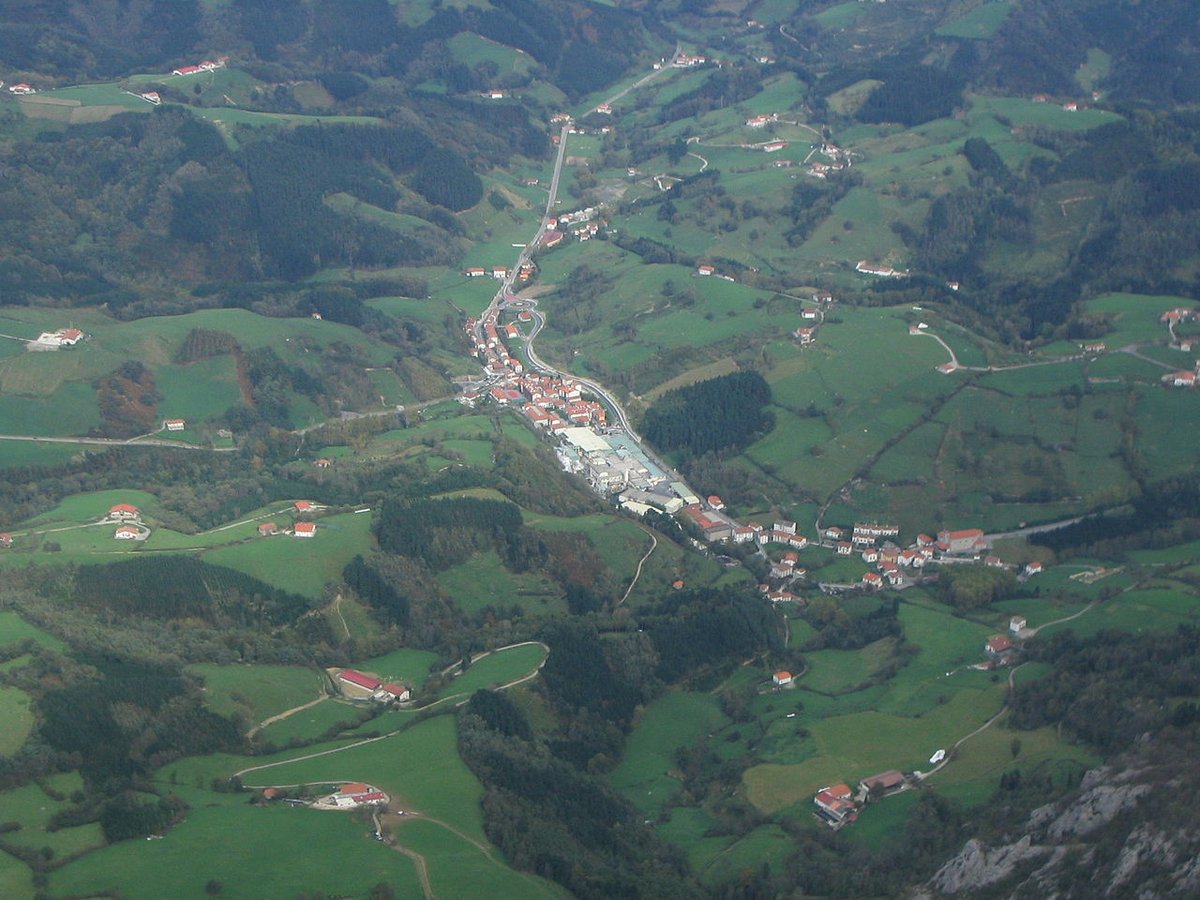
Tourism in Hernialde is not built around landmarks or busy streets. This is a small village in Tolosaldea, just a few minutes by car from Tolosa, with a population of a little over 300. Life here follows the logic of farmhouses, open meadows and the slopes that link them together. Anyone expecting a series of sights to tick off may find it underwhelming. Those who enjoy wandering without hurry tend to see it differently.
A Compact Centre
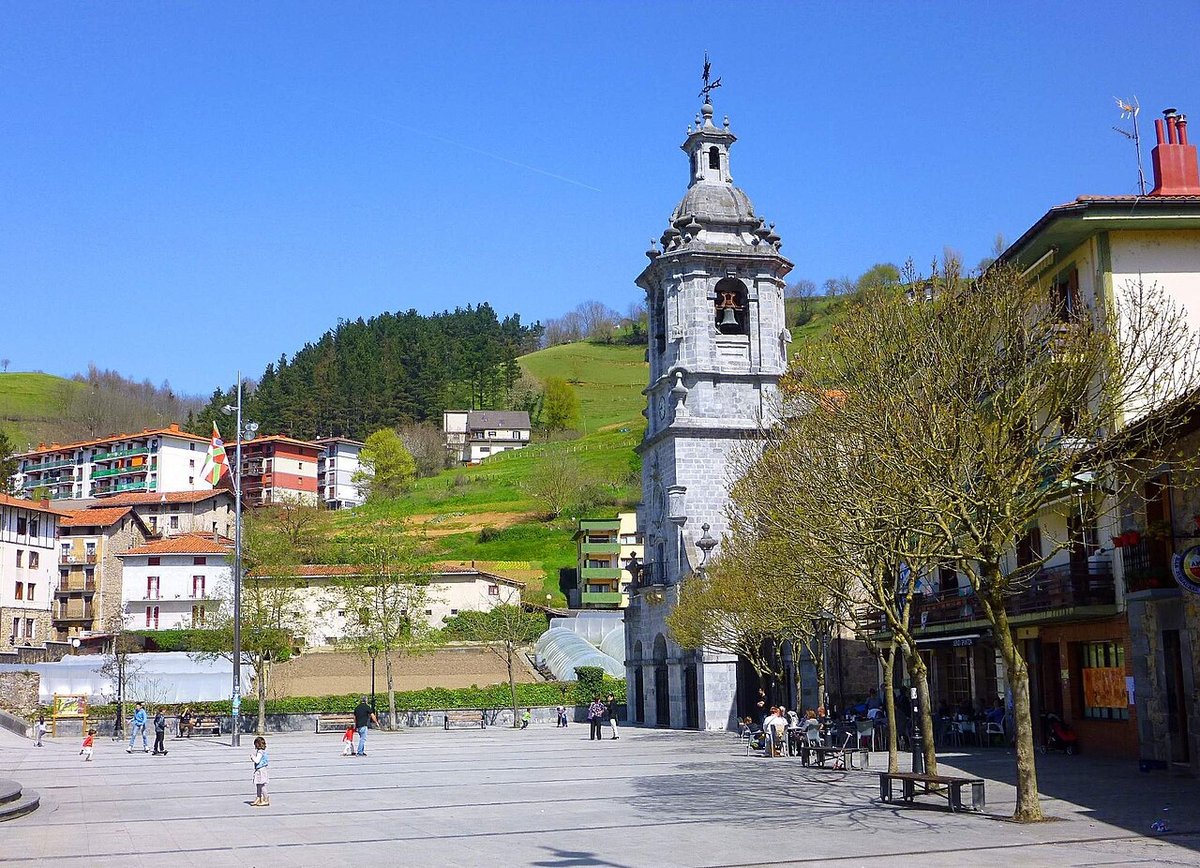
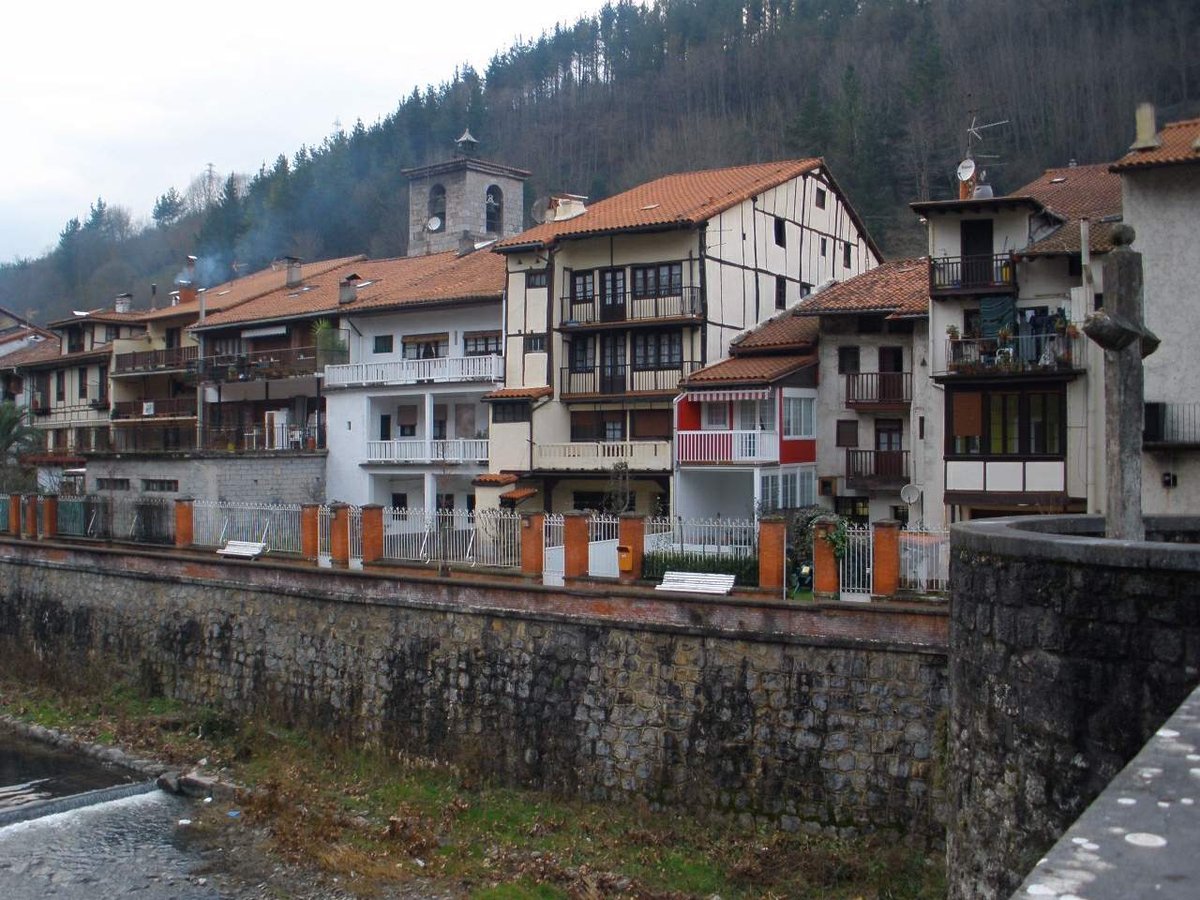
The centre of Hernialde reveals itself quickly. A small cluster of houses, thick stone walls, sloping roofs and a sense that everything is designed to cope with a damp, changeable winter. There are no grand buildings or large squares. Instead, there are modest spaces where neighbours cross paths, cars move slowly and conversations linger against a railing.
At the heart of it all stands the parish church of Santa María. It is simple and built in stone, without elaborate decoration. The kind of church that has watched generations pass through baptisms, local festivities and quiet Sundays. Nearby are traces of what was once the rural school, along with several older houses that hint at how life here looked not so long ago.
In ten or fifteen minutes, it is possible to walk through almost the entire village centre.
Beyond the Houses: Fields and Hillsides
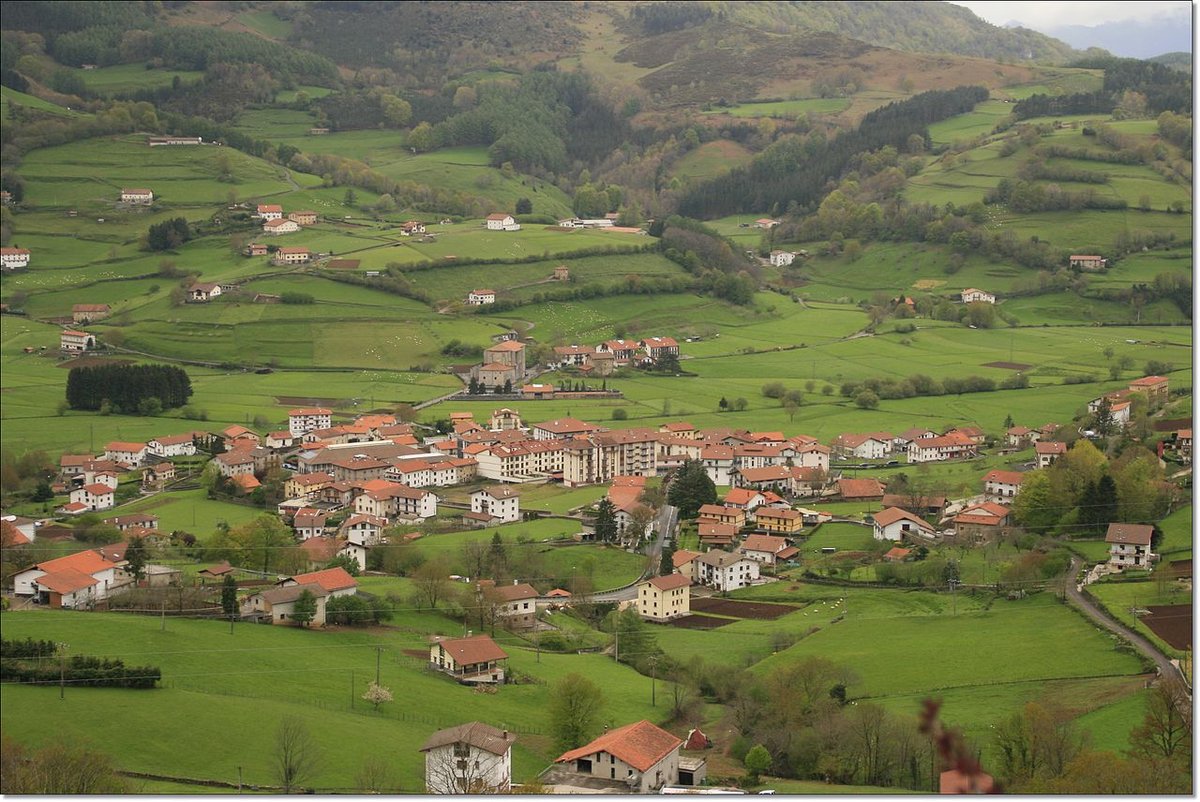
Hernialde becomes more interesting once you look beyond the centre. The surrounding landscape is made up of meadows, patches of woodland and paths that rise and fall along the hillsides. There are no large signposted routes with panels and directions. Many of these paths exist simply because they have been used for years, linking farmhouses, moving livestock or connecting the slopes to the village.
It is common to see sheep grazing in the nearby fields and caseríos scattered across the hills. These traditional Basque farmhouses, some decades old or more, are still used as homes or small working farms. Even from the outside, they say a lot about how rural life has been organised in this part of Gipuzkoa.
For anyone who enjoys walking, it is enough to follow one of the rural tracks that leave the village. The terrain, however, has its own rules. After several days of rain, mud appears quickly and can make even short walks more demanding than expected.
A Quiet Counterpoint to Tolosa
Many visitors arrive in Hernialde after spending time in Tolosa, which lies very close by. Tolosa tends to have more activity, a weekly market and busier streets. In comparison, Hernialde feels like a pause.
It works as a place to step away for a while, stretch your legs and take in the valley from a different angle before heading back down. The contrast between the two locations is part of the appeal, even though they are only a short distance apart.
Taking It As It Comes
The best way to approach Hernialde is without rushing or expecting too much. Park, walk through the centre, then head out along one of the surrounding paths. In about an hour, you can see quite a lot. With two, you begin to get a clearer sense of how the place fits together.
There are a couple of things worth keeping in mind, both typical of this area. Many tracks pass close to farmhouses and private land, so it is important to move respectfully. The weather also shifts quickly. A walk that starts in sunshine can easily end with light rain following you back into the village.
When to Go
Spring is often when the meadows are at their most vivid, the green looking almost freshly painted. It is also when mud is most likely to be underfoot.
In autumn, the landscape turns to softer, more muted tones and the atmosphere becomes especially calm. Winter is more noticeable here than in larger towns. Damp air, occasional wind and very quiet paths shape the experience.
Hernialde is not a destination for seeing a particular landmark. It is a place that shows how rural life continues in many corners of Gipuzkoa. Small, understated and following its own rhythm, it sits only a few kilometres from Tolosa yet feels much further removed.