Full Article
about Ibarra
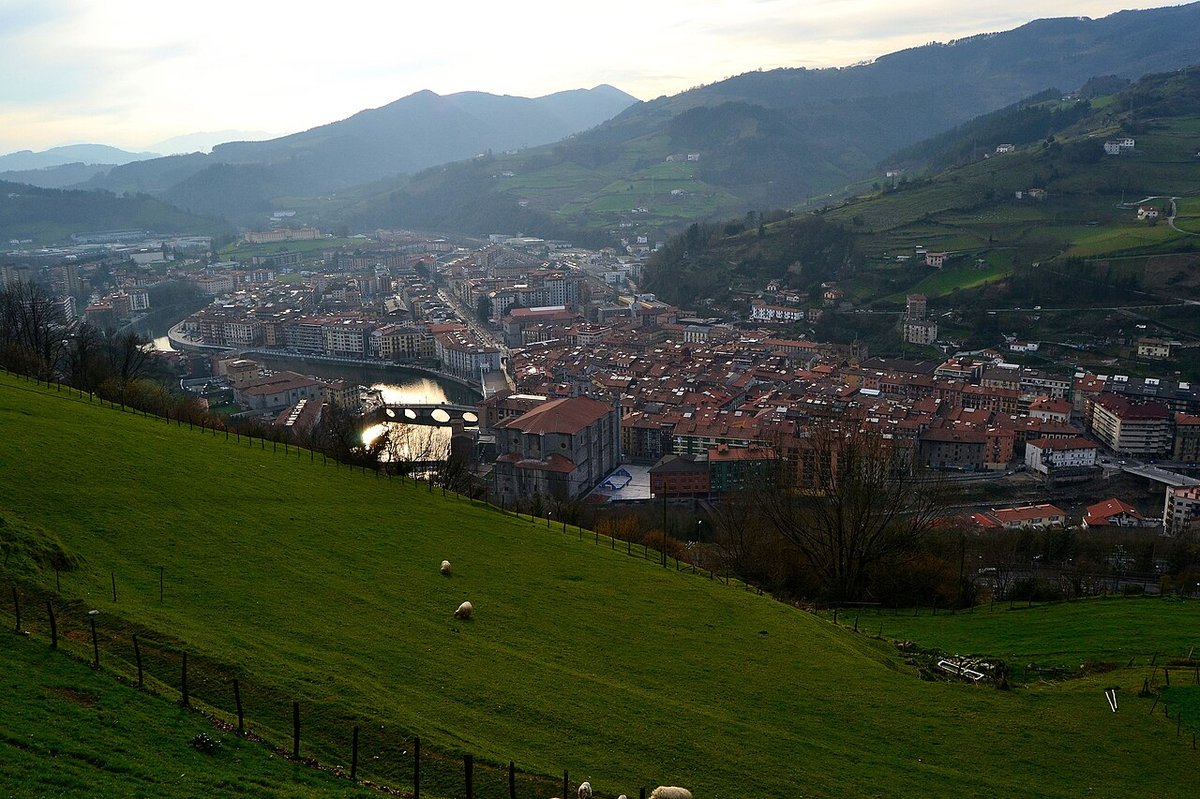
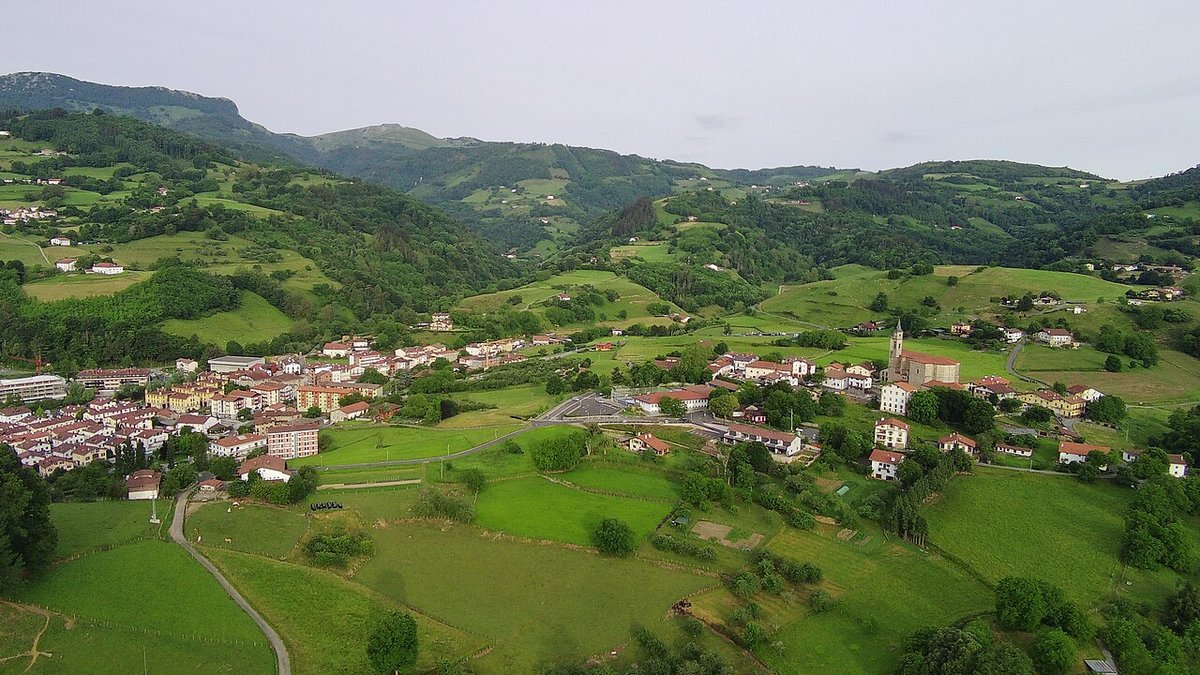
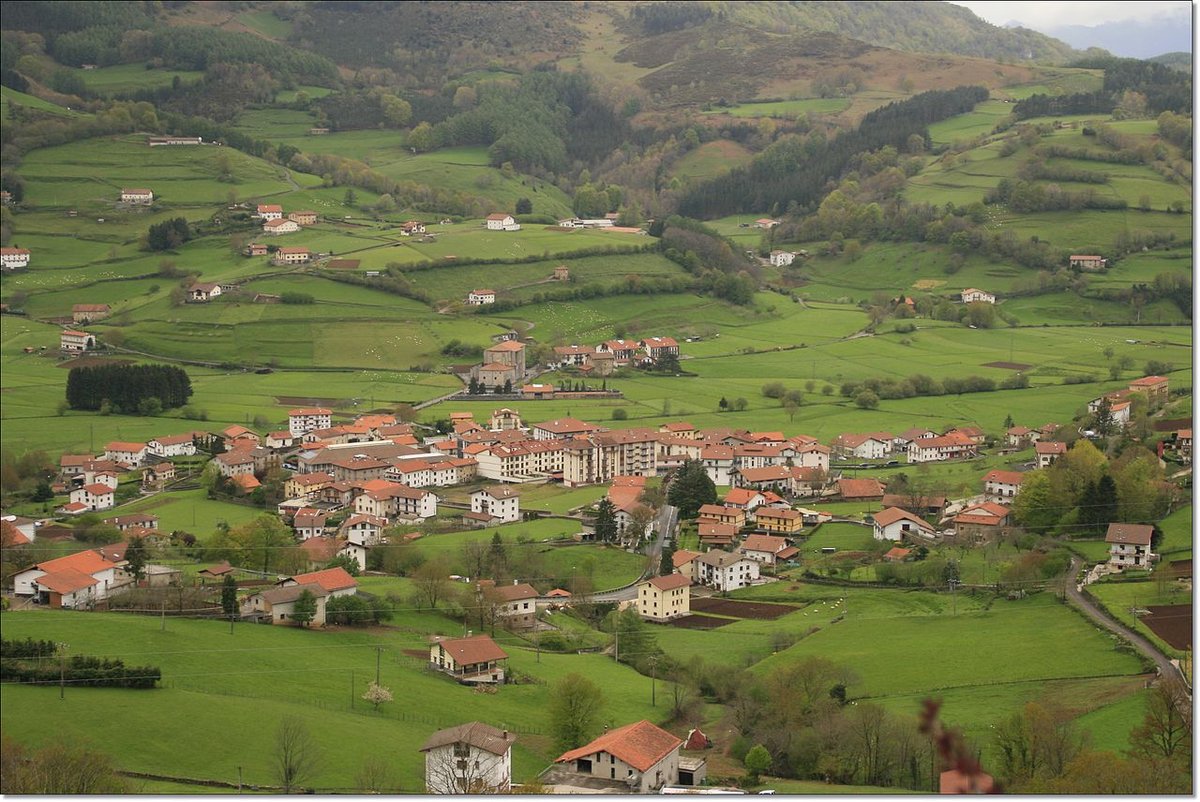
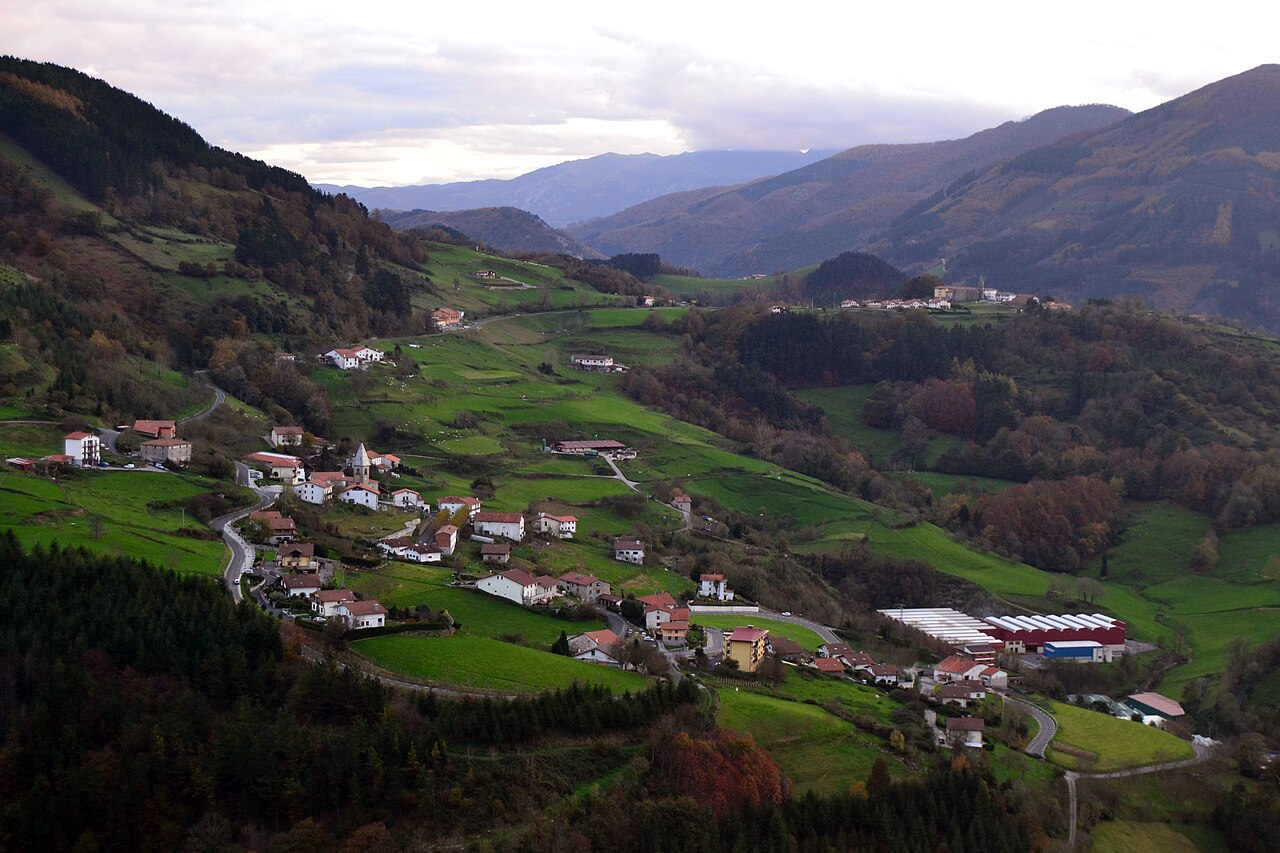
Deep green, hamlets and nearby mountains with trails and viewpoints.
Hide article Read full article
Ibarra is the quiet neighbour you end up liking
You know when you visit a friend and they take you to their local bar, the one that’s nothing special to look at but feels completely right? That’s Ibarra. It sits right next to Tolosa, almost like a neighbourhood that decided to become its own town. There are no postcard views fighting for your attention. What you get instead is a very Basque sense of place, where life happens around vegetable plots, a solid church, and the faint, constant smell of earth. Oh, and peppers. Lots of peppers.
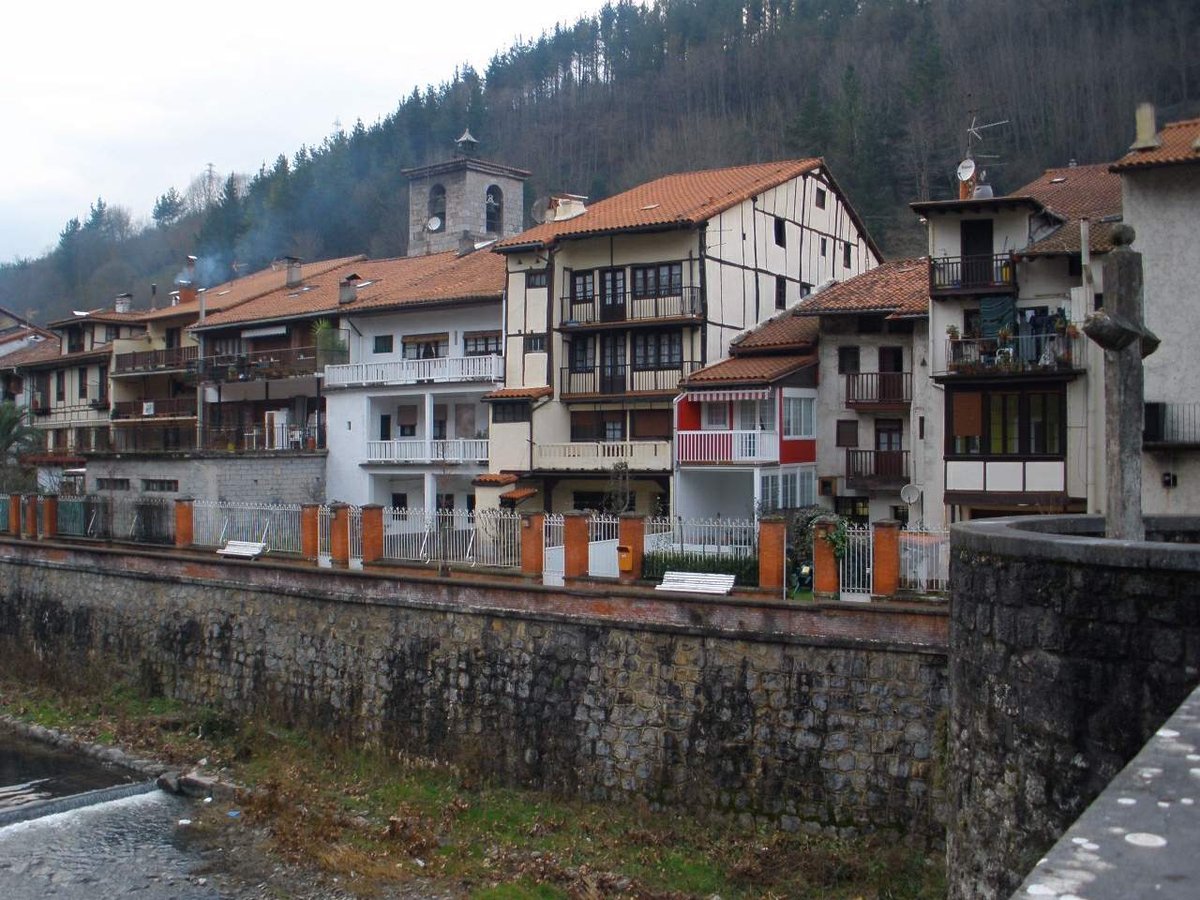
This isn’t a destination that shouts. It murmurs. The rhythm here is set by people going about their business, conversations drifting from balconies, and the steady presence of small-scale farming wedged between houses. It doesn’t try to impress you. It just carries on, and that’s precisely why it sticks with you.
A short walk from Tolosa
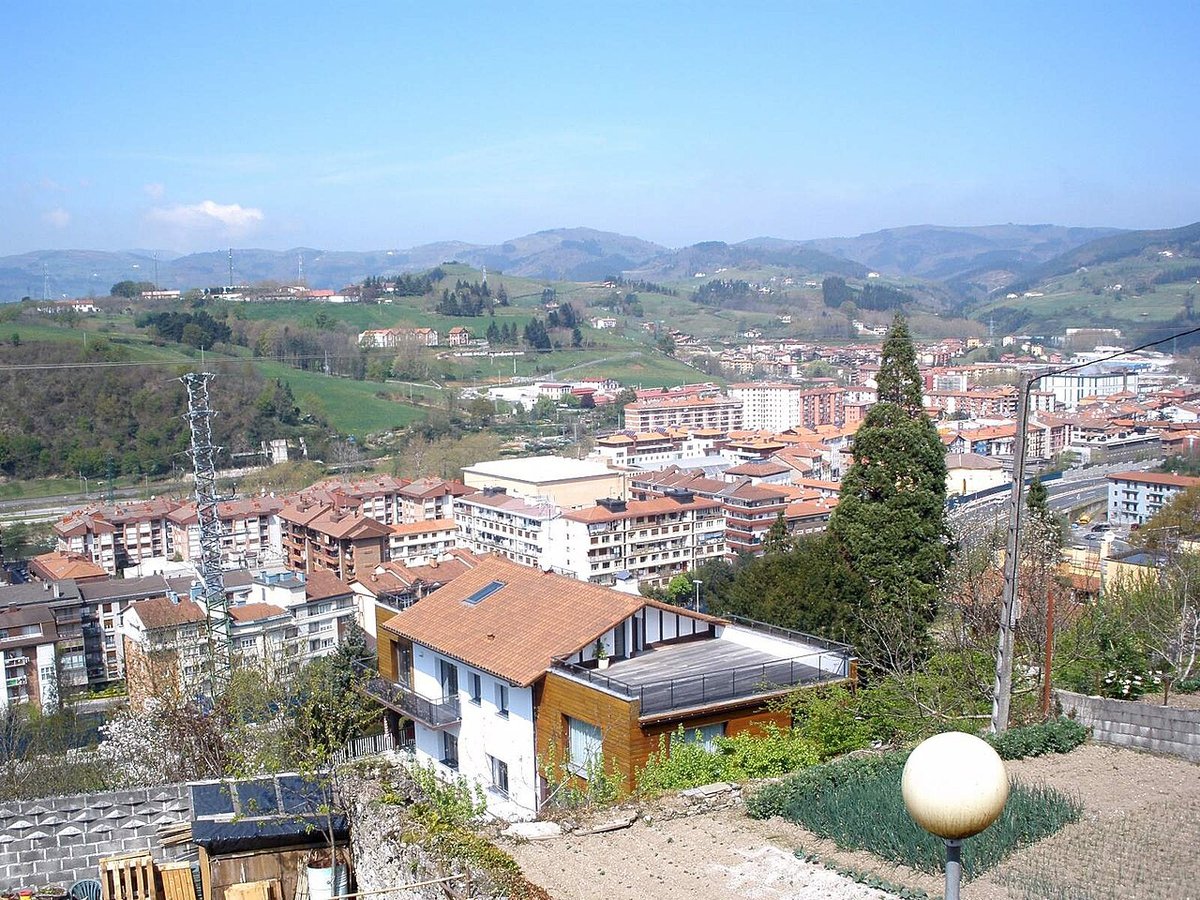
The relationship with Tolosa is the first thing you notice. They’re practically holding hands. You can walk from one town centre to the other in what feels like 20 minutes. For centuries, Ibarra was under Tolosa’s wing until it finally got its own town charter in the early 1800s. For a place this compact—just a few square kilometres and around 4,100 people—that must have felt like finally moving out of your older sibling’s shadow.
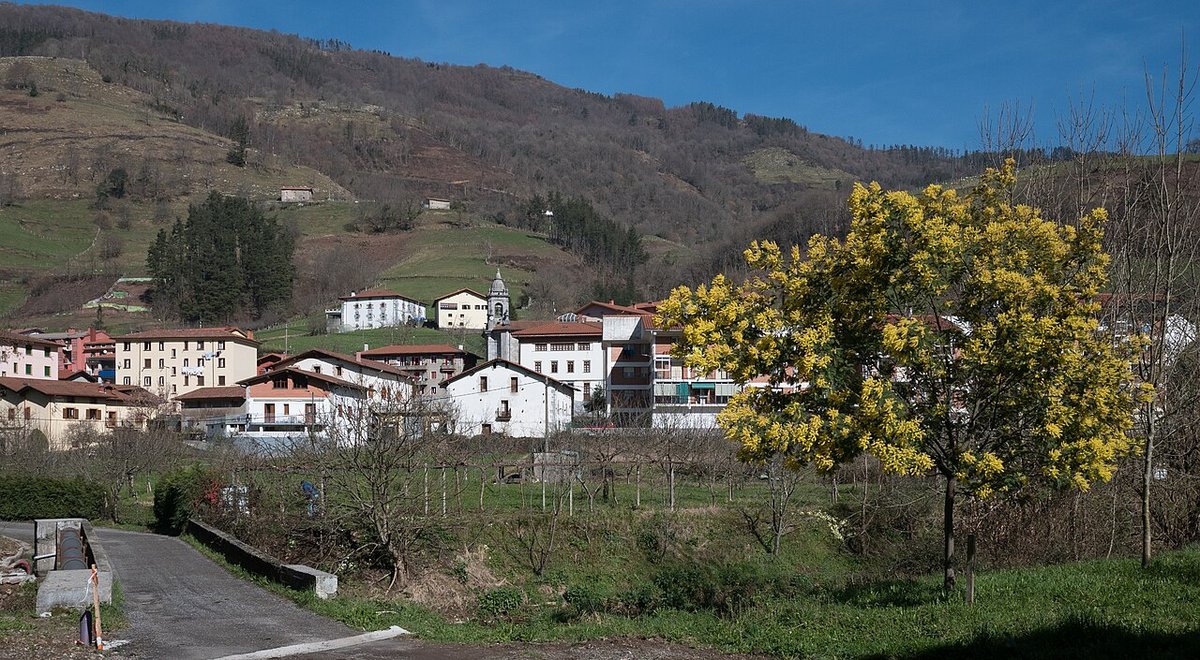
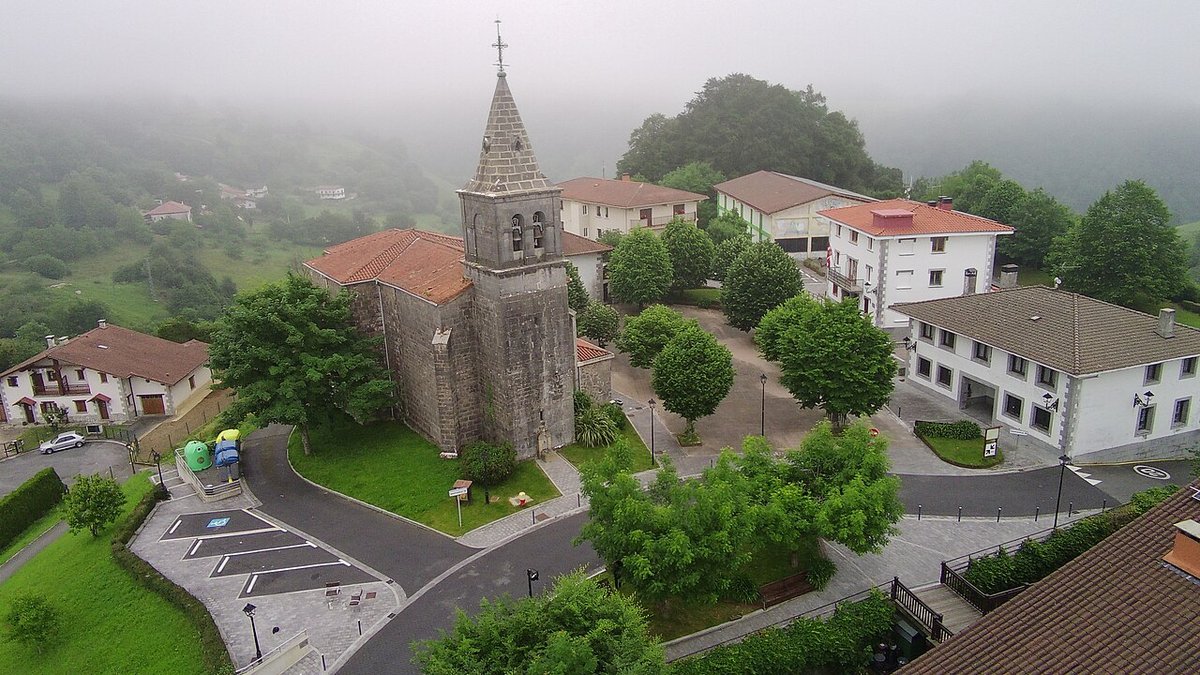
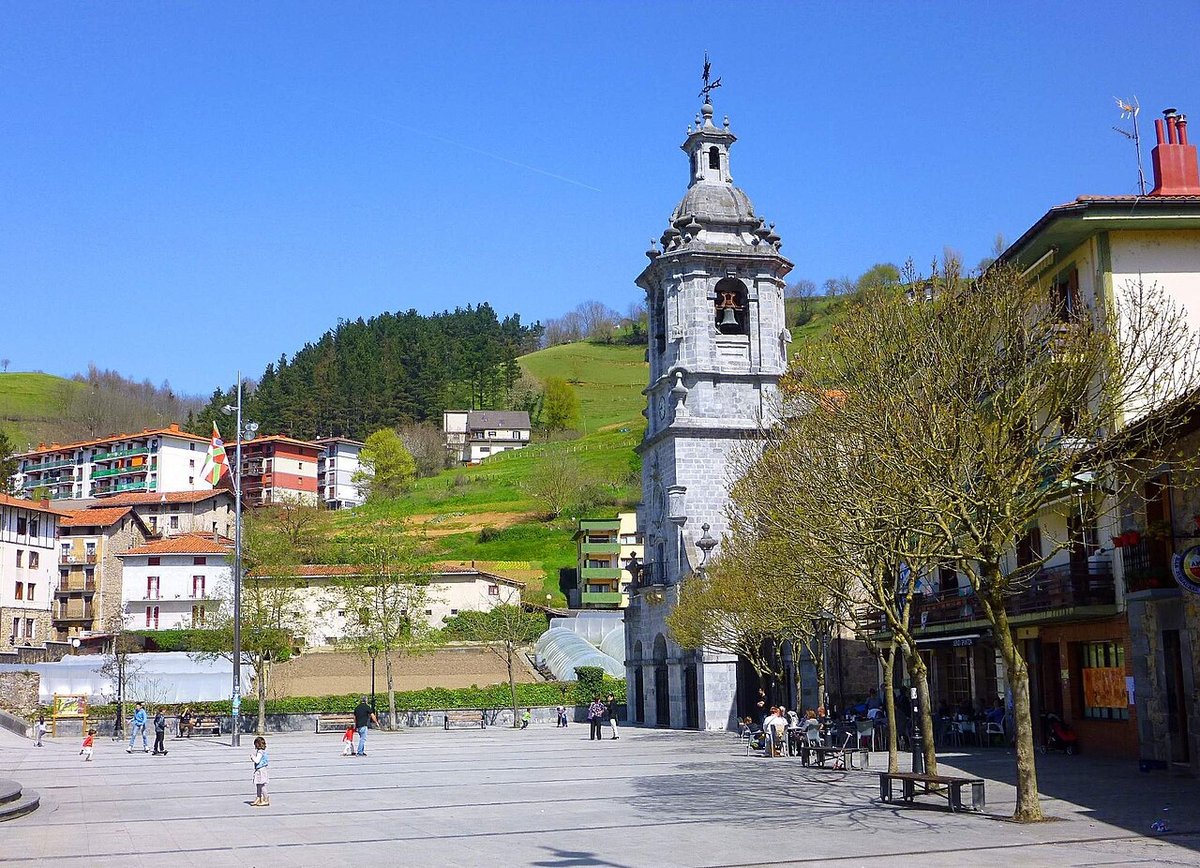
The anchor in the centre is the church of San Bartolomé. It’s the kind of Basque church that was built in bits and pieces over centuries; started in the 1500s, added onto later, with a bell tower that clearly arrived fashionably late to the party. The mix of styles isn’t dramatic, it’s just honest.
The centre itself is small. You can walk through it in ten minutes if you don’t stop, past low-rise houses and streets so quiet you can hear a pilota game echoing from a fronton wall. It feels familiar immediately, like you’ve been there before.
Everything revolves around the piparra
If people know one thing about Ibarra, it's this: the guindilla. The long, green, surprisingly mild pepper they call piparra. Forget fiery heat—these are gentle, with a grassy bite. They grow everywhere here in summer, later seen drying in bunches on balconies and doorways like green Christmas lights.
This pepper is the soul of the gilda, that iconic pintxo of olive, anchovy, and pepper on a stick. While bars in San Sebastián might argue about its origins, around here they’ll tell you it came from the Tolosa area. True or not, the piparra is woven into daily life here. You see them in garden plots, sold at stalls on Sunday mornings, and piled high on plates shared among friends with plenty of cider.
It’s more than a crop; it’s shorthand for the town itself. A humble pepper that defines a place.
The local hill: Uzturre
Look up from any street in Ibarra and there's Uzturre. It's not a dramatic mountain; it's more like the town's communal backyard hill. Locals treat the hike up to the Izaskun chapel like an extended Sunday stroll.
The path isn't technical but parts will get your heart going if you're out of shape (guilty). Nobody races up it. The point is the steady climb through beech woods, stopping to catch your breath while someone's dog runs ahead.
From the top, the view does something important: it lays out the geography of your day. You see exactly how Ibarra fits into the fold of the valley with Tolosa and other villages strung along the Oria river. It connects all the dots you walked through earlier.
What remains of workshops and paper mills
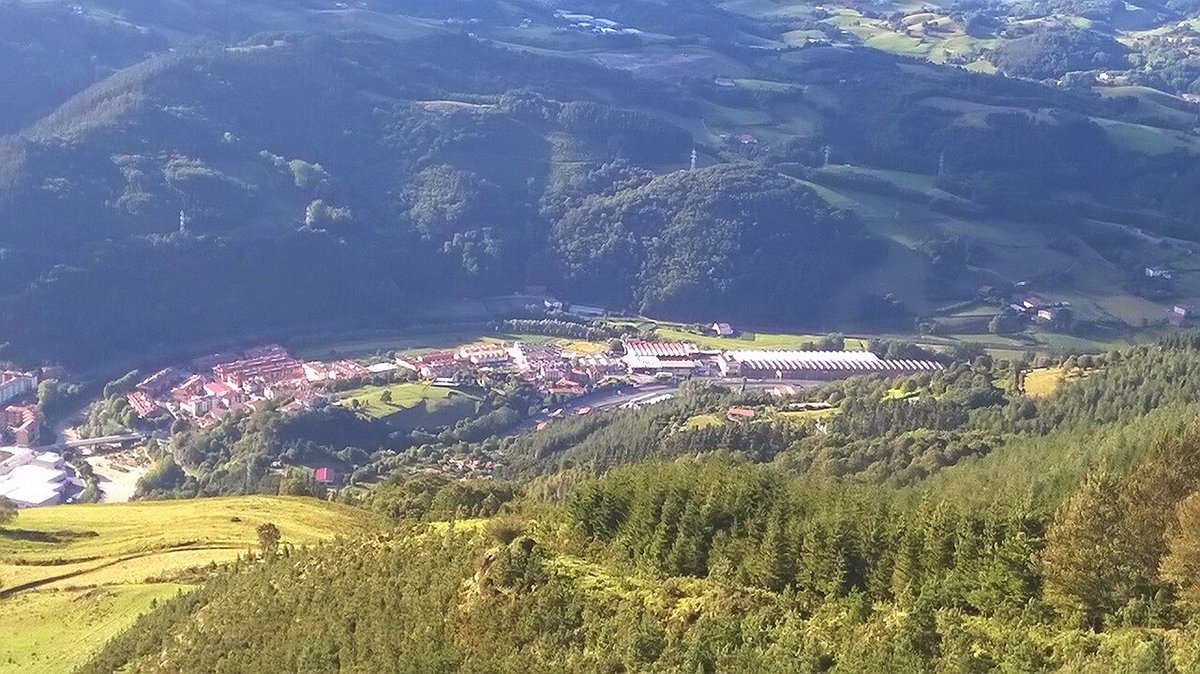
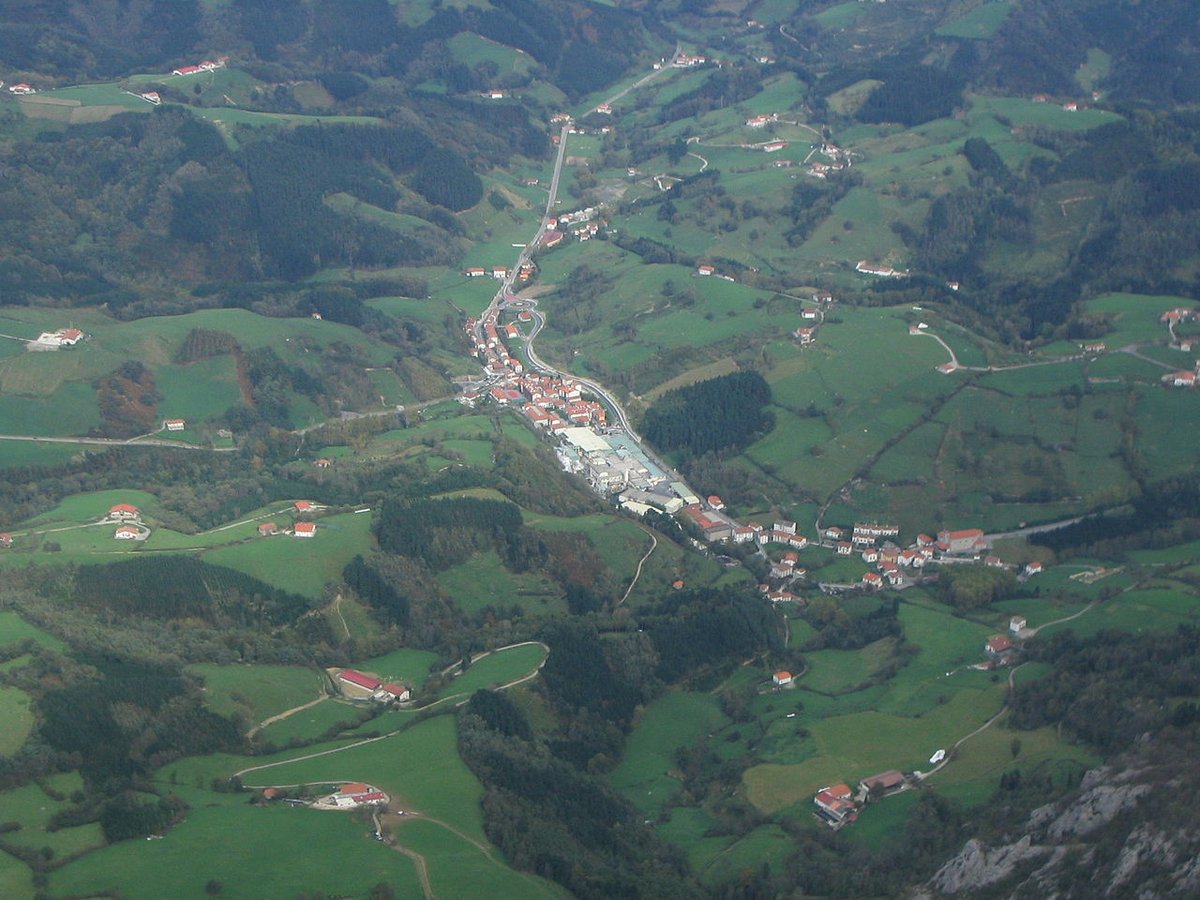
Ibarra wasn't always just gardens and quiet streets. This part of the Oria valley had industry—paper mills and small workshops humming away for decades. You can still spot some of those old industrial buildings sitting quietly between houses.
One bit of local history I love: there were piano workshops here once. It seems random for a town this size until you remember this is Euskadi, where specialised industry popped up in seemingly rural spots. It speaks to that Basque mix of farming, craftsmanship, and tight-knit community all sharing the same few blocks. These old buildings don't dominate; they're just another layer in the story, a reminder that manual work and neighbourhood life have always coexisted here.
So when should you go?
If you want energy, aim for late August during the patron saint festivities. The streets fill, music spills out, and groups gather in the squares until late. It's when the town throws a proper party for itself.
For me, the best time is a Sunday morning. There's often a market feel around the main square— people shopping, chatting, no one in a rush. Find a spot outside, order a txakoli and a couple gildas, and just watch the rhythm for an hour. That's how you get Ibarra.
You don't need an itinerary here. Come for lunch after seeing Tolosa, walk it off through those backstreets past the pepper plants, nod at someone tending their garden, and head up Uzturre if the weather holds. In three or four hours you'll have understood its pace. It's not about seeing sights; it's about feeling how a place like this works when nobody's watching