Full Article
about Larraul
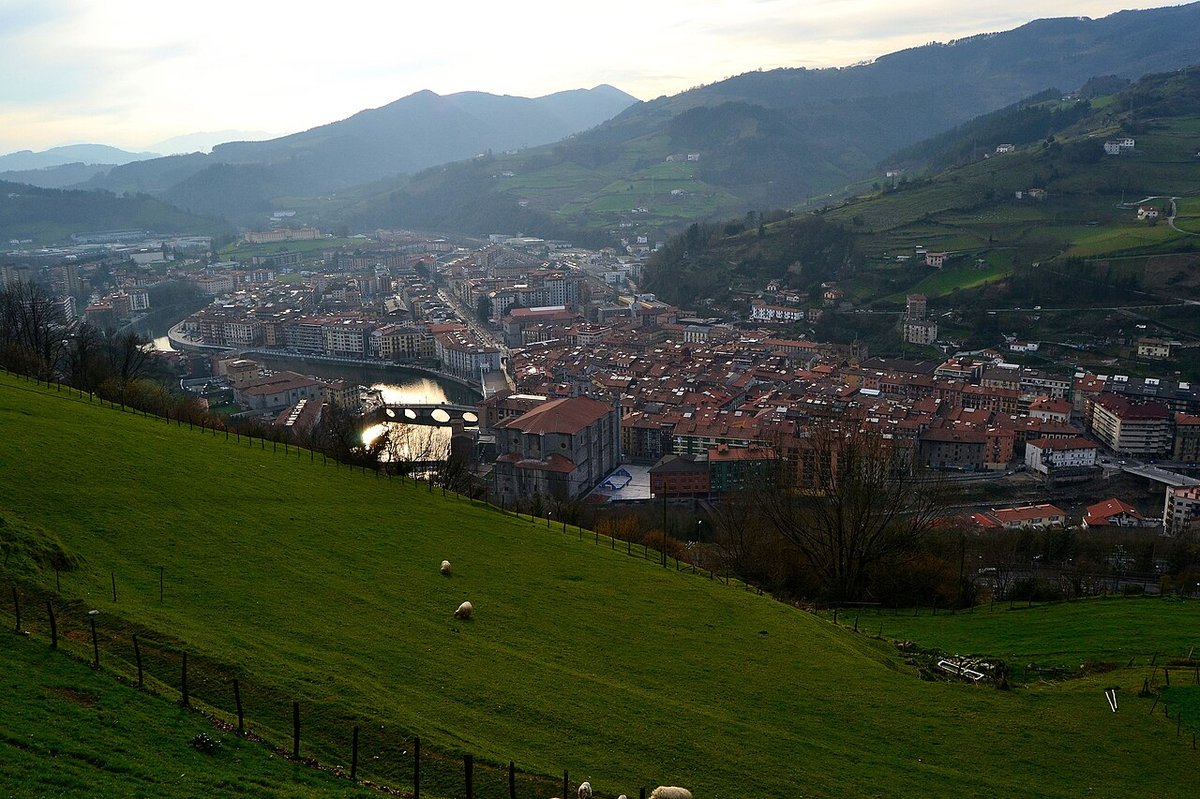
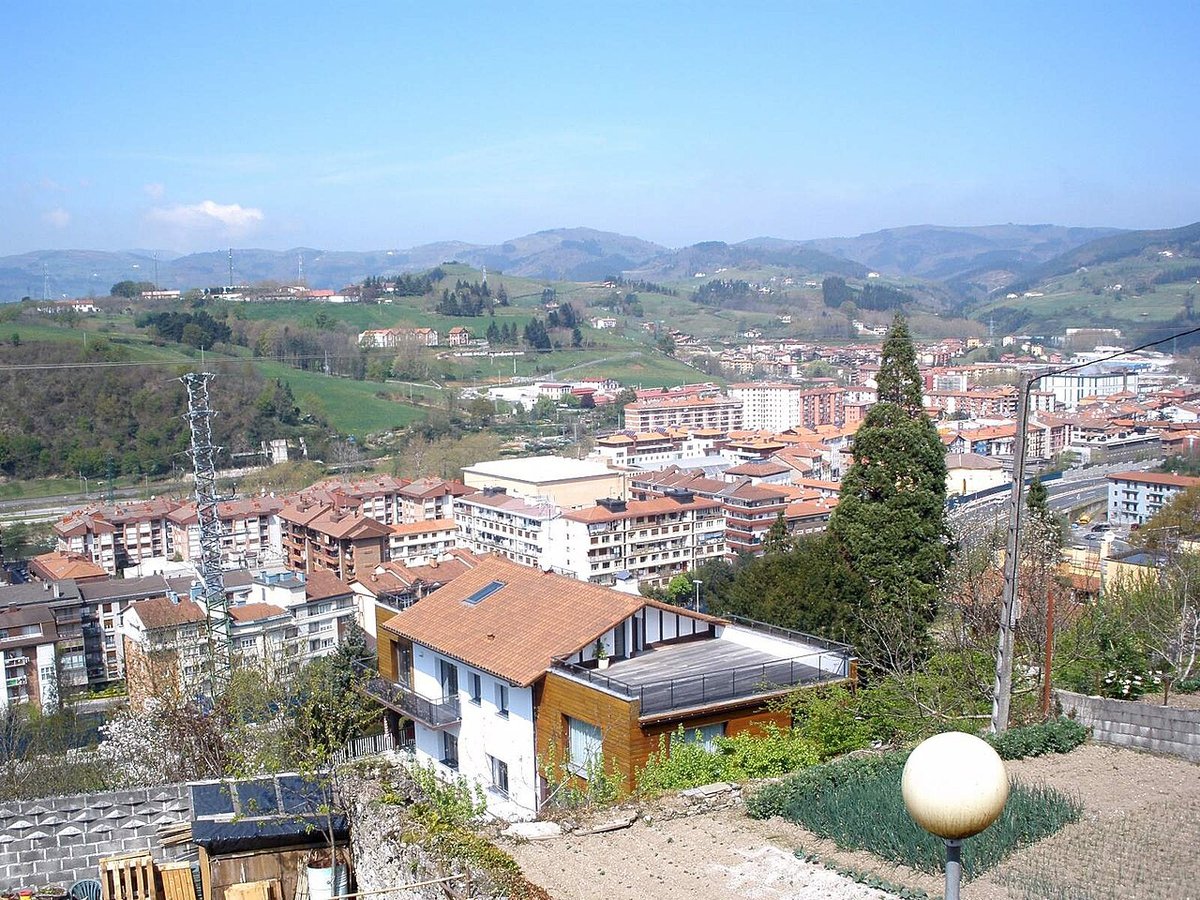
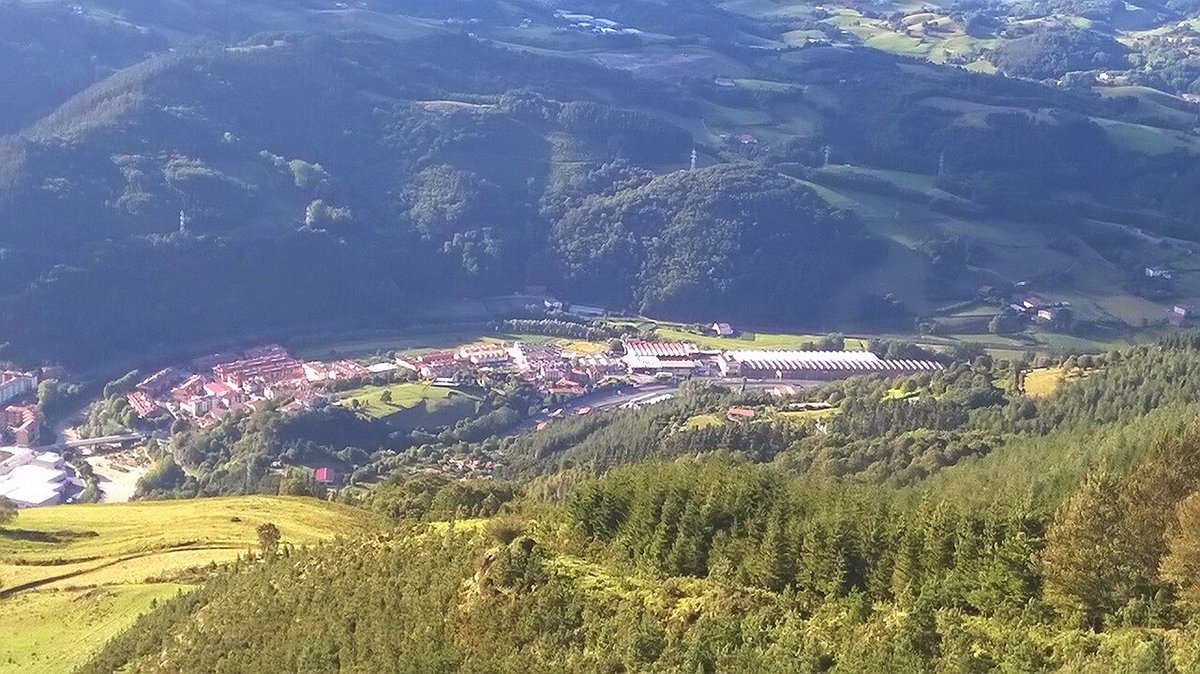
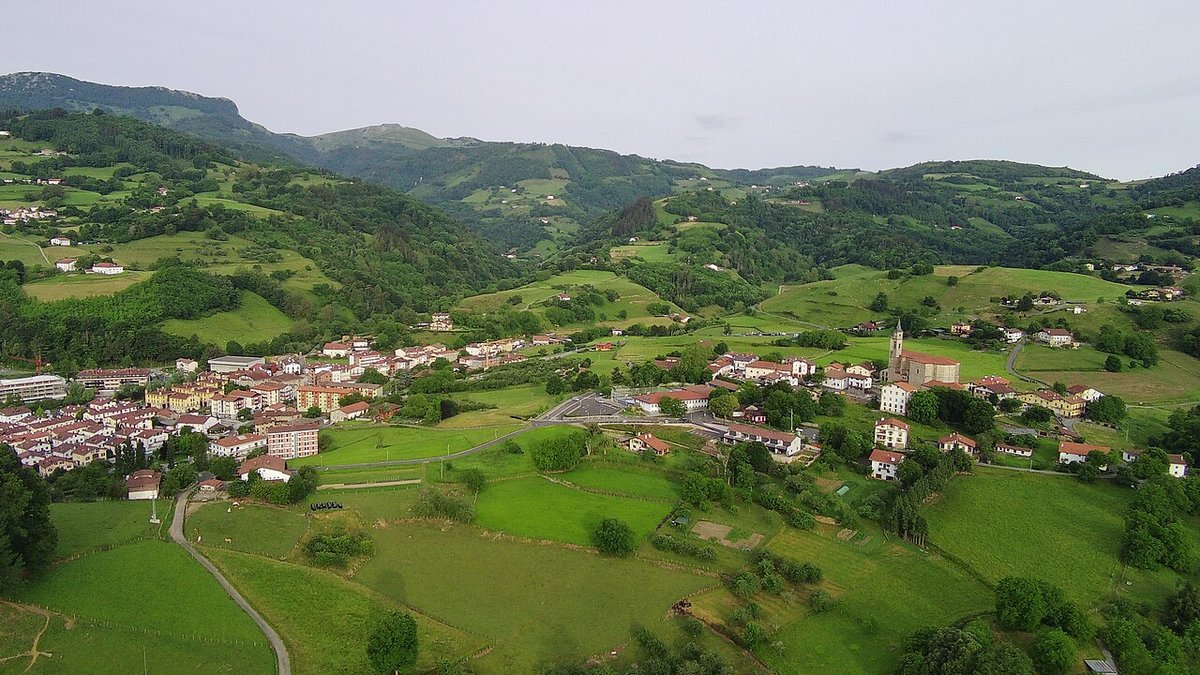
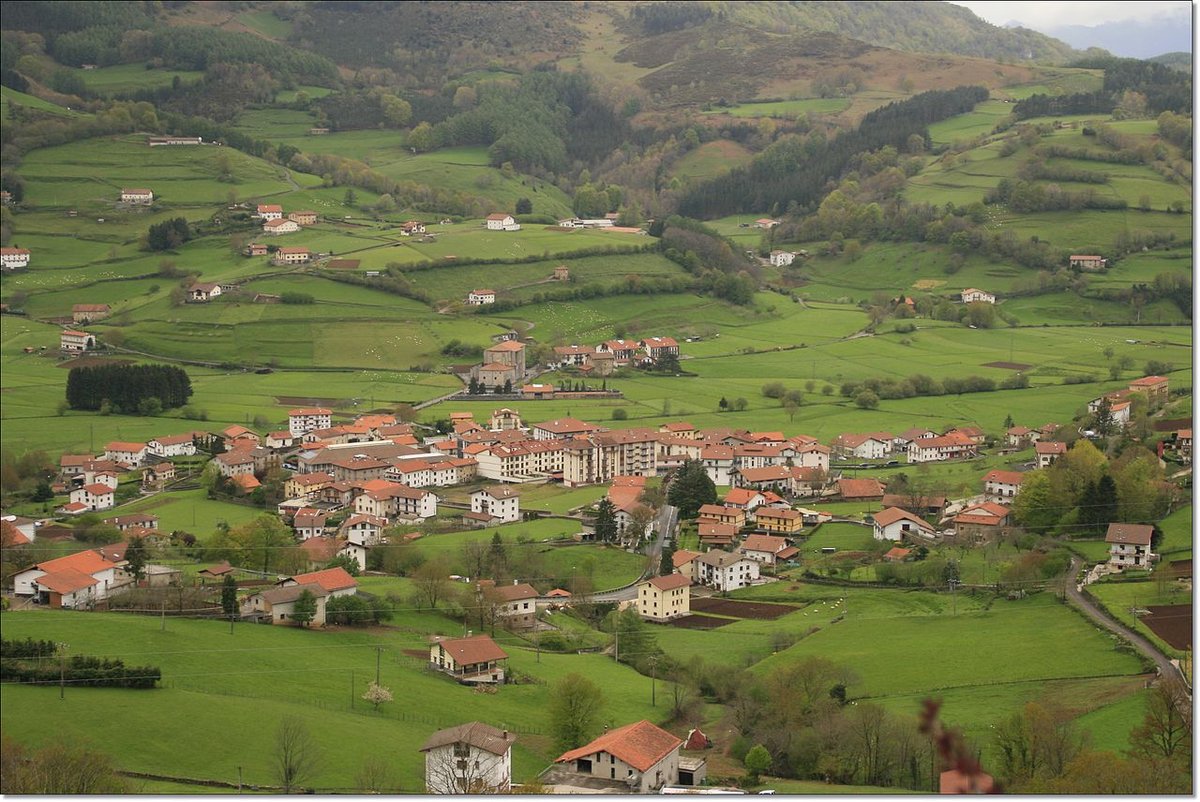
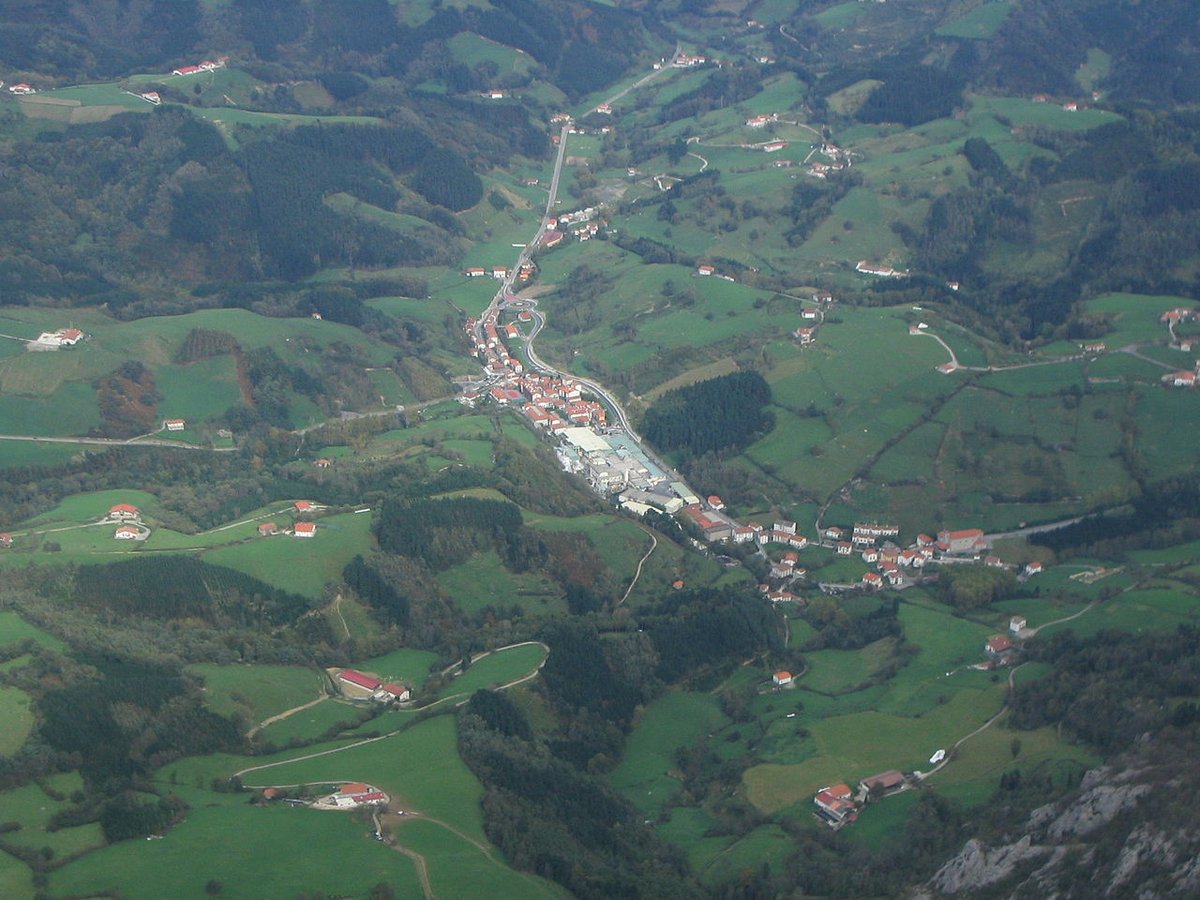
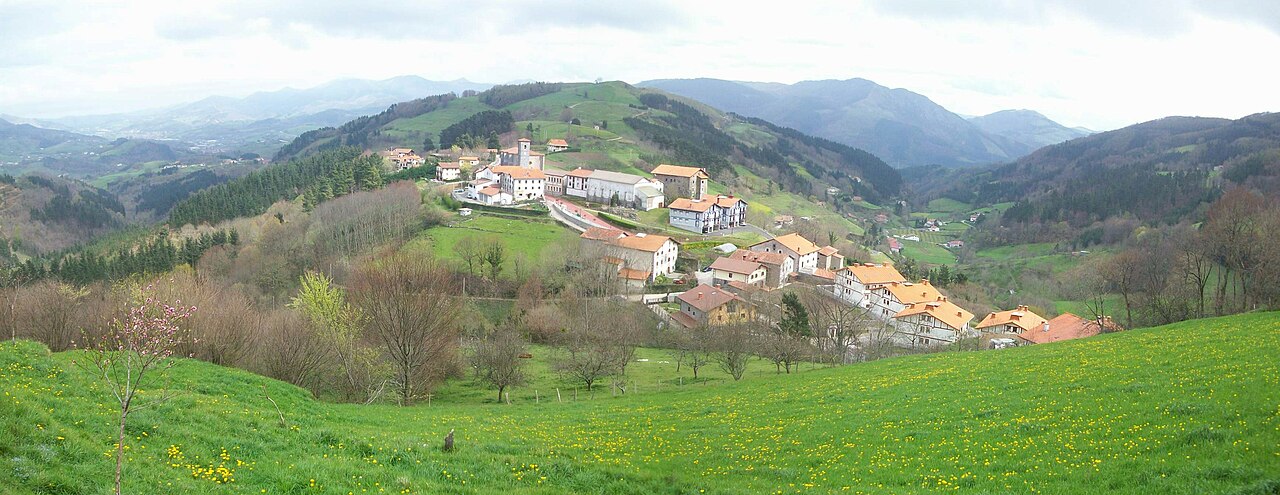
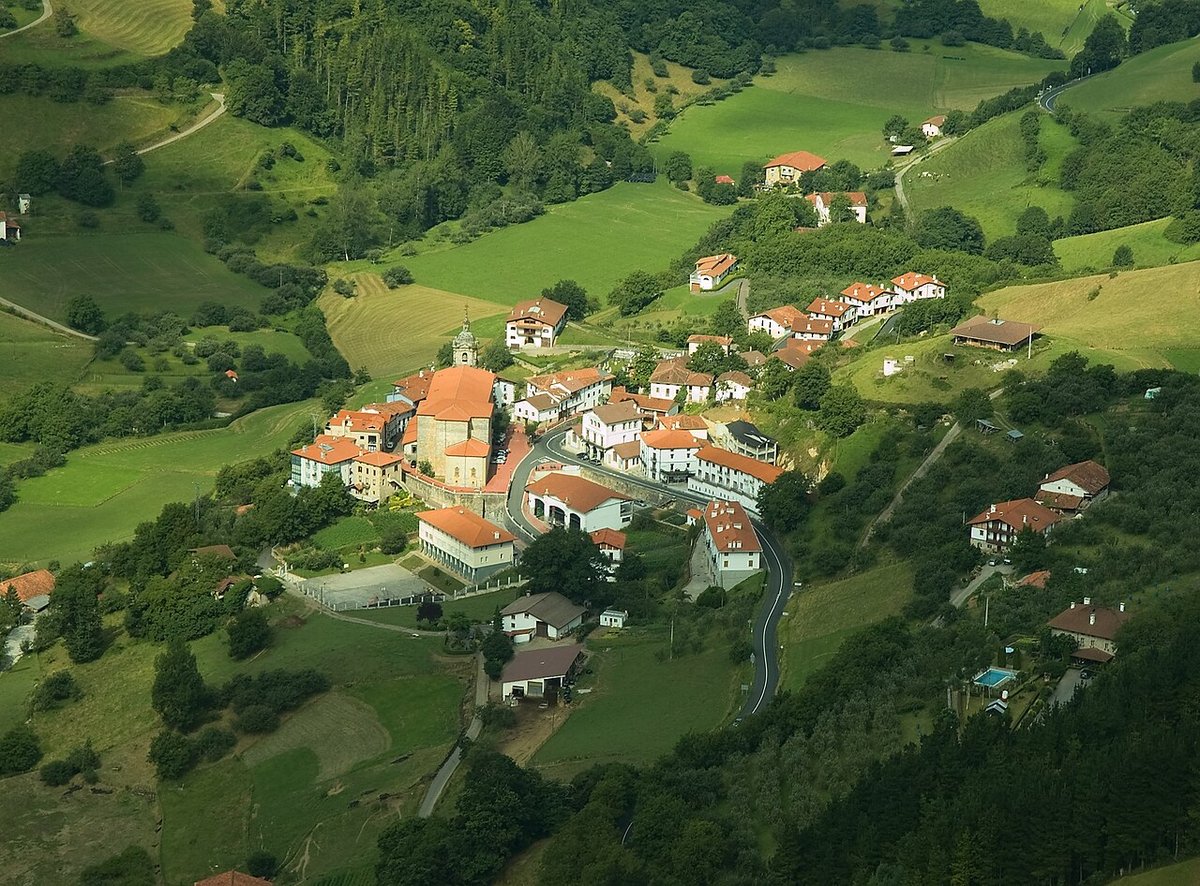
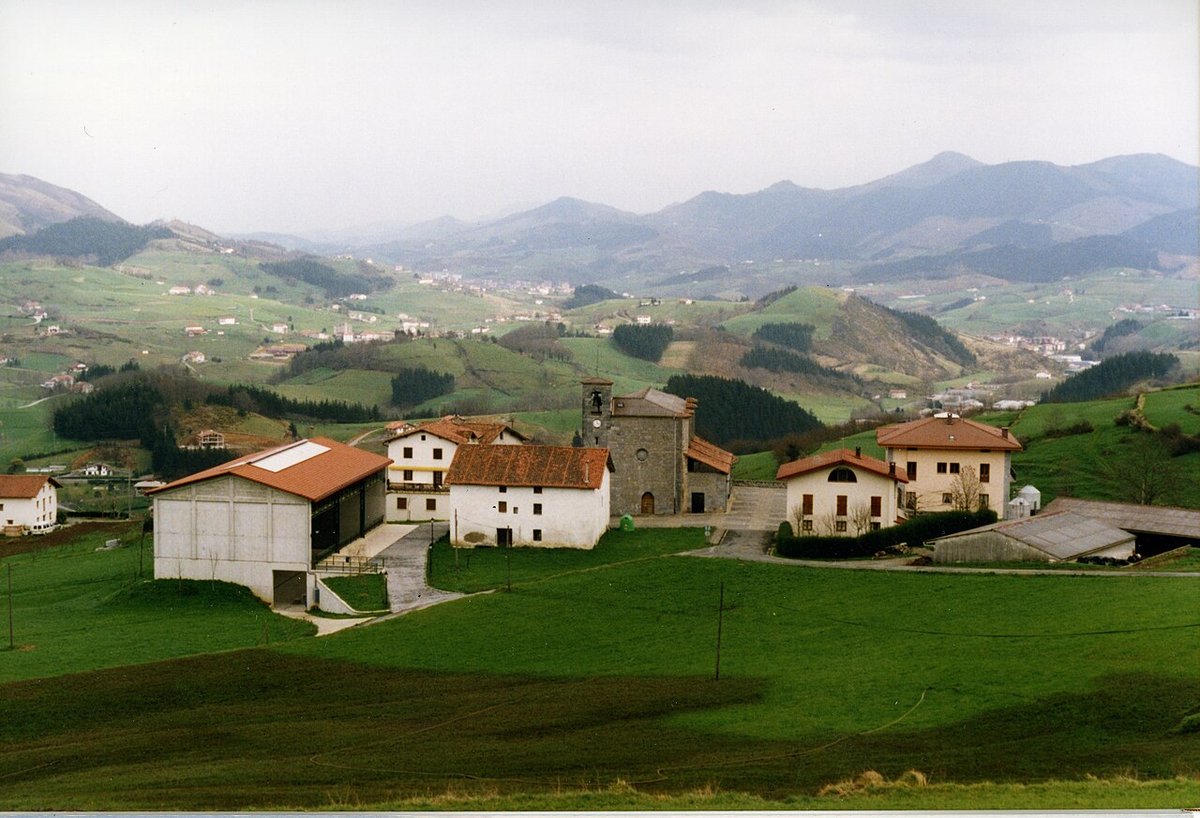
Deep green, farmhouses and nearby mountains with trails and viewpoints.
Hide article Read full article
Larraul: When the Side Road is the Whole Point
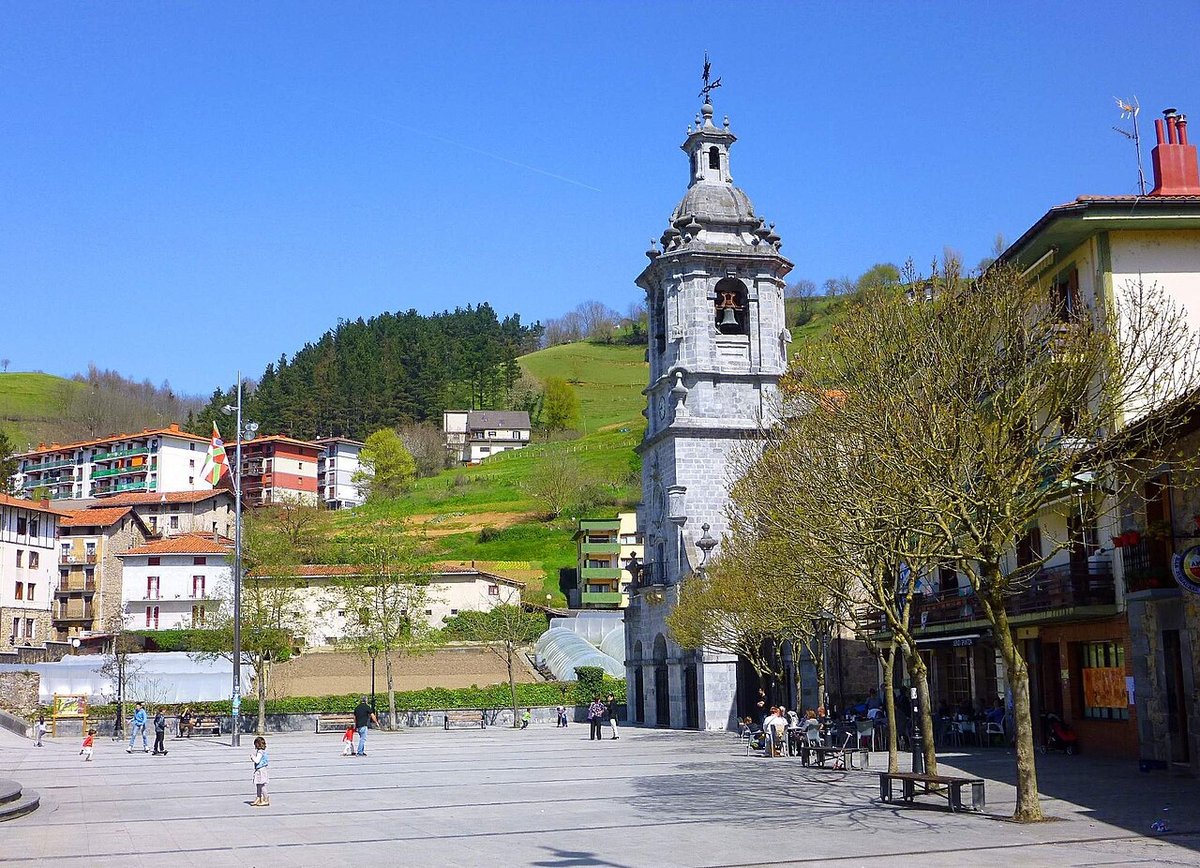
You know that feeling when you're driving somewhere and you take a random turn, just to see? Larraul is that turn. You leave the main road out of Tolosa and, almost immediately, the noise drops away. What you find isn't a village in the postcard sense. It's more a collection of caseríos sprinkled across a hillside, held together by damp lanes and the church of San Martín as a sort of anchor point. There’s no fanfare here. You park near the church, look around, and realize the visit has already started.
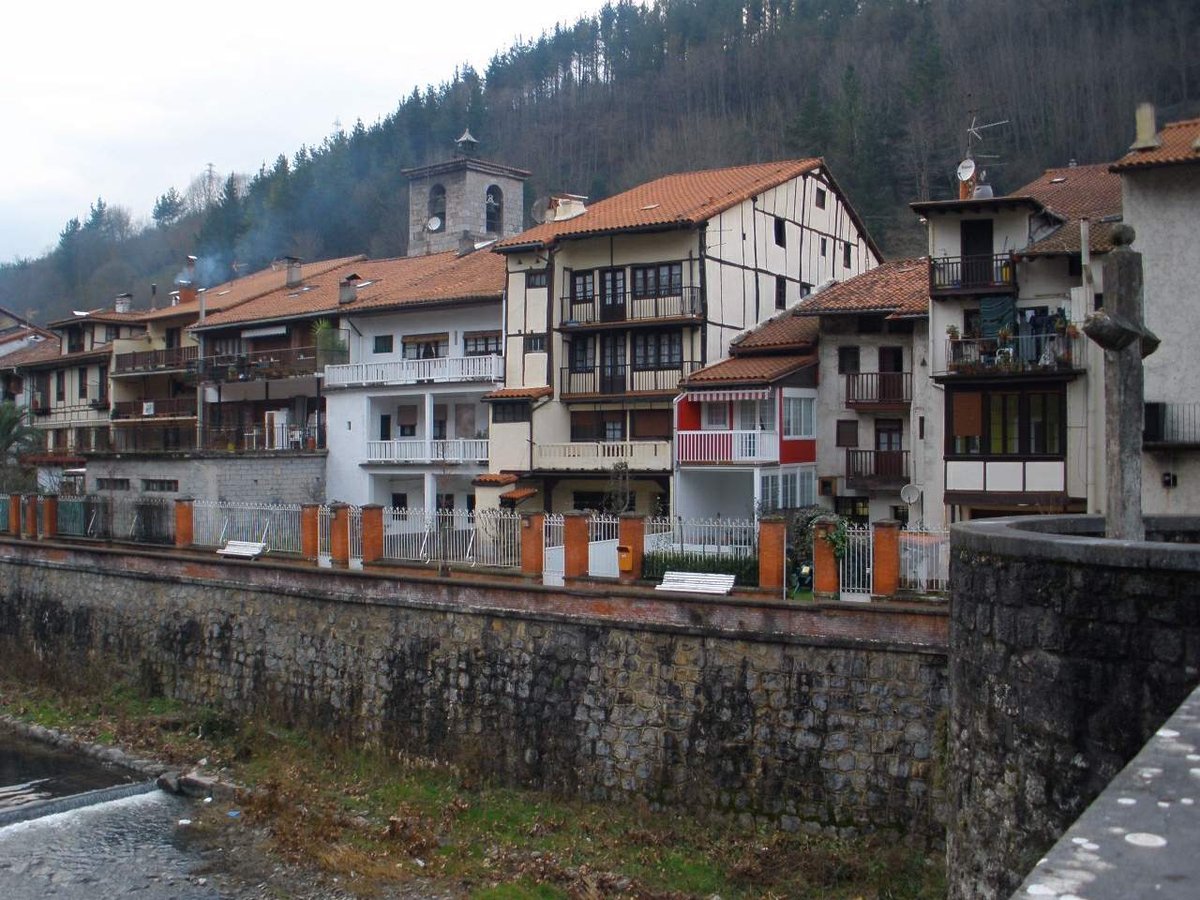
This isn't a checklist kind of place. If you come looking for monuments or a pretty plaza to sit in, you'll be done in ten minutes and left wondering what the point was. The point is the opposite: to slow down enough to notice how a place like this actually works. It’s functional. You'll see more tractors than tourists, more vegetable gardens than gift shops. The houses tell their own story—some restored with care, others wearing decades of Basque rain on their stone walls.
Getting Your Bearings (It Won't Take Long)
The church is your logical starting point, mostly because everything else branches off from it. Don't expect a bustling centre. Larraul feels less like a nucleated village and more like a small administrative dot surrounded by farmland. The roads that curl away from here are narrow, meant for local traffic and farm vehicles.
Walking them is the only real way to get it. You quickly leave the built-up bit behind and find yourself between meadows, with views opening up over the Tolosaldea valley. The architecture isn't grand; it's agricultural. Stone walls, timber barns, grazing land divided into neat plots. It’s landscape built for work, not for show.
A Walk Without an Itinerary
Forget downloading a detailed route. In Larraul, you just pick a lane and go. One might lead you past a handful of caseríos before turning into a dirt track. Another might climb gently to a spot where you can see how the whole valley fits together.
Come prepared for mud if it's rained recently—this is Gipuzkoa, after all. Some paths might peter out at a gate or lead into private land, so there's an unspoken rule about not forcing it. Just backtrack and try another direction. That’s part of the rhythm here.
If you're on a bike, these same lanes make for good, honest riding. The climbs are short but punchy enough to remind your legs they're working. Traffic is nearly non-existent.
You won't find much in the way of services in Larraul itself—maybe a bar open odd hours—so most people plan to eat back in Tolosa or another nearby town after their stroll.
The Practical Stuff: Weather and Expectations
Your experience here lives or dies by two things: your expectations and the weather.
Let's start with expectations. Larraul won't dazzle you. Its appeal is subtle and entirely tied to its setting—the quiet (broken only by a distant cowbell or a passing car), the layered green of the hillsides, the practical beauty of its working landscape.
The weather dictates everything else.Spring and autumn are probably your best bets.Mild temperatures,milder light.Summer can be surprisingly hot on those exposed slopes,making early morning or late afternoon wiser.Winter has its own stark mood,but low cloud can sit in the valley for days,sometimes obscuring the views entirely.If it's been wet,the paths can turn into proper boot-sucking mud.It's not treacherous,but turning up in white trainers would be...optimistic.
A couple of hours is plenty.You walk,a few photos suggest themselves,and you leave.It doesn't ask for more than that.In fact,the main thing Larraul gives you is permission to not do very much at all.Just look around,and then drive back to the main road,a bit quieter than when you arrived