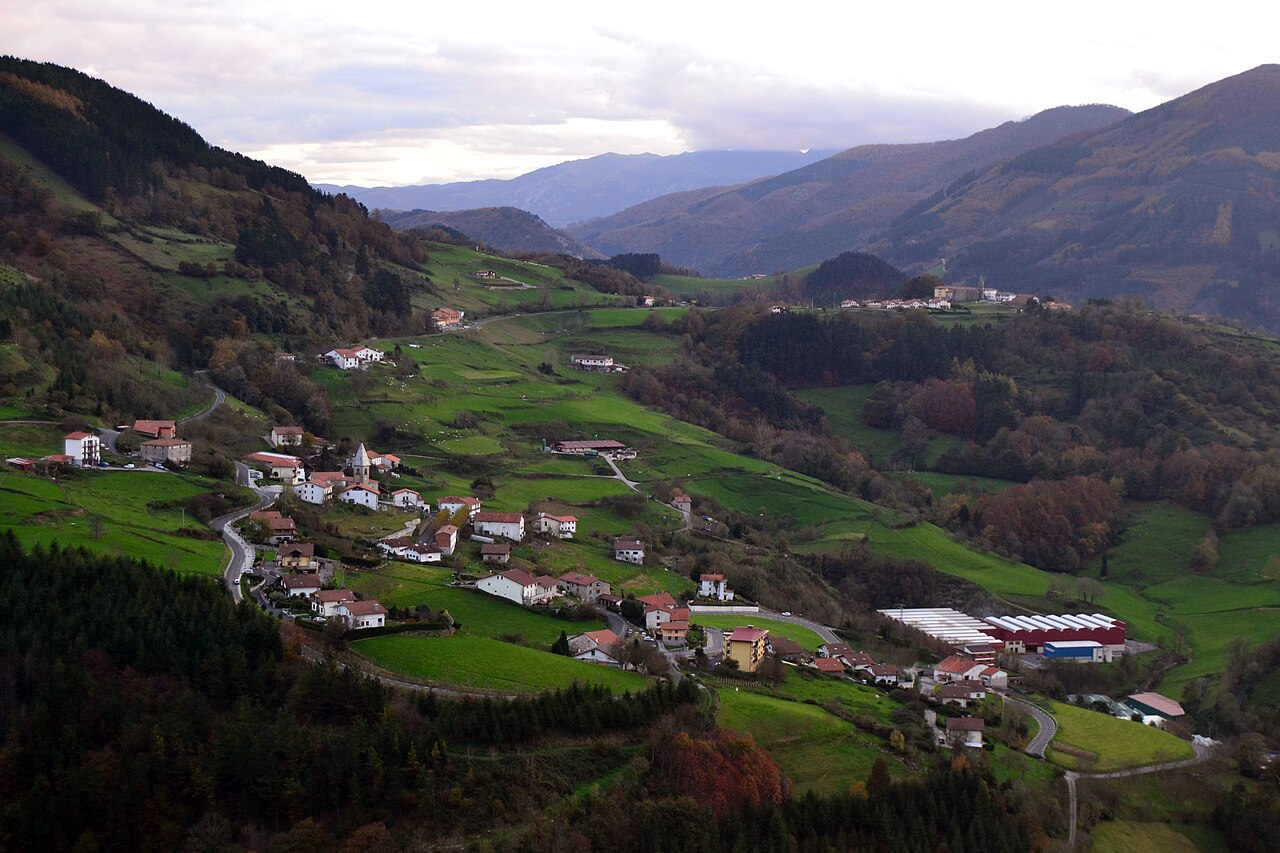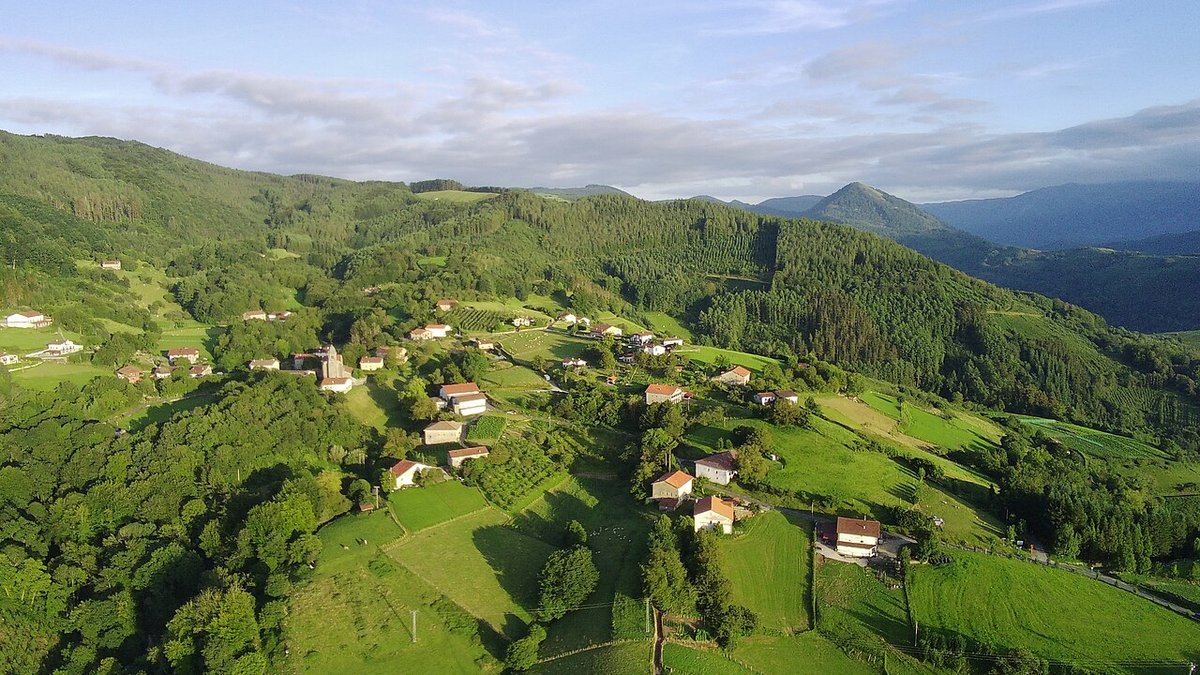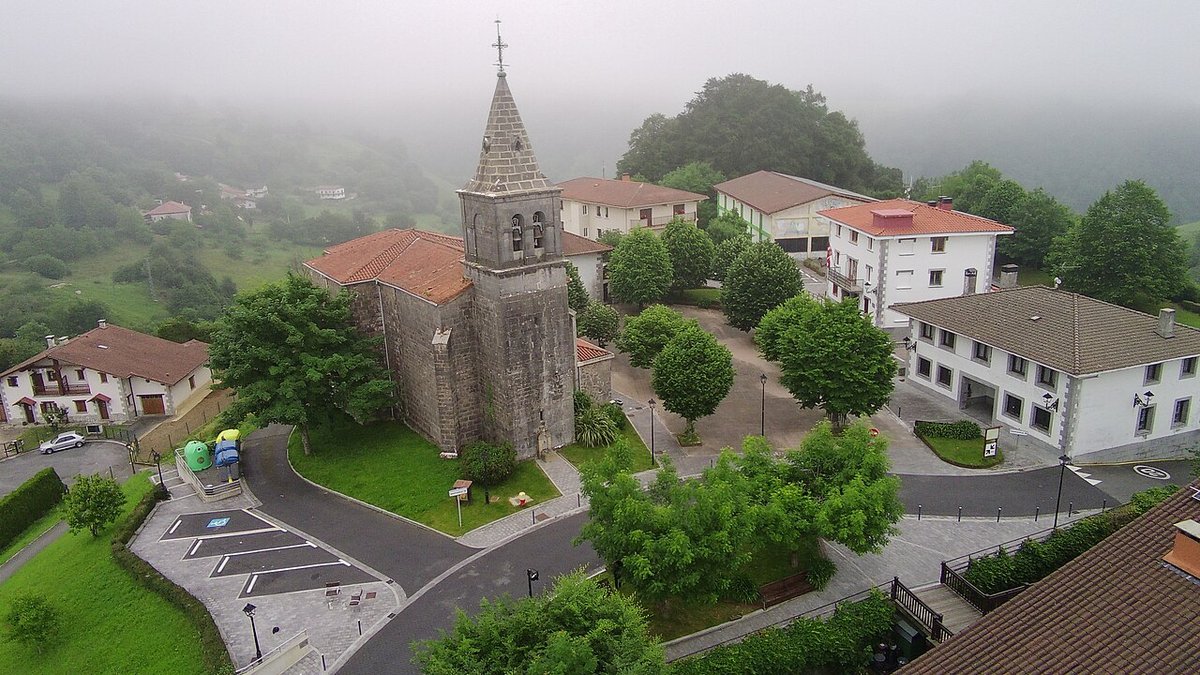
Leaburu airetik 02
Xabier Cañas · CC BY-SA 4.0
País Vasco · Atlantic Strength

Leaburu

The tractor driver's wave isn't rehearsed. It's the reflex of someone who's passed three cars all morning, and you're one of them. Between Leaburu'...

390 inhabitants · INE 2025
325m Altitude

Why Visit

Mountain Historic quarter Hiking

Best Time to Visit

summer

Things to See & Do
in Leaburu

Heritage

  • Historic quarter
  • parish church
  • main square

Activities

  • Hiking
  • mountain biking
  • viewpoints
  • local food

Full Article
about Leaburu

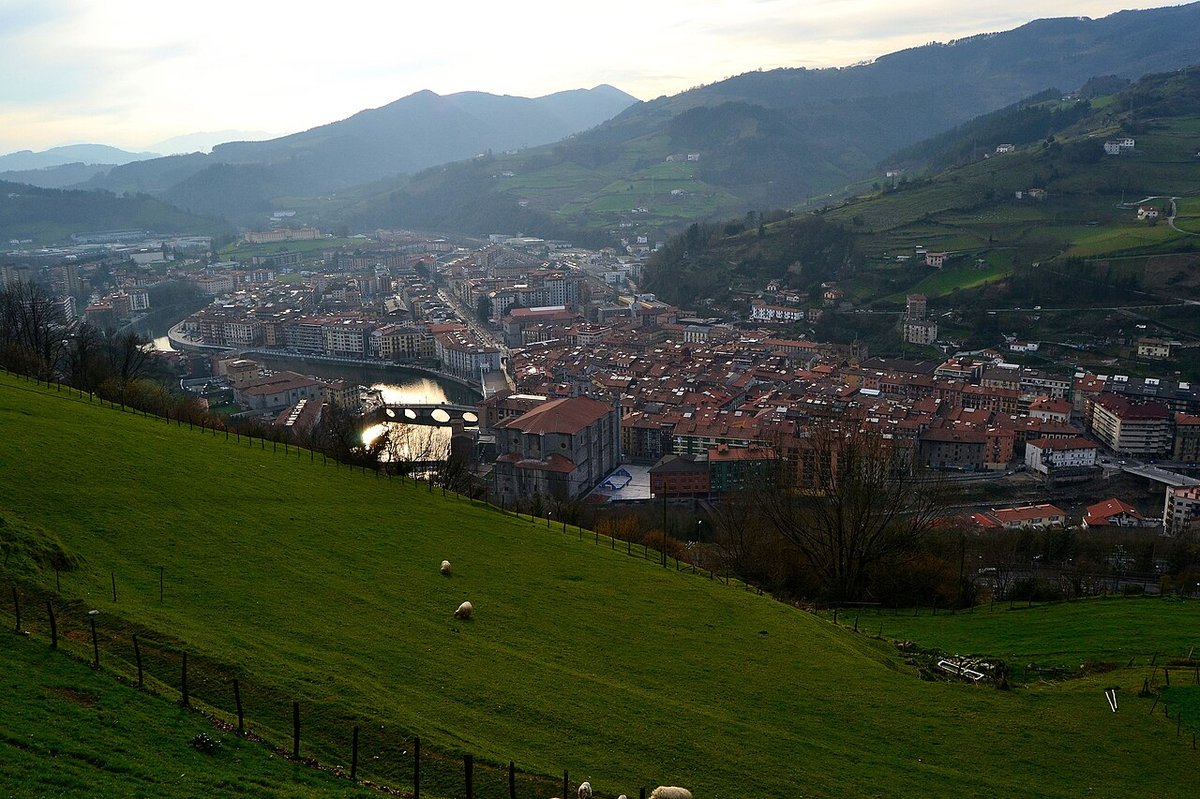
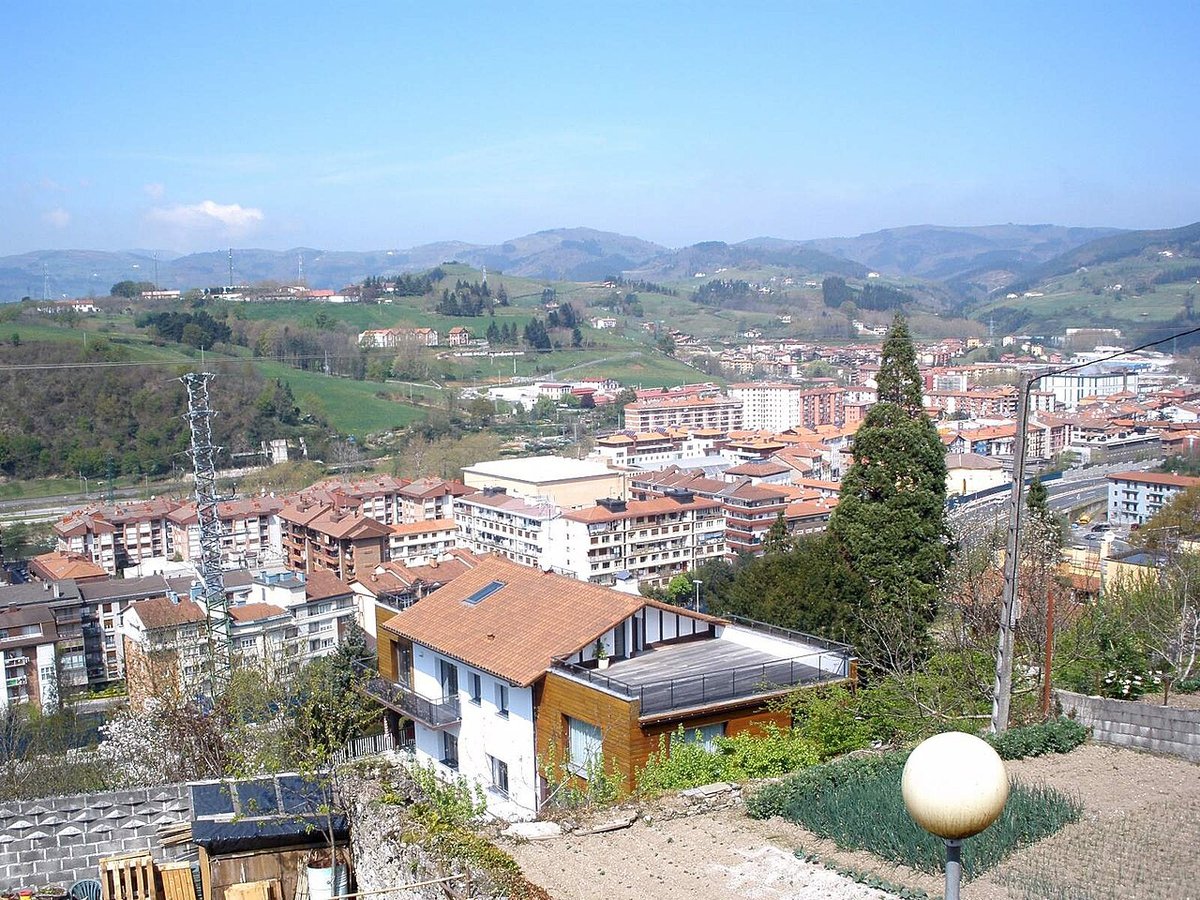
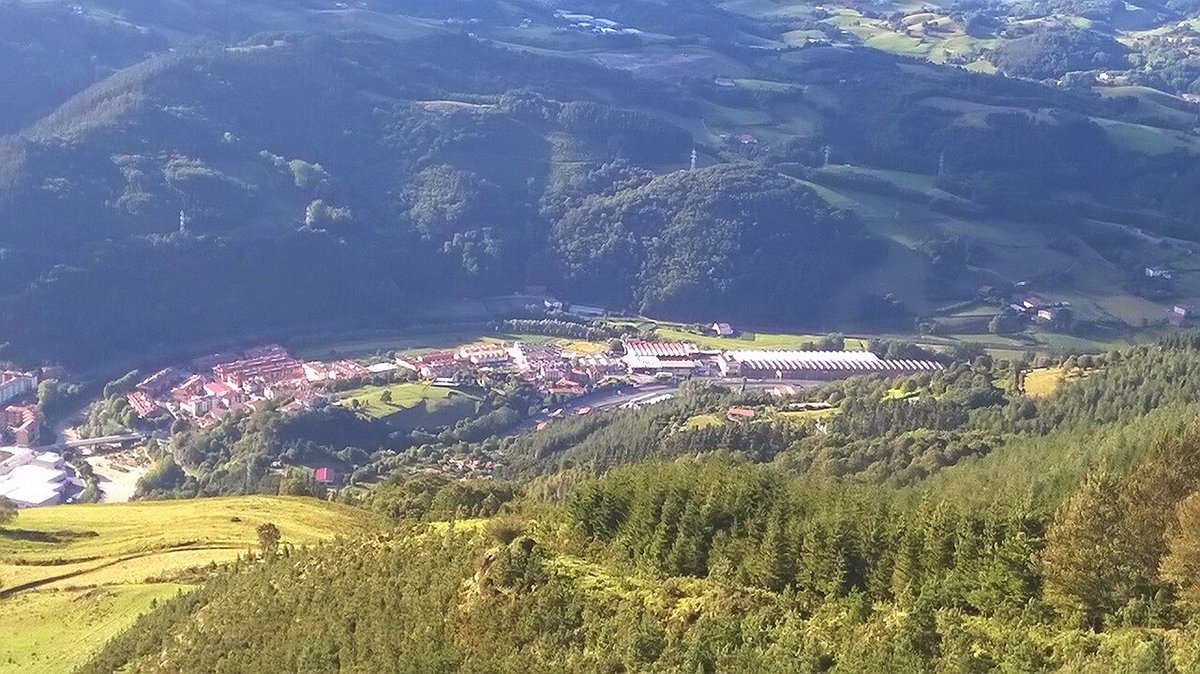
Deep green, farmhouses and nearby mountains with trails and viewpoints.

Ocultar artículo Leer artículo completo

The tractor driver's wave isn't rehearsed. It's the reflex of someone who's passed three cars all morning, and you're one of them. Between Leaburu's scattered farmhouses, that wave serves as both greeting and traffic report—proof you haven't got stuck behind a livestock trailer on the single-track lane ahead.

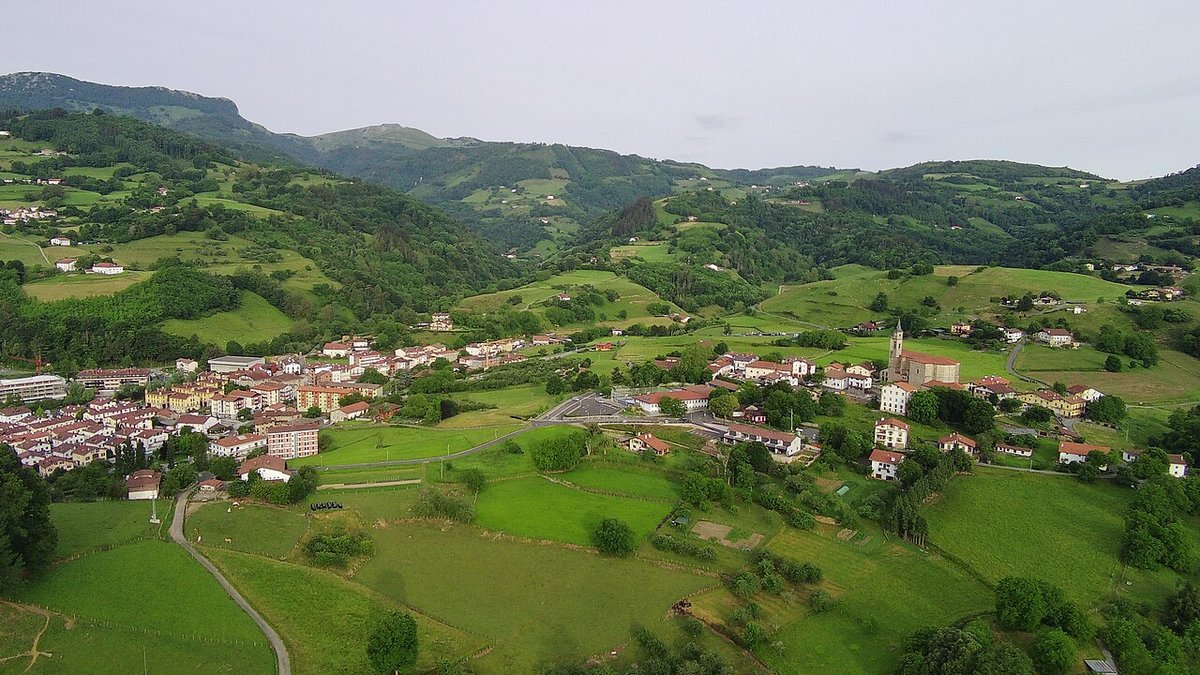
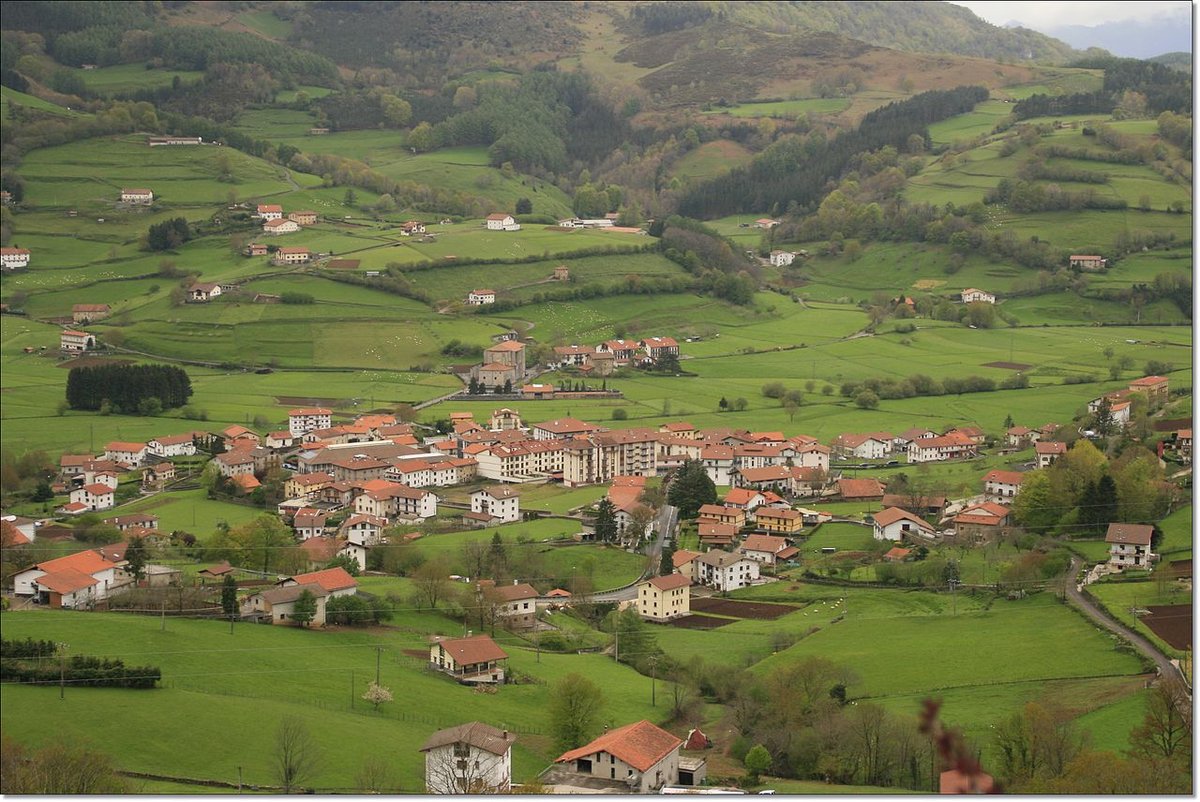
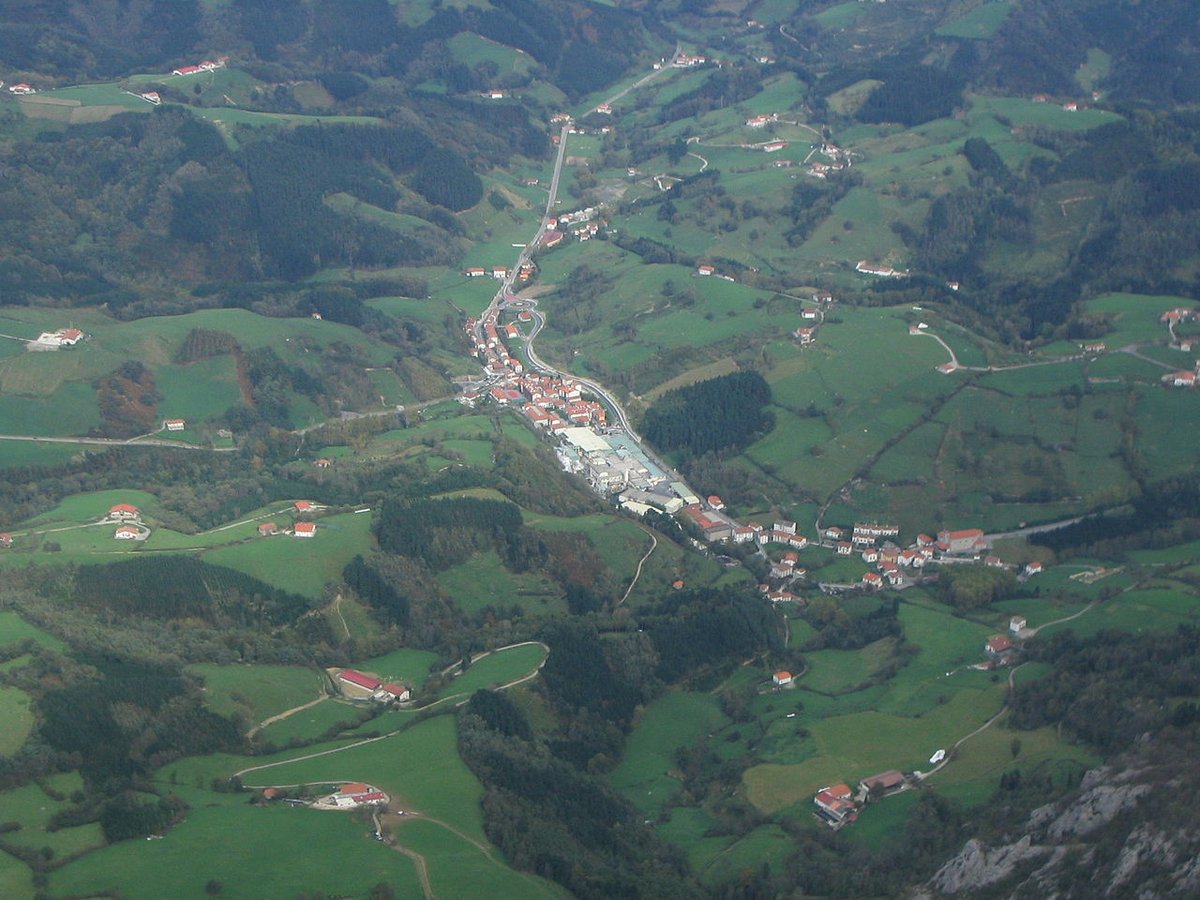
This is how tourism works in Tolosaldea's southwest corner. The village proper holds 390 residents, maybe 400 if you count the dogs that patrol each farmhouse gate. Spread across rolling hills at 250 metres above sea level, Leaburu doesn't do postcard moments. Instead, it offers something British visitors rarely encounter: a Basque community where farming still dictates the daily rhythm, not TripAdvisor rankings.

The Lay of the Land

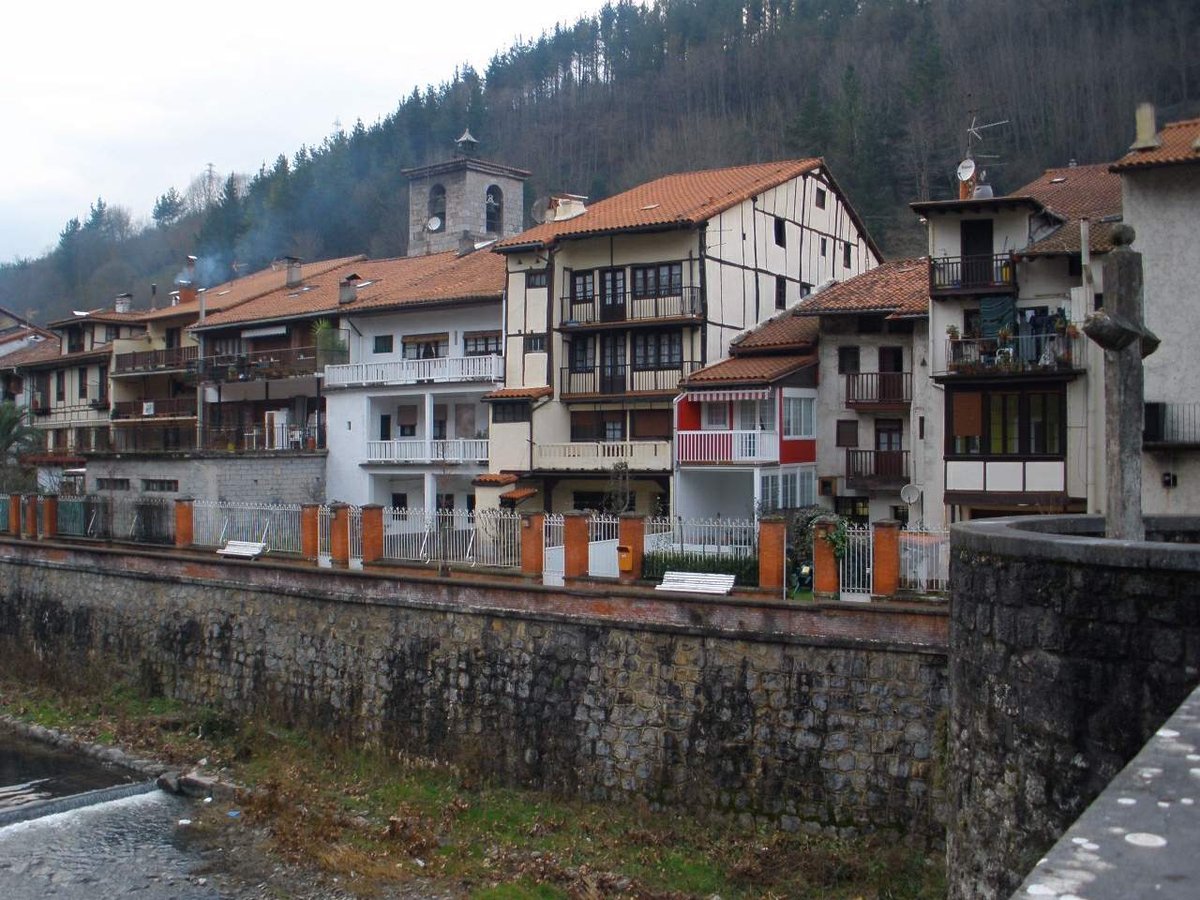
Leaburu sits fifteen minutes inland from the AP-1 motorway, far enough that coach parties bypass it completely. The name translates roughly as "head of the hay meadow," which tells you everything about historical priorities here. Traditional caseríos—whitewashed farmhouses with russet timber beams—appear every hundred metres along country lanes, each with its own nameplate and vegetable plot. These aren't museum pieces. Smoke rises from chimneys at dawn because someone needs warm milk for calves, not because a photographer requested atmosphere.

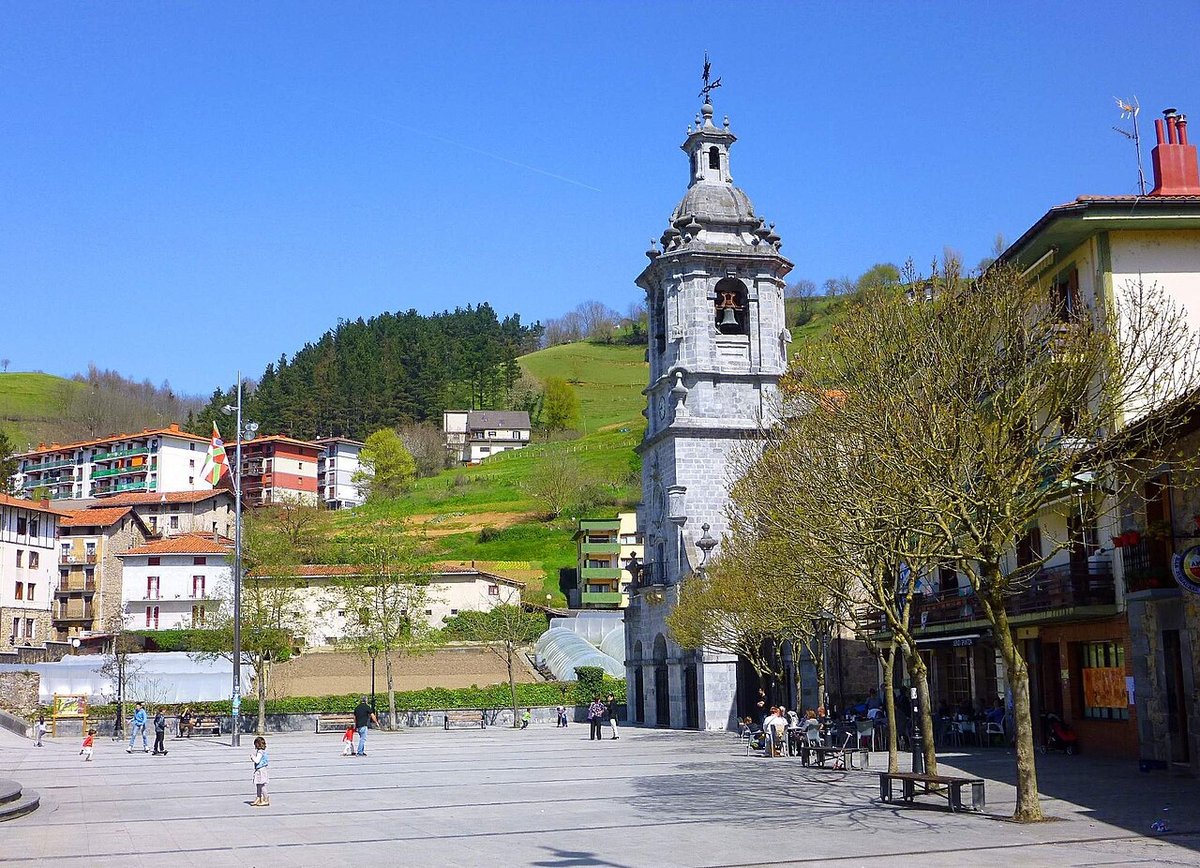
The church of San Miguel anchors what passes for a centre. Built from local stone in the 16th century, it's more landmark than attraction. Step inside and you'll find plain walls, simple pews, and zero information panels. That's deliberate. Parishioners prefer their worship space uncluttered by tourism infrastructure, thank you very much.

Walk five minutes uphill on any farm track and the valley unfolds below. Tolosaldea's patchwork of meadows, apple orchards and oak woods stretches towards the silhouette of Aizkorri mountain range. There are no viewing platforms, no gift shops, no multilingual interpretation boards. Just the wind, the smell of cut grass, and the occasional grunt from a contented cow.

Mud, Mushrooms and Motor Oil

Visit between April and June and the hills glow emerald. Visit after three days of autumn rain and those same hills try to claim your footwear. Leaburu's walking routes follow farm tracks originally designed for tractors, not ramblers. When wet, the clay-rich soil becomes a brown adhesive capable of adding two inches to boot soles. Locals swear by rubber wellies. Wise visitors follow suit.

October brings mushroom hunters wielding wicker baskets and OS-map memories. The region's boletus and chanterelle patches are fiercely protected, so joining a guided foray through Leaburu's beech woods proves safer than solo wandering. Expect to pay €35-45 per person for a half-day excursion with a licensed guide—contact Tolosaldea Tourism office in nearby Tolosa to arrange. They'll also explain the 3kg daily limit and which species warrant prison time if picked.

Cycling works here, but only with realistic expectations. Road bikes stay in the car; mountain bikes or gravel bikes cope better with occasional potholes and cattle grids. A gentle 12km loop north towards Alegia follows the former railway line—now a greenway—passing abandoned stations converted into rural cafés. Gradient rarely exceeds 3%, though crosswinds can be brutal on exposed sections.

When the Village Throws a Party

San Miguel's fiestas arrive the last weekend of September. The programme changes yearly, but certain elements remain constant. Saturday features rural sports demonstrations: wood-chopping, bale-lifting, and the Basque tradition of stone-dragging by oxen. Sunday morning sees locals in traditional costume processing to church, followed by communal txistorra sausage rolls and cider poured from height into plastic cups. Tourists are welcome, though accommodation within Leaburu itself books solid months ahead.

January 20th marks San Sebastian day across the Basque Country. Leaburu's version involves a low-key drum parade at midday, followed by neighbours sharing talo (cornflatbread) with chocolate around bonfires. It's the antithesis of San Sebastián's famous midnight tamborrada—more village bonfire night than city-wide spectacle.

Beds, Breakfasts and Basque Hospitality

Staying overnight means self-catering or the single guesthouse. Leaburuko Ostatua offers eight rooms above a bar-restaurant where farmers discuss milk prices over morning coffee. Expect clean but basic accommodation—think Travelodge minus the corporate consistency. Double rooms run €60-70 including breakfast of crusty bread, orange juice and optional churros. The attached restaurant serves set menus at €14 midweek, featuring whatever the owner's mother decided to cook that morning.

Alternatively, VRBO lists twenty-three rural houses scattered across Leaburu's hills. Prices range from €95 for a two-bedroom cottage to €220 for a renovated farmhouse sleeping eight. Most include fireplaces, fully equipped kitchens, and neighbours who'll offer gardening advice in rapid-fire Basque. Book weekends well ahead; city dwellers from Bilbao and San Sebastián reserve months in advance for autumn mushroom season.

Getting Here Without Losing Your Sanity

No trains serve Leaburu. The nearest railhead is Tolosa, 18km east, connected by twice-daily buses that cater mainly to schoolchildren. Hiring a car remains essential. From Bilbao airport, take the AP-8 east to Donostia, then AP-1 south towards Vitoria. Exit at Zumarraga and follow the GI-2130 through orchards and forest. Journey time: 75 minutes in light traffic, 120 minutes if you hit Bilbao's morning rush.

Driving brings its own challenges. Single-track lanes require reversing into field entrances when meeting oncoming tractors. Livestock have right of way—always. Park only in designated bays; blocking farm gates brings lectures in Basque that need no translation. Sat-nav occasionally suggests "shortcuts" that turn into forestry tracks. Ignore them unless you fancy explaining to the hire company why your Vauxhall Corsa resembles a rally car.

The Honest Verdict

Leaburu won't suit everyone. If your Spanish holiday checklist includes beach bars, Moorish castles and flamenco shows, keep driving. The village offers instead an authentic glimpse of rural Basque life, complete with early morning tractor noise and the smell of silage when wind direction turns. Come prepared for changeable mountain weather, pack footwear you don't mind ruining, and abandon any expectation of souvenir shopping.

Yet for travellers seeking slow tourism—walks where the only soundtrack is birdsong, conversations with farmers who've worked the same land for four generations, evenings watching clouds drift across forested ridges—Leaburu delivers exactly what it promises. Just remember to return that tractor driver's wave. It's how locals know you understand the pace here, and that you're welcome to stay awhile.

Key Facts

Region
País Vasco
District
Tolosaldea
INE Code
20050
Coast
No
Mountain
Yes
Season
summer

Livability & Services

Key data for living or remote work

2024
Connectivity5G available
TransportTrain nearby
HealthcareHealth center
EducationHigh school & elementary
Housing~6€/m² rent · Affordable
CoastBeach 18 km away
Sources: INE, CNMC, Ministry of Health, AEMET

Planning Your Visit?

Discover more villages in the Tolosaldea.

View full region →

More villages in Tolosaldea

Traveler Reviews