Full Article
about Lizartza (Lizarza)
Deep green, farmhouses and nearby mountains with trails and viewpoints.
Hide article Read full article
A Small Valley in Tolosaldea
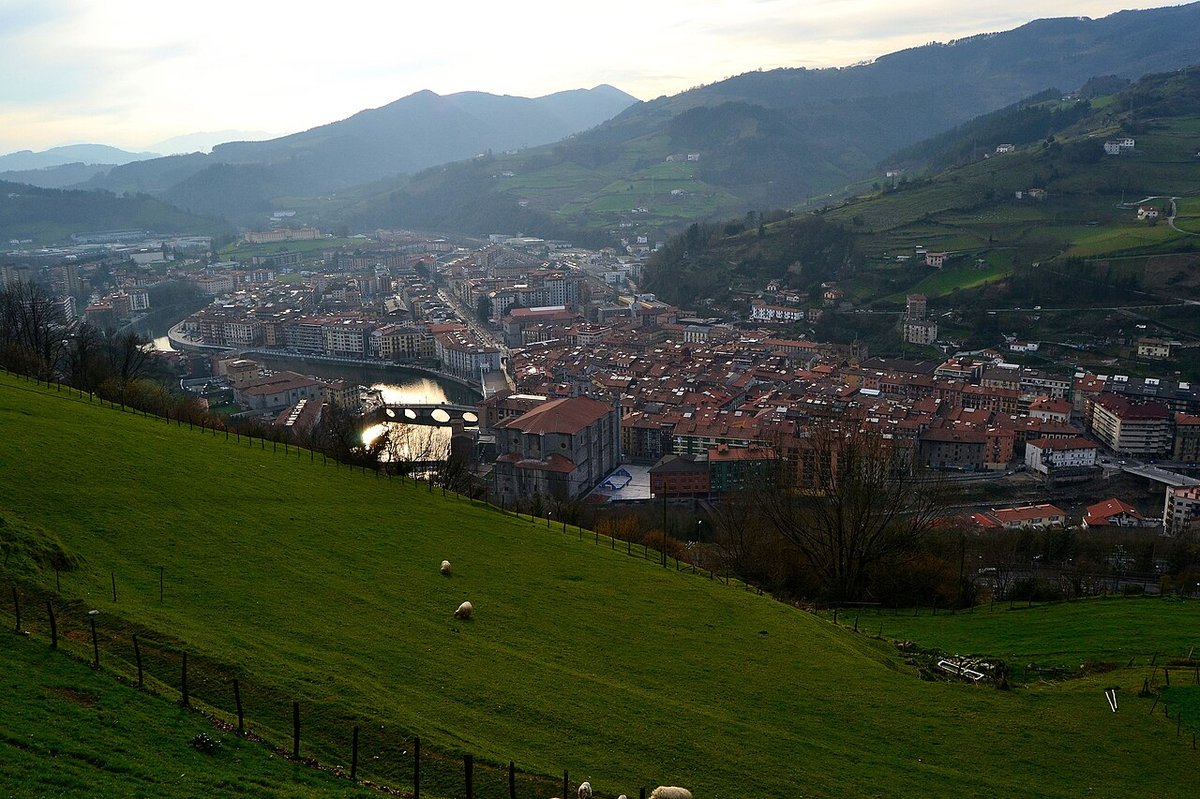
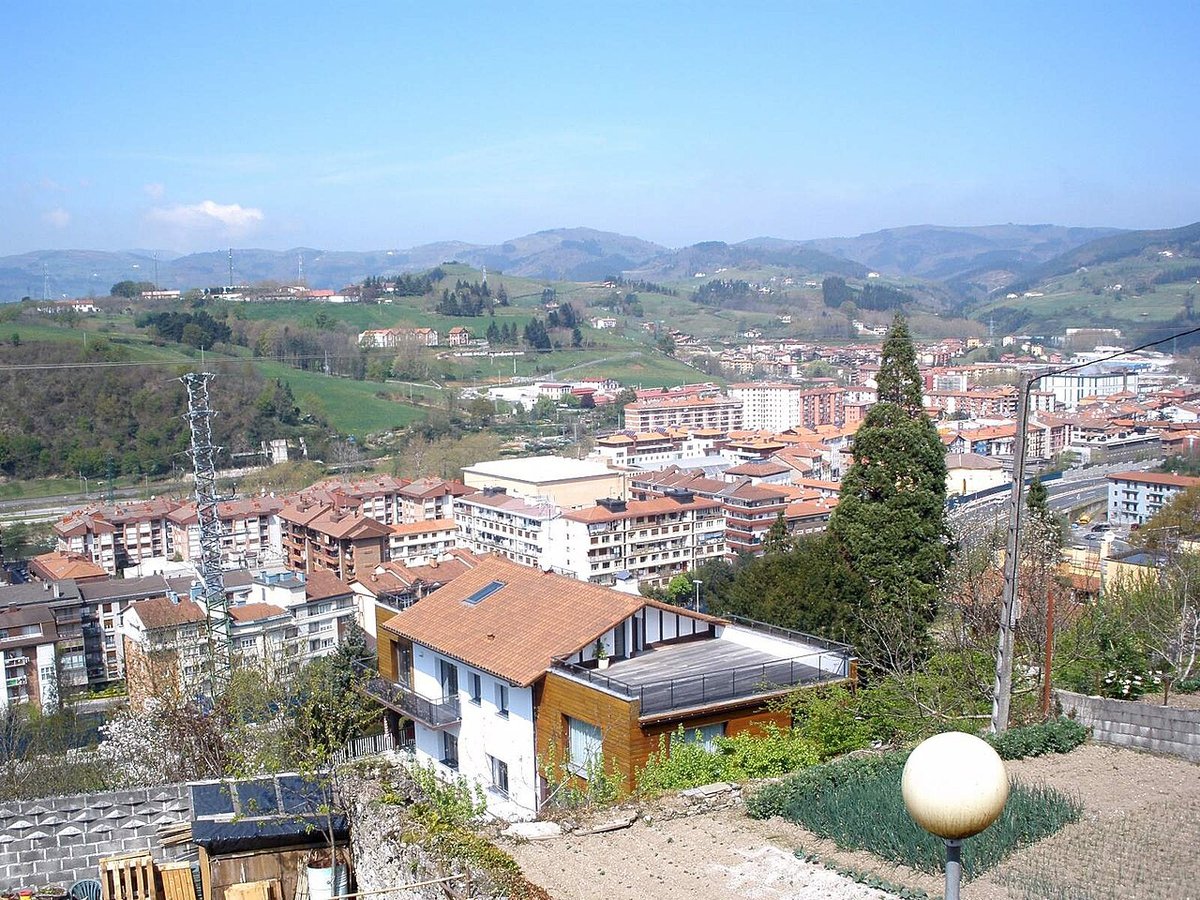
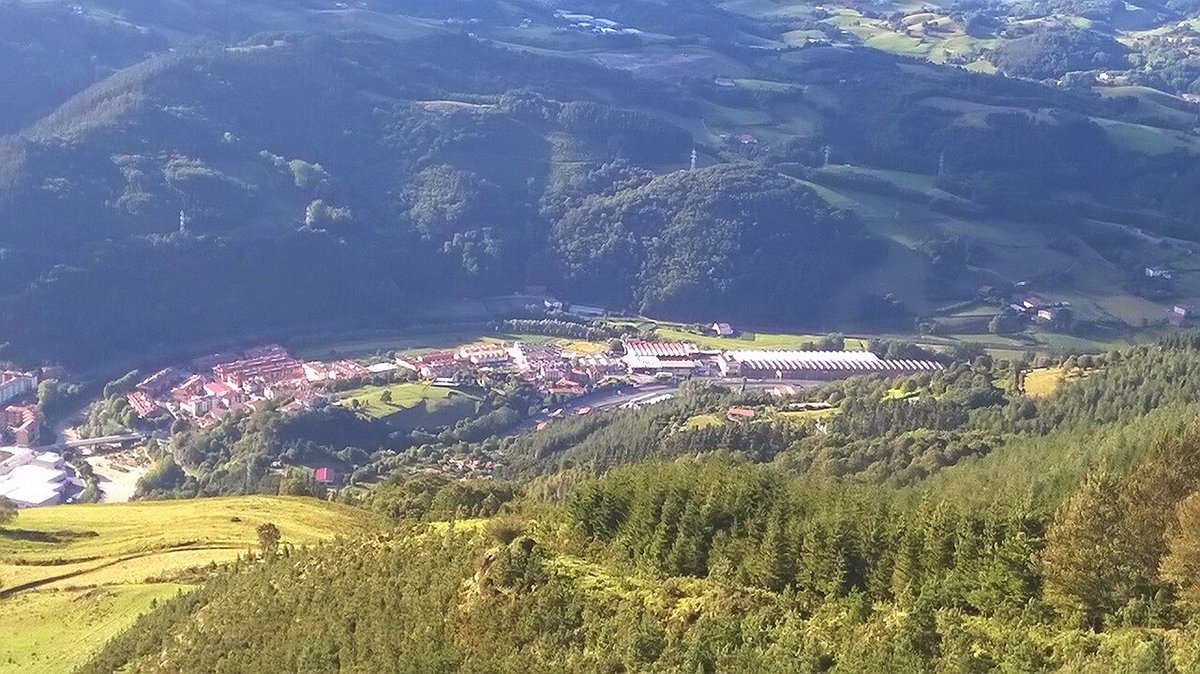
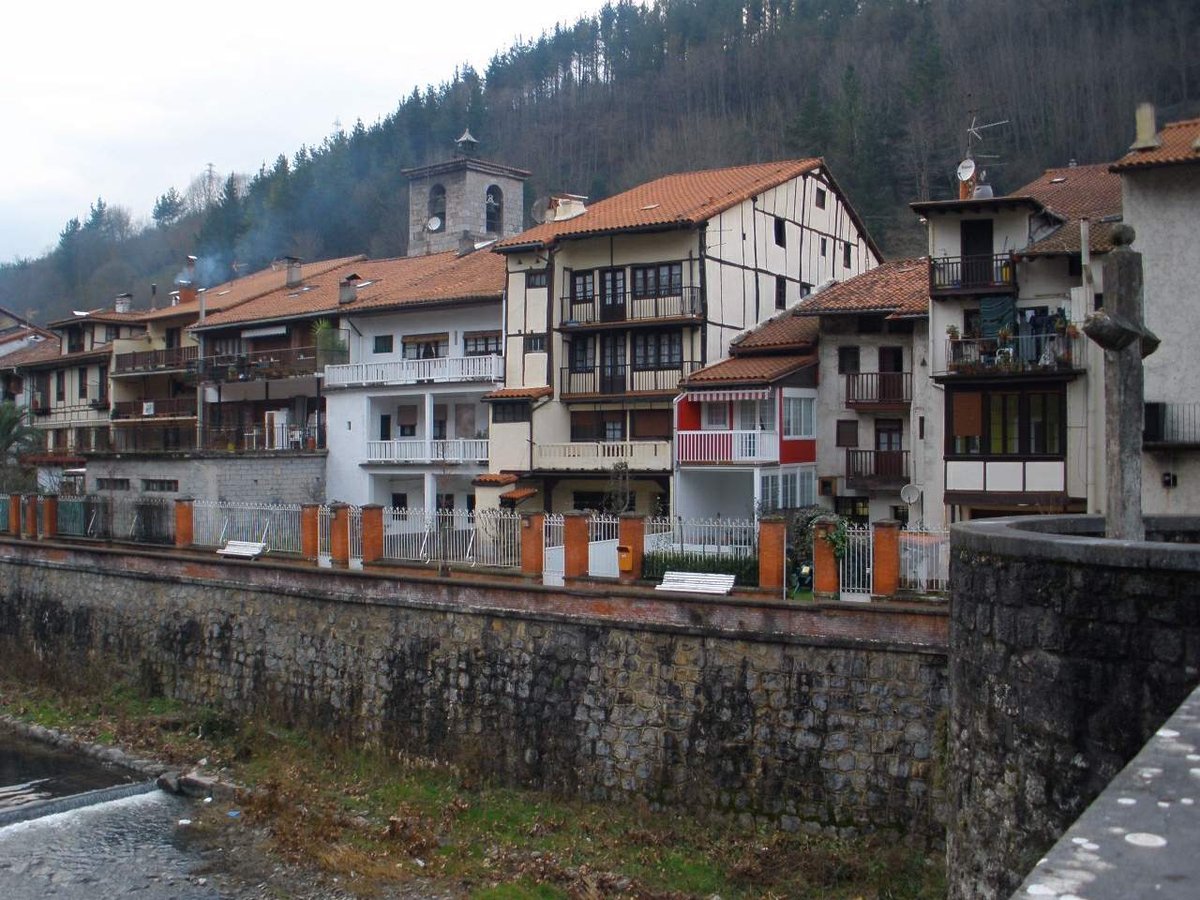
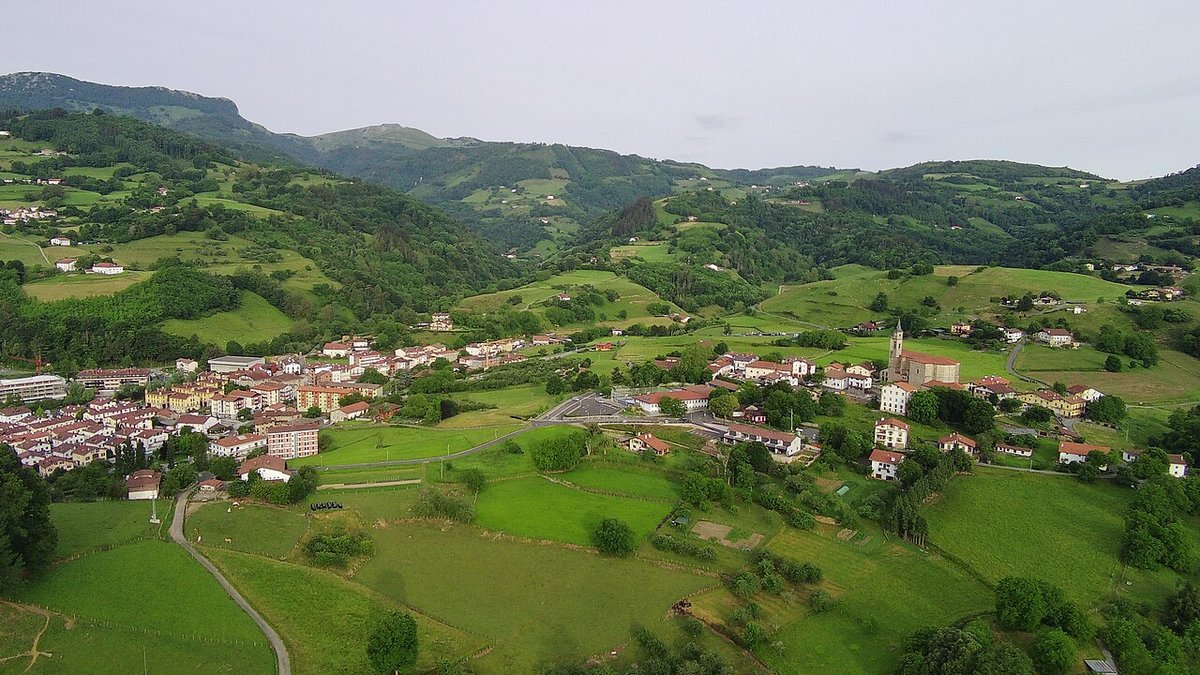
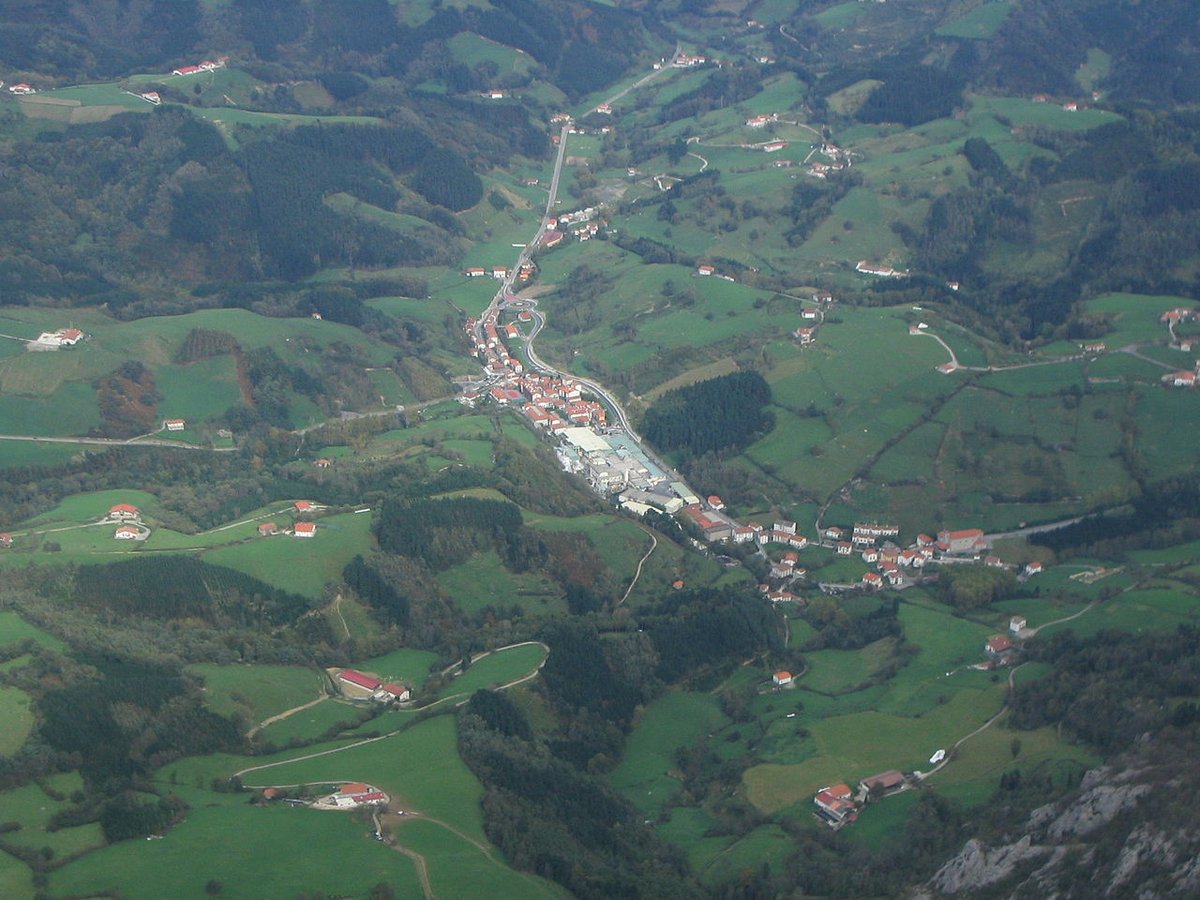
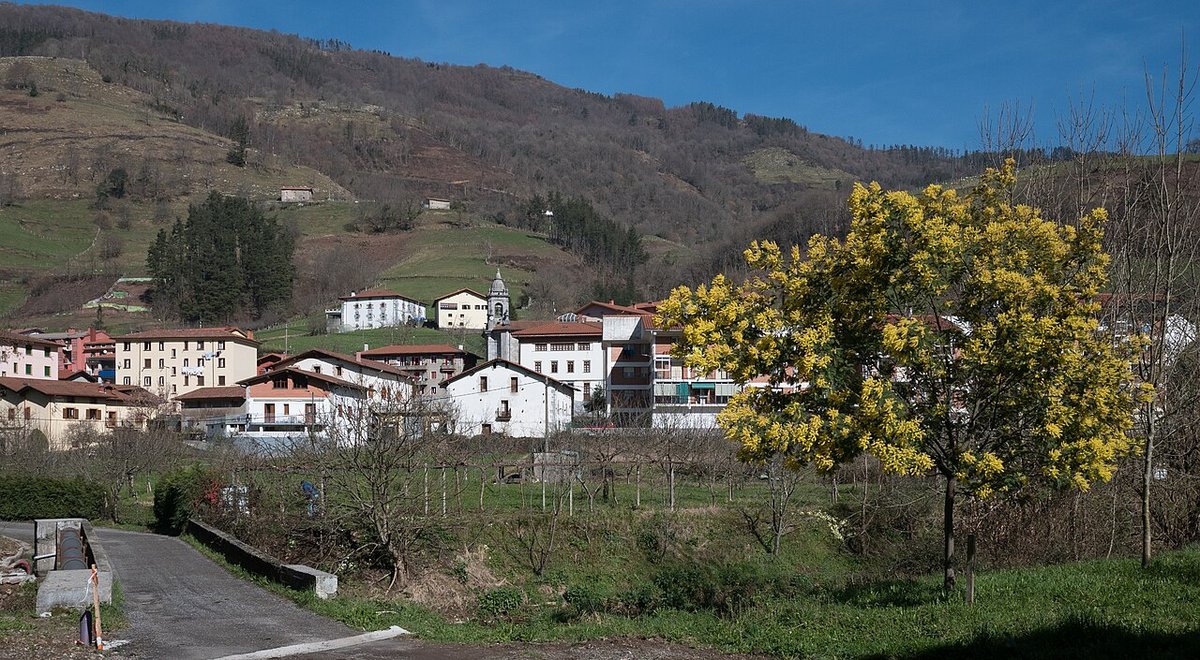
Lizartza sits in Tolosaldea, in a narrow valley shaped by the Araxes river. Its origins go back to the Middle Ages, when it appeared in records linked to inland routes connecting Tolosa with Navarra. That historical role has long since faded, yet its position still explains its layout and connections today.
The municipality remains small, with a population of around seven hundred people. Its scale is part of its character. There is no sense of expansion or urban pressure here, and daily life stays closely tied to the surrounding land.
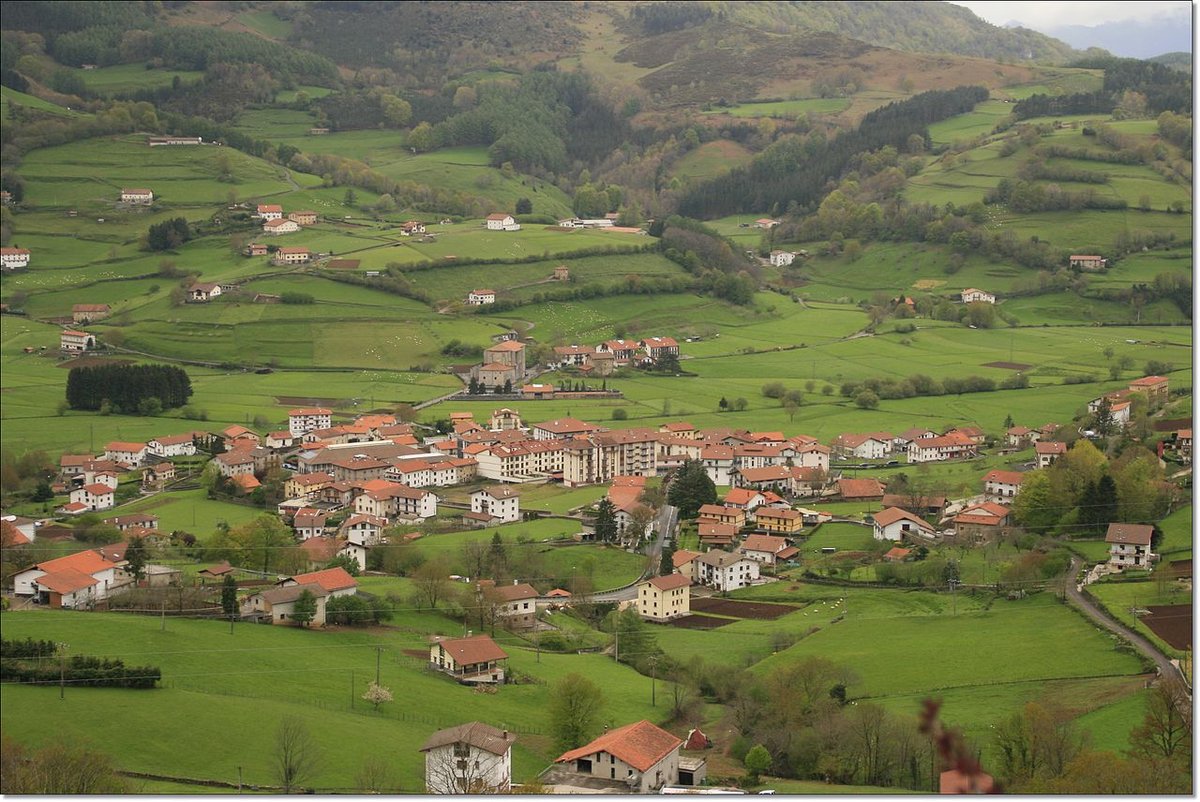
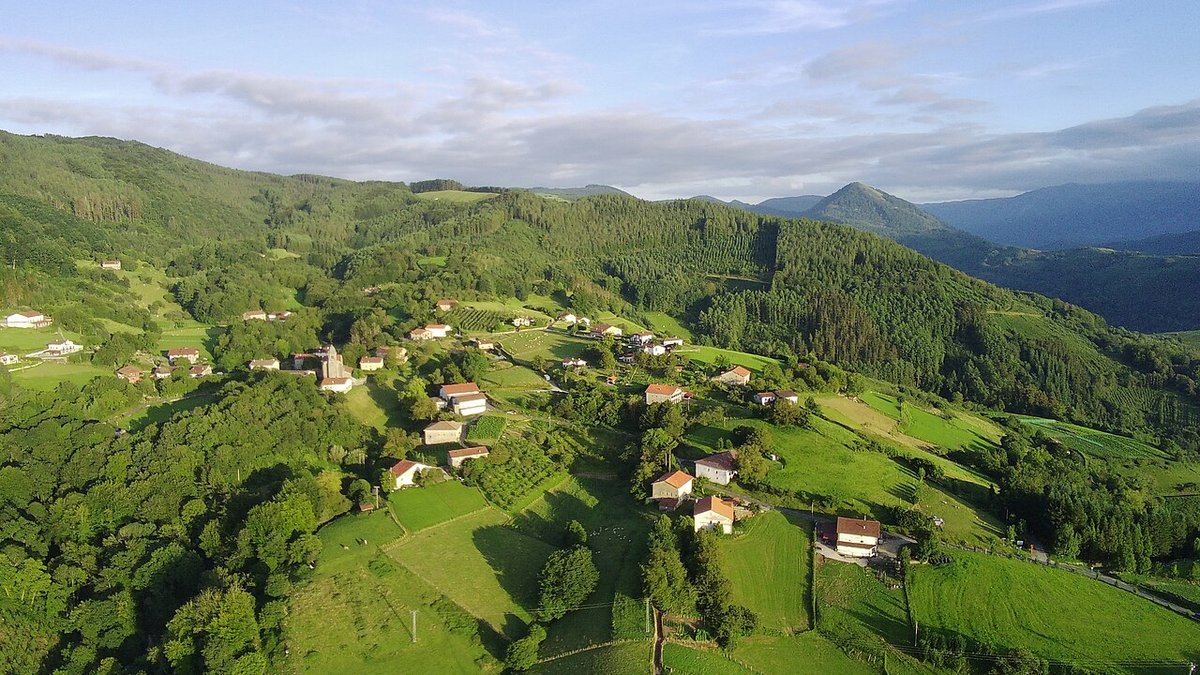
The landscape brings together meadows, farmhouses and wooded slopes. Latxa sheep graze in nearby pastures, a traditional breed whose milk has been used for centuries to produce Idiazabal cheese. This link between livestock and food production continues to shape the area, though it does not always appear in an obvious or commercial way.
Tolosa lies just a few kilometres away by road and plays a central role in everyday life. Many services and much of the region’s economic activity are concentrated there, while Lizartza remains quieter and more rural in rhythm.
Around the Church and Beyond
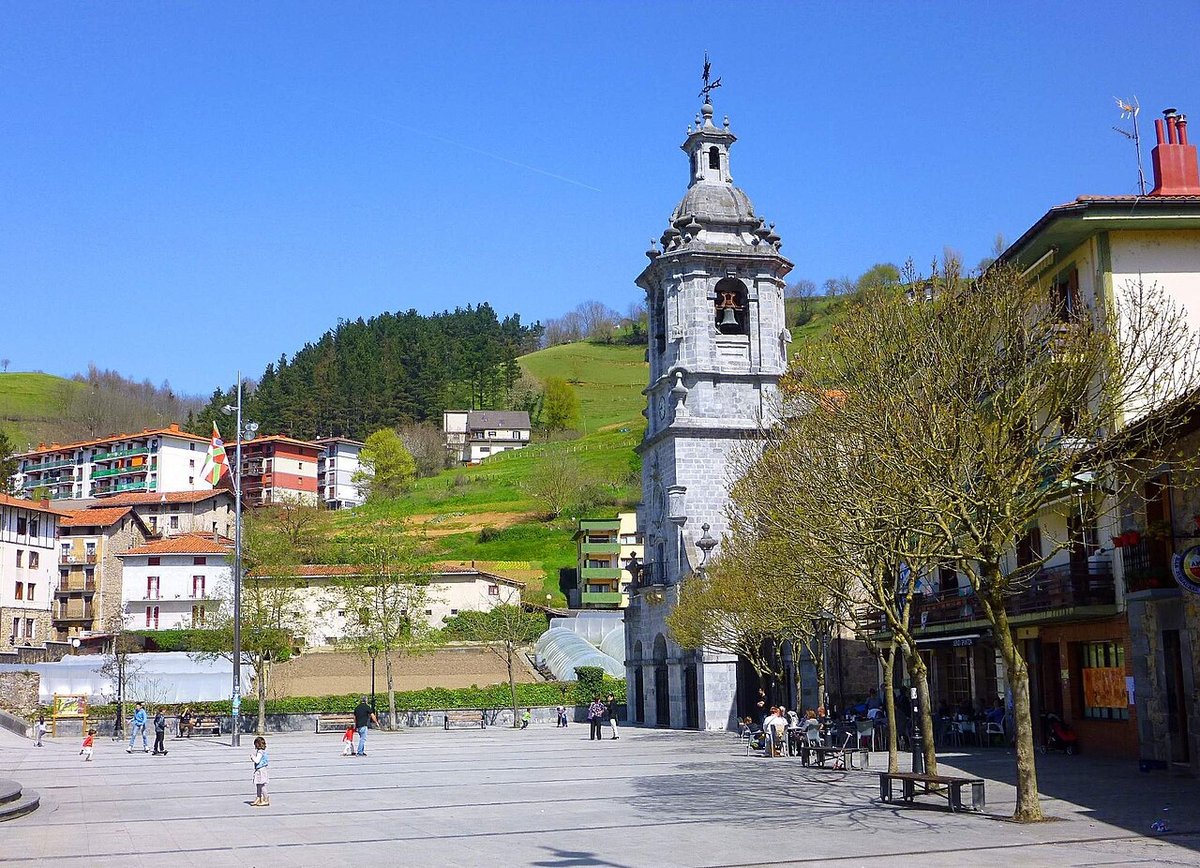
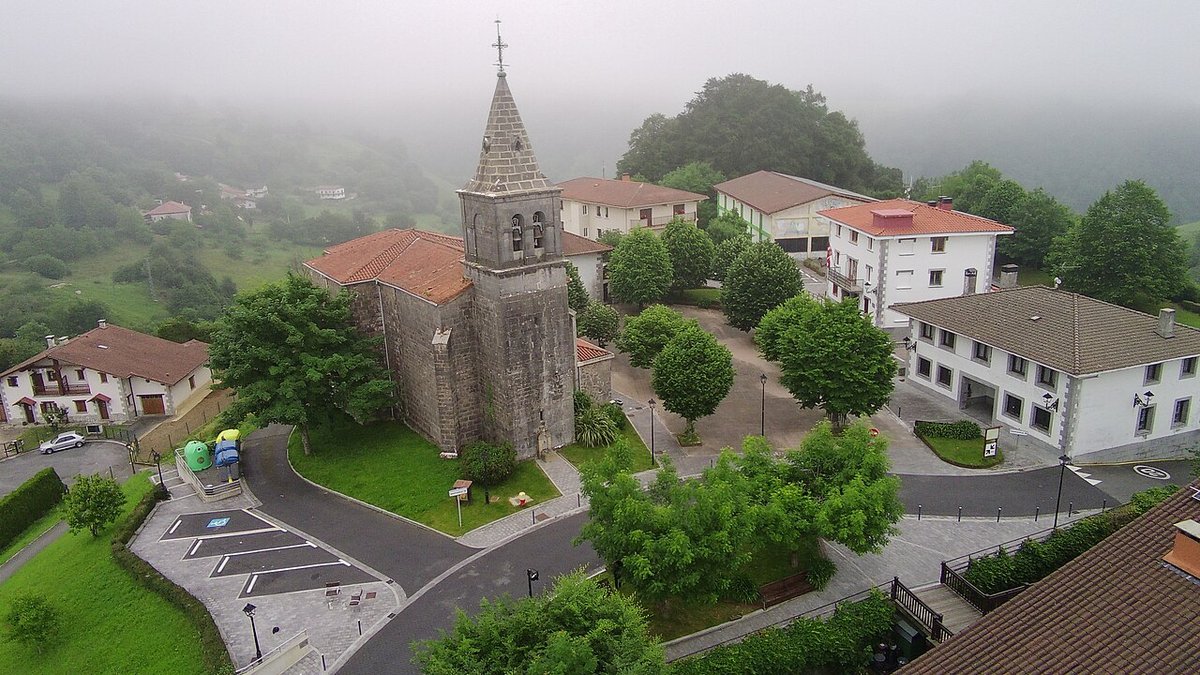
The village centre is organised around the church of San Martín de Tours. The building has an old origin, although it has been altered several times over the centuries. This kind of gradual transformation was common across Gipuzkoa between the 16th and 18th centuries, when churches served not only religious purposes but also social and administrative ones.
The church itself is not large, yet its position helps explain how the settlement developed. Houses cluster around this point, forming a compact core. Some still show features of traditional rural architecture, while others reflect later extensions and adaptations.
Beyond the centre, the pattern changes. Scattered caseríos, the traditional Basque farmhouses, define much of the municipality. This model became established in Gipuzkoa from the late Middle Ages onwards. Each caserío typically combined living space, a stable and nearby land. That structure still shapes the landscape of Lizartza today.
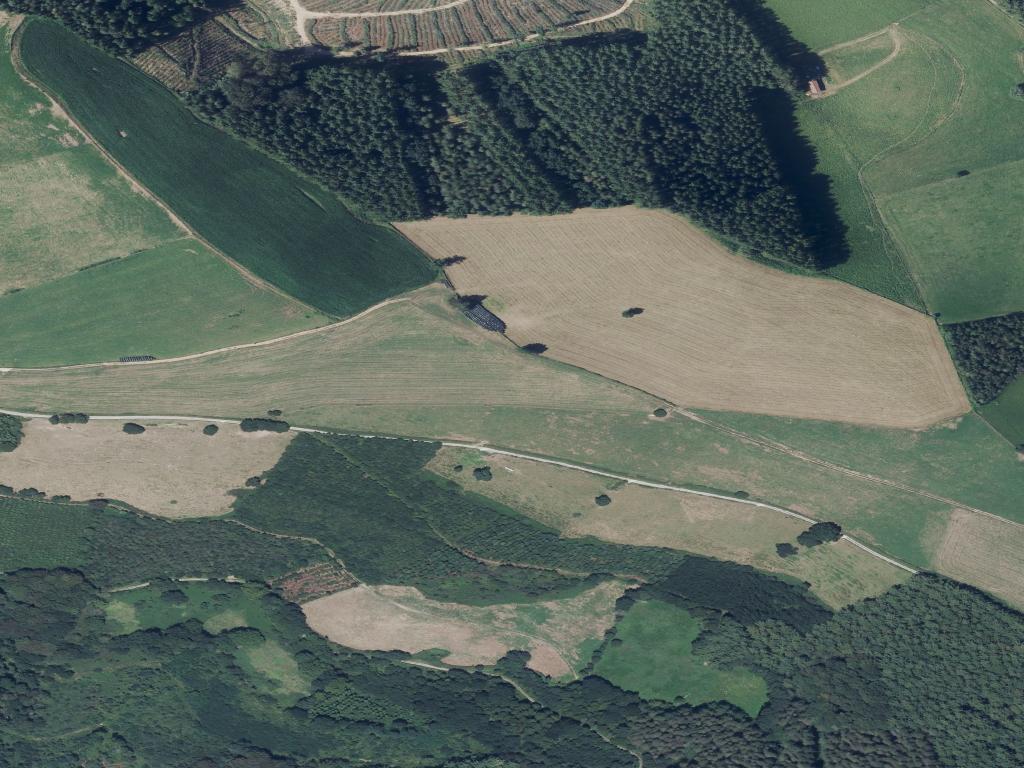
Rural paths connect these dispersed areas, although they are not always clearly signposted. Many began as agricultural access routes, which explains their changing width and surface. Some sections are straightforward, others less so, depending on how they are used.
On the nearby slopes begins the Ernio massif. From here, paths extend into higher ground, used by both farmers and local residents. The views open out across the Araxes valley and make it easier to understand how Lizartza fits within the wider geography of Tolosaldea. The terrain is not just a backdrop, it defines how the village is arranged and how it functions.
Idiazabal cheese production is still present, tied to the annual cycle of the livestock. Direct sales do not always take place within the village itself. When they do, they tend to be linked to the everyday work of the caseríos rather than a formal retail setting.
Moving Through the Area
The village centre can be explored on foot in a short time. Walking along the agricultural paths offers a clearer sense of the surroundings than staying within the core streets. Attention to the ground is useful, especially after rain, when mud is common.
Secondary roads also connect different parts of the municipality. Some stretches have noticeable gradients, and it is normal to encounter tractors and other agricultural vehicles. There are no designated cycle lanes.
Lizartza’s proximity to other settlements in Tolosaldea means it is not isolated. Tolosa, in particular, acts as a hub for services and activity across the region. Movement between these places is part of everyday life for residents.
Rhythms of Daily Life
The annual calendar still reflects older patterns. The feast of San Martín takes place around 11 November, named after the village’s patron saint and the parish church. In many Basque towns, this date traditionally marked the end of the agricultural cycle for the year.
During the summer, local celebrations are also usually held. Their programme changes each year, so it is worth checking if a visit coincides with those dates.
Outside festive periods, daily life follows the pace of the caserío. Livestock care, vegetable plots and land maintenance occupy much of the time. This ongoing work explains the appearance of the landscape: it is not arranged for visitors, but shaped by practical needs.
Before You Go
Lizartza is a small settlement. The centre can be seen in less than an hour, while the rest of the municipality consists of fields, woodland and scattered farmhouses.
Its interest lies in that continuity of rural life. There are no large monuments or marked routes designed for tourism. What is visible reflects everyday use of the land rather than curated attractions. The landscape remains directly connected to agricultural work, and that connection defines the experience of the place.