Full Article
about Orendain
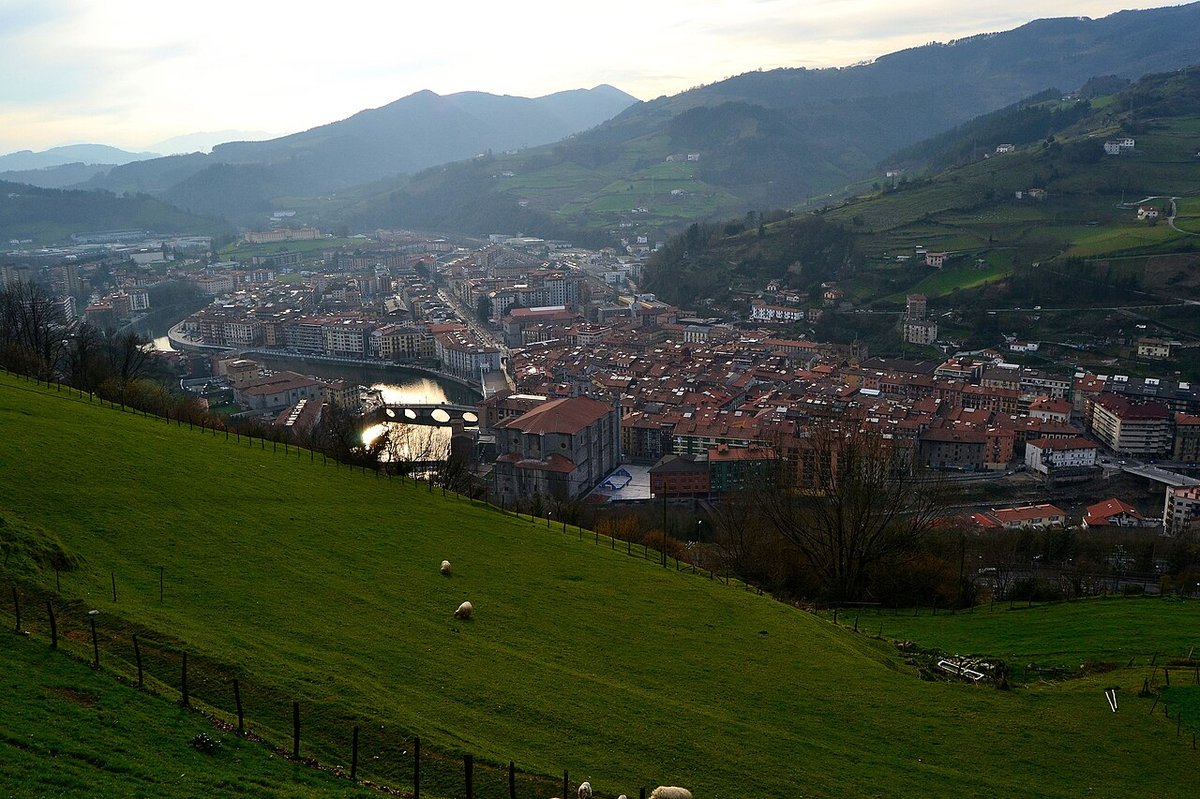
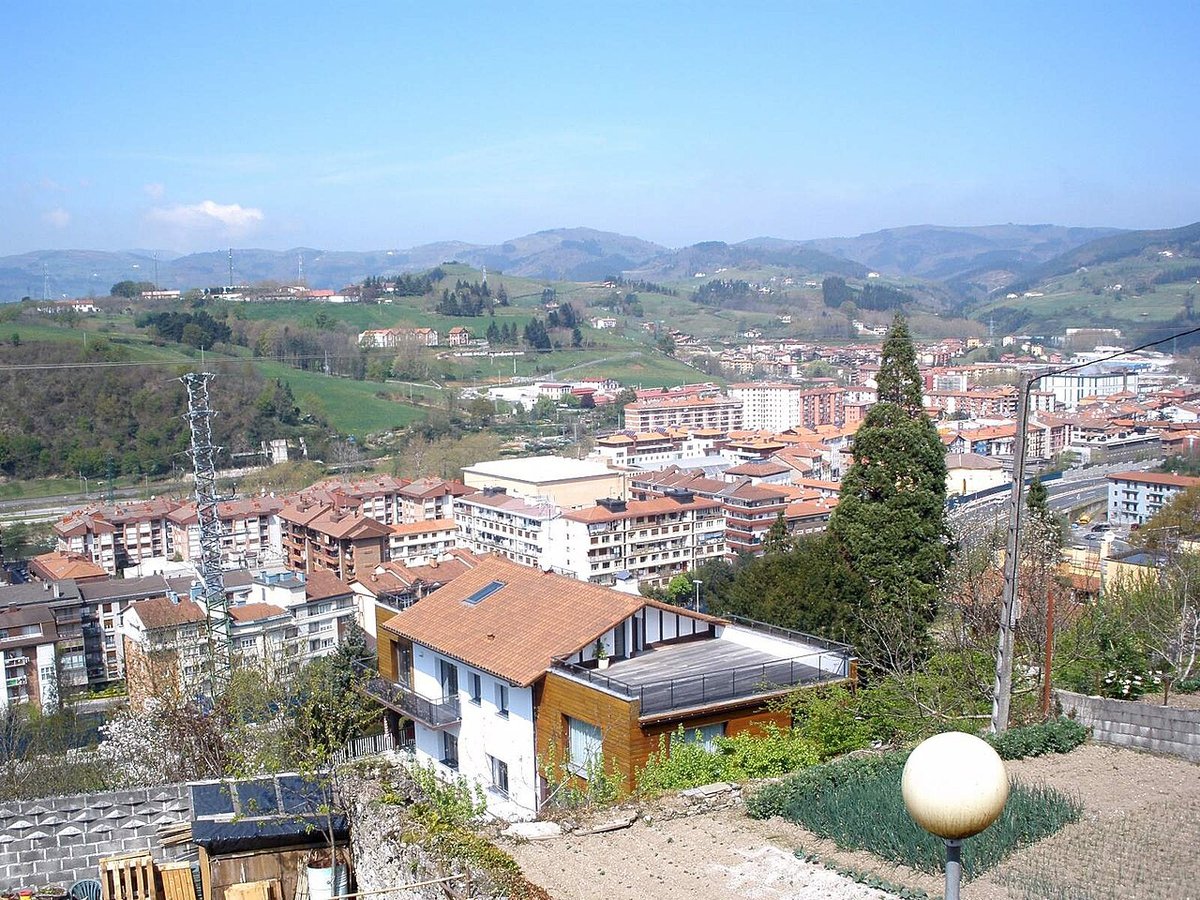
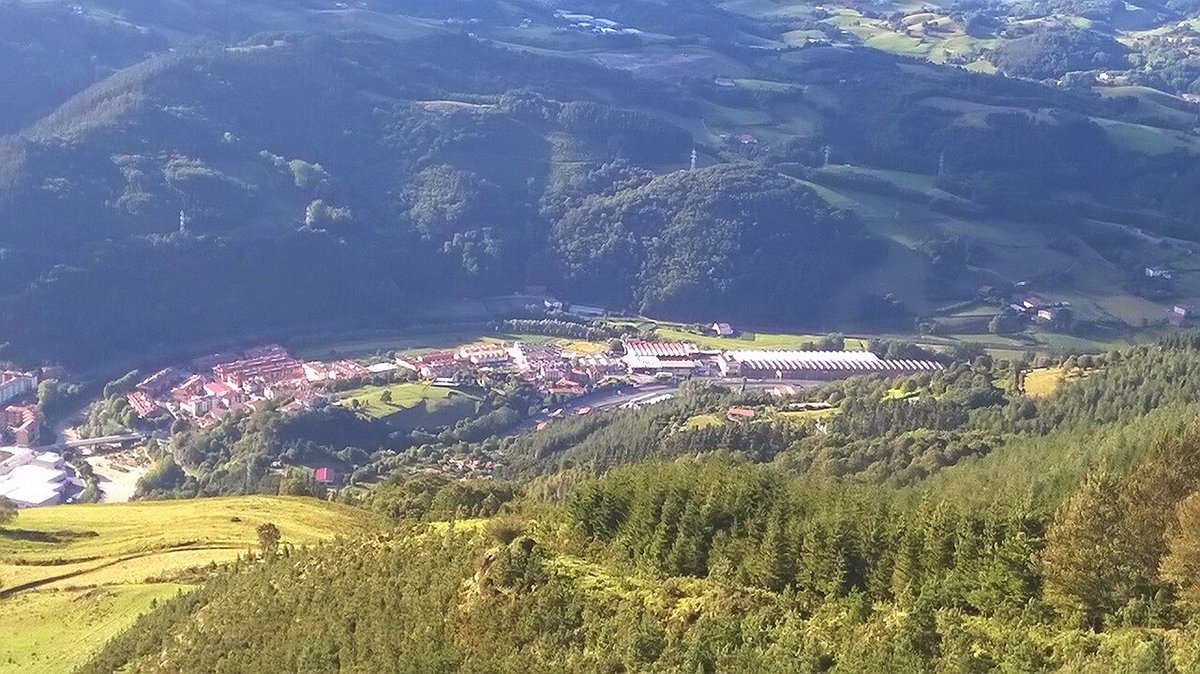
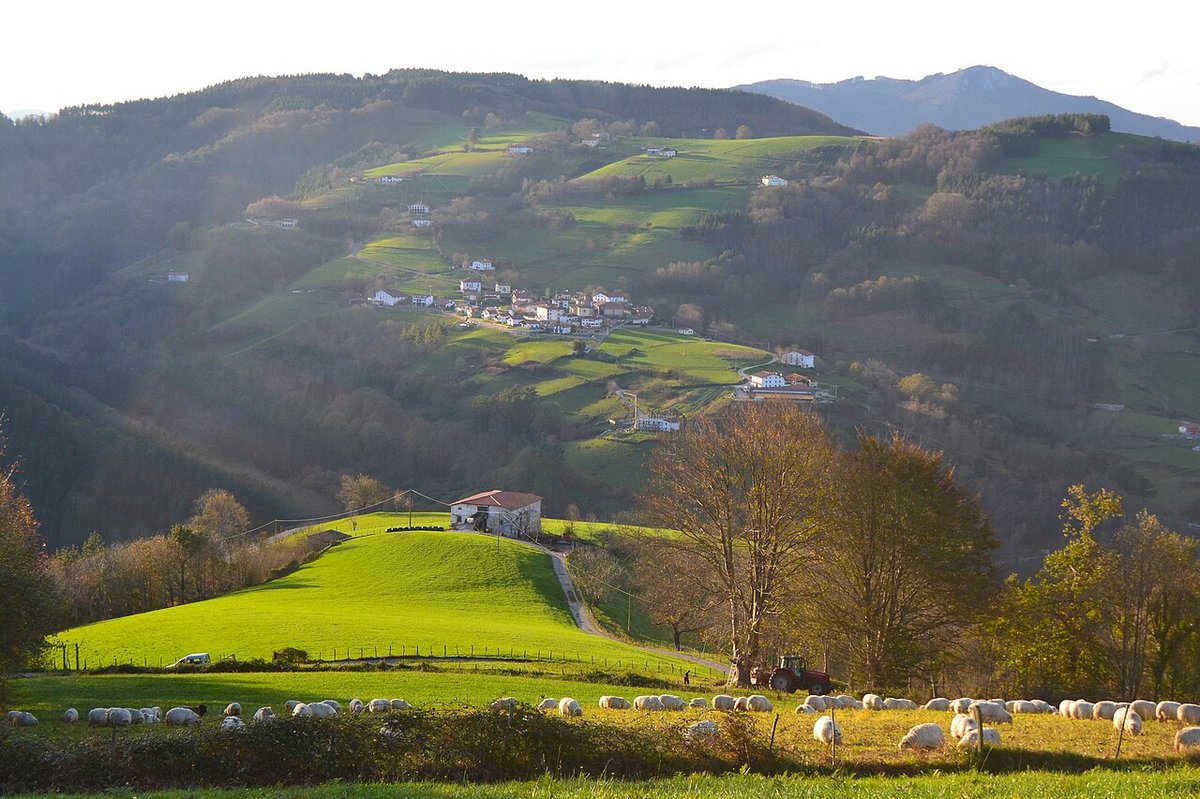
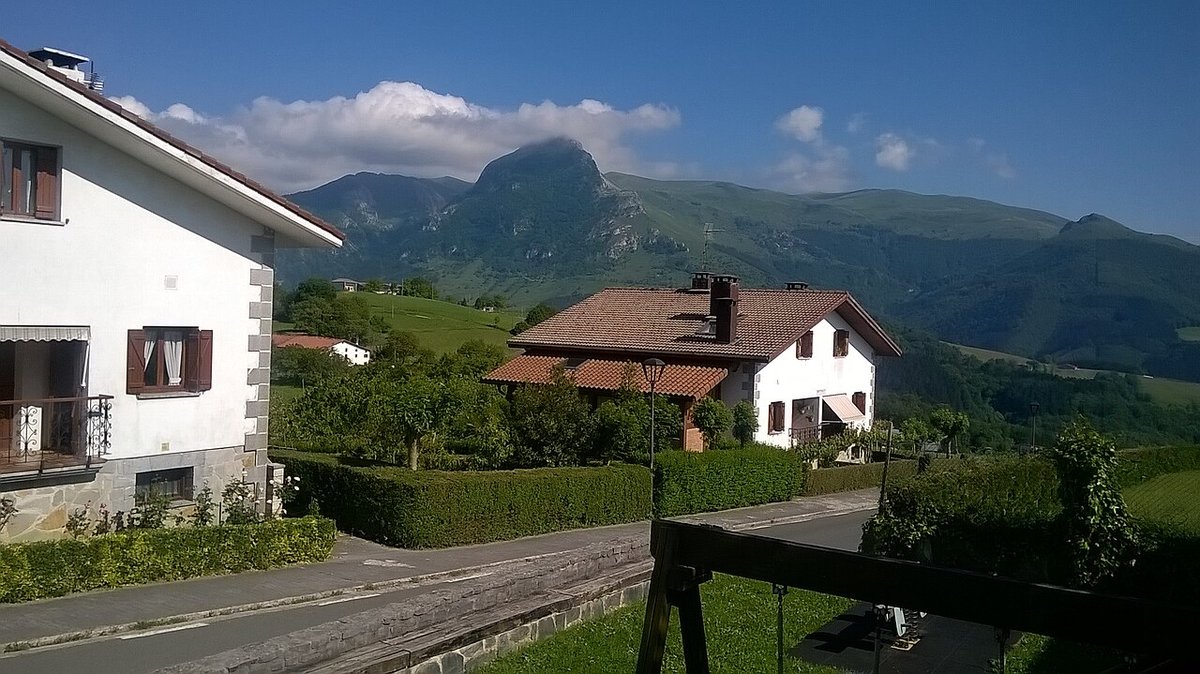
Deep green, farmhouses and nearby mountains with trails and viewpoints.
Hide article Read full article
A place that has not been staged
There are places that feel arranged for visitors, with signs, marked routes and the sort of details that echo a brochure. Orendain is not one of them. Tourism here sits in a different space, closer to simply passing through somewhere that has not been reshaped for outside eyes.
The first impression is straightforward. This is a village that continues with its usual rhythm. Houses, small vegetable plots, livestock, cars parked wherever they fit, and long stretches of quiet. There are no headline sights or a historic centre that draws attention on its own. What exists instead is ordinary rural life, the kind still found in parts of Tolosaldea in the Basque Country.
Houses, slopes and the shape of the land
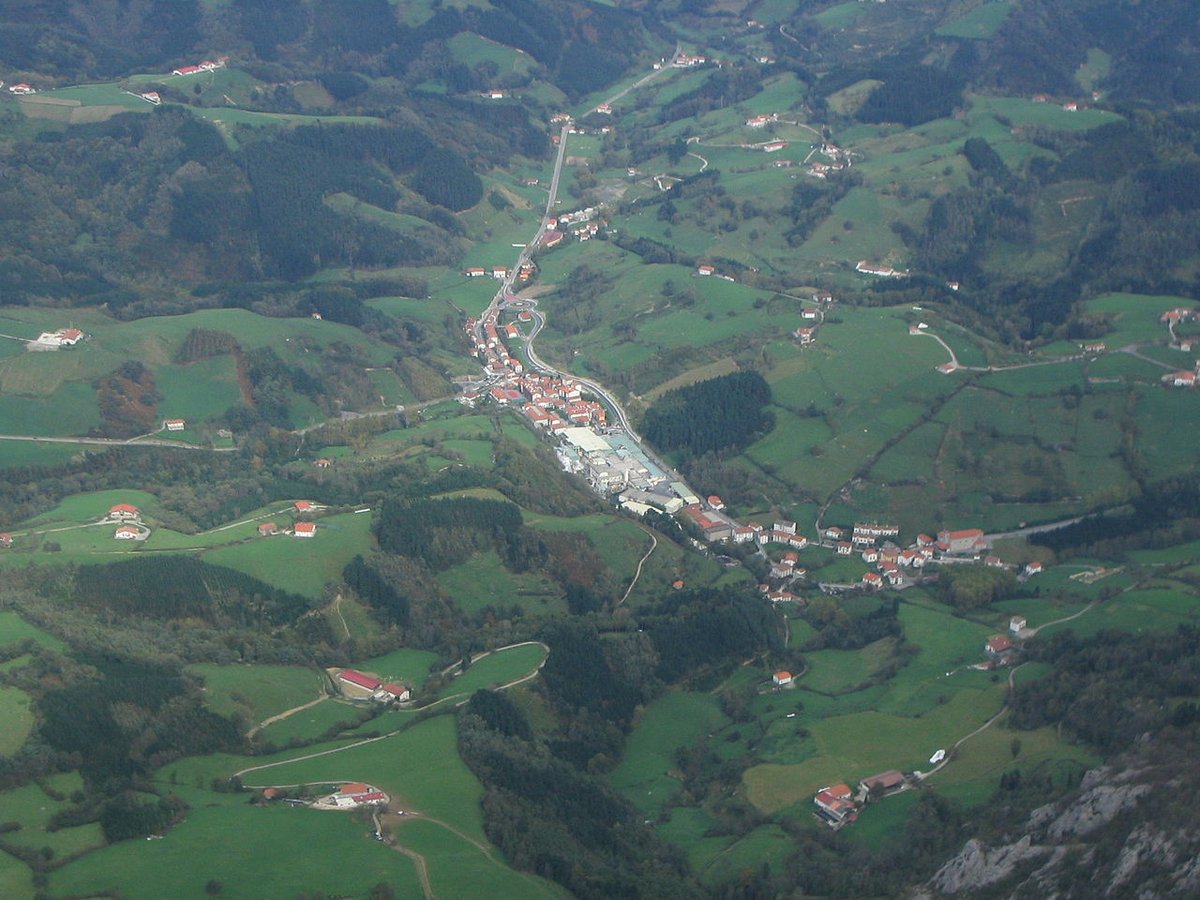
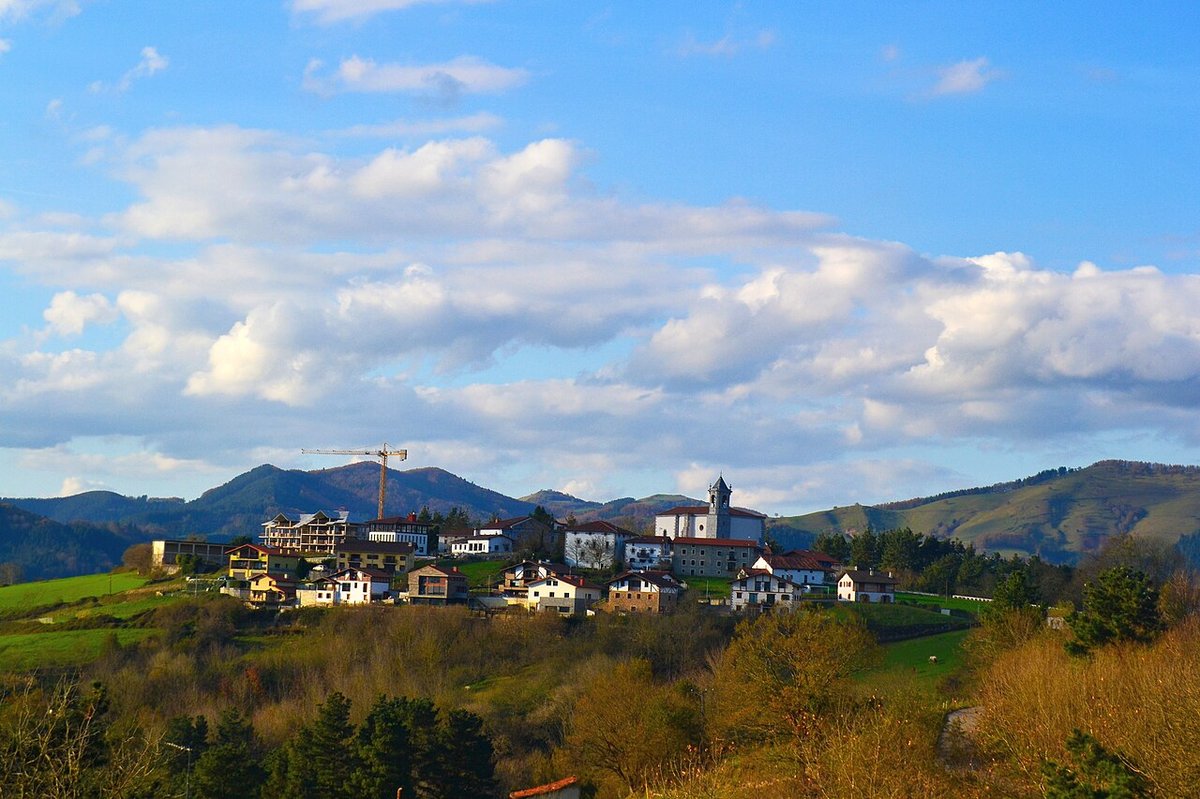
Orendain has a population of just over two hundred people. That already suggests its scale. It can be crossed on foot without much effort.
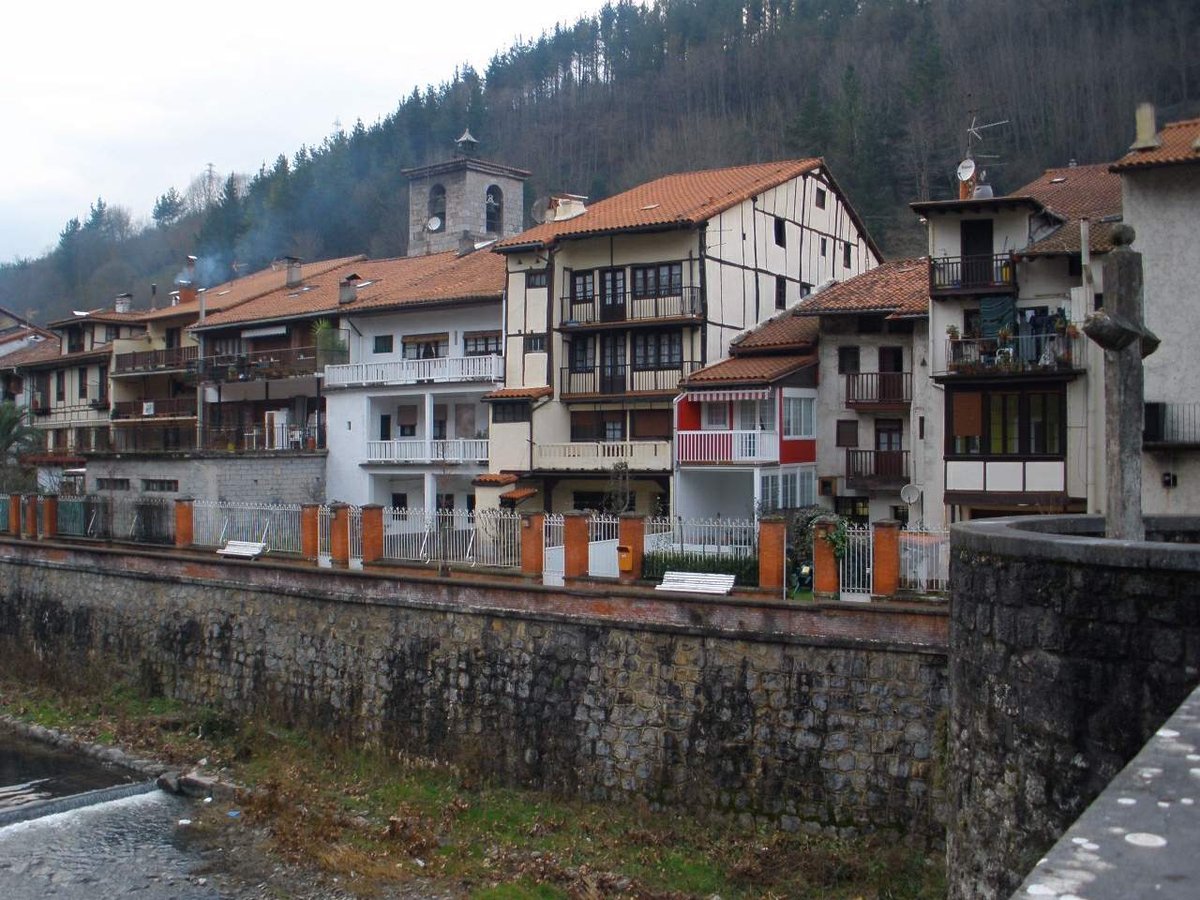
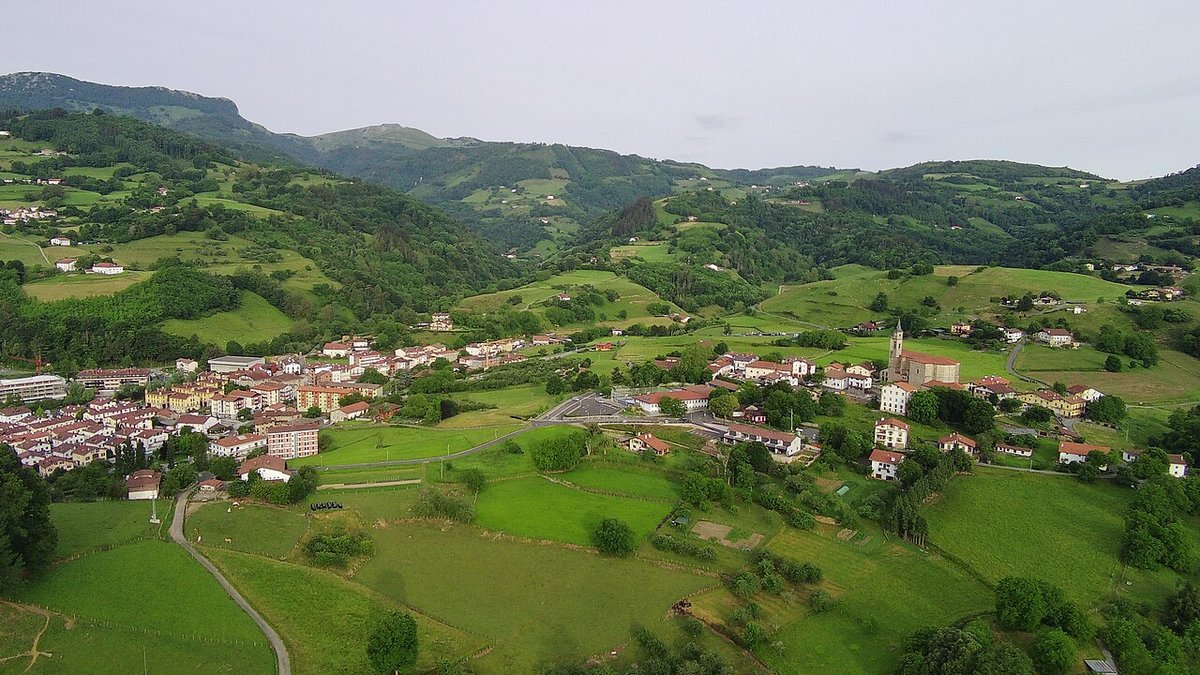
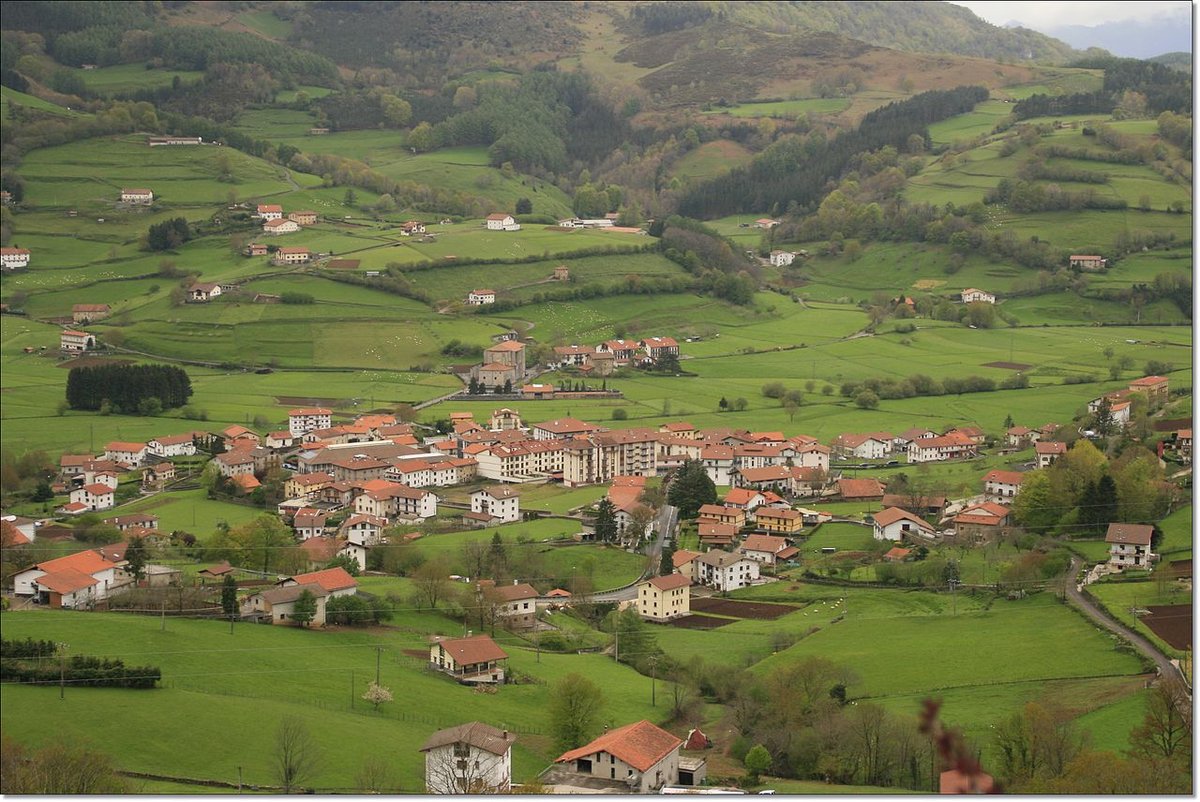
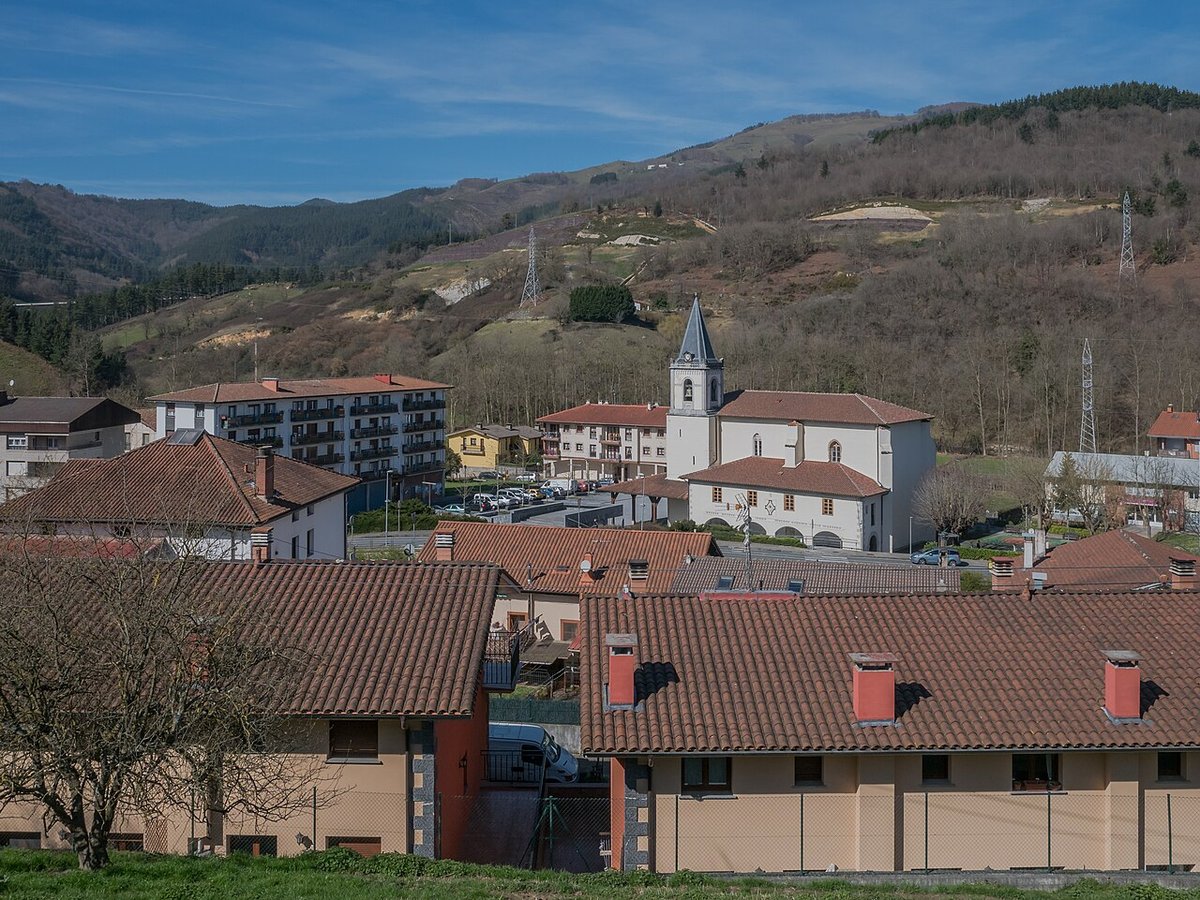
The layout follows the slope of the land rather than any strict plan. Houses are scattered with little apparent order. Some are solid stone caseríos, the traditional Basque farmhouses built to last. Others are more recent homes. Everything adapts to the terrain, which plays a strong role in how the village is arranged. Streets are short and often sloping, the kind that make you adjust your pace as you walk.
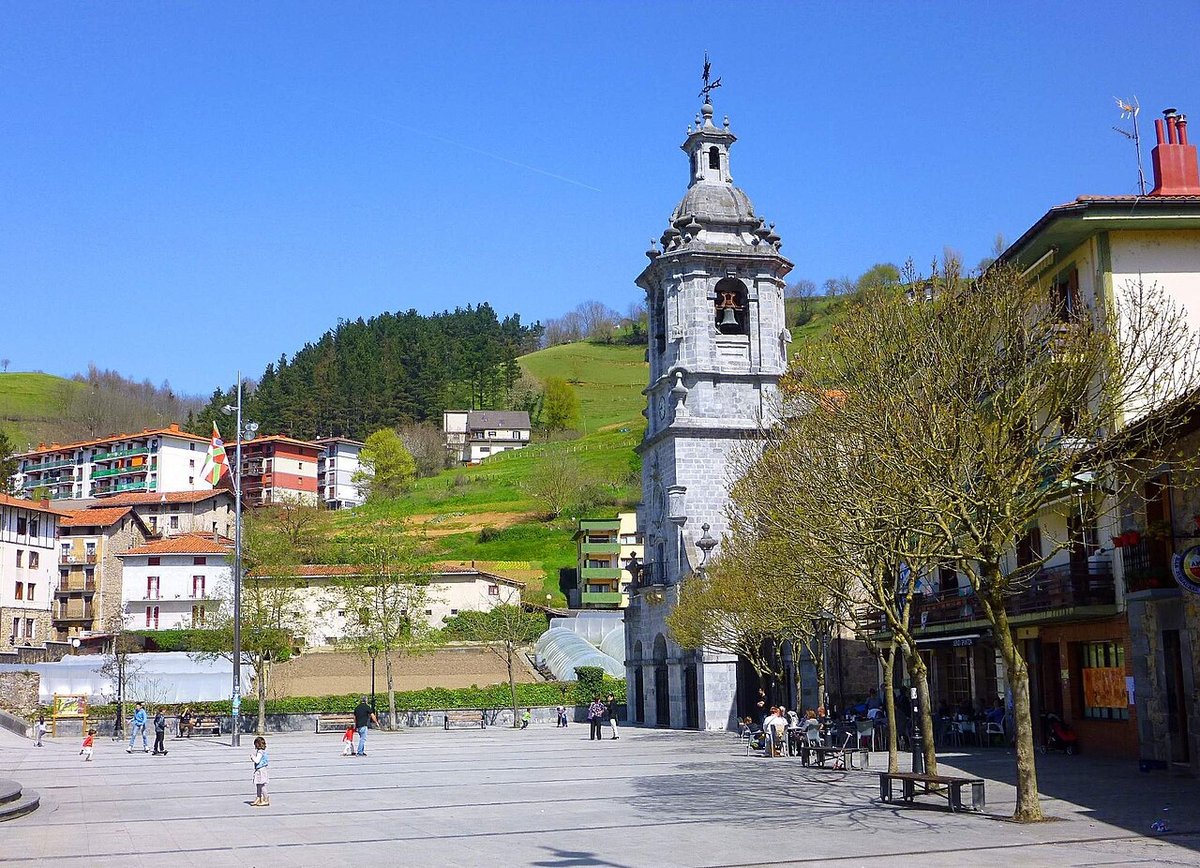
At the centre stands the church of San Andrés. It is generally said to date back to the 16th century, though it has been altered over time. It is not a striking or monumental building. Instead, it fits the expectation of a small inland village church: sturdy, understated and closely tied to daily life.
Around it, the landscape blends almost immediately into working land. Vegetable gardens, meadows enclosed by low stone walls and small livestock farms sit right next to the built-up area. There is no clear divide between village and countryside. In Orendain, the two overlap to the point of being almost the same thing.
Everyday spaces at the centre
The village square acts as a meeting point. There is an old fountain that once supplied water to residents, along with a few benches looking out towards the surrounding hills.
It is not a square designed for browsing or shopping. There are no shop windows to stop in front of. Its role is far more practical and familiar. People pause for a chat, a car passes slowly, neighbours come and go. The space reflects daily routines rather than visitor expectations.
Nearby is the frontón, the simple court used for pelota, a traditional Basque sport. Like in many villages in Gipuzkoa, it forms part of the social fabric. Its importance is not always obvious at first glance, but it plays a steady role in local life.
Paths that lead outwards
Walking beyond the centre means following the rural paths that branch out from the village. These are not signposted routes and there are no interpretive panels explaining what you see. They are working paths, also used for a stroll.
Many cross meadows where sheep or cows graze, then pass through small patches of woodland between fields. Streams and small watercourses run through the valley, although they do not always carry much water.
Some care is needed when choosing where to go. Certain paths lead to farmhouses or private land. Getting around is not difficult, but it calls for the same respect shown by those who live there.
Weather plays a part too. Rain is common in this part of Gipuzkoa, and when it comes, mud appears quickly. It clings to shoes and slows progress more than expected.
A short pause rather than a full itinerary
Orendain is not somewhere to fill a full day with activities. It works better as a quiet stop. A short walk, a look at the landscape, a chance to understand how this rural area of Tolosaldea functions.
In one or two hours, it is possible to walk through the centre, take one of the paths and return at an unhurried pace. The interest lies less in ticking off sights and more in noticing details. Scattered caseríos, small plots of land, the way light shifts across the hills.
For a change of pace, Tolosa is a short drive away. The atmosphere there is different, with more people, more bars and the Oria river running through the town.
Before setting off
There is little in the way of visitor infrastructure. No interpretation centres, no souvenir shops, no marked routes. That absence is not necessarily a drawback if expectations are set accordingly. It is part of what defines the place. Orendain remains, above all, a village where people live rather than a setting arranged for tourism.
Distances can also be deceptive. On a map everything appears close together, but slopes make themselves felt and some paths are more uneven than they first seem.
When the landscape shifts
Spring tends to be the most lively season in visual terms. Meadows turn a vivid green, there is more activity in the fields and the weather invites walking.
Autumn has its own character. Mornings with mist are common in this area, and the colours of the surrounding meadows and woodland begin to change.
There are no major events or peak seasons to plan around. Orendain keeps the same steady rhythm throughout the year, which is precisely what gives it its appeal.