Full Article
about Villabona
Hide article Read full article
At nine in the morning, when the sun has yet to fully lift the mist from the Oria river, a few workers cross the iron bridge towards the industrial buildings on the other side. Footsteps ring out over the boards with a dry, metallic rhythm. At that hour Villabona smells of fresh bread and river damp, that cool scent that clings to railings and the stones along the walkway. The town wakes slowly: shutters rise one by one and the first coffees of the day begin to appear in the bars.
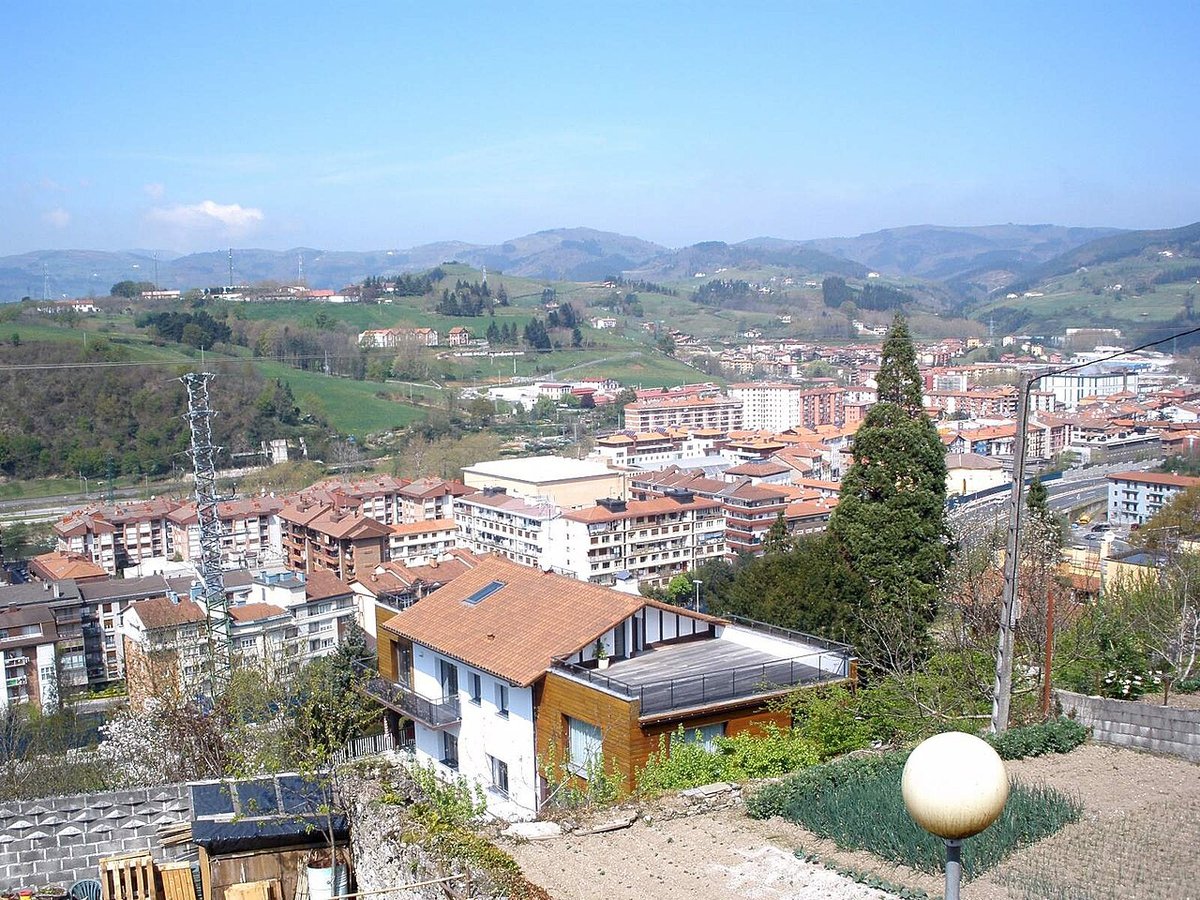
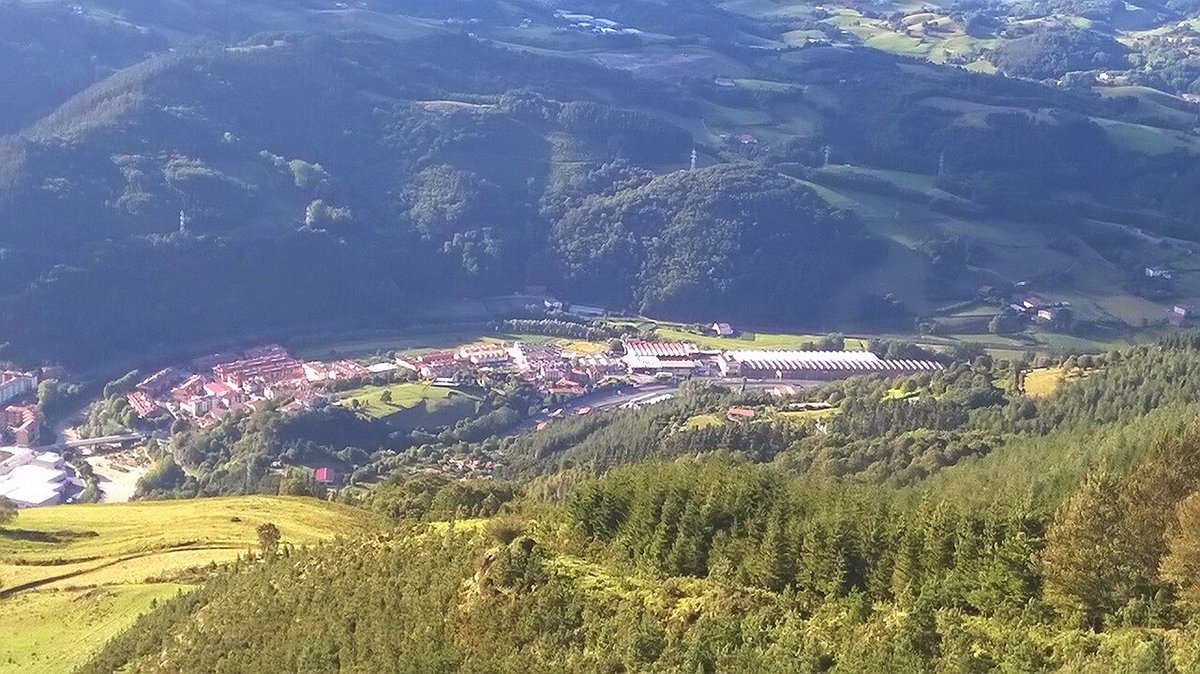
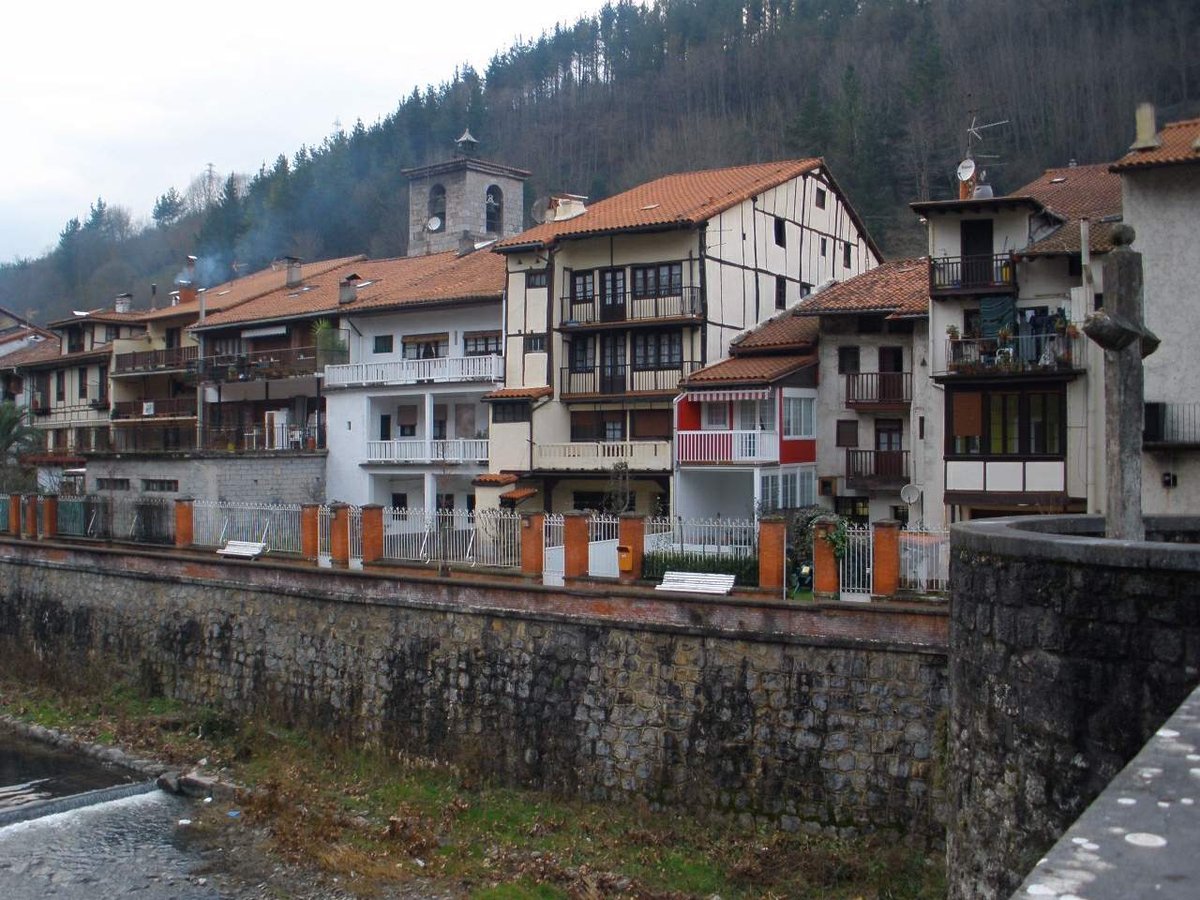
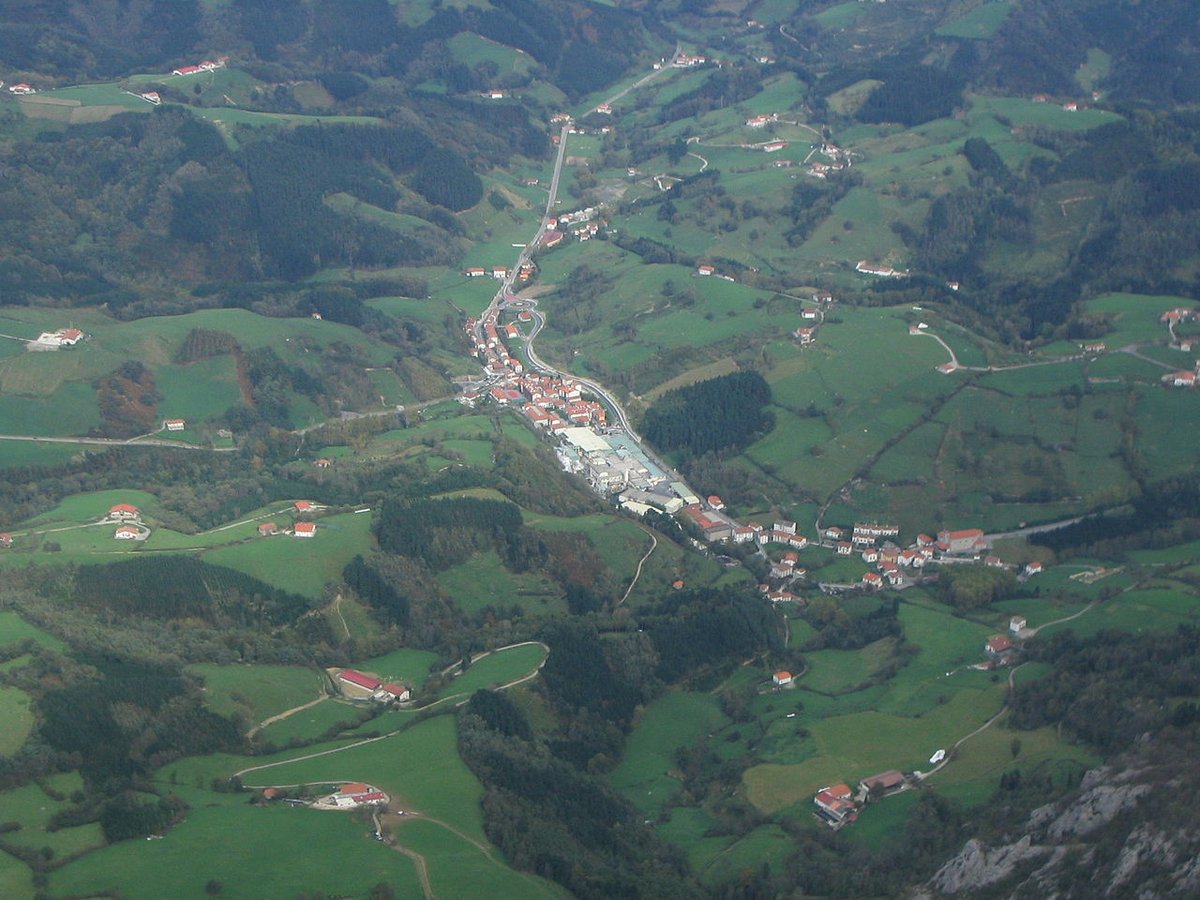
Villabona, in the Tolosaldea area, has never been shaped by tourism. For a long time it was defined by factories and workshops linked to the river. That past still shows in the layout of the town. Bridges, industrial units and older houses sit side by side, while at certain times the streets fill with people moving to and from work.
The square and the hillside neighbourhood
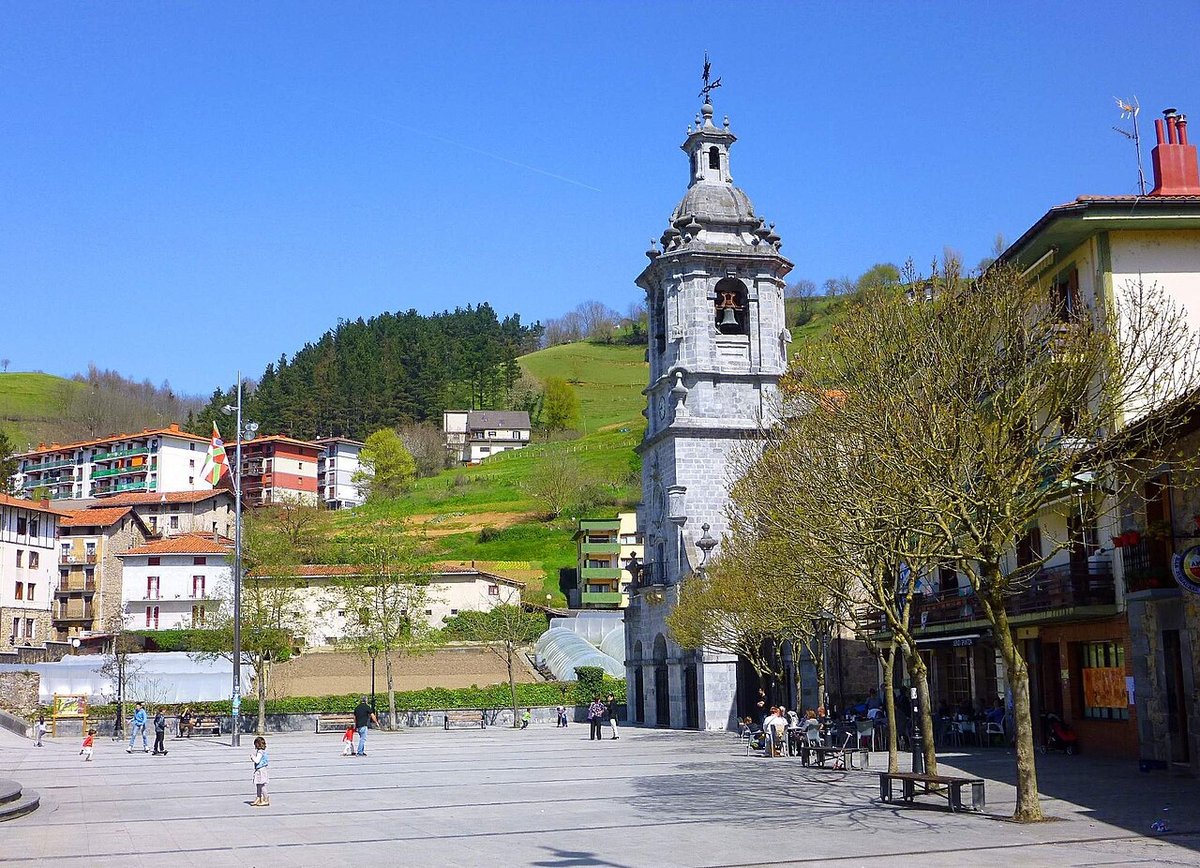
In the main square, the town hall stands with a restrained façade of pale stone. The current building dates from the nineteenth century, built after the previous one was destroyed during the war against the French. It remains a focal point of daily life. People come and go to deal with paperwork, children cycle across the square, and older residents pause to talk about the weekend’s match.
Very close by is the municipal fronton, the traditional Basque court used for pelota. Its walls carry dark marks from thousands of impacts. If a game is underway, the sound travels through nearby streets: a sharp strike against the wall, a brief pause, then another. In this part of Gipuzkoa, pelota is simply part of everyday life rather than a spectacle.
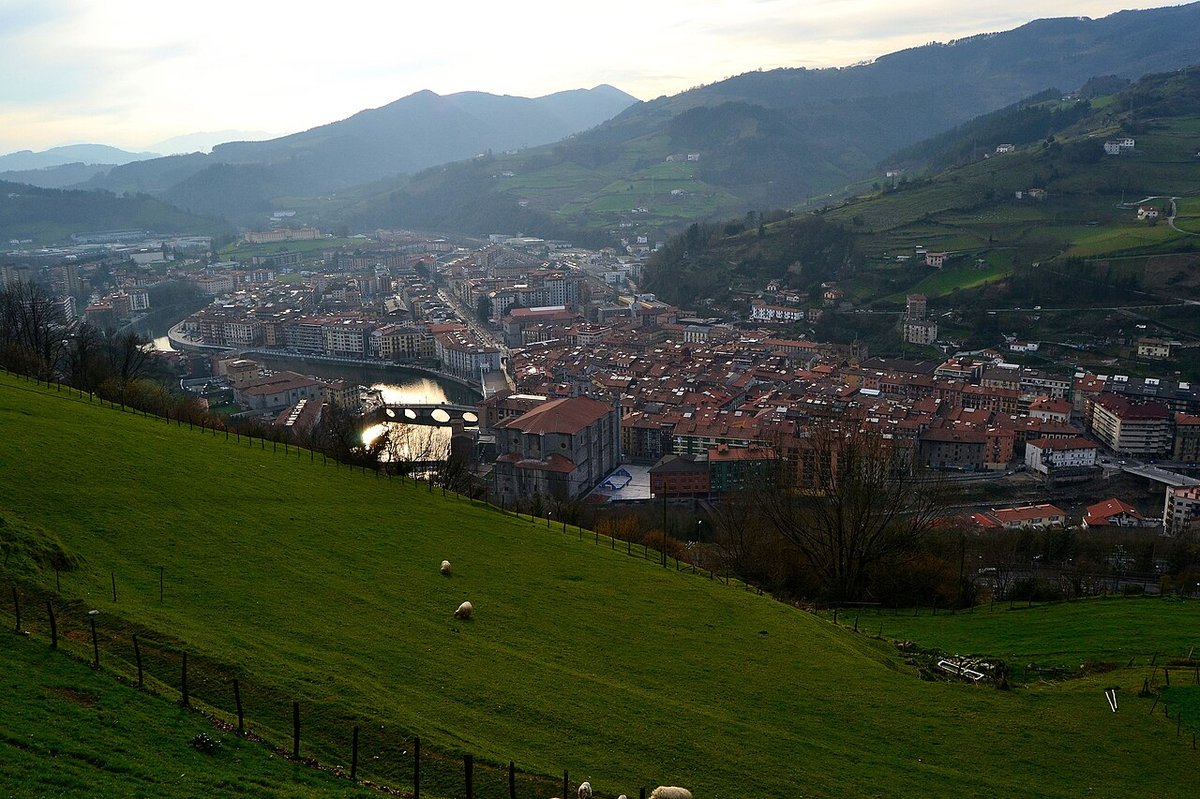
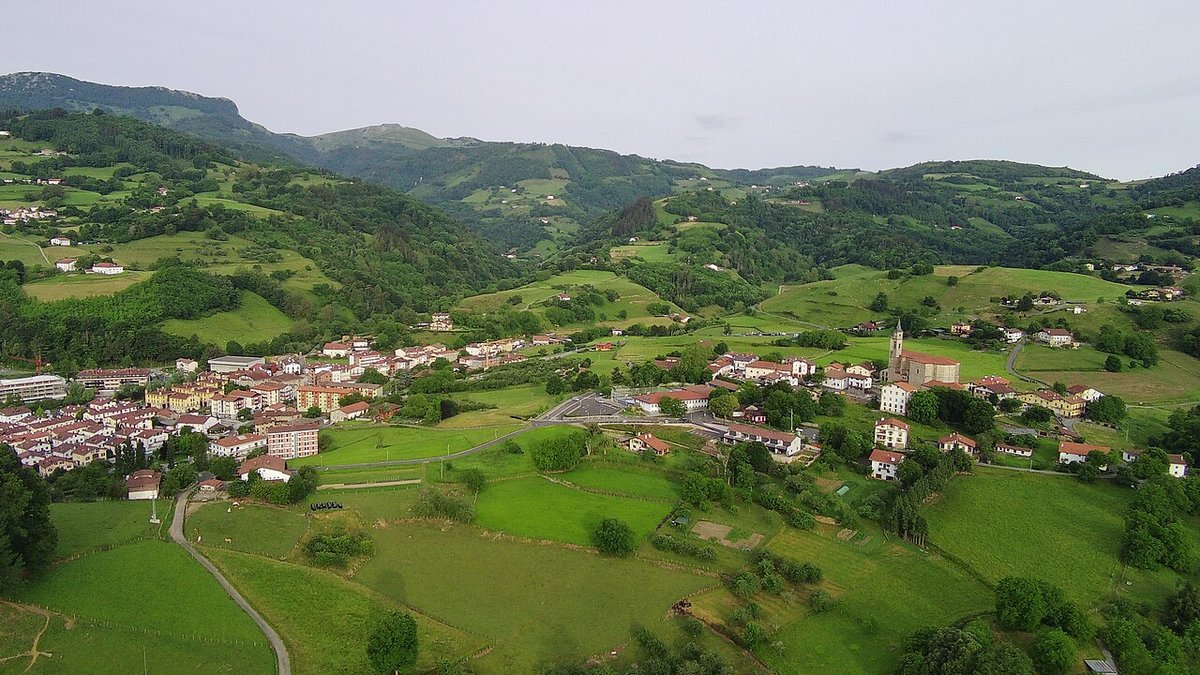
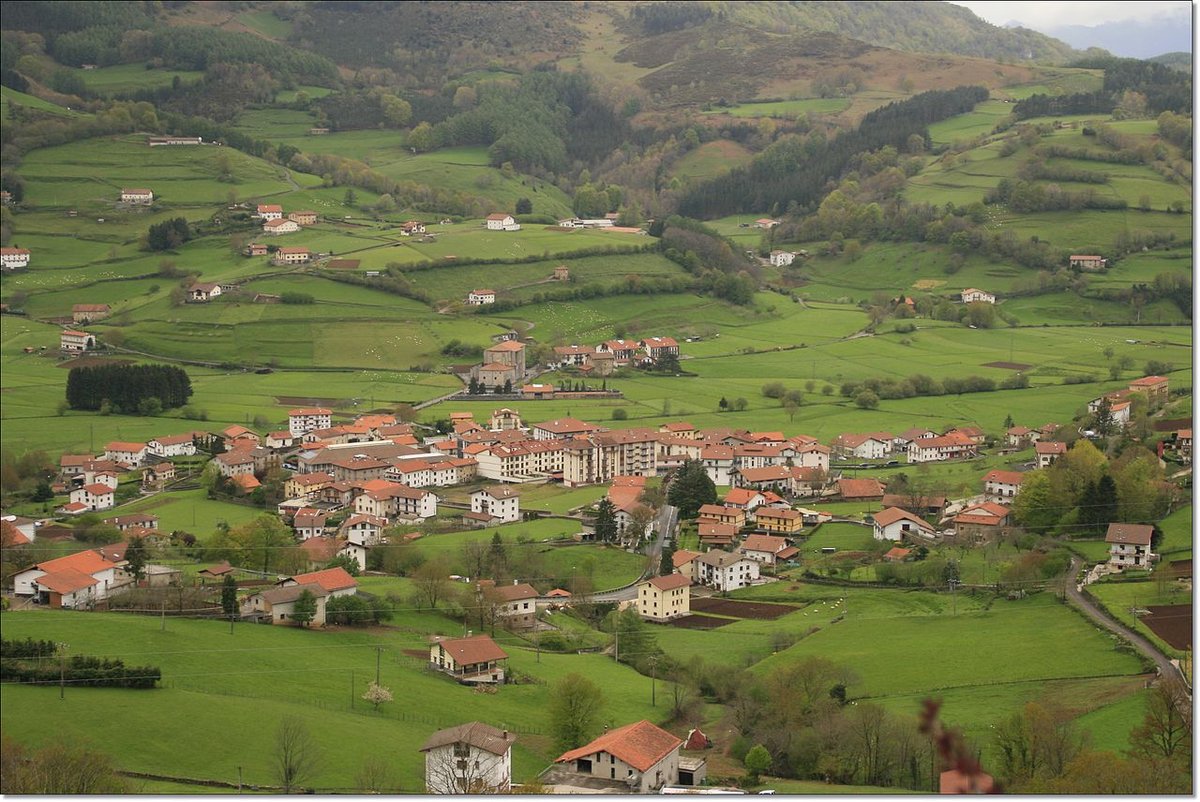
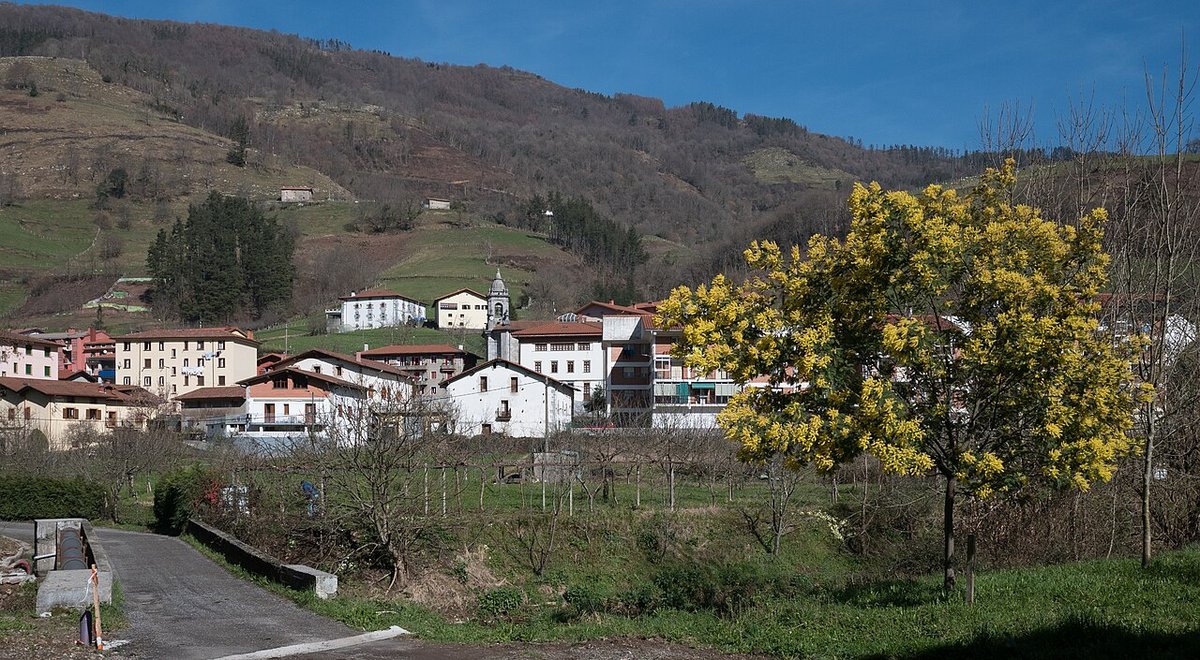
Higher up lies Amasa, the oldest part of the municipality. The road climbs between scattered houses and, on arrival, the view opens out suddenly. Red roofs spread across the valley floor, sloping meadows stretch away, and wooded hills begin to rise around them. At the centre of this small neighbourhood stands the church of San Martín de Tours. The building has been expanded over centuries, and its mix of older stone, later additions and visible repairs tells the story of the place more clearly than any plaque.
From the church atrium, especially towards evening, the light falls sideways across the whole Oria valley.
Traces of the paper industry
For centuries, the river powered mills and factories. One of those paper mills, active for a long period before closing in the twentieth century, is now the Museo del Papel. The building still preserves parts of its original industrial structure. Iron elements, pulleys and large gears remain in place, and when the afternoon sun warms the interior there is still a faint smell of grease.
Inside, the displays explain how paper was produced and why the Oria was important to that process. In many local families there was once someone who worked there. At times, former workers themselves recount what it was like inside the damp rooms where sheets were dried.
The river flows right beside the museum. When the water level rises, its sound slips in through the windows and becomes part of the visit.
If a game of rebote, a variant of pelota, is taking place at the fronton, it is worth stopping for a while. There is little ceremony around it. People lean on the railings, conversations continue between points, and children in a corner try to copy what they see.
Festivals that belong to the town
At the end of July, celebrations take place around Santiago. During those days the centre becomes much busier than usual. Groups of friends gather, music fills the streets, and shared meals appear. Among the traditions that continue is the Oilasko‑Joku, a game played blindfolded while Basque songs are sung around it. Older residents remember it from childhood and are often the ones who explain, in part, how it used to be done.
In May, the Amasa neighbourhood celebrates San Isidro. This is a smaller event, closely tied to the rural setting that still surrounds the area. Bunches of wildflowers appear, long outdoor tables are set up, and neighbours spend the afternoon talking while children run across the nearby meadow beside the hermitage.
Food and the sound of the bars
Early in the day there is always at least one bar open. At the counter, workers, retired locals and people stopping briefly for coffee mix together. Thick glass tumblers are common, and the newspaper passes from hand to hand.
The food reflects what is typical of inland Gipuzkoa. There are warm stews when the weather turns cold, freshly made tortillas, and simple sandwiches. Axoa, a dish of shredded veal cooked with peppers, sometimes appears on menus or at communal meals, although many households prepare it in their own way.
In autumn, when rain sets in for several days, the smell from kitchens blends with the damp earth of nearby allotments and gardens.
Paths along the Oria
Villabona is not defined by large, signposted routes, but by paths that begin almost without notice from the urban area. They follow the course of the river or move gently outwards into the surrounding landscape, connecting the town with its immediate environment in a quiet, unmarked way.