Full Article
about Villabona-Amasa (Villabona)
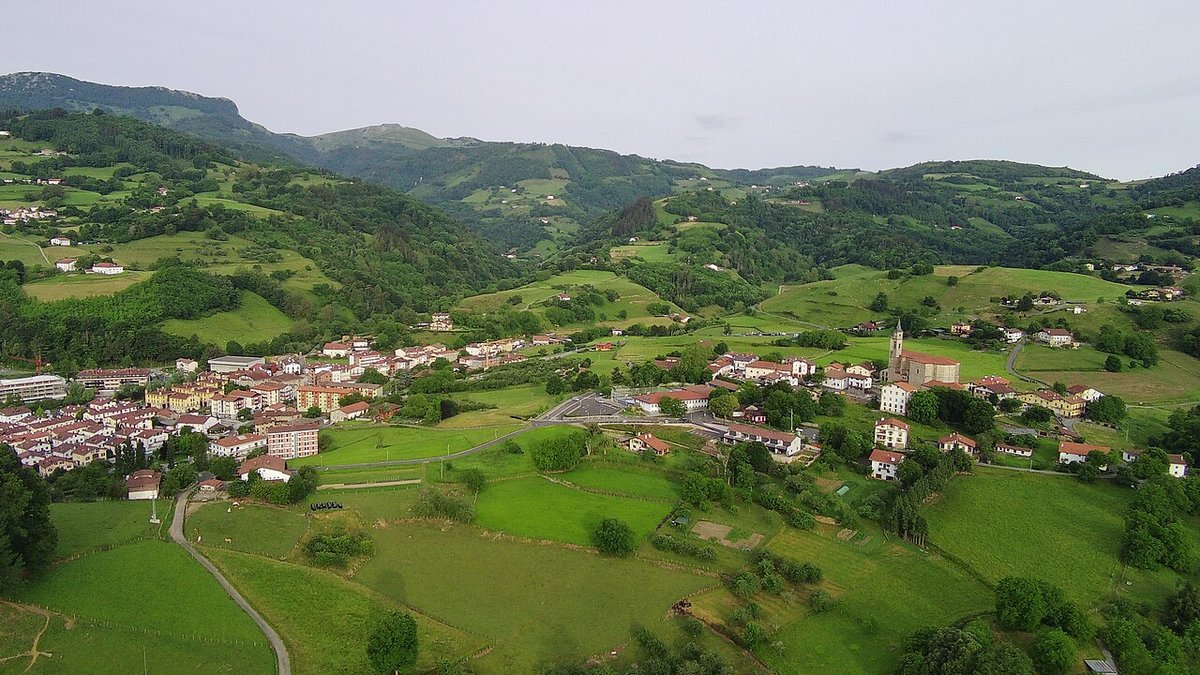
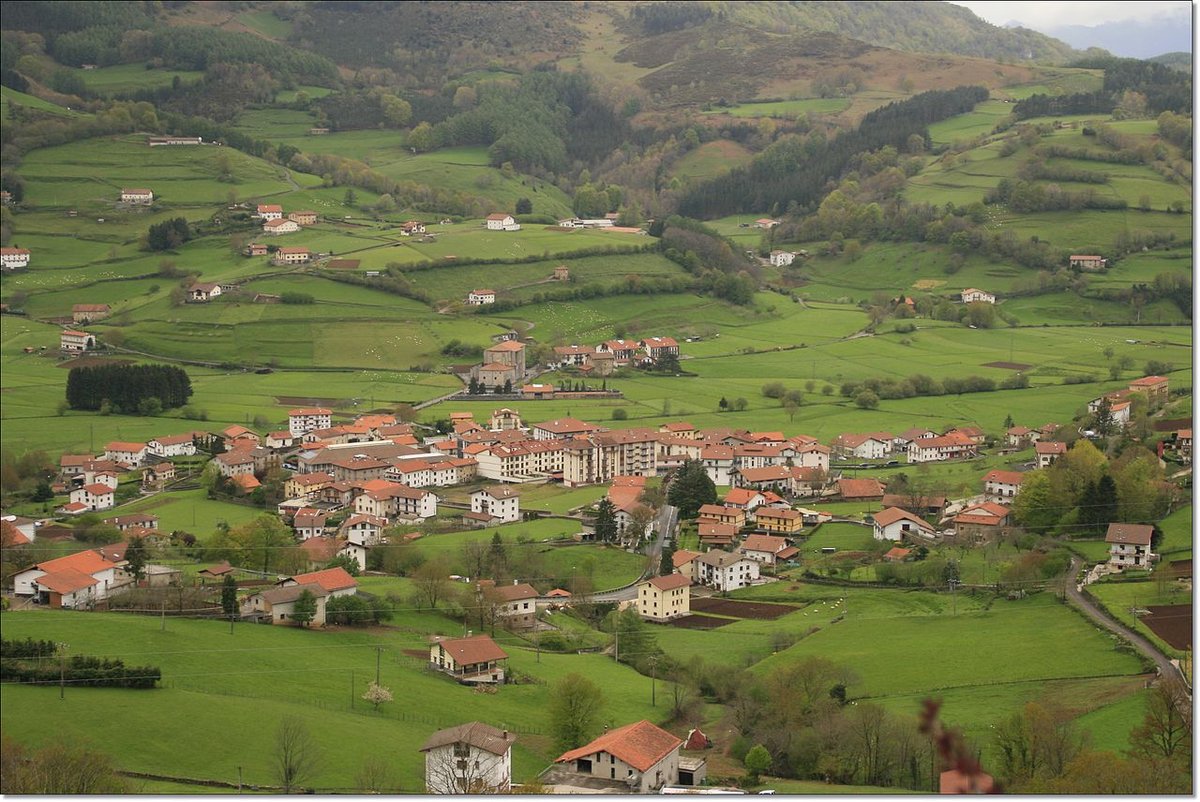
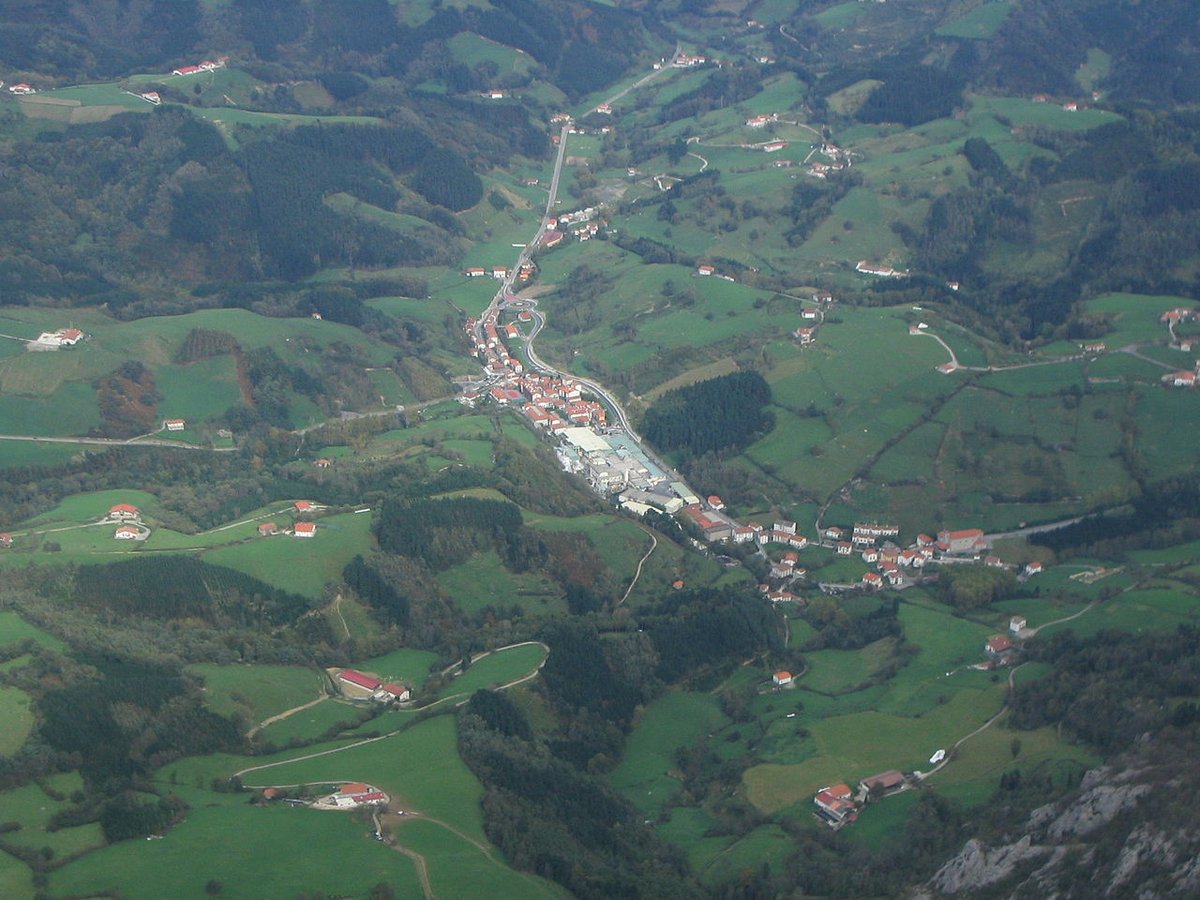
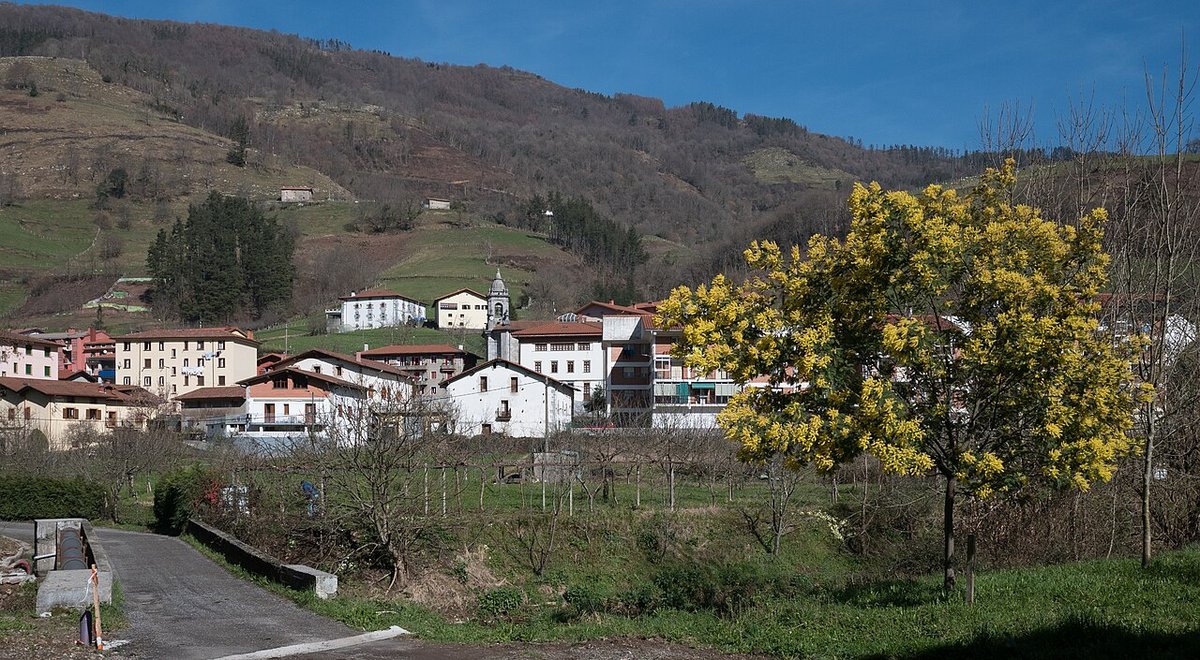
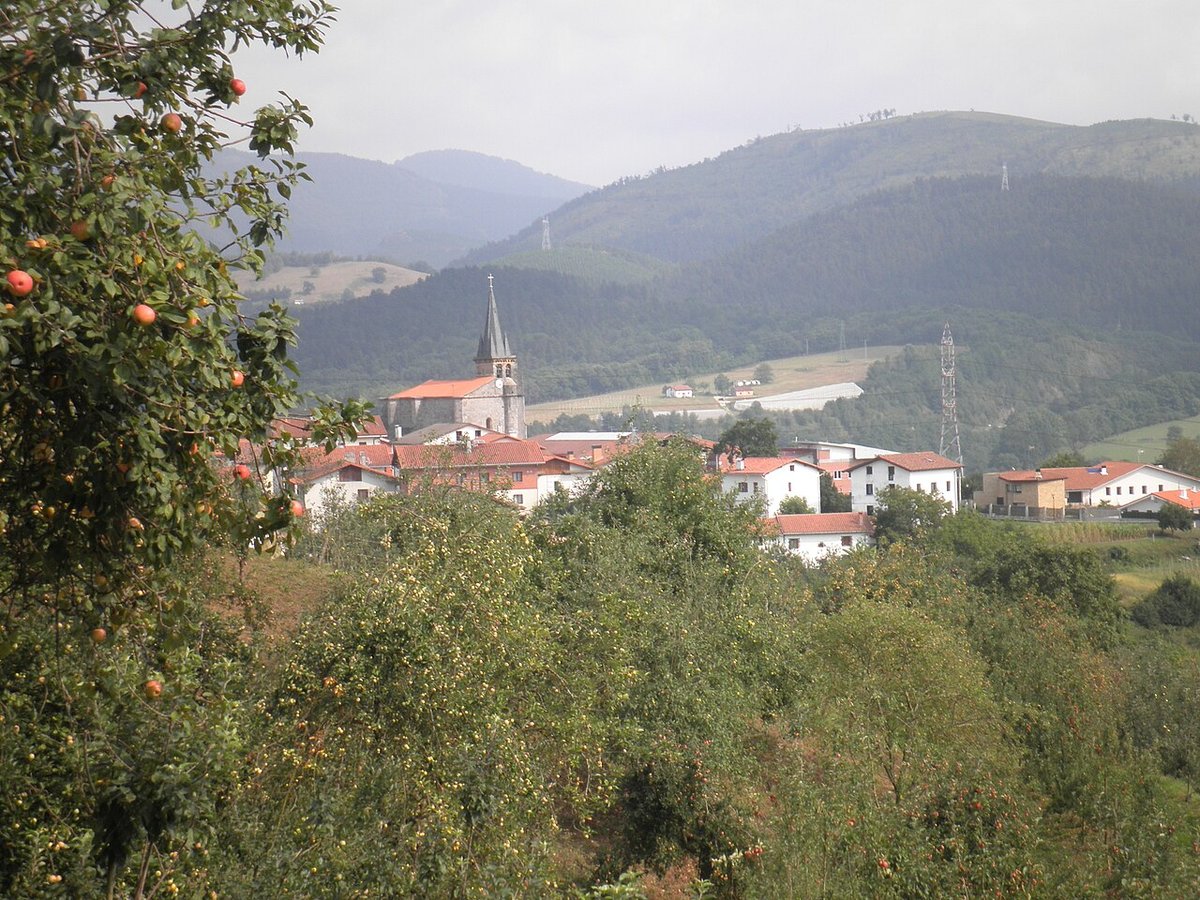
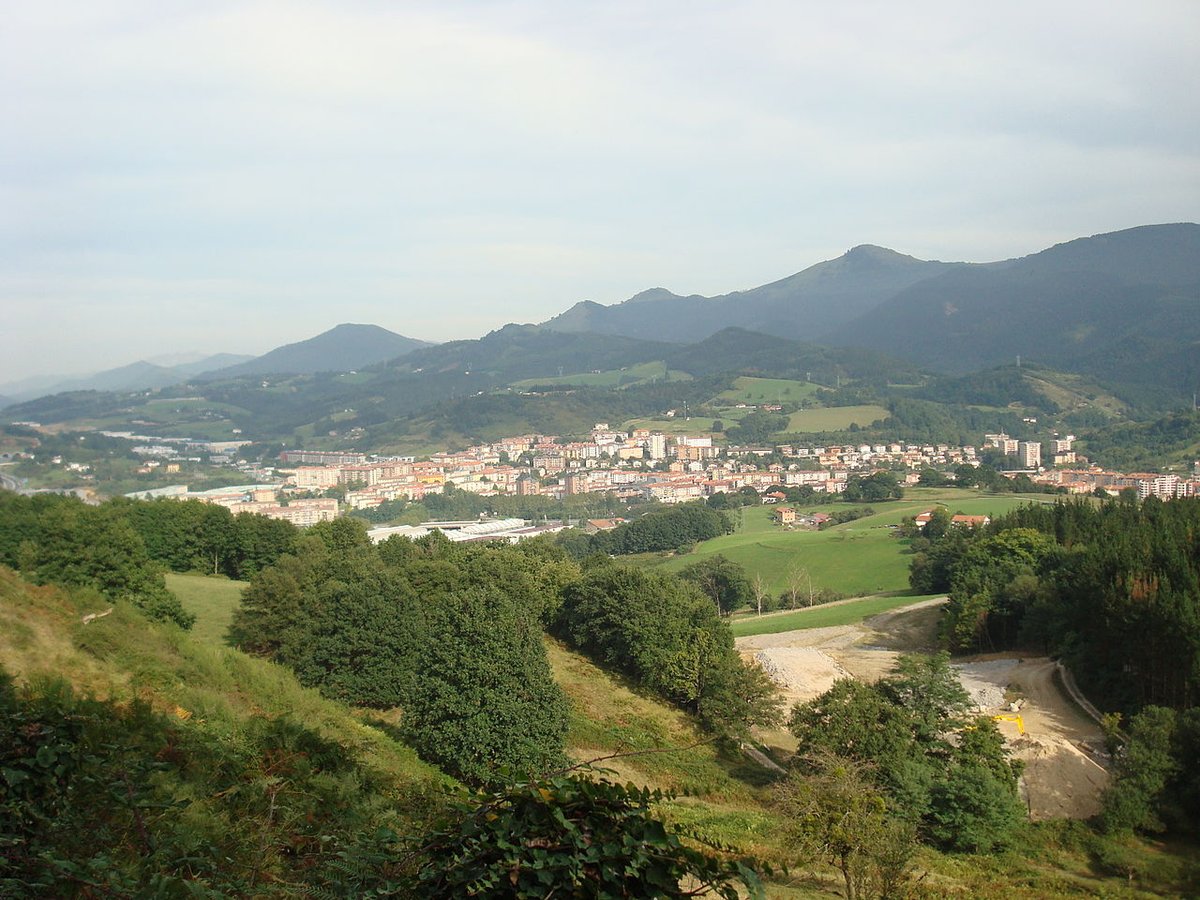
Deep green, farmhouses and nearby mountains with trails and viewpoints.
Hide article Read full article
A square shaped by the rebote
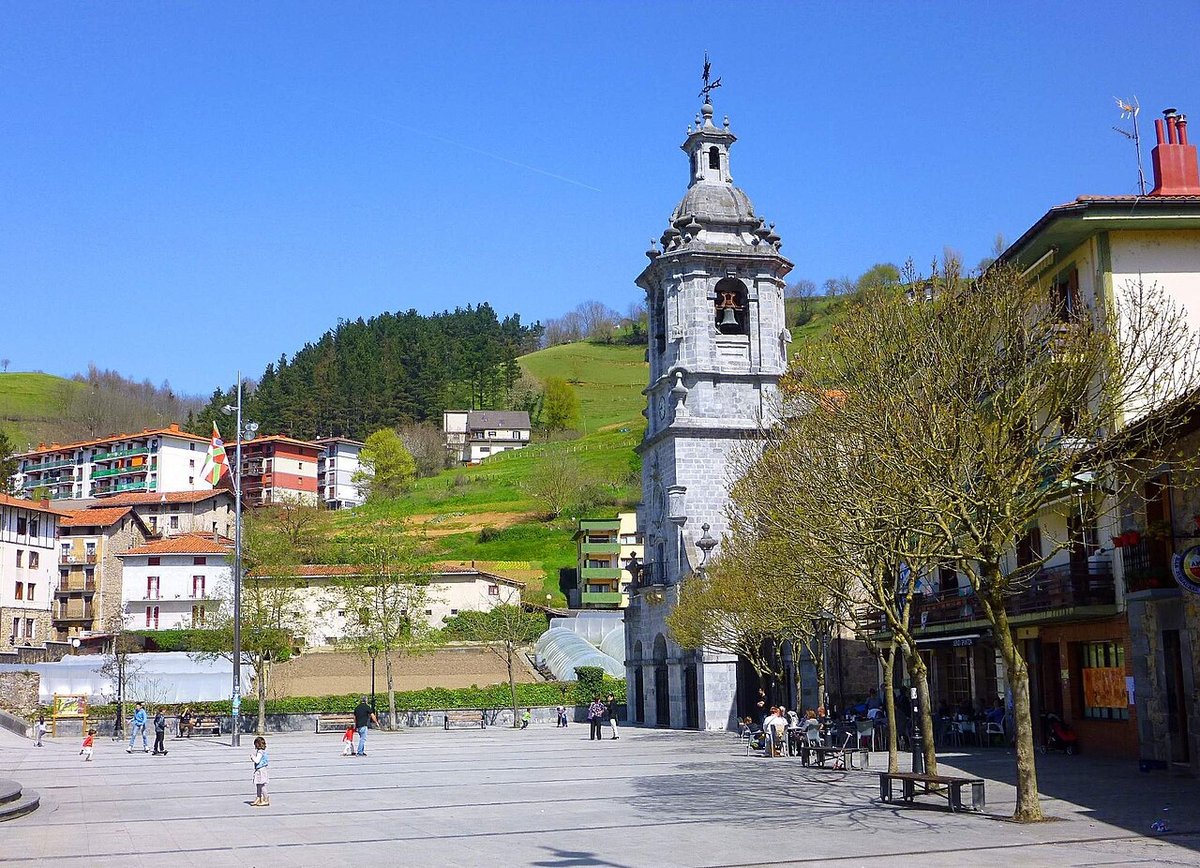
Rebote is not just a game here. In the square that shares its name, at the centre of Villabona Amasa, a ball is struck against the side wall of the church with a casual ease that can catch newcomers off guard. The stone wall doubles as an improvised fronton, the traditional Basque court for pelota, and the windows, protected by wooden grilles, look out over the square as if they have long accepted the sharp echo of the ball.
Customs here are not locked away or staged. They continue in the open air, in full view, much as they have for generations. The square is not only a meeting point but also a place where everyday life and long-standing traditions overlap without ceremony.
Two names, one place
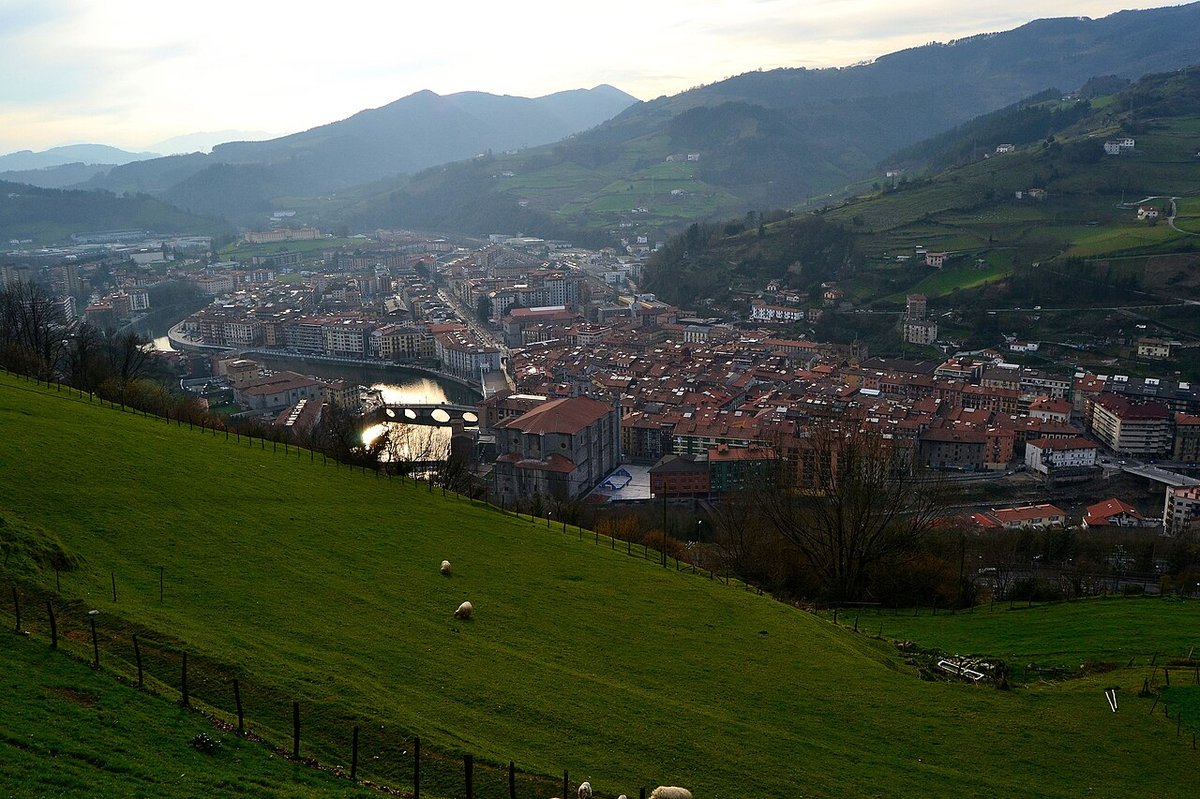
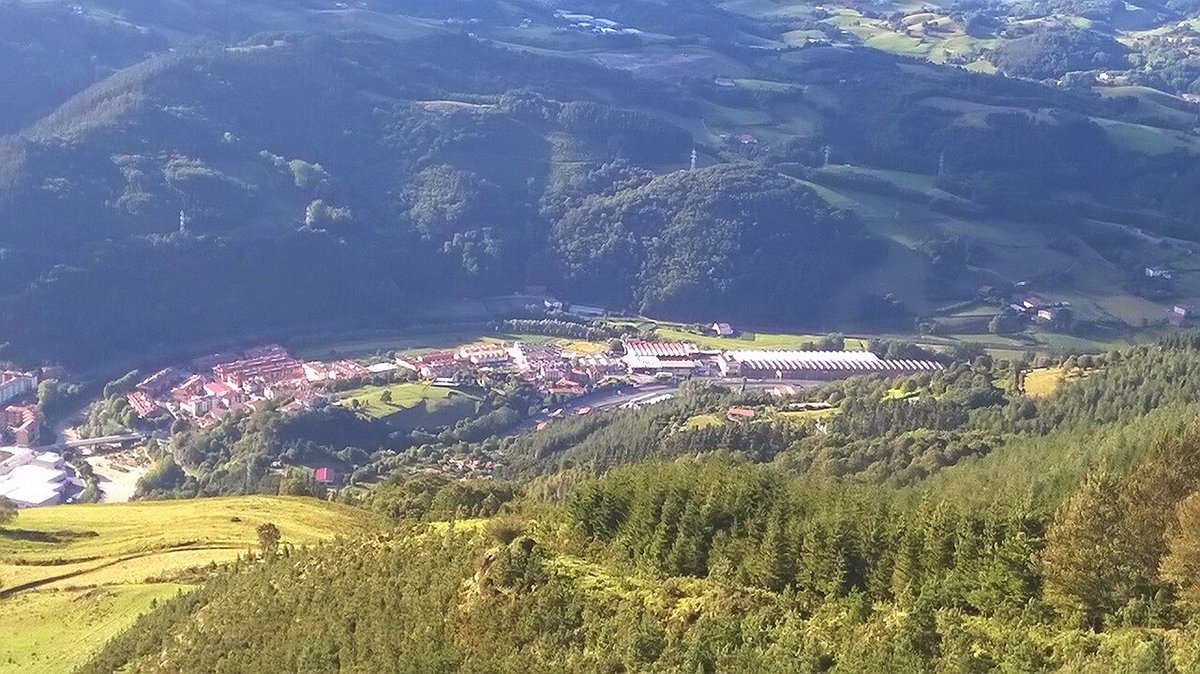
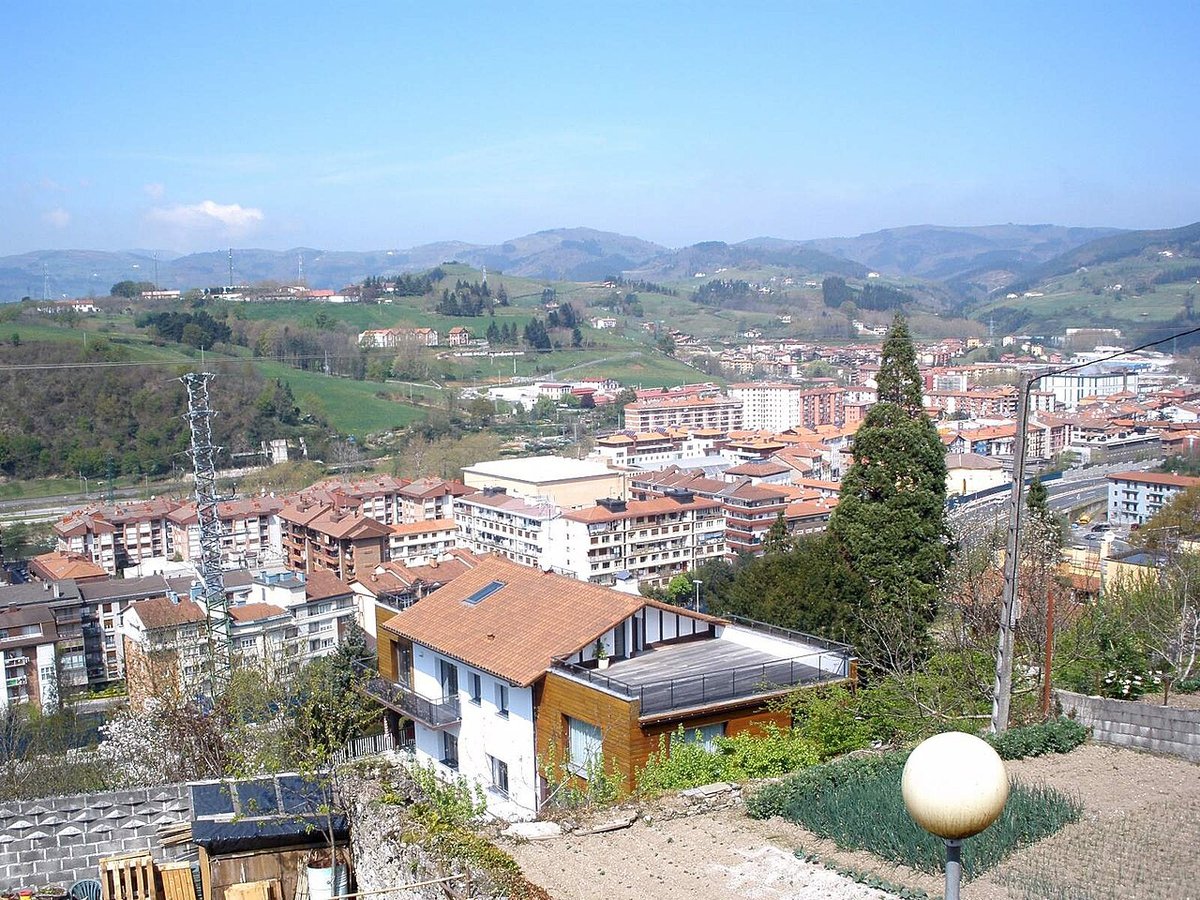
Villabona and Amasa were once separate settlements. Amasa developed higher up, where the land allowed for farming and scattered baserriak, the traditional Basque farmhouses. Villabona grew below, beside the River Oria, at a natural crossing point between inland Gipuzkoa and the coast.
Medieval documents mention both communities, sometimes as distinct places and at other times already linked. Over time they came to function as a single town, although the contrast between the lower area and the upper neighbourhood remains clear when walking through the municipality.
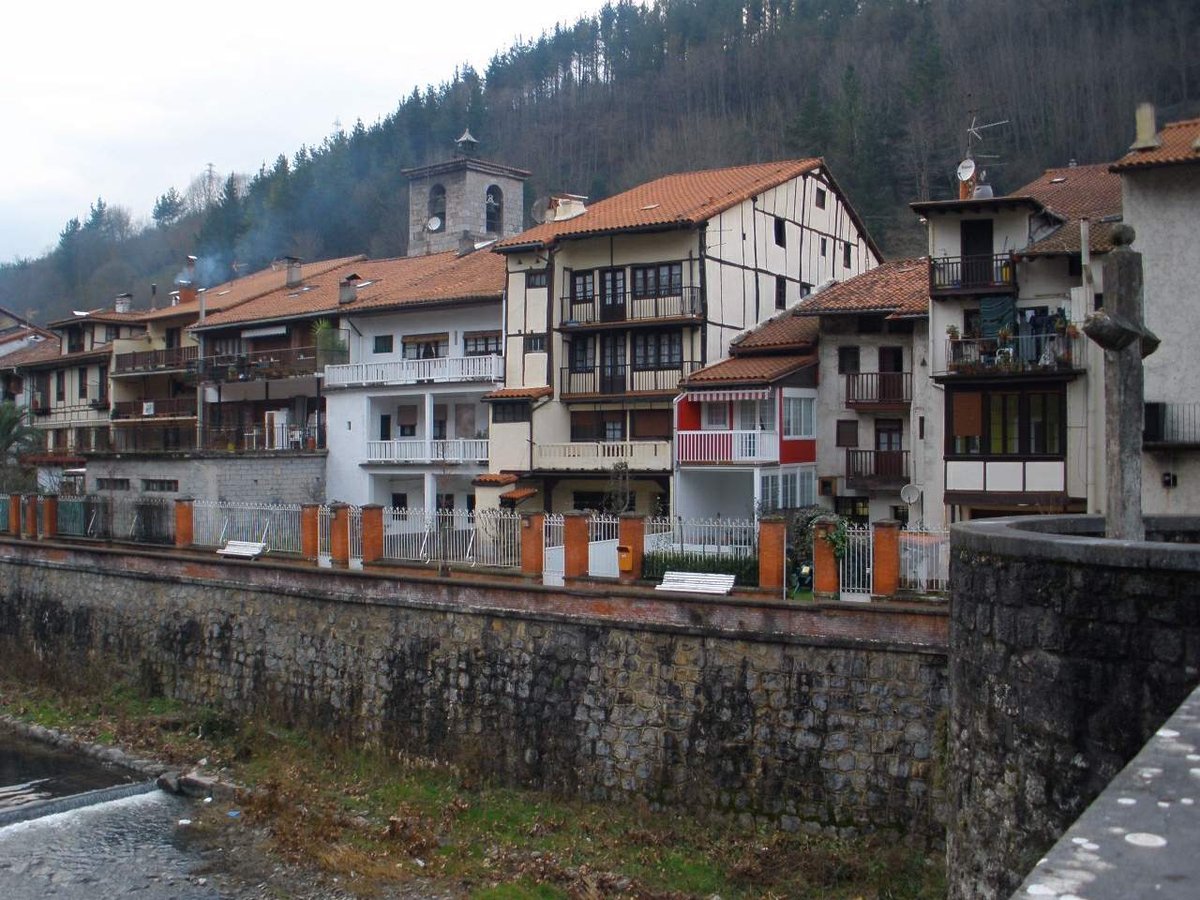
The Zubimusu bridge, on the way towards Zizurkil, reflects the importance of crossing the Oria at this point in the valley. It has allowed passage for centuries. It is not an imposing structure, yet it helps explain why this location gradually drew activity and settlement.
Stone above the valley
The Church of San Martín de Tours presides over the Rebote square. Built between the 16th and 17th centuries, it was later altered with Baroque elements added to its façade. It does not stand out as unusual among churches in Gipuzkoa, yet its position speaks clearly. From here, the Oria valley stretches out below, along with the historic route that once connected Tolosa with inland villages.
Opposite the church, the 19th-century town hall closes the square with a restrained architectural style typical of civic buildings from that period.
Beyond the centre, traditional architecture appears more clearly in the surrounding baserriak. These houses combine stone and timber, with broad roofs and granite doorways that often carry engraved construction dates. One of these farmhouses, known as Etxe Ondo, was home to the painter Vicente Ameztoy. His work, closely tied to Basque culture and landscape, reflects the setting around him, enclosed meadows, nearby hills, and the damp light that settles across the valley.
From water storage to cultural space
One of the more unusual changes in Villabona Amasa can be found in a former water cistern built in the 20th century to supply the town. At the beginning of this century, the structure was repurposed as a cultural venue. Its concrete exterior remains largely intact, while inside it now hosts exhibitions, workshops and activities linked to the wider cultural life of the area.
The River Oria continues to shape the rhythm of the surroundings. From Amasa, paths lead down towards the valley and others climb into the nearby slopes. Some of these routes reach picnic areas used by local residents, particularly in spring when livestock returns to pasture. The change of season has traditionally been marked with outdoor meals and family gatherings, simple occasions tied closely to the land.
Walking the town and beyond
Villabona Amasa is best understood on foot. From the Rebote square to the neighbourhood of Amasa, the walk takes around twenty minutes uphill along narrow streets, some still paved with old stone. As the elevation changes, the Oria valley opens out towards Tolosa.
The urban centre itself can be covered quickly, yet it is worth taking the paths that lead down towards the river. Houses become more spread out, with small vegetable plots and meadows appearing between them. Traffic noise fades, replaced by a quieter rural atmosphere.
In the distance rises Mount Hernio, a constant presence in this part of Gipuzkoa. Climbing it is common among local people, with routes starting from different points across the region. On clear days, the summit offers wide views over much of inland Gipuzkoa.
Back in the centre, several bars keep the custom of pintxo and txikiteo alive. Pintxos are small bites typically served at the bar, while txikiteo refers to moving from one place to another, having a drink in each without much formality. In autumn, around the feast of San Martín, the town celebrates its local festivities. These bring together popular events, pelota matches and gatherings in the streets. The emphasis remains on community rather than on attracting visitors, in keeping with the way life unfolds here throughout the year.