Full Article
about Zizurkil (Cizúrquil)
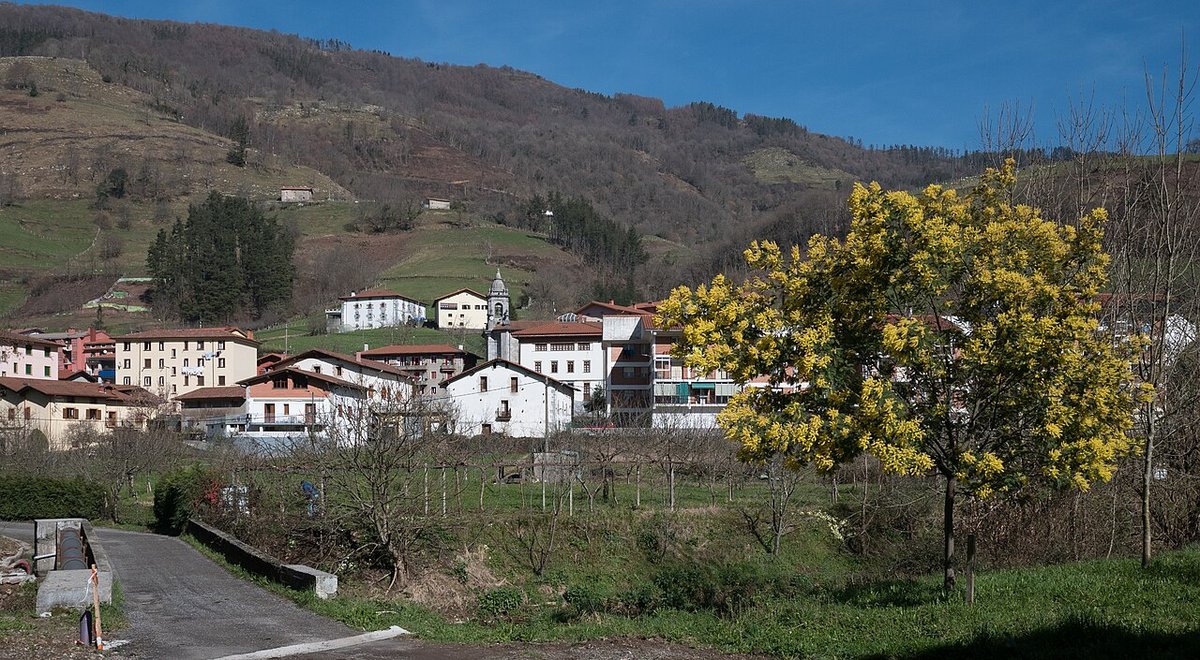
Deep green, farmhouses and nearby mountains with trails and viewpoints.
Ocultar artículo Leer artículo completo
The 11:15 bus from Tolosa drops you beside the fronton wall just as the bakery’s metal shutter rolls up. By the time you’ve bought a still-warm loaf, three tractors have rumbled past, a farmer in overalls has greeted the bar owner, and someone’s grandmother has claimed the best bench in the square. Zizurkil doesn’t rehearse this routine for visitors; it simply refuses to speed up.
Valley Life, Not Postcard Life
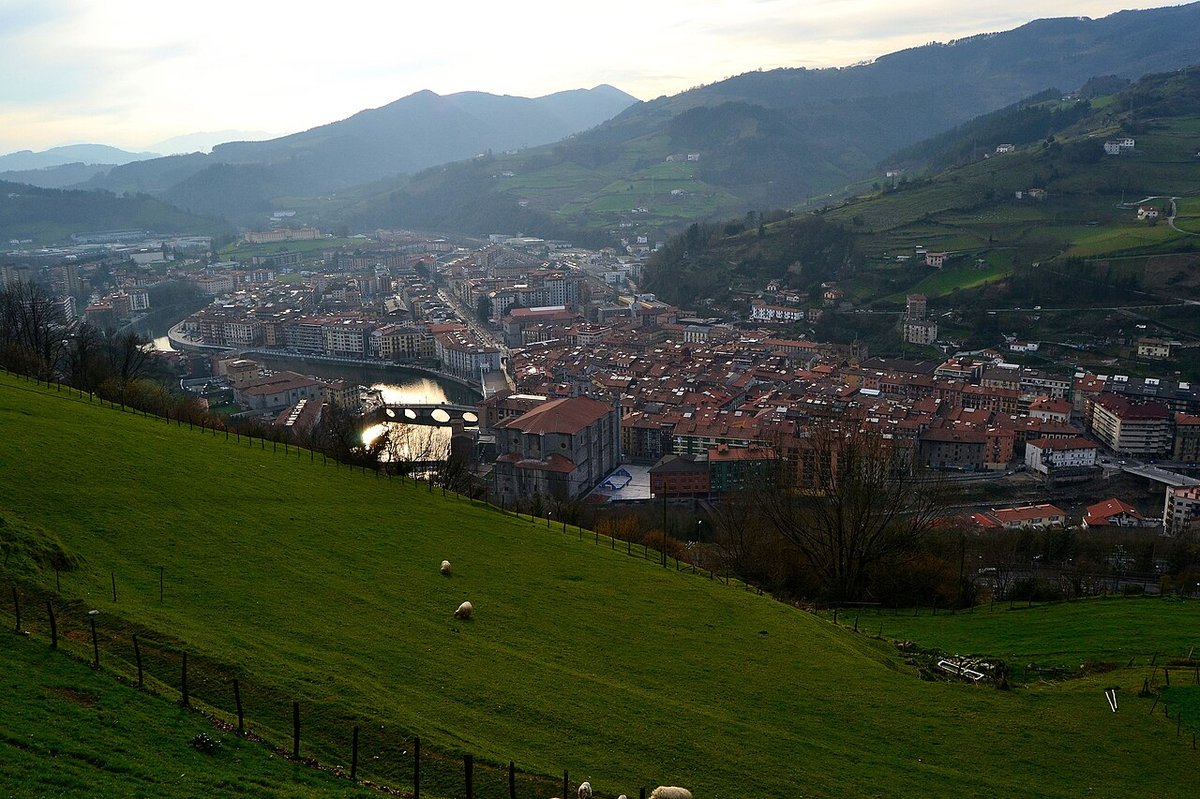
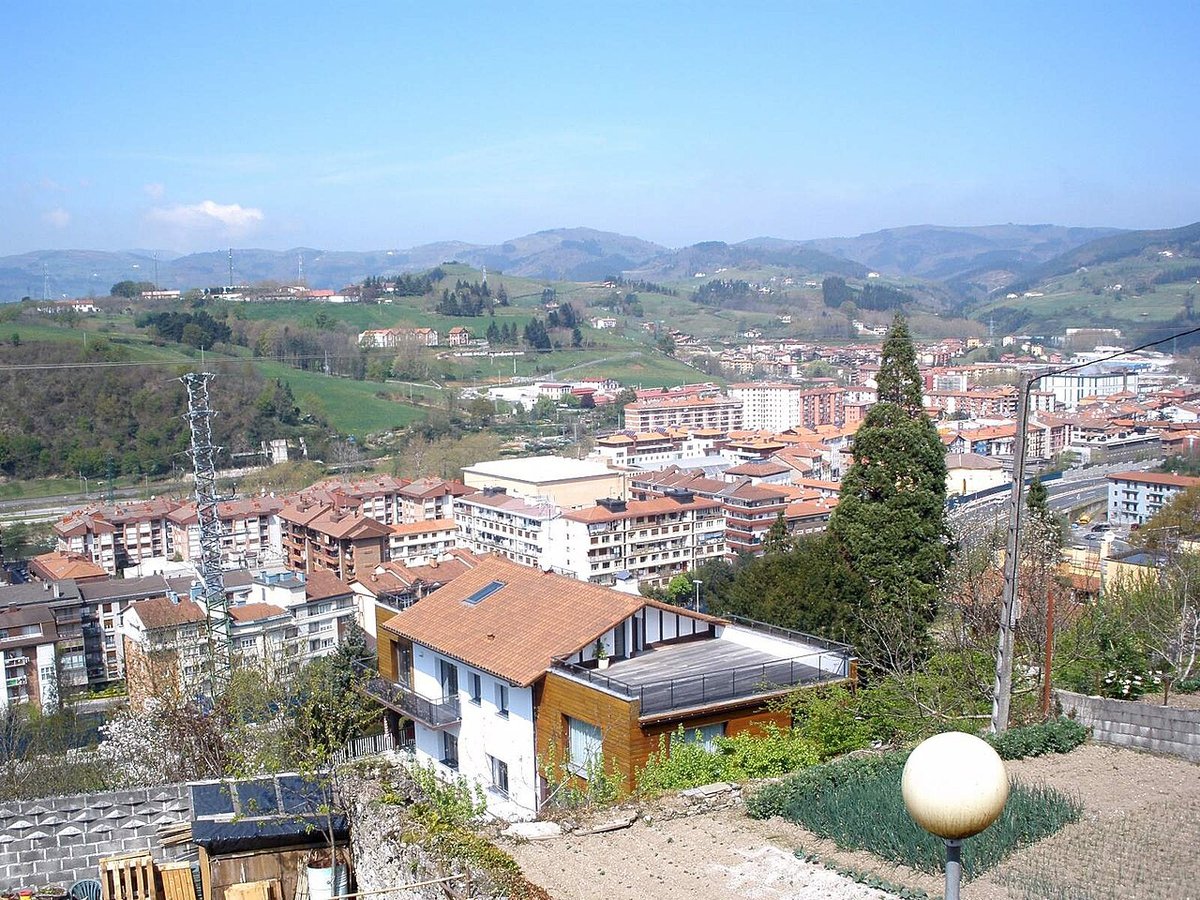
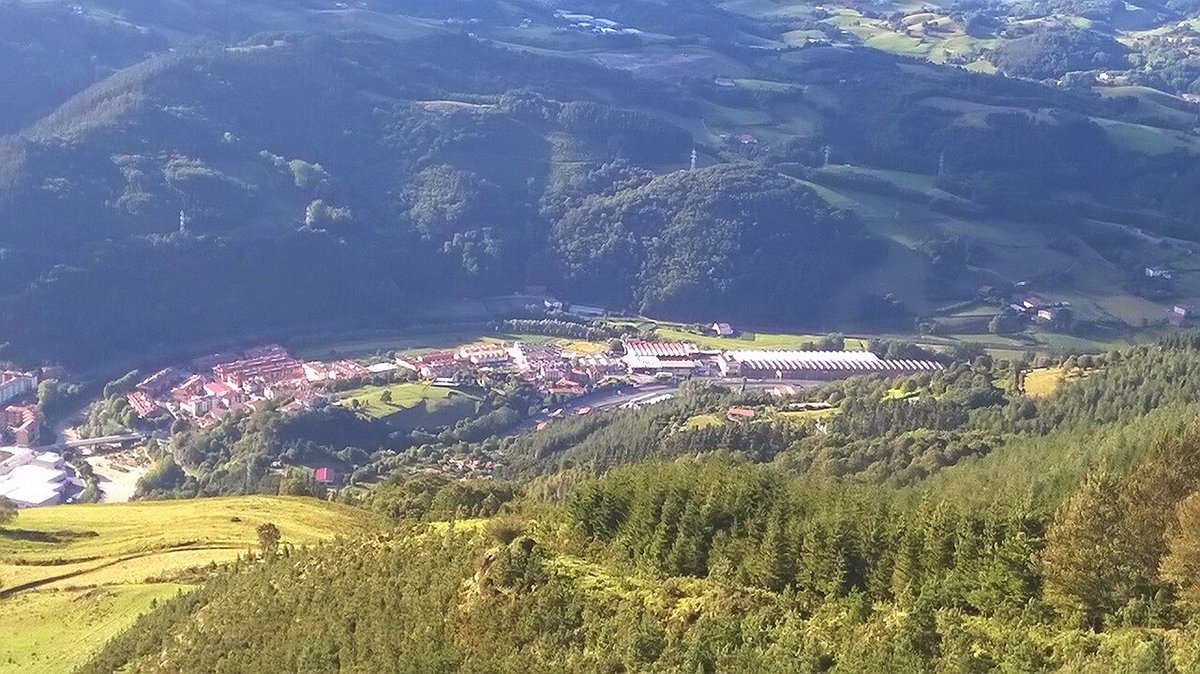
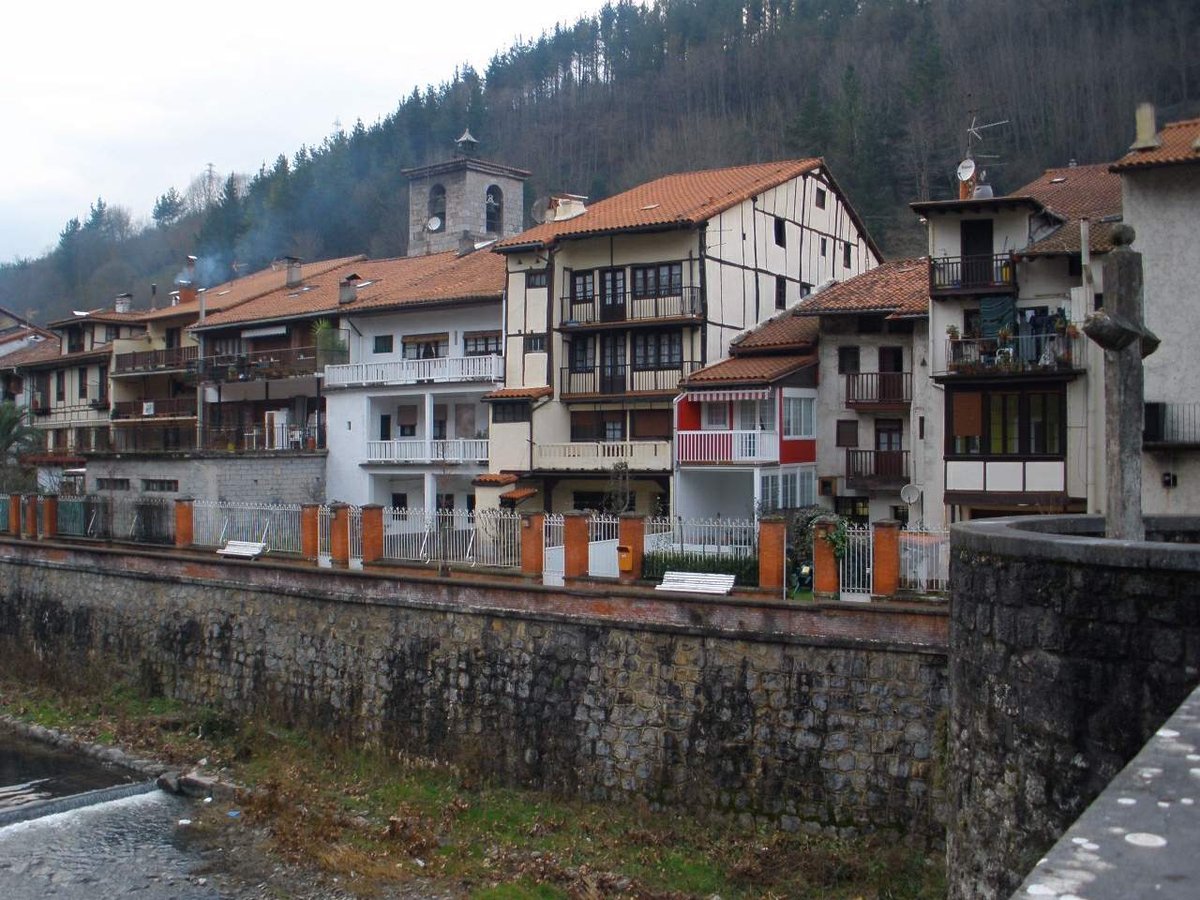
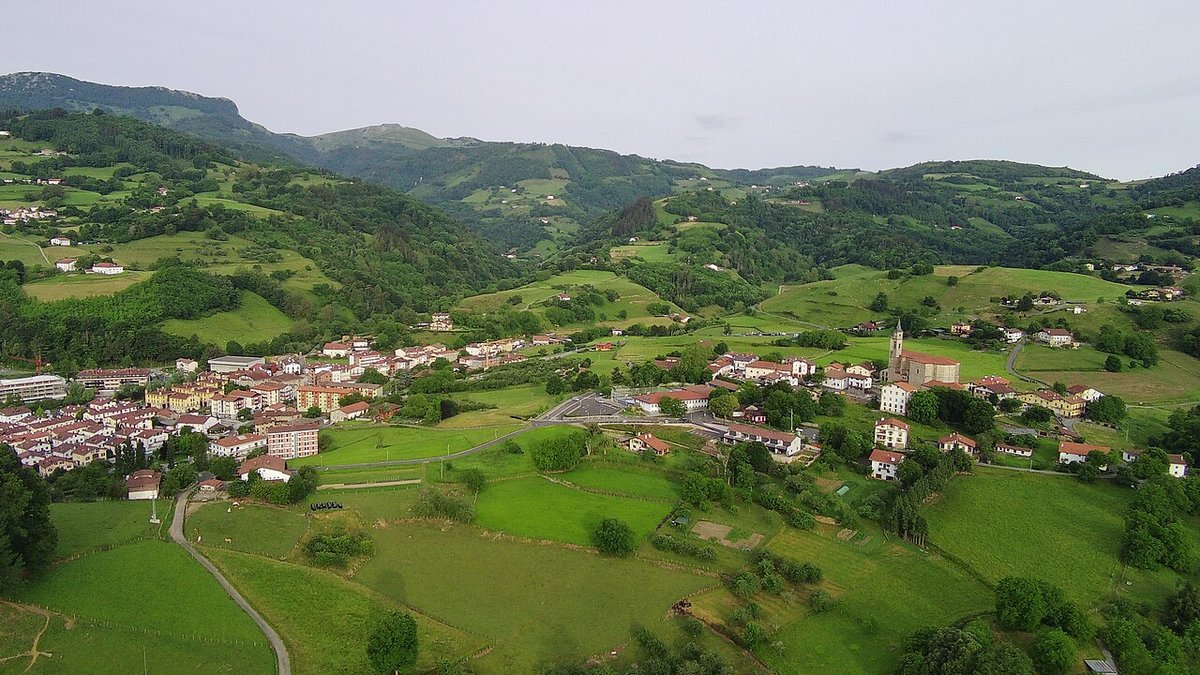
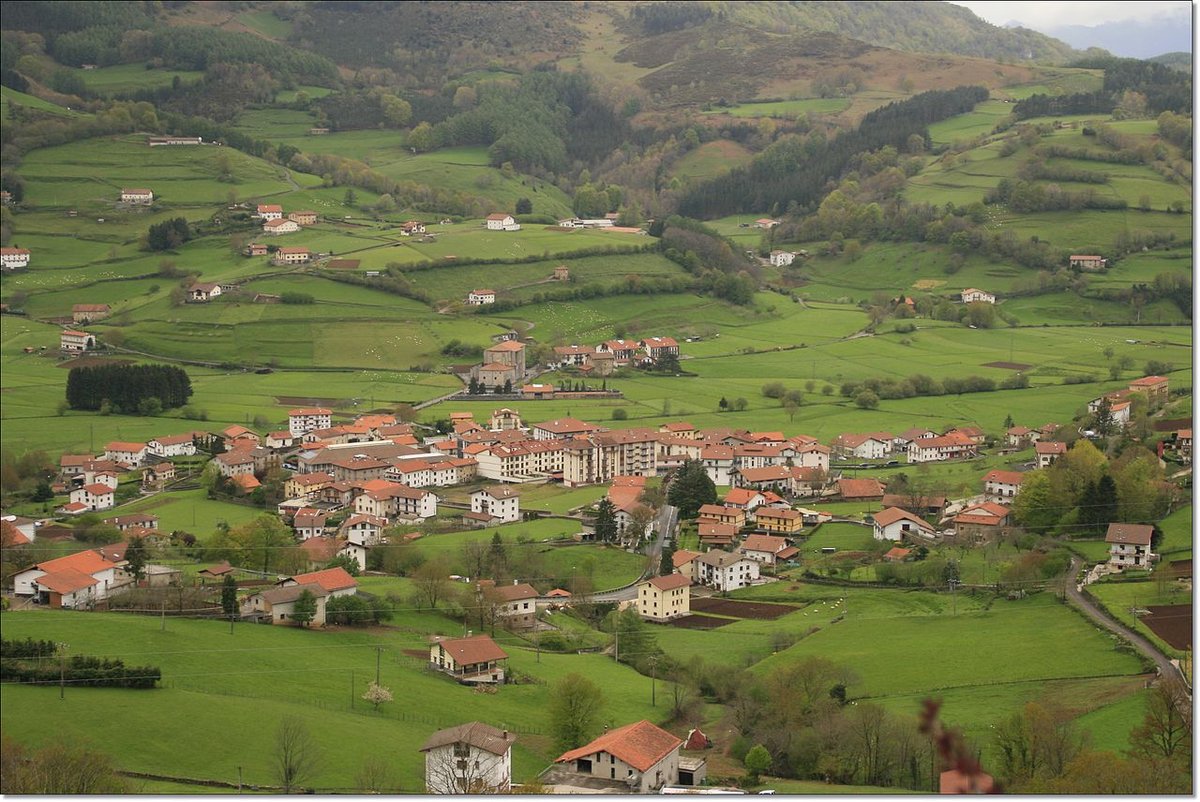
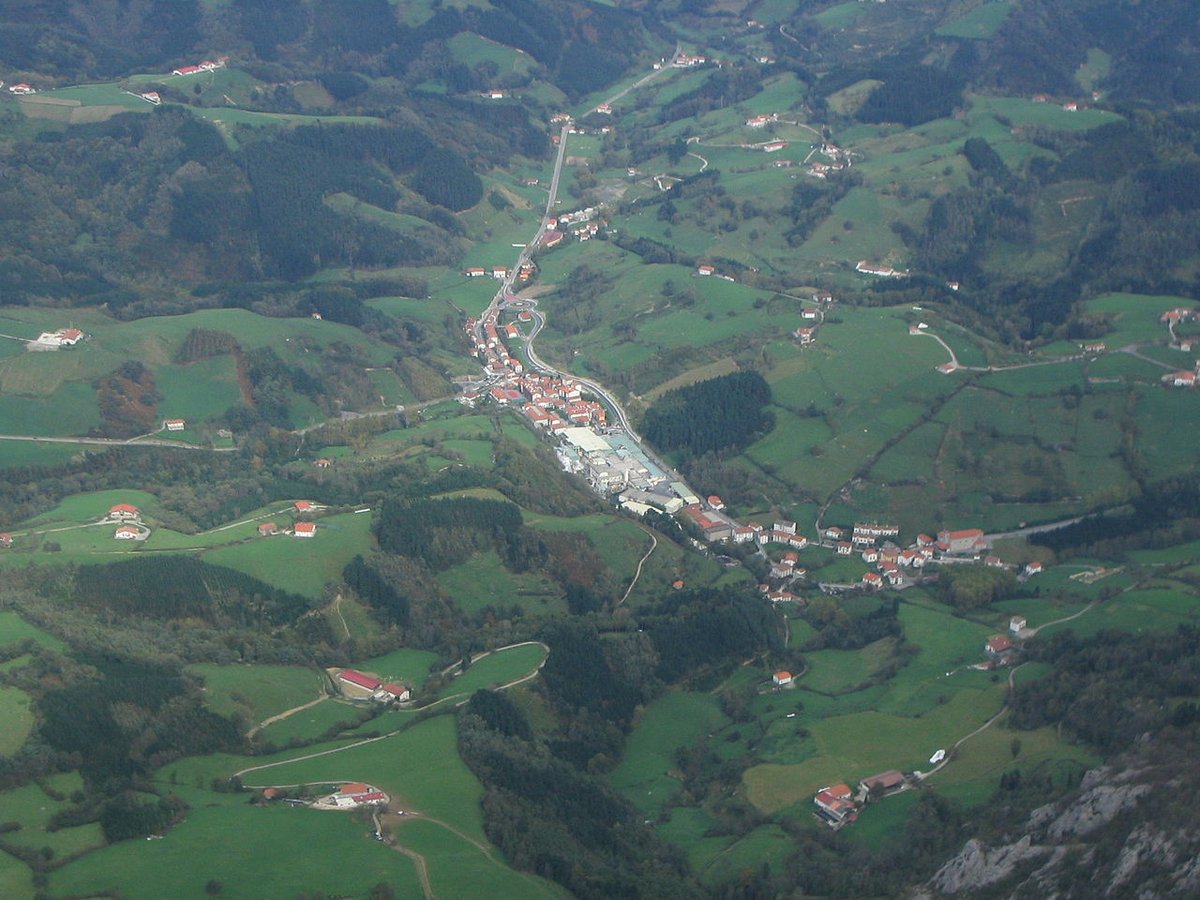
Five thousand people are spread across green folds that squeeze the river Oria into a slender corridor between Tolosa and the coast. The village centre—really just four streets and a church—sits only 60 m above sea level, low by Basque standards, yet hills rise immediately behind like upholstered walls. Oak and beech spill down the slopes, fields are clipped almost English-neat, and every caserío seems to have its own vegetable patch the size of a London allotment.
This is working countryside, not a museum. Stone houses are private homes first, Instagram backgrounds second (or never). You’ll hear chainsaws as often as church bells, and the smell drifting from a garage at 10 a.m. is more likely to be welding than wafting croissants. Accept the mix and the place makes sense; arrive hunting a chocolate-box hamlet and you’ll leave within the hour.
A Church, a Hermitage and Everything Between
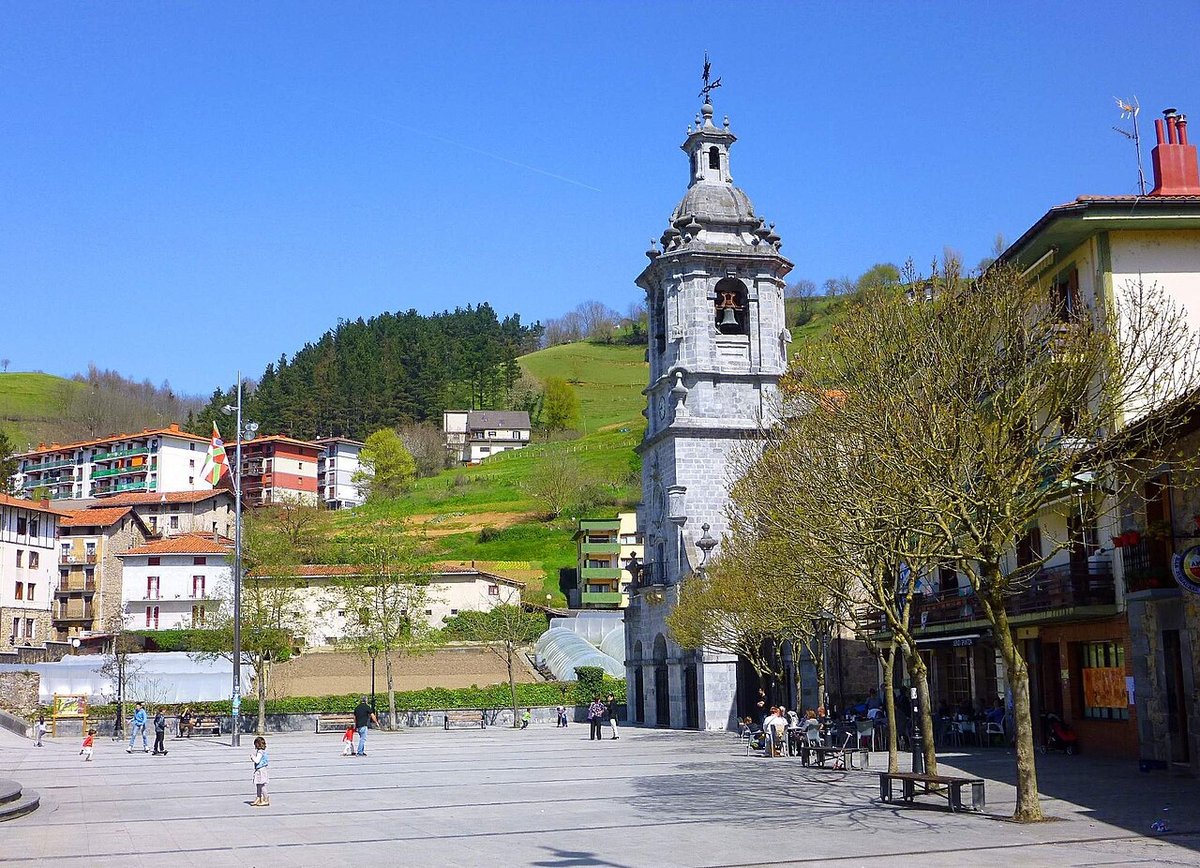
San Martín de Tours squats at the top of the only slight hillock, its tower visible from most approach roads. The building is a palimpsest: Romanesque bones, 16th-century dressing, 19th-century patch-ups after the Carlist wars. Inside, the gilded retablo is theatrical without being precious; local guides claim the central panel travelled by mule from a workshop in Burgos in 1734 and still smells faintly of pine resin on warm days. Opening hours are erratic—if the door is ajar, slip in; if not, the key is kept by the florist two doors down (she’ll lend it for a polite “mesedez”).
From the church door, every road tilts downward. Follow narrow Kale Nagusia south-east and you reach the ermita of Santa Lucía after ten minutes. The chapel is locked except on 13 December, when villagers haul a brass band up the lane and serve potent cider afterwards. The rest of the year it functions as a landscape marker: stand beside the tiny porch and you get the classic upstream-downstream view—Tolosa’s housing blocks in one direction, sheep-dotted hills in the other.
Between the two ecclesiastical poles lies the real map. Alleyways twist into vegetable gardens, a 19th-century washing trough still carries a trickle of mountain water, and the old mill by the Oria has been converted into a cooperative sawmill that hums weekdays until 3 p.m. sharp. There is no entrance fee, no interpretation board, just the sense that the valley has been using the same water, stone and timber for centuries and sees no reason to stop.
Walking Without a Waymark
Zizurkil’s best asset is its lattice of farm tracks. No single path is hyped as “the route”; instead, a colour-coded farm map hangs inside the civic centre (open whenever the librarian is in). Pick any 5 km loop and you’ll pass more cows than humans. A gentle option: cross the iron footbridge opposite the petrol station, turn left along the river for two kilometres, then climb the concrete lane signed “Amezketa 4 km”. At the first crest, benches look back over the whole municipality—rooftops the size of postage stamps, the Oria glinting like polished pewter. Allow 75 minutes, plus another 20 if you stop to photograph the scarecrows dressed in Real Sociedad shirts.
Sturdier boots open the ridge walk to Hernio (1 075 m), the shark-fin mountain that dominates the southern skyline. The trail starts from the housing estate at Barrio Olalde; first kilometre is tarmac, next three are steep woodland, final scramble is shale and views. On clear days you can spot the lighthouse at Zarautz on the coast. Fog can roll in faster than a Basque summer storm—carry a jacket even in July.
What You’ll Actually Eat
Forget tasting menus. The only public restaurant is Bar Zizurkil on Plaza Zaharra, where £10 buys a three-course menú del día—perhaps potato and bean soup, grilled hake, rice pudding heavy with cinnamon. Locals treat the bar as their living room; if every table is full, someone will shift a toolbox so you can squeeze in. Supplement supplies at the Friday street market (08:00-13:00): Tolosa beans, piquillo peppers, Idiazabal cheese still wrapped in the maker’s paper. Cider is poured from height into wide glasses; the trick is to catch only a finger’s width of foam, then swallow before it settles flat.
Dinner options inside the village are zero. Plan accordingly: picnic by the river, drive 12 minutes to Tolosa’s Michelin-plate establishments, or book a self-catering townhouse (there’s precisely one on the usual holiday-letting sites). Most British visitors base themselves in San Sebastián twenty minutes away and drop in by hire car; parking outside the fronton is free and rarely full.
Getting Here, Getting Out
No railway reaches Zizurkil. From the UK, fly to Bilbao (easyJet from Gatwick, Vueling from Heathrow) or Biarritz (Ryanair from Stansted). Hire cars take the A-8 and A-1, exit at Andoain, then follow the N-1 for 10 km. Lurraldebus line 362 links Tolosa and Donostía every half-hour; buy a Mugi smart-card at Tolosa station and tap on board. Taxis from Tolosa cost €18-22 depending on the driver’s mood and the football schedule.
Road cyclists love the loop through the Oria valley but underestimate the gradients—anything heading south climbs at 8-10%. Drivers should note that Google’s estimated arrival times ignore tractors, milk tankers and the occasional escaped heifer. Add ten minutes for livestock traffic, more if it’s silage season.
When to Come, When to Stay Away
April-May: orchards flash white with apple blossom, fields are knee-high in grass and the first cider houses open their doors. September-October: beech woods bronze overnight, morning mist lingers in the river bends, and bean harvest means hearty stews on every table. Mid-July to mid-August can reach 32°C in the valley; humidity makes the climb to Hernio feel like a sauna with views. Winter is short but damp—days end at 17:30, footpaths turn slippery, yet the hearth scent of oak logs drifts from most chimneys and bars keep glowing. Bring waterproof shoes, not moon boots.
Bank-holiday weekends see Tolosa teenagers descend with boom boxes and quad bikes; the otherwise quiet riverside picnic spots fill with discarded cider cans. If solitude matters, check the Basque puente calendar and steer clear.
Parting Glance
Zizurkil will not change your life. It offers no epic cathedral, no beach selfie, no gastronomic theatre. What it does offer is a slice of Basque countryside still running on rural time: a church key lent by a florist, a valley that smells of cut grass and wood smoke, a bar where the television is switched off because the conversation is louder. Spend a morning walking the farm tracks, an afternoon watching cloud shadows slide across the Oria, and you may arrive back at the bus stop just as the bakery shutter rolls down. Nothing much will have happened—precisely the point.