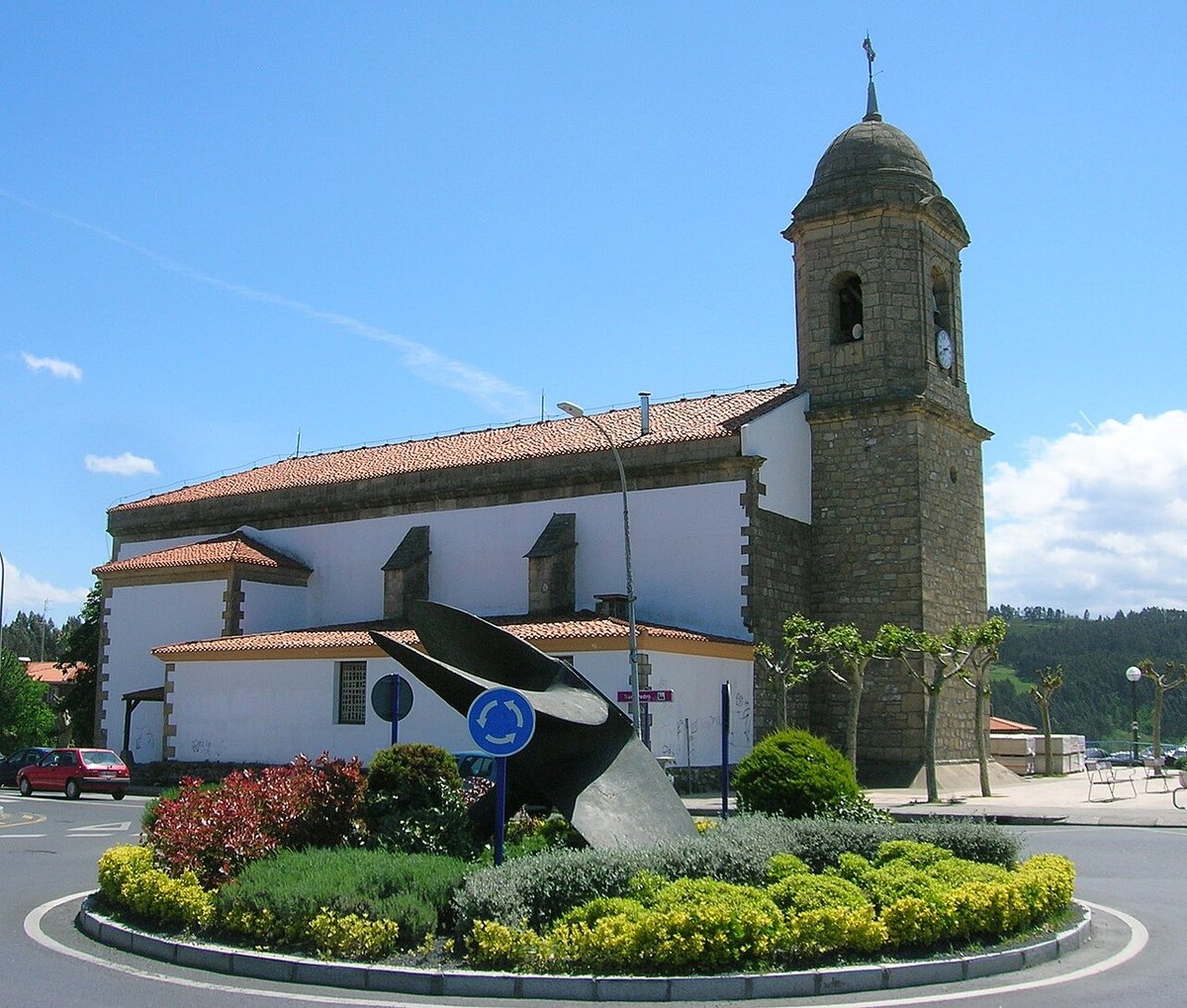
Full Article
about Arrieta
Valleys and hamlets a stone’s throw from Bilbao, buzzing with local life.
Hide article Read full article
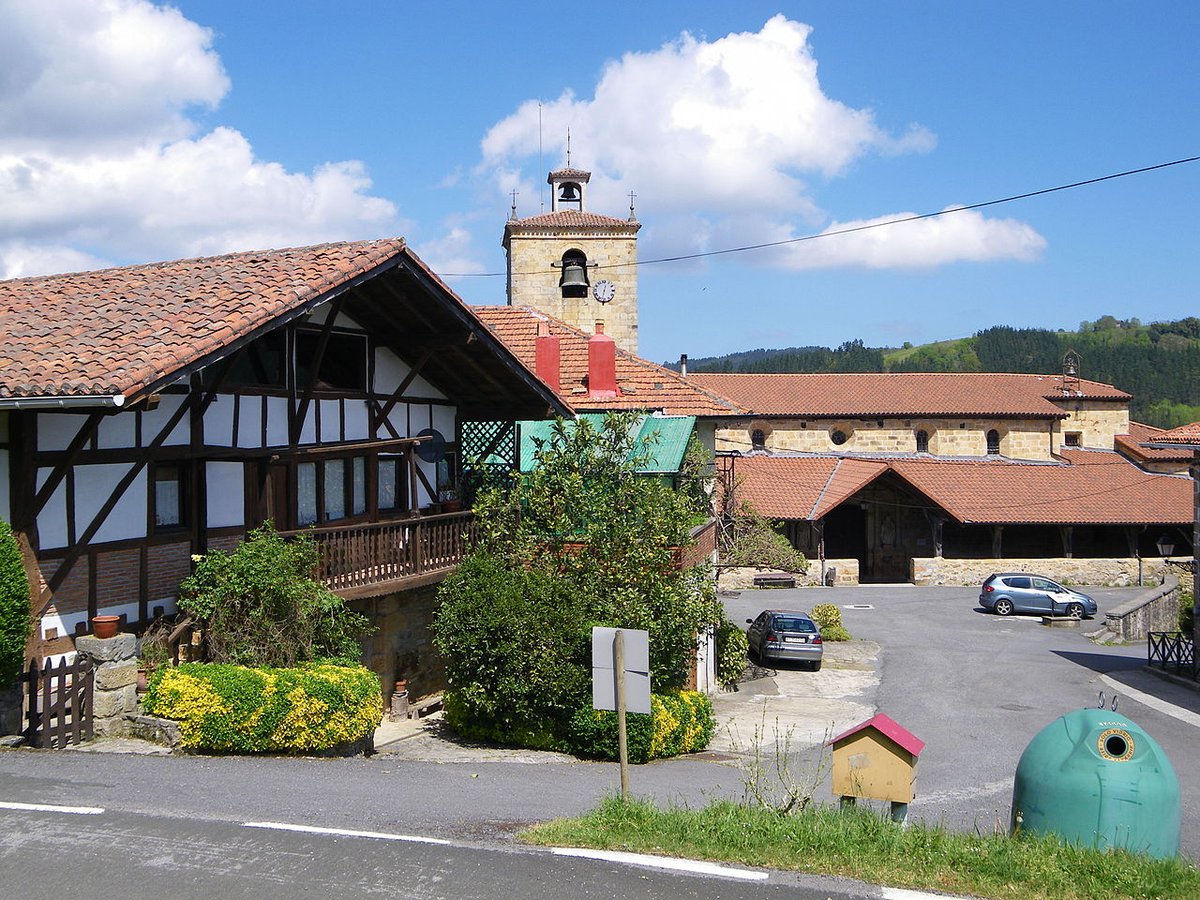
Cows make more noise than cars here. At half past six in the morning, with the light still bluish, the church tower in Arrieta rings out three times against the wind coming down from Sollube. From the window of the caserío (a traditional Basque farmhouse) where the night has passed, a woman in a red apron steps outside with the rubbish, while a white cat watches from the wall without losing its composure. The whole village smells of freshly milked milk and bread that has not yet been baked.
The hill that looks first
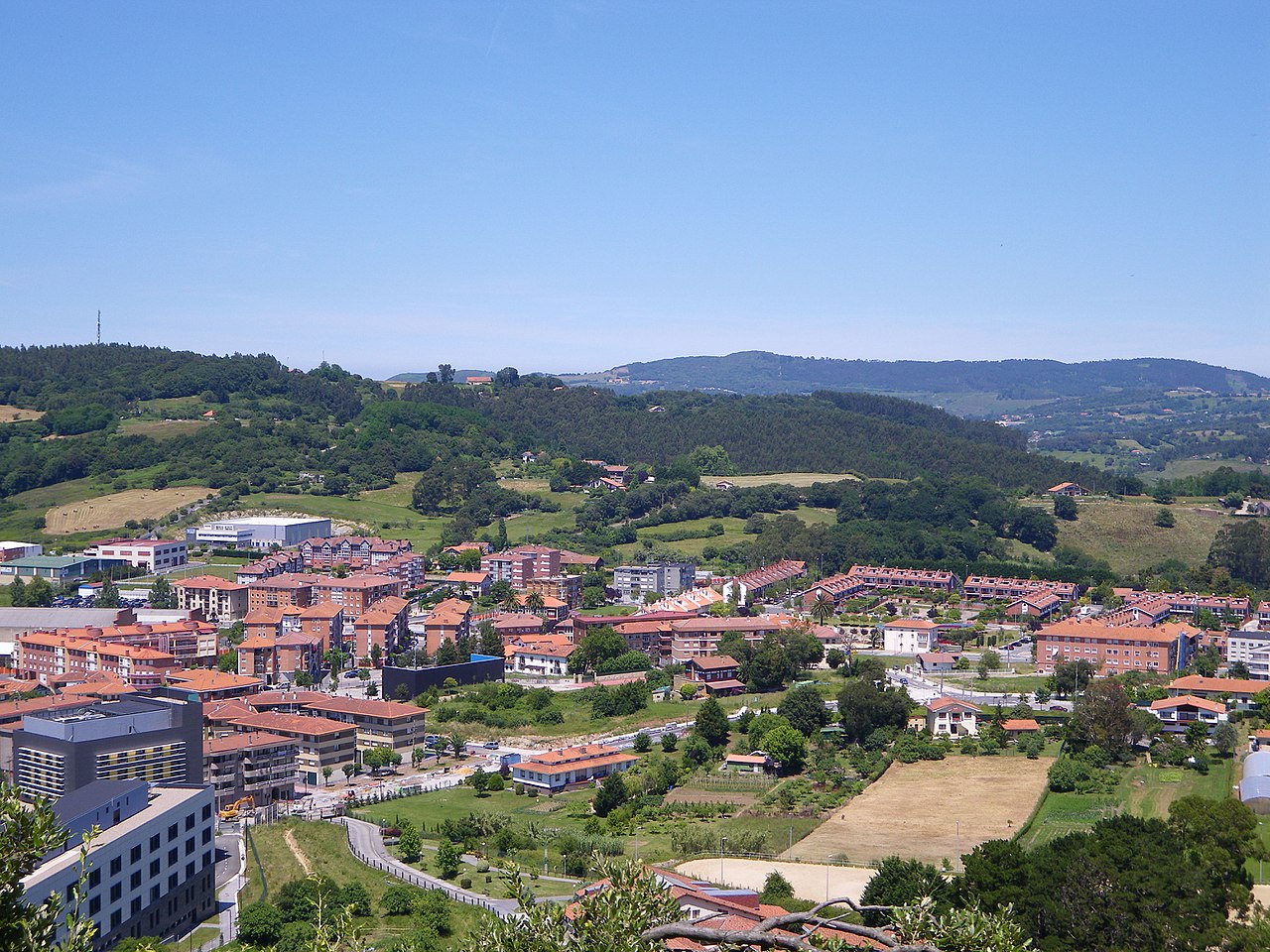
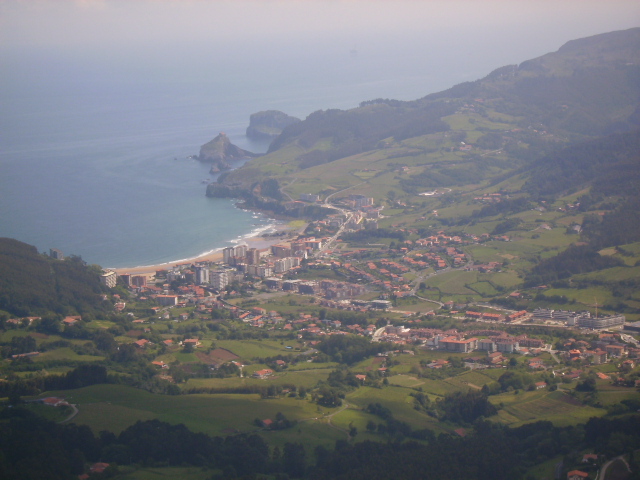
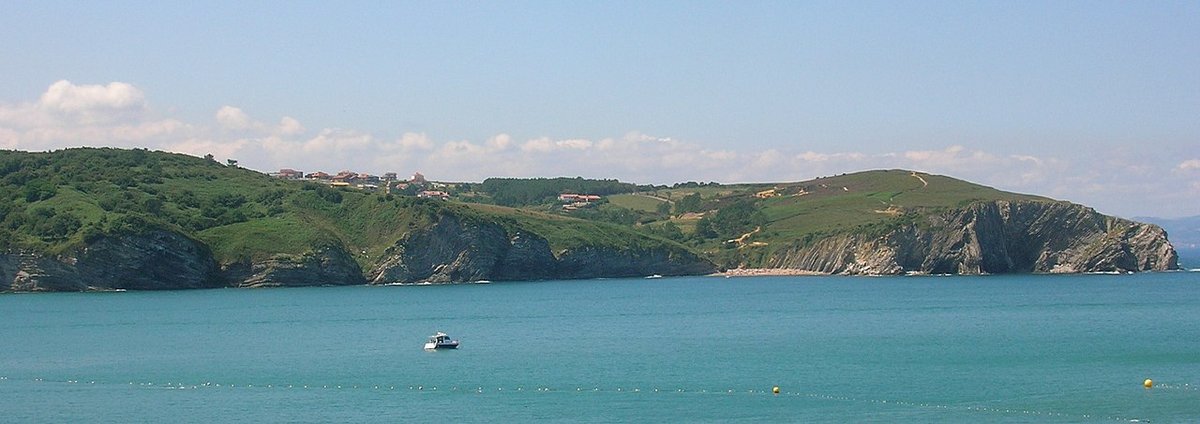
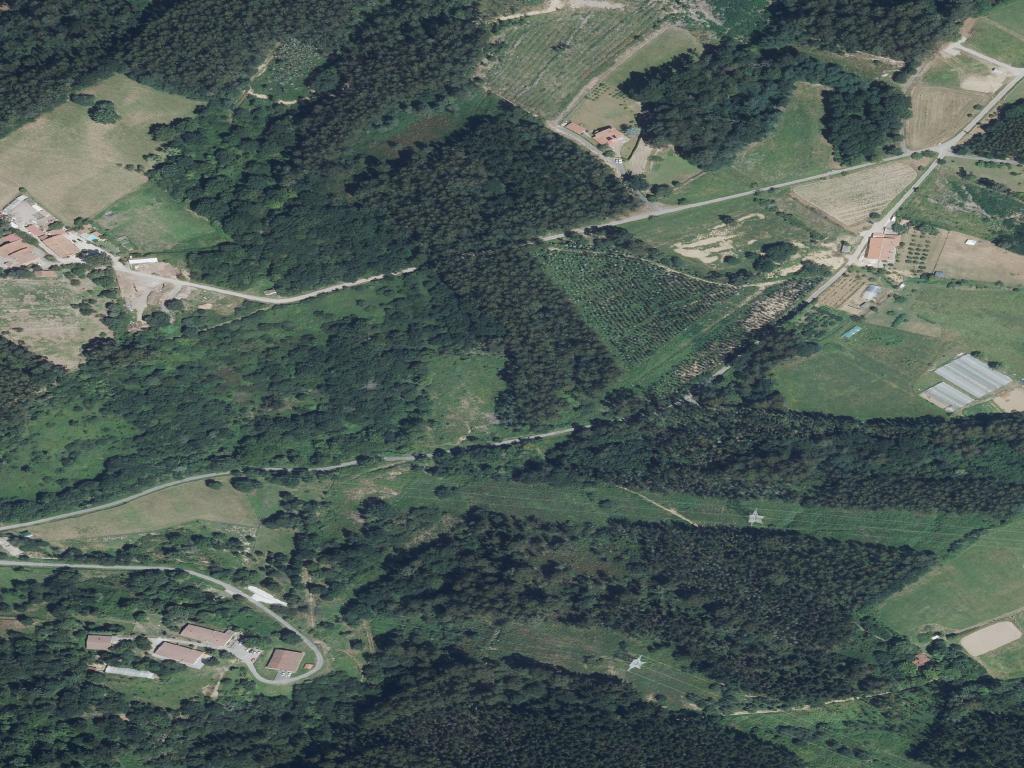
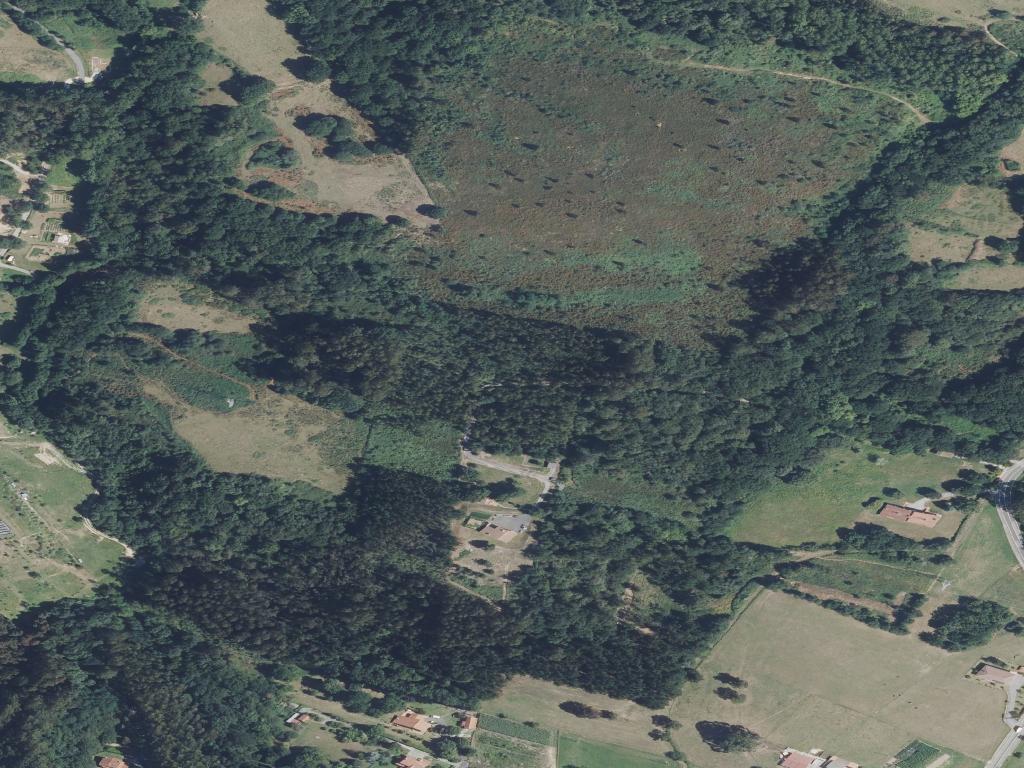
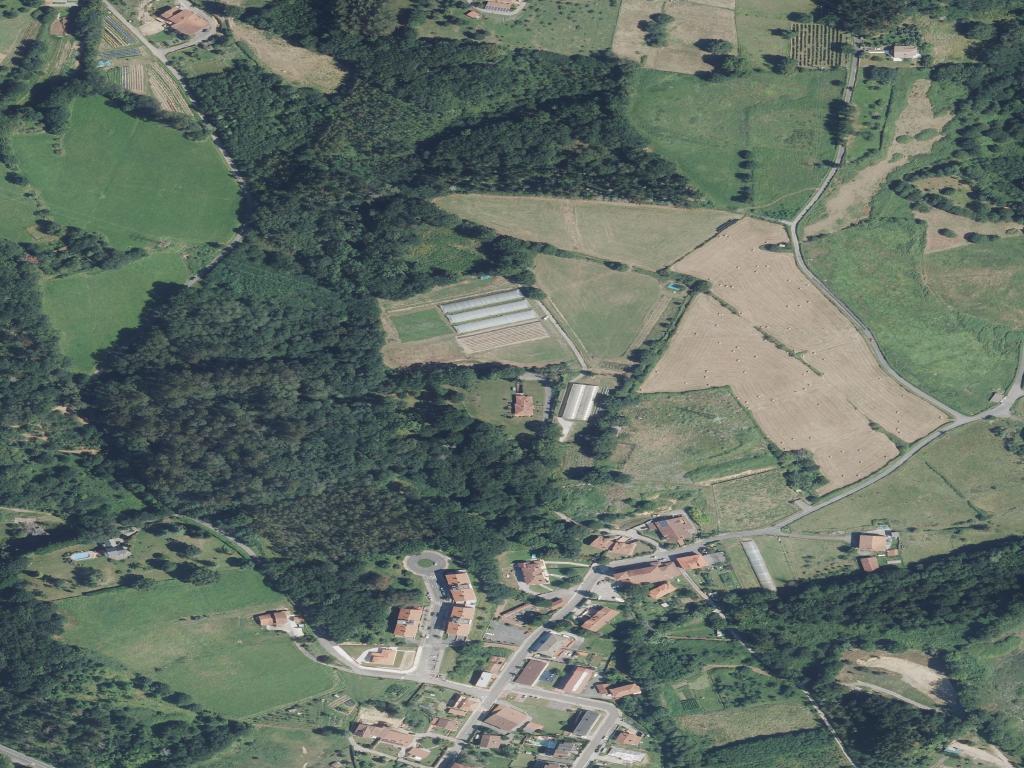
Sollube rises behind Arrieta like a quiet observer. It is not especially high, just over two hundred metres, yet it is enough for the sea to slip between the hills and for the air to carry a trace of salt mixed with the scent of the countryside. From the top, on a clear day, several well-known mountains of Bizkaia line up in the distance. Below, the Uribe valley opens out into green plots where caseríos sit scattered, separated by meadows and hedges.
The paths leading up are marked, though not heavily signposted. One begins behind the cemetery and enters a small wooded area, climbing gradually. Along the way, simple stone benches appear without much ceremony, offering a place to pause. In autumn, the ground carries the smell of mushrooms and damp leaves; in spring, wildflowers edge the path.
A square that is not quite a square
The centre of Arrieta does not match the usual idea of an open plaza. Here, the main gathering space sits beneath a structure of iron and glass that shelters the stone floor. When it rains, which happens often in this part of Bizkaia, the sound of droplets tapping against the metal roof fills the space as people cross from one side to the other at an unhurried pace.
In the afternoon, a few locals gather with folding tables to play cards. Dogs lie nearby, their heads resting on their owners’ shoes. To one side, a stone fountain releases a steady thread of water. It is no longer used as it once was, yet some still stop to fill a bottle or cool their hands in summer.
Wolves on the wall
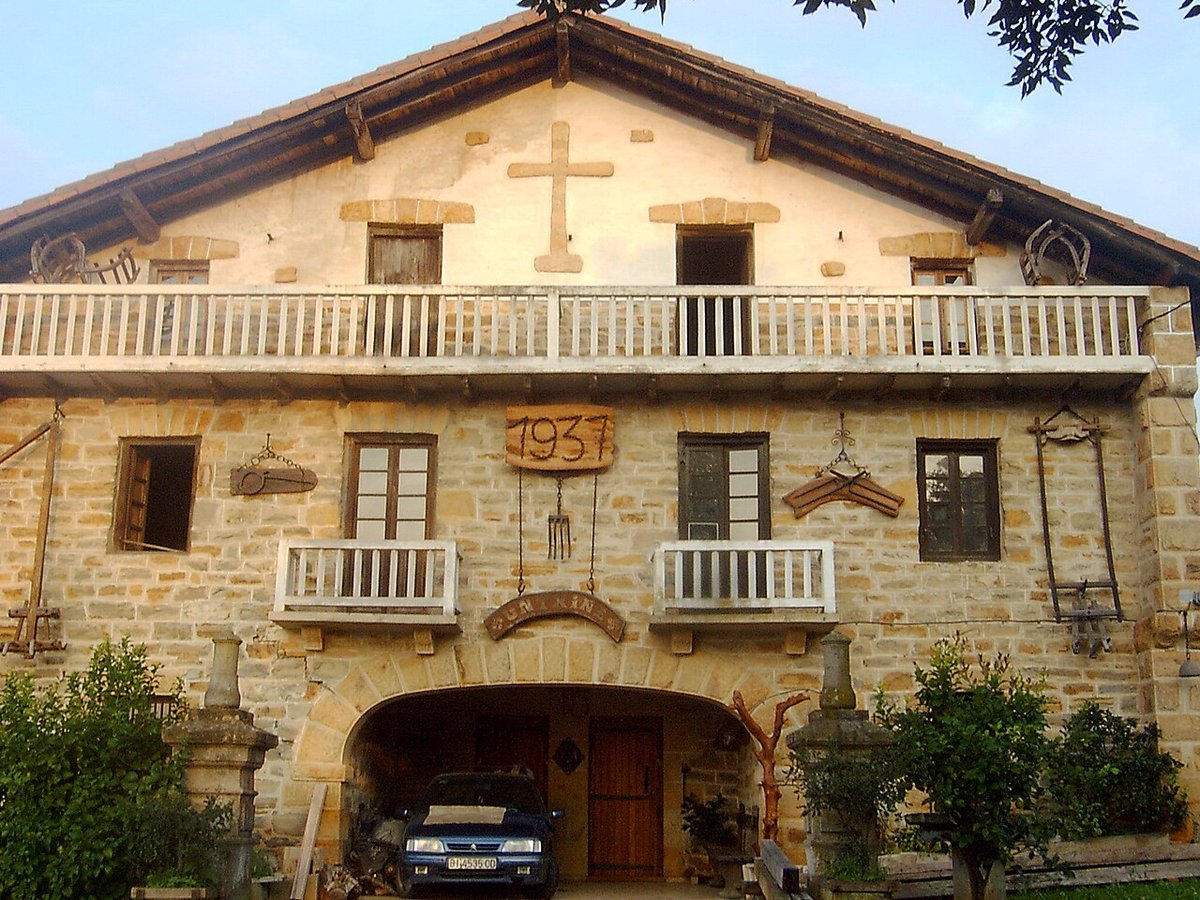
On the main street stands the Abaria palace. Its façade combines neatly cut stone with darker sections of brick. The coat of arms draws attention even from passers-by: two wolves rearing up alongside a set of wings.
The wooden door is heavy, and the iron knocker leaves a metallic scent on the hand that lingers for a while. Occasionally, the interior comes into view: a small courtyard with potted plants and a vine that casts shade in summer. It is not always open, so visits often remain at the threshold, looking up at the coat of arms and listening to the creak of wood as someone enters or leaves.
The old house of travellers
On a nearby street stands Sujetenea, a large house that for many years served as an inn along the route between Bilbao and the coast. Its façade still shows old paintings, worn down by rain and wind. The stone window frames bear marks that, according to local accounts, were left by the reins of horses when stagecoaches stopped here.
Today it is a private home. Towards the end of the day, if you pass slowly, a faint blue glow from a television can often be seen through the shutters. The feeling is unusual: a building once shaped by passing travellers now holds a quiet, settled routine.
When to go, and what to leave for later
April tends to be a good time for walking around Arrieta. The grass is at its greenest, and the paths can still be followed without too much mud. The days are long enough to go up Sollube and return before nightfall.
August brings a noticeable shift. More cars arrive, and the morning quiet breaks earlier than usual. Parking on some of the slopes becomes difficult. October, by contrast, brings a lower, golden light. When mist rolls in from the valley, the village becomes partly wrapped in it, and for a while only the red roofs and the church tower remain visible.
The art that began here
Javier Arrieta, a sculptor linked to the village, left two works near the frontón, the traditional Basque court used for ball games. One is a female figure carved from chestnut wood, the other a stone piece representing a shepherd. There are no long explanatory panels. The sculptures are simply there, part of daily life.
Children climb on them as they play. Adults walk past without stopping, as if they had always belonged.
Near the frontón, simple outdoor meals are sometimes organised. A long table, a grill, and people gathering to talk while chorizos cook over the heat. There are rarely announcements or fixed times. The first sign is usually the smell of meat in the air.
The village also has a small bakery that opens early. Bread tends to sell out before midday. Arrive late and the shelves are almost empty, the conversation already shifting from breakfast to whatever the day still holds.