Full Article
about Bakio (Baquio)
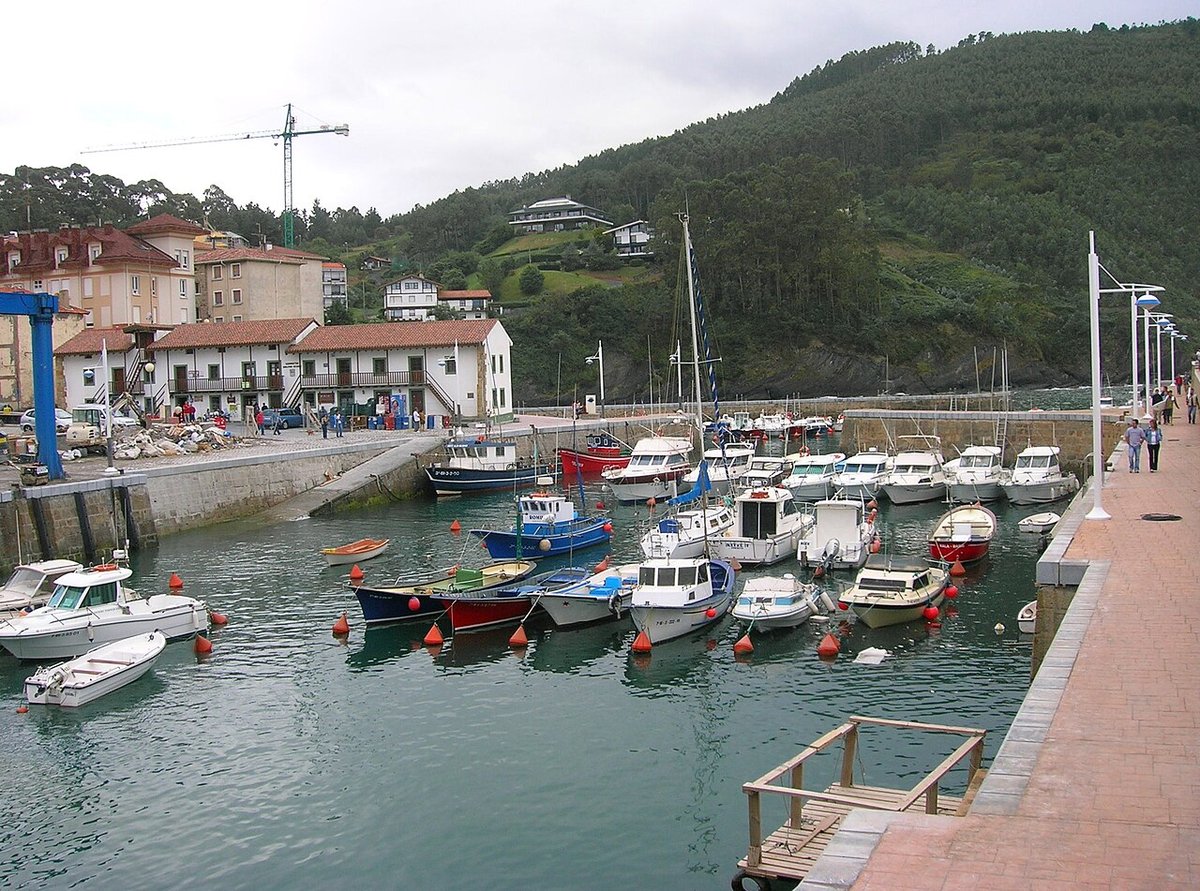
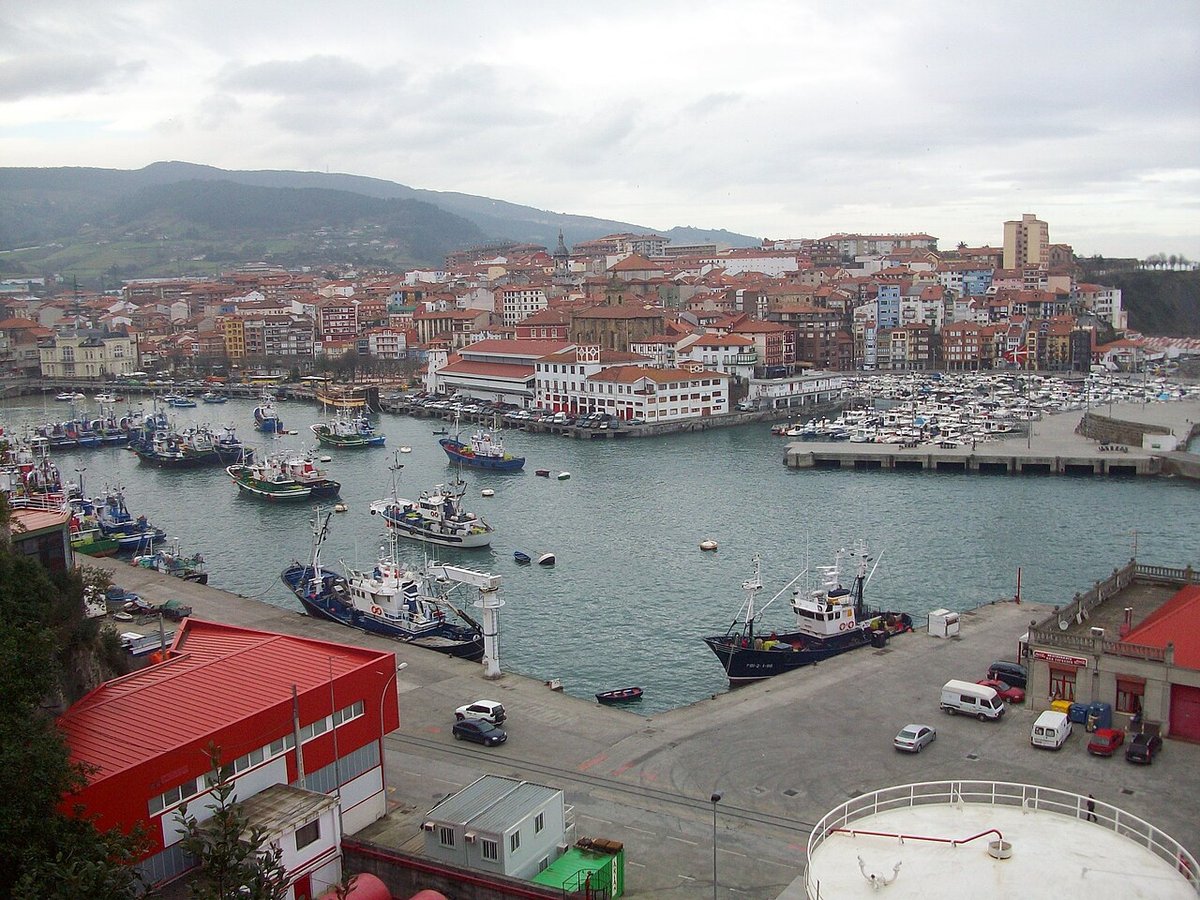
Cantabrian Sea, cliffs and seafaring flavor in the heart of the Basque Country.
Hide article Read full article
A valley shaped by vines and sea
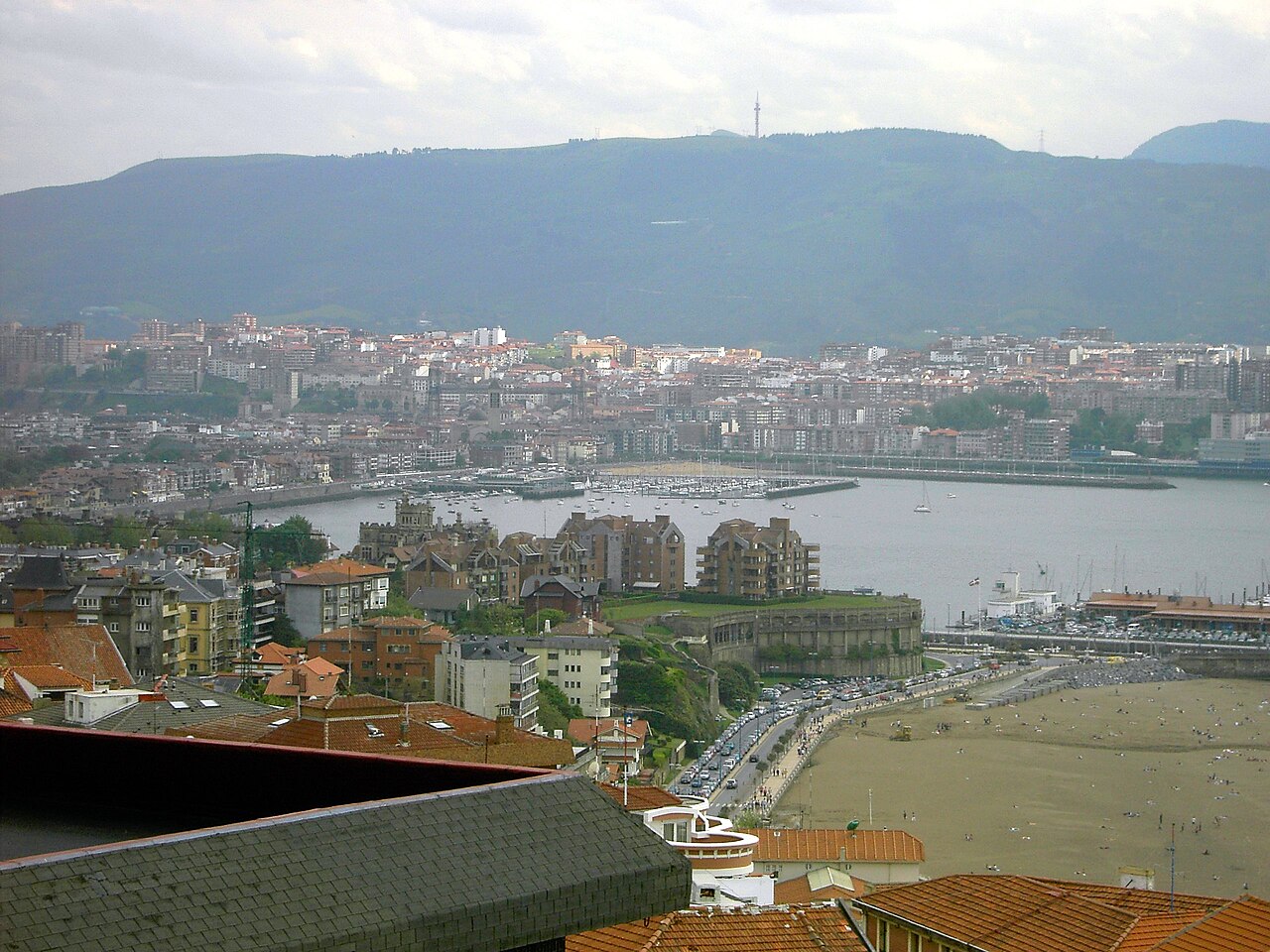
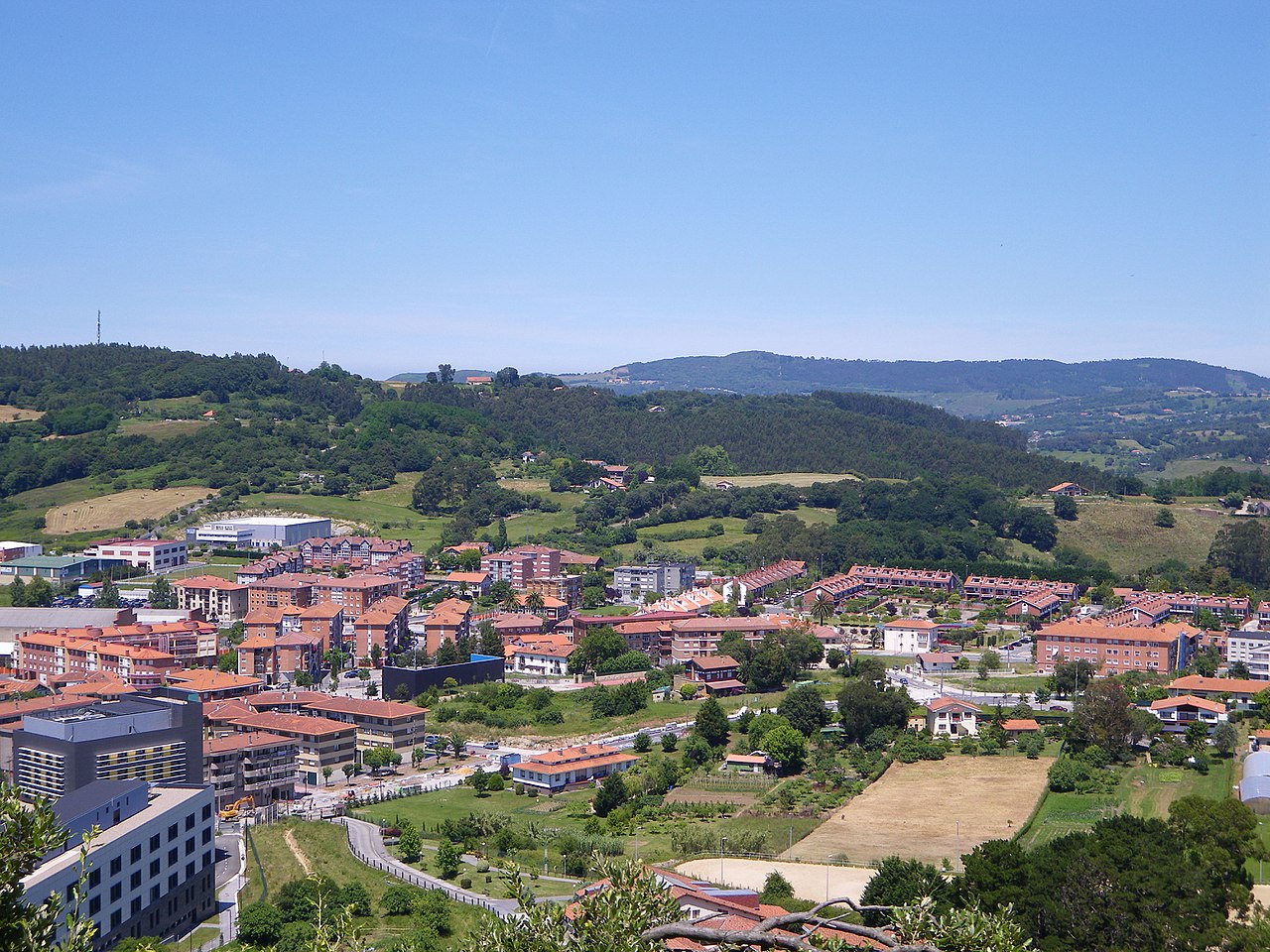
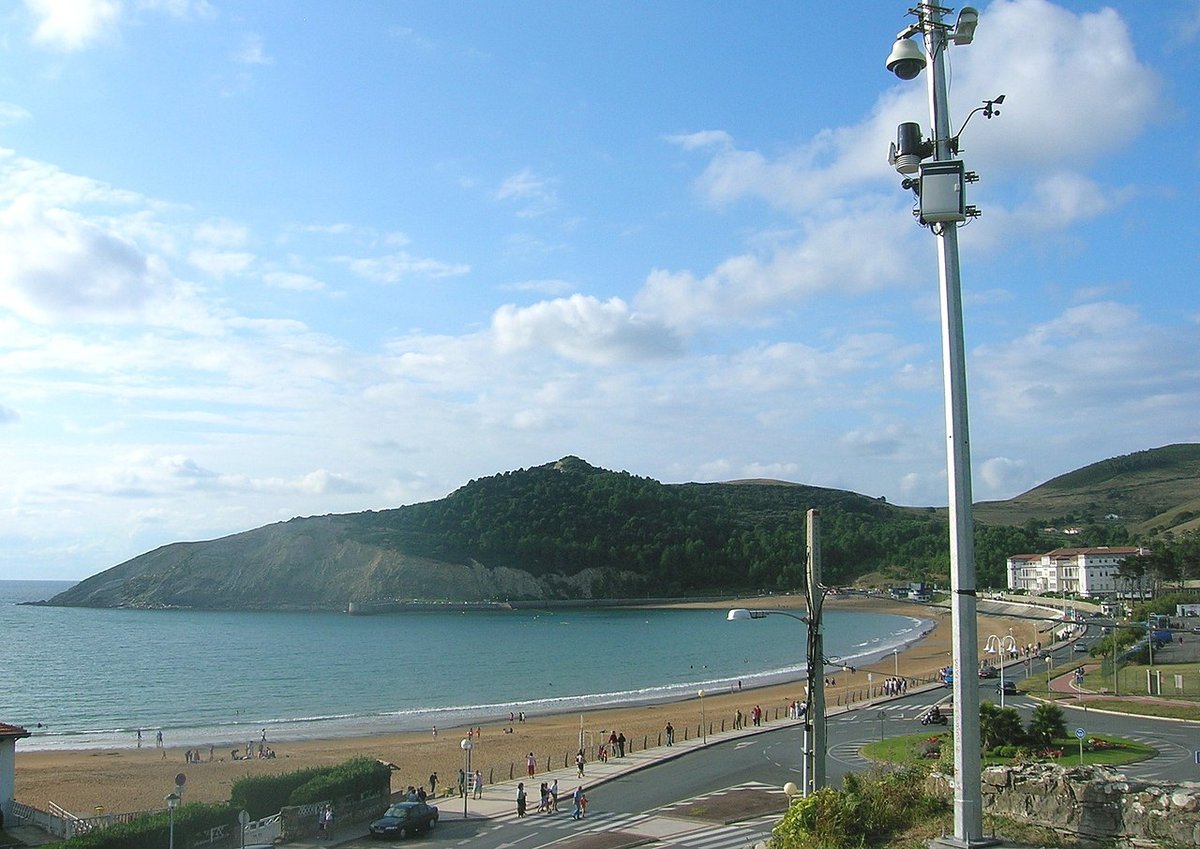
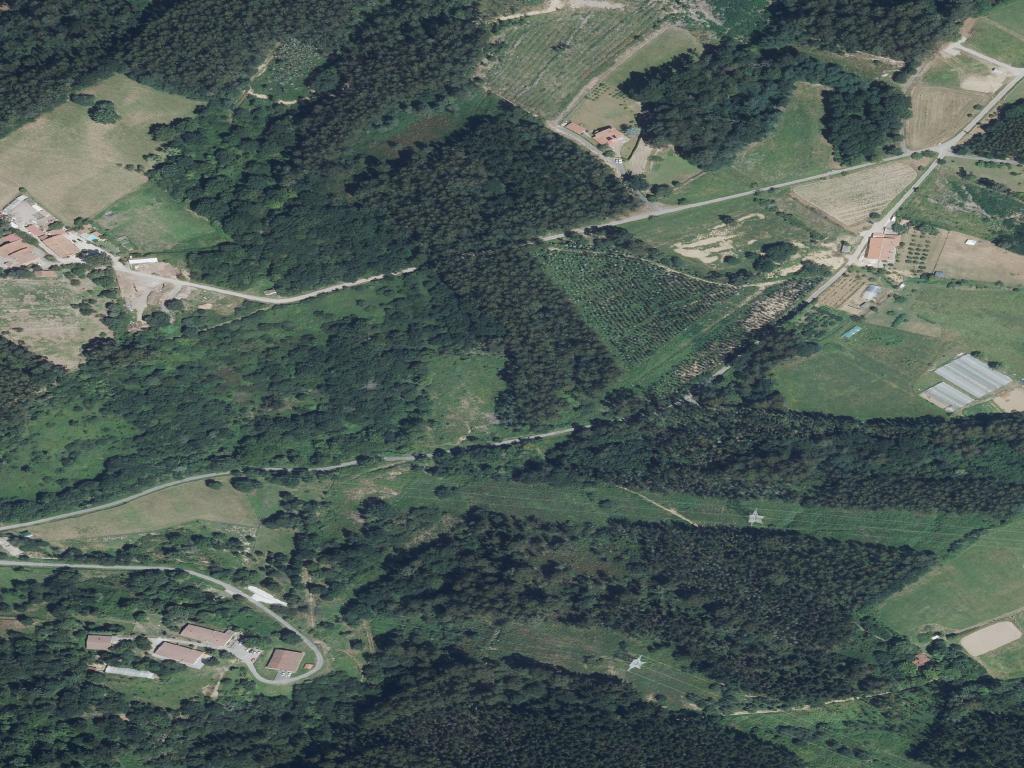
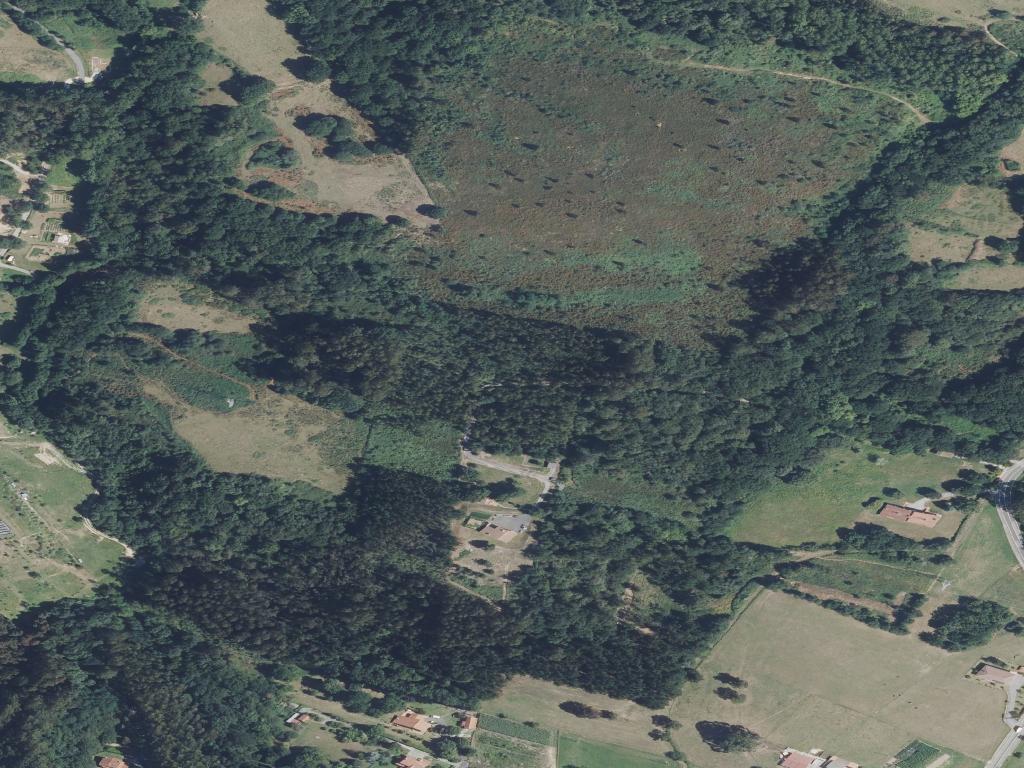
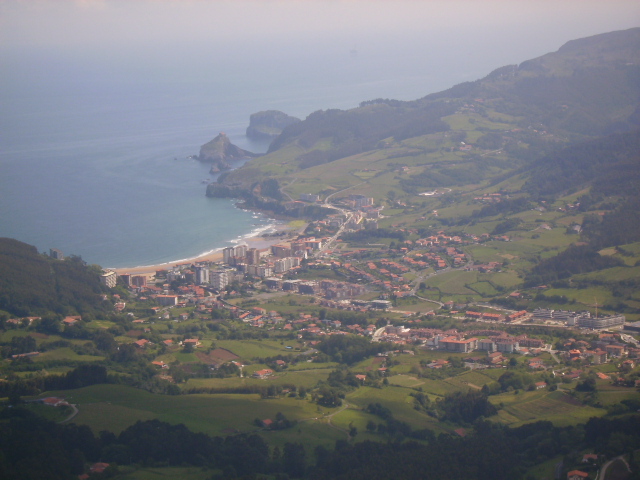
Any look at tourism in Bakio starts with wine. The local txakolí is grown almost within sight of the sea, with vineyards spread across the floor of a valley that opens directly onto the beach. That alone makes it unusual in Bizkaia, where vines are more often found on hillsides. The landscape says a lot about the place. Bakio has long moved between two rhythms: farmland, with its scattered caseríos and vineyards, and the open sea that begins at the end of the main street.
That contrast was already in place by the late nineteenth century, when visitors from Bilbao began arriving for the summer. What they found was not a purpose-built resort, but a place where agriculture and coastal life existed side by side.
A coastline that became a town
Bakio has been an independent municipality since 1927. Before that, the area was divided between several parishes under the administration of Bermeo. The change did not alter the geography, a broad valley running down to the Cantabrian Sea, but it did affect how the area was organised at a time when attention was beginning to shift towards the coast.
For centuries, the beach was not especially valued. Sand regularly advanced onto farmland, forcing fields to be reorganised again and again. Local life depended mainly on the caserío system and small agricultural holdings. Over time, vineyards of hondarrabi zuri were added, the grape used to produce txakolí.
By the late nineteenth and early twentieth centuries, summer houses began to appear, linked to well-off families from Bilbao. Some were built by locals who had emigrated to the Americas and returned with enough money to construct striking residences facing the sea. Later, particularly from the second half of the twentieth century onwards, housing developments and detached homes reshaped much of the seafront.
Between San Pelayo and Santa María
The ermita of San Pelayo is one of the oldest buildings in the municipality. Its origins are usually placed in the Romanesque period, probably in the twelfth century, although it has undergone later alterations. It stands on a small rise overlooking the river mouth and part of the valley. It is not a large or imposing structure, yet it offers a clear sense of how long this area has been inhabited.
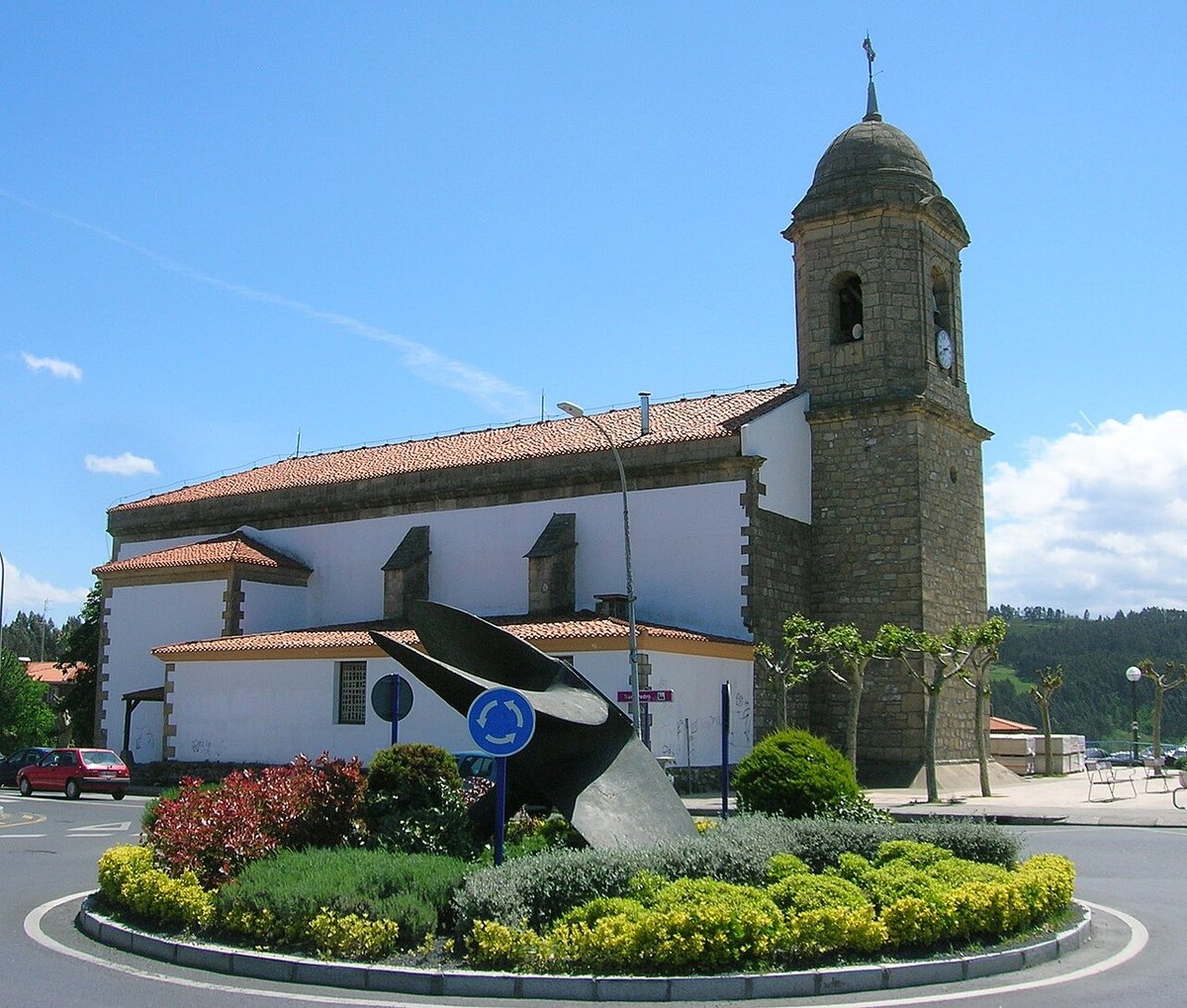
In the Basigo neighbourhood, the parish of Santa María reflects a different kind of development. There are records of a church here from medieval times, and the current building brings together several construction phases. Some elements belong to the later Gothic period, while others already move into the Renaissance.
The area between these two religious landmarks still preserves stretches of narrow streets and traditional houses. Several buildings feature wooden balconies facing south, designed to make the most of sunlight and airflow, a practical detail that speaks to everyday life rather than ornament.
Walking towards Gaztelugatxe
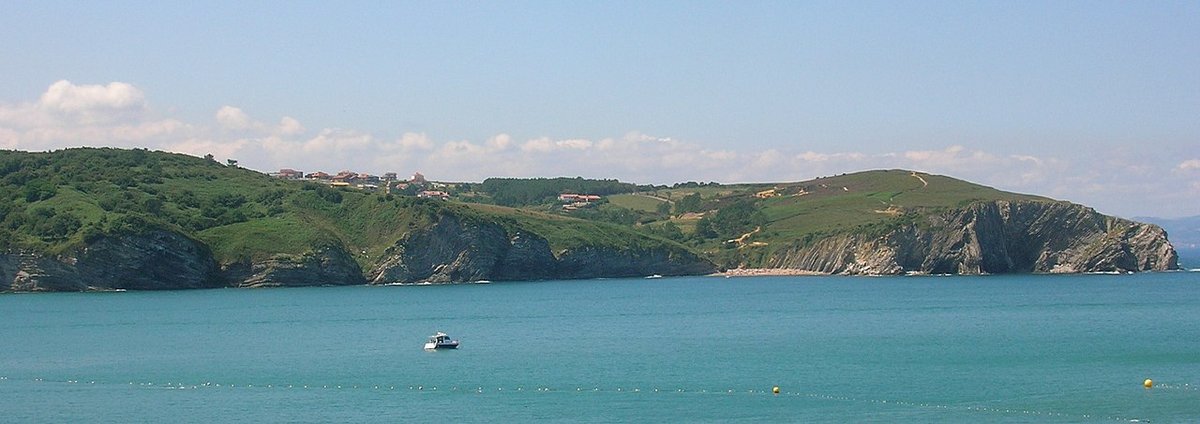
A few kilometres along the coast lies San Juan de Gaztelugatxe, one of the most visited places in Bizkaia. Many people arrive by car as close as possible, but historically the route was also made on foot from Bakio’s neighbourhoods.
From Zubiaur, paths follow the coastline across slopes covered in vegetation and past small coves. These are straightforward routes, though with some changes in elevation, and they offer views of the islet from angles that tend to be quieter than the main access point.
Heading inland instead, Mount Jata forms the edge of the valley. Tracks and trails climb up towards the range. From higher ground, the shape of the landscape becomes clearer: a natural corridor opening towards the sea, where many of the municipality’s vineyards are now concentrated.
Cooking with time on your side
Local cooking reflects both the nearby sea and the traditions of the Biscayan coast. Marmitako de bonito remains one of the most recognisable dishes when the fishing season arrives. Potatoes, choricero pepper and bonito are cooked together until the broth thickens and takes on its distinctive reddish colour.
Bacalao al pil‑pil belongs to the same classic repertoire. The sauce is made by gently moving the pan so that the fish’s gelatin emulsifies with the oil, a method that relies on patience rather than complexity.
Chipirones en su tinta also appear frequently, usually served with white rice. And, of course, there is the txakolí from the valley itself, typically served young and with a certain freshness. In many homes it is still treated as an everyday wine, part of the rhythm of daily meals rather than something reserved for special occasions.
When the pace shifts
Summer brings the highest number of visitors, especially when good weather coincides with the weekend. The beach, long and open, draws both day-trippers and surfers looking for waves at the entrance to the bay.
During July and August, finding a place to park near the seafront can become difficult by mid-morning. It is common to leave the car further away and walk down towards the beach.
Outside the main season, the atmosphere changes noticeably. The valley returns to a slower pace, and the coastal and inland paths are quieter to walk. The same landscape remains, but with a different rhythm, closer to the one that shaped Bakio long before it became a summer destination.