Full Article
about Fruiz (Frúniz)
Valleys and hamlets a stone’s throw from Bilbao, buzzing with local life.
Hide article Read full article
Fruiz is the kind of place you find because you got a bit lost
You know when you’re driving from Mungia towards the coast and take a turn that looked interesting? That’s how most people end up in Fruiz. It’s not on the way to anywhere famous. The roads get smaller, the hedges taller, and suddenly you’re in the middle of working fields with more cows than cars.
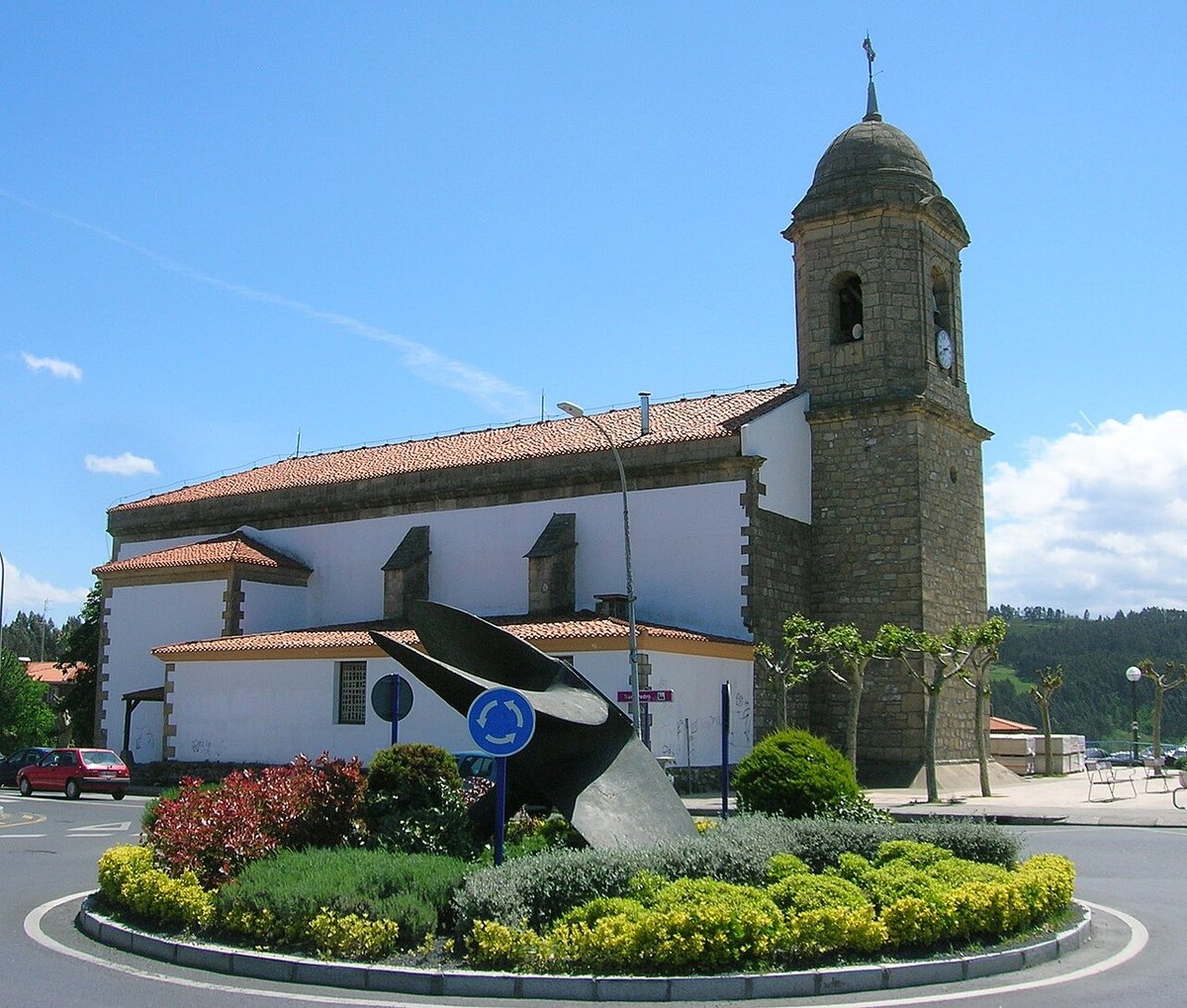
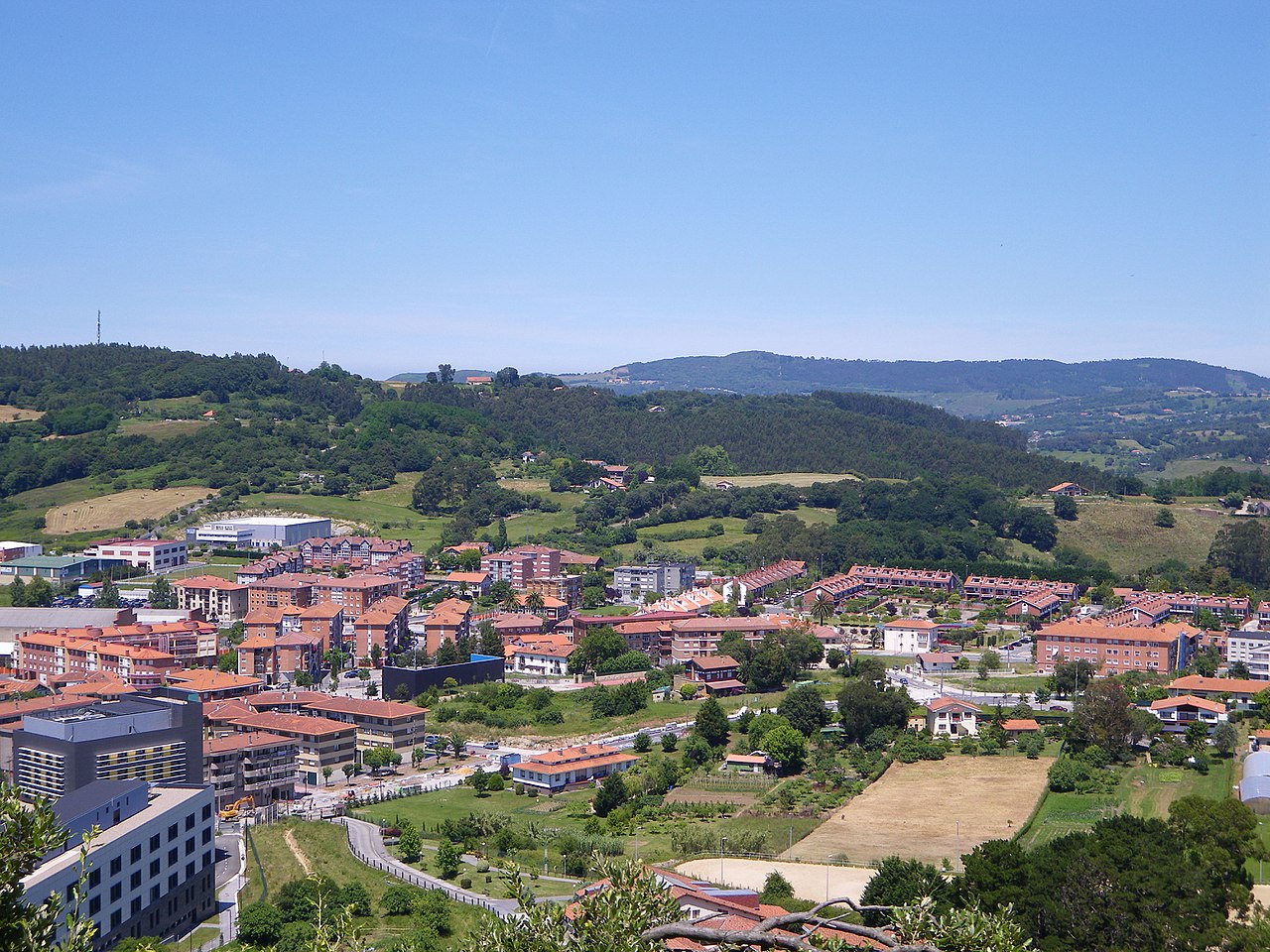
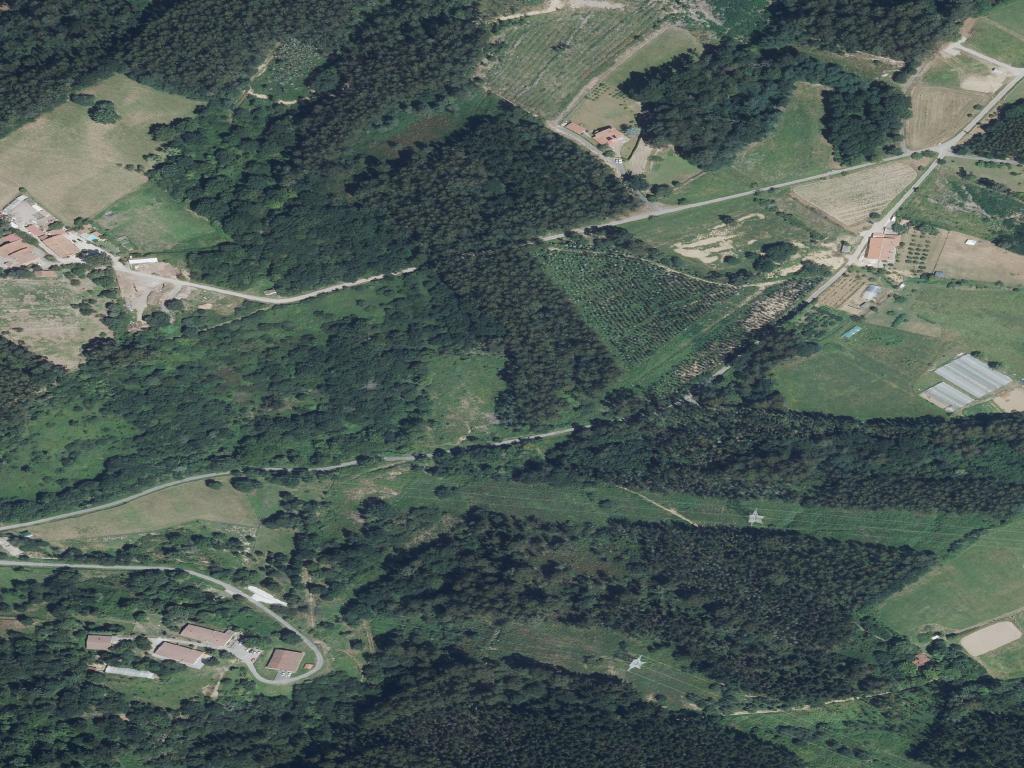
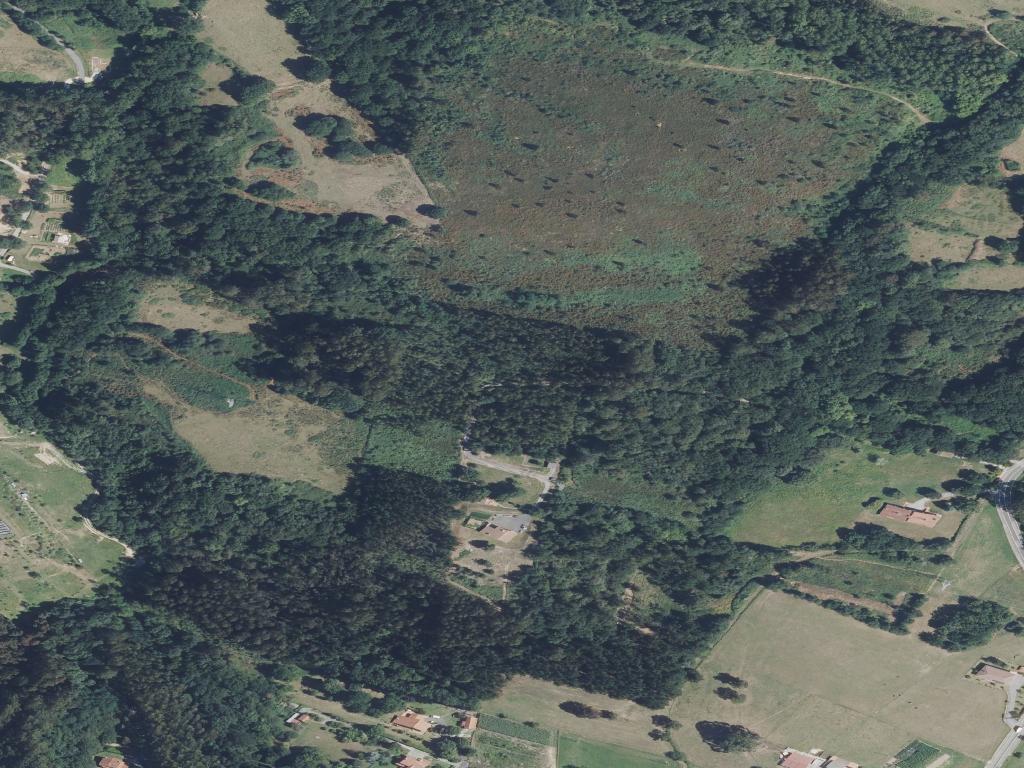
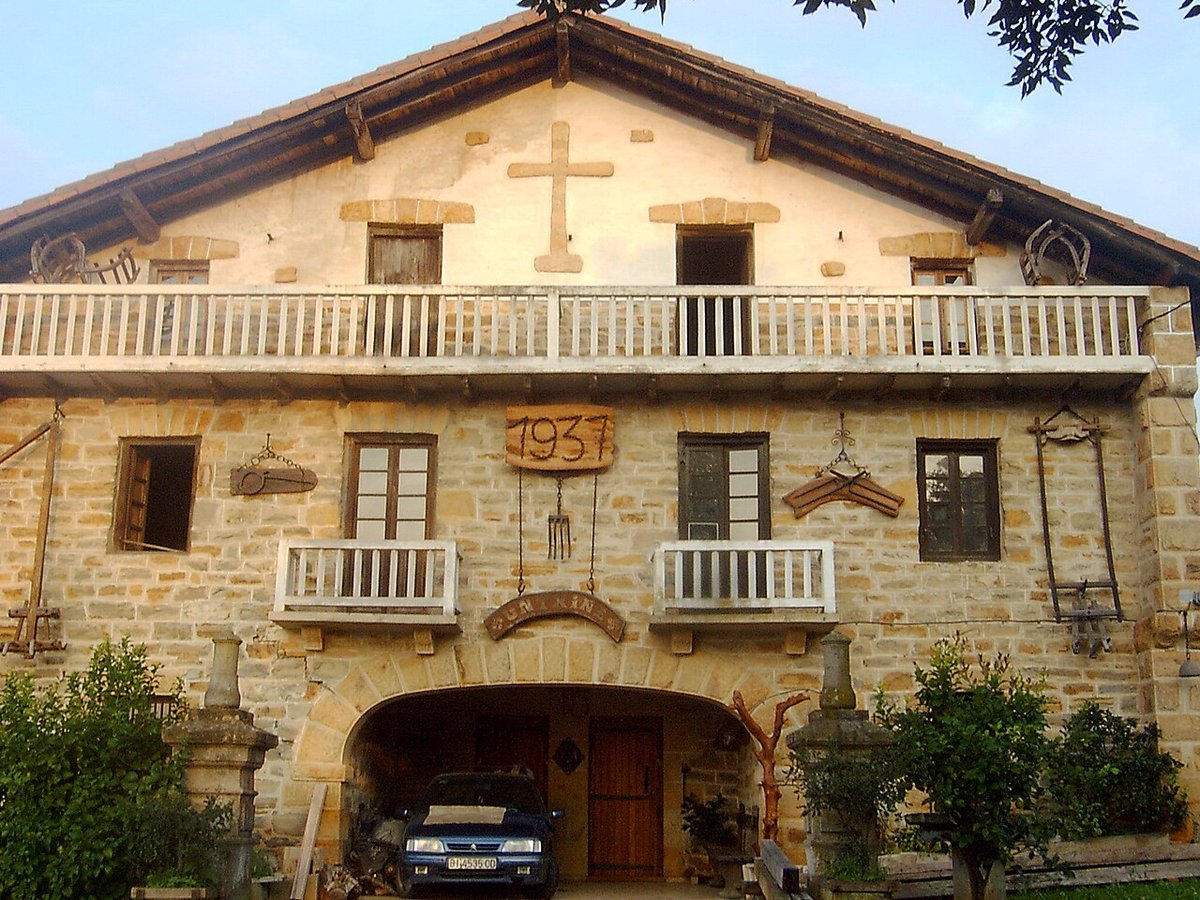
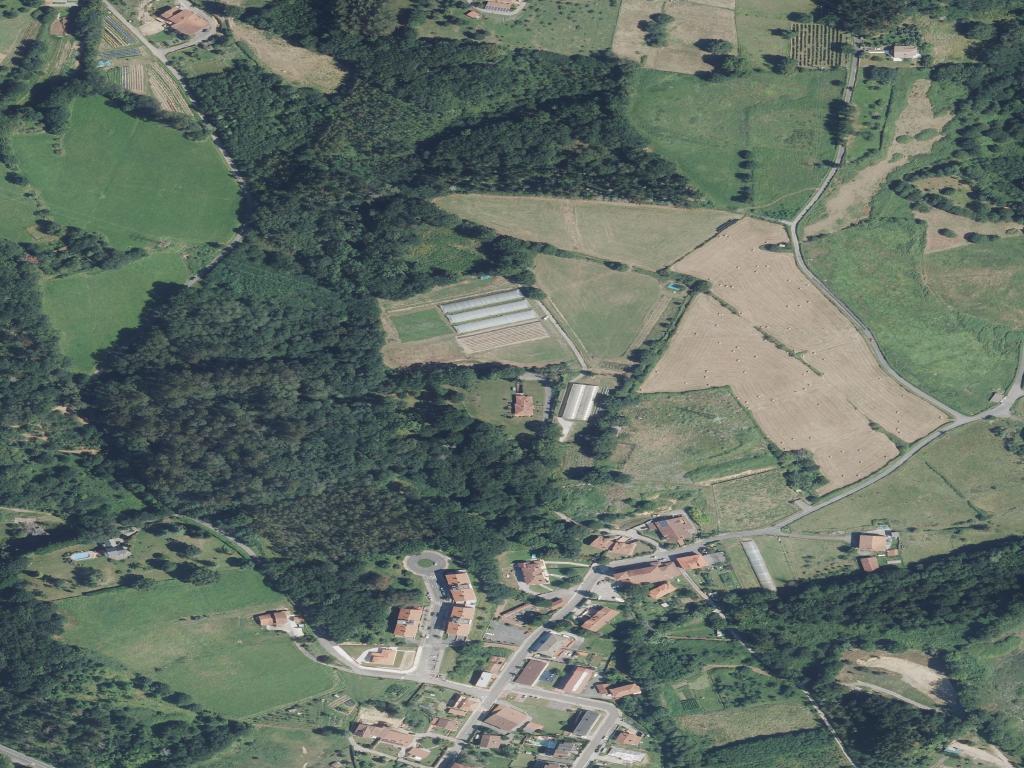
This is Bizkaia’s countryside without the brochure. Farmhouses are spread out across gentle hills in neighbourhoods like Ugartezabal or Goikogane, connected by lanes that tractors use more than people. There’s no main square packed with terraces. The parish church of San Martín is your main landmark, a 16th-century building that’s more useful than spectacular—it helps you get your bearings when everything looks like green fields and stone walls.
Getting around means picking a lane
Forget a marked trail or a signed route. Understanding Fruiz happens when you start walking down one of those narrow asphalt lanes or compacted earth tracks between the fields.
You just pick a direction. Maybe you head past a cluster of farmhouses, follow a line of trees, and see where it comes out. The landscape does the talking: open meadow, a patch of woodland, then more fields with sheep or cattle behind wire fences. On a clear day, Monte Oiz sits on the southern horizon like a quiet bookmark. There are no information panels telling you what you’re looking at. You’re just in it.
Weather changes everything here
Come on a bright afternoon and it feels open, agricultural, straightforward. But this is Bizkaia. A misty morning—and there are plenty—rewrites the whole scene.
The fields soften and disappear into grey. Trees become shadows. Sound gets weird; you might hear a cowbell from somewhere you can’t see long before you spot the animal. It turns the practical farmland into something quieter, almost still. It’s the same place, but it feels completely different. Bring a layer.
If you bring a bike, keep it casual
The web of local roads is perfect for an easy pedal. Traffic is practically nonexistent. But this isn’t terrain for chasing personal bests.
The climbs are short but can be sharp, the bends tight, and the surface might switch from smooth tarmac to gravelly patchwork without warning. You share the space with farm vehicles and the occasional herd being moved down the lane. The rhythm here is slow. It works if you want to cover a bit more ground than on foot without any rush.
Start near the church and wander
The area around San Martín church is as good a place as any to leave the car. Within five minutes of walking in any direction, you grasp the layout: scattered neighbourhoods separated by pastures and crops.
Wear shoes that don’t mind dirt. After rain, some paths hold puddles and mud that can soak through sneakers in seconds. The ground is functional, not curated for visitors.
This isn't scenery built for you
That’s the main thing to get about Fruiz. Nothing here is an attraction. The fields are for growing grass and feed. The paths are for farmers to reach their land or move animals. The farmhouses are homes and workplaces.
If you need a list of things to see and do, you'll be disappointed quickly. But if you're okay with just walking through a landscape that's busy with its own life—watching a farmer mend a wall, hearing sheep bleat from behind a hill—then it makes sense. It shows you how this part of Bizkaia works when nobody's watching