Full Article
about Gamiz-Fika (Gámiz-Fica)
Valleys and hamlets a stone’s throw from Bilbao, buzzing with local life.
Hide article Read full article
First impressions that take their time
Some places make sense in five minutes. You stop in the main square, glance down a couple of streets, take a few photos and move on. Tourism in Gamiz-Fika works the other way round. You pull over, look around… and at first it can seem like there is nothing much to see.
Then the details begin to appear.
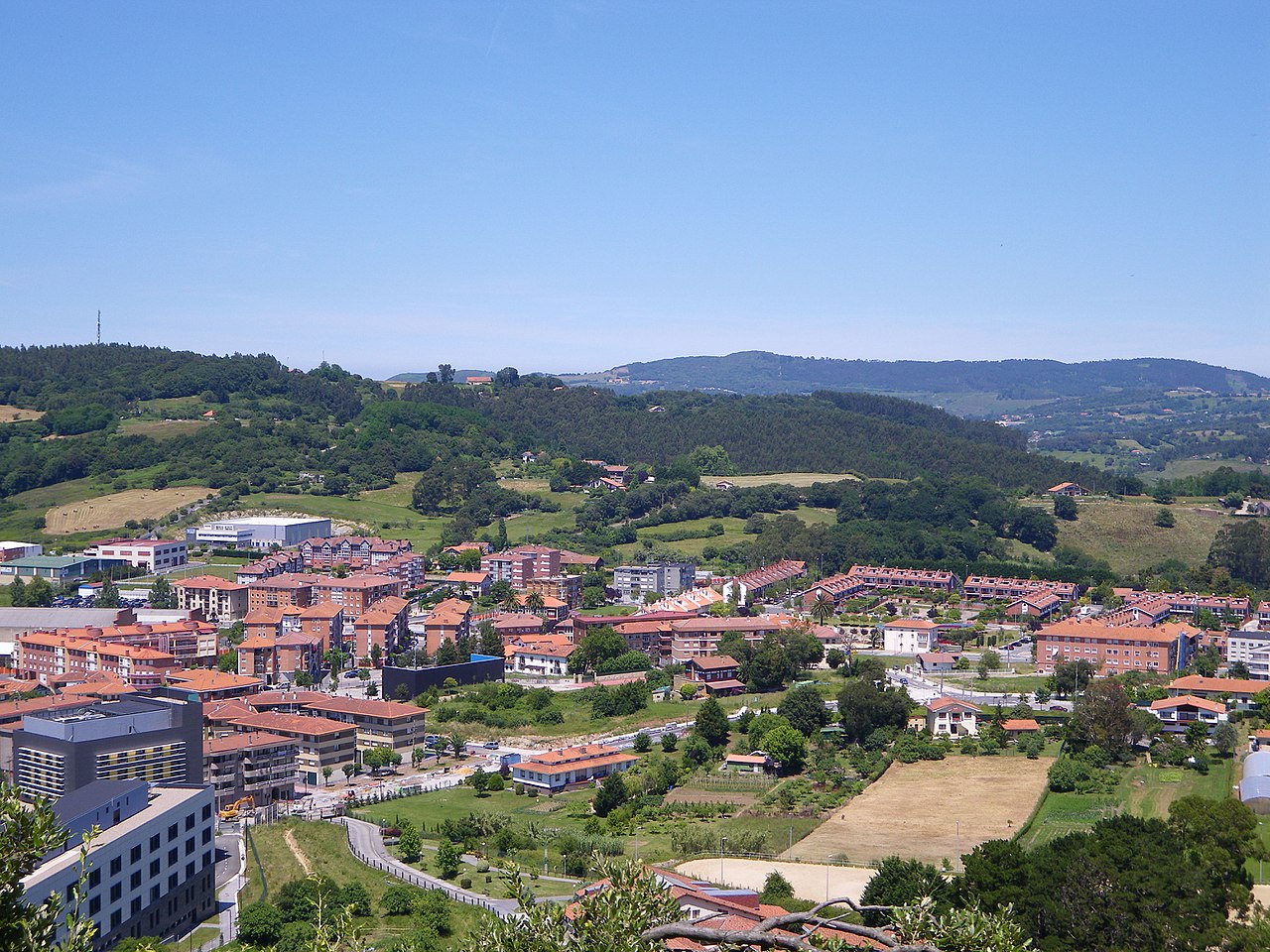
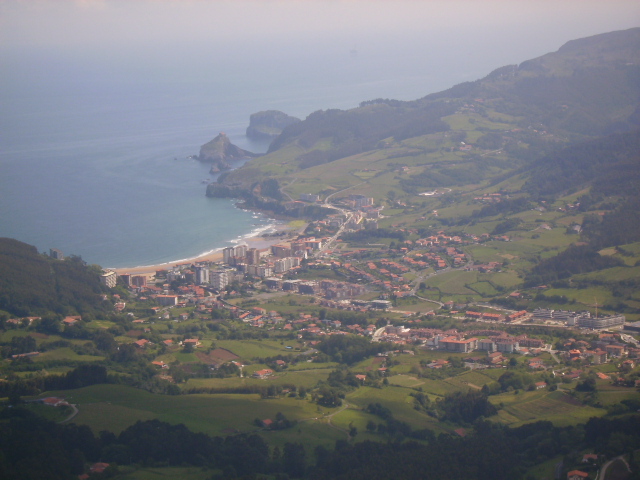
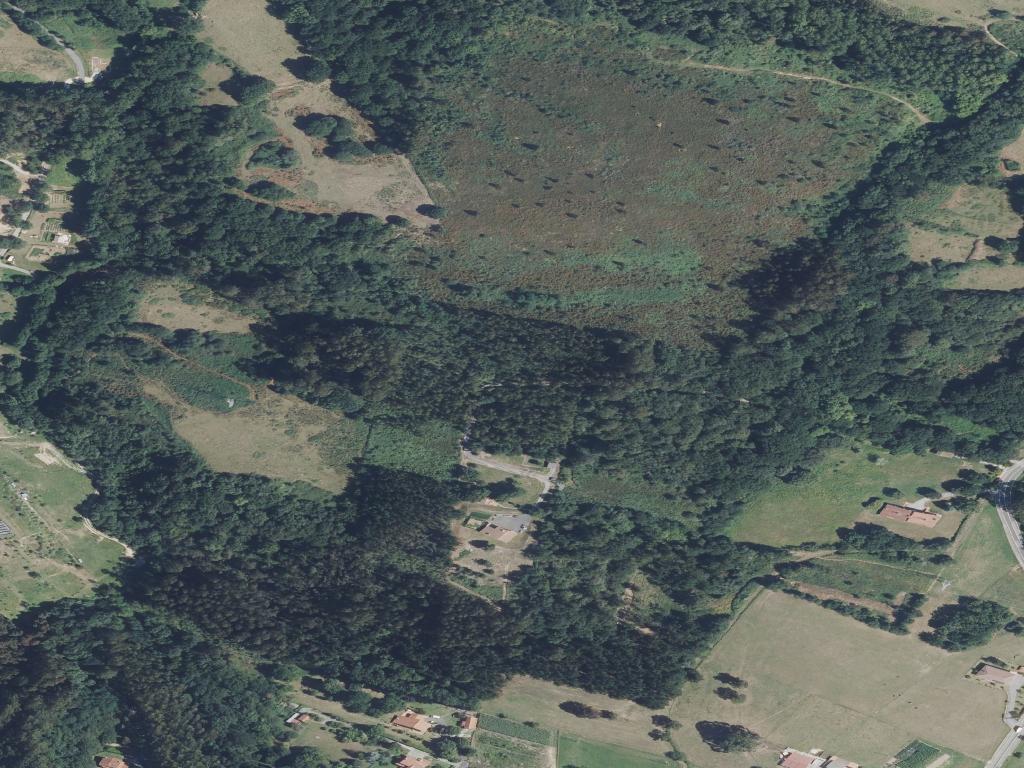
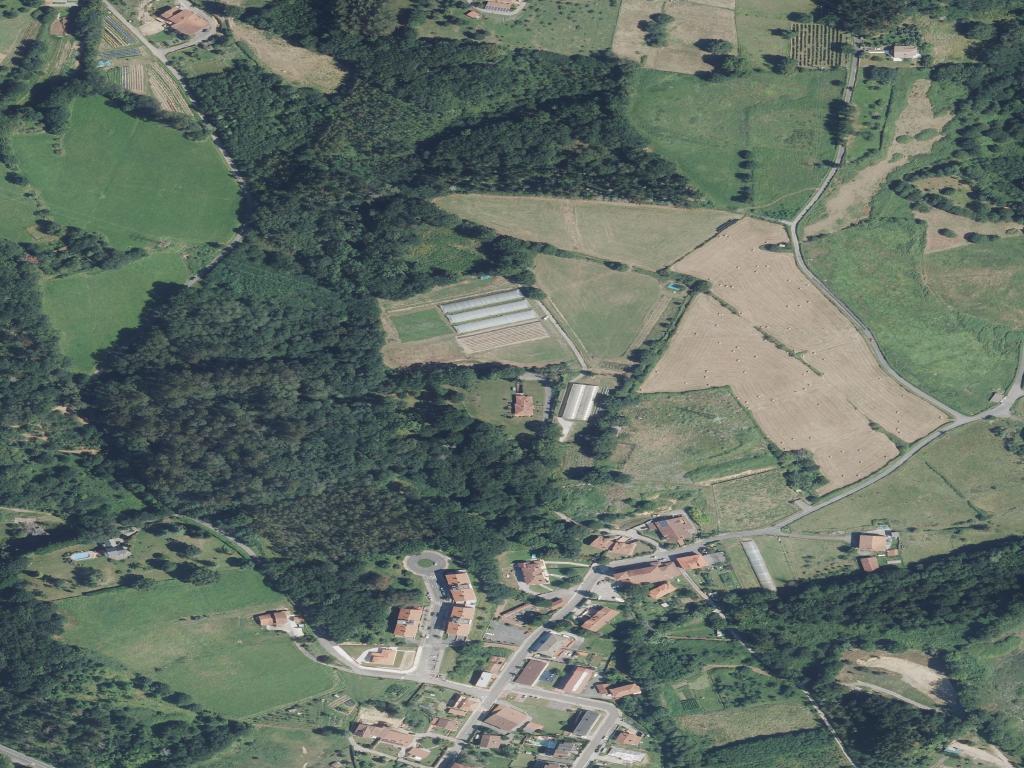
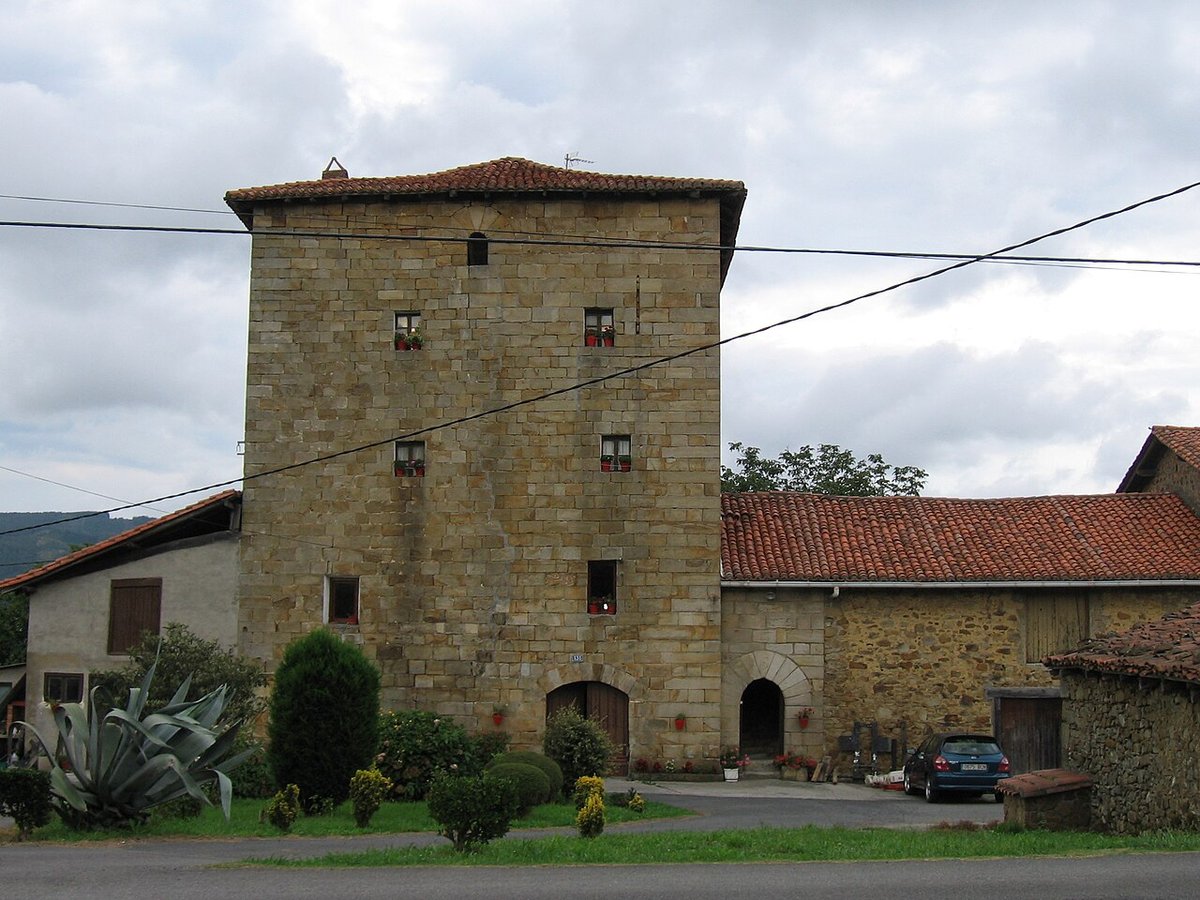
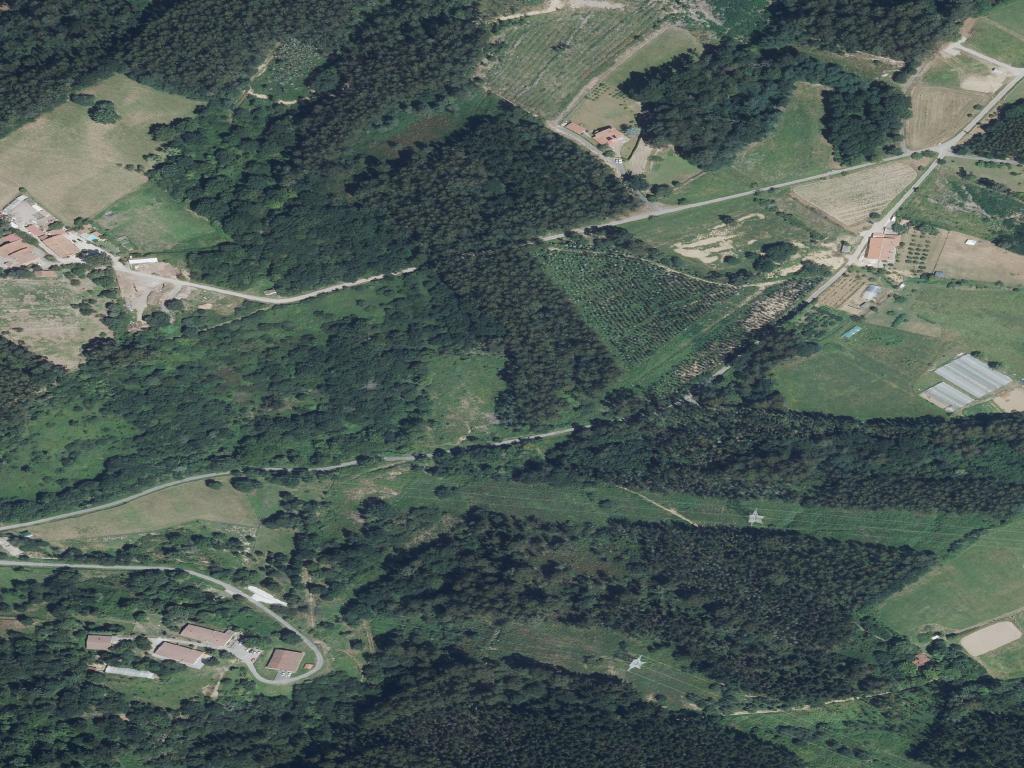
Gamiz-Fika lies about 20 kilometres from Bilbao, inland in the Uribe Kosta area of Bizkaia. It does not have a compact centre or a single main street where everything is lined up. Instead, the municipality is made up of scattered neighbourhoods, narrow roads and traditional Basque farmhouses, known as caseríos, spread across gentle hills. What matters here is not gathered in one place. It is dispersed across the landscape.
Reading the landscape
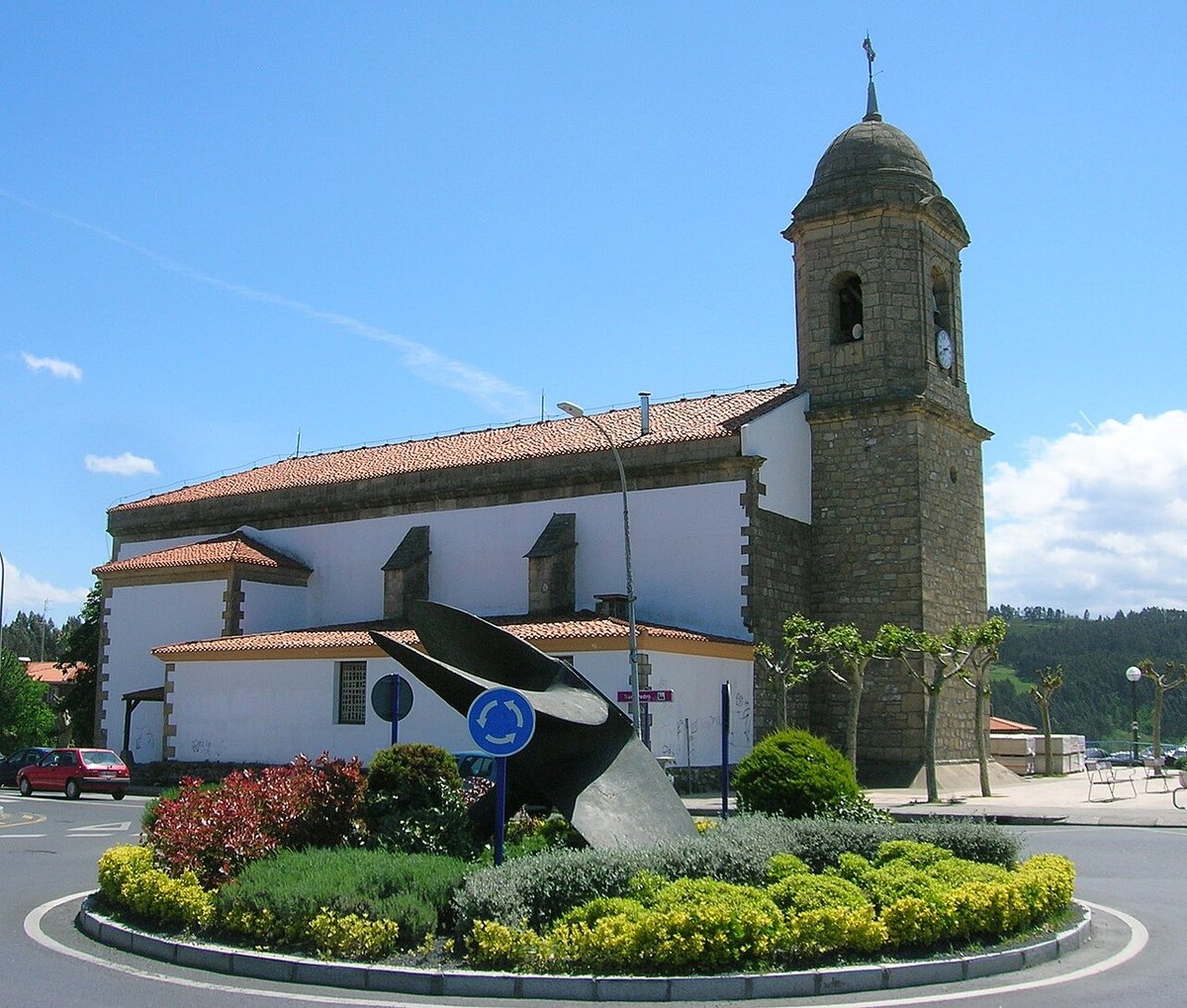
The church of San Martín de Tours, in Gamiz, is one of those buildings that seems modest until you get closer. From a distance it looks simple, but the stone reveals more as you approach. Some sections clearly belong to an earlier period, while others were added later, as if the building had been gradually adapted over time.
In Fika stands the hermitage of San Miguel, much smaller in scale. It is surrounded by meadows, with almost complete silence and little else nearby. People often find themselves pausing there for a moment without quite knowing why.
The defining feature of Gamiz-Fika, however, is its caseríos. They sit on the slopes, linked by narrow lanes. Some have darkened timber from years of exposure, others display lighter façades with vegetable plots right beside the house. They do not form a neat or orderly scene. Instead, they create a slightly irregular mosaic that somehow holds together.
Moving through it all
Getting around Gamiz-Fika means accepting that the roads are not always easy. Certain stretches are narrow, with tight bends, and there are rural tracks that can turn muddy within hours when it rains.
For those who prefer walking or cycling at a relaxed pace, the terrain is well suited. The hills are gentle, the climbs are short, and the descents pass quickly. This is not a place for major sporting challenges. It suits unhurried routes where time is not the focus.
Signage is not always abundant. Anyone planning to link several paths will benefit from having a map downloaded or a route prepared in advance.
How the place works
Gamiz-Fika does not function like other Basque towns where everything revolves around a central square. Daily life is spread across neighbourhoods and farmhouses separated by open fields.
Visitors expecting a historic centre filled with old streets may feel slightly disoriented. Those who approach it as a way to understand how the countryside in Bizkaia is organised today tend to find more meaning in the visit.
Interest here lies less in a single landmark and more in what happens between places. The spaces in between matter as much as the points on a map.
A short visit that makes sense
A morning or an afternoon is enough to get a feel for Gamiz-Fika.
One way to approach it is to begin near the church of San Martín and then continue towards Fika. Along the way, secondary roads appear, along with isolated caseríos and occasional open views across the valley.
The key is to take it slowly. Driving at a relaxed pace helps, as some turn-offs are narrow and may lead to private access roads or agricultural tracks. It works best as a long, wandering outing with improvised stops.
After rain, proper footwear is a good idea. Mud appears quickly in this area.
When to go and getting there
Spring and early autumn tend to show the landscape at its best. The fields are intensely green, and the temperatures are comfortable for walking.
Summer is also an option, although the sun can feel strong in more exposed areas. Periods of sustained rain can make some rural tracks more difficult to navigate.
From Bilbao, the most direct access is by road, heading inland towards Uribe Kosta. On the map it looks very close, and it is, but the final kilometres run along local roads.
There are also bus connections within the region, though they do not always run frequently, so it is worth checking ahead.
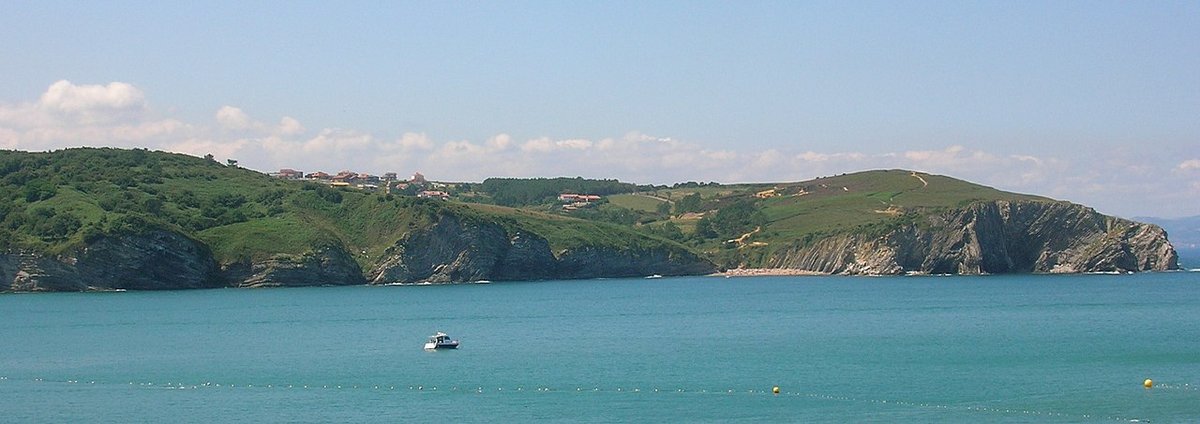
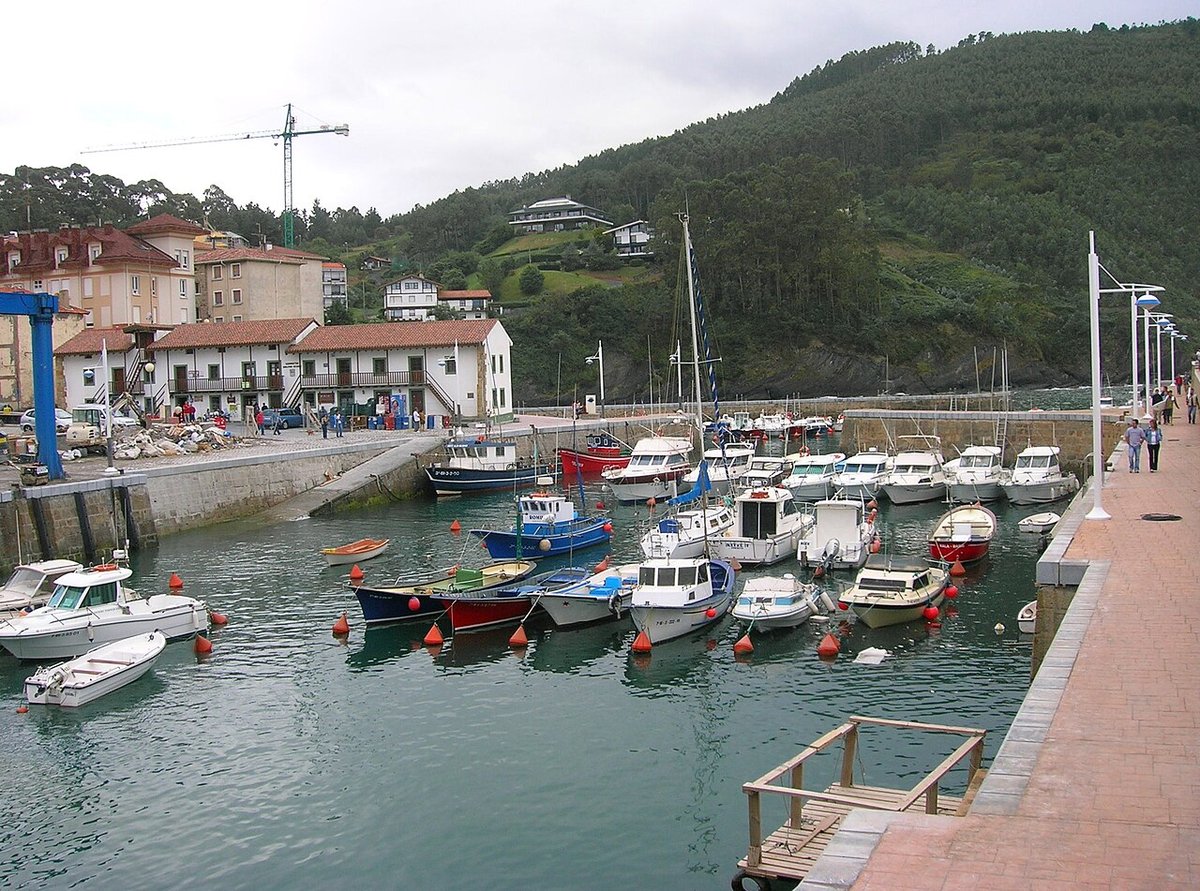
Many visitors combine the inland calm of Gamiz-Fika with the nearby coast on the same day. The shift from quiet countryside to coastal towns happens over a short distance, and the contrast is noticeable.