Full Article
about Gatika (Gatica)
Valleys and hamlets a stone’s throw from Bilbao, buzzing with local life.
Hide article Read full article
Gatika, o cuando el campo manda
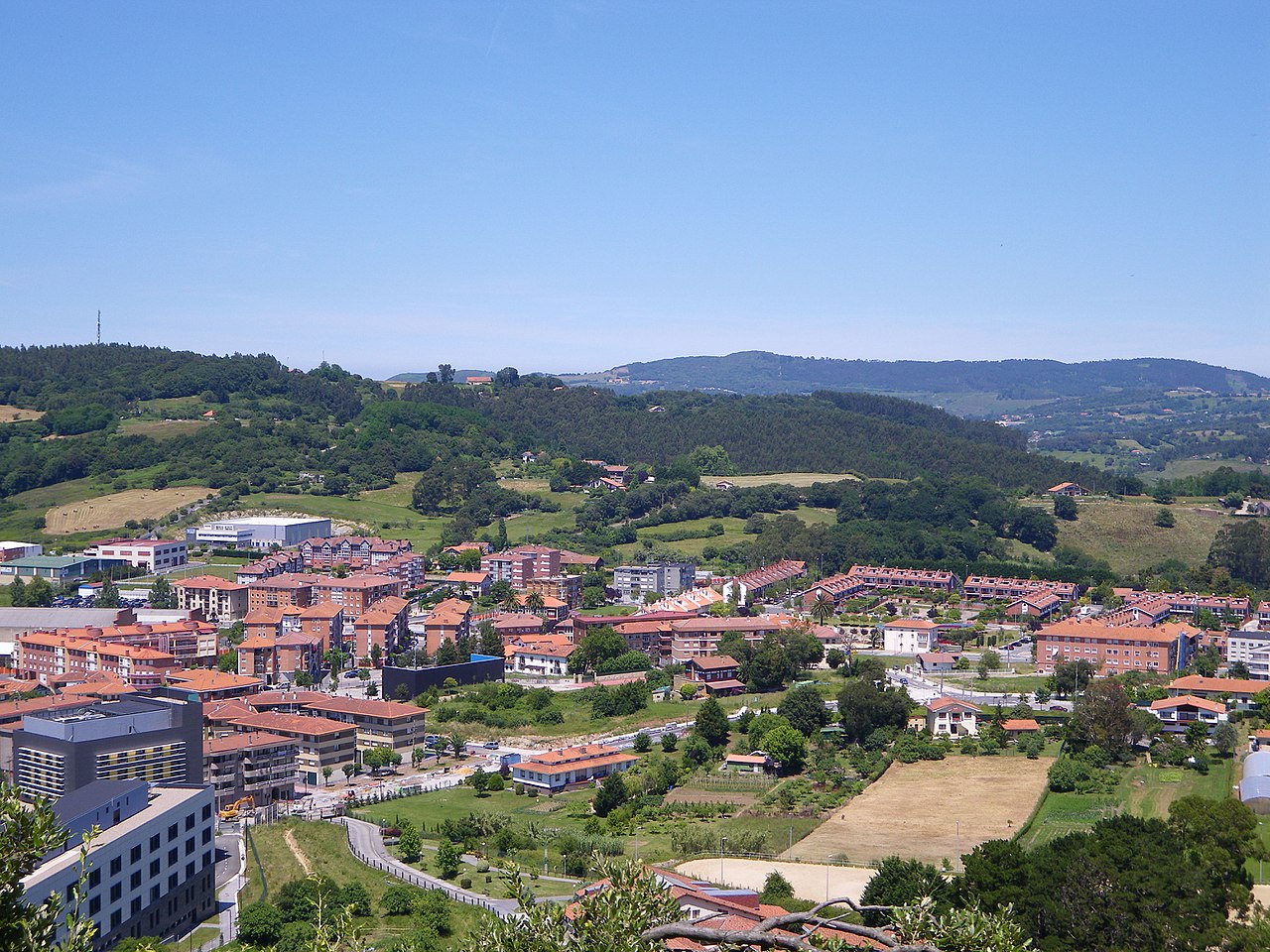
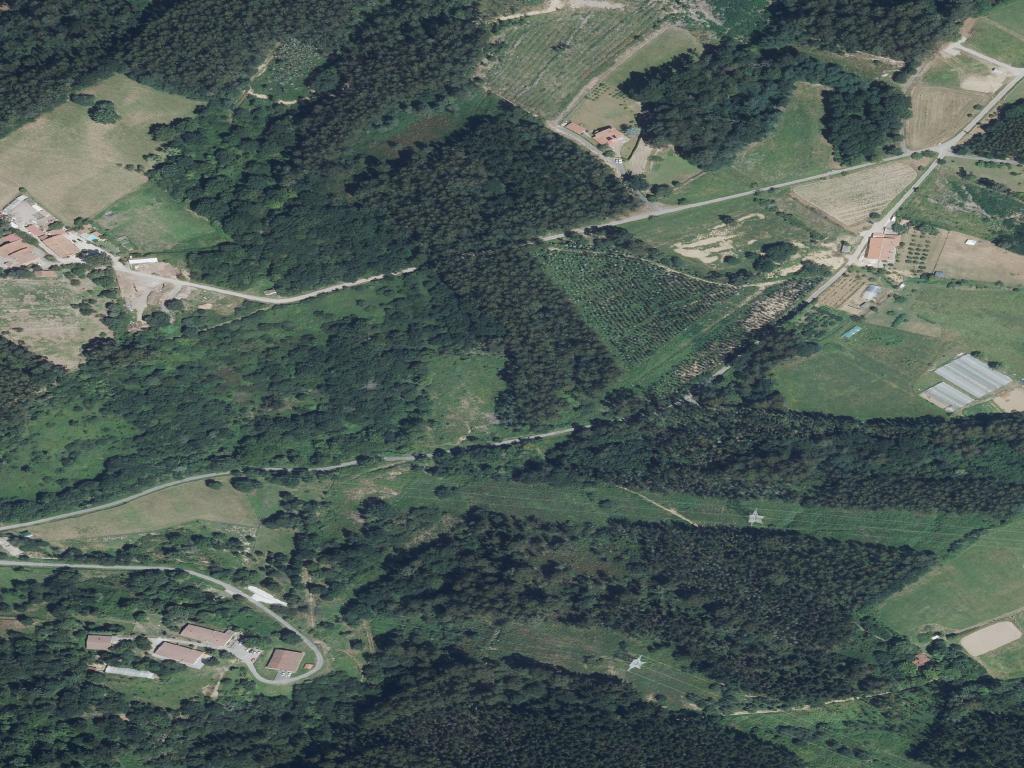
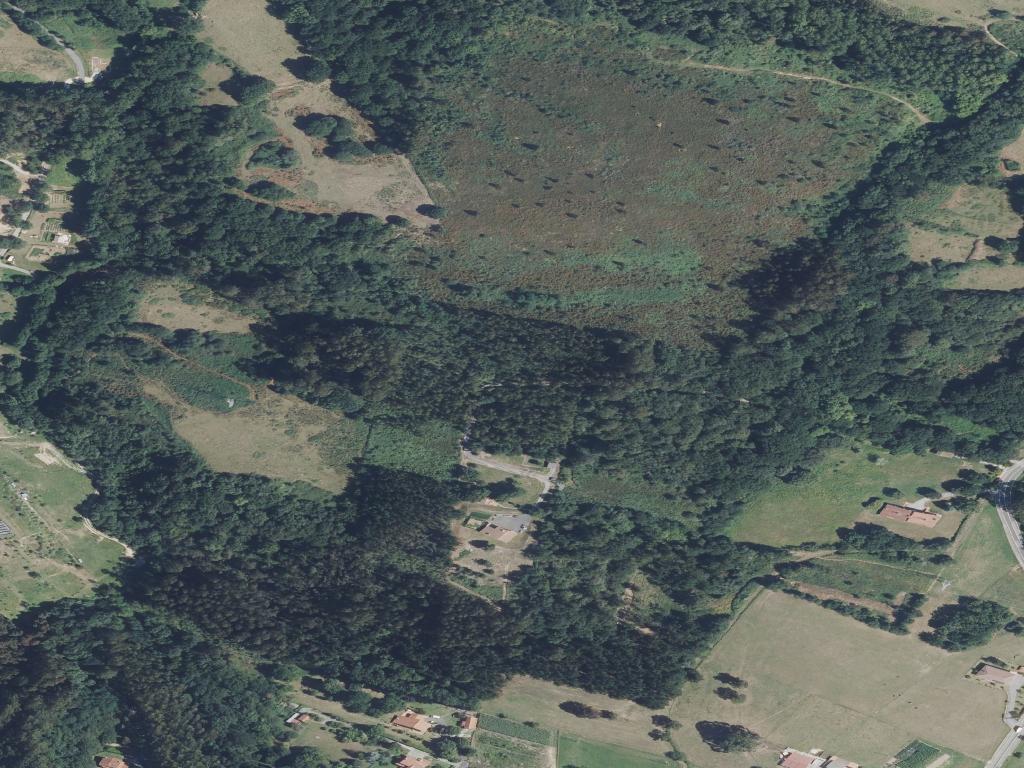
Gatika es de esos sitios que te reciben con un silencio incómodo, como si te preguntaran "¿y tú qué haces aquí?". No hay cartel de bienvenida con florituras. Solo una rotonda, la carretera que se estrecha y el primer caserío de piedra. En cinco minutos lo has entendido: esto no es un pueblo al uso, es un municipio rural de Uribe Kosta donde las casas obedecen a los prados, y no al revés.
La gente viene desde Bilbao buscando la costa, pero si giras hacia Gatika el cambio es instantáneo. El ruido del tráfico se apaga. Aparecen los setos vivos, las huertas y ese olor a tierra mojada que lo impregna todo cuando ha llovido, que aquí suele ser a menudo.
Un núcleo que es solo un punto de partida
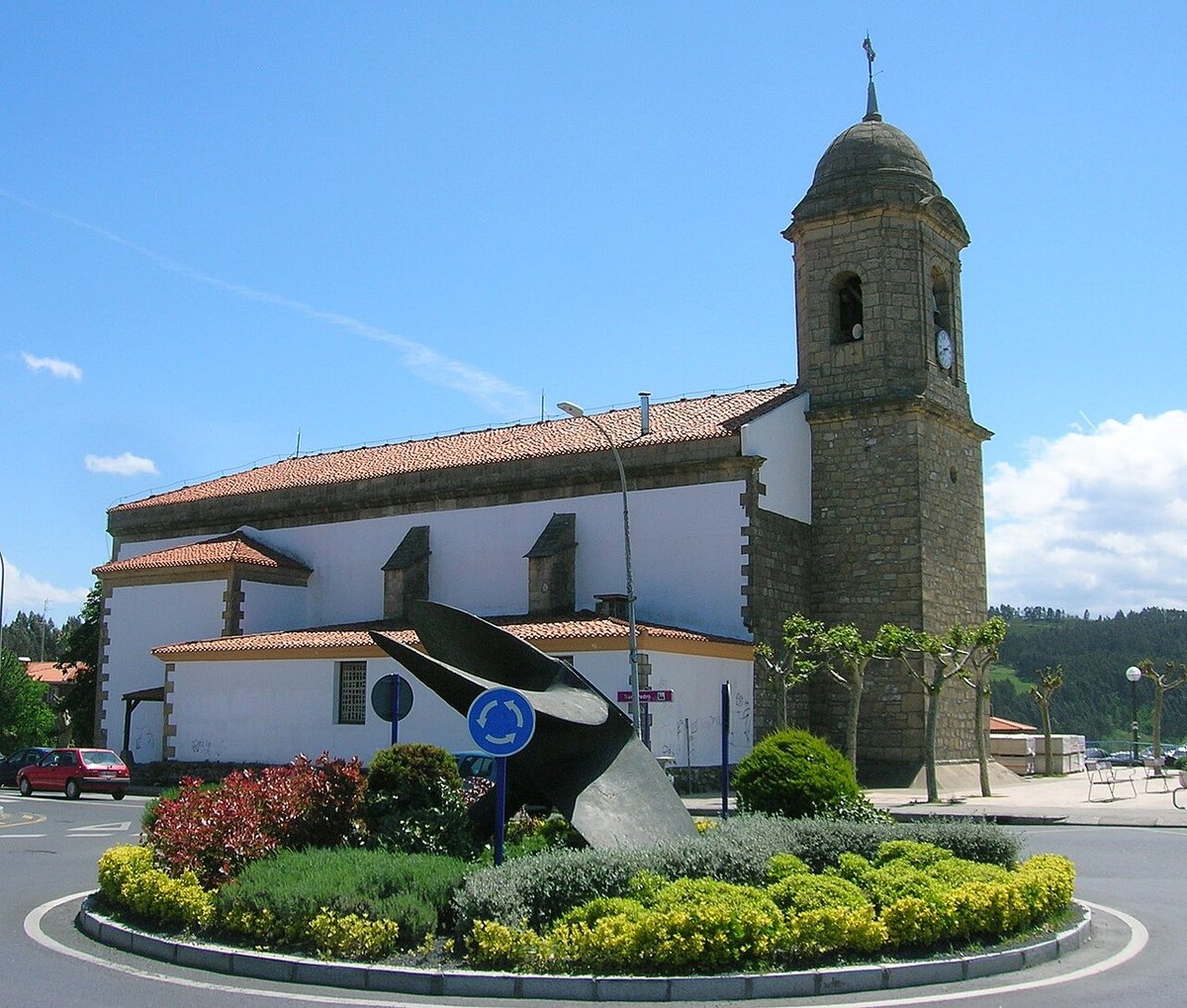
Si buscas una plaza mayor con soportales y bares con terraza, te has equivocado de destino. El corazón administrativo está junto a la iglesia de San Juan Bautista, un edificio sobrio que parece más un vigía que un monumento. Es útil para aparcar y orientarte, pero el verdadero Gatika empieza cuando sales de ese pequeño llano y te metes por cualquiera de las carreterillas locales.
Todo está disperso en barrios. Uno se llama Goierri, otro Bengolea... pero no hace falta memorizar nombres. La gracia está en perderse un poco entre ellos. Verás caseríos con la fachada pintada de rojo o verde, otros con la piedra a la vista y el musgo ganando terreno. Algunos están impecables; otros parecen a punto de ser reclamados por la hiedra. Esa mezcla da personalidad.
Caminar sin rumbo (pero con buen calzado)
La mejor forma—y casi la única—de ver Gatika es a pie. No hay senderos señalizados con paneles informativos brillantes. Hay caminos de tierra, pistas entre fincas y asfalto viejo donde no pasa un coche en media hora.
Mi recomendación es práctica: ponte botas si ha llovido en los últimos tres días. El barro aquí es pegajoso y serio. Luego, elige una dirección y anda. A la izquierda puede haber una manada de pottokas pastando; a la derecha, un invernadero lleno de tomates. Es paisaje vivo, no decorado.
Vas a cruzarte con gente del lugar arreglando una valla o cargando heno. Un saludo con la cabeza basta. Esto no es un parque temático; es su patio trasero.
La hora del café (si encuentras dónde)
Aquí viene el aviso honesto: Gatika no está preparado para el turismo masivo ni pretende estarlo. No hay una oferta gastronómica a pie de carretera ni tiendas de souvenirs.
Hay algún bar junto a la iglesia donde suele parar la gente local. Es ese tipo de sitio donde el menú del día está escrito en una pizarra y el café sabe a café de verdad. No esperes carta ni coctelería creativa. Vas por lo básico y funciona.
Si lo que quieres es comer bien, lo sabio es ir hacia la costa cercana o volver hacia Bilbao. En Gatika comes lo que haya, si hay.
Cuándo venir (y cuándo no)
La primavera le sienta bien porque todo está verde y florecido; el otoño tiene esa luz dorada que pega bien con los tonos ocres de la tierra.
El invierno puede ser gris y húmedo hasta los huesos; la niebla se instala en los valles bajos y no se mueve en días. El verano es tranquilo pero el sol pega duro en las zonas sin sombra; no es un lugar para hacer largas caminatas al mediodía en agosto.
¿Merece una visita?
Depende totalmente de lo que busques. Si necesitas acción, monumentos fotogénicos o vida callejera, pasarás frío. Si lo que quieres es respirar aire limpio, ver cómo funciona un paisaje agrario real y desconectar del ritmo urbano durante un par de horas, entonces sí.
Gatika no te va a sorprender con nada espectacular. Te va a mostrar algo más raro hoy en día: normalidad. Es un rincón de Bizkaia donde el campo todavía marca los tiempos. Y a veces eso ya es motivo suficiente para desviarse unos kilómetros