VistaEreaga
Eduardo Ferro Aldama Eferro · Public domain
País Vasco · Atlantic Strength

Getxo (Guecho)

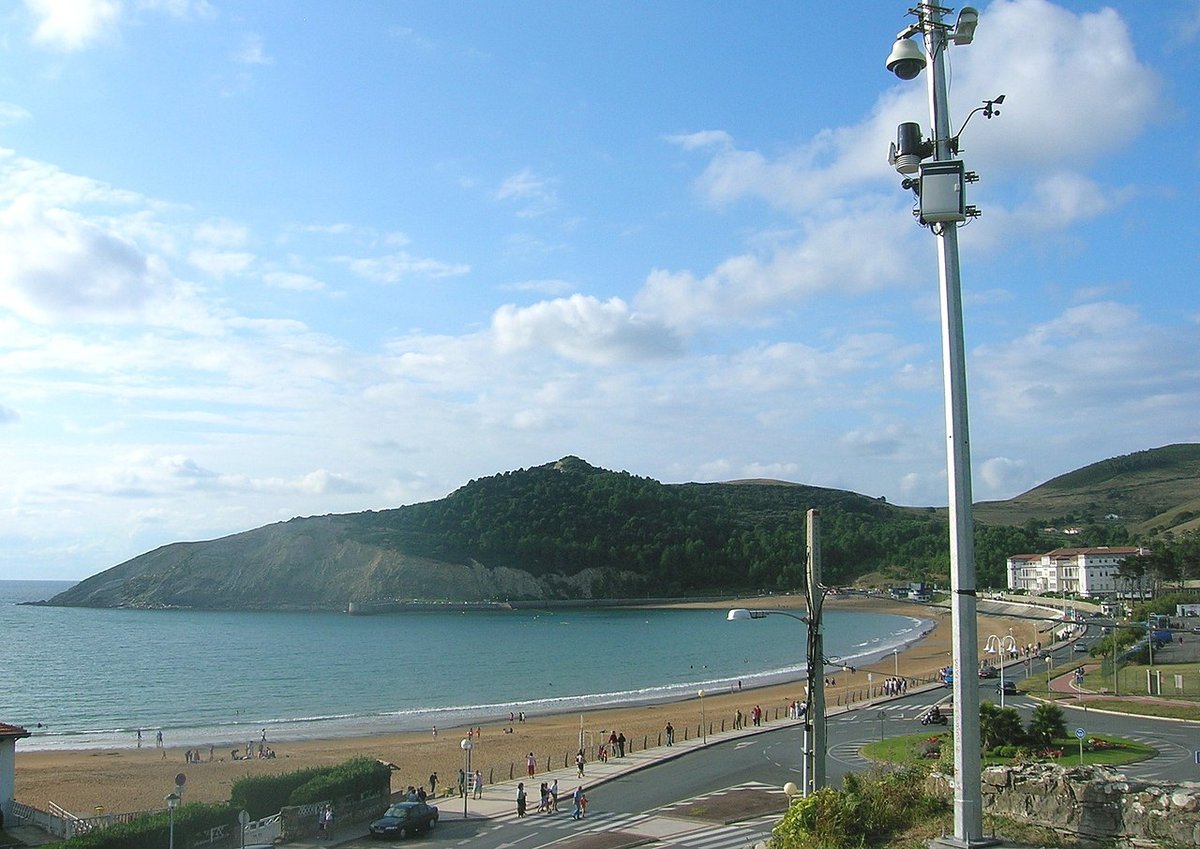
The tide is out at Ereaga and the sand looks wide enough to land a small plane. Locals call this the “urban beach”, yet on a weekday morning in lat...

75,752 inhabitants · INE 2025
50m Altitude
Coast Cantábrico

Why Visit

Coast & beaches Harbor Beaches

Best Time to Visit

summer

Things to See & Do
in Getxo (Guecho)

Heritage

  • Harbor
  • Seaside promenade
  • Chapel

Activities

  • Beaches
  • Surfing
  • Coastal walks
  • Cuisine

Full Article
about Getxo (Guecho)

Cantabrian Sea, cliffs, and seafaring flavor in the heart of the Basque Country.

Ocultar artículo Leer artículo completo

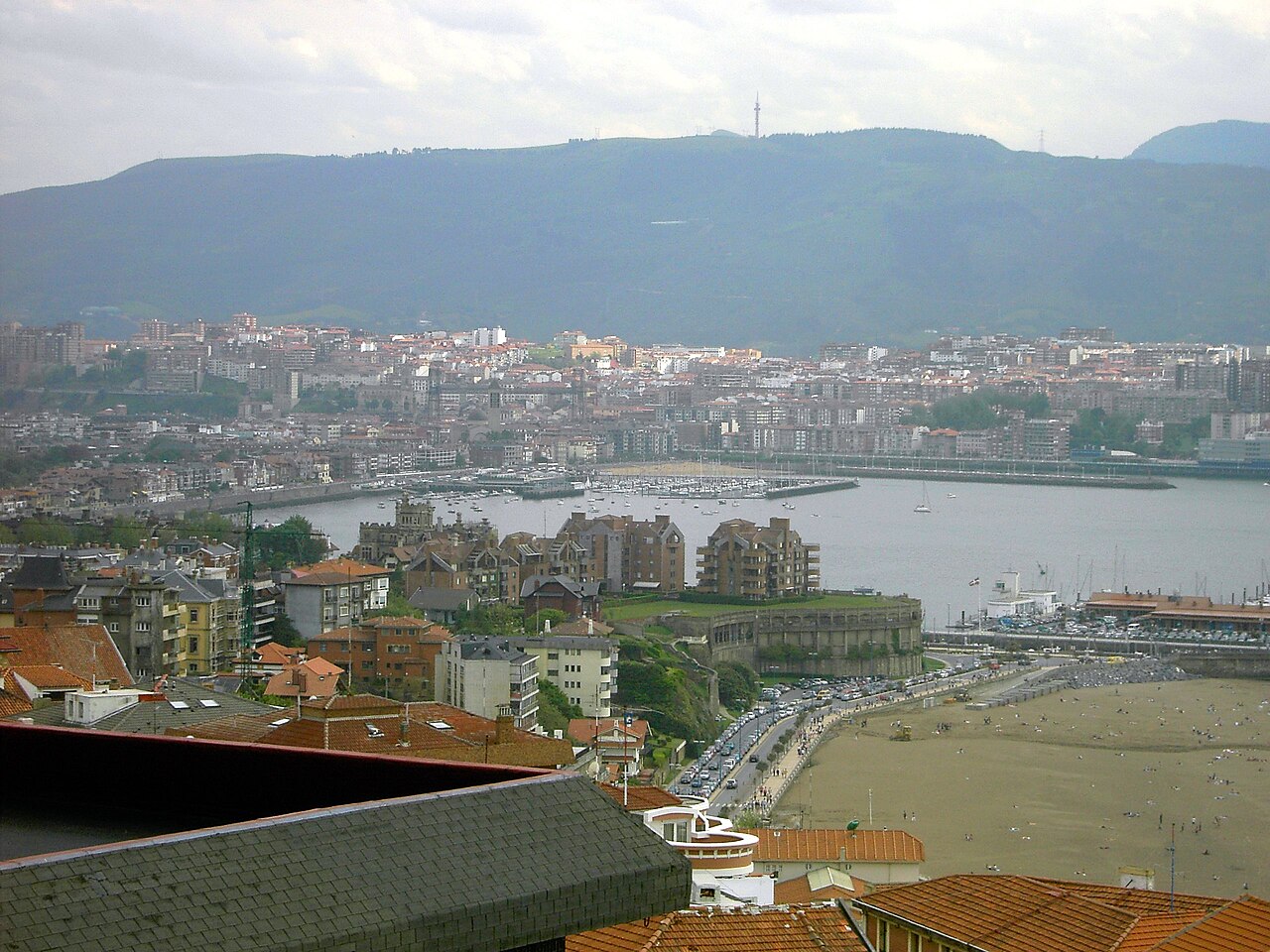
The tide is out at Ereaga and the sand looks wide enough to land a small plane. Locals call this the “urban beach”, yet on a weekday morning in late May you’ll share it with more seagulls than sunbathers. Twenty-five minutes earlier those same gulls were wheeling over Bilbao’s river traffic; now they’re watching office workers jog past in trainers, still clutching takeaway coffees from the metro kiosk. Getxo begins at the point where the city decides it needs salt air.

A coastline that still works

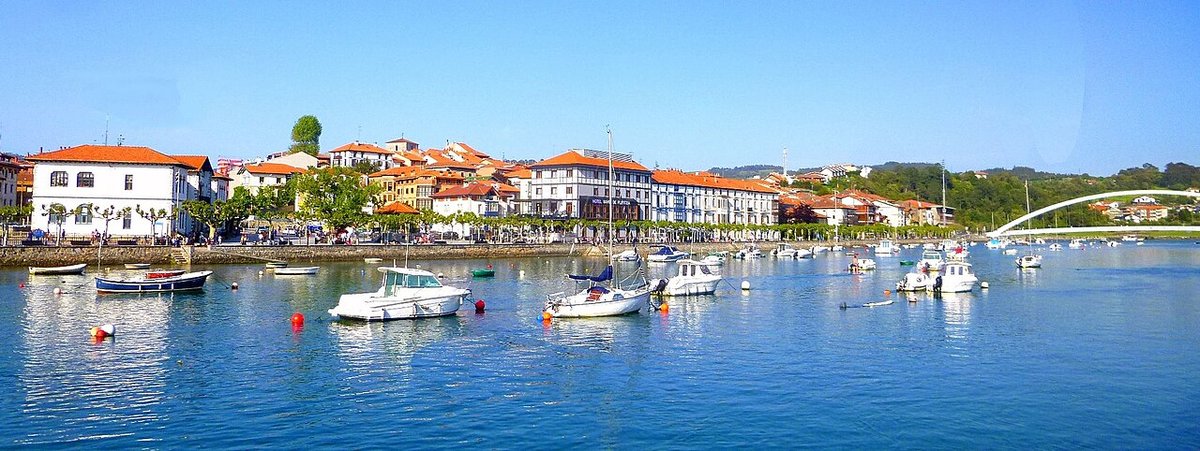
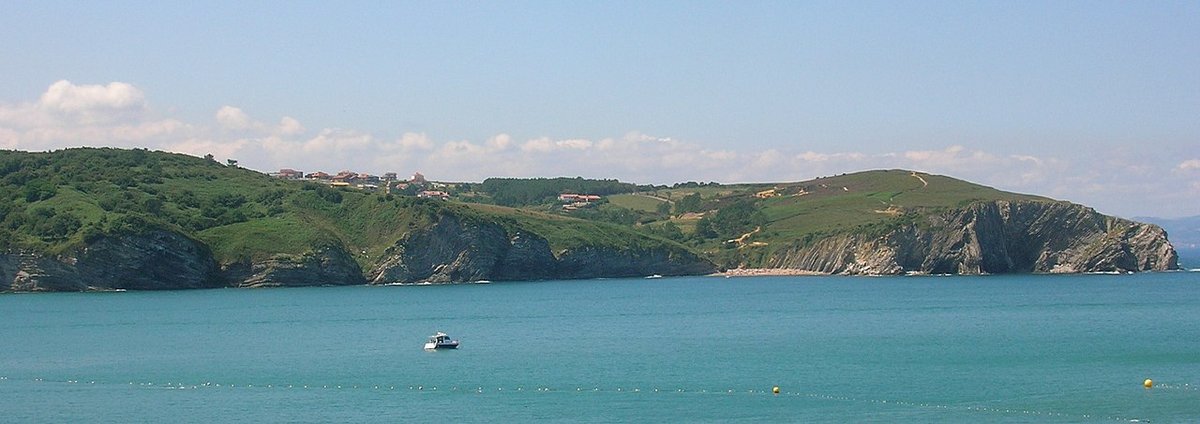
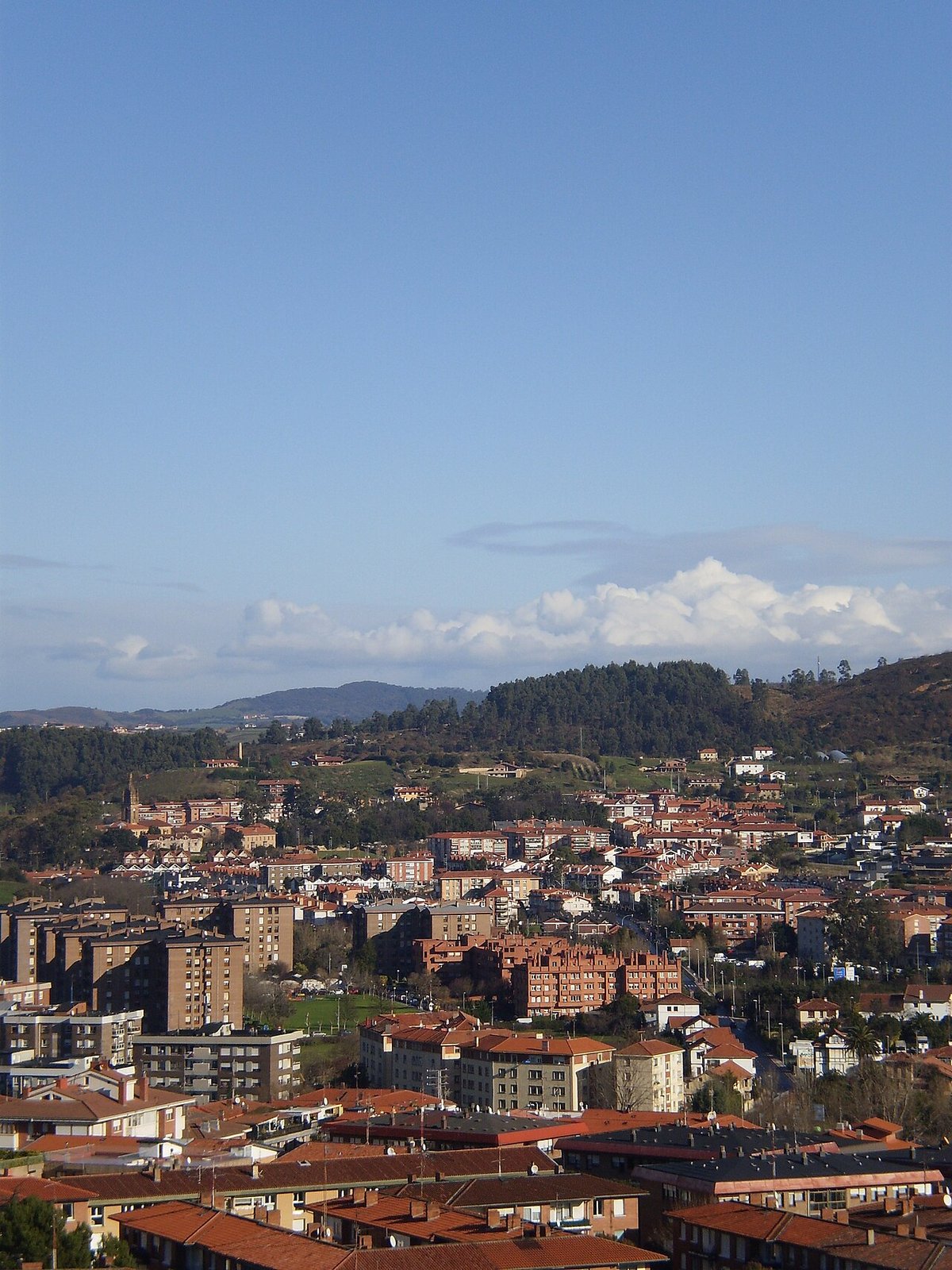
Getxo isn’t a postcard fishing hamlet—it’s a 10-kilometre string of neighbourhoods that never agreed on a single identity. Las Arenas hugs the estuary with yacht masts clinking like loose change. Algorta scrambles up the cliff in pastel blocks and narrow staircases. Further north, the headland of La Galea ends in a lighthouse where the Bay of Biscay slaps granite with enough force to make the handrails vibrate. The whole lot is stitched together by Metro line 1, a toy-town train that pops above ground just long enough to give you a seaward glance before ducking back into the hillside.

The working proof is the Vizcaya Bridge, the transporter bridge that has been shifting passengers, cars and even cattle across the river mouth since 1893. UNESCO calls it a World Heritage Site; commuters call it the eight-minute short-cut to Portugalete. A foot-passenger ticket costs €1.50 if bought online—skip the cash queue and ride the gondola with cyclists still dripping from the riverside path that begins in central Bilbao. From the upper walkway, 45 metres up, you can trace the coast you’re about to walk: first the sweep of Ereaga, then the smaller coves, then the dunes of Azkorri disappearing into the haze.

Architecture for promenading, not postcarding

Belle-Époque mansions line the Avenida de los Chopos like Victorian cousins who’ve retired to the sea. Most are private—no house tours here—so the pleasure is in the detail: stained glass, turrets, ironwork balconies designed for evening gossip. Architects of the 1890s competed to out-do one another; today the winners are the plane trees that shade the pavement and drop yellow leaves on the cycle lane each November.

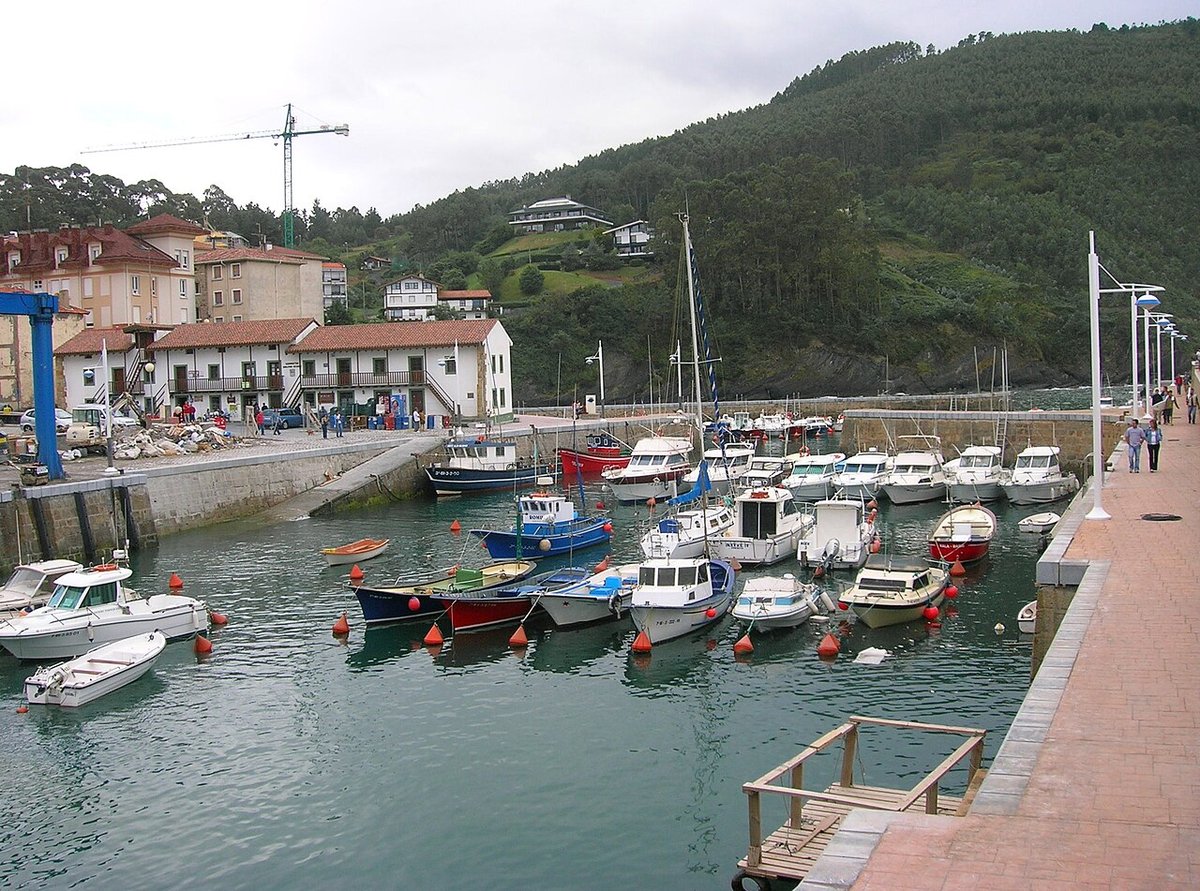
Drop down a side street and the mood changes. Puerto Viejo, the old fishing quarter, is barely two streets wide and smells of diesel, salt and grilling squid. Washing lines criss-cross the alleyways; grandparents sit on plastic chairs supervising football games. The ermita of San Nicolás, a 19th-century chapel squeezed between taverns, still blesses the boats on the first Sunday in July. After the service, the procession heads for the bars and the first txakoli of the day is poured at eleven in the morning.

Three beaches, three moods

Ereaga is the easiest: flat, wide, with a promenade wide enough for scooters and pushchairs. Lifeguards, loos, ice-cream kiosk—everything you need except, in high summer, space. July weekends fill by 11 a.m.; arrive earlier or accept a patch near the breakwater where the sand turns coarse and the smell of seaweed lingers.

Arrigunaga sits beneath red cliffs and a youth hostel. At low tide it doubles in size, revealing rock pools warm enough for small children to hunt crabs. The sea wall blocks the worst of the wind, making it popular with paddle-boarders when the Cantabrian behaves. When it doesn’t, the red flag snaps angrily and everyone migrates to the terrace bar for hot chocolate thick enough to stand a churro in.

Azkorri is the wild card. You reach it via a wooden staircase that drops 80 metres through pine and gorse. The beach faces due north, scooped into dunes that hiss when the wind picks up. On a calm evening the surf school sets out longboards and the sunset turns the cliff orange. On a rough day the lifeguards close the staircase instead—check the council Twitter feed before you lug the picnic.

Walking the edge

The coastal path strings the beaches together into a half-day hike that needs no map. Start at the transporter bridge, follow the yellow arrows painted on lamp-posts, and keep the water on your right. Between Las Arenas and Algorta you’ll pass Victorian lamp-posts and a row of 1920s changing huts painted racing-green. Beyond Algorta the surface turns to grit and the smell is gorse and Atlantic ozone. The trail climbs to the Fuerte de La Galea, a 17th-century battery where soldiers once burned warning fires to alert Bilbao of approaching English privateers. Today it’s a picnic spot: bring a supermarket bocadillo and watch container ships slide silently seaward.

Total distance to Azkorri and back is 12 kilometres; the bus returns to central Getxo every thirty minutes if legs give up. Wear trainers—cliff sections are uneven and the Basque weather can swap sun for horizontal rain in the time it takes to eat an apple.

Eating without the hard sell

Forget tasting menus. Getxo runs on bar counters piled with pintxos that cost €2–€3 each and disappear by 2 p.m. Start with a Gilda—anchovy, olive and guindilla pepper on a stick—named after Rita Hayworth’s character in the 1946 film and still the quickest saline hit on the coast. Follow it with txangurro, spider-crab gratin served in its own shell; the flavour is sweet brown crab with a paprika crust. Vegetarians aren’t an afterthought: pimientos de Gernika, small green peppers fried whole, arrive blistered and salted like Padron’s cooler cousin.

Weekend queues stretch outside Puerto Viejo’s most Instagram-friendly bar. The trick is to eat at the counter before one o’clock or after three, when locals return from the beach and the barman remembers your order without asking. House white is txakoli, poured from height to give a slight petillance; if you’re driving, ask for “mosto”—grape juice that hasn’t begun to ferment.

When the weather makes the plan

Atlantic winters are blunt: 12 °C, rain that drives sideways, sea the colour of slate. Summer, by contrast, peaks at 26 °C and feels almost Mediterranean—until the wind swings northwest and everyone reaches for a hoodie. Spring and early autumn offer the best compromise: warm enough for sandals, quiet enough to find a parking space within sight of the sand. The metro runs every ten minutes year-round; in winter you might share a carriage with surfers in 5 mm wetsuits heading for Arrigunaga’s reef break.

Getting here, getting out

Bilbao airport to Getxo takes fifty minutes door-to-door: airport bus to the terminus, then Metro line 1 to Neguri or Algorta. Buy a Barik card at the machines (€3 deposit) and load singles at €1.90—cheaper than paper tickets and valid on buses, trams and the funicular up to Artxanda if you fancy a city view afterwards. Drivers should note that on-street parking is free October–April; July and August demand the underground car park at Las Arenas (€2 an hour, card only).

Leave time for the return journey at sunset. Stand on the riverbank outside Portugalete and watch the transporter bridge silhouette against a sky that turns from peach to bruised violet. The gondola glides across, lights blinking, carrying day-trippers back to the city and leaving the coast to night fishermen and the tide. Getxo doesn’t shout for attention; it simply lets the sea do the talking.

Key Facts

Region
País Vasco
District
Uribe Kosta
INE Code
48044
Coast
Yes
Mountain
No
Season
summer

Livability & Services

Key data for living or remote work

2024
ConnectivityFiber + 5G
TransportTrain nearby
HealthcareHospital
EducationHigh school & elementary
Housing~5€/m² rent · Affordable
CoastBeach 1 km away
Sources: INE, CNMC, Ministry of Health, AEMET

Official Data

Institutional records and open data (when available).

  • Grandes Villas de Getxo
    bic Monumento ~1.1 km

Planning Your Visit?

Discover more villages in the Uribe Kosta.

View full region →

More villages in Uribe Kosta

Traveler Reviews