Full Article
about Laukiz (Lauquíniz)
Valleys and hamlets a stone’s throw from Bilbao, buzzing with local life.
Hide article Read full article
A place you almost miss
Laukiz is the kind of place you pass through on the way to the coast and wonder about. People clearly live here, but what is there beyond the roadside view? That question often comes up the first time you drive along its narrow roads, where each bend demands more attention than the scenery. Then you stop for a moment, look around, and realise how open it all feels. Fields stretch out, farmhouses sit at a distance from one another, and there is a level of quiet that is not always easy to find in Bizkaia.
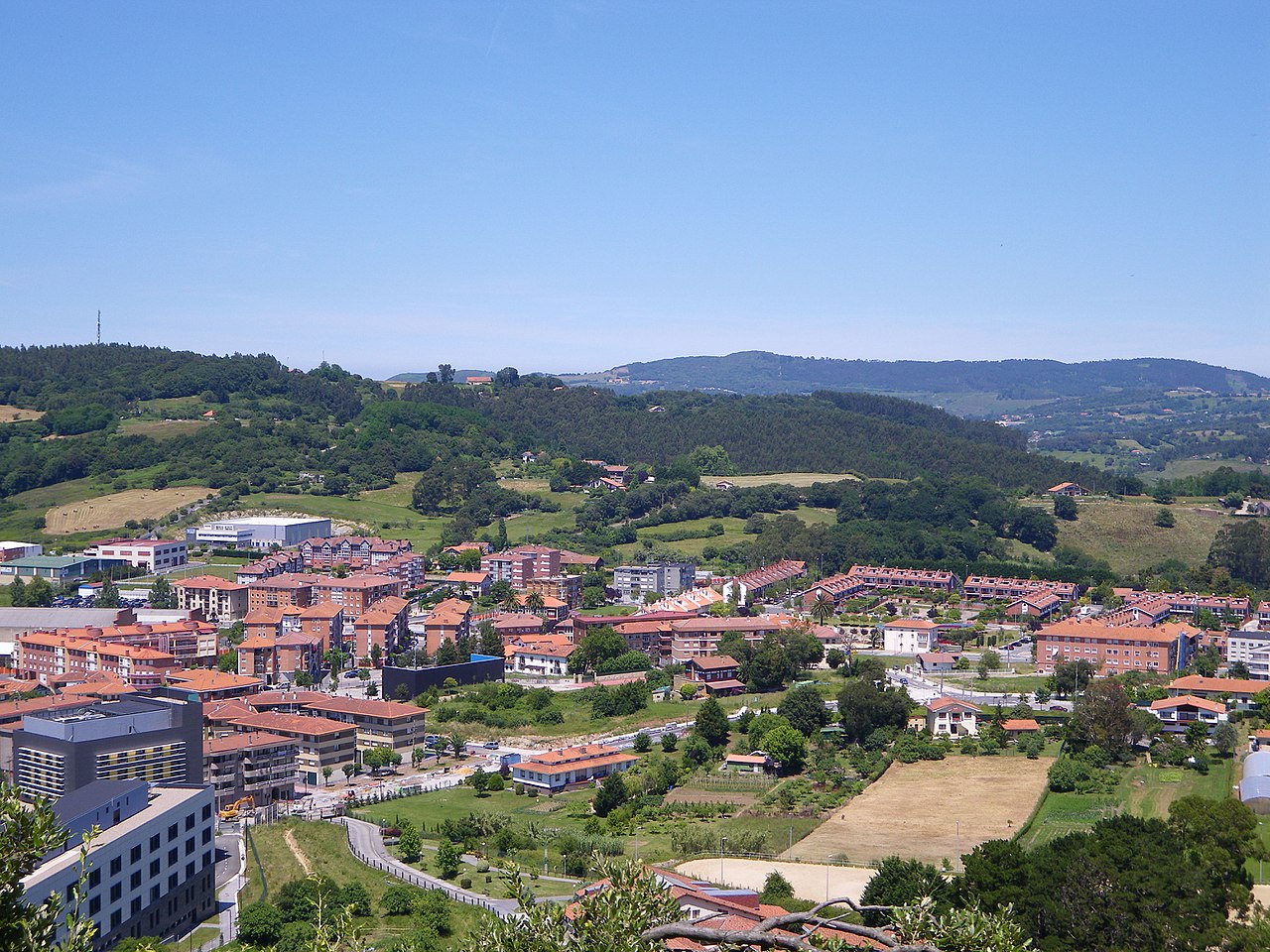
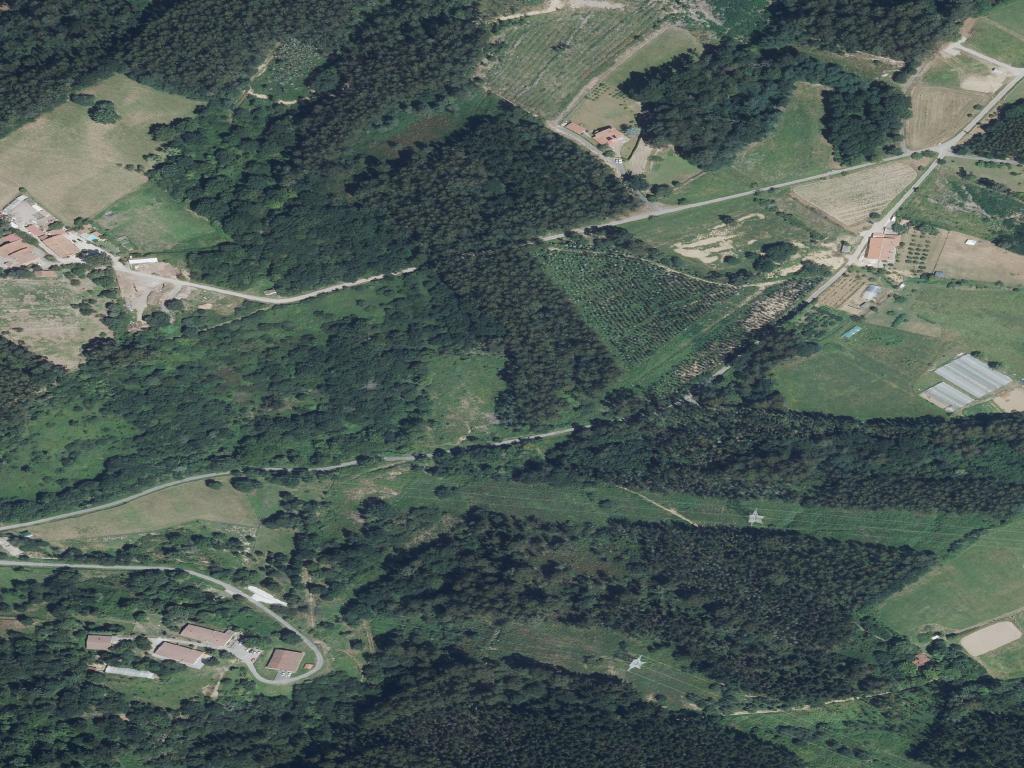
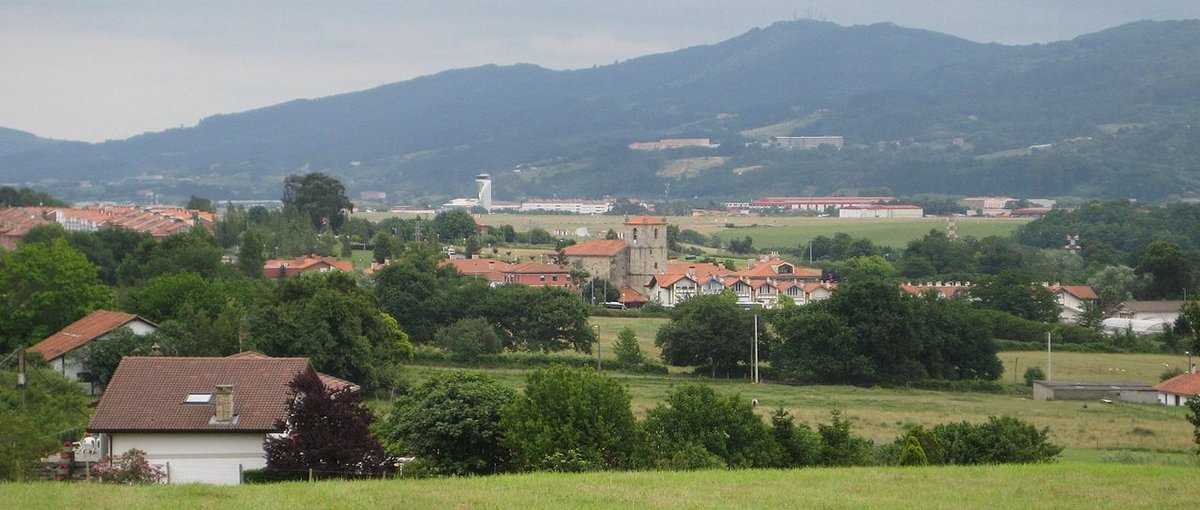
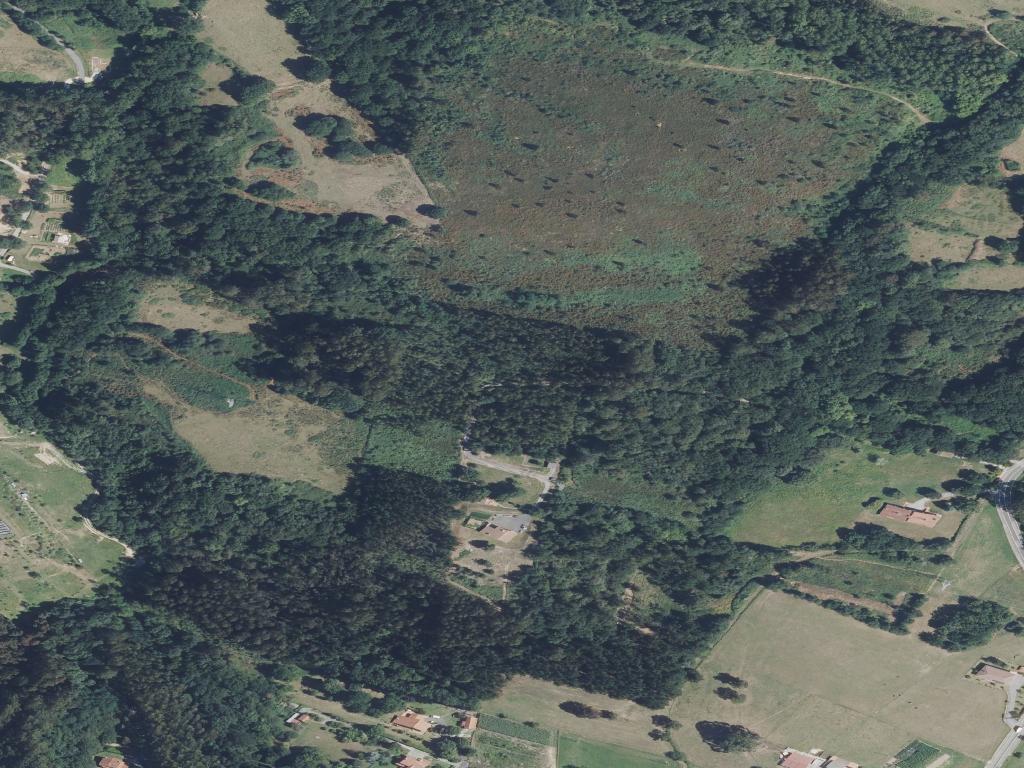
With just over a thousand residents, Laukiz spreads across a landscape that feels pieced together. Meadows, small wooded patches and traditional caseríos sit across gentle hills. There is no compact old quarter or central square filled with bars. The settlement is scattered. You move from one neighbourhood to another along local roads and farm tracks, and between them there is always a stretch of grassland or a cluster of trees breaking the wind.
Around the heart of Laukiz
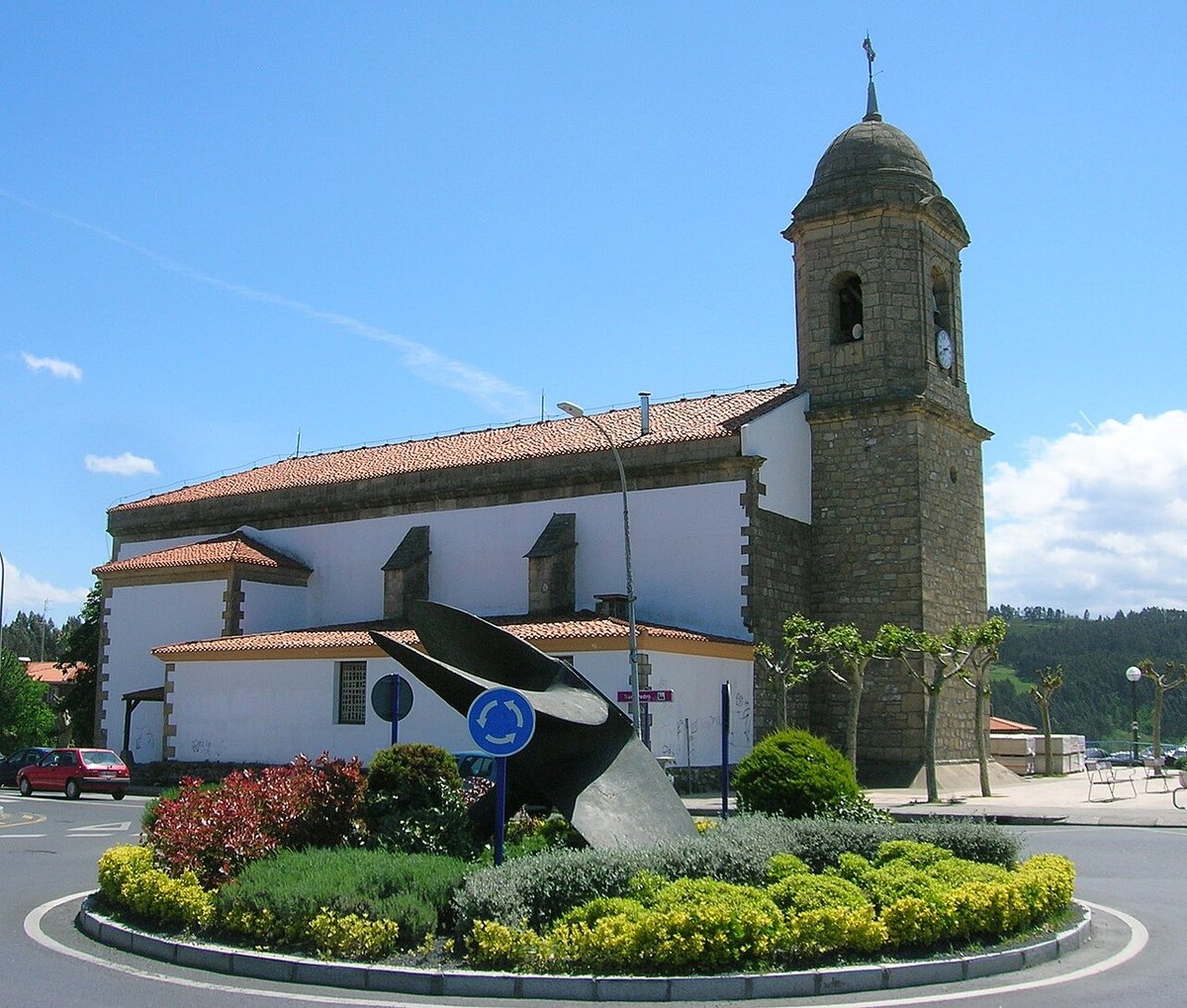
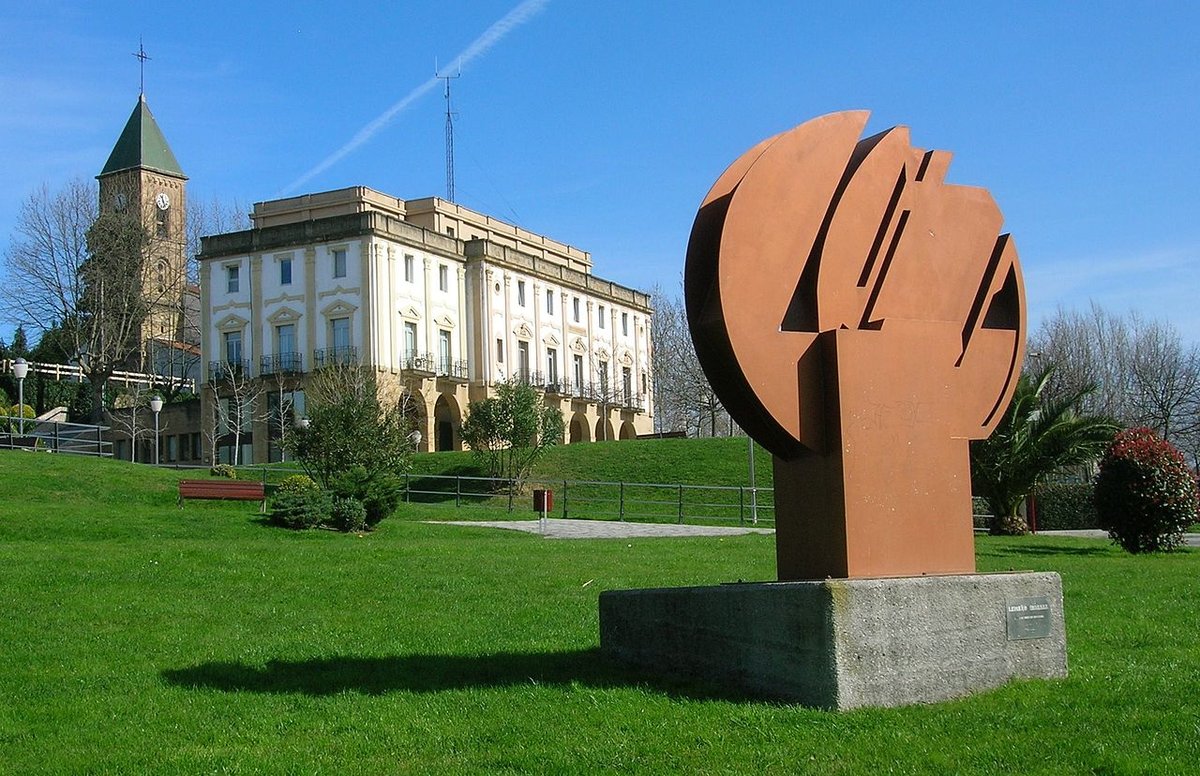
The church of San Pedro often becomes the main point of reference on arrival. It is not a building that immediately draws attention, yet the area around it gathers some of the municipality’s daily activity and helps with orientation in a place where homes are spread out.
From here, smaller roads and rural tracks branch off towards different caseríos. Many of these buildings still serve agricultural or livestock purposes. Tractors are a common sight, as are tended vegetable plots and grazing fields. Some houses have been updated, though many retain their traditional structure: stone walls, wide roofs and large doors originally designed for carts and machinery.
This part of Laukiz gives a clear sense of how the area functions. Life is not concentrated in one spot but distributed across the landscape. Each cluster of buildings feels tied to the land around it, rather than to a central hub.
Paths through fields and small woods
Getting around Laukiz mostly means walking or cycling between farmland. There are no major marked routes within the municipality itself, but there are plenty of paths linking neighbourhoods and small rises in the terrain. It is the sort of place where you set off without a fixed plan, simply to see how far the path takes you.
Meadows dominate the view, interrupted now and then by small groups of trees. These include oaks and other Atlantic species typical of the region. They are not large forests, more like patches that break up the openness of the fields.
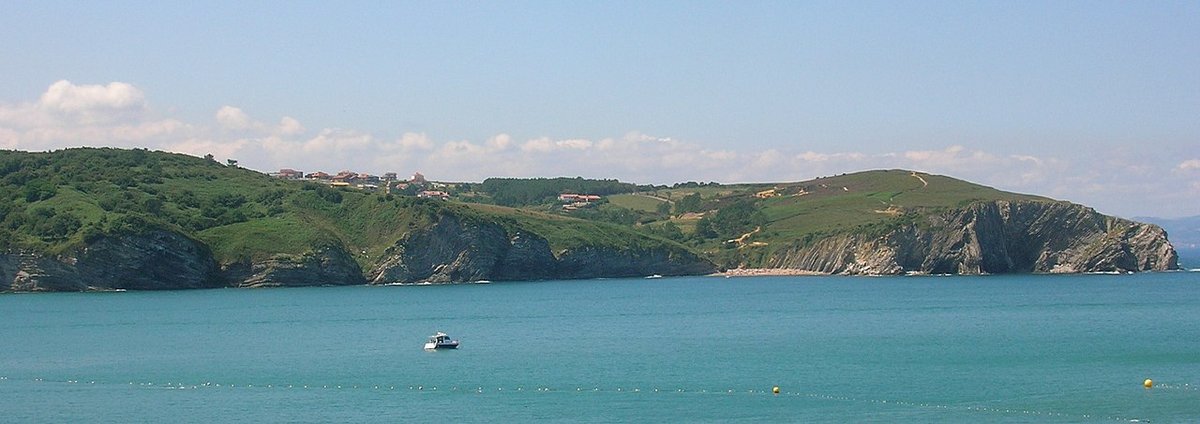
On clear days, gaining a bit of height can bring unexpected views. The Cantabrian Sea sometimes appears faintly in the distance, while inland you can make out parts of Mungia. These are not formal viewpoints or marked spots. The views arrive without warning, just by turning a corner or reaching a higher stretch of path.
The experience here is quiet and unstructured. There are no signposts telling you where to stop or what to look at. Instead, the landscape unfolds gradually as you move through it.
Local life and celebrations
The main festivities in Laukiz take place around San Pedro, towards the end of June. These celebrations usually include rural sports such as aizkora, which involves wood chopping, and stone lifting. These activities are part of Basque sporting tradition and often take place in small communities across the region. Music and events organised by local residents are also part of the programme.
During the summer, smaller celebrations appear in different neighbourhoods. These are not events designed to attract large crowds. The atmosphere stays local, shaped by groups of friends, families and neighbours who have known each other for years. Visitors may come across them by chance, but they remain rooted in everyday community life rather than tourism.
This aspect of Laukiz reflects its overall character. The rhythm of the place is set by those who live there, not by a flow of visitors.
How Laukiz fits into a wider route
Laukiz makes more sense when it forms part of a broader journey through Uribe Kosta or the nearby area of Mungia. It is not a destination built around a full day of sightseeing. Instead, it works well as a pause along the way, a chance to step out of the car, walk along a rural road and get a feel for this inland part of the region, away from the beaches.
If time is limited, heading towards the area around the church of San Pedro is a simple way to begin. From there, one of the secondary roads can lead you into the surrounding countryside without much planning. Even a short visit can reveal open meadows, traditional farmhouses and the occasional view across nearby valleys.
The appeal lies in its simplicity. There are no must-see landmarks competing for attention. The interest comes from the setting itself and how it contrasts with the more visited coastal areas.
A few practical notes
Access in Laukiz can be slightly confusing at first. Some routes that appear to be public roads turn out to be private entrances to caseríos. When travelling by car, it is best to leave it in a clearly open area and continue on foot rather than heading too far down uncertain tracks.
The terrain also deserves a bit of respect. On a map, the hills may look gentle, but in practice the ground rises and falls constantly. After a while, the steady slopes become noticeable. It is nothing extreme, though a relaxed pace makes the experience more enjoyable.
Weather changes quickly in this part of Bizkaia. Short bursts of rain can arrive without much warning, even on otherwise clear days. Carrying something waterproof in a bag is a simple precaution that can save an uncomfortable walk back.
Laukiz does not try to stand out or compete with larger destinations nearby. Its character comes from how it blends everyday rural life with an open landscape. For those already travelling through the area, it offers a quiet stretch of road, a handful of paths and a different view of Bizkaia’s interior.