Full Article
about Lemoiz (Lemóniz)
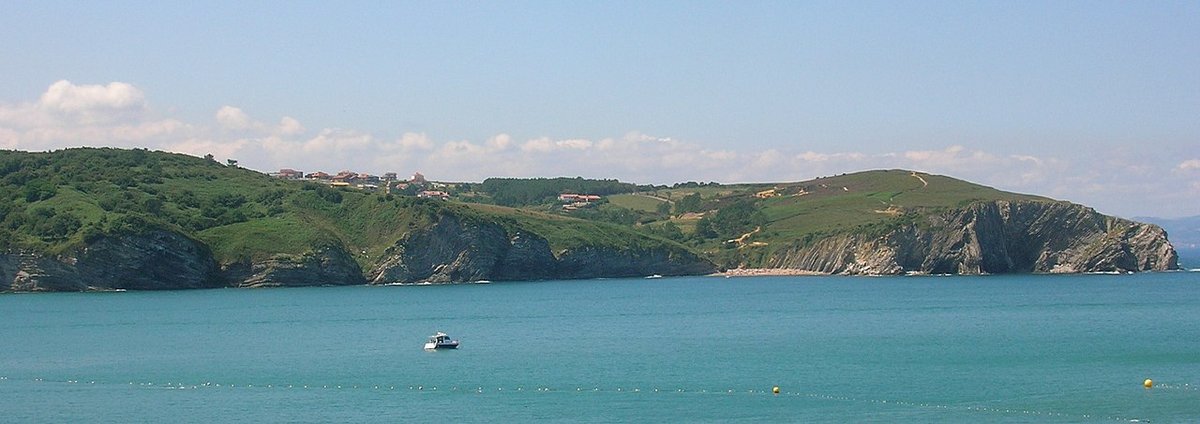
Cantabrian Sea, cliffs and seafaring flavor in the heart of the Basque Country.
Hide article Read full article
Lemoiz is that empty stretch of road you didn't plan to stop at
You know when you're driving the coast and the towns finally thin out? You get a straight bit of road, a few farmhouses, and just the sound of your own engine. That's Lemoiz. It’s not a town you visit; it’s a piece of coastline you pass through. There’s no main square waiting for you. The centre here is basically the edge where the fields meet the cliff.
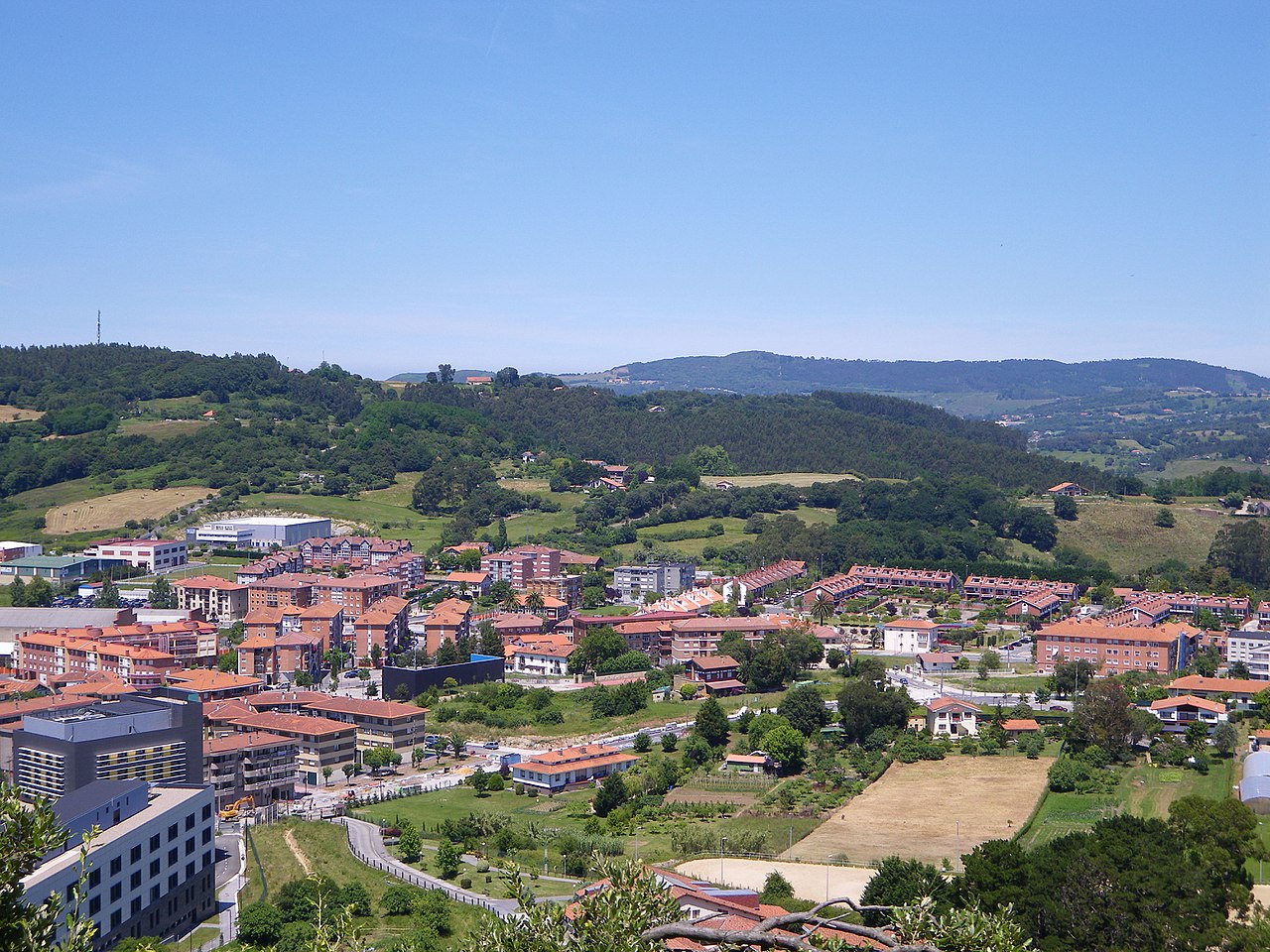
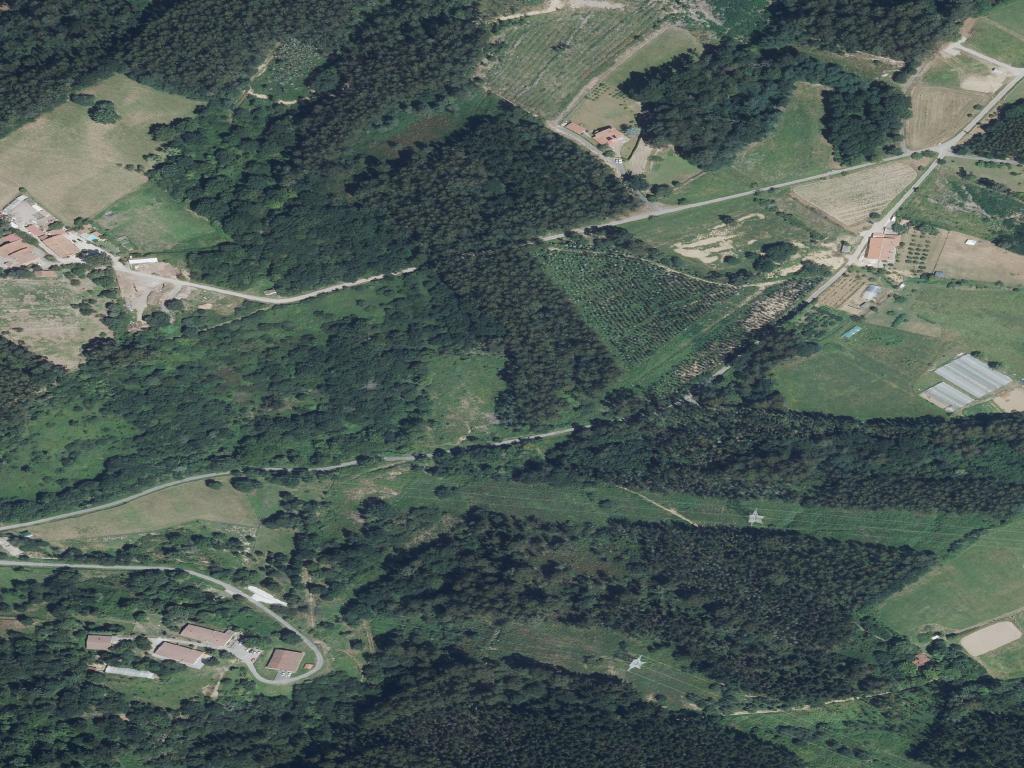
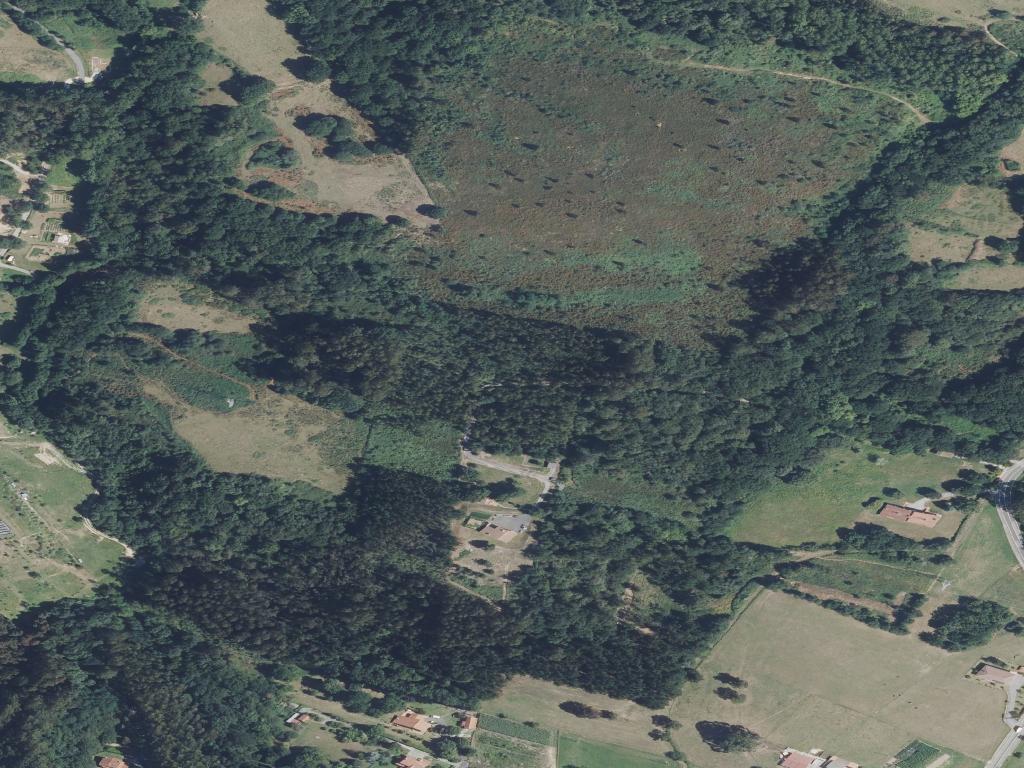
With just over a thousand people spread across a handful of neighbourhoods, it feels more like a collection of farms that happen to share a postcode. The houses are scattered, with plenty of green between them. If you’re looking for an ice cream shop on every corner, you’ve taken a wrong turn. This place runs on a different clock.
Armintza is where everyone actually goes
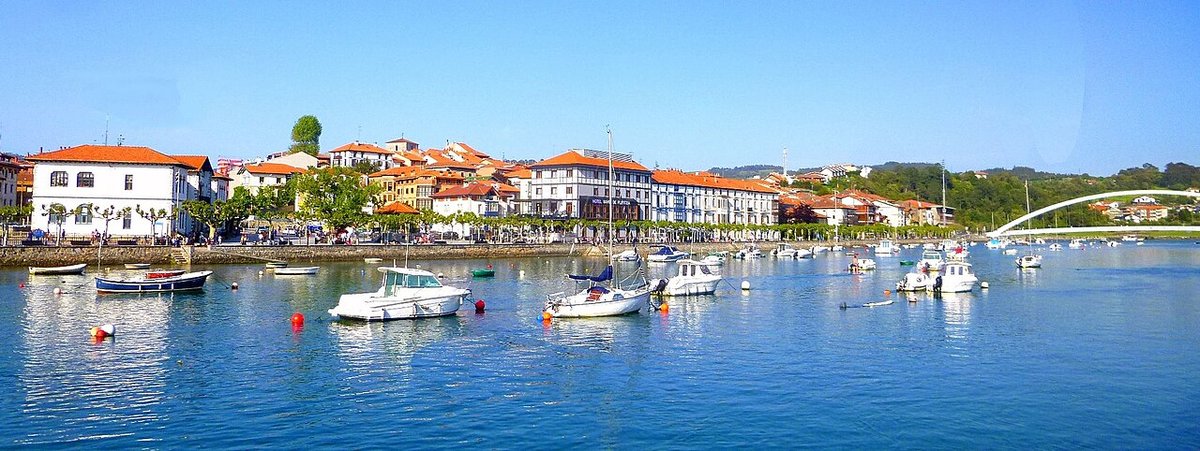
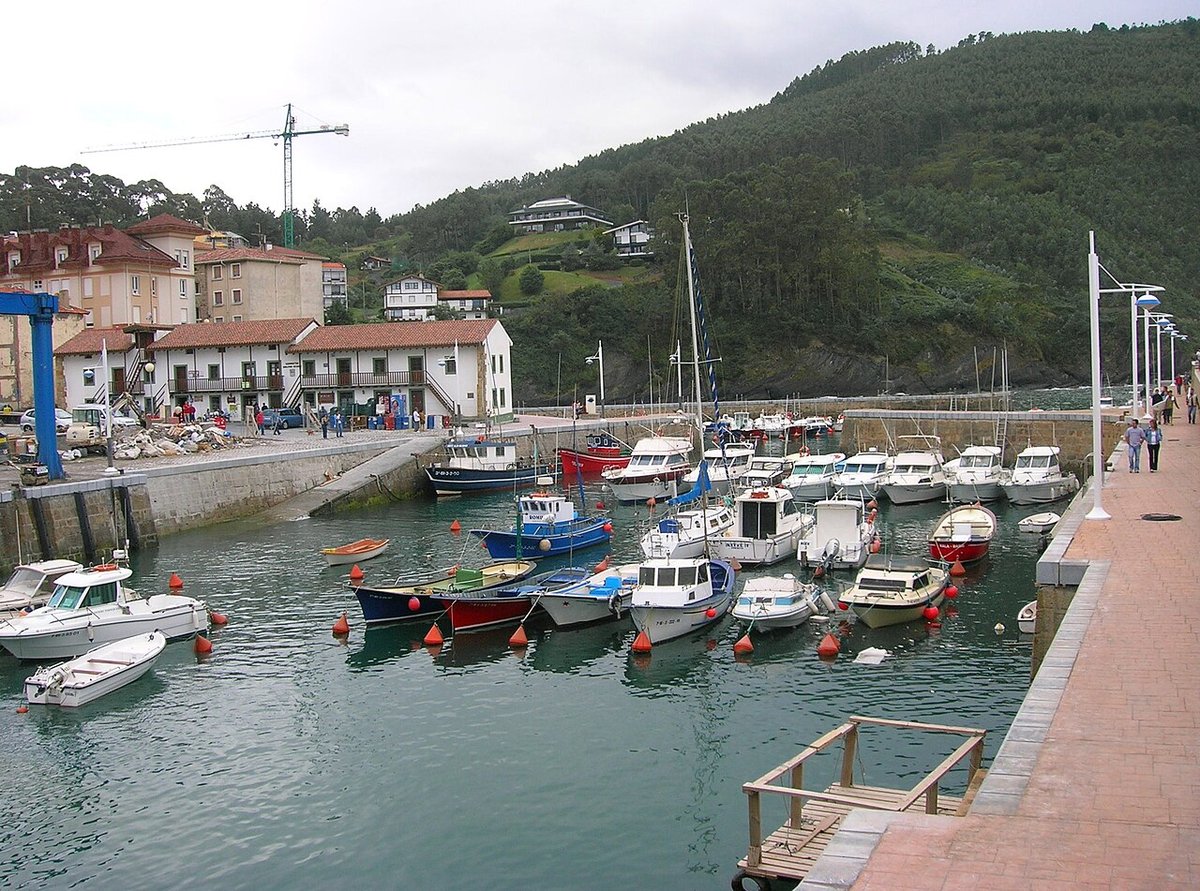
The action, if you can call it that, is down at the port. Armintza is Lemoiz's practical side: a small harbour with working boats, stacks of crab pots, and maybe a couple of people fixing nets. It’s functional. From here, you see what this coast is about dark rock cliffs and water that looks calm until it very suddenly doesn’t.
A short walk along the quay gives you the whole picture. On a still day, it’s peaceful. When the wind comes in from the northwest, you understand why the buildings look so sturdy.
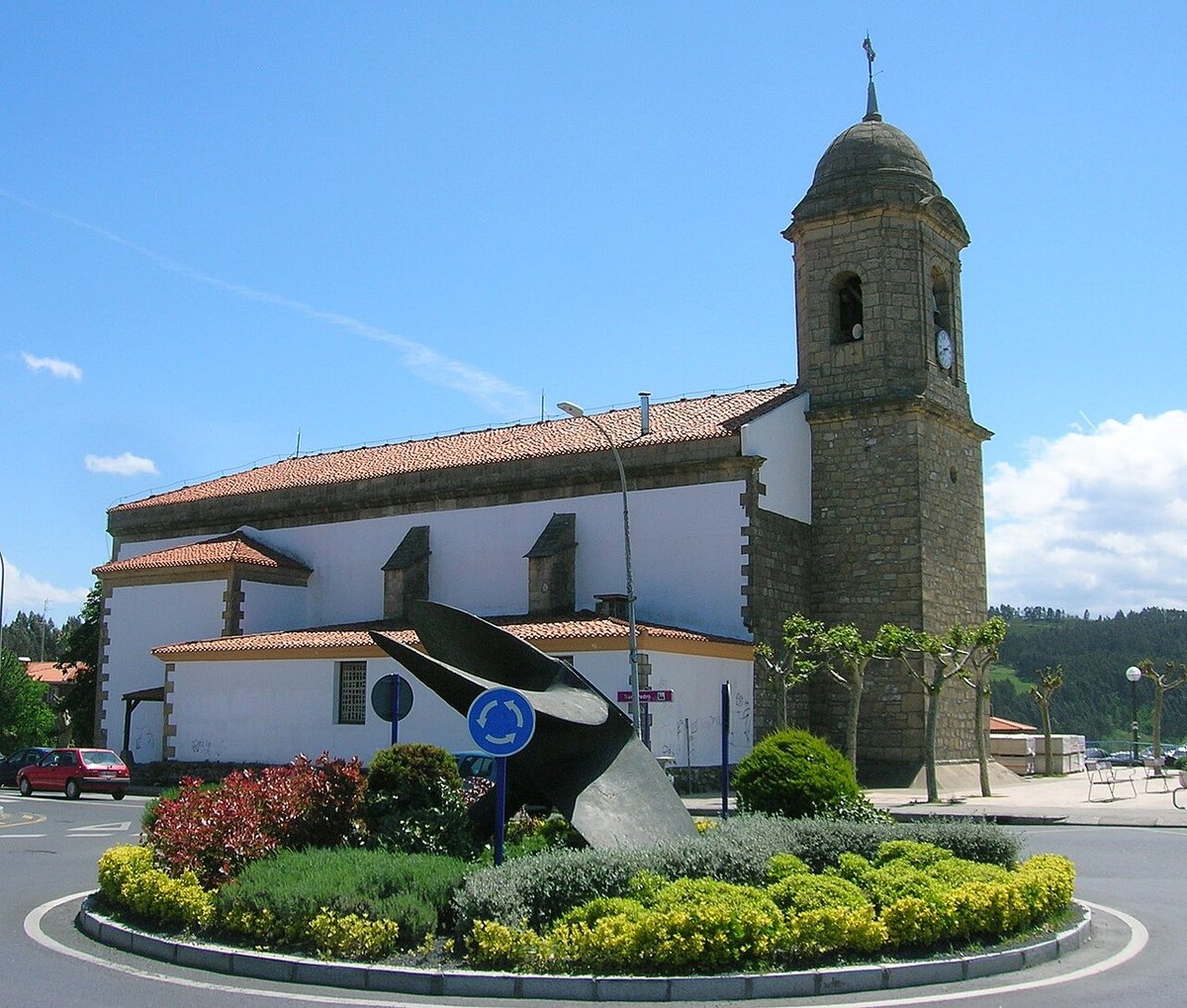
Inland from the water, you’ll find the church of San Juan Bautista. It’s plain stone, typical for around here. It won’t blow your mind, but it makes sense of the layout. Everything is spaced out: a church here, a cluster of houses there, connected by lanes that are better suited to tractors than tourists.
You can't miss the power plant
Then there's the other landmark. The unfinished nuclear plant on the coast isn't hidden. You'll see its grey shape from several points along the shoreline. It's fenced off and not open for visits, but it's part of the view now.
Some people find it an eyesore. Others just see it as another layer on top of the rocks and grass, a piece of recent history that didn't go as planned. Either way, it's there. Walking some of the coastal paths means having it in your periphery, a reminder that this quiet corner had much bigger plans once.
Adjust your expectations before you arrive
Let's be clear: Lemoiz isn't an all-day sightseeing kind of place. You don't come to wander charming streets because there aren't any in that classic sense. You come for a specific vibe: raw coastline and quiet.
The move is to park in Armintza, stretch your legs by the water, and then pick one of the coastal footpaths heading out from the port. Within ten minutes you can leave the handful of buildings behind and have just cliffs and sea for company.
Just watch your step. The paths are uneven, slopes appear out of nowhere, and those rocks near the water are almost always slick. This isn't a curated nature walk; it's proper countryside where you need to pay attention.
How to do it right
Keep it simple. Drive down to Armintza. Look at the boats. Walk a little way along the cliff path. Then get back in your car and take one of the small roads inland just to see how quickly it turns into deep-green farmland. That's pretty much it. The point is to pause for an hour or two, not to run through a checklist.
It works best on one of those sharp, clear days when the green of the hills punches against the blue-grey sea. After heavy rain, give those coastal paths a miss unless you fancy testing your hiking boots on mud and wet stone. It sounds like common sense, but you'd be surprised how many people slip here.
Fitting it into a bigger trip
From Bilbao, it's under an hour by car. You head towards Plentzia and Gorliz before dropping down towards Armintza on local roads. They're winding but quiet. There is public transport from Bilbao too buses run out this way but they're not frequent. Check times unless you want a long wait for the ride back.
Lemoiz makes sense as part of Uribe Kosta. It's that breather between busier coastal towns. It won't entertain you with attractions. What it does give you is space and a coastline that hasn't been polished up for visitors. You get rock, wind, water and very little else