Full Article
about Meñaka (Meñaca)
Valleys and hamlets a stone’s throw from Bilbao, buzzing with local life.
Hide article Read full article
At eleven in the morning, the light on the dirt track is the colour of old honey, filtered through holm oaks and chestnut trees. Gravel crunches softly underfoot, and the air smells of damp earth and cut grass from a nearby meadow. In Meñaka, the day’s agenda is written by the sun and the season; it’s a place for walking without a destination, for noticing how the green of a field deepens after rain.
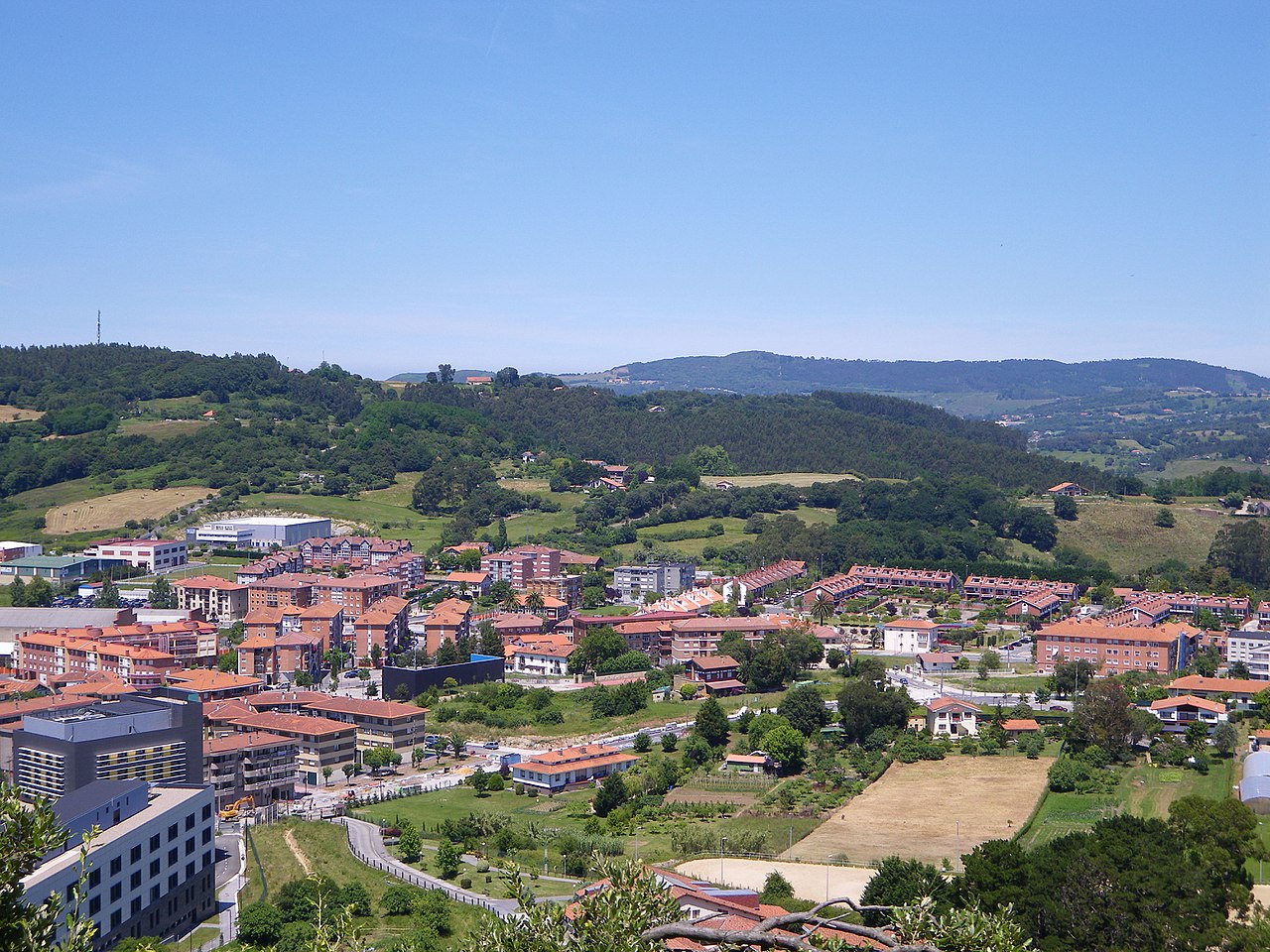
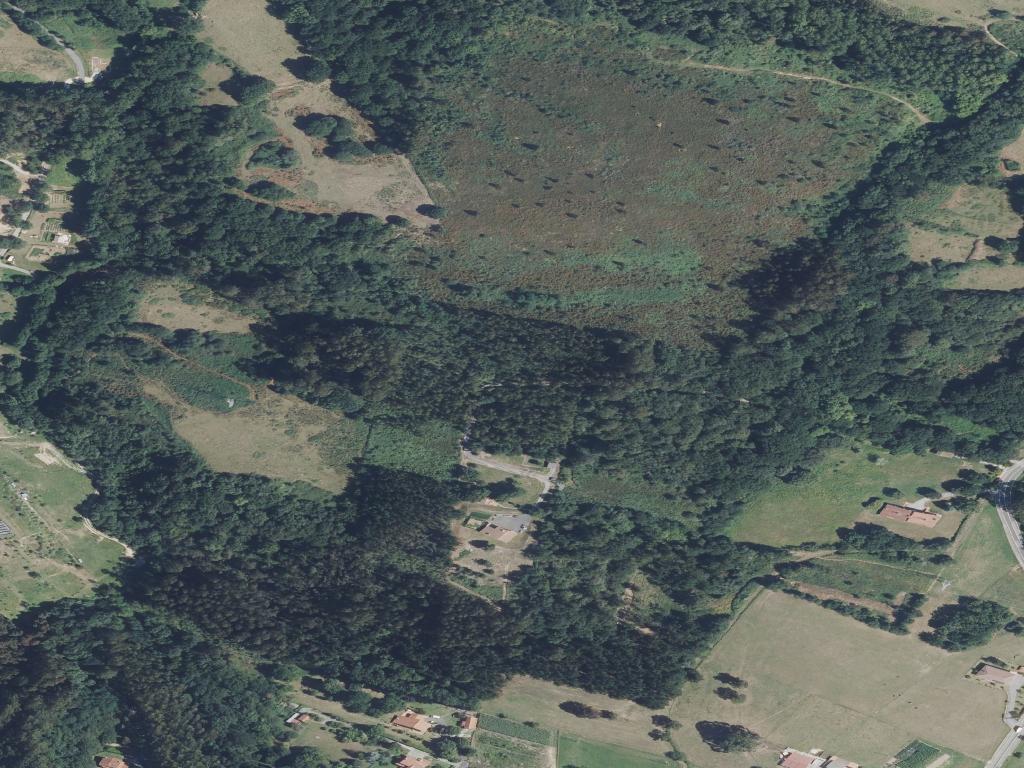
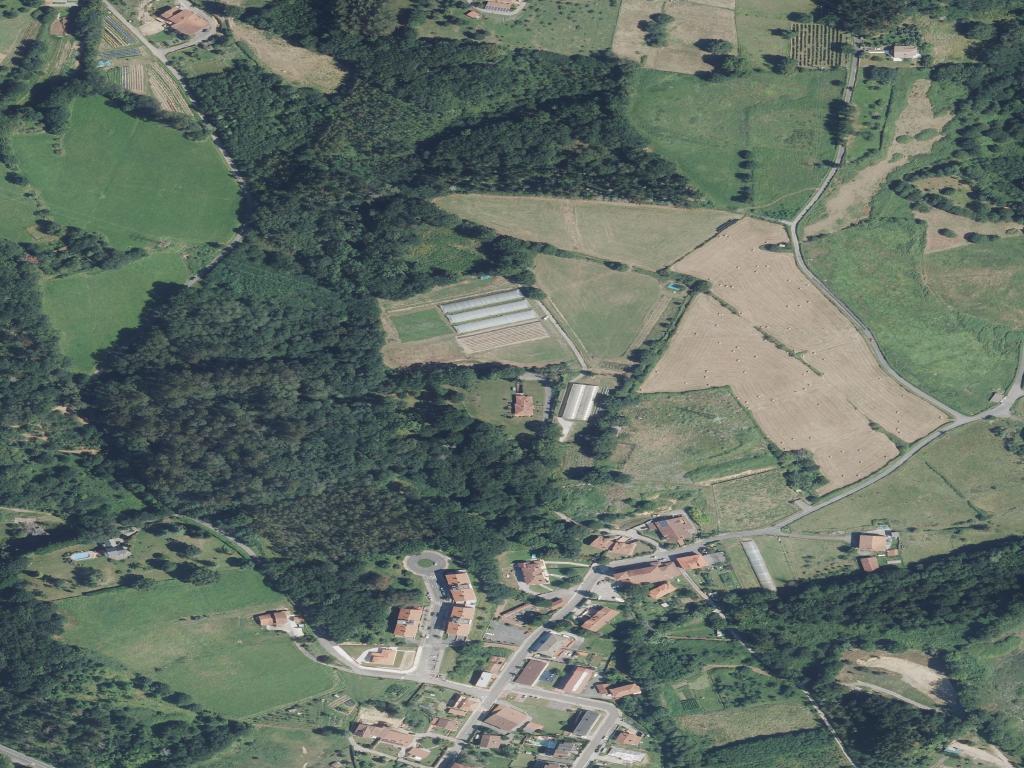
This municipality sits inland in Bizkaia, part of Uribe Kosta. It’s roughly forty minutes by car from Bilbao, but the motorway hum fades quickly. The landscape opens into soft, rolling hills stitched together with stone walls and dotted with white caseríos. Life here is parceled out between these scattered farmhouses and their land.
A church, a square, and the lanes that leave them
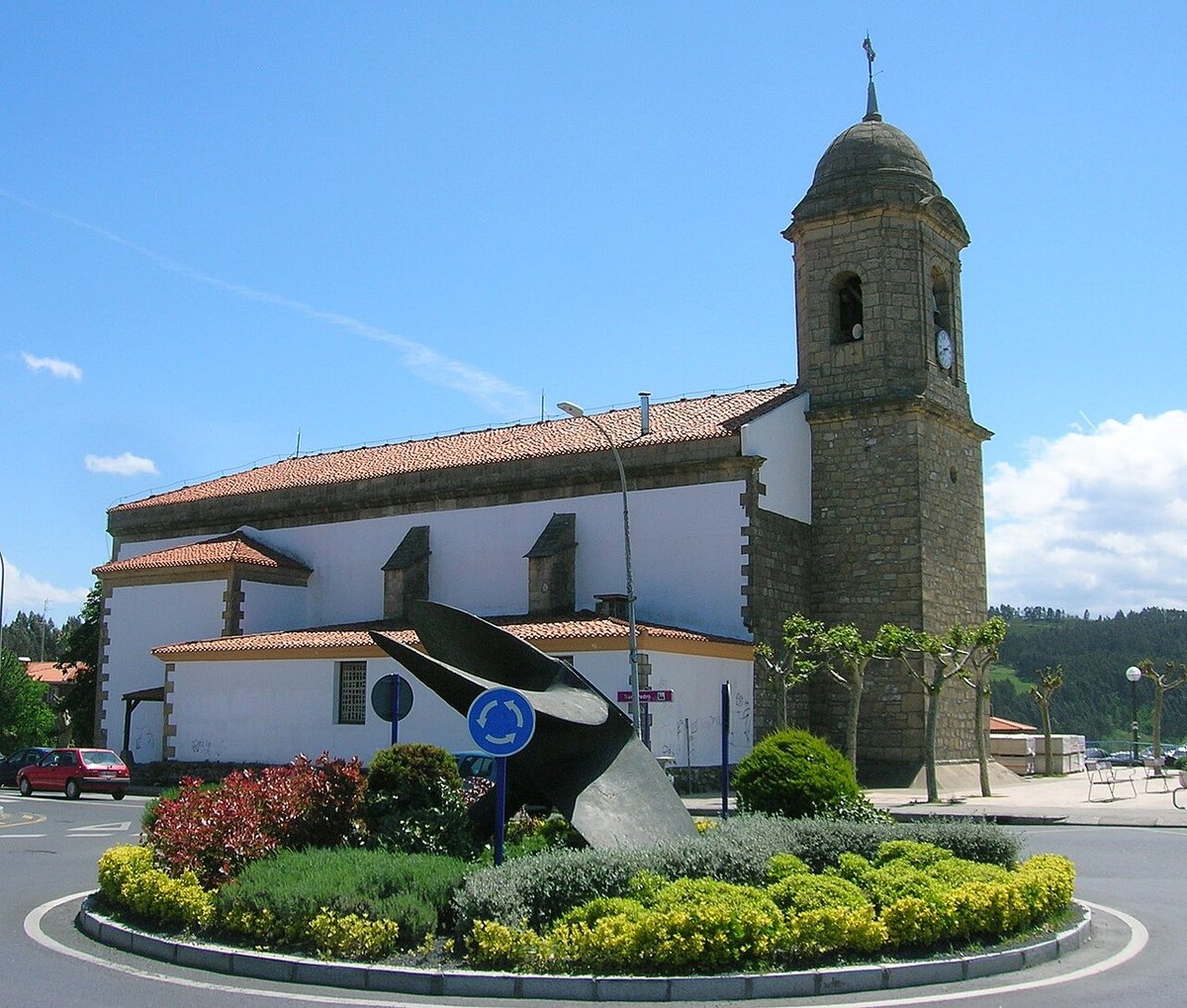
The closest thing to a centre is a simple square dominated by the stone bulk of San Pelayo church. Built in the 16th century, it’s a pragmatic structure—thick walls, a sober bell tower. Cars are usually parked haphazardly in the open space out front, where neighbours stop to talk.
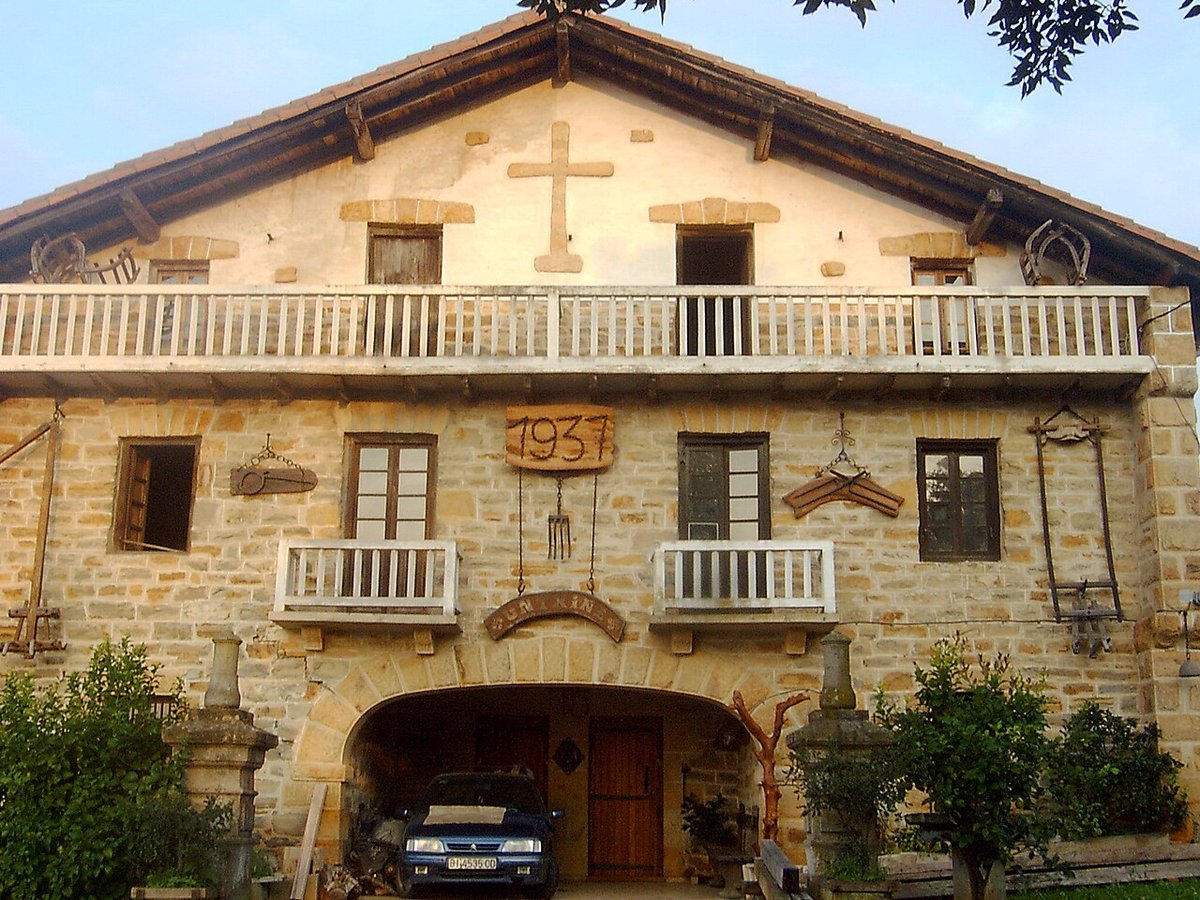
From here, narrow lanes ribbon out into the countryside, connecting the dispersed neighbourhoods. Meñaka has no dense old quarter. Houses appear one by one, separated by meadows, kitchen gardens, and stands of oak. Some are classic Basque caseríos, their white facades and dark timber beams stark against the perennial green.
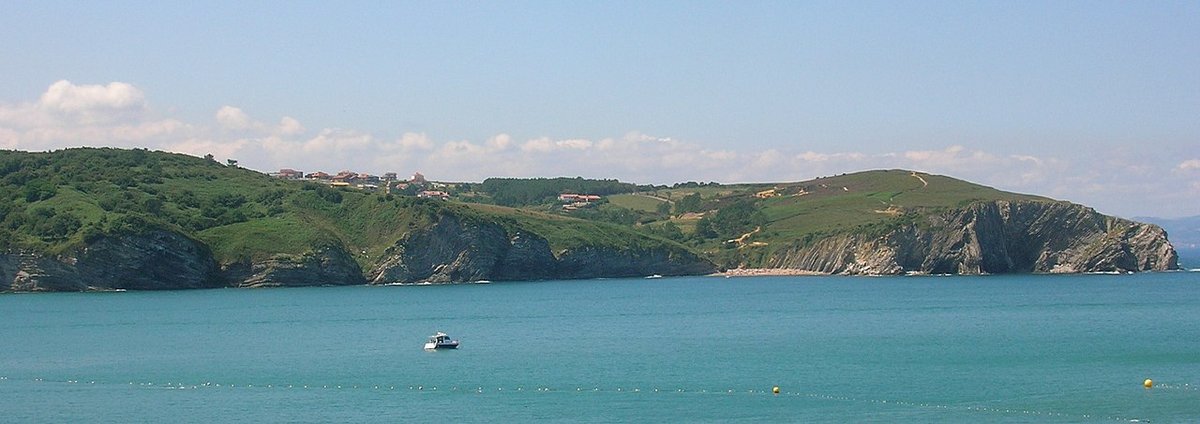
On clear days, if you follow one of these lanes uphill, you might catch a thin blue line on the western horizon—the Cantabrian Sea, a silent presence.
The working paths
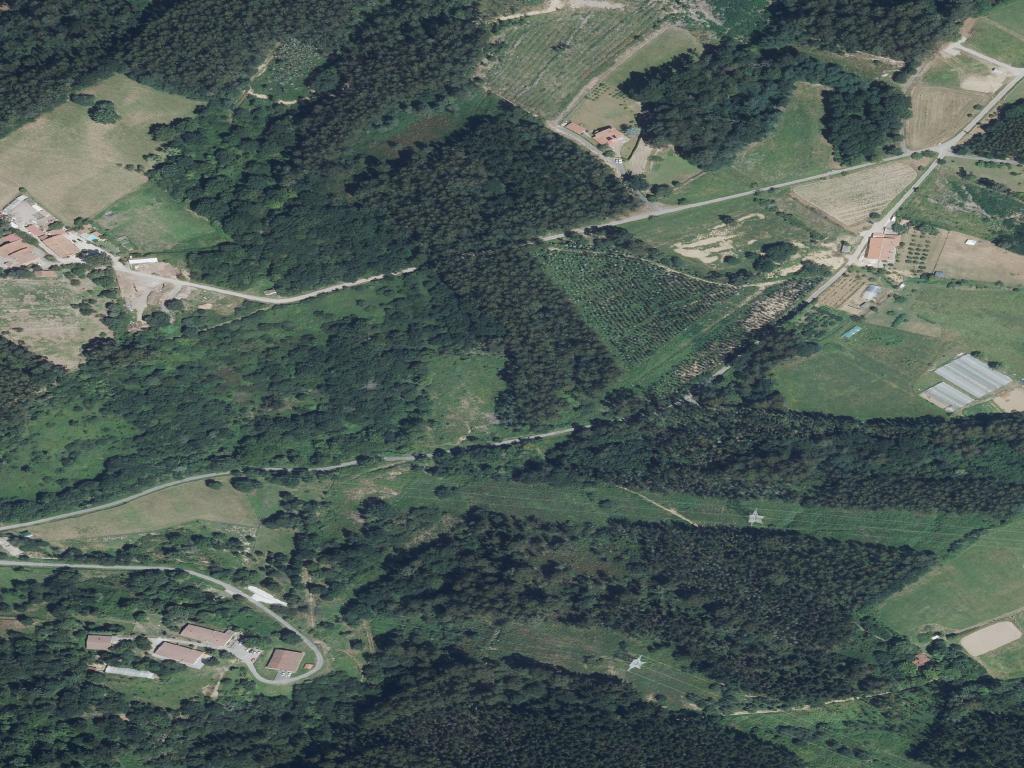
The real texture of Meñaka is found on its network of agricultural tracks. These aren’t signposted hiking trails but functional routes connecting farmsteads, vegetable plots, and barns. Walking them means crossing damp pastures, skirting mud in winter, and smelling the sweet rot of fallen apples in autumn.
You’ll pass meticulously kept kitchen gardens beside the houses: rows of beans, tomatoes staked tall, the broad leaves of squash. This is a working landscape. Many paths cross private land or tractor routes; it’s customary to step aside if needed and to always close a gate behind you.
Wear shoes that can handle constant slopes and ground that shifts from asphalt to gravel to slick clay without notice.
The rhythm of a feast day
The quiet pulse quickens only during the San Pelayo festivities in late June. For a few days, trestle tables appear in the square with local honey, pressed cheeses, and bread with flour-dusted crusts.
You might see rural sports—harri jasotzea (stone lifting) or tug-of-war—where strength is measured in quiet concentration rather than spectacle. The music that sometimes follows has roots here; it feels participatory, not performed. Then it ends, and the folding chairs are put away.
Outside these days, silence returns. There is no sustained buzz of visitors.
Practicalities: tyres and feet
The roads are narrow, winding, and prone to sudden blind curves. Drive slowly. You’ll often meet a tractor on an incline or a cyclist hugging the stone wall.
There’s usually space to leave a car near the church square, but be mindful not to block any farm gate or track entrance. Once parked, exploration is solely on foot.
While there is a public bus from Bilbao, its schedule is sparse. Checking times beforehand is essential; most people come by car.
A walk without landmarks
Don’t come looking for monuments or a checklist. Meñaka reveals itself in increments: the way a stone wall corners, the sound of a chainsaw from a distant woodlot, the cool air that gathers in a sunken lane.
It helps to adjust your pace and your expectations. This is a rural municipality of fewer than eight hundred people. For long stretches of the day, nothing seems to happen at all—the life is behind the doors of the caseríos, or out in the fields beyond view.
One suggested route
Start at the church square. Take the lane that heads east toward Andra Mari. Within five minutes, the last sounds of an engine fade. What remains is the rustle of leaves overhead, the call of a skylark ascending, your own footsteps. There’s no grand viewpoint waiting. The reward is simpler: seeing how the afternoon light lays long shadows across a hayfield, turning the grass to gold for an hour before it fades.