Full Article
about Mungia (Munguía)
Valleys and hamlets a stone’s throw from Bilbao, buzzing with local life.
Hide article Read full article
A quick way into Mungia
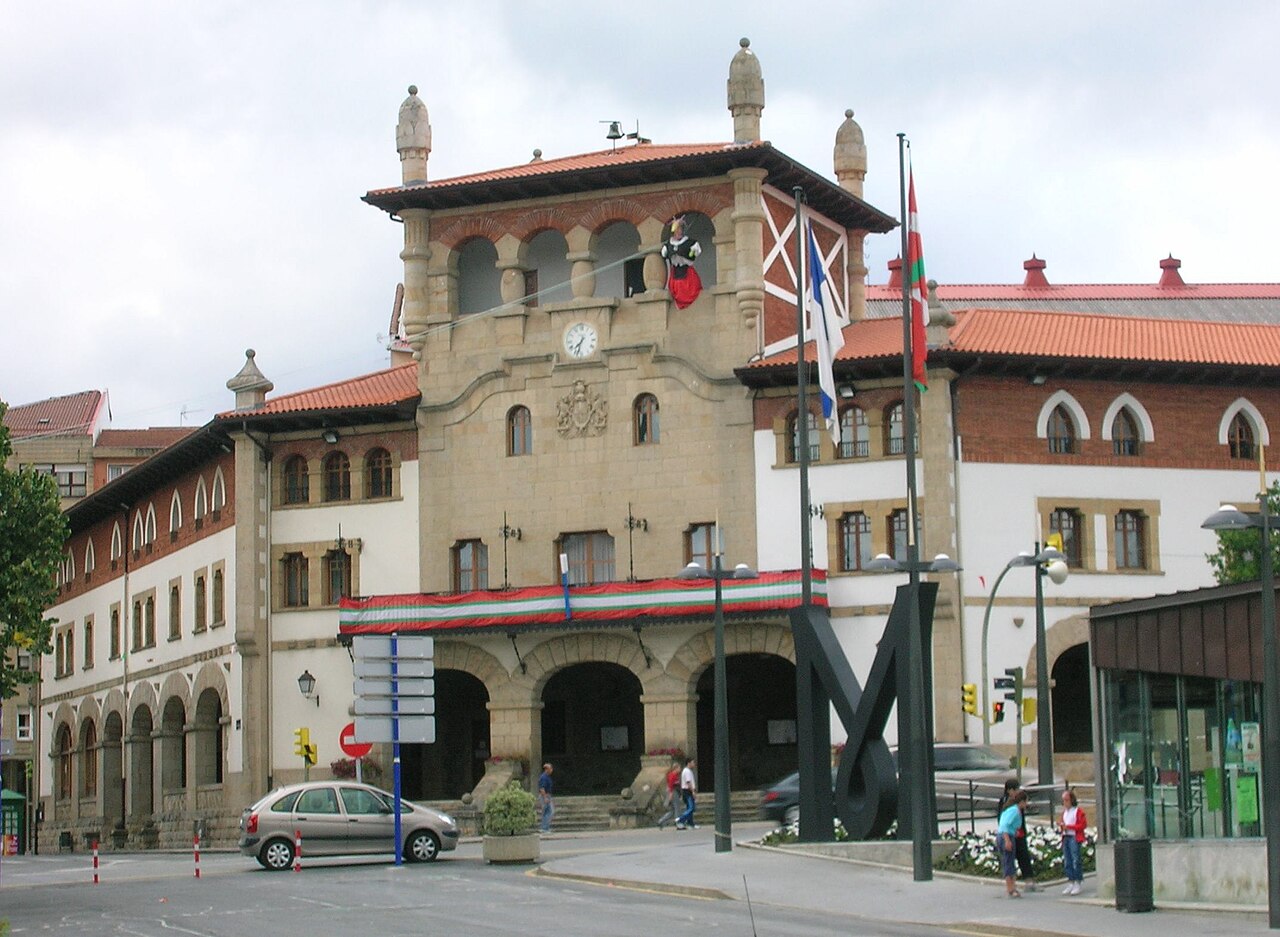
If you are heading to Mungia, keep things simple: park on the streets around the centre and walk in. The core is compact and easy to cover on foot. On Friday mornings, the main square carries a distinct smell of fresh fish. It is market day, and the stalls take over much of the centre.
There are rarely large numbers of visitors. Most people you see browsing and buying come from nearby villages or from Bilbao, rather than from further afield.
A town that still feels like a village
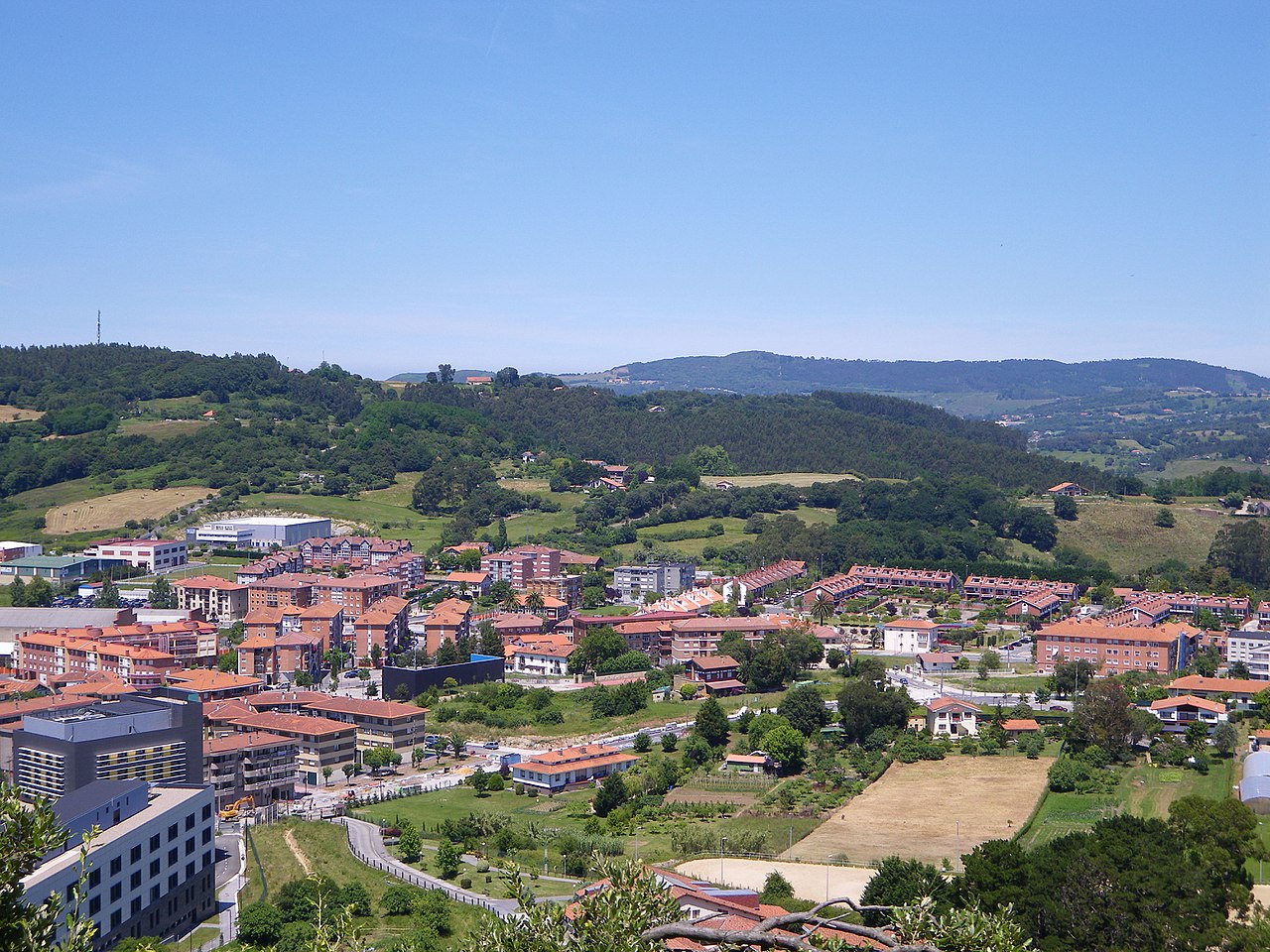
Mungia has around 18,000 inhabitants, yet it still behaves like a village. People greet each other in the street, many conversations happen in Euskera, the Basque language, and the frontón remains busier than some parks. The frontón is the court used for pelota, a traditional Basque sport that is still part of daily life.
The town was founded in the 14th century. Even so, the centre is not especially striking: one main street with a few smaller roads branching off. You can walk through it all in about ten minutes.
If you are coming without a car, there are frequent buses from Bilbao. The old railway that once connected Mungia to the estuary stopped running decades ago and never returned.
What remains from earlier times
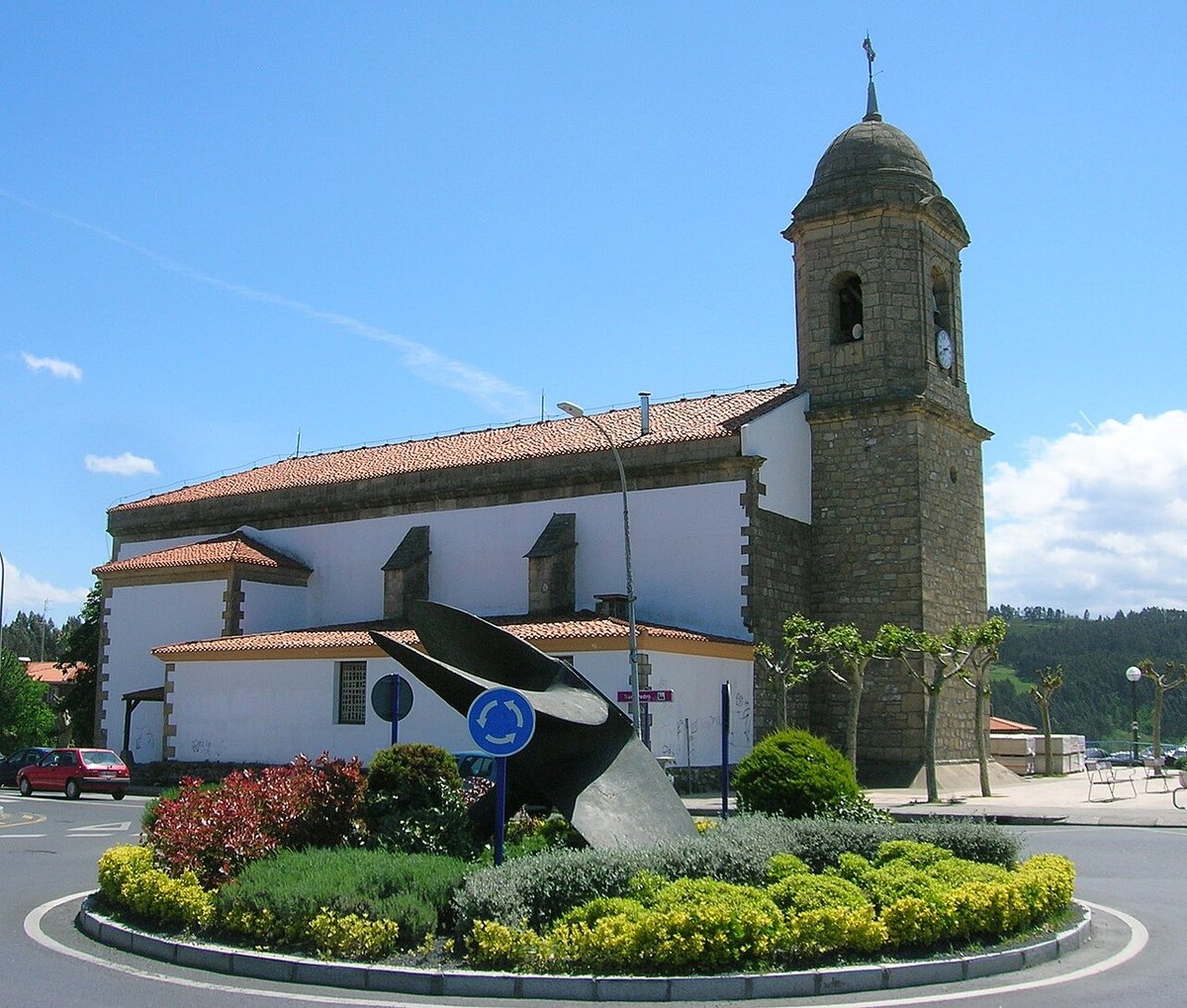
The church of San Pedro is relatively recent. The previous building was lost during the Spanish Civil War, and the reconstruction that replaced it is quite restrained in style.
For those interested in rural architecture, Landetxo Goikoa is worth a look. It is a very old caserío, a traditional Basque farmhouse, still standing but only just. It cannot be visited inside, though its structure can be clearly seen from outside.
A little further from the centre stands the tower of Torrebillela. It has been waiting for a full restoration for years. Part of the building remains intact, while another part is in a poor state of repair.
The hermitage of San Miguel de Zumetzaga is simple: stone walls, a single nave, and little else. It serves its purpose without trying to do more.
In the centre, you will also find the Fuente de la Concordia. It was installed in the 19th century to mark the end of long-standing disputes between the town and the former anteiglesia, a type of local rural community. For centuries, they argued over taxes and local authority.
Friday is the day that matters
Friday morning is when Mungia comes into its own. The market fills the square from early on, with producers arriving from across the comarca. You will find fruit, vegetables, cheese and cider, along with fish and seafood on certain days.
This is not a market designed with visitors in mind. Most people come, buy what they need, and leave. Still, if you stay a while, you begin to see how the town actually works.
Just behind the square is the frontón. By mid-morning there are always people watching or discussing a game. It is better to observe quietly. This is not a staged event or a performance, it is part of everyday routine.
Sit at one of the terraces around the square and you will hear plenty of Euskera being spoken. Here, it is used naturally in daily life.
Following the old railway
The former railway line between Lutxana and Mungia has been turned into a vía verde, a greenway for walking and cycling. From the town, you can follow it towards Maruri-Jatabe along a paved path that passes through agricultural land.
The route is around eight kilometres long. It is flat and easy to manage either on foot or by bike. Some sections have little shade, so in summer it is worth carrying water.
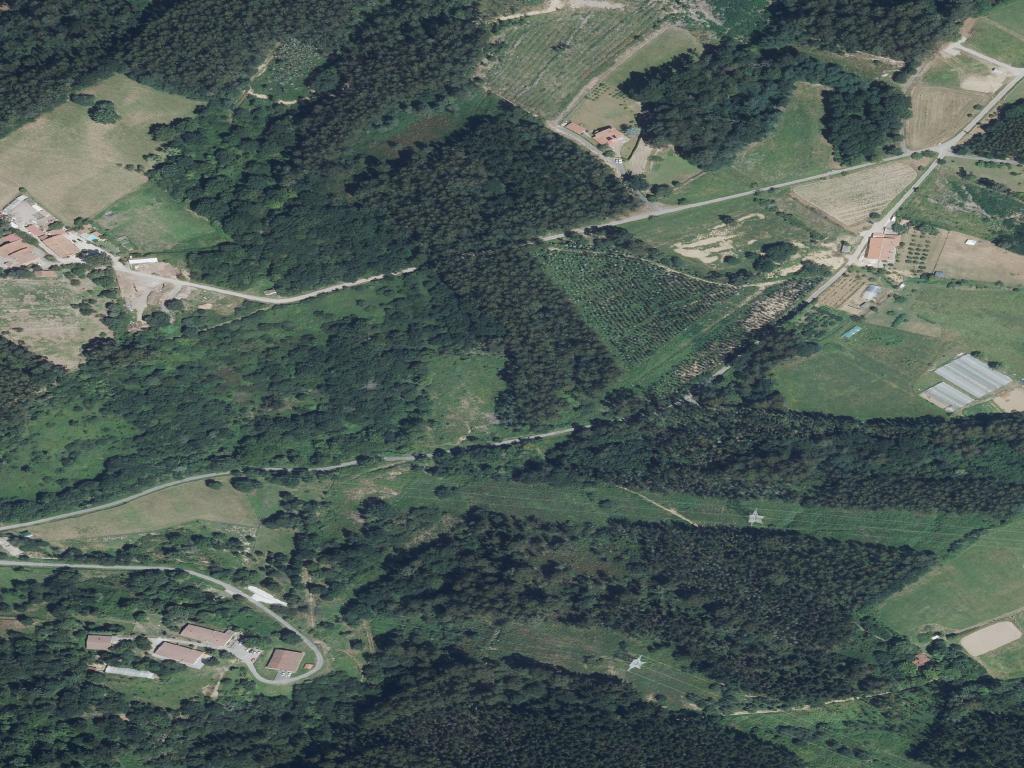
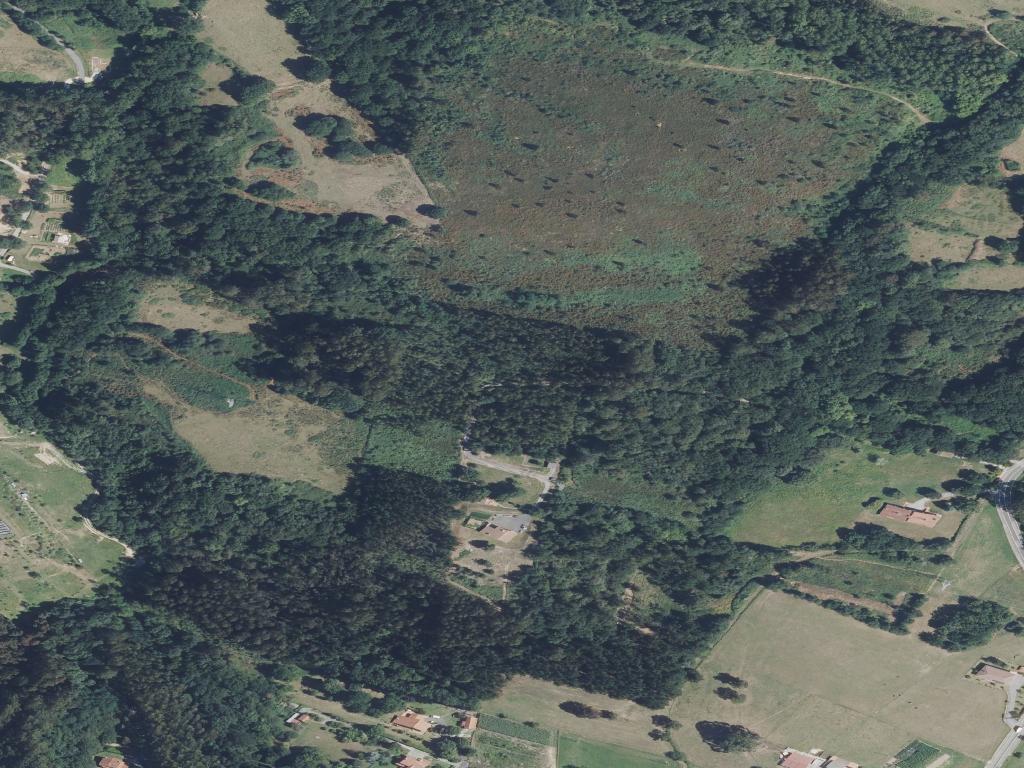
The landscape is typical of this part of Bizkaia: scattered caseríos, maize fields and green hills in the background. There are no major viewpoints or standout features. It is simply a calm way to move between towns.
A simple plan
If you want to see Mungia with some life in it, Friday morning is the moment. Walk through the market, wander the centre, and within an hour you will have a clear sense of the place.
On other days, the town is fairly ordinary. Local routines, passing cars, and little else. If you are heading towards the coast or inland to Uribe Kosta, it is an easy stop along the way. Otherwise, it is not a place that demands a dedicated trip.