Full Article
about Plentzia (Plencia)
Cantabrian Sea, cliffs, and seafaring flavor in the heart of the Basque Country.
Hide article Read full article
A small town by the estuary
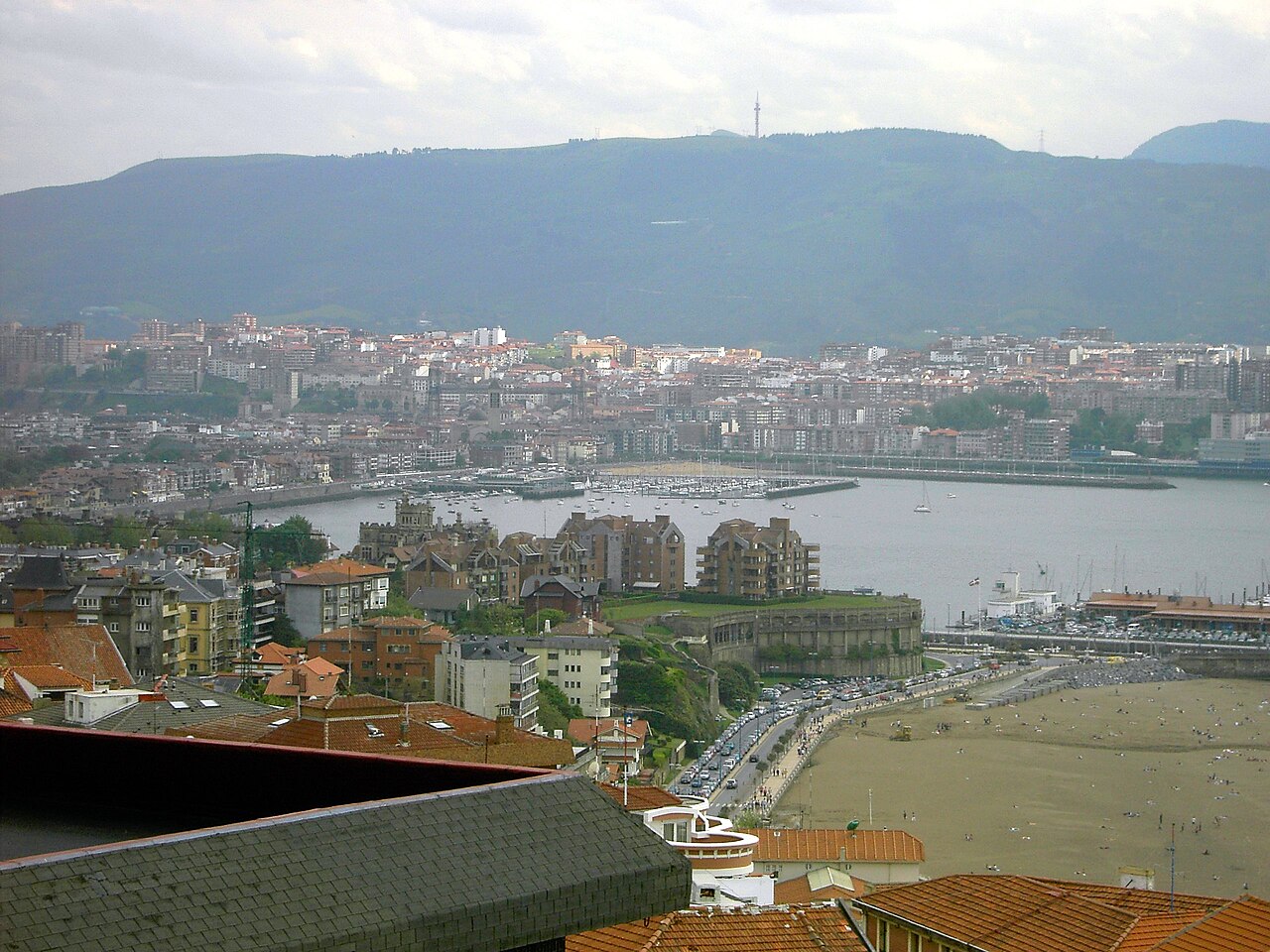
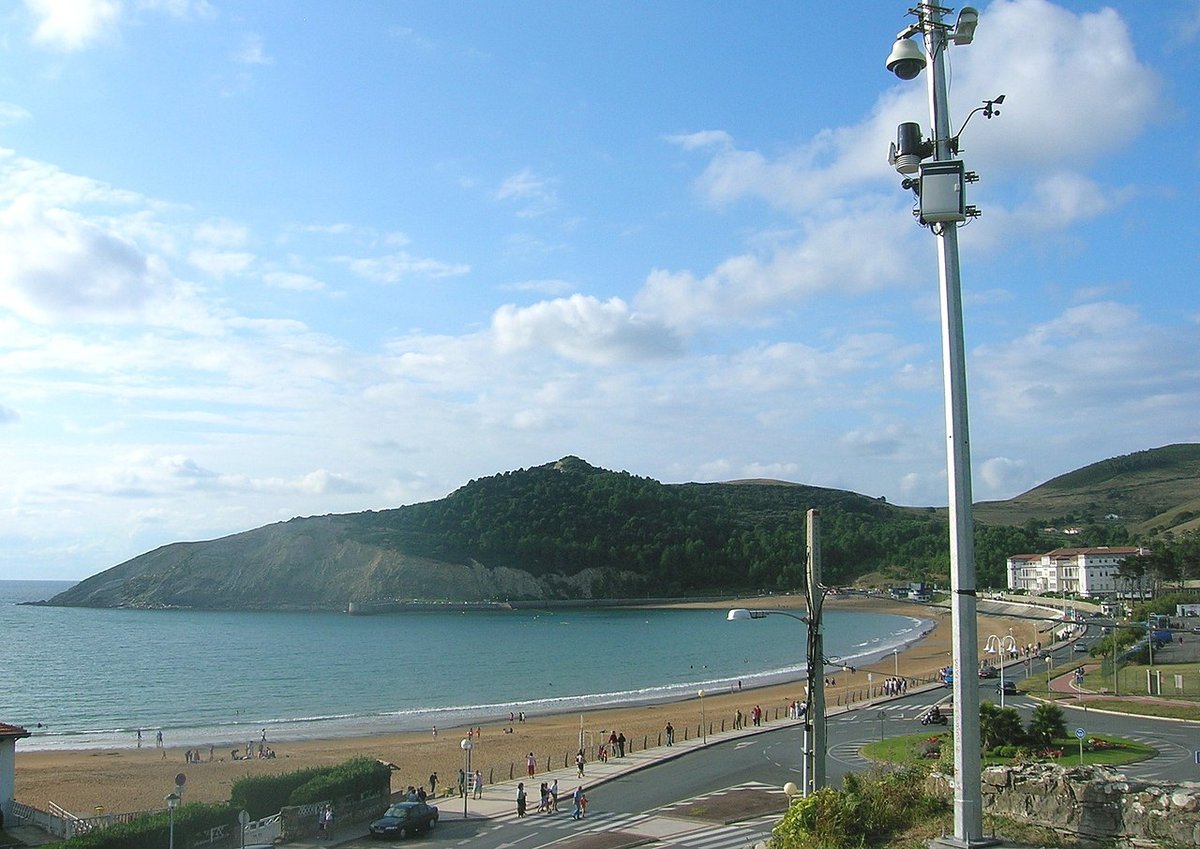
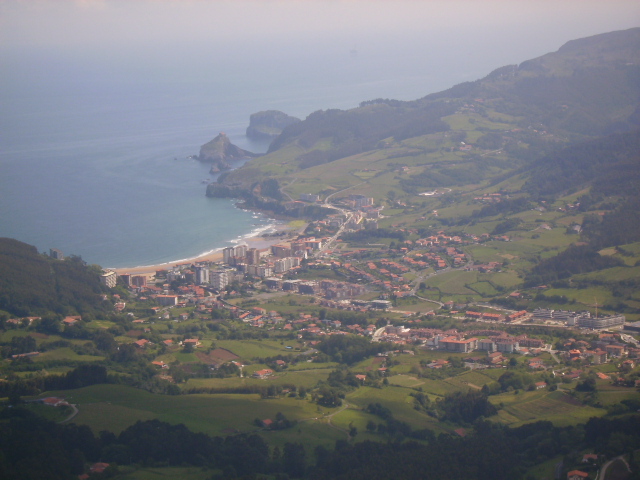
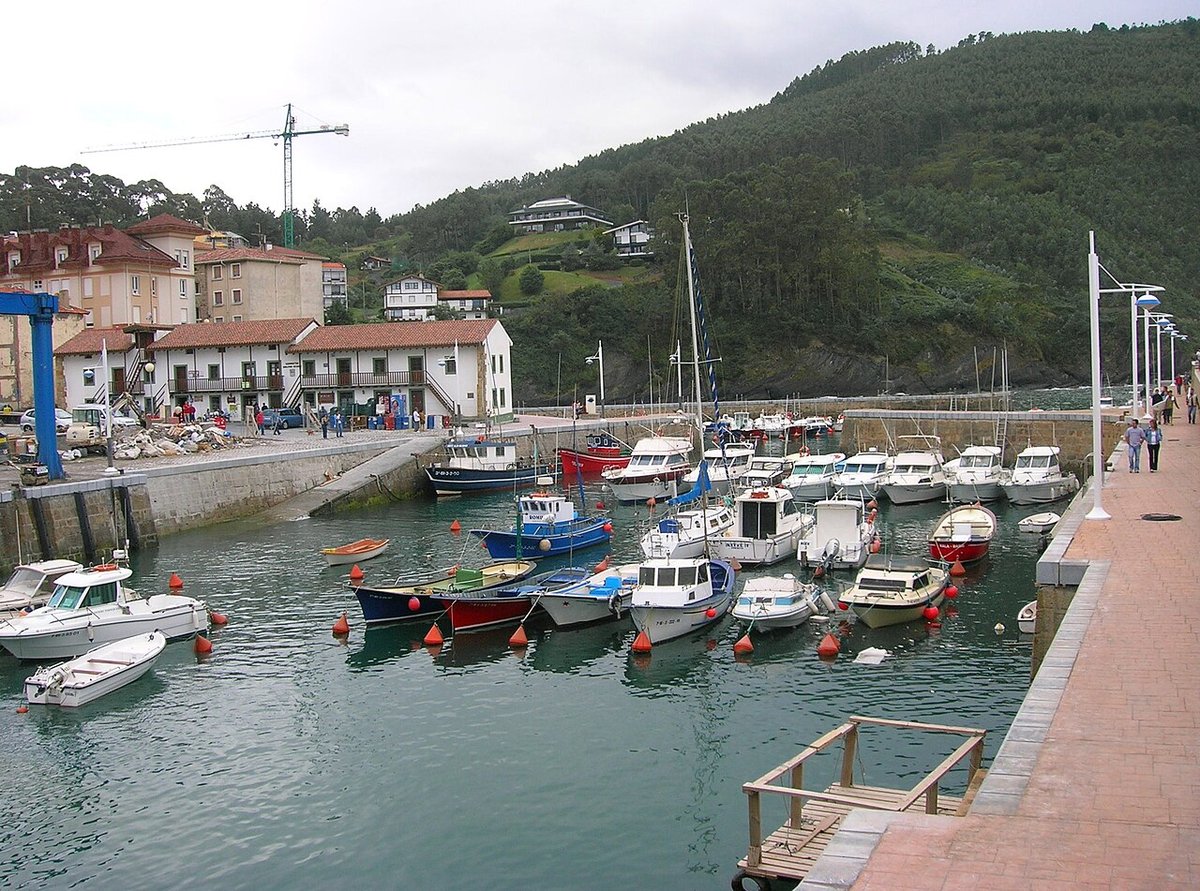
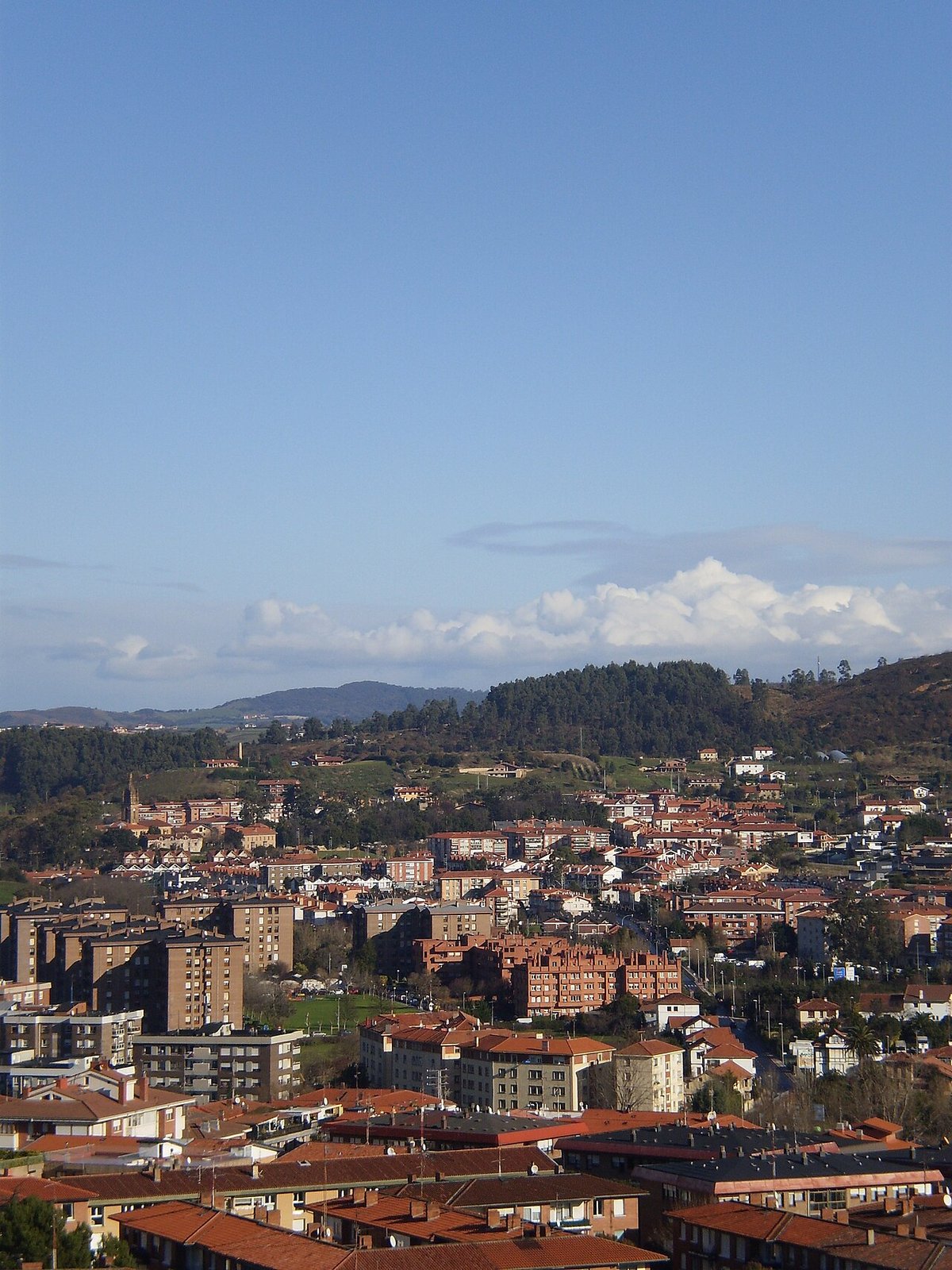
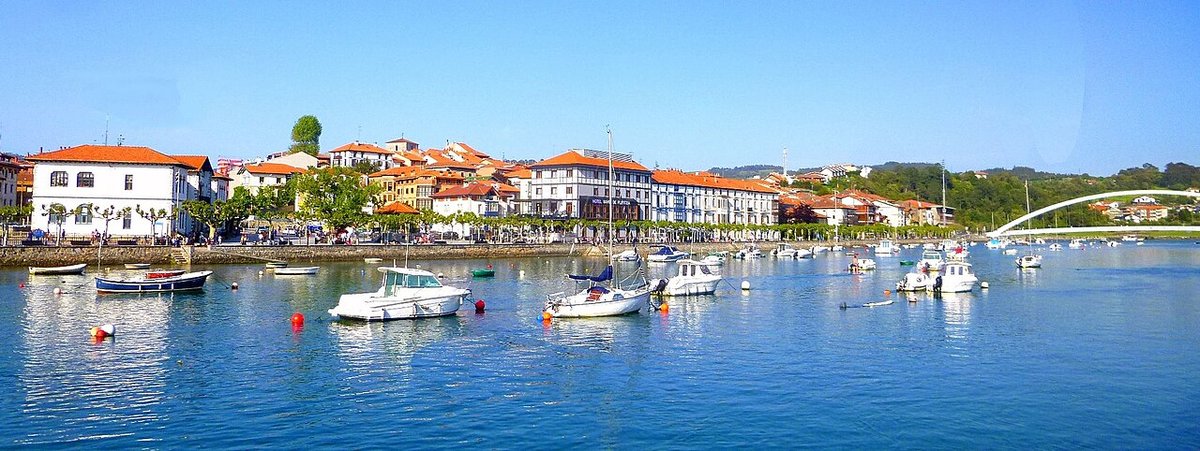
Tourism in Plentzia has a very specific feel in August. Traffic is the first thing that stands out. Even though the train station sits roughly 200 metres from the beach, cars are already circling from mid-morning. The town itself is compact: a handful of streets, the estuary running through the middle, and a marina taking up a good share of the space.
Plentzia dates back to 1299, founded under the fueros of Logroño, a medieval charter that granted certain rights and privileges. It developed as one more port along the Cantabrian coast and never expanded far beyond that role. The scale has stayed modest, which shapes the whole visit.
Sand, sea and cold water
The beach stretches for around half a kilometre, with fine sand that draws steady crowds in summer. Even during a heatwave, the water rarely climbs above eighteen degrees, so the Atlantic keeps things brisk. In July and August, towels tend to outnumber patches of sand. Anyone hoping for space either arrives early or heads towards Gorliz or Sopelana.
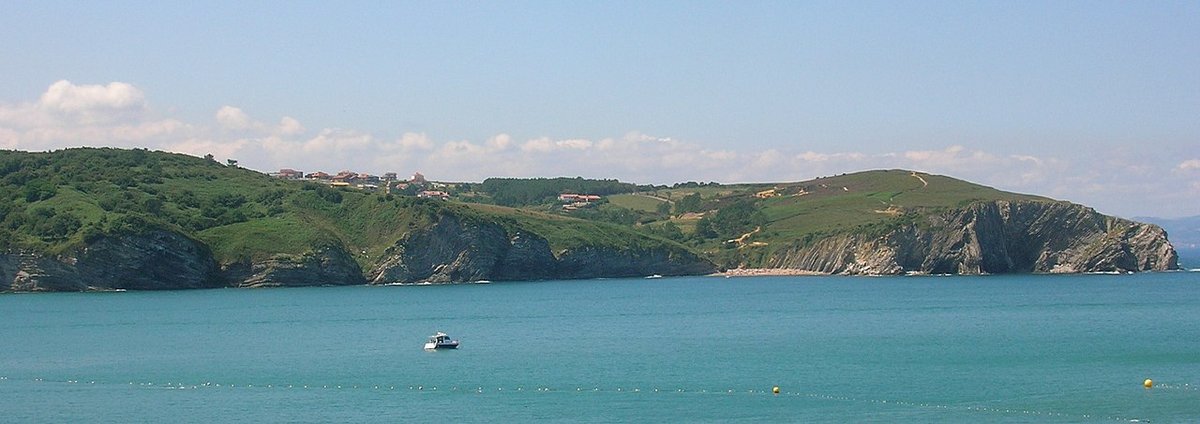
From the water, part of the coastal flysch is visible, those layered rock formations typical of this stretch of shoreline. Boat trips run on some days, though the coastline itself tends to be more appealing than the ride. The estuary meets the sea here, and the water often looks surprisingly clean given how close Plentzia is to Bilbao.
Parking and how to arrive
Parking quickly becomes the main practical issue. There is a free car park next to the station and another near the football pitch. Beyond that, options are limited. In summer, arriving after midday usually means driving in circles.
The old town is pedestrianised. Streets nearby have regulated parking, and enforcement is strict. For that reason, many people choose the metro from Bilbao. The station lies about a fifteen-minute walk from the beach and removes the hassle altogether.
A twenty-minute circuit
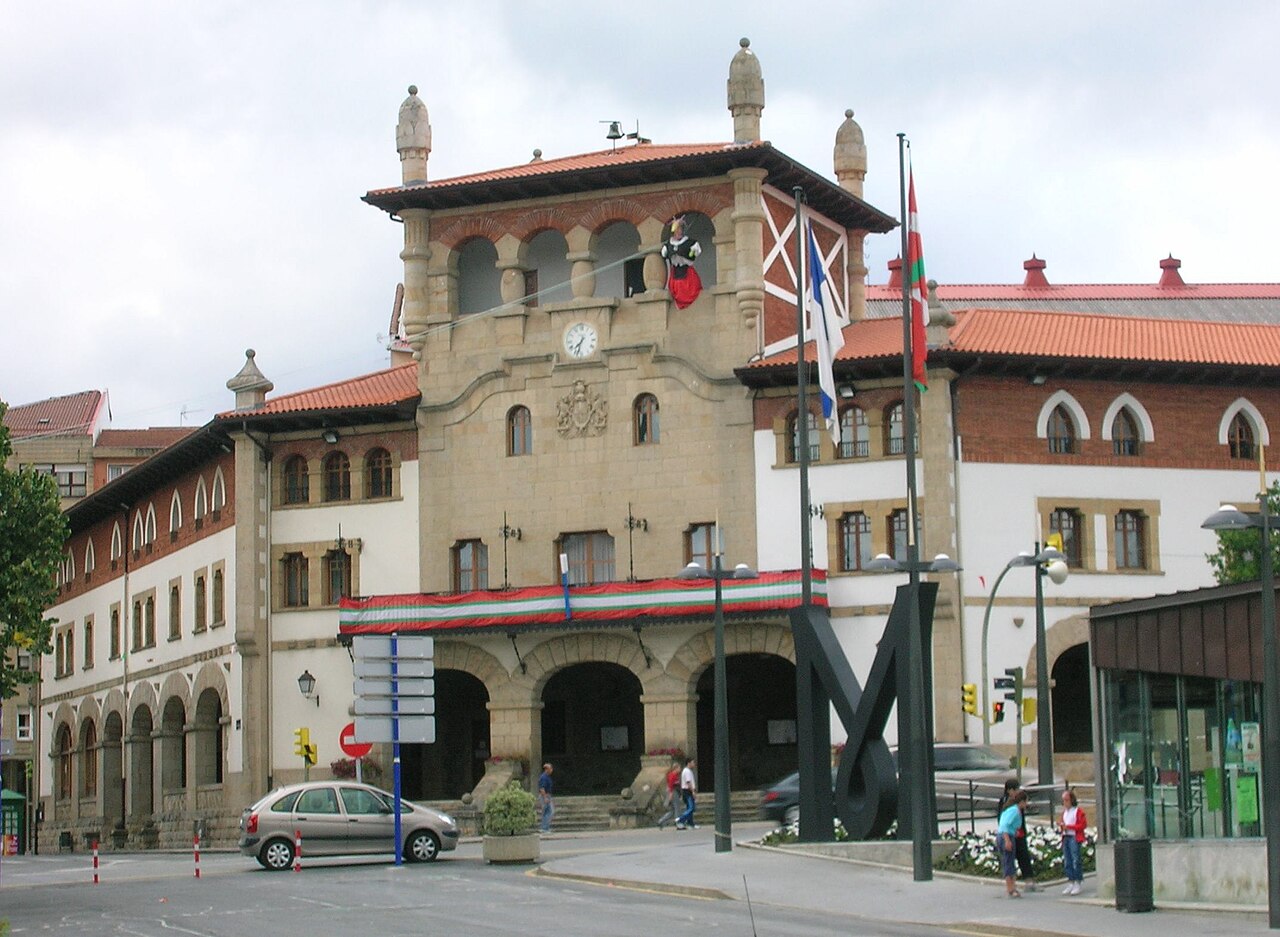
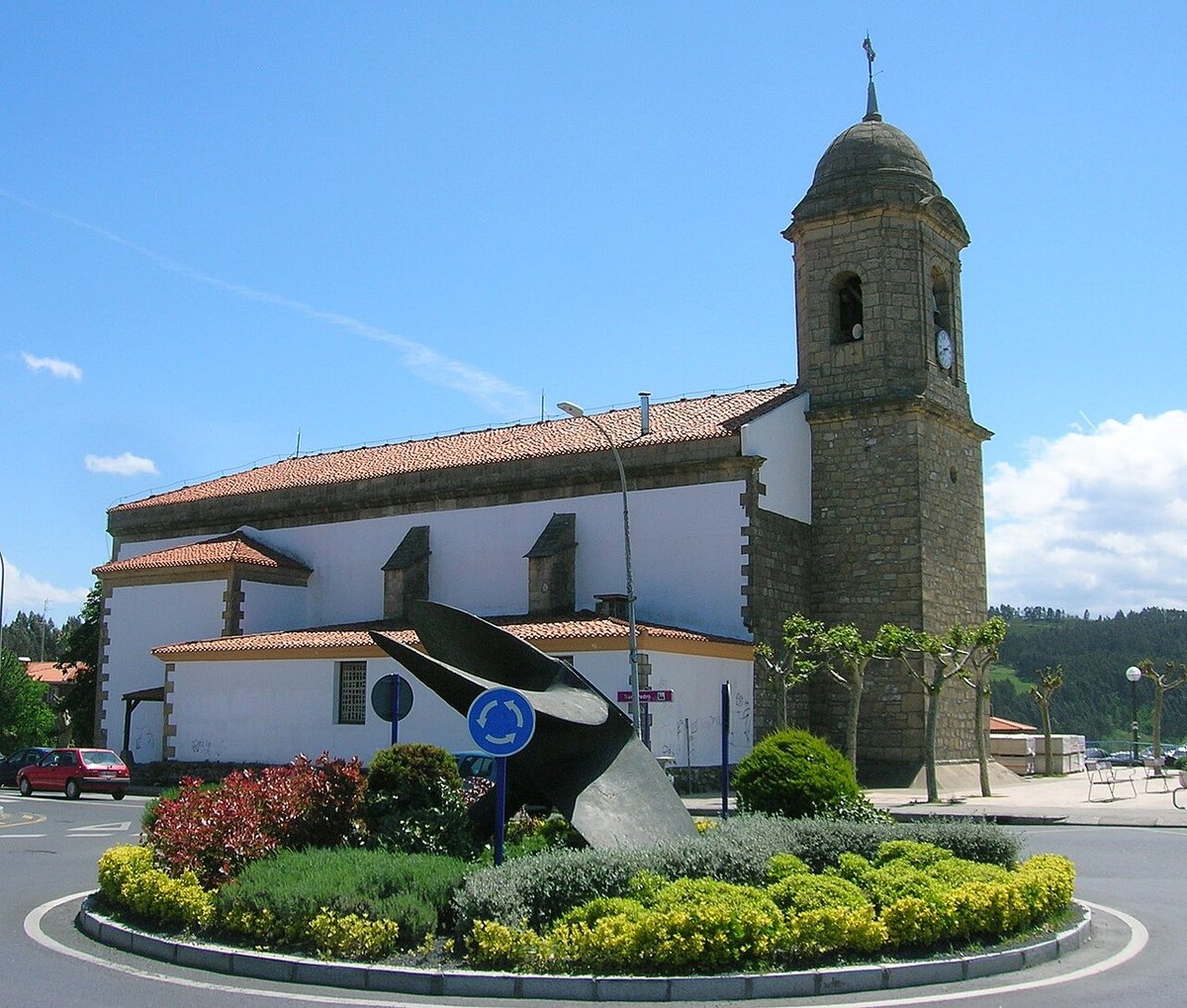
A simple walk covers most of Plentzia. From the beach, a wooden staircase leads up towards the centre. The route passes beneath the Manterola footbridge before opening onto the main square. There, the 16th-century church stands alongside the town hall, built in 1922 with a mix of stone and wood.
There is not a long list of sights. A loop along Calle Mayor, then down towards the harbour, completes the visit. At a slow pace, the whole circuit takes about twenty minutes.
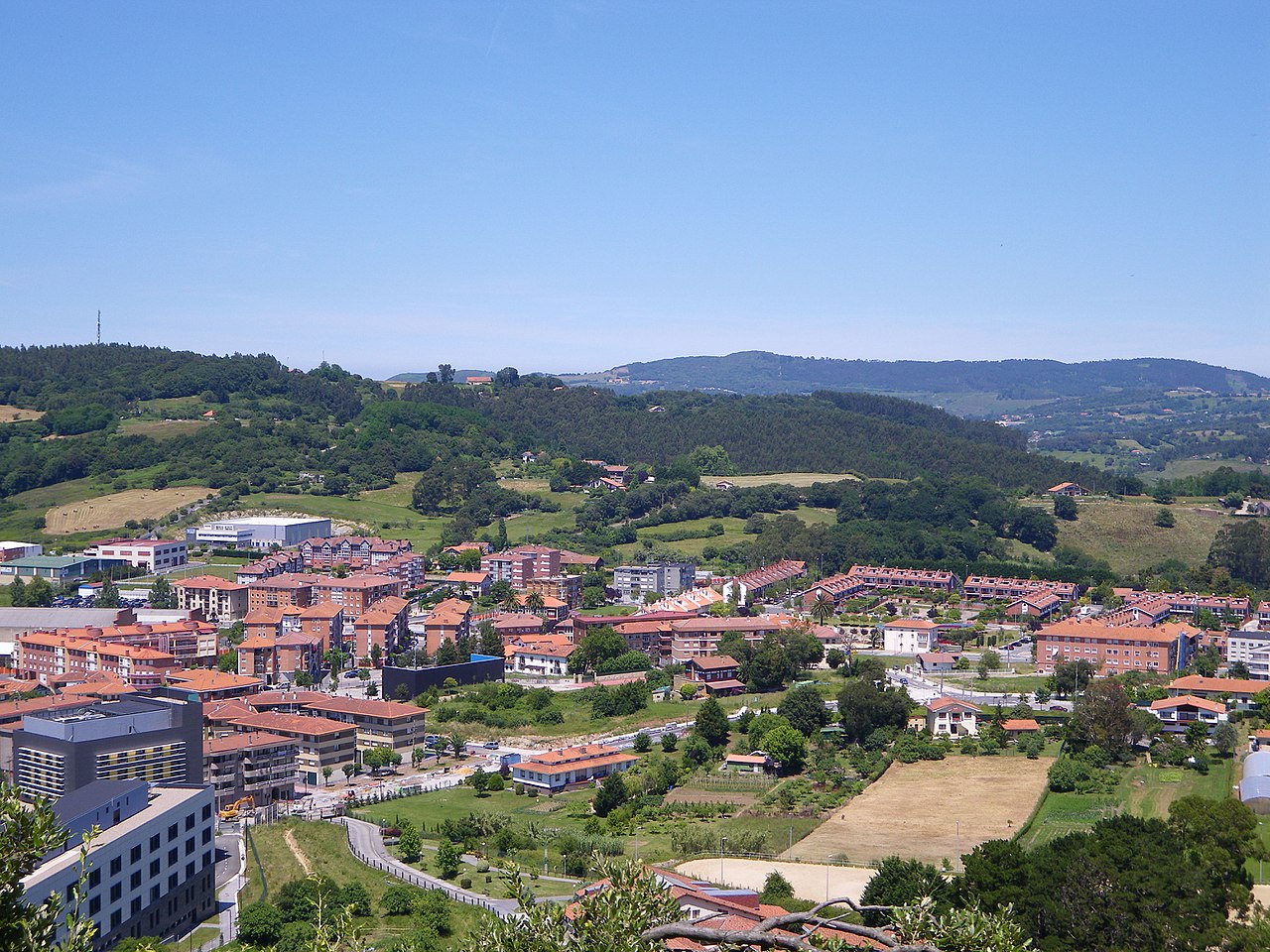
The architecture follows familiar Basque coastal patterns: stone façades, iron balconies, and the occasional older tower that survived the Carlist Wars. It gives the town a consistent look rather than a varied one.
Seafood and local rhythms
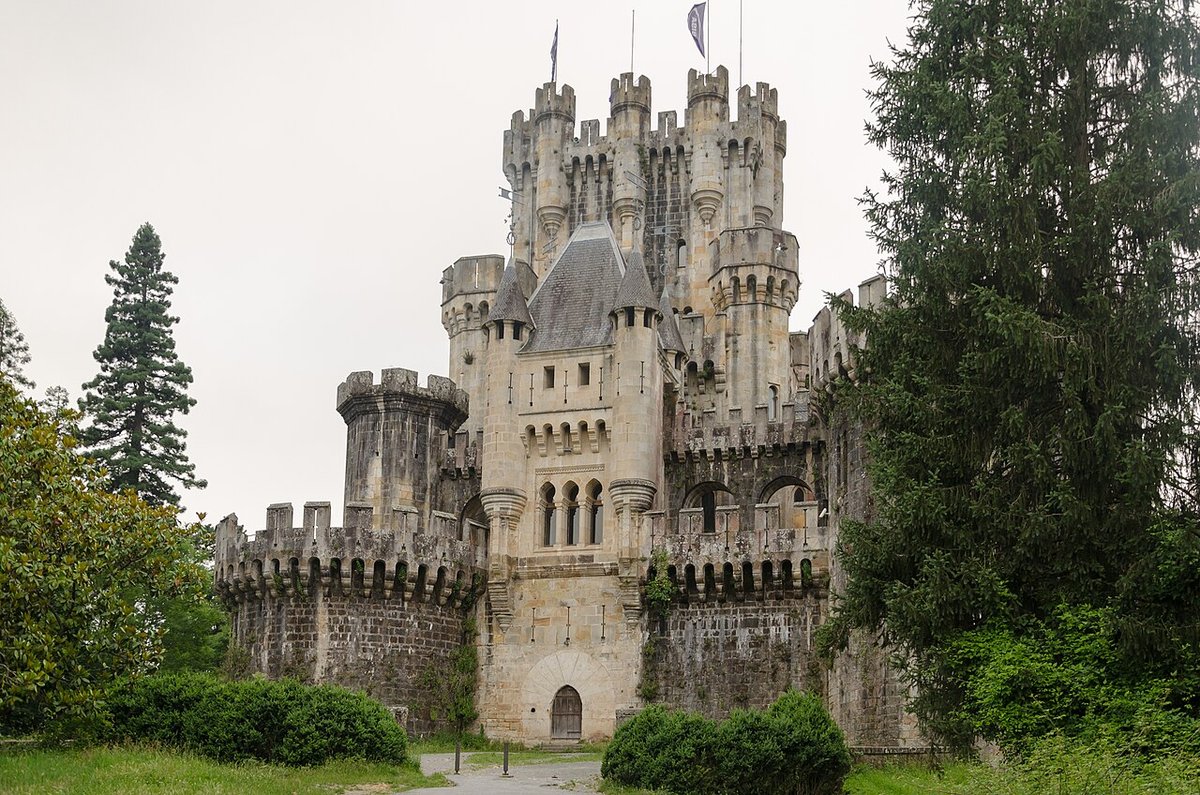
Seafood has long been part of Plentzia’s identity, though it has changed over time. Clams from the estuary once had a strong reputation, back when the water was less affected. Today many come from farming, and their flavour does not differ much from elsewhere. Elvers from the Butrón River appear in some winters and come with the kind of price that suggests rarity.
Fish of the day is usually a safer choice. Txangurro, turbot, and lobster feature regularly. The Cantabrian still supplies the catch, and it shows in the quality, even if prices match other coastal areas near Bilbao.
The town calendar has two clear peaks. In July, the fiestas of Santa María Magdalena bring crowds and activity. February sees San Blas, marked with chorizo and wine in the square. Outside those dates, especially in winter, the pace drops noticeably.
A straightforward visit
Plentzia works best as a short stop rather than a full-day destination. The beach fills a morning without difficulty. After that, a walk through the old town and some time by the harbour round things off.
Those who feel like stretching their legs can follow the path towards Gorliz. It runs along the cliffs and tends to stay relatively quiet, even in summer. Large monuments or major attractions are not part of the picture here, and expectations should match that.
The most practical advice remains simple: come by train if possible. The car often complicates more than it helps.