Full Article
about Sopela (Sopelana)
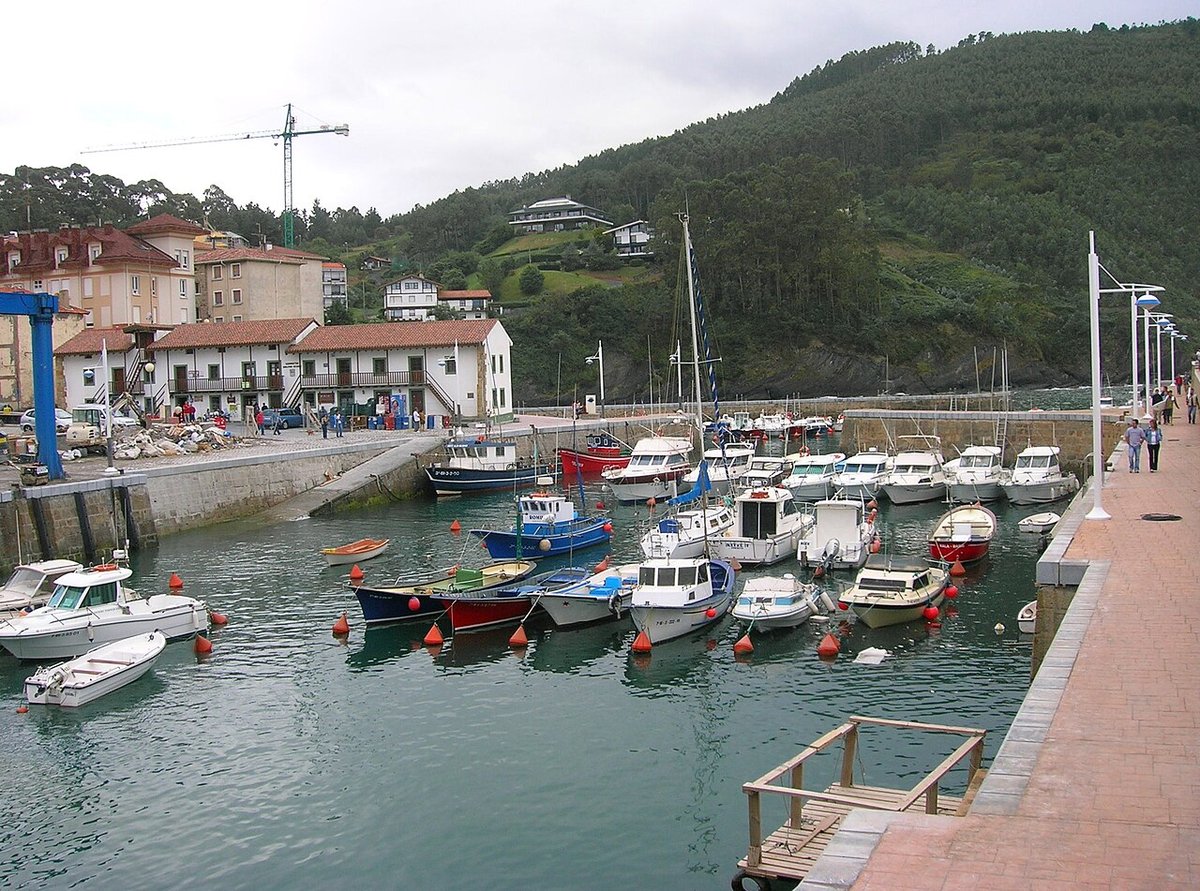
Cantabrian Sea, cliffs and seafaring taste in the heart of the Basque Country.
Hide article Read full article
Sopela es ese amigo que vive cerca de la playa
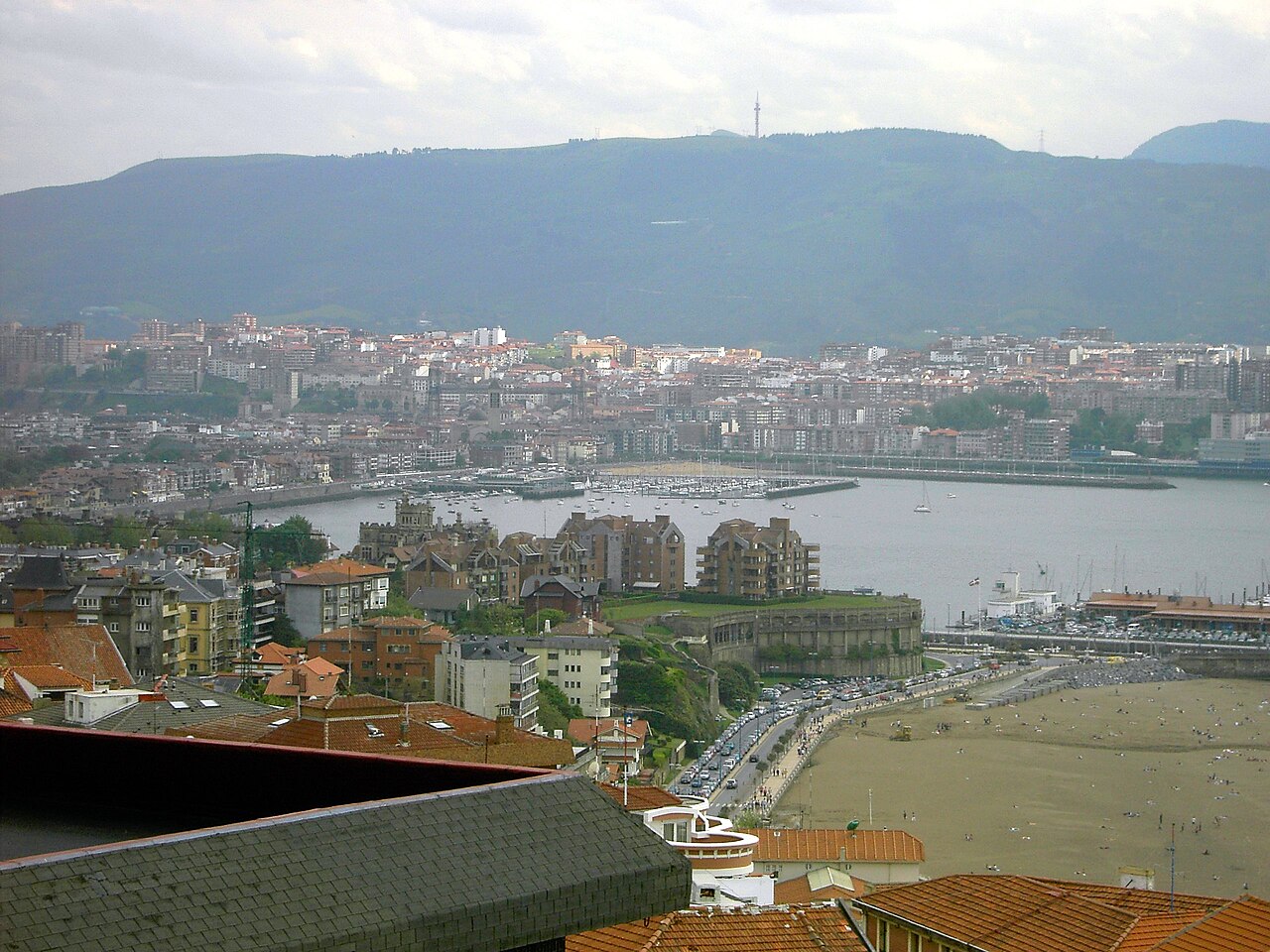
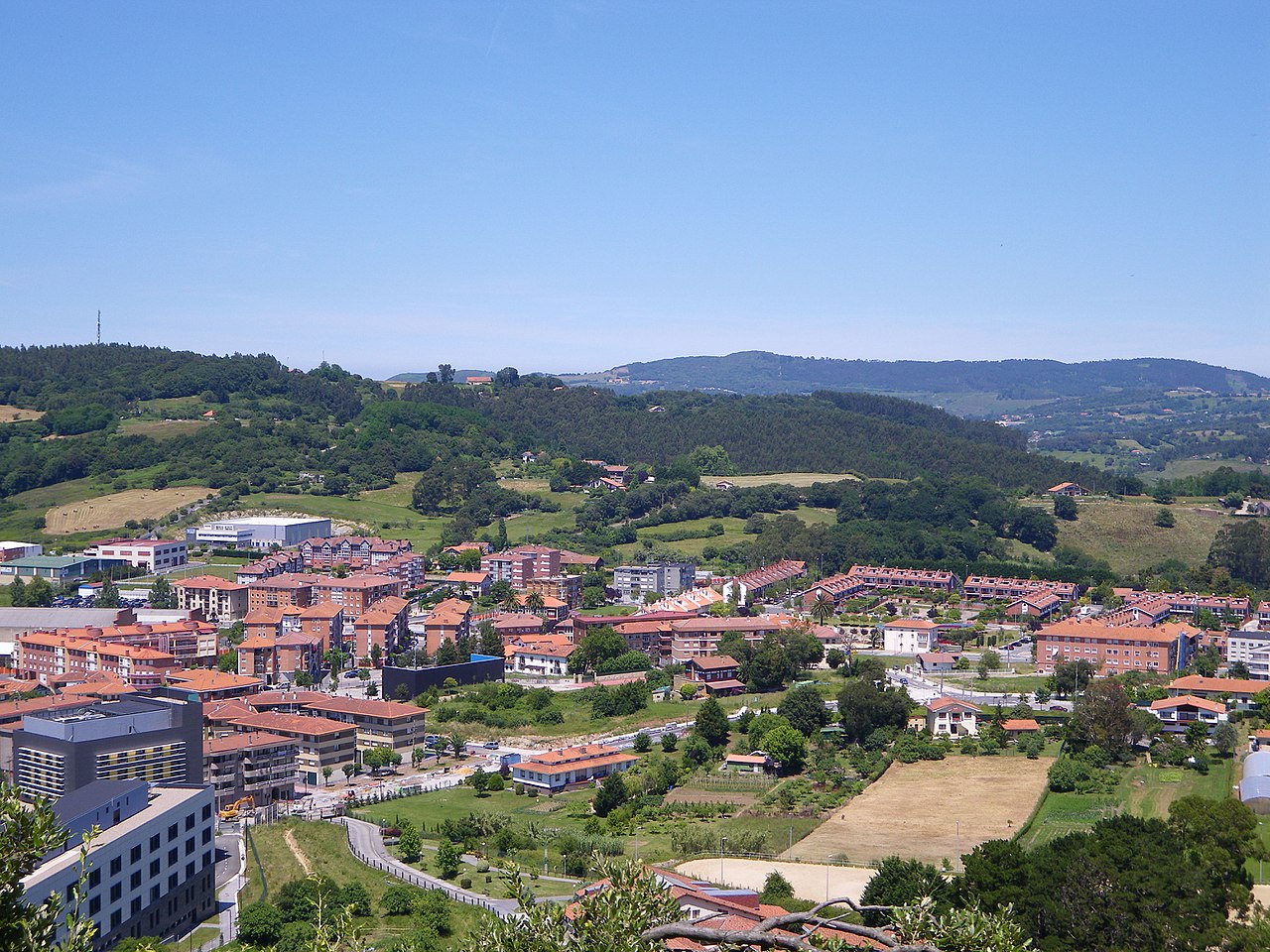
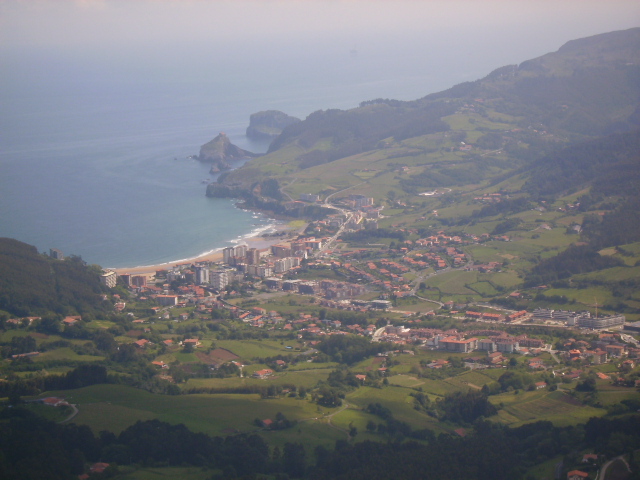
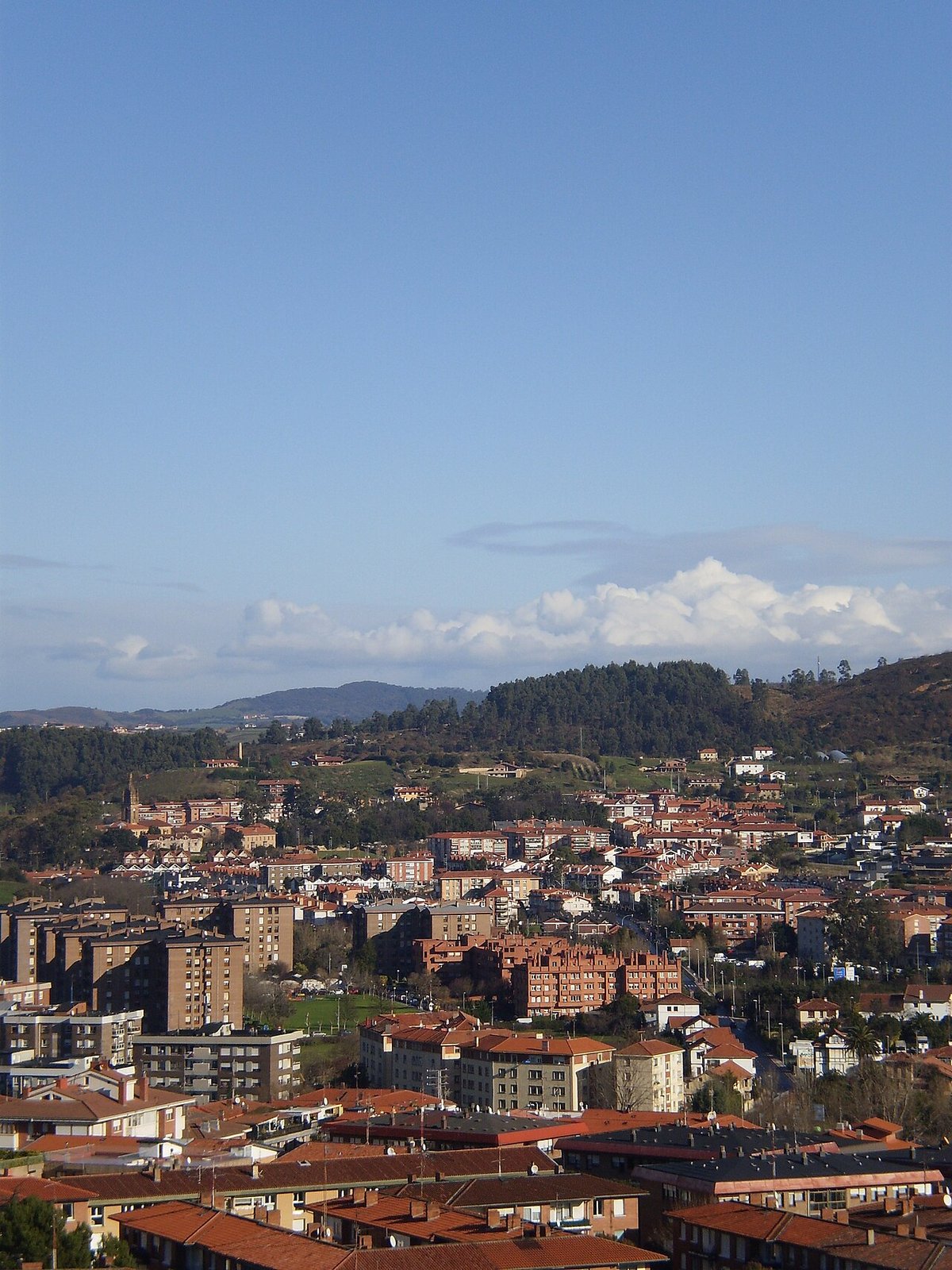
Sopela es como el piso de un colega al que vas un domingo: no es el más bonito del mundo, pero tiene terraza y se está bien. Está a un paso de Bilbao en metro, pero nada más salir de la estación te das cuenta de que esto no es una postal. No hay casco histórico con plaza mayor. El pueblo se desparrama por barrios como Larrabasterra o Arrietara, cada uno con su rollo. Unos son de chalets con jardín y perros grandes; otros, de bloques de los setenta que miran al mar.
Y todo, en cuesta. La vida aquí consiste en bajar a la playa y luego remontar. Vas a notar las piernas. Es como hacer senderismo urbano, pero con el Cantabrian siempre de fondo.
Playas que no son para posar
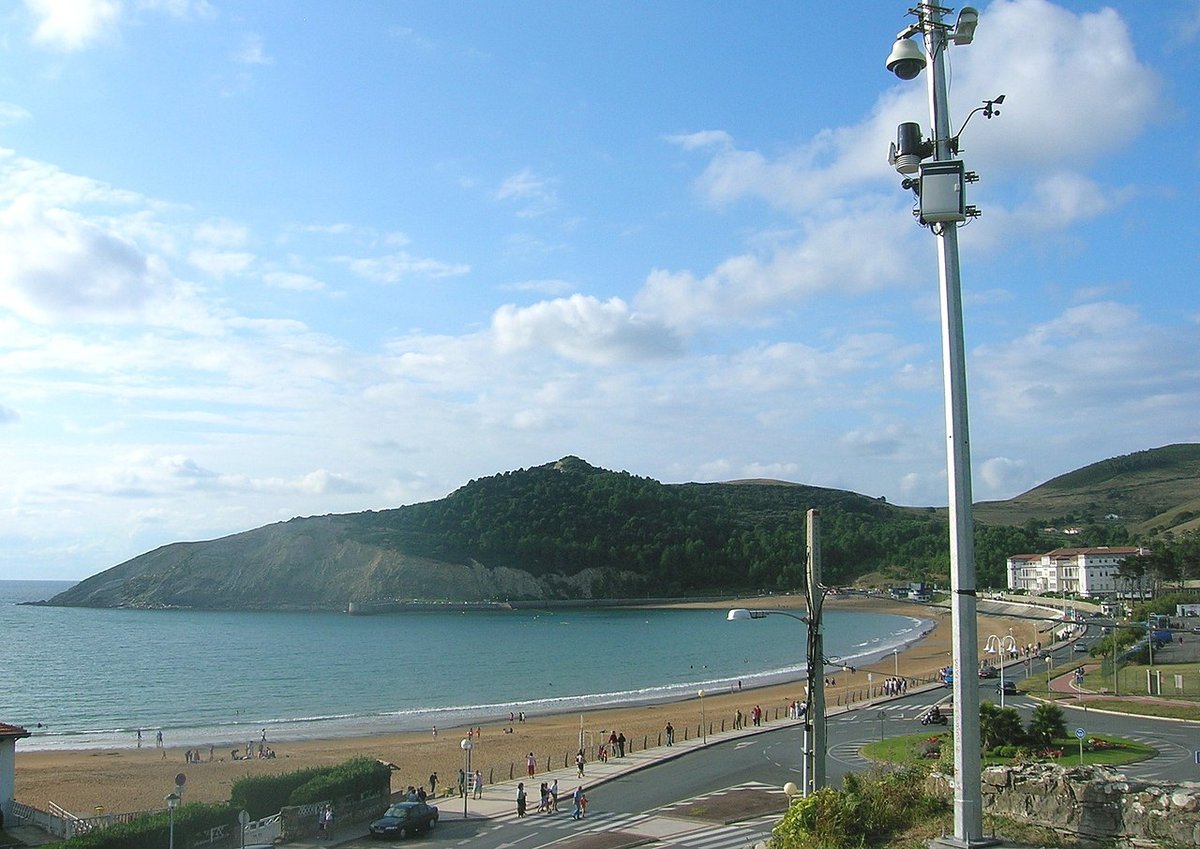
Olvídate de arena blanca y aguas turquesas. Esto es el Atlántico puro: arena oscura, agua fría casi siempre y olas serias. La playa de Barinatxe es la más conocida y, cuando hay swell, parece un aparcamiento de tablas. Más hacia el oeste está Meñakoz, que ya es otro nivel; ese tipo de sitio donde los surfistas hablan en metros y no te aconsejan meterte si no sabes.
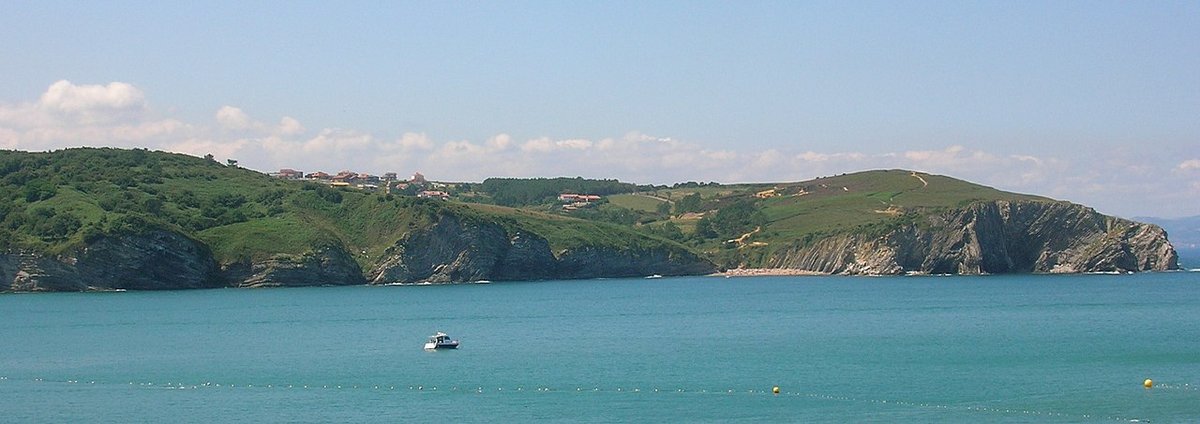
Pero lo que define a Sopela no son solo las playas, sino los acantilados. Hay un camino costero hacia Armintza que es pura terapia: mar a un lado, prados al otro, y viento casi garantizado. No hace falta hacerlo entero para pillarlo. Con caminar veinte minutos ya entiendes por qué medio pueblo baja aquí a andar.
El ritmo entre Bilbao y el mar
Mucha gente vive en Sopela pero trabaja en Bilbao. Se nota en el ritmo: por la mañana se vacía, por la tarde se llena de gente que va directa a cambiarse para salir a correr por los acantilados o bajar a la playa aunque sea invierno. Esto hace que el pueblo tenga vida propia todo el año, no solo en verano.
Hay parques cuidados, tiendas de barrio que siguen abiertas y ese horario tranquilo que ya no encuentras en la ciudad. Es un sitio donde la rutina local convive con los neoprenes colgando en los balcones.
Surf, música y una estatua inesperada
El surf aquí no es un deporte, es parte del mobiliario urbano. Ves escuelas junto a la costa, gente paseando con la tabla bajo el brazo y furgonetas aparcadas junto a los accesos.
Con el final del verano suelen llegar algunos festivales cerca de la costa, mezclando conciertos con ambiente surfista. Son eventos locales, nada masivo.
Y luego está lo del monumento a Angus Young, el guitarrista de AC/DC, en plena calle cerca de la estación. La primera vez que lo ves paras en seco: ¿esto qué hace aquí? La verdad es que nadie te lo sabe explicar del todo, pero ya forma parte del paisaje.
Cosas prácticas (y una advertencia)
Si vienes en coche en verano, prepárate para dar vueltas buscando aparcamiento cerca de las playas. Madrugar ayuda.
El metro desde Bilbao funciona bien, aunque los fines de semana va hasta arriba de familias con neveras portátiles y sombrillas.
En Barinatxe hay una zona nudista señalizada. Si no es lo tuyo, simplemente te alejas unos metros hacia otro lado; la playa es larga.
Un sitio que se gana por costumbre
Sopela no te va a conquistar a primera vista si buscas pueblos bonitos con calles empedradas. Su punto fuerte es otro: es funcional, vivo y real. Acabas viniendo porque sabes que vas a poder caminar por el acantilado sin agobios, ver cómo rompen las olas en Barinatxe y quedarte mirando el atardecer sin mucho plan.
Cuando el mar está bravo, te sientas arriba en la hierba y ver cómo golpea contra las rocas puede ser mejor espectáculo que cualquier película. Y siempre te queda el consuelo: hoy no toca bañarse