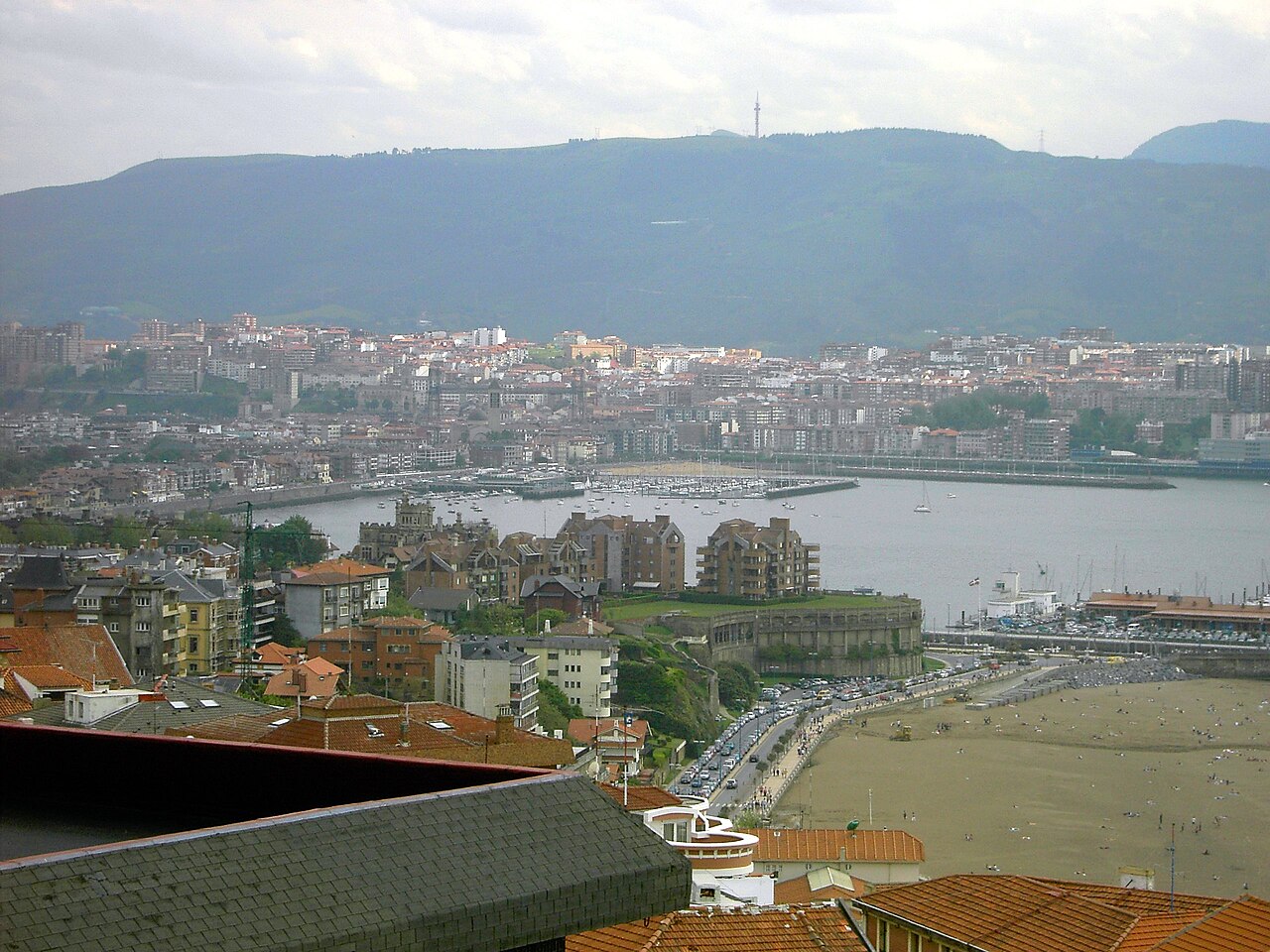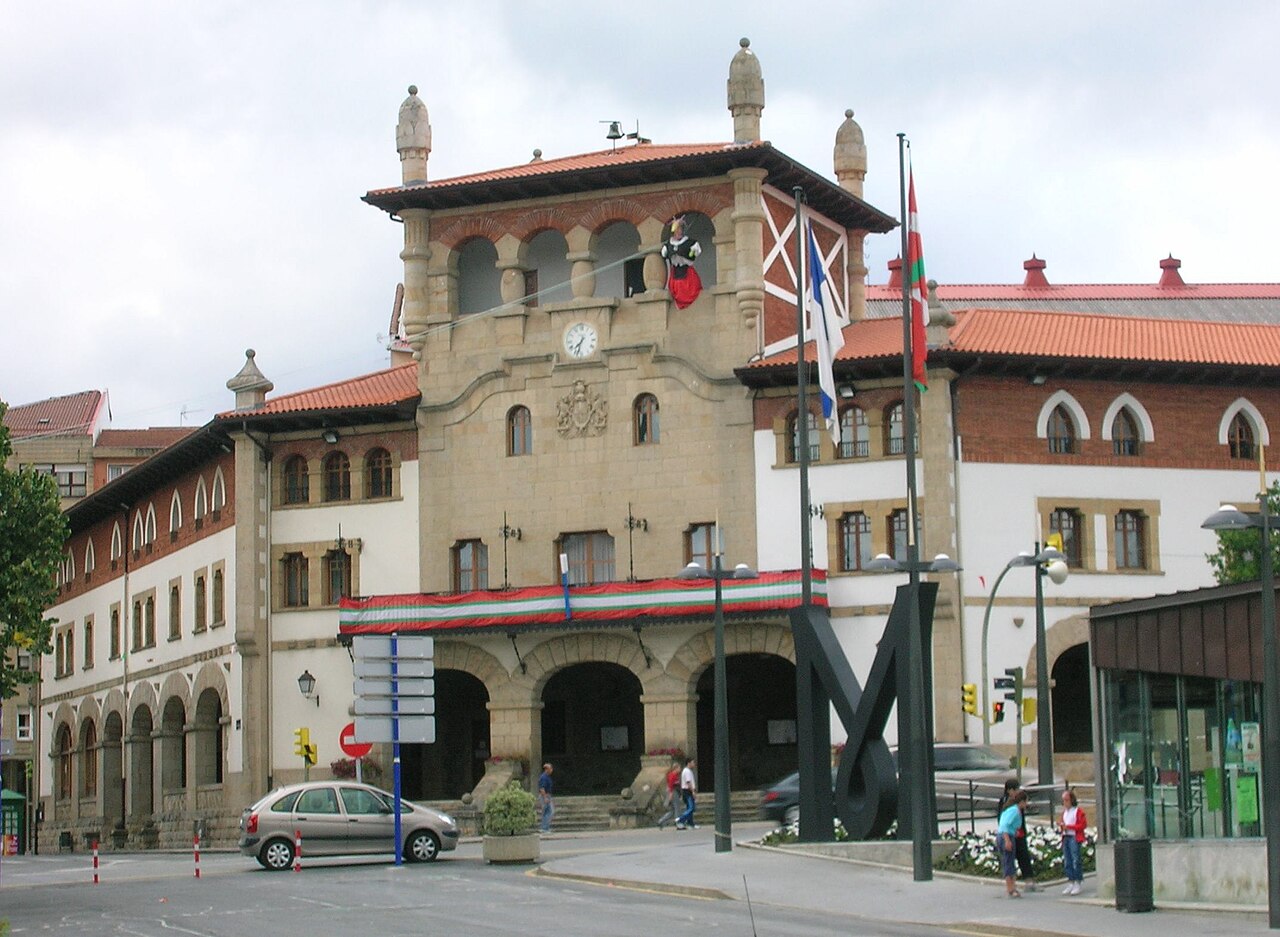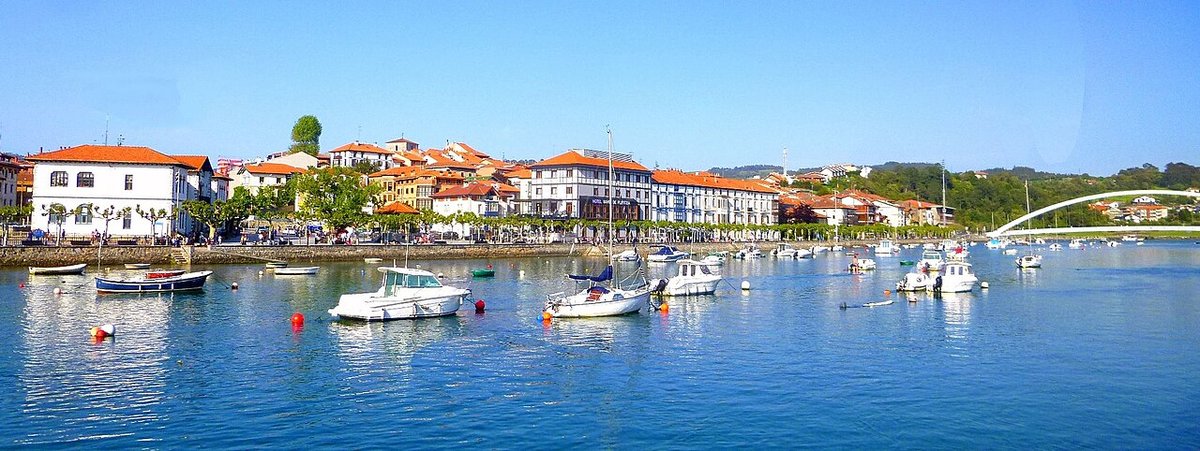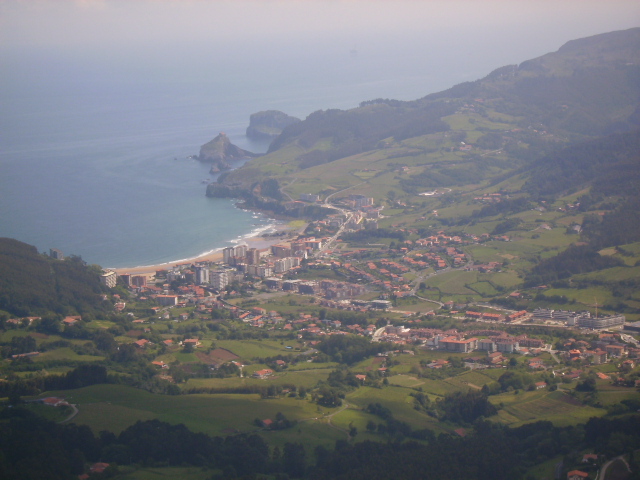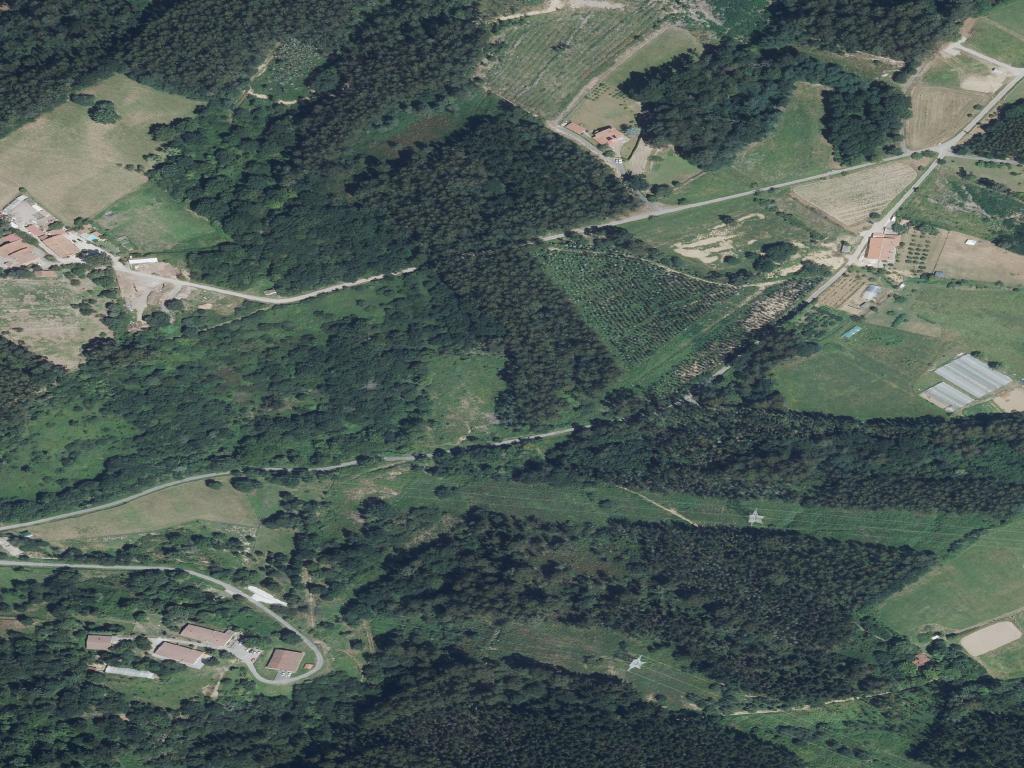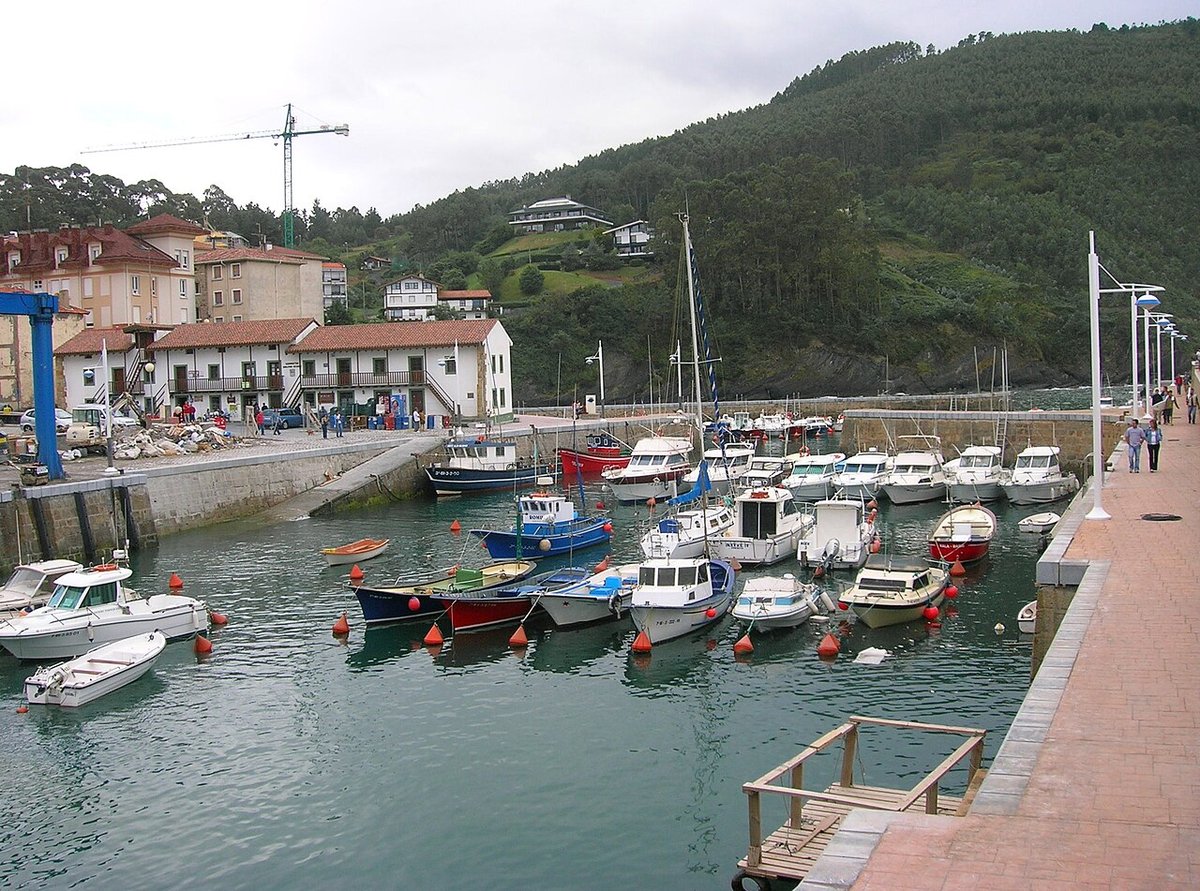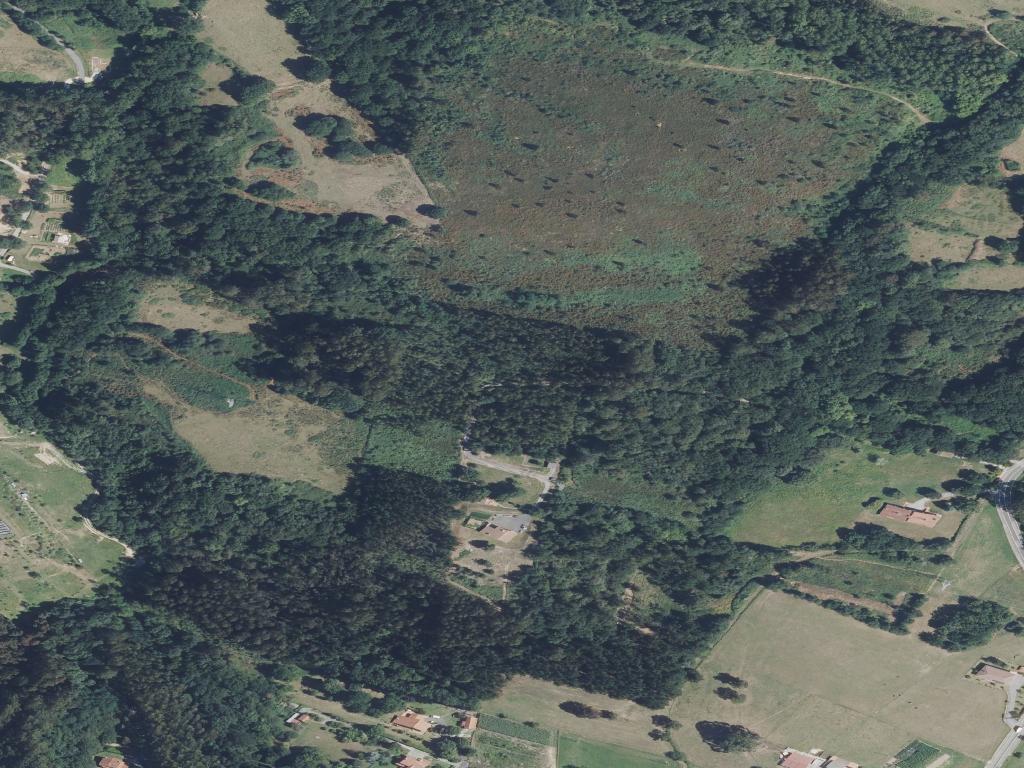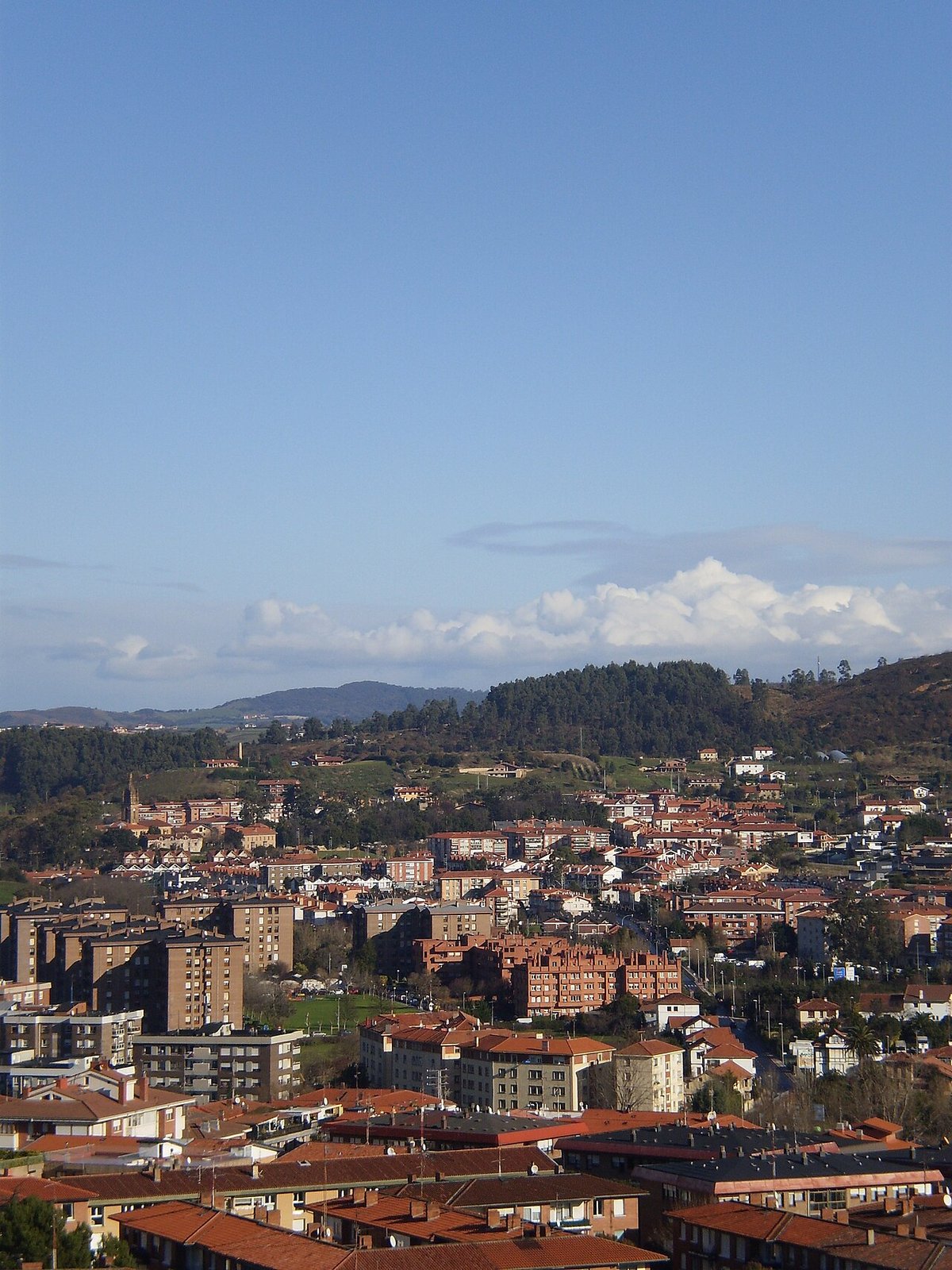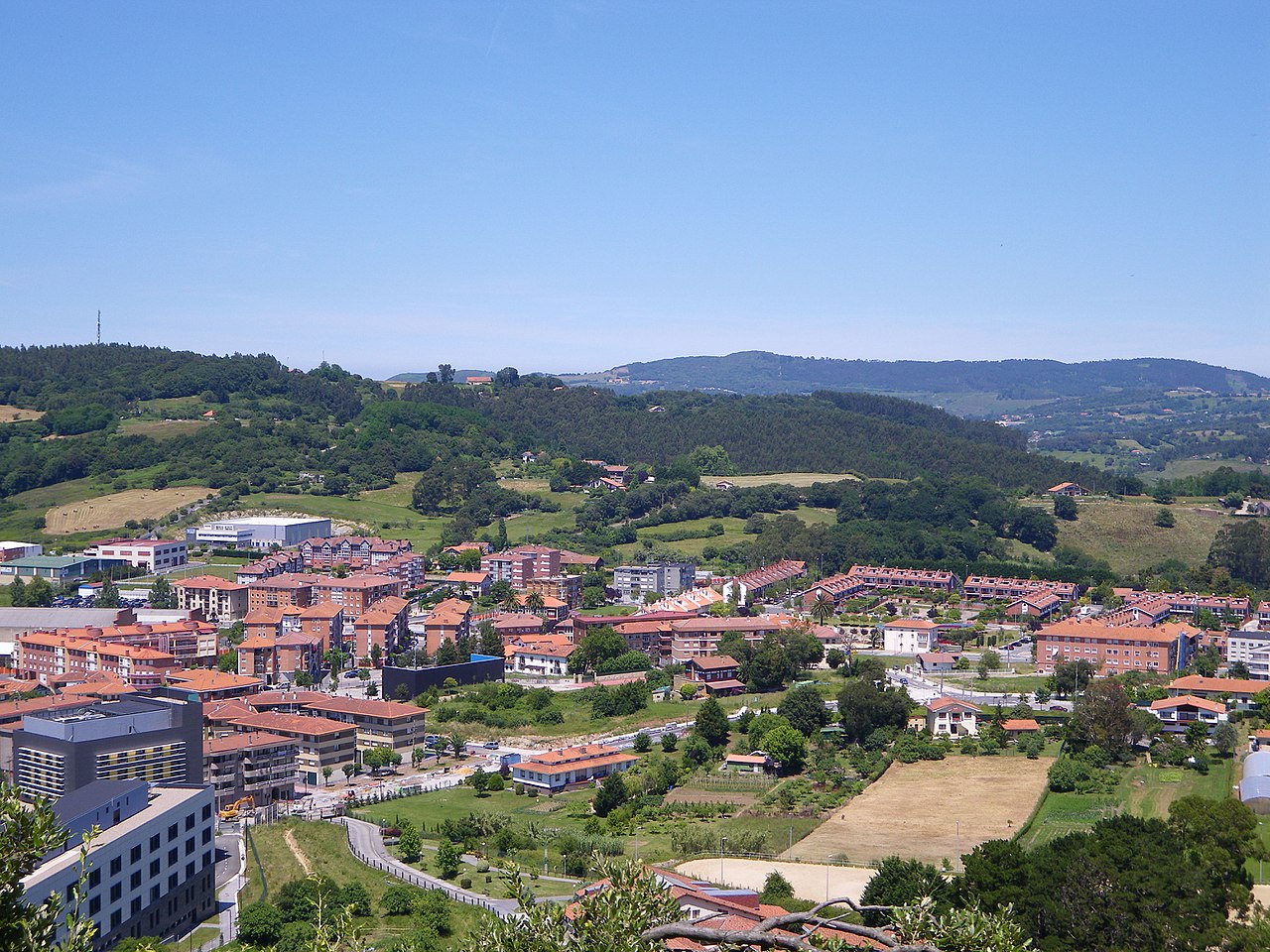
Bizkaiko Urduliz herriaren ikuspegia, Santa Marina atxa deritzon mendi magaletik. 2015-06-25
País Vasco · Atlantic Strength

Urduliz

The train doors slide open at Urduliz station and the sea breeze hits immediately. It's a surprise, this close proximity to the coast—just three ki...

6,128 inhabitants · INE 2025
75m Altitude

Why Visit

Historic quarter Walks

Best Time to Visit

summer

Things to See & Do
in Urduliz

Heritage

  • Historic quarter
  • parish church
  • main square

Activities

  • Walks
  • Markets
  • Food
  • Short routes

Full Article
about Urduliz

Valleys and hamlets a stone’s throw from Bilbao, buzzing with local life.

Ocultar artículo Leer artículo completo

The train doors slide open at Urduliz station and the sea breeze hits immediately. It's a surprise, this close proximity to the coast—just three kilometres away, though you'd never guess from the map. Most passengers stay seated, bound for beach proper in Sopelana or the Michelin-starred restaurants of Getxo. Those who disembark find themselves in a place that exists primarily for its residents, not for visitors, which is precisely what makes it interesting.

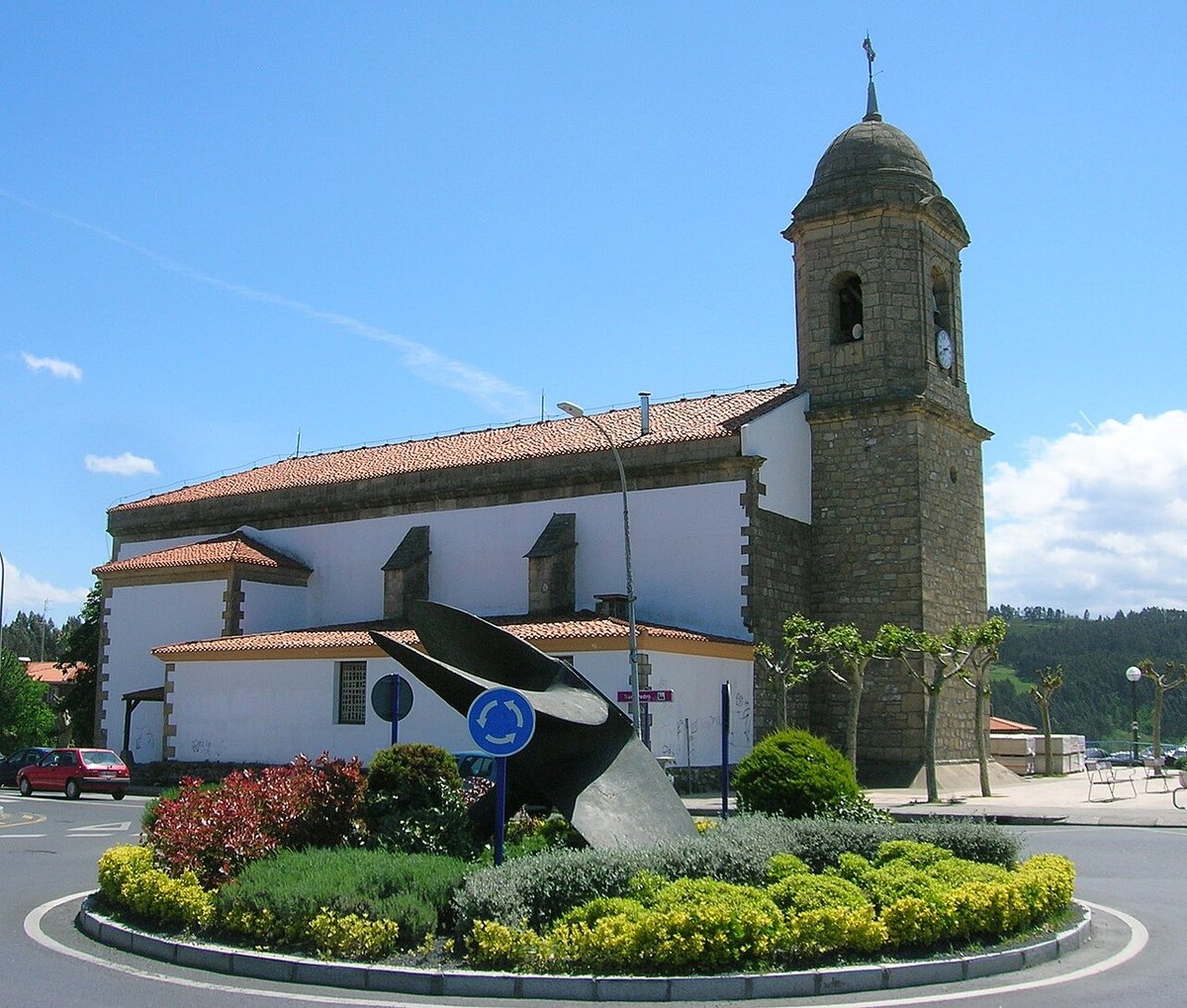
Urduliz won't feature on any postcard racks. The town centre is essentially a crossroads with a church, a pharmacy, and three bars whose regulars eye newcomers with the sort of curiosity that suggests they might actually live here too. San Esteban church, built in 1963, replaced a 16th-century structure destroyed during the Civil War. It's modern enough to lack the romantic appeal of medieval stone, yet its bell tower still serves as the local compass point. When locals give directions, everything is either "towards the church" or "away from the church."

The real layout reveals itself beyond this modest core. Follow any side street uphill and the residential grid dissolves into something older and more organic. Traditional baserri farmhouses appear suddenly between 1980s apartment blocks, their stone walls and red-tiled roofs standing firm against progress. Many still function as working farms; morning walkers share pavements with tractors delivering milk to collection points. The agricultural calendar hasn't surrendered to commuter timetables here.

Walking tracks spiderweb across the surrounding countryside, though you'd be forgiven for missing them entirely. Signage is intermittent at best, following the Basque preference for local knowledge over tourist infrastructure. The most rewarding route heads north towards Armintza, a tiny fishing harbour whose beach disappears entirely at high tide. The path climbs through eucalyptus plantations before dropping steeply to reveal a coastline that feels properly wild. Jagged rocks, Atlantic swells, and zero facilities beyond a seasonal bar serving grilled sardines to fishermen who've been landing catch here for generations.

The Metro That Changed Everything

Urduliz's identity shifted fundamentally when Line 1 of Bilbao's metro arrived in 1893, though the modern underground station dates from 1995. Suddenly, what had been a rural outpost became viable bedroom territory for city workers. The journey to Bilbao's Moyua Square takes twenty-two minutes—faster than many London commutes from Zone 4. This accessibility transformed local demographics. Young families priced out of Getxo's coastal premium discovered they could have village quiet with urban salaries.

The metro's influence extends beyond mere transport. Property prices have climbed steadily, though they remain roughly thirty percent below neighbouring coastal towns. New developments respect height restrictions, keeping the skyline low-rise, but the tension between preservation and progress plays out in planning meetings that locals discuss animatedly in bar queues. The latest controversy involves a proposed skate park; teenagers support it enthusiastically while older residents worry about noise travelling up the valley.

British visitors typically encounter Urduliz accidentally—perhaps staying in an Airbnb here because coastal options were booked, or using it as a base for Bilbao day trips. This works surprisingly well. The Barik transport card (available from airport machines for €3) caps daily travel costs, and parking near the station remains free, unlike central Bilbao's eye-watering hourly rates. Sunday mornings see the car park filled with campervans whose owners've discovered this loophole, though they're technically supposed to use designated areas.

What Passes for Entertainment

Entertainment here requires adjustment of expectations. There's no cinema, no museum, no historic quarter to tick off. Instead, activities centre on food, walking, and observing subtle seasonal changes that city life renders invisible. Spring brings wild asparagus along track edges; locals emerge with carrier bags and sharp knives, knowledge passed down rather than Googled. Autumn means mushroom hunting in surrounding woodlands, though newcomers should note that picking rights belong to landowners—permission matters.

The bar scene operates on Spanish time but Basque rules. Breakfast happens at 10:30, involving strong coffee and enormous toast slathered with tomato and olive oil. Lunch service starts at 1:30 and stops dead at 4 pm—miss this window and you'll be surviving on packaged nuts until evening raciones appear around 8. Txakoli, the local slightly-sparkling white wine, gets poured from height into small glasses. The theatrical pour serves practical purpose: aeration enhances the wine's natural spritz. Bottles cost €12-15 in bars, roughly half London prices for equivalent quality.

Gastronomic highlight is the Saturday farmers' market, held in the covered square beside the church. Stalls overflow with produce that rarely travels beyond twenty kilometres: peppers shaped like nothing in British supermarkets, cheese made from sheep grazed on visible hillsides, honey whose flavour changes depending which flowers dominate that season. The honey seller offers tastes on plastic spoons, explaining differences between spring (lighter, floral) and autumn (darker, heather-tinged) varieties with the patience of someone explaining their life's work.

Coastal Proximity Without Coastal Chaos

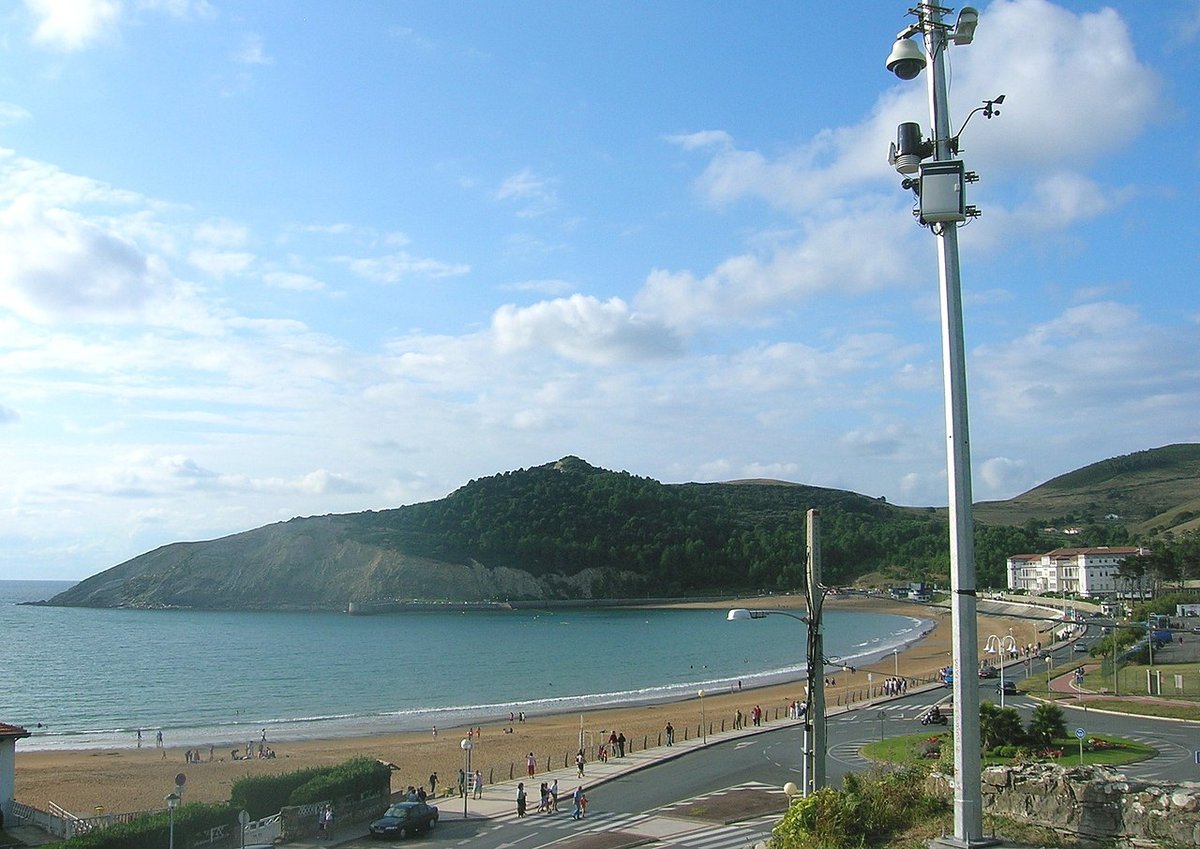
Beach access defines Urduliz's appeal for many residents, though reaching sand requires planning. Sopelana's famous surf beaches lie one metro stop east; during summer weekends, the station queue stretches back fifty metres as day-trippers clutch bodyboards and coolboxes. Smart locals walk twenty minutes to Armintza instead. The beach here is pebbly, shelving steeply into water that stays properly cold even in August. It attracts a different crowd—families who've been coming for decades, teenagers escaping parental supervision, serious swimmers who don't mind seaweed.

The coastal path west towards Getxo offers spectacular clifftop walking without crowds. The route passes nineteenth-century mansions built by Bilbao's industrial barons, their gardens tumbling down to hidden coves accessible only at low tide. Information boards appear sporadically, mixing historical facts with environmental warnings about erosion. Climate change manifests visibly here: sections of path have been rerouted inland after winter storms undermined previous routes. Local councils argue over funding for sea defences versus managed retreat; the debate feels immediate when waves crash against rocks twenty metres below your feet.

Weather patterns follow Atlantic rhythms rather than Mediterranean expectations. Summer arrives late and leaves early—proper beach weather runs July through early September, though even then mist can roll in suddenly, dropping temperatures ten degrees in minutes. Winter brings rain, lots of it, but rarely the sustained cold that makes British winters miserable. January temperatures average 8-13°C, meaning walking remains viable year-round with proper waterproofs. The upside of changeable weather: when clear days arrive, they feel genuinely precious rather than merely expected.

Practical Realities for the Curious

Staying here works best for self-sufficient travellers comfortable with limited services. Accommodation options cluster near the metro station—modern apartments rented by young professionals during week, visitors at weekends. Prices hover €80-120 nightly for two-bedroom places with parking included. The single hotel, twenty rooms above a restaurant, charges €65 for basic doubles including breakfast featuring those enormous toasts.

Evening entertainment means bars or nothing. The liveliest spot, Bar Kala, shows Athletic Bilbao matches on big screens; when games finish, conversation turns to local politics and football tactics with equal passion. Non-Spanish speakers get included through gestures and translated comments—Basque hospitality manifests through effort rather than fluency. Closing time arrives when the last customer leaves, typically well after midnight even on Tuesdays.

The metro stops running at 23:00 sharp. Miss it and you're negotiating with taxi drivers who've heard every excuse about lost track of time. The journey back from central Bilbao costs €35-40—more than the entire day's public transport budget if you'd planned properly. Night buses exist but follow routes designed for shift workers rather than tourists; expect lengthy walks from stops plus company from people finishing restaurant jobs at 2 am.

Urduliz offers no grand revelations or Instagram moments. Instead, it provides something increasingly rare: authentic daily life continuing regardless of visitor presence. The bakery still sells yesterday's bread cheaper at 9 am, neighbours still argue over parking spaces, teenagers still gather at bus stops with the universal expression of wanting to be anywhere else. For travellers seeking Spain beyond tourism's performance, this ordinary extraordinariness might prove more memorable than any cathedral or castle.

Key Facts

Region
País Vasco
District
Uribe Kosta
INE Code
48089
Coast
No
Mountain
No
Season
summer

Livability & Services

Key data for living or remote work

2024
ConnectivityFiber + 5G
TransportTrain 11 km away
HealthcareHospital
EducationHigh school & elementary
Housing~5€/m² rent · Affordable
CoastBeach nearby
Sources: INE, CNMC, Ministry of Health, AEMET

Planning Your Visit?

Discover more villages in the Uribe Kosta.

View full region →

More villages in Uribe Kosta

Traveler Reviews