Full Article
about Aia (Aya)
Between mountains and sea, Basque tradition and good food in every square.
Hide article Read full article
Between the sea and the slopes
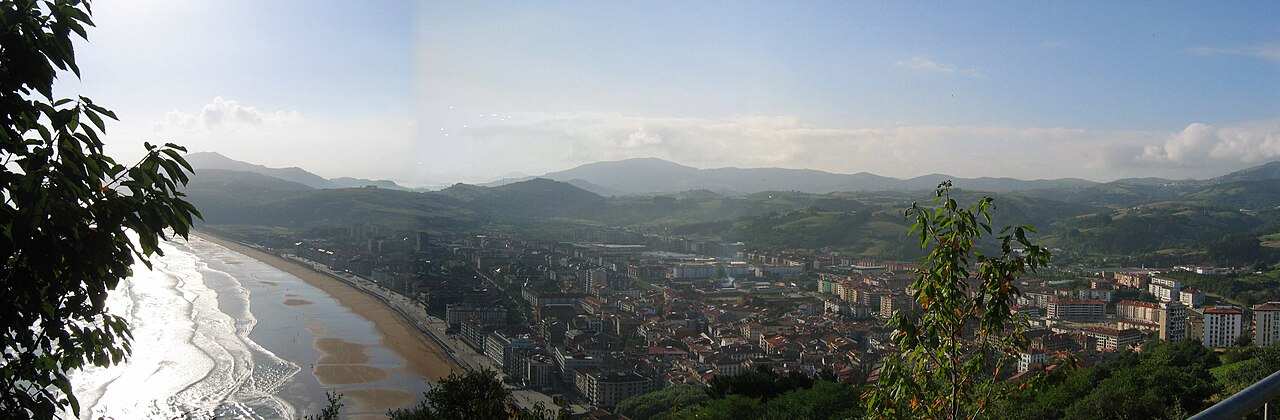
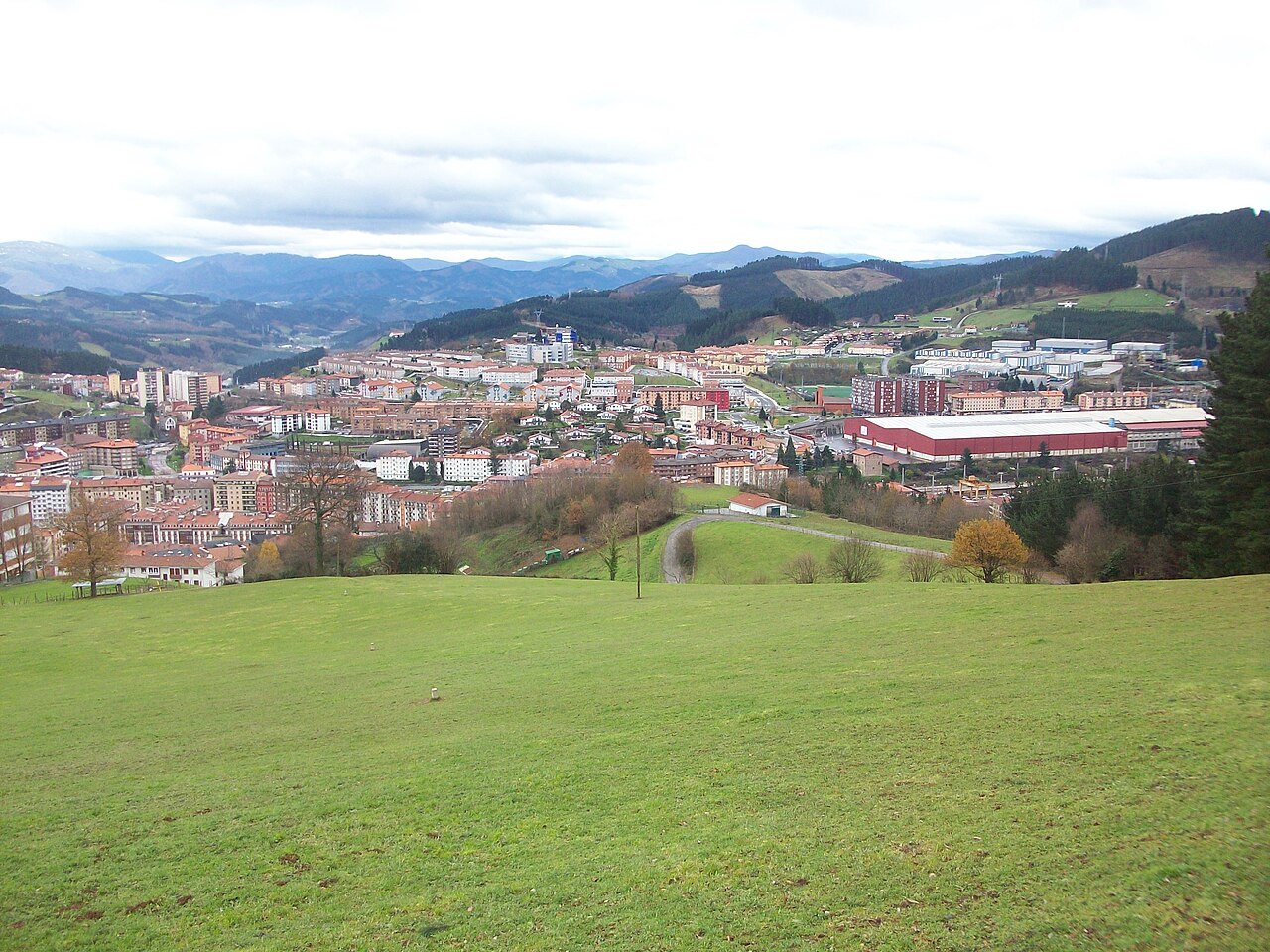
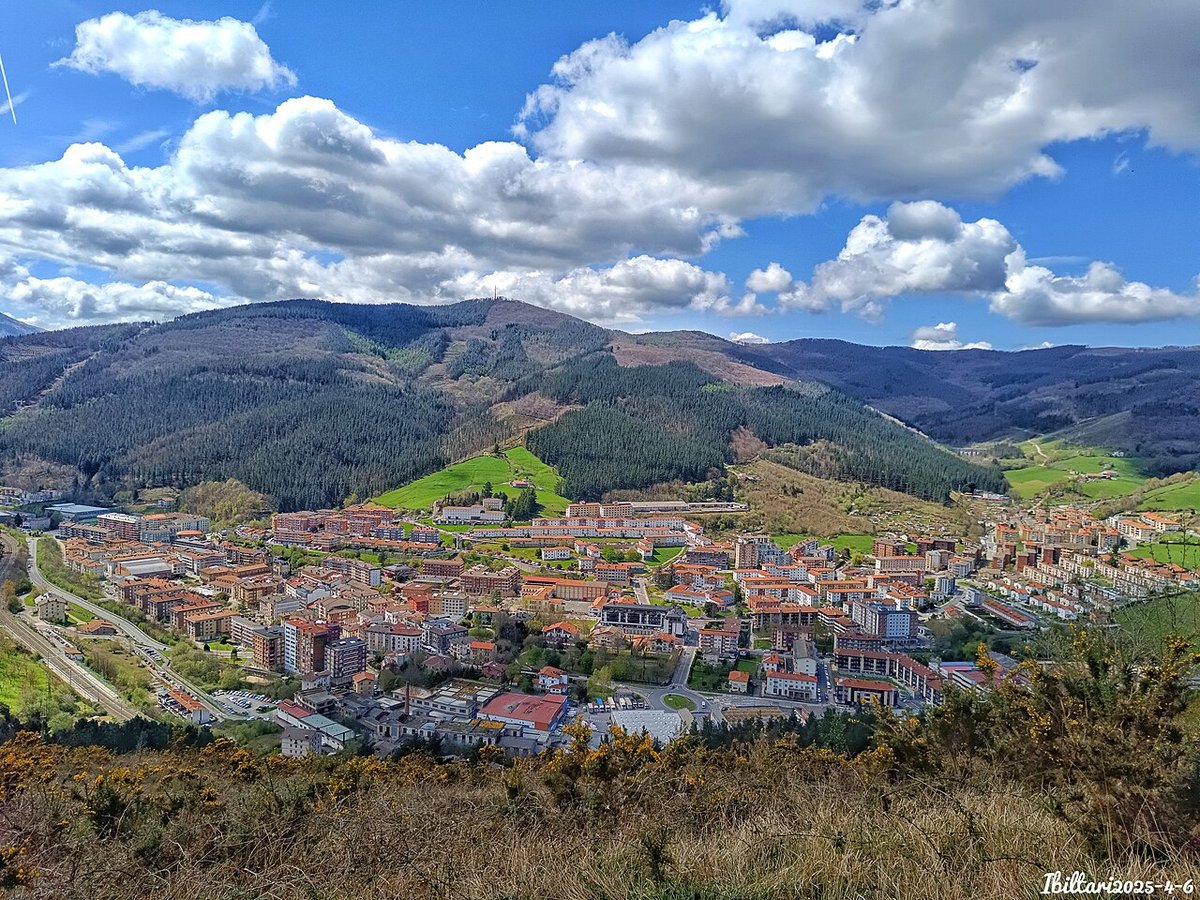
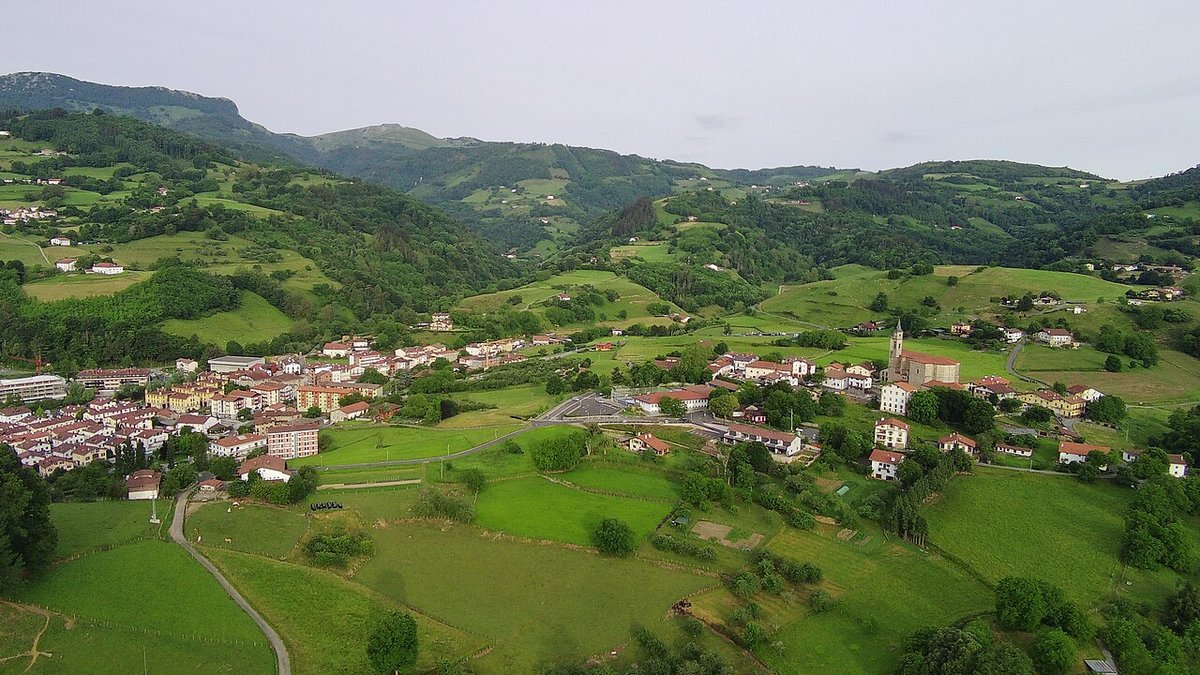
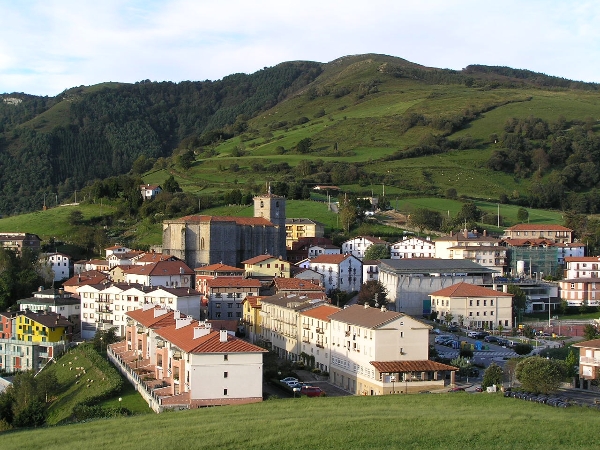
Aia sits on the hills that separate the coastal towns of Zarautz and Orio from the interior of Gipuzkoa. From certain roads descending from Andatza or Pagoeta, the settlement appears stepped along the slope, with the valley opening out towards the Oria river. The sea is close, only a short drive away, yet the municipality has long looked inland, shaped more by meadows and woodland than by harbour life.
With just over two thousand inhabitants and a relatively large municipal area for this stretch of coast, Aia belongs to the Urola Kosta region. Even so, it keeps a distinctly rural character. Scattered farmhouses, livestock farming and forestry continue to define both the landscape and daily activity.
An old landscape of routes and remains
Aia’s position explains much of its past. The municipality covers more than fifty square kilometres between Orio, Zarautz, Usurbil and the mountain ranges that close off access to the interior. This is a transitional zone, where paths once led down to the sea while others connected inland valleys.
The surrounding hills, especially around Andatza, hold numerous prehistoric remains. Several cromlechs and dolmens have been recorded, although the exact number varies depending on the study. Their presence suggests that these high points were used for centuries as burial places and as reference markers for those moving between the coast and upland grazing areas.
Much later, the streams brought a different kind of activity. Water-powered ironworking developed here, making use of the steady flow. In the Pagoeta park, the Agorregi complex preserves one of these traditional forges. It can be visited today, and the system of dams, channels and water wheels shows clearly how such installations functioned. The structures that remain are mainly from the 18th and 19th centuries, although ironworking in the area began earlier.
The walk to the forge passes through a damp woodland typical of the Cantabrian side of northern Spain. Oak and beech dominate, and the sound of running water often shapes the atmosphere, especially after rain.
The church and the village square
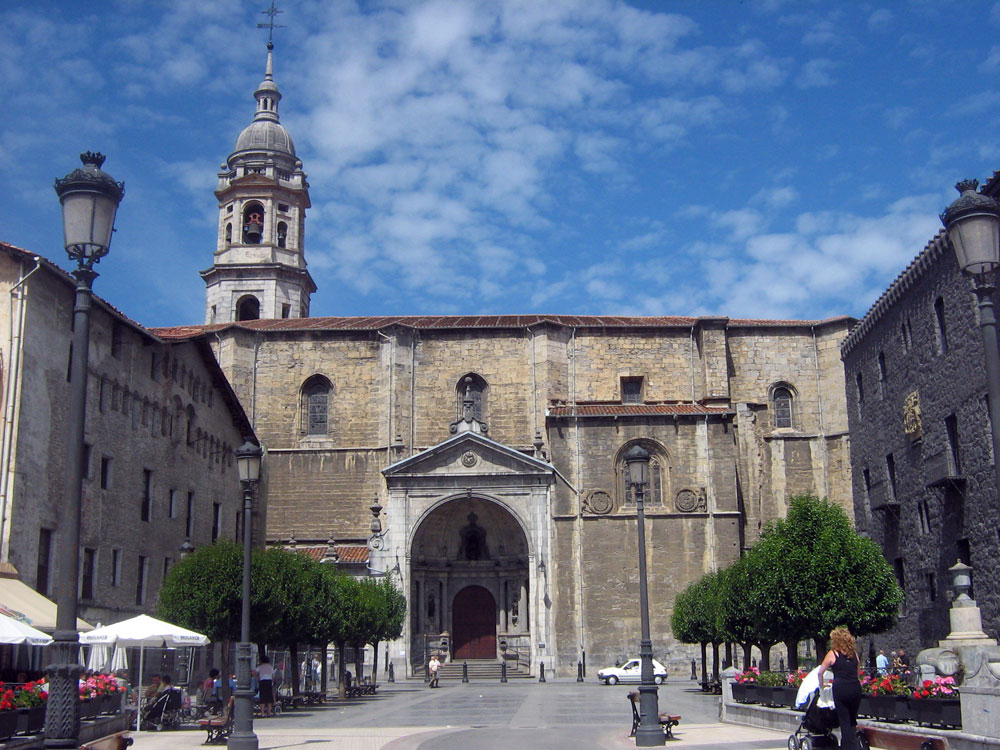
The compact centre of Aia is organised around the church of San Esteban. The current building reflects reconstruction after a fire that affected the village at the end of the 16th century. Its design follows the pattern of many rural Basque churches, with a wide nave and a structure built to withstand harsh winters.
Inside, there is a Baroque altarpiece dating from after the rebuilding. The western doorway appears to predate the fire; its carved relief depicting the martyrdom of Saint Stephen is more notable for its survival than for its artistic ambition.
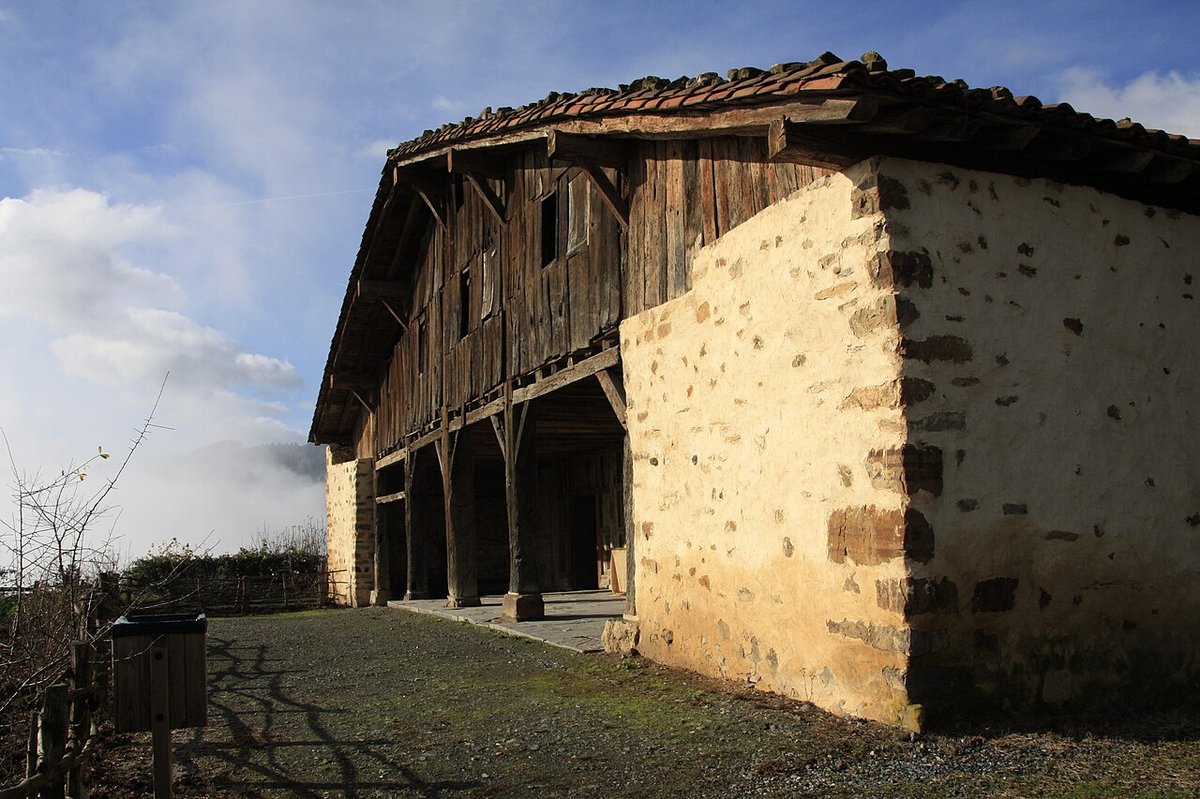
Around the square stand the fronton and several municipal buildings. The rest of the municipality is spread across neighbourhoods of dispersed farmhouses. These buildings combine stone and timber, often oriented south when the terrain allows, and designed to serve both as homes and as working agricultural spaces.
On the fronton in the square, a large goose game board is painted directly onto the ground. It is not always in use, but it reflects a simple idea: in small villages, the square remains a place to gather rather than merely pass through.
Livestock, cheese and apple trees
Livestock farming plays a central role in Aia’s landscape. In the higher meadows around Pagoeta, Latxa sheep are raised. This traditional breed provides the milk used in many cheeses from the area. Production usually takes place on small family farms, with cheeses matured over several months, sometimes in cellars or cool spaces within the farmhouses themselves.
Apple trees are another familiar feature. Cider has long been a common drink in this part of Gipuzkoa. Today it shares space with txakolí vineyards, which extend across areas closer to the coast, particularly towards Orio and Zarautz.
Local cooking reflects proximity to the sea. One of the best-known dishes is bream prepared in the style of Orio, using oil, garlic and a touch of vinegar. It is not an everyday meal, as it depends on the season and on fresh fish reaching the port.
Walking in Pagoeta
A large part of Aia falls within the Pagoeta Natural Park. This protected area covers more than a thousand hectares and includes beech woods, oak forests, mountain pastures as well as small streams that flow towards the coast.
Marked trails run through the park, leading to places such as the Agorregi forge and the Iturraran botanical garden. They also reach several modest summits that open out to wide views. On clear days, the coastline of Gipuzkoa can be seen from some ridges, while inland the first ranges hint at the distant Pyrenees.
These hills are still home to native breeds adapted to the terrain. Pottokas, small Basque horses, graze in certain areas, and cattle can also be seen roaming semi-freely in parts of the park.
A practical note on visiting
Aia’s setting between coast and countryside defines its character. The sea may be near, but the rhythms of the place remain tied to land, weather and long-standing rural traditions. The village centre is small; you can walk its streets in under an hour. To see its context requires a car or a willingness to walk along rural lanes. The most revealing walks are those that start from the centre and climb into Pagoeta, where you move from village into woodland within twenty minutes.