Full Article
about Aizarnazabal
Between hills and sea, Basque tradition and good food in every square.
Hide article Read full article
A Small Place That Reveals Itself Slowly
Some places seem to appear on the map almost by accident. You are heading towards the coast, glance sideways, spot a turning and wonder what might be there. Aizarnazabal feels exactly like that. Tourism here does not revolve around grand landmarks or busy shopping streets. It is the kind of place that starts to make sense after ten minutes on foot.
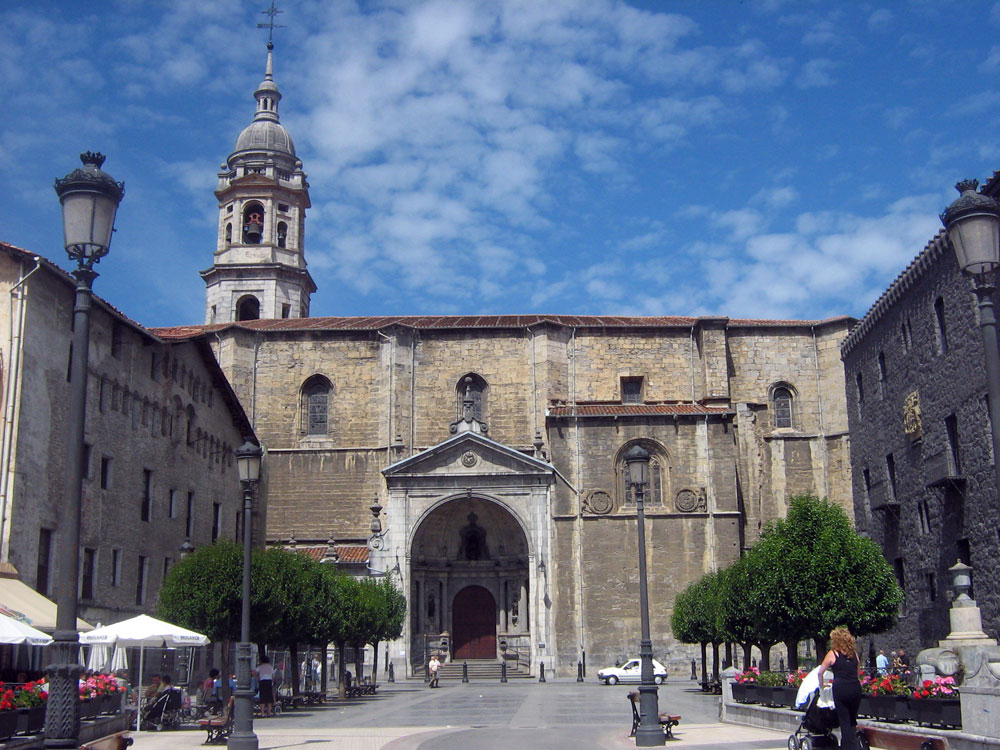
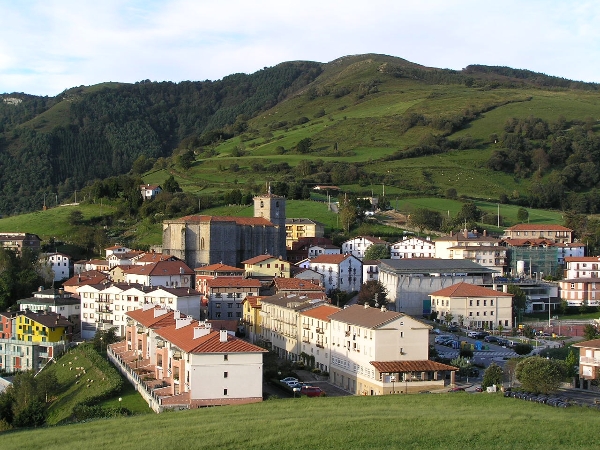
It sits very close to Zumaia and Getaria, and about a twenty-minute drive from Azpeitia. Fewer than a thousand residents and a pace that feels calm even by Gipuzkoa standards. The centre is compact: a square, the church of San Martín de Tours, and around it several stone farmhouses with red-tiled roofs. Everything feels contained, as if the village has chosen not to grow too much.
The church stands there quietly presiding. If it happens to be open and you step inside, the interior is simple, with light-coloured walls typical of many rural parishes in this part of the Basque Country. Outside, the bell tower is visible from almost anywhere in the village. It is not monumental, but it marks the point around which daily life turns.
A walk through the centre does not take long. Very quickly, the streets begin to lead out into rural paths. That is where Aizarnazabal becomes clearer. A couple of streets turn into narrow tracks running between meadows, small plots of land and the occasional farmhouse.
The Landscape Around It
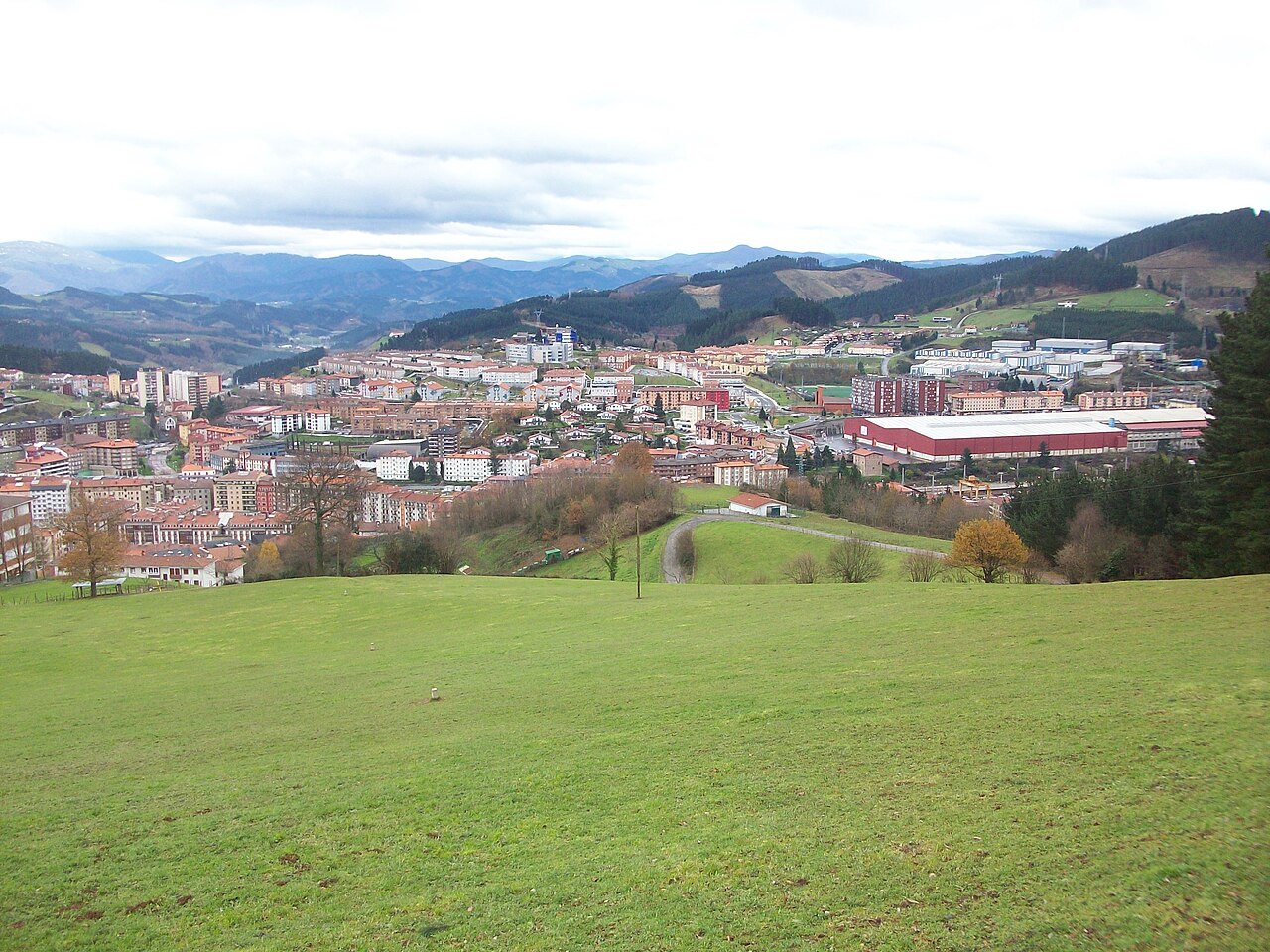
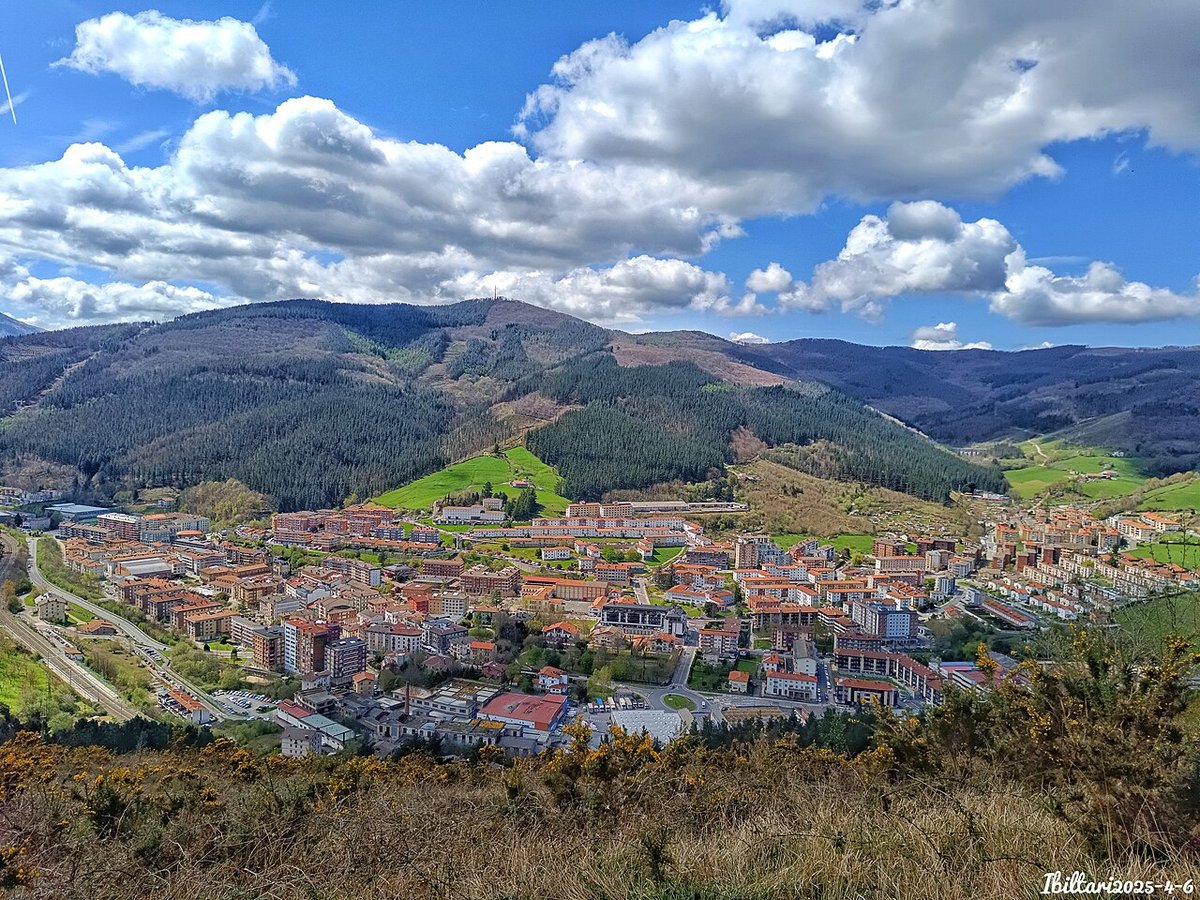
Step beyond the centre and the terrain opens into the gentle slopes typical of this part of Urola Kosta, a coastal region in Gipuzkoa. Green fields, cultivated plots and sheep grazing as if little has changed over time. It is not a dramatic landscape. It feels continuous instead, a series of hills rising and falling without sudden contrasts.
Farming activity is still very visible. Some fields grow maize, there are small vegetable gardens, and farmhouses that remain active. It is common to hear machinery in the distance or see someone working the land as you walk.
Several small streams run nearby as well. They do not stand out at first, but once you get closer, the sound of water becomes clear. It explains why everything around is so green.
Easy Walks Without Much Planning
The village itself can be covered quickly. Within an hour, it is possible to walk around the centre and head a little into the surrounding countryside. Some of the tracks connect with stretches linked to the Camino de Santiago, the pilgrimage route that crosses this part of Gipuzkoa on its way to the coast.
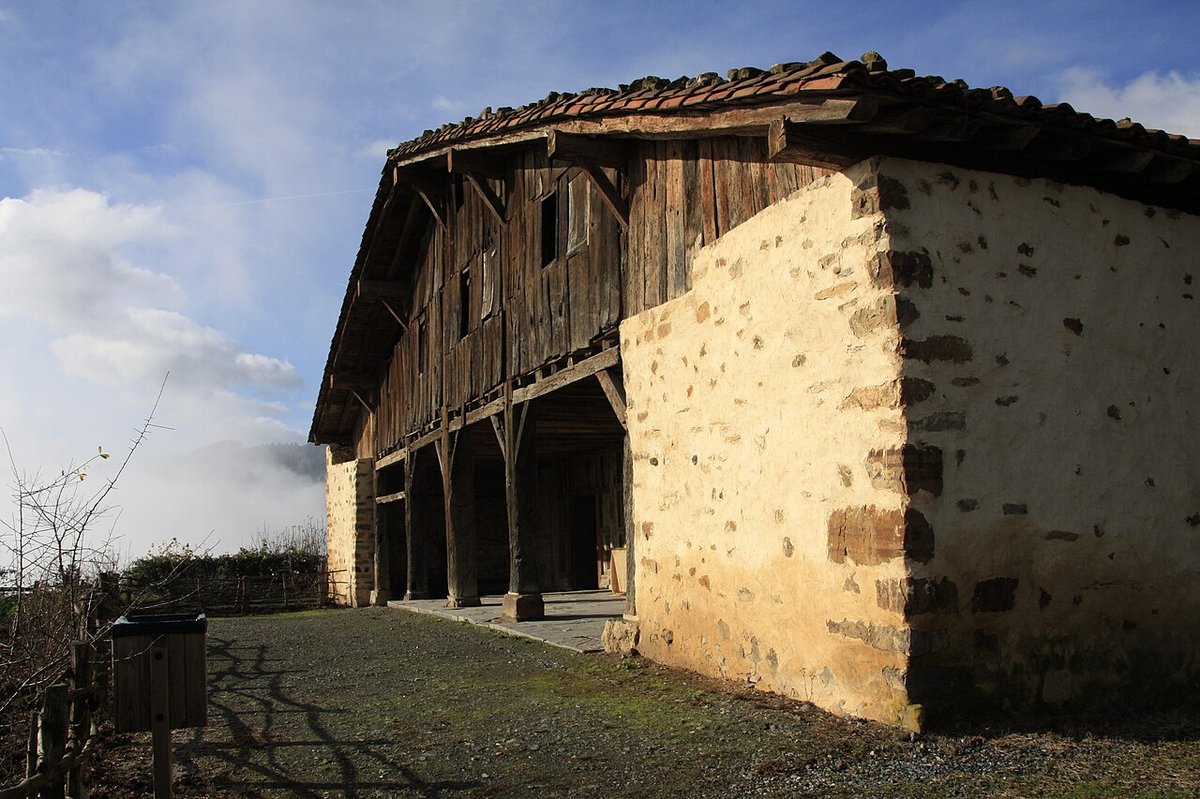
As you walk, details begin to stand out. Dry stone walls, large wooden gates, and the names of farmhouses that have been there for generations. Places such as Basalmendi or Zelaya still appear on maps and even on letterboxes.
There is no need for careful planning. You can simply follow one of the paths leaving the village and see how far you feel like going before turning back. The experience is less about reaching a specific point and more about moving through the landscape at a steady pace.
What a Visit Feels Like
There are no large museums or major historic buildings to fill an entire morning. Aizarnazabal works best as a short stop while travelling between Azpeitia, Zestoa and the coast.
It is the kind of place where you pause, stretch your legs and take in the surroundings. You leave the car near the centre and continue on foot. There are slopes, but they are typical of inland Gipuzkoa, noticeable but not demanding.
The village does not try to impress. Instead, it offers a quieter rhythm and a setting that becomes more interesting the longer you spend walking through it.
When to Come
Spring and autumn tend to show the landscape at its most lively. The green becomes particularly intense, and there is more activity along the paths as people work in the fields.
After several days of rain, some of the trails can become quite muddy. Footwear that can handle wet ground is a good idea. Nothing specialised is required, but very light shoes are not the best option.
Fog is also common in this area. When it settles over the fields, the village can end up half hidden between shades of grey and green. It may not be the brightest moment for photographs, but it creates a distinct atmosphere.
Getting There Without Fuss
Local roads connecting Azpeitia, Zestoa and the coast pass nearby. From any of these places, the drive takes only a few minutes. The roads are narrow and winding, as is typical in this part of Gipuzkoa, but they are well surfaced.
Once in the village, everything is within walking distance. You can leave the car near the square and continue on foot. In fact, Aizarnazabal is best understood that way: walking slowly and paying attention to what is around you.