Full Article
about Azpeitia
Between mountains and sea, Basque tradition and good food in every square.
Ocultar artículo Leer artículo completo
The 18-tonne steam locomotive hisses exactly as it did in 1928, only now the driver is a retired teacher in a Barbour jacket who apologises in perfect English for the soot on his jeans. That single moment—grease, history and politeness colliding beside the Urola River—tells you most of what you need to know about Azpeitia. The town refuses to behave like the postcard version of rural Spain. It makes trains, cheese and pilgrims in equal measure, and still expects you to be home for lunch by two.
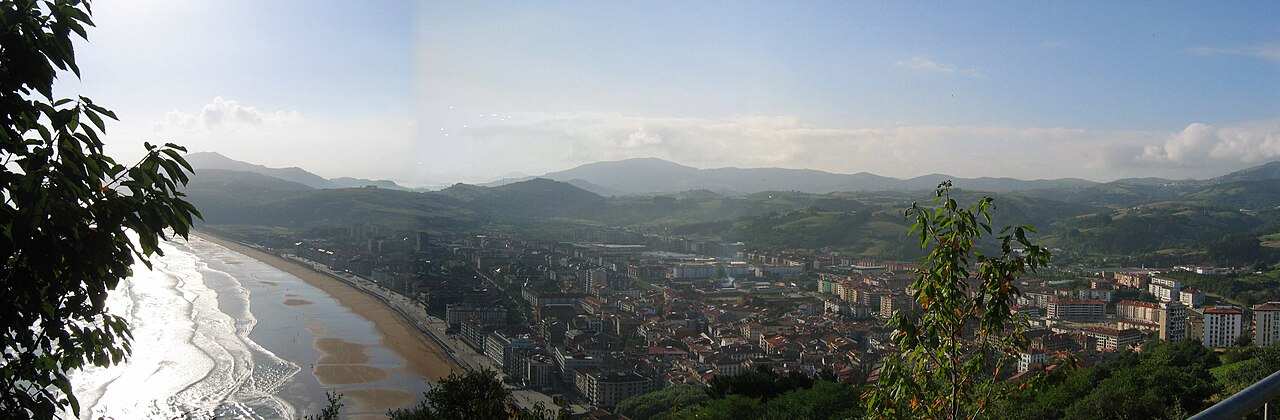
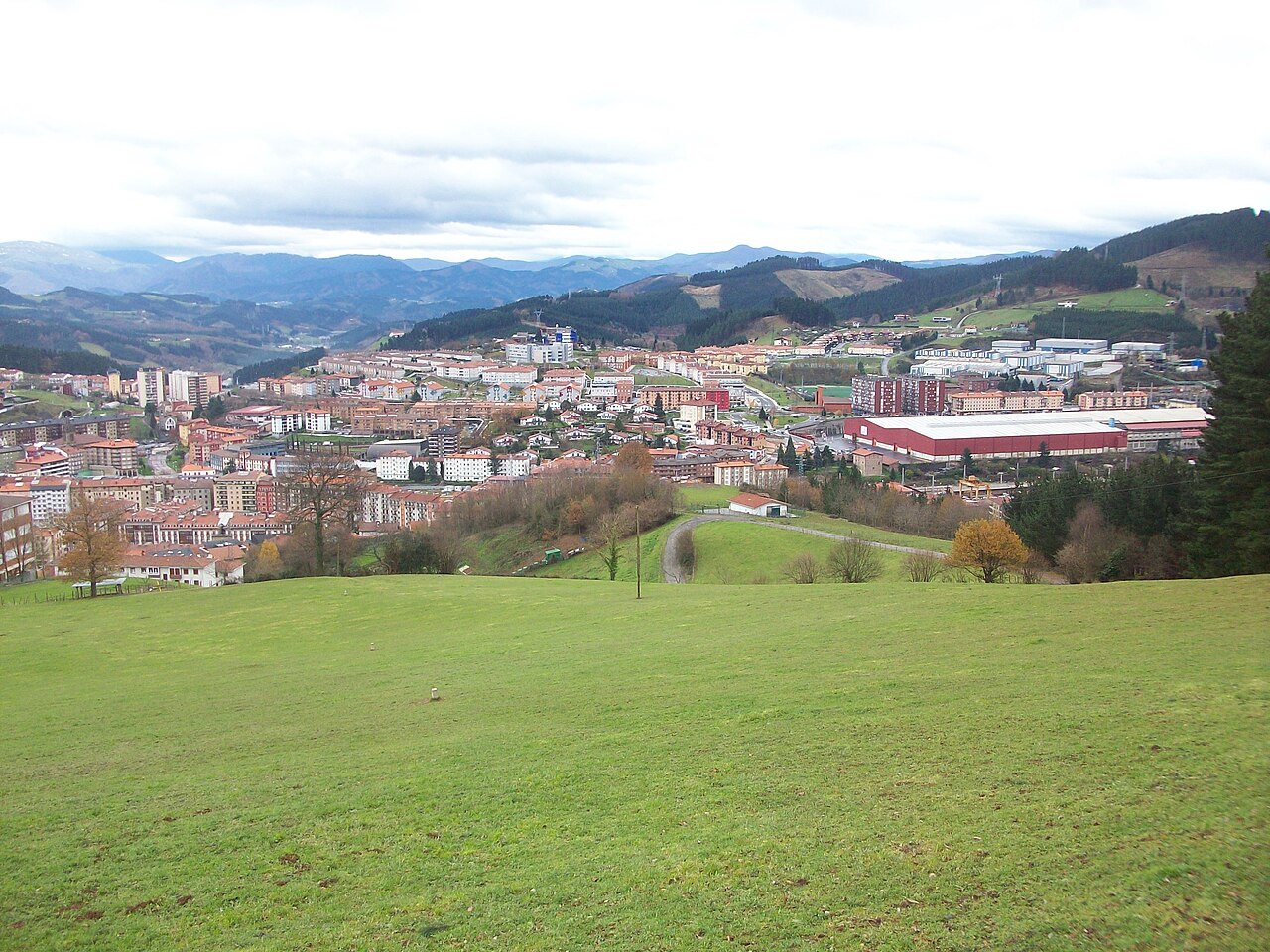
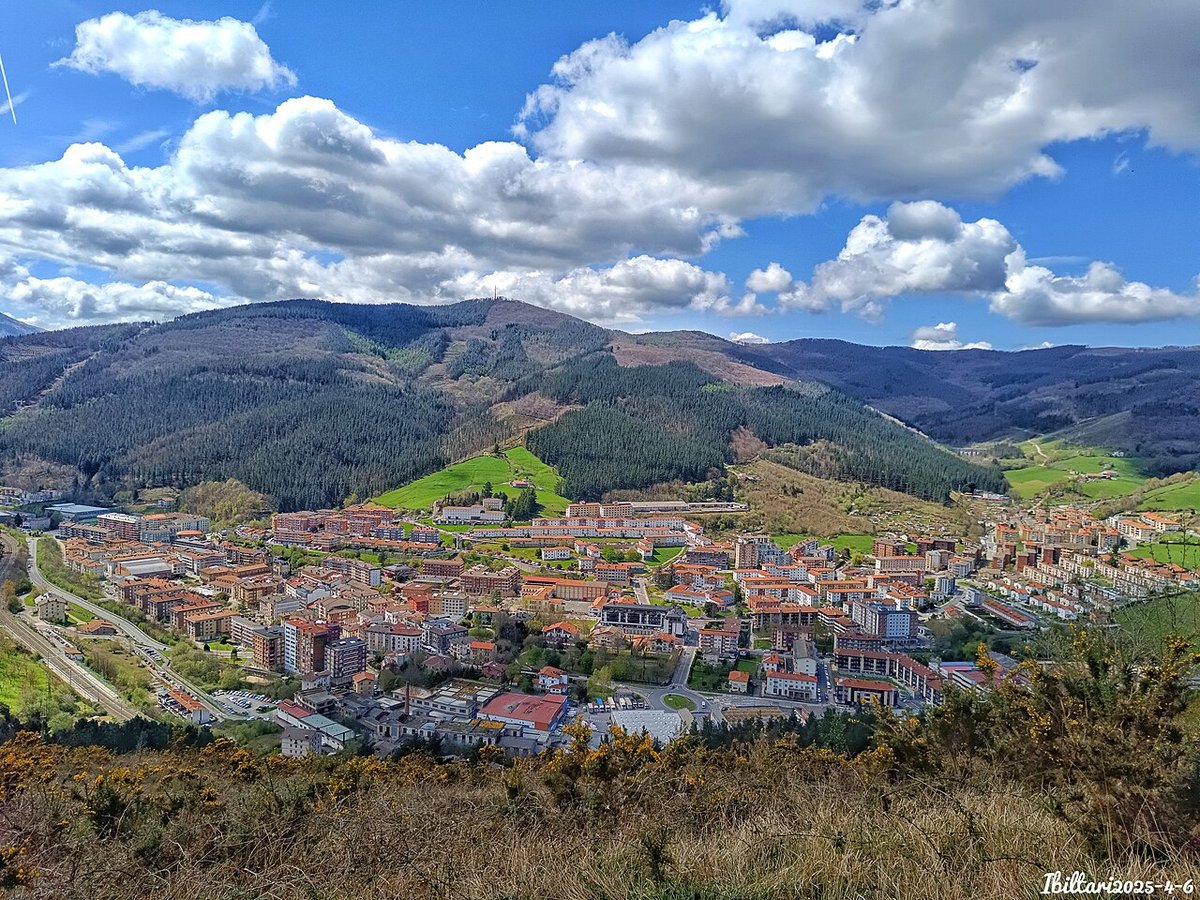
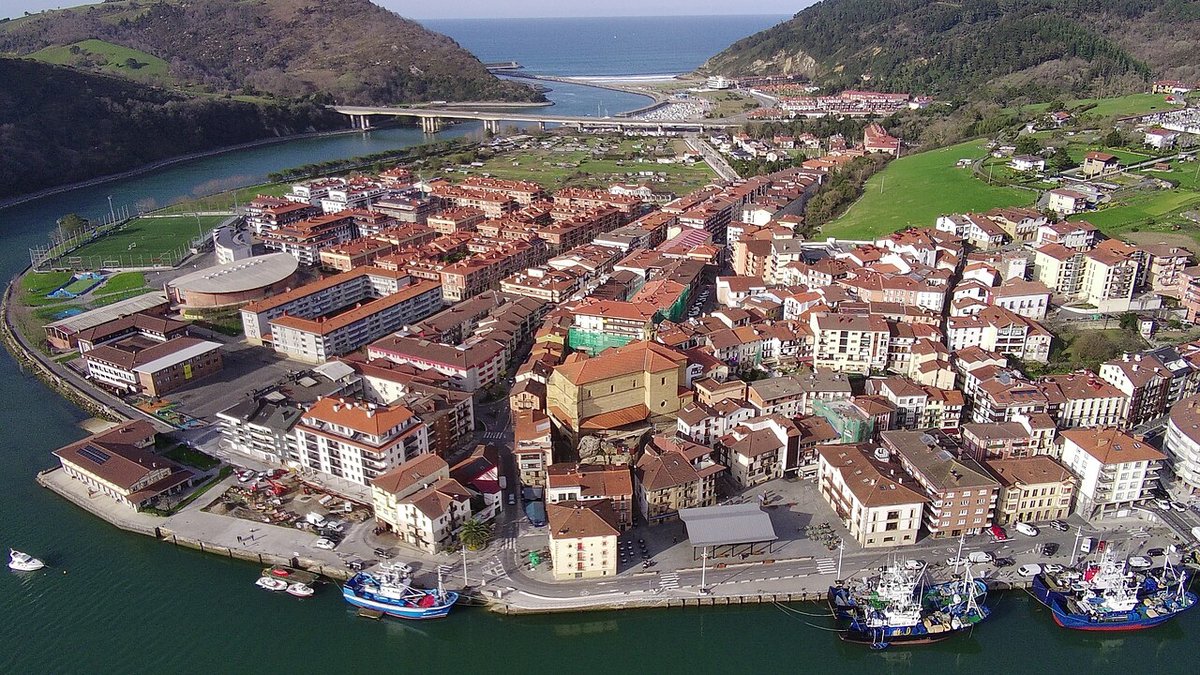
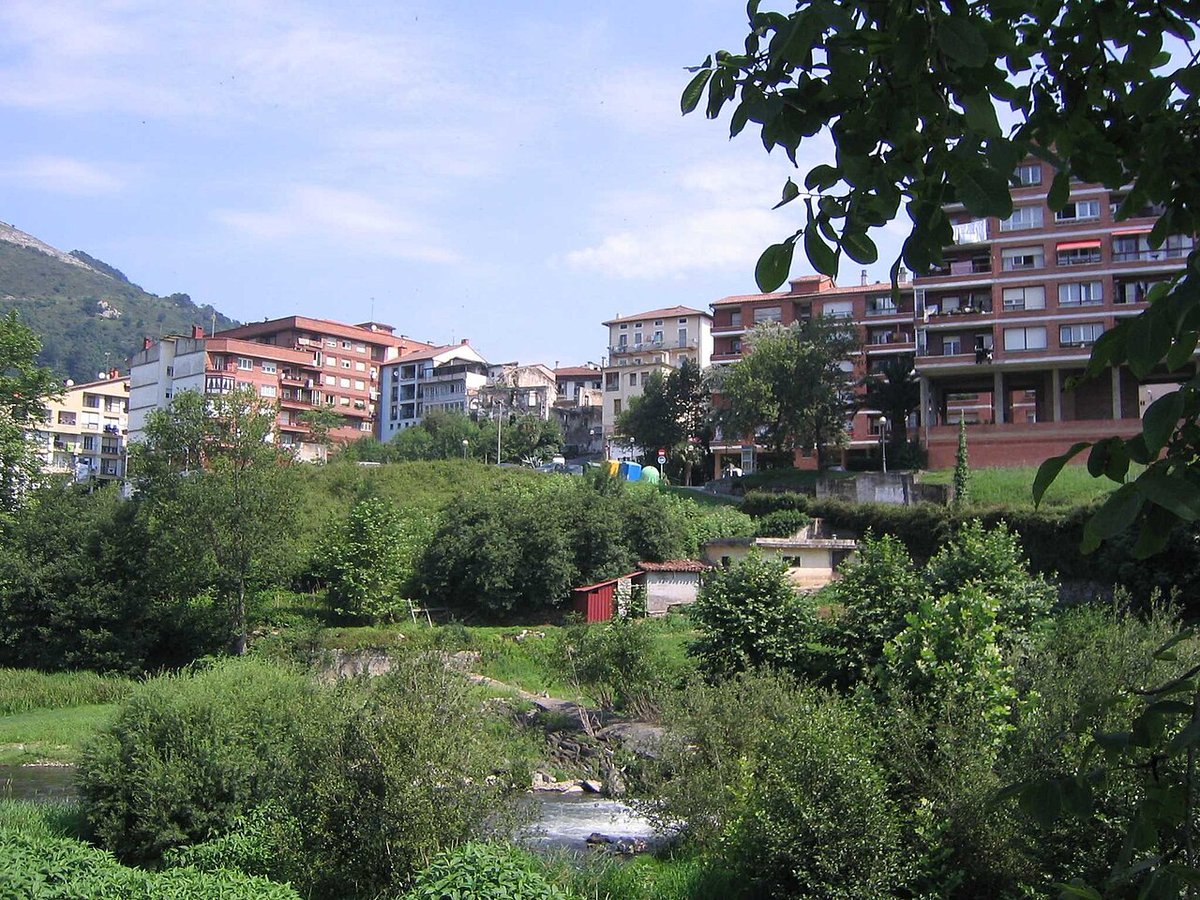
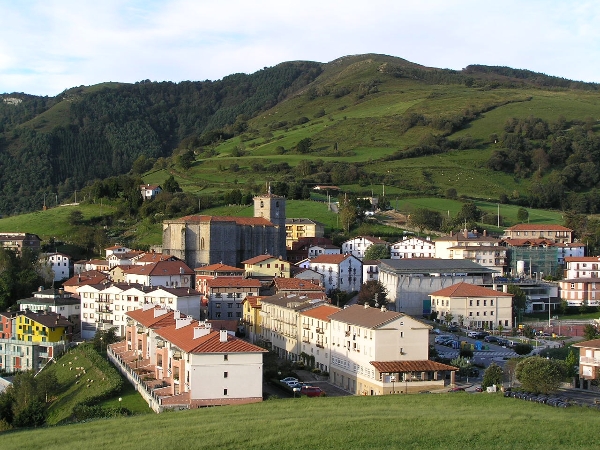
Azpeitia sits 43 km south-west of San Sebastián, far enough inland that the Bay of Biscay’s Atlantic weather loses its bite. Summer afternoons hover around 22 °C, cool enough that a cotton jumper feels sensible; winter brings mist that pools in the valley and occasional snow on the 1 075 m peak of Hernio that looms behind the basilica. The valley floor is gentle, but the town’s edges tilt sharply upward—within ten minutes’ walk of the main square you can be among bramble-lined sheep pastures or inside a workshop where men in leather aprons still hand-press Idiazabal cheese.
Loyola’s Shadow, Loyola’s Light
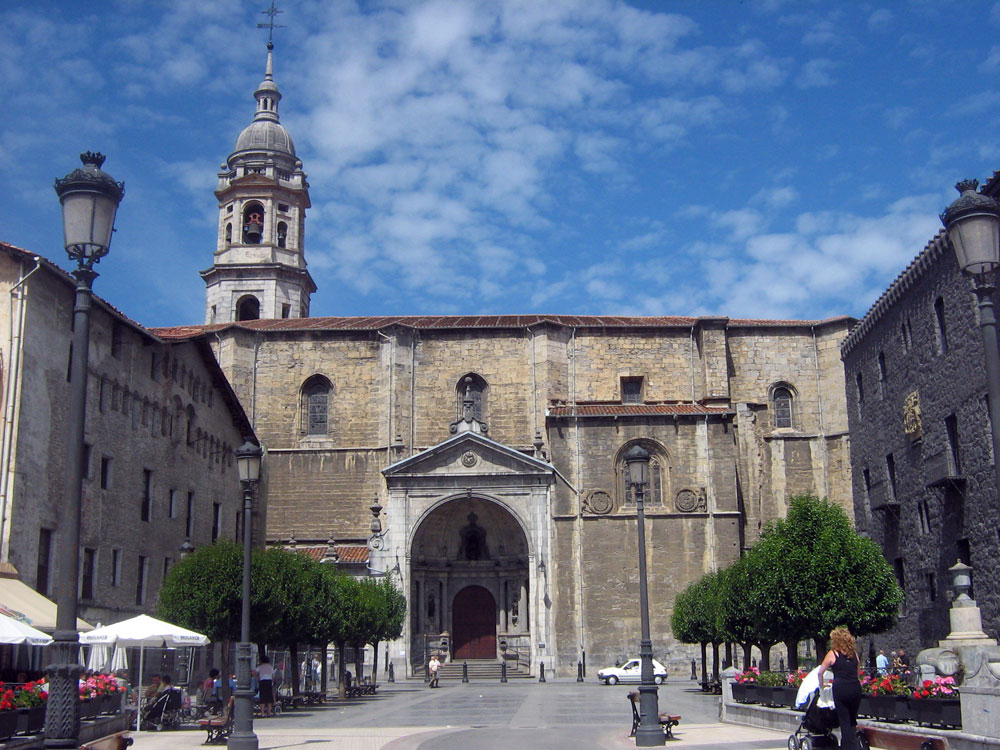
The Sanctuary of Loyola dominates the western approach like a baroque aircraft-carrier landed in a field. The dome—gilded and 65 m high—was paid for by Jesuit colleges across four continents, and the message is unmistakable: this is where Ignatius of Loyola was born, gave away his knight’s armour and invented the order that later educated half of Europe’s ruling class. Inside, the swirl of marble, stucco and painted ceilings feels almost Roman, yet the adjoining family tower-house is still the blunt stone fortress it was in 1491.
Tour groups arrive by coach at 10:30 and 15:00; between those hours you can wander the gardens and the austere birthplace almost alone. Entry is free, but the modern interpretation centre charges €7 and explains, without preachiness, why a Basque soldier’s mid-life crisis mattered to global history. Even the militantly secular tend to leave intrigued.
A Town that Oils its Own Locomotives
Two kilometres east, the Basque Railway Museum fills a 19th-century engine shed that smells of coal smoke and machine grease. It is not a play-park with a gift shop bolted on; it is a working depot where volunteers restore narrow-gauge stock that once climbed these same mountain gradients. You can climb into the cab of a 1960s diesel, watch a blacksmith forge replacement springs, and—on the first weekend of each month—ride 5 km up the valley behind a 1924 tank engine. The return ticket costs €9 and the journey is slow enough to count the cows. Check the website before you set out: winter timetables shrink to Saturday-only, and Monday closures are non-negotiable.
Cheese, Cider and Other Calories
Idiazabal cheese is mandated by EU law to come from Latxa sheep grazed within 100 km; Azpeitia’s dairies sit at the northern edge of that circle. A five-minute drive (or 25-minute riverside cycle) brings you to farm-gate signs that read “Quesería – Degustación”. The young version is buttery and gentle, the two-year-old version carries a smoky tang from beech-wood fires and pairs surprisingly well with a glass of local txakoli. Most producers speak enough English to explain why their flock yields only six litres of milk a day, hence the £38 per kilo price tag in Borough Market.
If you prefer protein served by the kilo, the grilled txuleton (a rib-eye the size of a small laptop) appears on most restaurant menus for two people. Ask for “poco hecho” if you like it rare; Basque cooks err on the side of still twitching. Cider houses open from January to April: you pay €15 for salt-cod omelette, unlimited steak and as much naturally fermented cider as you can catch in your glass when the barrel tap is opened with theatrical force.
Walking off the Indulgence
The Urola Greenway follows the old railway bed for 22 km to the sea at Zumaia, but the prettiest stretch begins behind the Azpeitia bus station. The surface is tarmac, almost flat, and shaded by plane trees that turn mustard-yellow in late October. Hire bikes at the tourist office (€15 half-day) and you can freewheel 8 km to the medieval ironworks at Zerain, stopping to photograph herons in the river and the abandoned textile mills that once turned Basque water power into Manchester-style wealth.
For something steeper, the Hernio massif starts where the streets end. The standard route gains 800 m in 6 km, first through oak woods, then across karst pasture that looks like the Yorkshire Dales with better weather. Allow three hours up, two down, and carry a waterproof: clouds can roll in faster than you can say “OS map”. On clear days you can see the Pyrenees and, away to the north, the thin blue line of the Bay of Biscay.
When to Come, When to Avoid
Late April and early October offer the best bargain: accommodation drops to €55 a night, bars still set tables outside, and mountain streams are full from spring rain or autumn storms. The week around 31 July—feast of St Ignatius—fills every bed within 20 km; room rates double and the basilica queue snakes back to the car park. Winter is quiet, but some rural restaurants close on Tuesdays and Wednesdays, so ring ahead or risk eating supermarket sandwiches on a bench.
Getting Here Without a Car
From the UK, fly to Bilbao (two hours from London, Manchester or Edinburgh). A Euskotren leaves the airport every 30 minutes; change at Amara station in San Sebastián for the narrow-gauge line to Azpeitia. Total journey: three hours, €7.50, and the last stretch clings to the river like a Hornby layout. If you insist on driving, the A-8 motorway is painless, but parking within the old town is metered at €1.30 an hour and the wardens are unsympathetic. Loyola’s own car park is free after 16:00, a useful nugget that halves the number of three-point turns performed by British hire-cars in the basilica coach bay.
The Honest Verdict
Azpeitia will not keep you busy for a week. You can tick the basilica, ride the steam train and still be back in San Sebastián for dinner. Yet that misses the point. Stay overnight, wake to church bells and the smell of baking bread, and you’ll see a Basque town comfortable with its own identity: proud of its saint, fonder still of its engines and cheese, and politely indifferent to whether you pronounce the “tz” correctly. Come with modest expectations—plus a light jacket and an appetite—and you may leave wondering why more Spanish villages don’t build their own steam engines instead of souvenir stalls.