Full Article
about Beizama
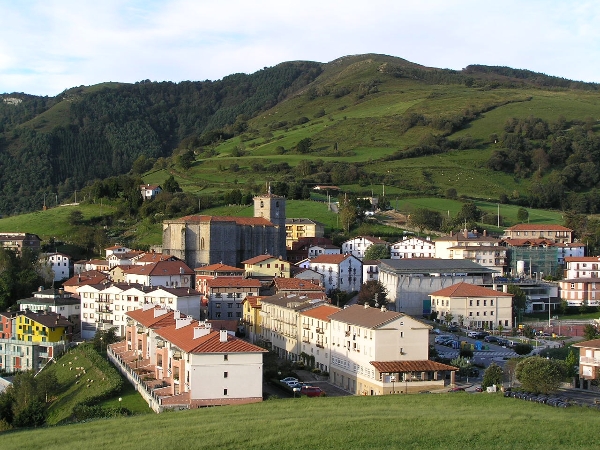
Deep green, farmhouses and nearby mountains with trails and viewpoints.
Ocultar artículo Leer artículo completo
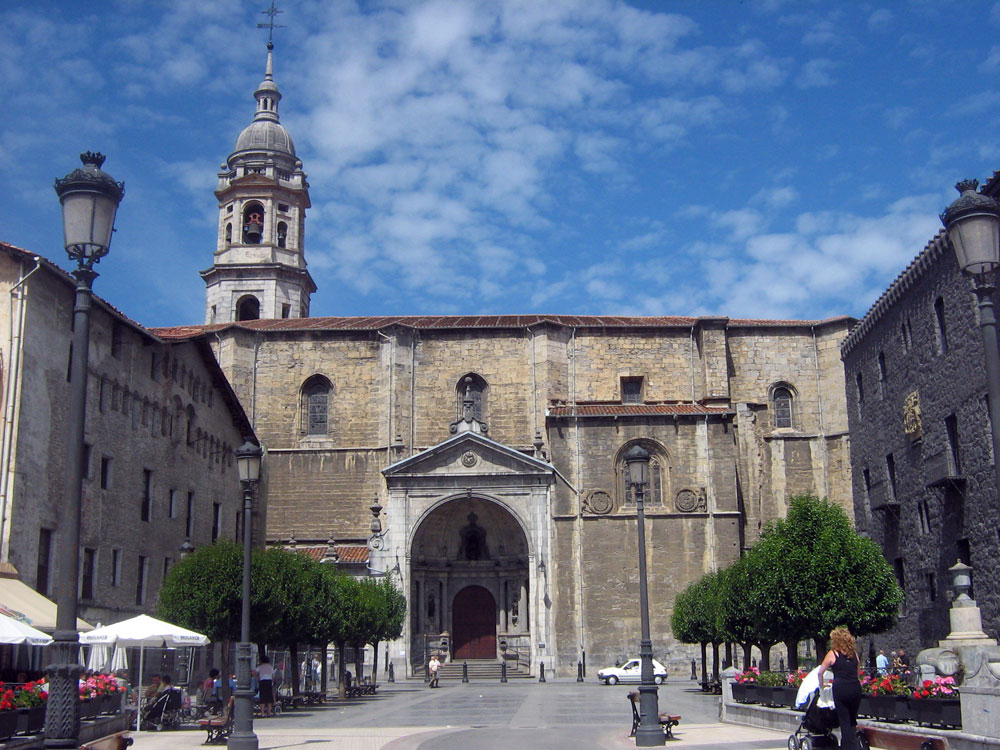
The church door is still open at seven on a Saturday evening, letting light spill onto the single village street. Inside, someone has left a jacket on the back pew and the air smells of wax and stone. Outside, the only sound is a tractor ticking itself cool half a block away. This is Beizama: no souvenir stalls, no interpretive centre, just 413 inhabitants, one bar and a landscape that starts where the tarmac ends.
Green silence at 400 metres
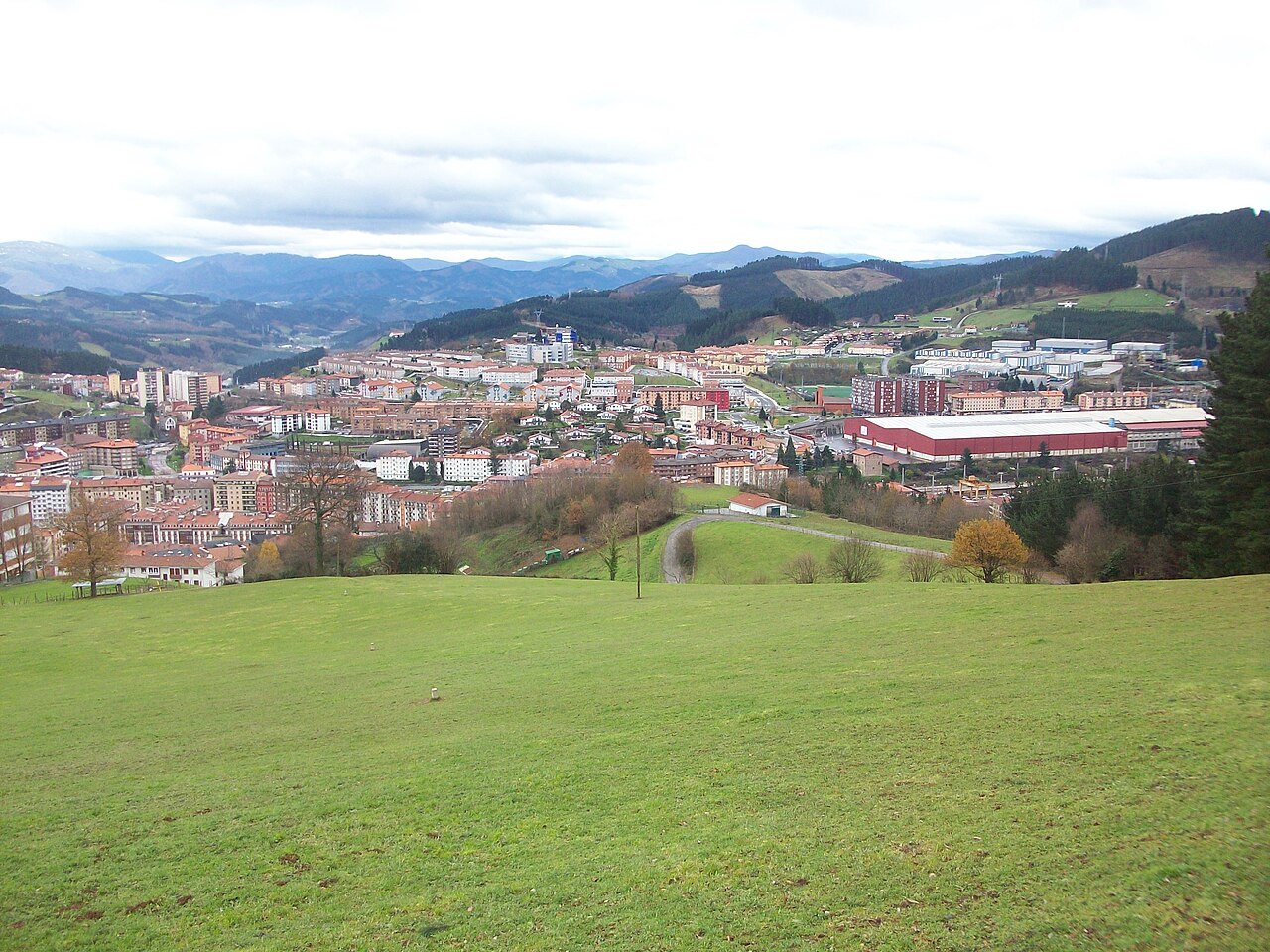
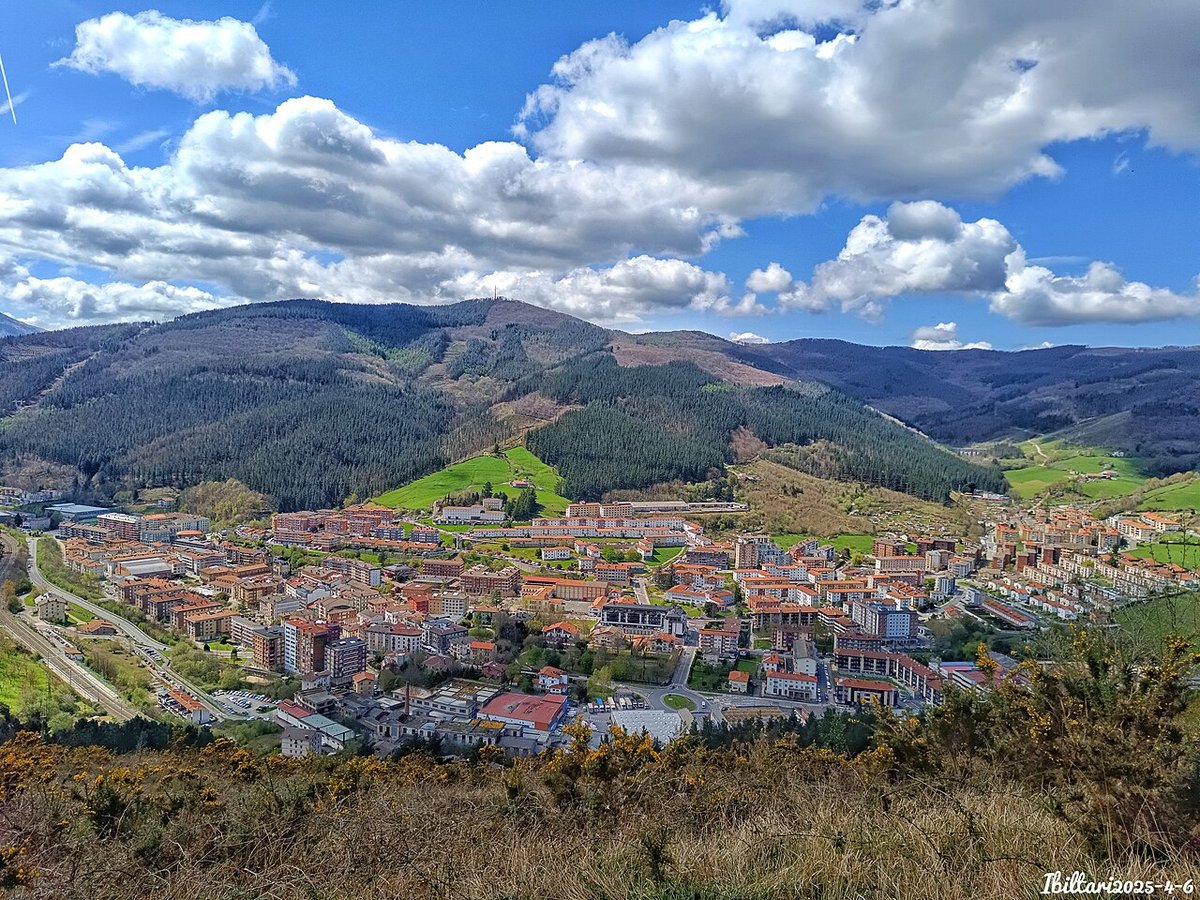
Drive inland from the Atlantic resorts for thirty-five minutes and the temperature drops five degrees. Motorway gives way to the GI-2630, a road that narrows so politely you barely notice the hedges brushing both wing mirrors. At 400 m above sea level the air thins and smells of cut grass and beech. The village sits on a saddle between two folds of pasture; beyond them the ground keeps climbing until it meets the limestone wall of the Aizkorri ridge. On a clear morning you can see the Cantabrian Sea glinting 35 km away, but more often the view ends in a soft, shifting veil of cloud.
Beizama is not remote in kilometres – Bilbao is an hour’s train ride to the coast then a twenty-minute taxi hop – yet it behaves as if the nearest city were in another century. There is no cash machine, no petrol station and, crucially for late risers, no shop that opens before eleven. The sole bus from Zumarraga arrives three times a day, deposits day-hikers outside the frontón court, and leaves with the same modest hiss.
Walking without a soundtrack
Every trail begins at the church of San Martín de Tours. Pick up a free leaflet from the metal box nailed to the porch – the paper is damp but the route lines are accurate. The shortest loop, PR-Gi 120, circles the valley floor in fifty minutes, passing stone farmsteads whose red shutters match the tile roofs. Dogs bark, cows watch, then the path ducks into holm oak and everything goes quiet except for your boots.
If you have half a day, follow the yellow dashes west towards Zumarraga. The track climbs gently through bracken and gorse until the hedgerows drop away and you’re on open hillside. Buzzards wheel overhead; wild thyme crunches underfoot. After 7 km the trail tops a pass at 720 m and descends through pine plantations to the Urola valley, where an hourly train rattles back to Beizama. Total walking time: three hours; total encounters on a weekday in May: two mushroom pickers and a man on a quad bike who waved.
Winter changes the deal. Snow can arrive overnight in January, turning the lane into a slush gutter and hiding the waymarks. Chains are sensible rather than macho; without them you may spend the afternoon in Sidrería Beizama drinking the house cider and waiting for the thaw. The bar keeps a box of playing cards behind the counter and a log basket the size of a bathtub – nobody hurries you.
What you can and can’t eat
The sidrería opens only at weekends outside summer, and the menu is short enough to recite: txuleta (char-grilled T-bone), chips, salad, Idiazabal cheese, quince jelly, walnuts. Fifteen euros buys the set lunch; vegetarians get cheese, eggs and apology. The steak arrives rare, salted only on the outside, sliced off the bone at the table so you can stop when you’ve had enough. Cider is poured from shoulder height to knock the gas out – catch a trickle in your glass, knock it back, then turn away so the next person can step in. If the sharp, farmyard tang isn’t your thing, ask for mosto, the unfermented grape juice that tastes like apple squash with attitude.
There is no supermarket, so stock up in Zumarraga before you wind up the mountain. Sunday is a complete shutdown: even the vending machine in the frontón is emptied on Saturday night. Picnickers should head for the grassy knoll above the municipal frontón – stone tables, a spring that pours drinkable water, and a view that stretches south to the sheep-dotted heights of Urbia.
When the valley throws a party
San Martín arrives on 11 November with a mass, a communal lunch and a raffle whose top prize is a hamper of cider and sausages. Visitors are welcome but not announced; if you want in, loiter by the church at twelve and accept the first invitation to txoko (private dining society) that comes your way. You’ll be asked to pay ten euros towards the shopping and expected to wash up afterwards. August brings a larger fiesta: ox-cart parade, herri kirolak (wood-chopping, stone-lifting), and a Saturday night dance that finishes when the band runs out of batteries. Accommodation is impossible without prior booking; most locals rent out spare rooms by word of mouth rather than Airbnb.
Honest drawbacks
Rain is not an event here, it is the default setting. Even July can flip from sun-hat weather to hill fog in the time it takes to finish a sandwich. Mobile reception is patchy among the stone houses; download offline maps before you leave the coast. The single cash point in the next village broke in 2022 and hasn’t been replaced – bring notes or you’ll be paying for your steak with a wad of €2 coins scraped together from the car ashtray.
And Beizama is small. An energetic wanderer can see the entire nucleolus in forty minutes. If you need museums, craft shops or a choice of restaurants, keep driving towards San Sebastián. What the place offers instead is tempo: the rare, slow beat of a valley whose fields are still worked by the people who live in the scattered farmhouses, and whose night sky is dark enough to remind you what the Milky Way actually looks like.
How to do it (and when to leave)
Base yourself here only if you’re happy to make your own entertainment. Spring brings orchid-speckled meadows and the smell of cider apples fermenting in the lagares; autumn smells of bonfire and mushroom earth. Either season delivers daytime highs around 18 °C and nights cool enough for a jumper. A car is almost essential unless you’re content with the one-bus-a-day rhythm; parking is free and unrestricted beside the frontón.
Two hours is enough to walk the valley loop, drink a cider and post the mandatory photo of red roofs against green escarpment. Two days lets you hike to Zumarraga, summit Aizkorri and return via the shepherds’ path from Urbia, arriving dusty and virtuous in time for Sunday lunch. Stay longer and you’ll start recognising the tractor driver who waves every morning, and the bar owner will set aside your favourite cheese before you ask. That’s when you realise Beizama isn’t a destination you tick off; it’s a pause button the Basque Country keeps handy for anyone who has forgotten how to breathe without checking their phone.