Full Article
about Errezil (Régil)
Between mountains and sea, Basque tradition and good food in every square.
Hide article Read full article
A different side of Urola Kosta
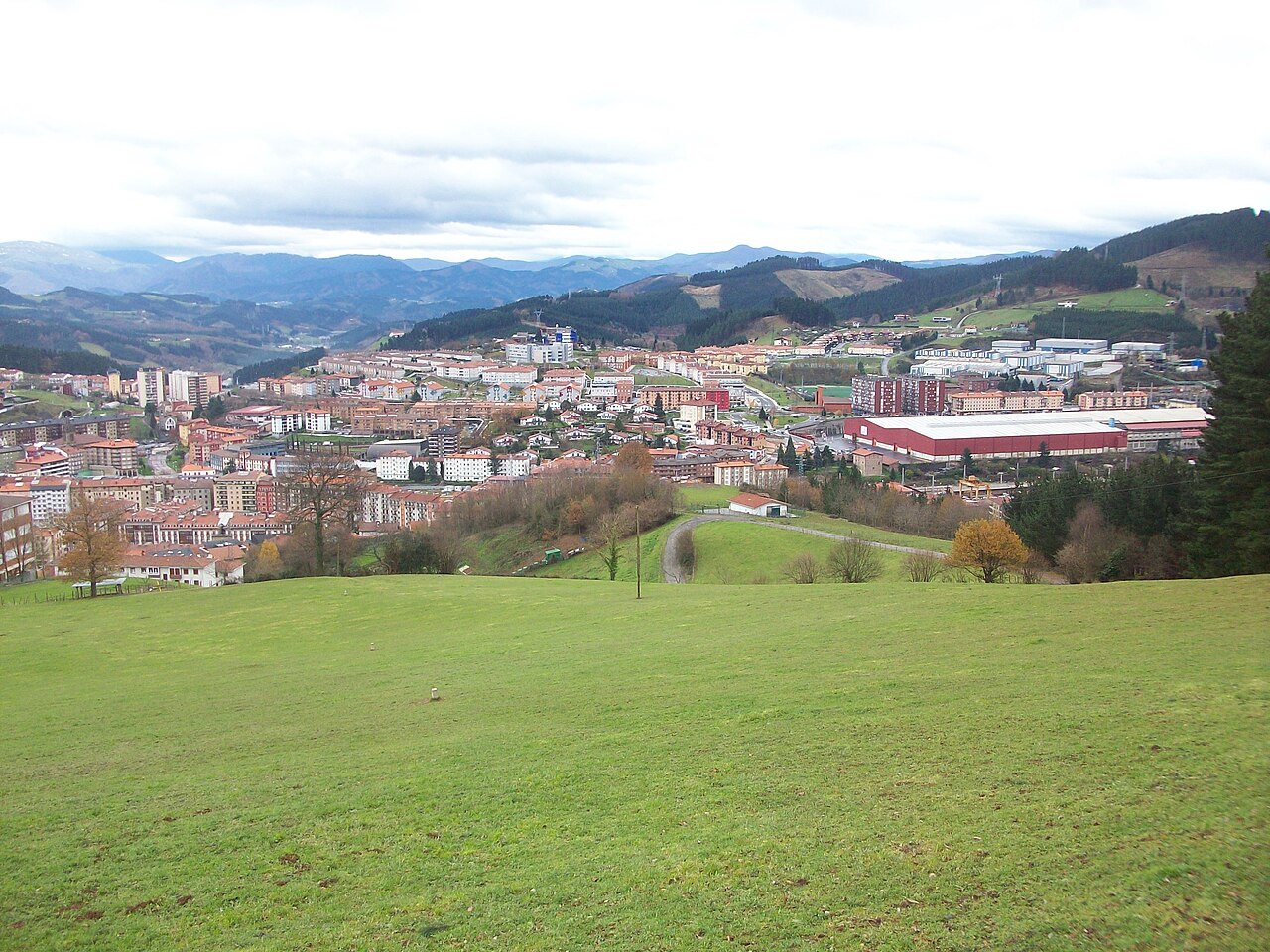
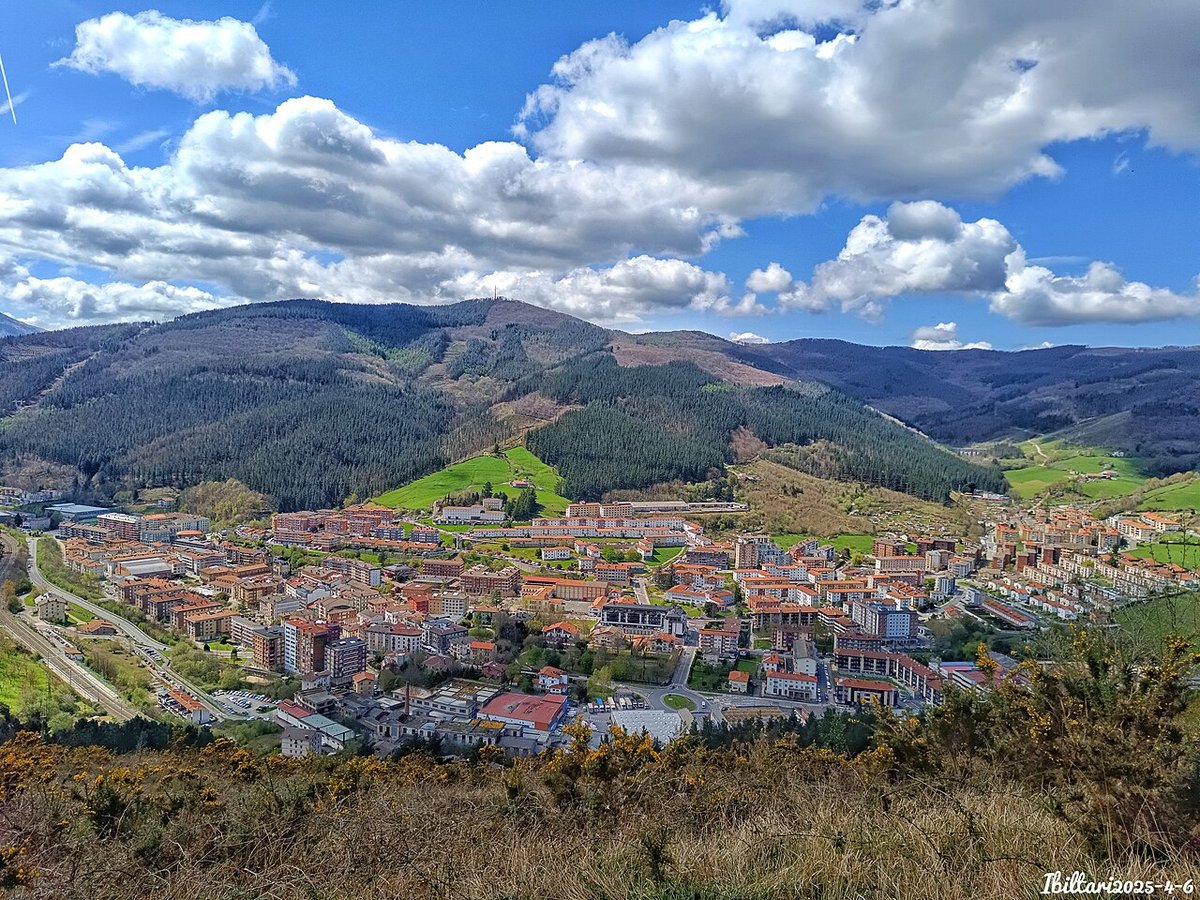
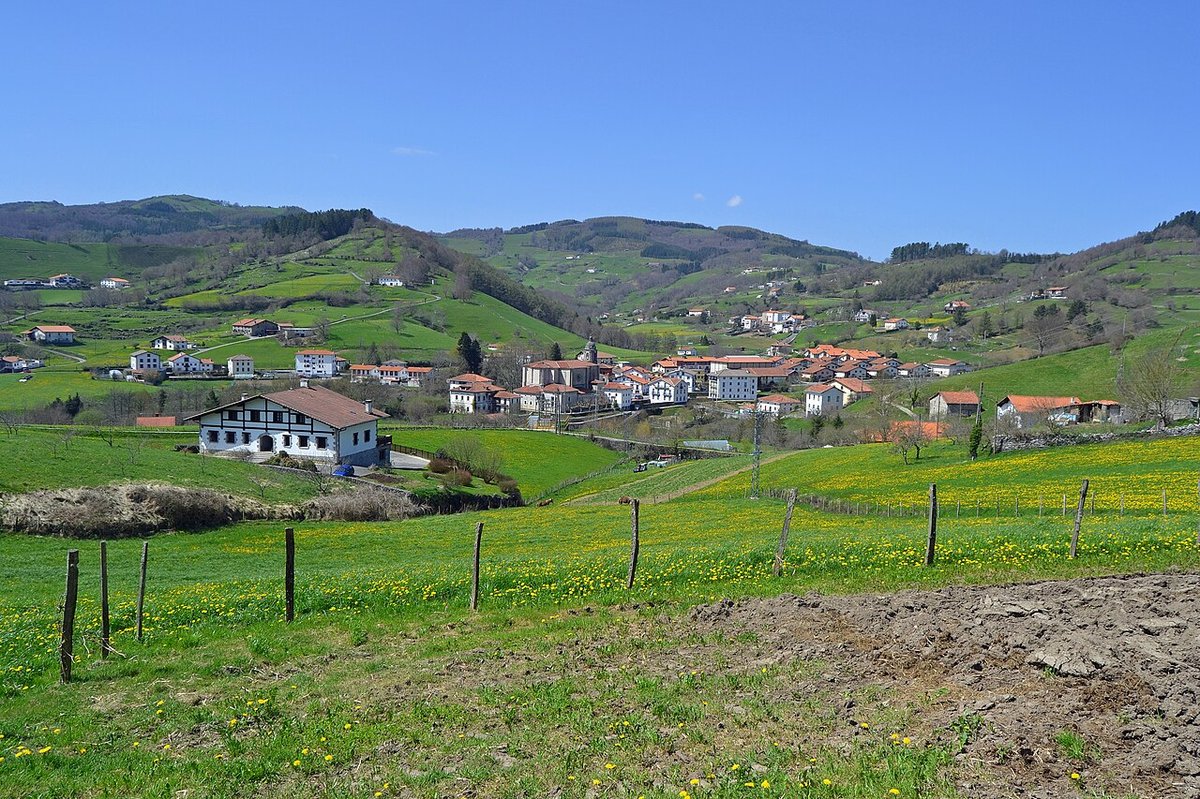
Tourism in Errezil has little in common with the coastal towns of the Urola Kosta area. This is an inland landscape, shaped by green slopes, scattered farmhouses and a network of rural paths that follow the needs of agriculture and livestock rather than those of visitors. With just under six hundred inhabitants, the municipality still reflects a structure that has likely changed very little over the centuries: small neighbourhoods, family-run farms and a strong presence of Euskera in everyday life.
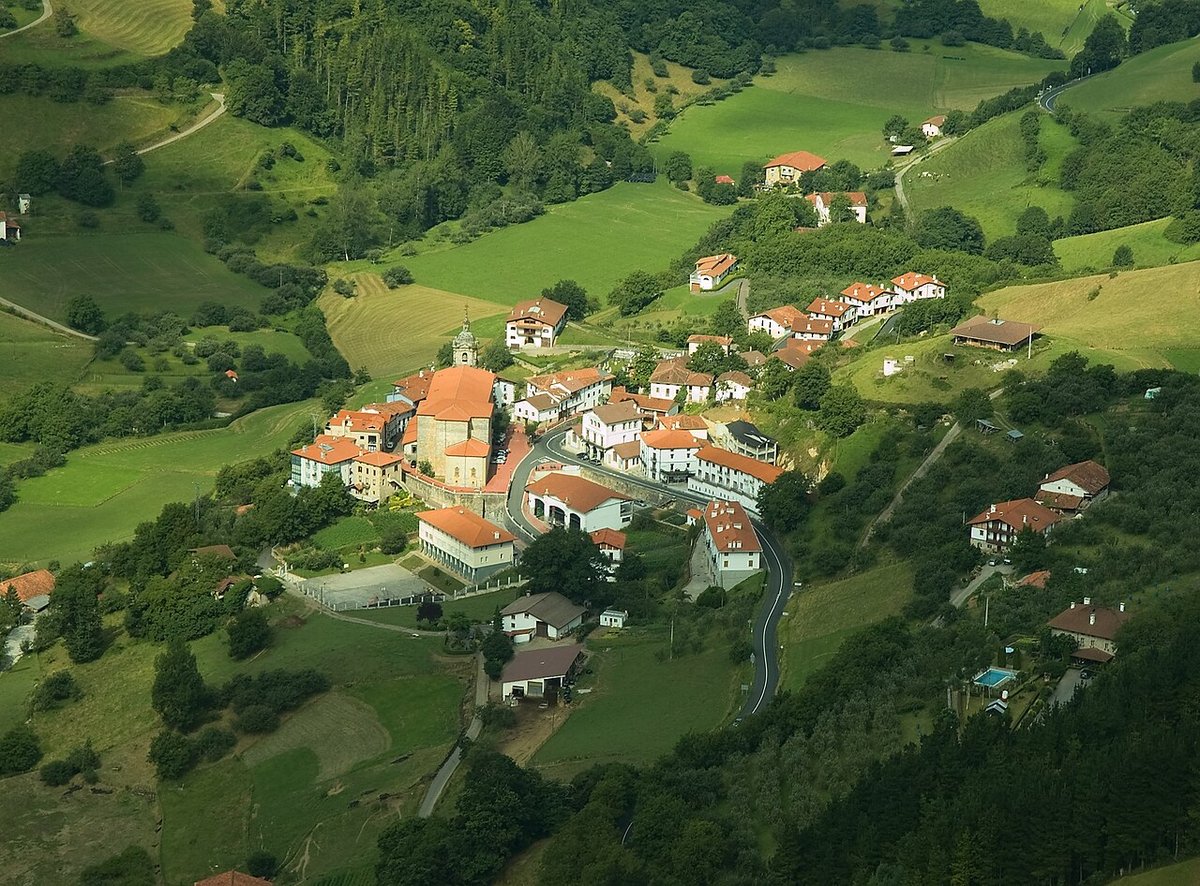
There is no compact old town or sequence of monuments to tick off. The best way to understand Errezil is by looking at a map. Farmhouses sit apart from one another, separated by meadows, small wooded patches and narrow roads that constantly rise and fall.
Around the church of San Martín
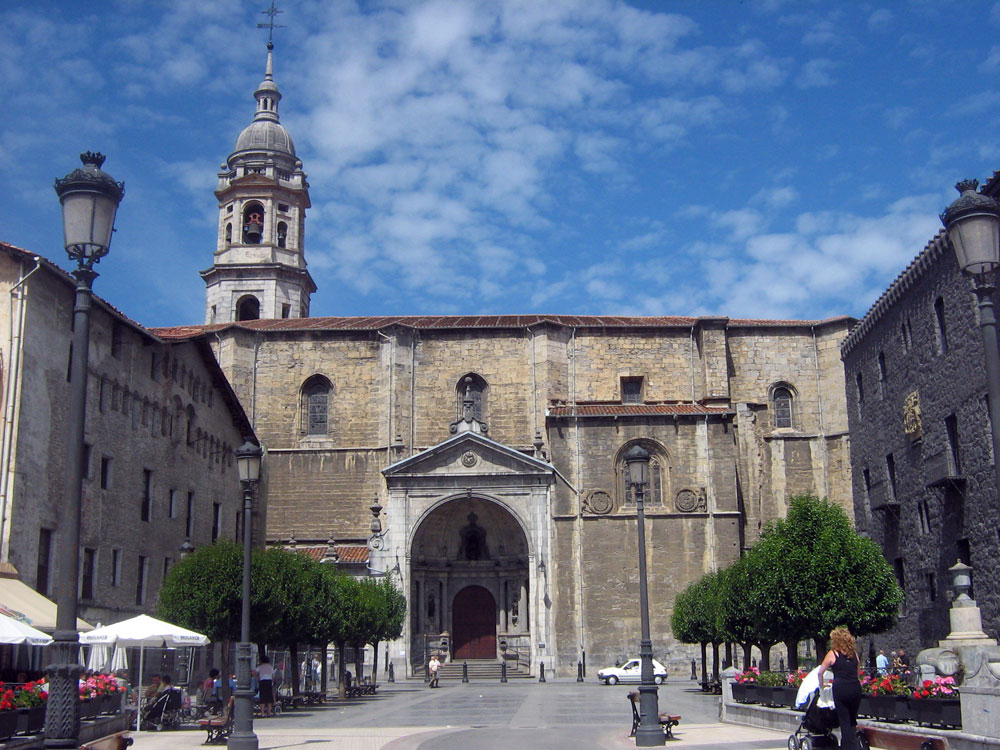
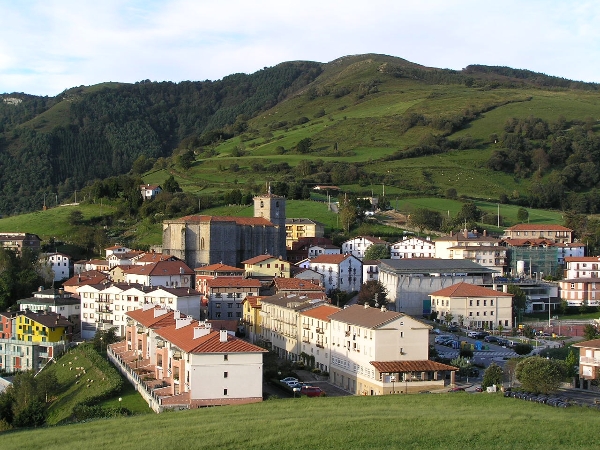
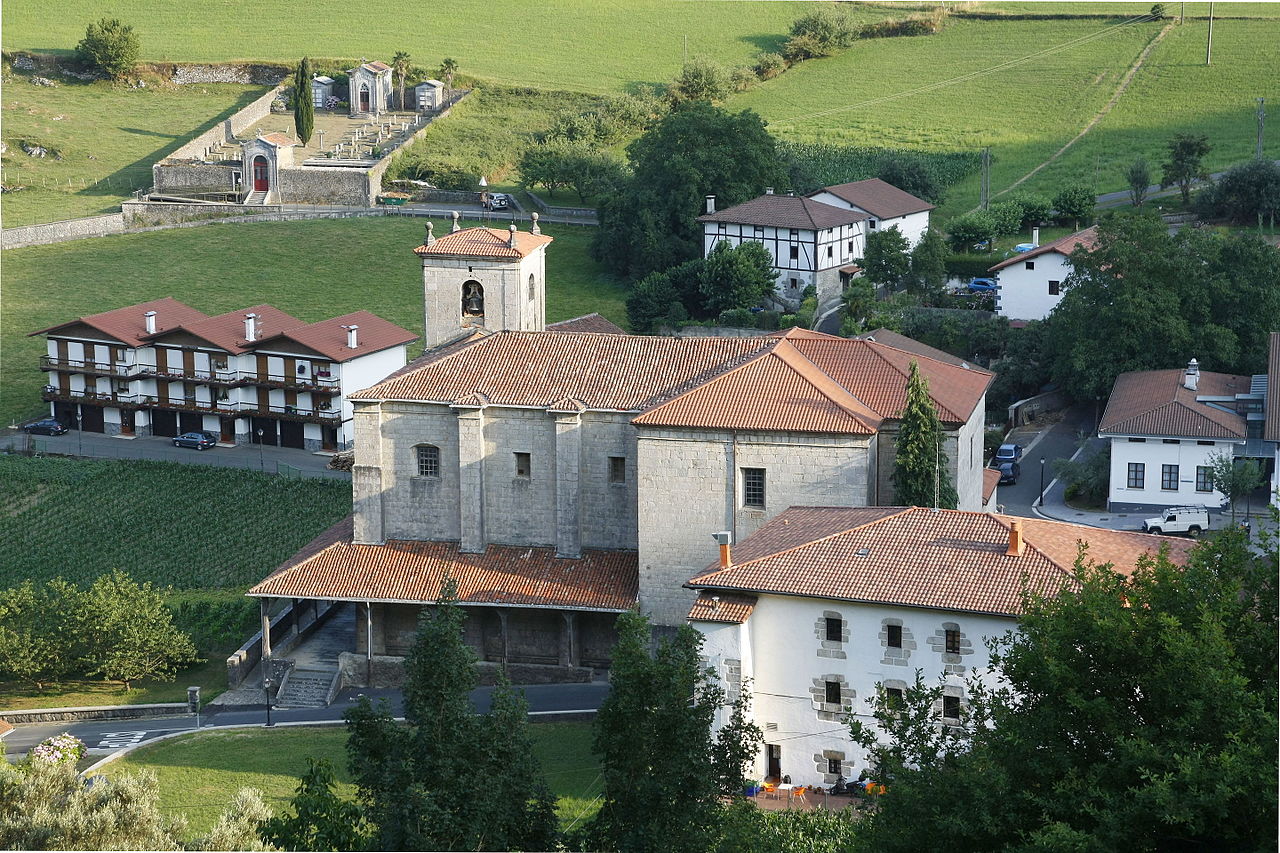
The main point of reference is the church of San Martín de Tours. The current building dates from the 16th century, later altered as happened with many rural parishes in Gipuzkoa. Its appearance is restrained, with thick walls and very little exterior decoration. The church works less as an isolated monument and more as the centre of a small settlement.
A handful of houses and municipal buildings gather around it. From this spot, the structure of the municipality becomes clear. The village does not organise itself around a large square. Instead, it opens outward towards the surrounding neighbourhoods and the farmhouses that occupy the nearby slopes.
The landscape around the church reflects the wider area. Meadows for grazing dominate, alongside hedgerows and small stands of oak or beech at higher points. On clear days, the views extend across several valleys in this inland part of Gipuzkoa.
Farmhouses and rural architecture
Errezil is, above all, a land of farmhouses, known locally as caseríos. Many have old origins, although most have been adapted over time. They retain common features of Basque rural architecture: large stone structures, sloping tiled roofs and wooden balconies or galleries that face south.
This orientation served a practical purpose. It allowed better use of light and warmth in a damp climate. Balconies also played a role in daily work. Agricultural products were often dried there, especially maize and apples, both of which have been important in the local economy.
Narrow paths appear between one meadow and the next, linking the different neighbourhoods. Some of these routes are now paved, while others remain traditional rural tracks that have been used for generations.
Walking through the municipality
Exploring Errezil largely means walking between farmhouses and open pasture. There is no single obvious route to follow. Most visitors connect local paths and small roads that link the various neighbourhoods.
The terrain sets the pace. Distances on a map can be misleading, as almost every route involves either climbing or descending. The reward comes in constant shifts of perspective, which help make sense of how the rural landscape in this part of Gipuzkoa is organised.
A map or a recorded track is useful if the aim is to link several paths. Signposting exists along certain sections, but it is not always continuous.
Agriculture and local produce
Life in Errezil remains closely tied to the land. Livestock farming is visible in many holdings and in the meadows that surround the caseríos. The local apple, known as Errezil sagarra, is particularly associated with the area. It has traditionally been used for cider and in baking.
Family vegetable gardens are still common and provide seasonal produce. Everyday cooking in the area revolves around simple ingredients such as meat, pulses, vegetables and dairy products. Food here is not presented as a tourist attraction. It forms part of daily life rather than something staged for visitors.
When to go and practical notes
Spring and autumn are usually the most pleasant times for walking. Spring brings especially vivid greens, with meadows in full activity. Autumn introduces colour changes in the woods and often coincides with work related to the apple harvest.
Summer offers longer days for walking, although humidity and rain are not unusual. Morning fog appears frequently, particularly on damp days.
Errezil is a small municipality with limited services. For specific purchases, nearby towns such as Azpeitia or Azkoitia tend to offer more options before heading into the valley.
Access roads are narrow and winding, which is typical for this inland part of Gipuzkoa. They are manageable, though a calm approach to driving is advisable.
A short visit of about an hour around the church area provides a first impression. A more complete experience involves spending a morning or an unhurried day walking between neighbourhoods and linking rural paths. The interest here lies less in ticking off sights and more in observing the landscape and the way people live within it.