Full Article
about Ezkio-Itsaso (Ezquioga-Ichaso)
Between hills and sea, Basque tradition and good food in every square.
Ocultar artículo Leer artículo completo
A Place You Drive Past—Until You Don’t
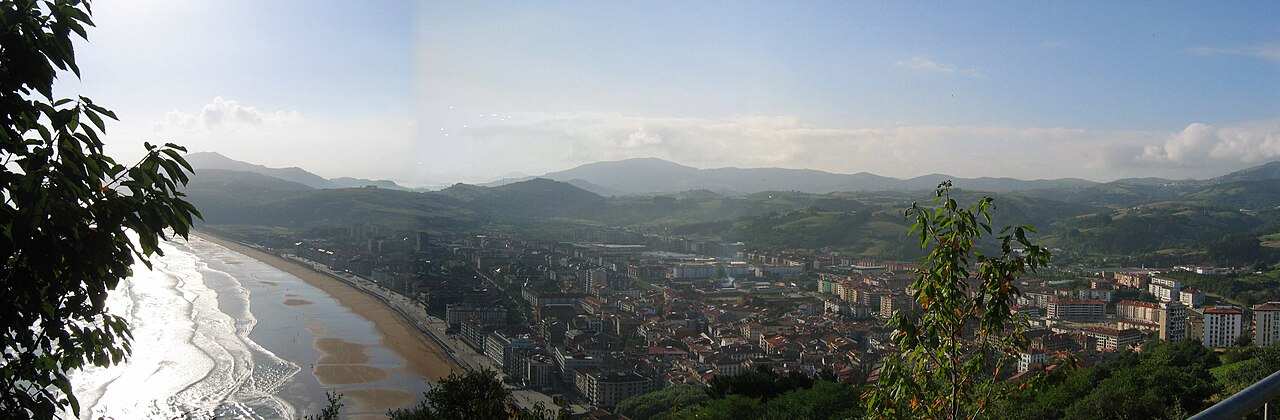
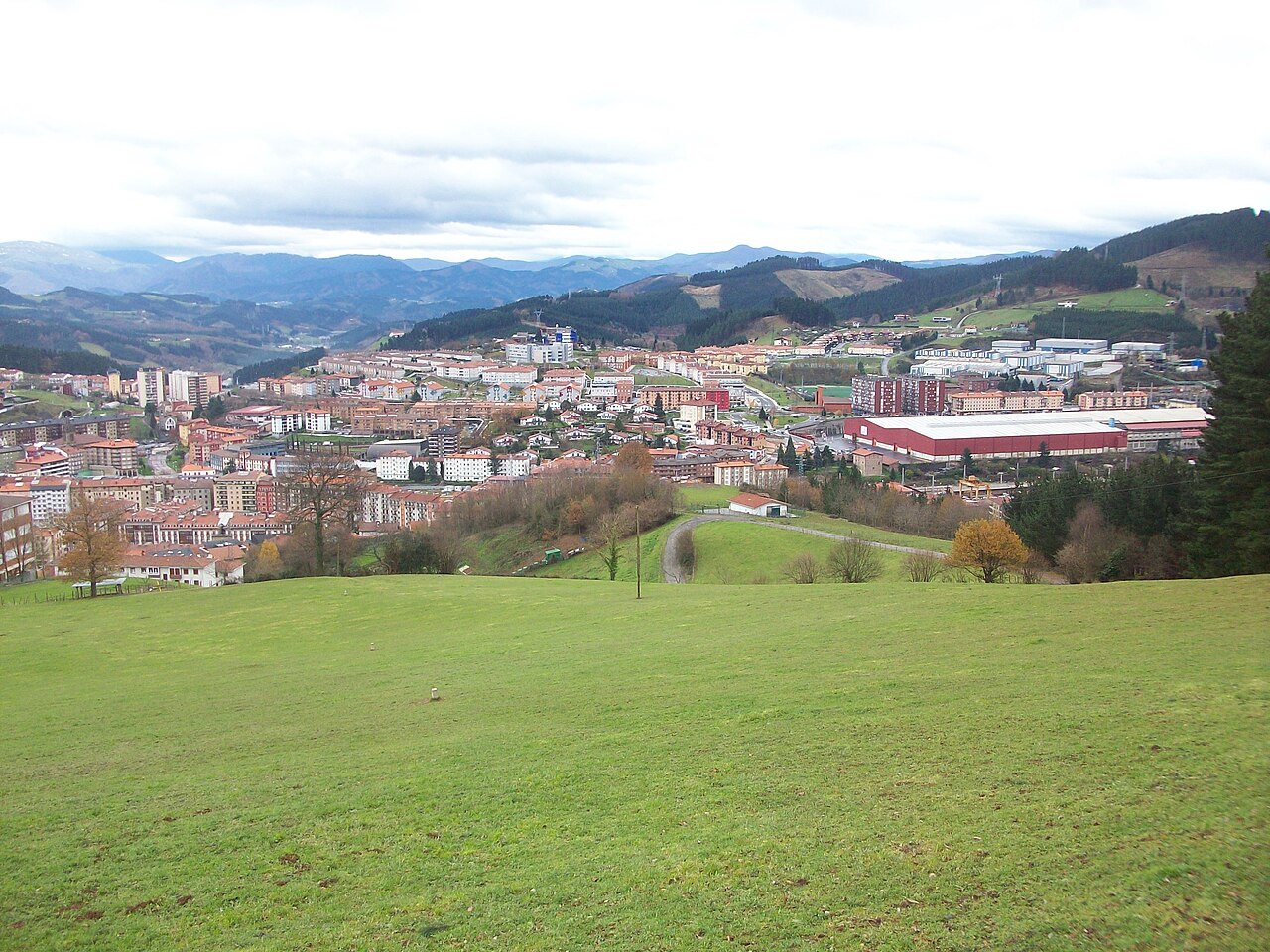
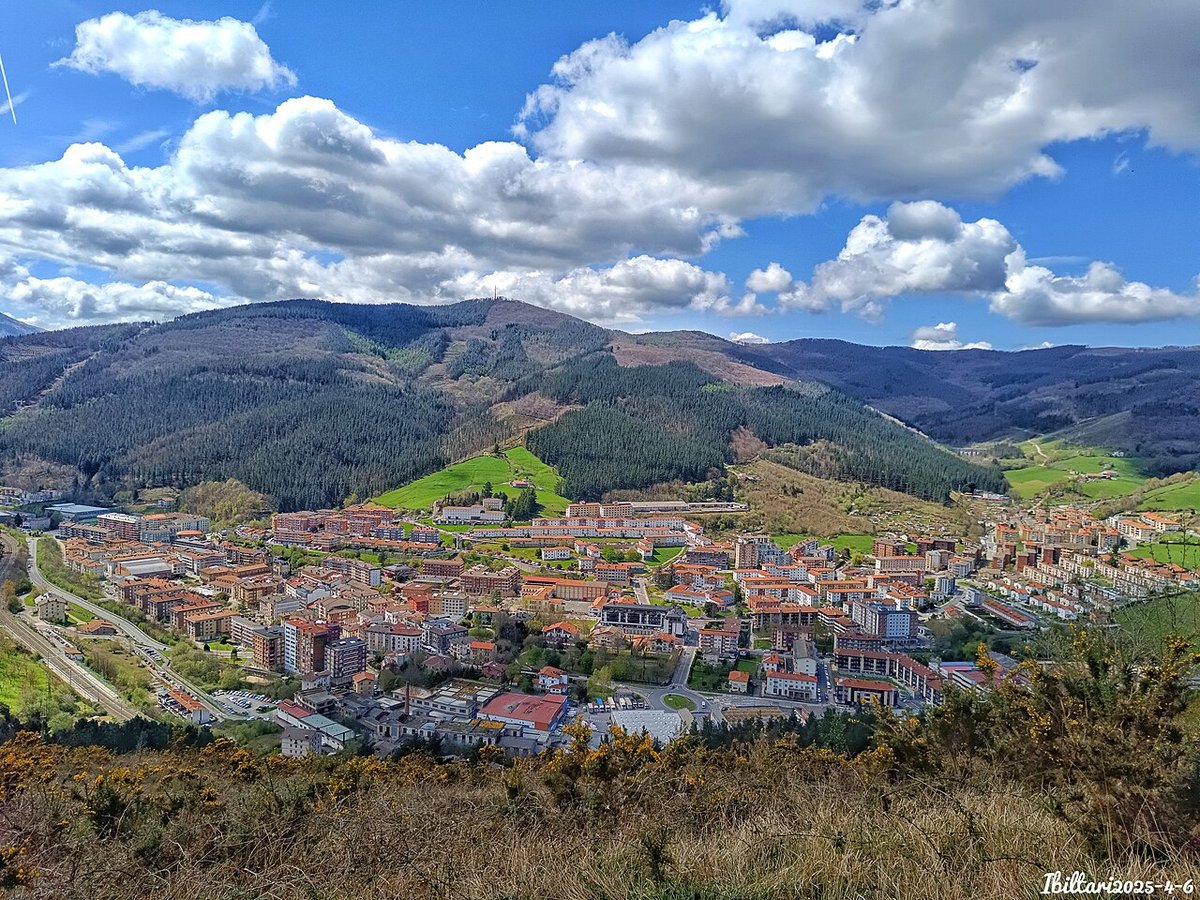
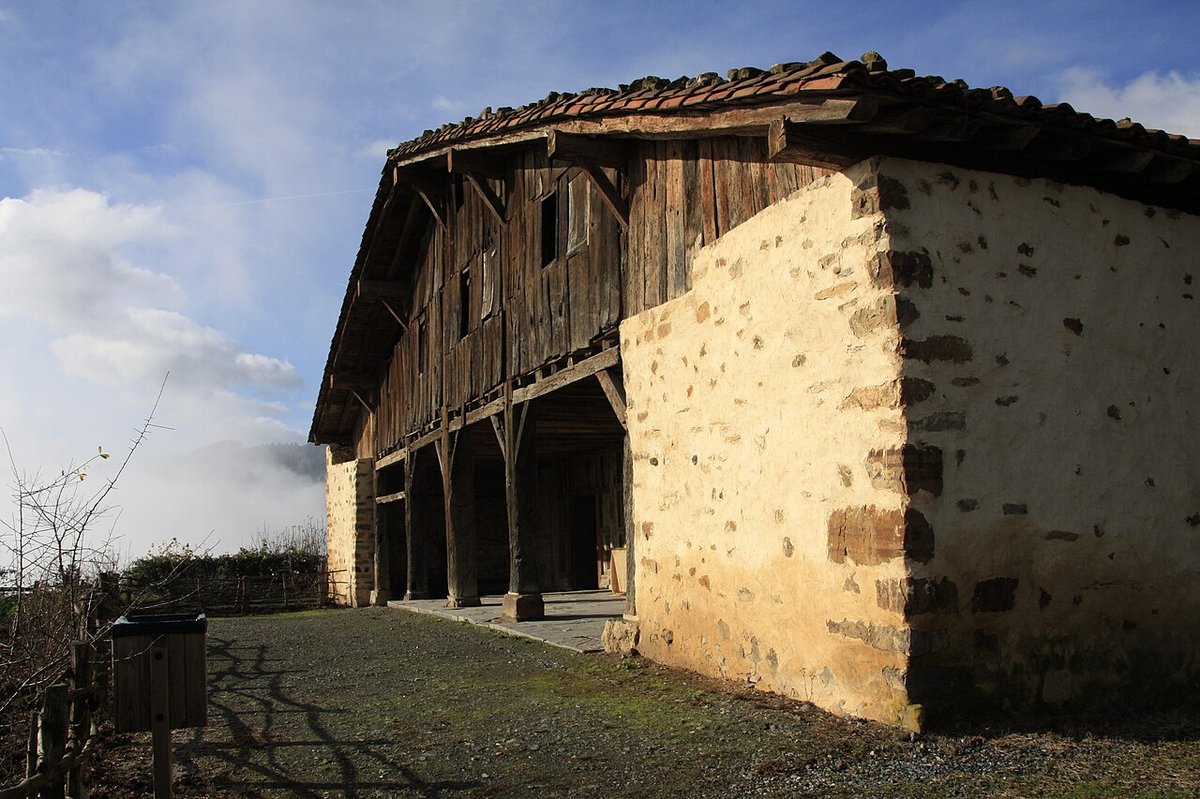
The A-1 autopista hauls traffic from Bilbao to San Sebastián in under an hour, but ten kilometres before the coast it brushes past a slip-road simply marked “Ezkio”. Most drivers stay in the fast lane. Those who peel off discover a scatter of stone farmhouses, beech woods and two hamlets—Ezkio and Itsaso—locked in a green bowl at 250 m above sea level. There is no centre to speak of, no medieval quarter to tick off, just a rural grid of lanes where tractors have right of way and the loudest sound is usually a cowbell.
The dual name confuses sat-navs: half the road signs omit “Itsaso” altogether. Locals still use the Spanish “Ezquioga” and the Basque “Ezkio” interchangeably, which explains why English-language forums return almost zero results. That anonymity suits the 500 residents fine; they farm, commute to Vitoria or Zumárraga, and treat visitors as a curiosity rather than a pay cheque.
What You Actually See
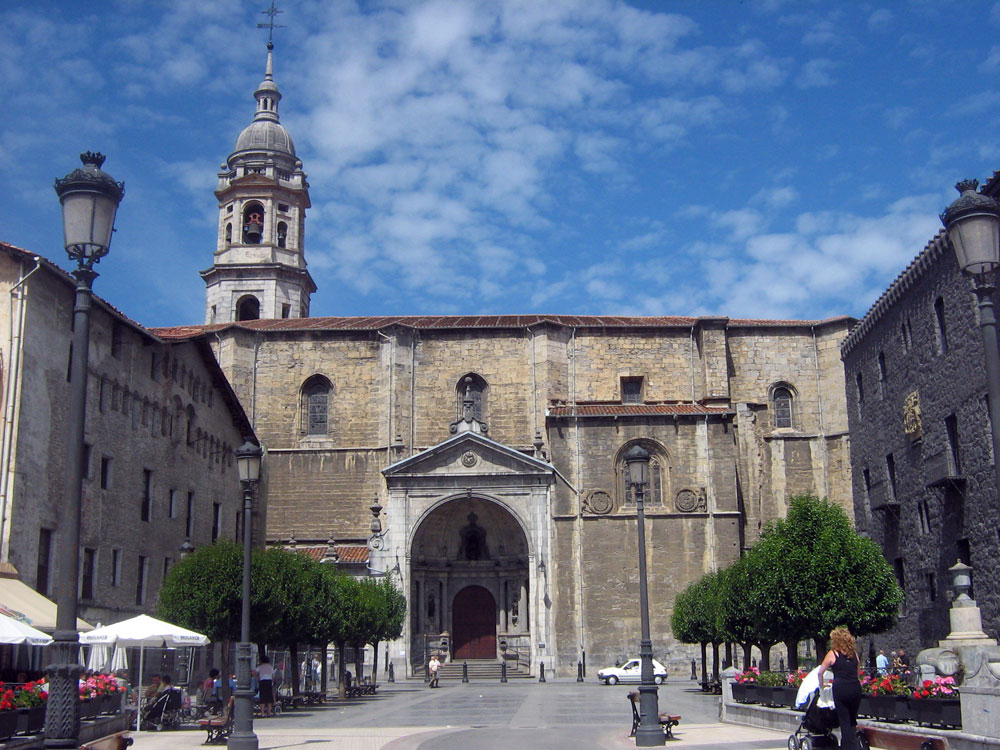
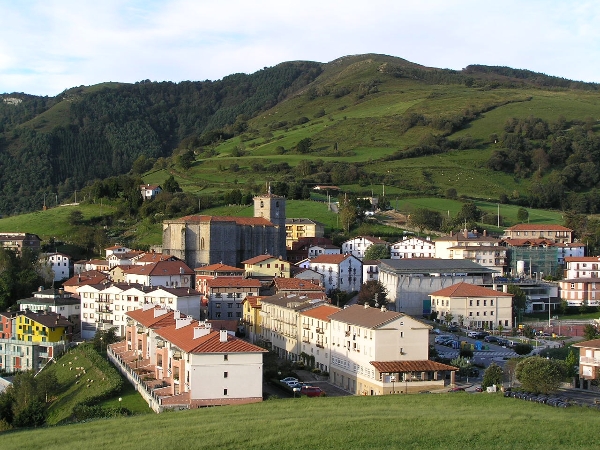
Start at the parish church of San Martín de Tours, a block of honey-coloured stone wedged between the main road and a cider apple orchard. The door is usually open; inside, the air smells of wax and wet coats. A single leaflet (Spanish only) tells you the building went up in the 16th century, was burnt during the Carlist Wars and rebuilt so soberly that only the Romanesque doorway survives. Stand on the step and you can map the valley: meadows roll north towards the Urola river, while southwards the slopes tighten into beech and oak. On a clear morning you glimpse the limestone cliffs of Aizkorri, 25 km away; on a grey one the village simply disappears into cloud.
Drive, or better still walk, the 2 km lane to Itsaso. The ermita of San Bartolomé sits on a rise above a football pitch so small the corner flag doubles as a cow-scratching post. The chapel is locked except on feast days, but the reward is the view back across the dispersa—farmsteads spaced so widely that each has its own name, water trough and barking dog. Note the roofs: half are tiled in traditional red, half in modern terracotta. The 2012 hailstorm wrecked the old slate quarries; replacements came from Oñati and the colour mismatch still annoys the elders.
Walking Without a Way-mark
There is no ticket office, no interpretive centre, just a handful of grassy tracks that leave the tarmac and keep going. One follows the old sheep drove south-west to the village of Zumarraga (8 km, 350 m ascent) and links with the interior Camino de Santiago—handy if you fancy a quiet day on the pilgrimage without the backpacker circus. Another loops north through hay meadows to the deserted hamlet of Olaso, where stone walls slump into brambles and a 19th-century bread-oven still smells of soot. After rain—and it does rain—the clay sticks to boots like wet digestives. Bring soles with tread and don’t wear white trainers unless you fancy explaining ochre splodges at Heathrow.
Cyclists use the same lanes. The gradients look gentle on Google Earth; in the saddle they feel like someone forgot to flatten the Alps. A 30 km circuit south to Araia and back gives 650 m of climbing and almost zero traffic, but carry two water bottles—fountains are scarce and the single shop shuts between 14:00 and 17:00.
Where to Eat and What to Expect
Food is farmhouse plain, not Michelin pretty. Itsasoko Ostatua, the only bar in Itsaso, opens at 07:00 for farmers’ coffee and serves a three-course menú del día for €14 on weekdays. Expect grilled chicken, chips and a slab of cheesecake—perfectly edible, if unexciting. Vegetarians can fall back on pimientos de Gernika (mild green peppers fried in olive oil) and a tortilla slice the size of a frisbee. Order chuletón for two (€38) if you want the Basque steak experience without Bilbao mark-ups; the rib-eye arrives on a hot plate still sizzling, flanked by whole Guernica peppers and a jug of house Rioja poured from a plastic jug. Monday is dead day—both bars close after breakfast—so time your visit for Tuesday to Saturday.
There is nowhere to stay in the village itself. The nearest accommodation is a 15-minute drive away in Zumarraga: Hotel Uribarren, functional, clean, doubles from €65. Rural house rentals exist—look for “casas rurales Gipuzkoa”—but most require a three-night minimum and charge €120–150 a night. Wild camping is illegal and the local police have WhatsApp; farmers report strangers within minutes.
The Weather Reality Check
Coastal visitors assume sunshine follows them inland. It doesn’t. At 250 m altitude the village sits in the collision zone between Atlantic fronts and the Basque mountains. You can breakfast in sunshine in Bilbao, drive 50 minutes, and step out into drizzle so fine it’s practically fog. Spring brings wild orchids in the verges and temperatures around 15 °C; autumn fires the beech woods copper and gold. July and August are warm (24 °C) but humid—perfect for walking at 08:00, sticky by 11:00. Winter is quiet; the lanes sometimes ice over and the sun sets behind Aizkorri at 17:30, but the bar keeps the fire lit and locals greet strangers with a nod that almost passes for a smile.
How to Arrive Without a Drama
Fly to Bilbao (EasyJet, BA from London, Manchester, Edinburgh) or Biarritz (Ryanair). Hire a car: the A-8 coastal motorway joins the A-1 at Bilbao; leave at exit 353 “Ezkio”. The final 3 km are on a single-track service road—wide enough for a Transit, but pull in when the tractor flashes. Mobile signal drops to 3G in the valley; download offline maps before you leave the airport. There is no petrol station in the village; fill up in Zumarraga or Beasain. Parking is free on the verge outside the fronton, but Saturday lunchtime fills with families visiting graves—arrive before 13:00 or after 16:00.
Public transport exists but feels like an afterthought. Euskotren links San Sebastián to Zumarraga every hour; from there a taxi costs €20 and must be booked the day before (Amezti Taxi, +34 943 12 04 04). Buses labelled “Ezkio” terminate at the pharmacy and run only on schooldays.
Leaving Without the Souvenir
Ezkio-Itsaso will not sell you a fridge magnet. The only shop stocks tinned tuna, animal feed and yesterday’s Noticias de Gipuzkoa. What you take away is subtler: the smell of wet hay, the sight of a woman in barn clogs hauling milk churns, the realisation that half of Europe still lives by the land rather than the Instagram grid. Drive back to the autopista and the coast feels louder, wider, faster. Somewhere around junction 355 you’ll check the rear-view mirror, half expecting the valley to have vanished. It hasn’t; it’s simply getting on with the next chore, tourists or none.