Full Article
about Legazpi (Legazpia)
Deep green, farmhouses and nearby mountains with trails and viewpoints.
Ocultar artículo Leer artículo completo
The forge hammers strike at eleven o'clock sharp. Not for tourists—though visitors are welcome—but because that's when the water wheel has built enough pressure to bend iron bars the thickness of your wrist. At Mirandaola, on Legazpi's eastern edge, this rhythm has pulsed for five centuries, minus a few decades when industrial progress threatened to silence it permanently.
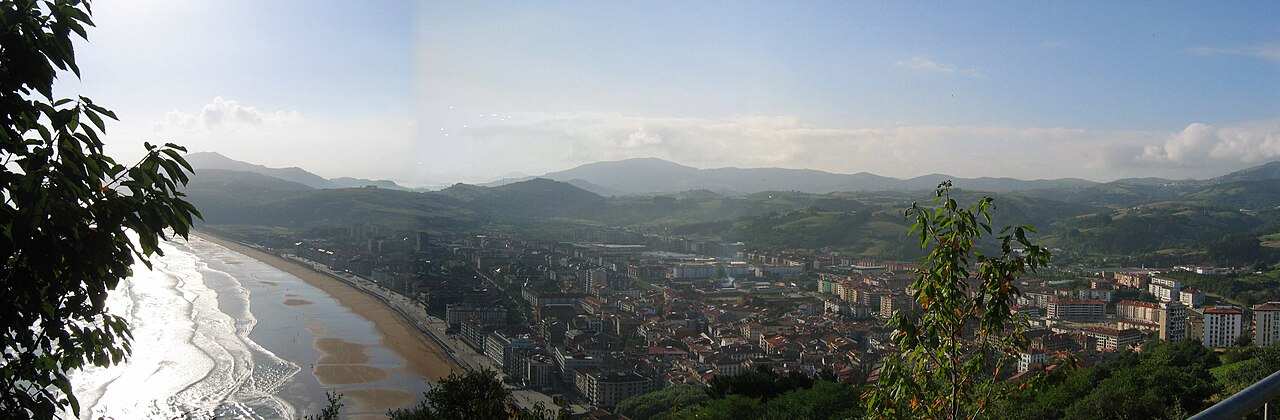
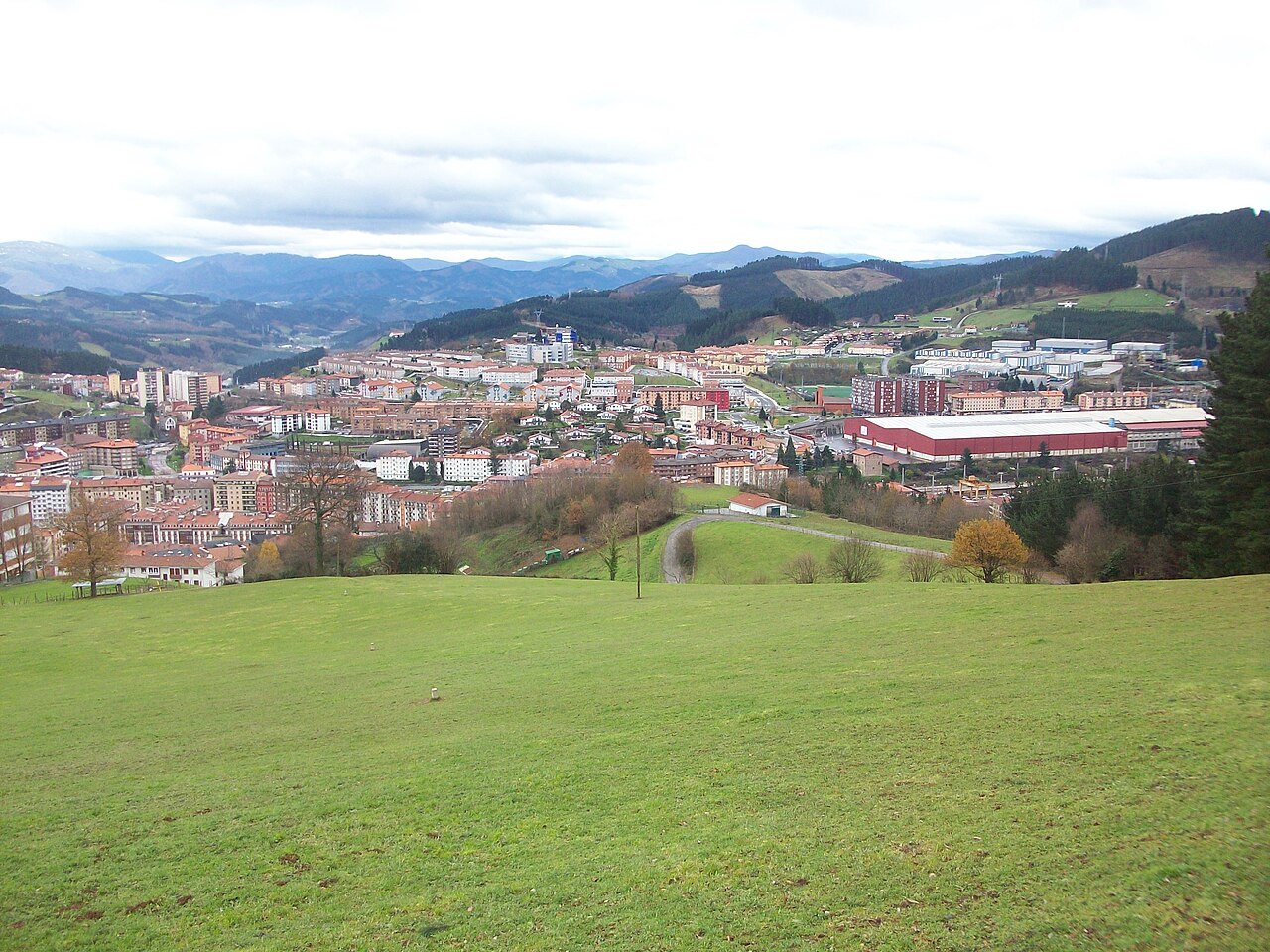
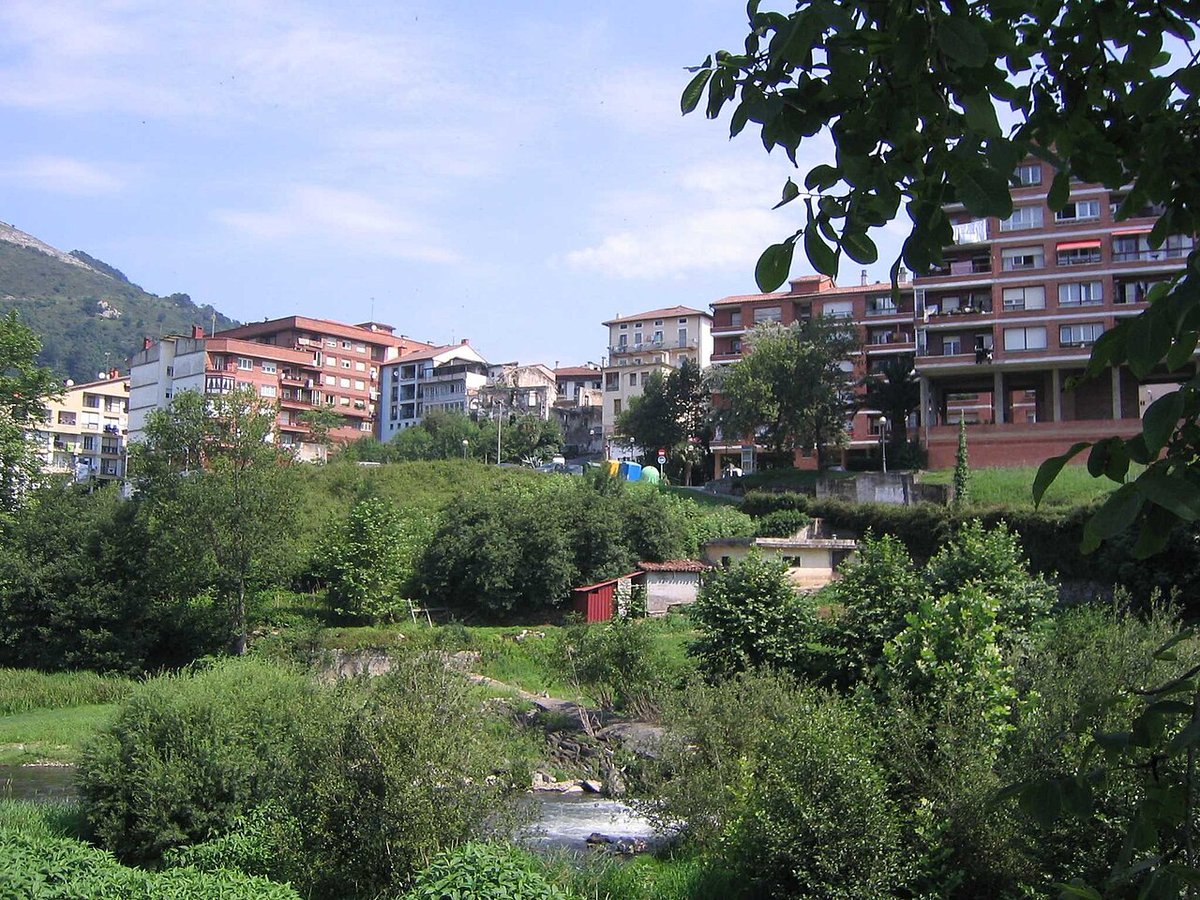
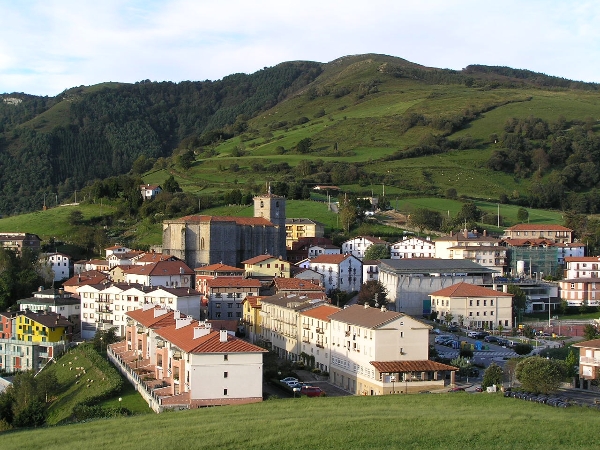
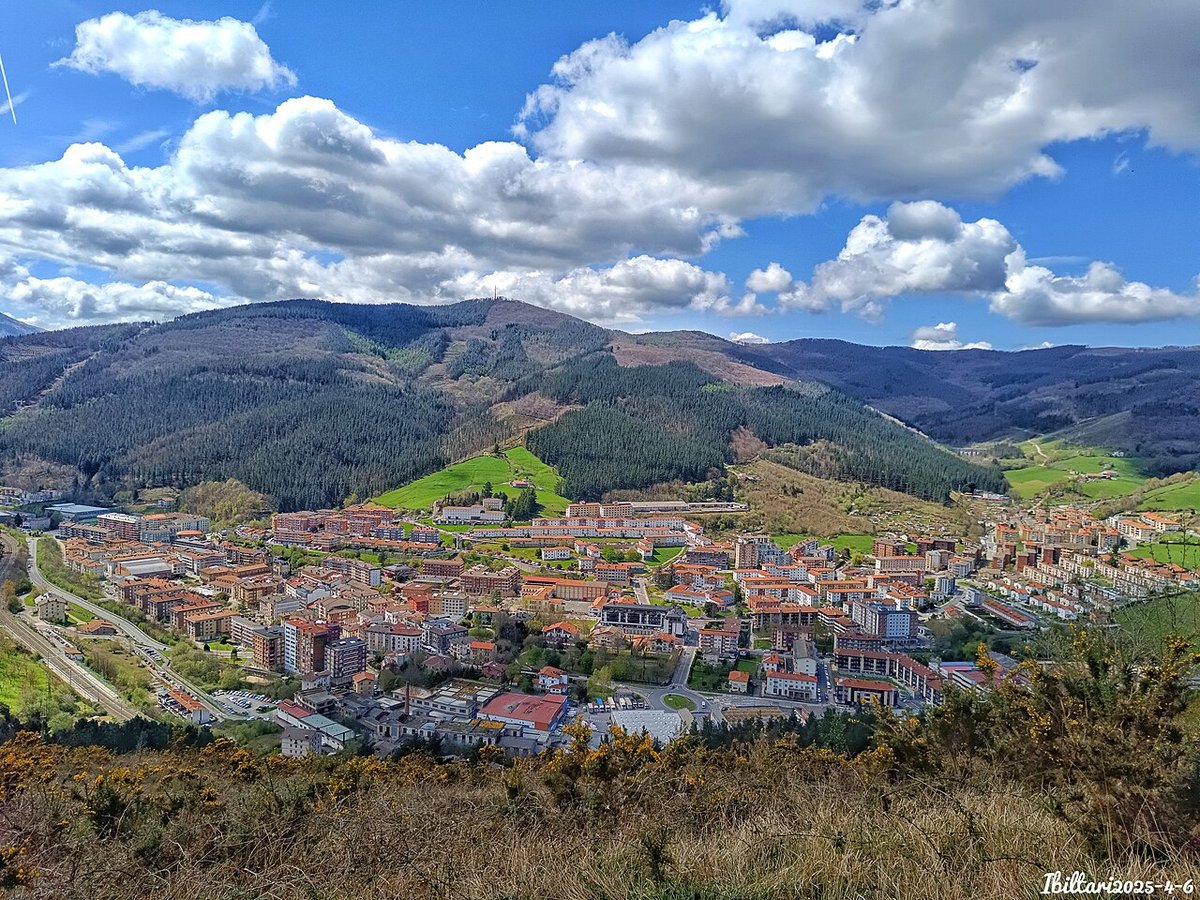
Four hundred metres above sea level, Legazpi sits where the Urola valley narrows and the roads start climbing towards Alava. The mountains don't loom here; they press in. Aizkorri's limestone ridge rises directly from the back gardens, while the lower slopes of Aitxuri frame the western approach. This proximity shapes everything: the weather turns quickly, the local dialect retains archaic forms, and dinner conversations still centre on iron prices as much as football results.
The Forge That Wouldn't Die
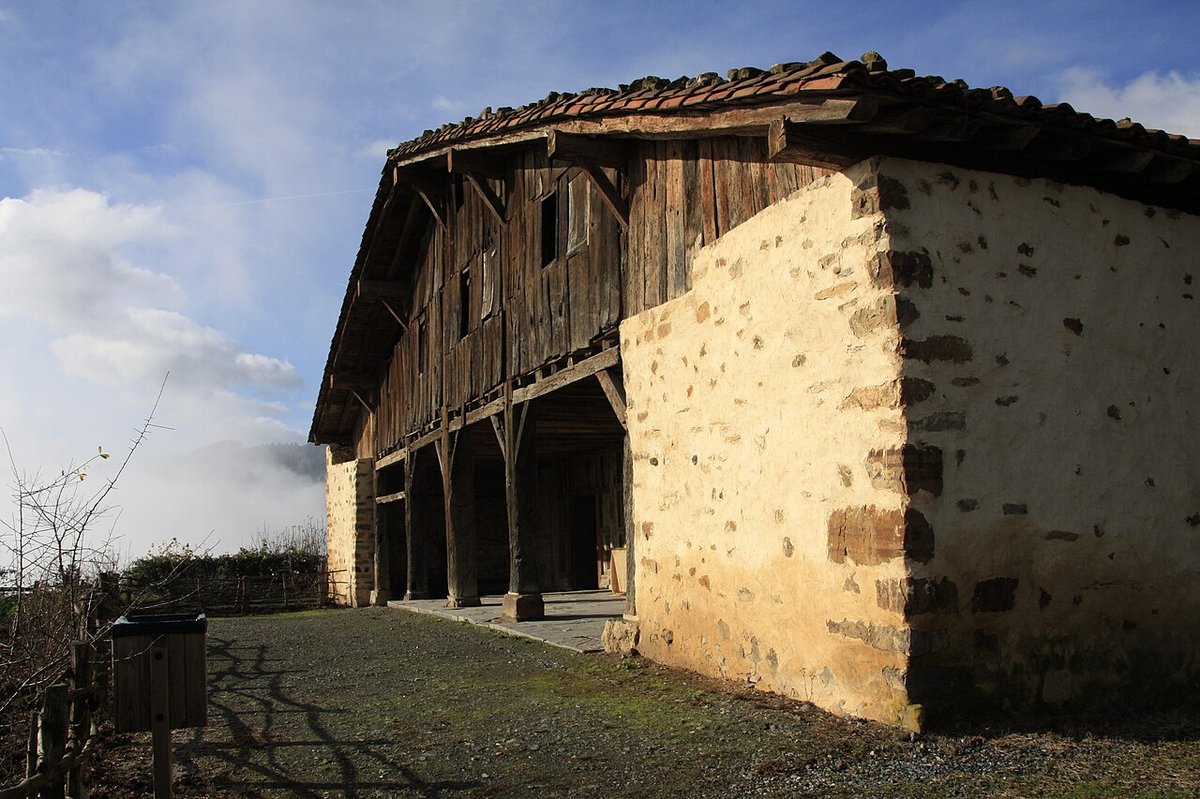
Mirandaola's restoration feels refreshingly honest. No costumed interpreters or artificial drama—just three men who understand that 1,200-degree metal demands respect. They'll show you the sluice gates, explain how charcoal and water power created Spain's first industrial corridor, then demonstrate techniques unchanged since the Middle Ages. The museum attached houses bellows, tongs, and account books detailing shipments to Seville's shipyards. Entry costs €4, including the demonstration; visit Tuesday through Sunday mornings for the full show.
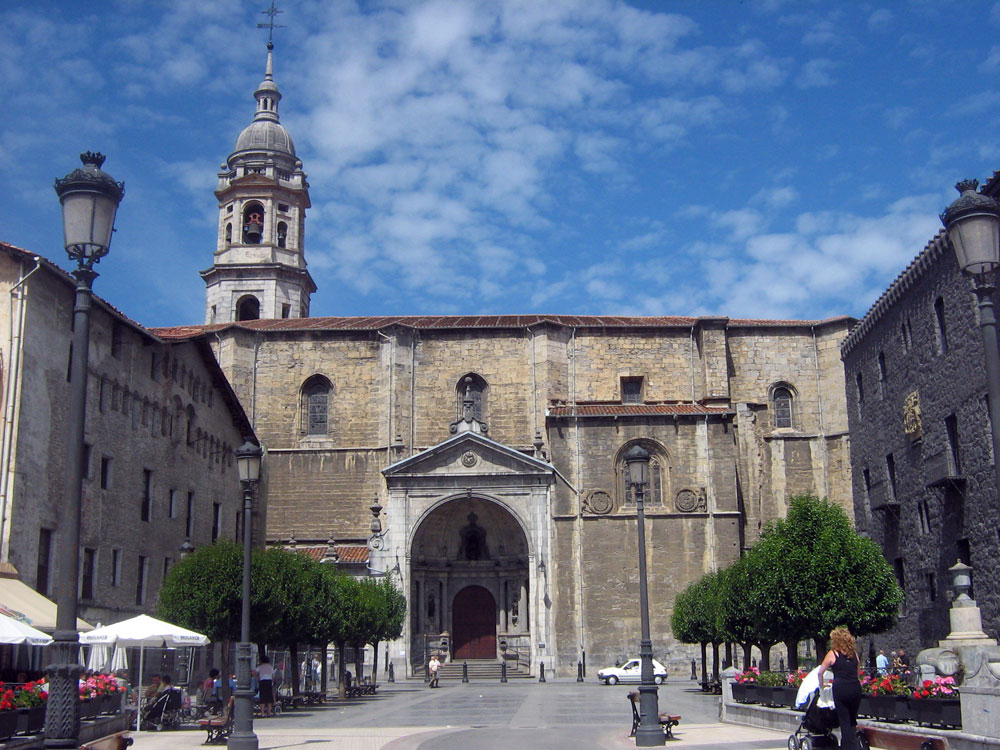
The rest of Legazpi measures barely a kilometre across. Plaza Txikito serves as neural centre, where retirees argue over cards beneath the neoclassical portico of Iglesia de la Asunción. The church's plain facade hides an interior rebuilt after fires—typical of Basque religious architecture, where practicality trumps ornamentation. Calle Nagusia runs north-south, lined with three-storey houses whose wooden balconies speak of 19th-century prosperity when iron exports boomed. Modern additions remain low-rise; planning restrictions maintain the valley's human scale.
Mountain Logic
Walking starts immediately beyond the last houses. Within five minutes, you're on dirt tracks smelling of damp beech and wild mint. The PR-Gi 120 loop follows the river upstream before cutting back through Basauri neighbourhood—an easy hour suitable for decent trainers. Serious hiking begins where tarmac ends: the Aizkorri-Aratz Natural Park boundary lies just three kilometres from the town hall.
Weather determines everything. Clear mornings can dissolve into fog banks rolling up the valley faster than you can say "sirocco." The GR-121 long-distance path crosses the ridge at Otzaurte pass, 600 metres above Legazpi. From there, it's another 800 metres climb to Aizkorri's summit—achievable in three hours if you're fit and the cloud stays above 1,000 metres. The mountain hut at Arantzazu provides emergency shelter, but carries no supplies; water flows from a tap outside between April and October only.
Winter transforms access completely. Snow falls intermittently from December through March, occasionally cutting the valley road for days. Local schools close at the first serious forecast—experience has taught that mountain weather kills certainty. Spring brings the reverse: wild orchids colonise the lower slopes, and valley temperatures reach 20°C while the peaks remain white. This seasonal drama explains why Legazpi's 5,000 residents mostly live in the valley bottom, leaving the heights to sheep and the hardiest walkers.
Food Without Fanfare
Basque cuisine's reputation precedes it, but Legazpi's restaurants serve food meant for workers rather than food critics. Bar Asier specialises in txuleton—thick beef ribs cooked over charcoal until the exterior chars while the interior stays scarlet. A portion serves two comfortably, costs €32, and arrives with nothing more elaborate than roasted peppers. Their wine list extends to Rioja and little else; the local cider houses provide apple-based alternatives between January and April.
Idiazabal cheese appears everywhere, as you'd expect when the producers' cooperative sits fifteen minutes up the road in Urbia. The difference lies in ageing: try the three-month version for buttery softness, or the twelve-month for crystalline intensity. Bar Etxezuri serves it simply, with quince paste and walnuts, alongside craft beer from nearby Zestoa. No tasting notes or pairing suggestions—just good ingredients treated with respect.
Breakfast culture follows continental timing: coffee and pastry before nine, second breakfast around eleven. Café de la Plaza makes proper coffee—none of the burnt espresso common in rural Spain—and their gâteau basque changes filling daily: cherry, almond cream, or occasionally apple when the season demands.
Getting Connected
Euskotren's narrow-gauge line connects Legazpi to the coast at Zumaia in forty minutes, continuing to Bilbao via Durango. Trains run hourly, though Sunday services reduce to every two hours. The station sits ten minutes' walk from the centre—downhill going, uphill returning with luggage. Driving remains easier: the A-1 motorway junction at Otzaurte lies fifteen minutes away, though morning queues towards San Sebastian add twenty minutes to published journey times.
Accommodation numbers just two options. Hotel Legazpi occupies a converted iron warehouse near Mirandaola; rooms feature exposed stone walls and rates start at €75 including breakfast. The alternative lies five kilometres outside at Casa Rural Aizkorri—three self-catering apartments in a 17th-century farmhouse, perfect for walkers wanting early mountain starts. Book ahead during Easter and July fiestas; otherwise, availability rarely poses problems.
When Plans Meet Reality
Legazpi rewards realistic expectations. Arrive expecting cobbled medieval lanes and you'll leave disappointed—the town centre dates largely from the 1800s. Come prepared for mountain weather and working-village practicality, and you'll appreciate what survives: an industrial landscape absorbed back into agricultural rhythms, where forge hammers still ring and shepherds drive flocks through residential streets at dawn.
The best visits combine industry and nature. Morning at Mirandaola, lunch at Bar Asier, afternoon walk to Otzaurte pass. If cloud closes in, switch to the valley-floor path to the abandoned Aizegane ironworks—equally atmospheric, less exposed. Either way, carry a waterproof and save time for the plaza at dusk, when the day's heat dissipates and locals emerge for the evening paseo. Iron gave Legazpi purpose; mountains gave it boundaries. Understanding both explains why this valley refuses to become anything other than itself.