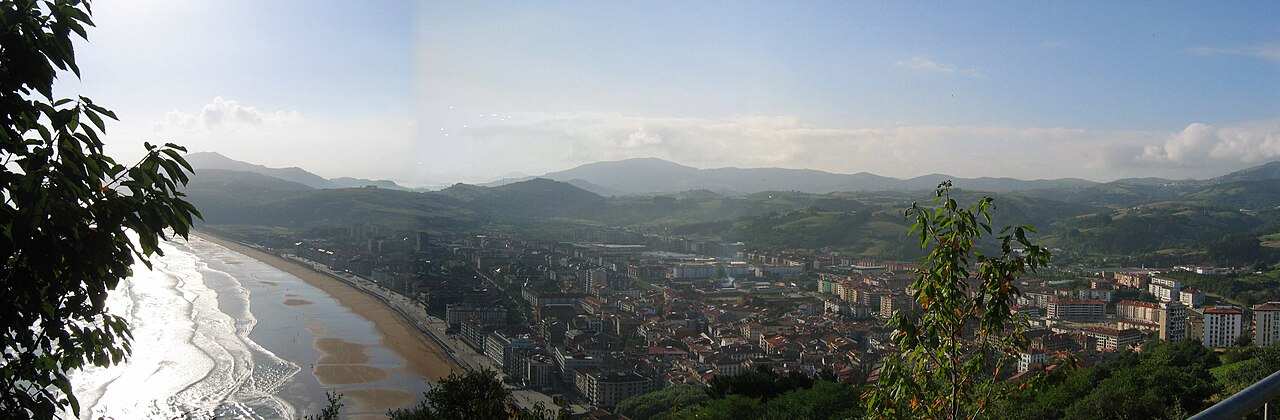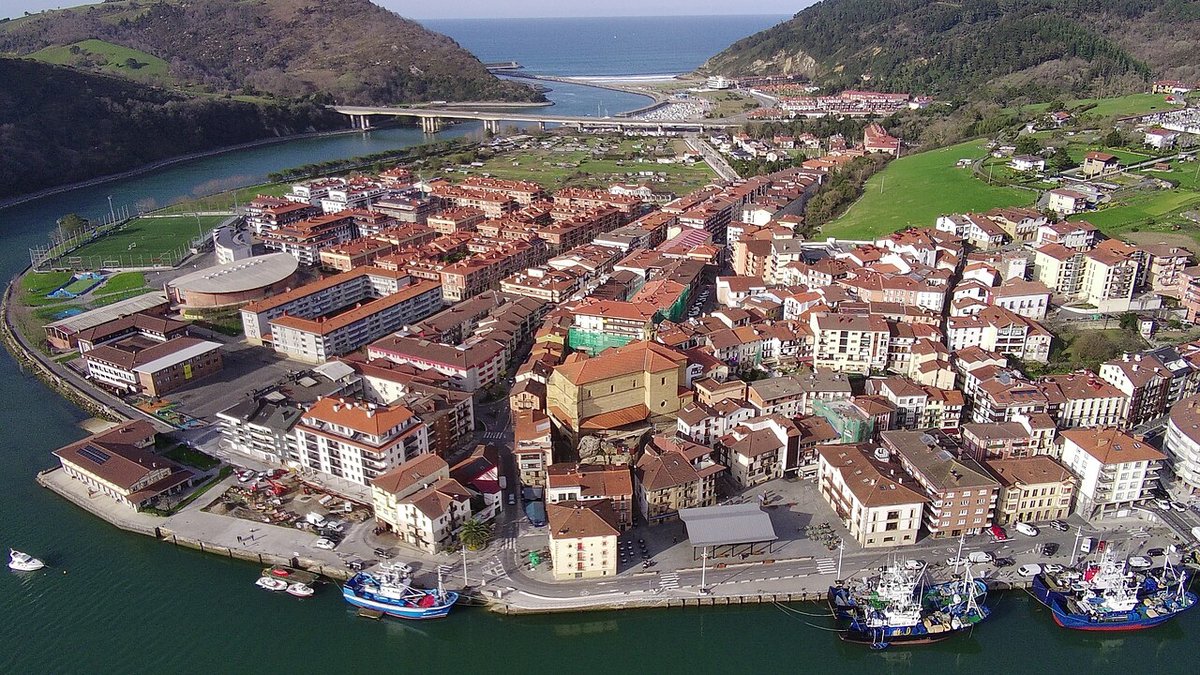
Orio airetik
sergei.gussev · Flickr 4
País Vasco · Atlantic Strength

Orio

The fishermen of Orio still mend their nets within sight of the main road. That single detail tells you most of what matters: this is not a village...

6,184 inhabitants · INE 2025
1m Altitude
Coast Cantábrico

Why Visit

Coast & beaches Harbor Beaches

Best Time to Visit

summer

Things to See & Do
in Orio

Heritage

  • Harbor
  • Seaside promenade
  • Hermitage

Activities

  • Beaches
  • Surfing
  • Coastal walks
  • Cuisine

Full Article
about Orio

Cantabrian Sea, cliffs and seafaring flavor in the heart of the Basque Country.

Ocultar artículo Leer artículo completo

The fishermen of Orio still mend their nets within sight of the main road. That single detail tells you most of what matters: this is not a village that has turned its back on the water to chase tourism, but one where the daily catch still dictates the rhythm of the day. At 11 a.m. on a Tuesday the harbour smells of diesel and hake; by noon the first tables at Xixario are taken, and the besugo—whole sea-bream—has already been charcoal-grilled and dispatched to locals who eat at pace, then leave before the British even think of lunch.

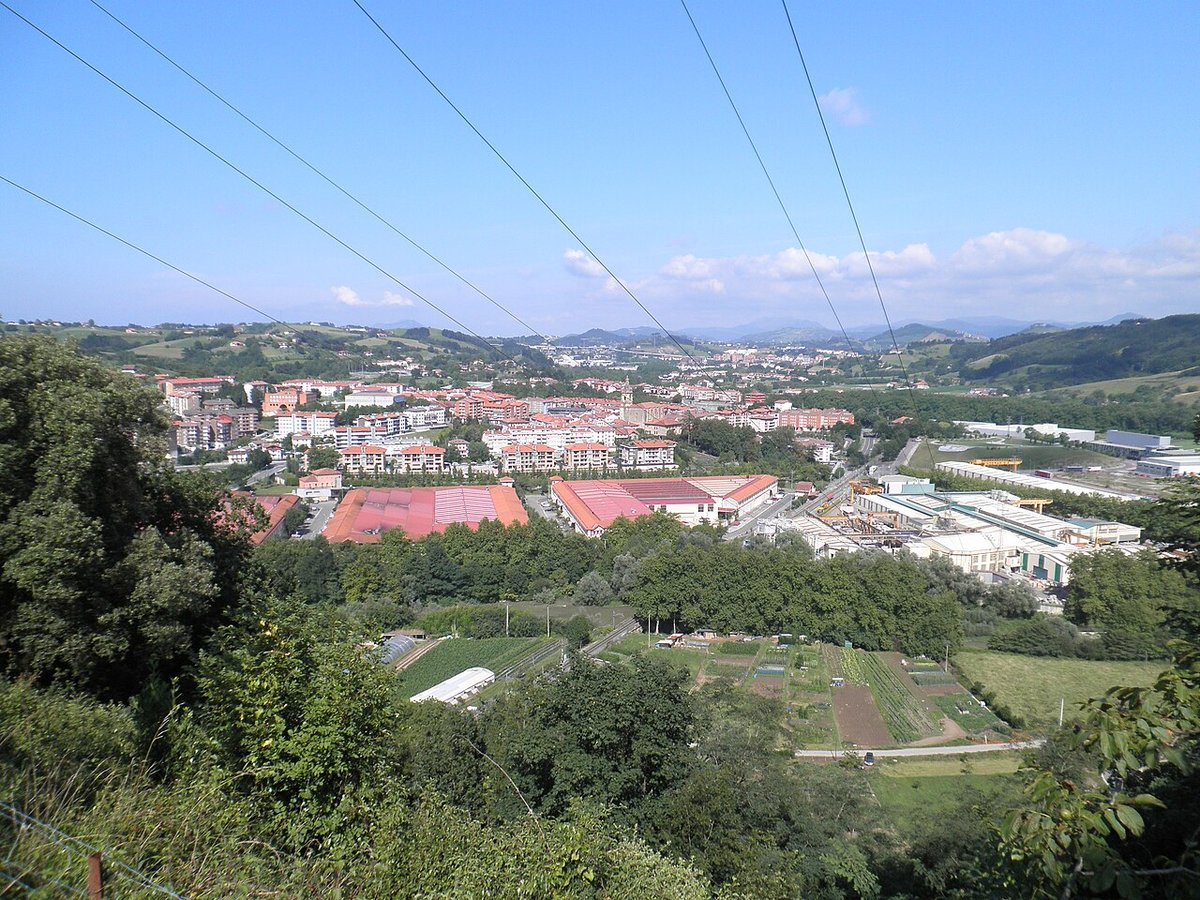
Orio sits fifteen minutes west of San Sebastián on the Euskotren coastal line, close enough to feel the spill-over when the city’s hotels are full, yet small enough (barely 5,000 souls) that strangers are noticed. The compactness works in its favour. You can walk from the river mouth to the surf in ten minutes, stopping only to let a pilgrim on the Camino del Norte overtake you on the promenade.

The River and the Beach

The Oria slides into the Cantabrian between reed beds and a tidy marina. At low tide the channel shrinks to a silver ribbon; at high water it balloons out, carrying kayaks and the odd stand-up paddler who has ignored the lifeguard’s warning about the rip. Antilla beach stretches west for almost two kilometres of pale Atlantic sand. In June you can still find room for a wind-break; in August the sand is towel-to-towel with families from Valladolid who rent the campsite bungalows behind the dunes. The surf is gentle enough for body-boarding beginners, but the red flag flies more often than you might expect—check before you wade in near the breakwater.

Behind the sand, a concrete walk skirts the campsite and links up with the coastal path to Zarautz. The first kilometre is flat and stroller-friendly; after that the trail lifts onto low cliffs, giving views back to Orio’s rooftops and the green wall of the Basque hills. Allow forty-five minutes to reach Zarautz, another fifteen for the return train if legs have had enough.

Eating on Fishermen’s Hours

British visitors arrive expecting dinner; locals have already eaten. The trick is to treat lunch as the main event and regard the evening as a pintxo crawl that starts no earlier than nine. The wood-fired grill at Joxe Mari opens at 13:00; by 15:30 the coals are cooling and the staff are mopping the floor. Order the besugo a la sal—baked in a salt crust that cracks open tableside—or, if you prefer something less theatrical, turbot for two that arrives on a platter the size of a pram lid. Expect €28–32 per head for fish, wine and dessert, less if you choose the weekday menú del día.

Sidra is poured from shoulder height into thin glasses; one glug, a quick swig, then the rest is discarded on the sawdust floor. It tastes tart, almost like Somerset cider left to turn, and sits at a gentle 5% ABV, so you can sample without fear of missing the last train.

Old Town in Twenty Minutes

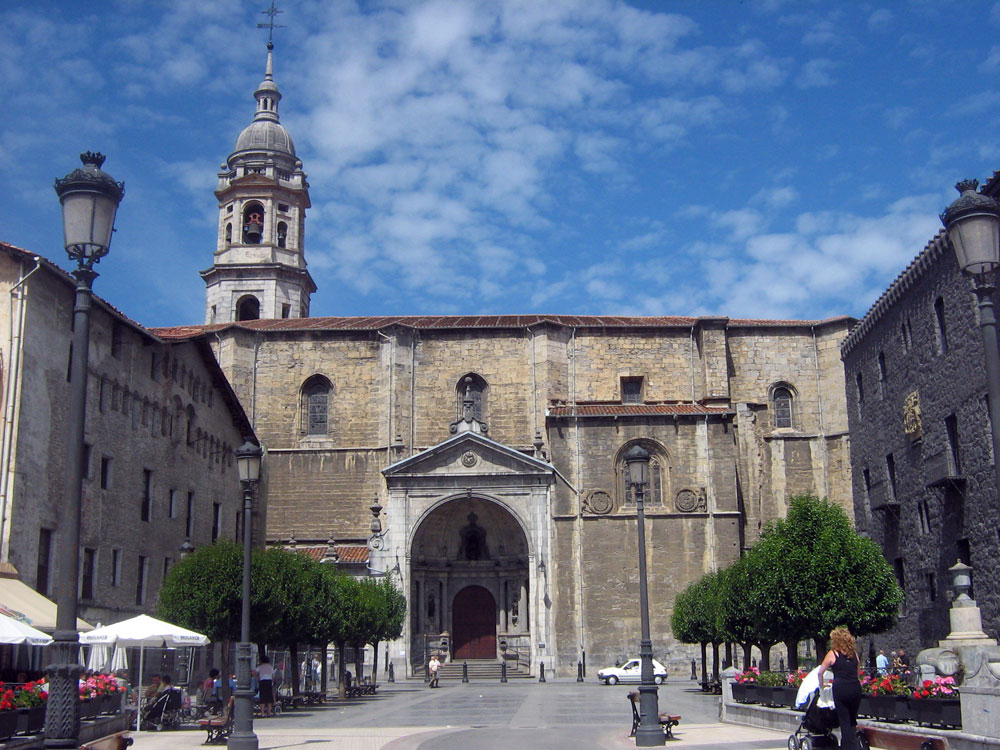
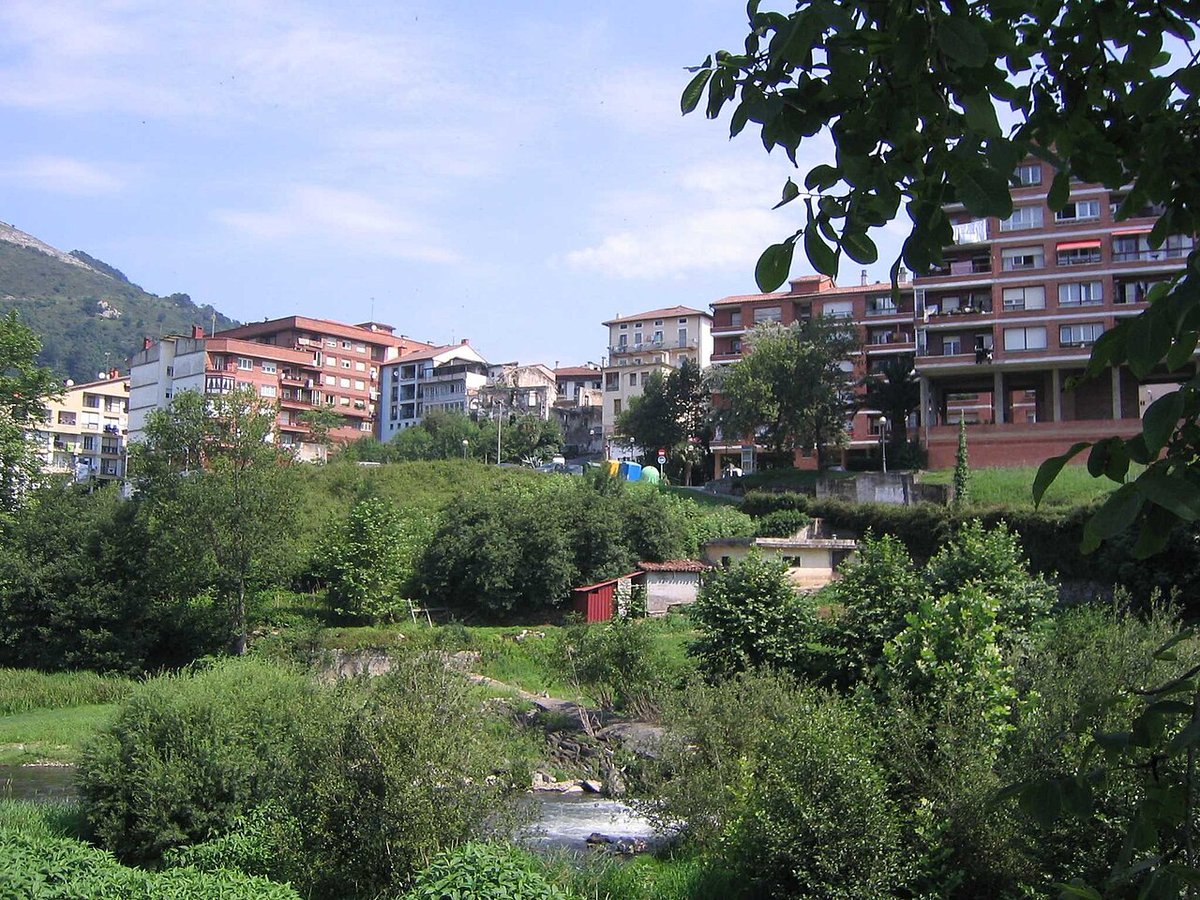
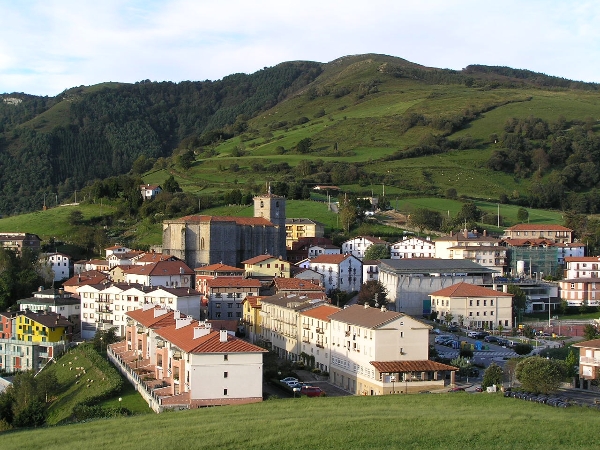
Goiko Kale, the upper quarter, climbs behind the church of San Nicolás in a tangle of lanes barely two arm-spans wide. Houses are painted the Basque palette of ox-blood, teal and mustard; balconies hold washing, kayaks or both. The church itself is locked more often than not, but the tiny plaza outside gives a serviceable view of the river bend and the railway viaduct. One UK blogger wrote, “I didn’t see much charm in it, despite some parts being beautiful,” which is fair: if you are short on time, the harbour and seafront give a quicker sense of place. Still, the climb takes ten minutes and the descent passes two bakeries that sell still-warm talo—corn-flour flatbreads—useful if you need picnic ballast.

When to Come, When to Skip

Spring tides in April throw up foaming waves against the breakwater and empty the beach of all but dog-walkers. Those days the village reverts to its winter self: card games in the bar, nets spread on the quay, the smell of diesel stronger than sunscreen. Come May, green alder pollen drifts across the river path and the first campervans nose into the western car park. By mid-June the water is warm enough for a brief British paddle; July and August bring queues for the cash machine and a parking hunt that can eat thirty minutes. September steadies out again: sea temperature peaks, schools return, restaurants resume weekday closing (usually Tuesday or Wednesday—ring ahead).

Rain is always possible; this is northern Spain, not the Med. A stiff westerly can turn the promenade into a sand-blaster, so pack a light jumper even in July. When the weather collapses completely the beach plan dissolves, but you can still ride the train to San Sebastián, twelve minutes away, and spend the afternoon in the dry sanctuaries of the San Telmo Museum.

Practical Odds and Ends

Euskotren runs every thirty minutes from Amara station in San Sebastián to Orio; the single fare is €2.30 and bikes travel free outside rush hour. If you drive, ignore the harbour car park after 11 a.m.—head instead to the Antilla overflow and walk back along the sand. Most bars offer free Wi-Fi but no one will know what you mean by “a pint of lager”; ask for caña (small draught beer) or sidra. Credit cards are accepted almost everywhere, yet fishermen’s bars prefer cash for rounds under a tenner.

Last Orders

Orio gives you a slice of Basque coastal life without the San Sebastián price tag, but it is not a place to tick off “must-see” monuments. Come hungry, arrive early for lunch, walk the river path while the tide is high, and leave before the shops shut for siesta. If the sea-bream is sold out, settle for txangurro crab gratin and a glass of sharp cider; the fishermen will still be mending nets when you board the train back, and the village will reset itself for tomorrow’s tide.

Key Facts

Region
País Vasco
District
Urola Kosta
INE Code
20061
Coast
Yes
Mountain
No
Season
summer

Livability & Services

Key data for living or remote work

2024
ConnectivityFiber + 5G
TransportTrain 11 km away
HealthcareHealth center
EducationHigh school & elementary
Housing~5€/m² rent · Affordable
CoastBeach 1 km away
Sources: INE, CNMC, Ministry of Health, AEMET

Official Data

Institutional records and open data (when available).

  • Cuevas de Altxerri
    bic Monumento ~0.9 km

Planning Your Visit?

Discover more villages in the Urola Kosta.

View full region →

More villages in Urola Kosta

Traveler Reviews