Full Article
about Urretxu (Villarreal de Urrechua)
Between mountains and sea, Basque tradition and good food in every square.
Ocultar artículo Leer artículo completo
The 09:47 Euskotren from Bilbao-Atxuri judders to a halt after exactly one hour and fifteen minutes. Passengers spill onto a platform so short that only two carriages fit; beyond the level crossing, a single traffic light blinks at a row of 1960s apartment blocks. This is Urretxu, a place whose own tourist leaflet admits it “se ve rápido” – you can see it quickly – yet which stubbornly refuses to disappear into the adjoining sprawl of Zumarraga. That refusal is the first clue to what makes the town interesting.
An Industrial Valley That Never Quite Became a City
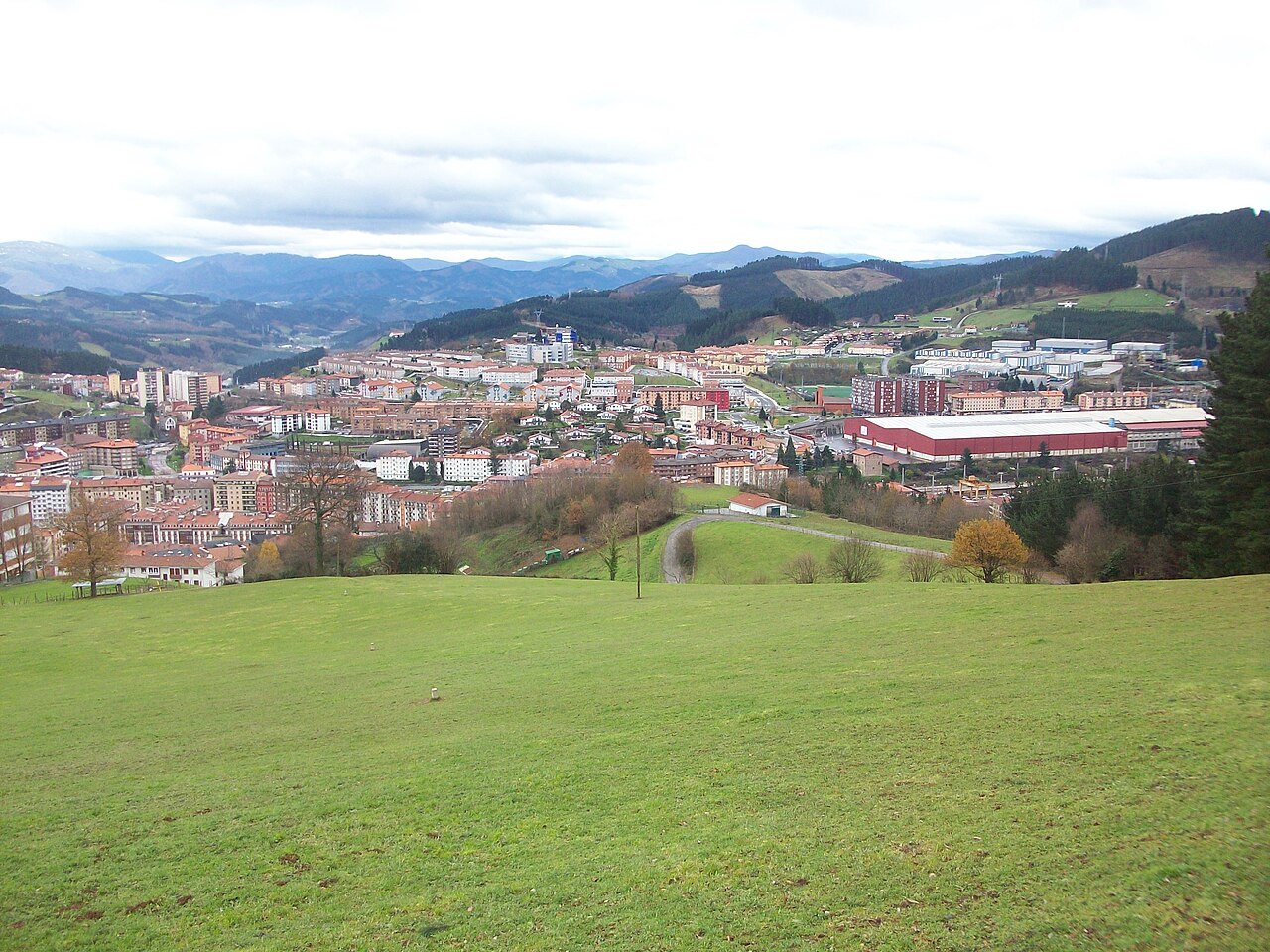
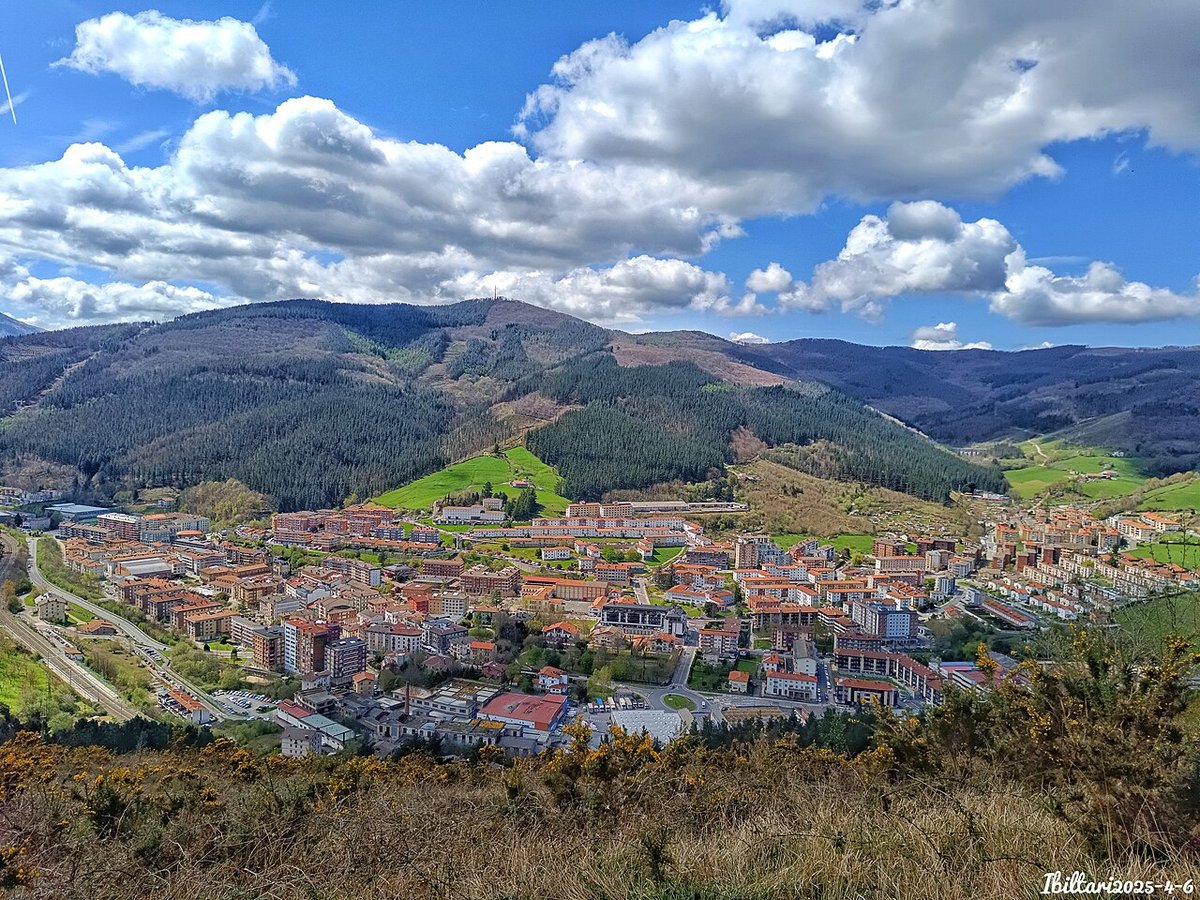
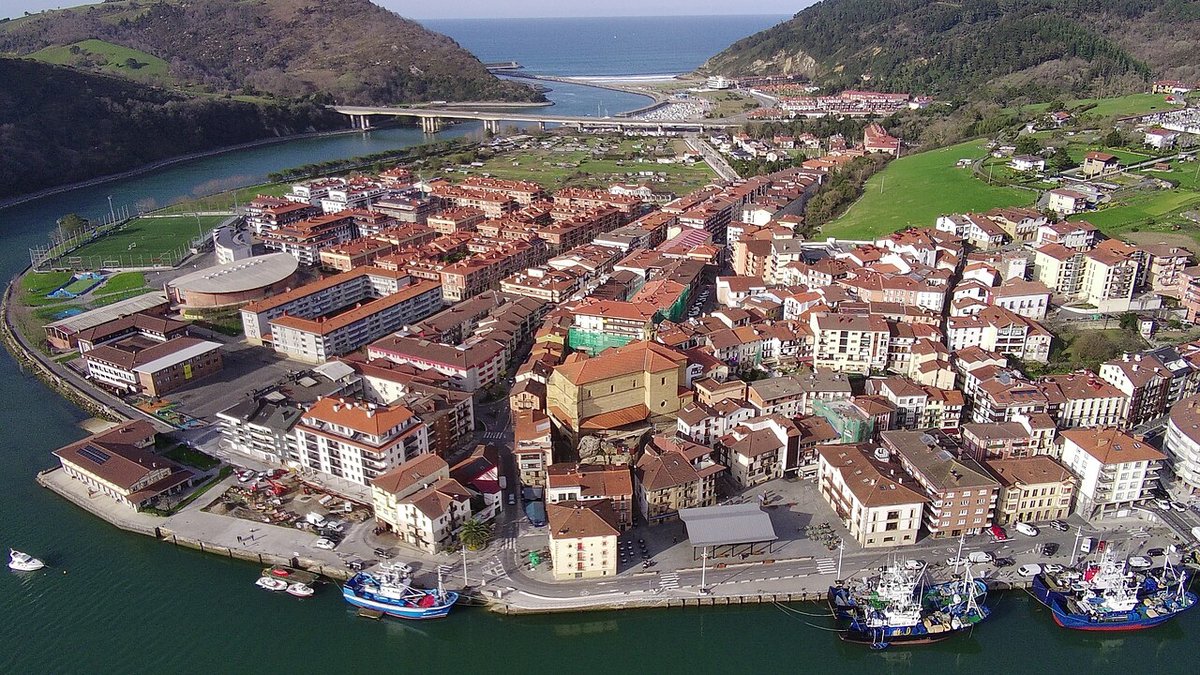
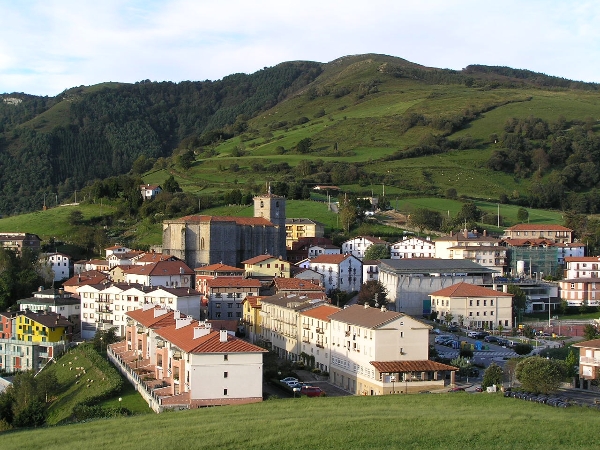
Urretxu sits 130 m above sea-level in the Urola valley, hemmed by beech-covered ridges that climb to 600 m within three kilometres. The altitude is low enough for chestnut trees to flourish in the surrounding hamlets, but high enough for Atlantic clouds to snag on the slopes, draping the streets in a damp grey veil that locals call la boina. When the cap lifts, the same slopes glow an improbable emerald that no amount of Instagram filtering can replicate.
The town’s 6,700 inhabitants share pavements, dentists and Saturday market stalls with Zumarraga across the river, yet civic pride stops the merger becoming anonymity. Walk 200 m uphill from the station and you pass a 17th-century stone portal wedged between a brake-pad wholesaler and a 1980s brick clinic; on the next corner, a Modernist pharmacy sports curved glass and gilded lettering that would grace any Barcelona boulevard. These layers are not preserved – they are simply still working – and that functional continuity is Urretxu’s real monument.
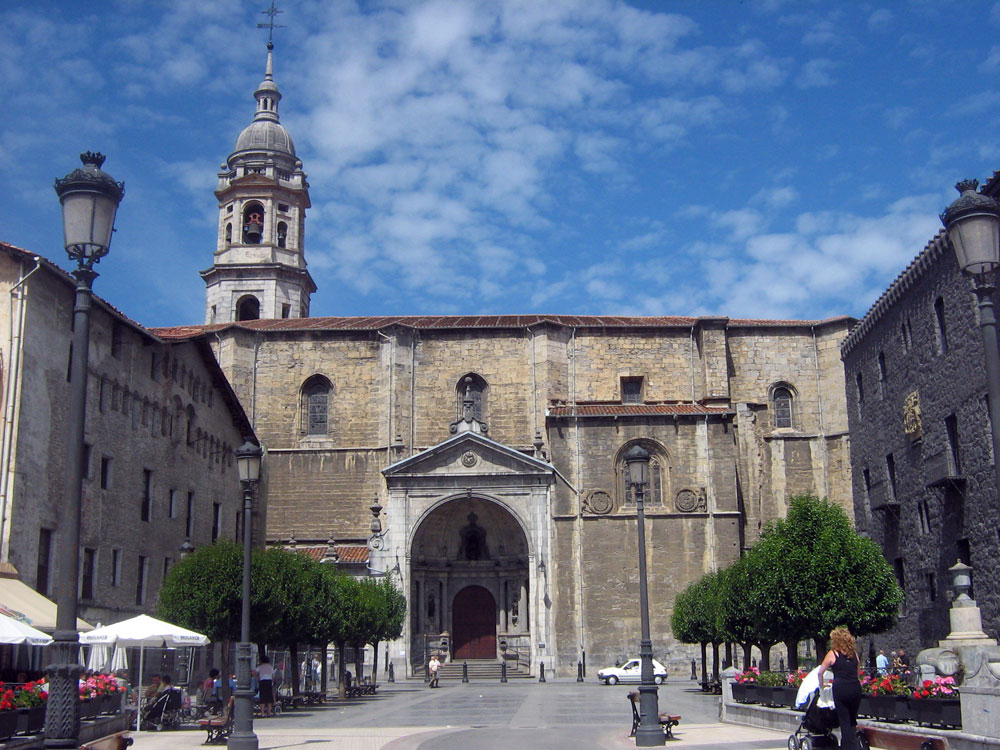
Santa María de la Asunción, the parish church, squats at the gravitational centre. Its doors open only for mass (Sundays 10:30 and 19:00, weekdays 19:30), but if the sacristan spots you loitering he’ll hand you the key and return to pruning the hydrangeas. Inside, the nave is wider than it is long, a shape dictated by 18th-century builders who needed to cram pews into a cramped medieval footprint. Look up and you’ll see the wooden tie-beams stamped with foundry marks – the same ironworks that once forged parts for the Bilbao metro.
Walking Routes That Start at the Bakery
Urretxu’s tourist office exists only on Tuesdays and Thursdays, and even then it is a folding table inside Zumarraga’s library, five minutes away across a footbridge. Ignore it. Instead, buy a pantxineta (custard slice) at Pastelería Oianguren on Kalea Nagusia and use the paper bag to plot your own circuit. Three sign-posted walks radiate from the square:
- The green-and-white waymarks of the Aizpurutxo loop climb past allotments to the ridge at 400 m, giving a bird’s-eye view of the continuous roofline that links Urretxu to Zumarraga like two villages glued by concrete. The ascent takes 45 minutes; descent 25.
- Txakolin bidea meanders south through apple orchards used for Basque cider. March blossoms give way to bitter-sharp fruit that is harvested in October and rushed to nearby presses while still warm from the tree.
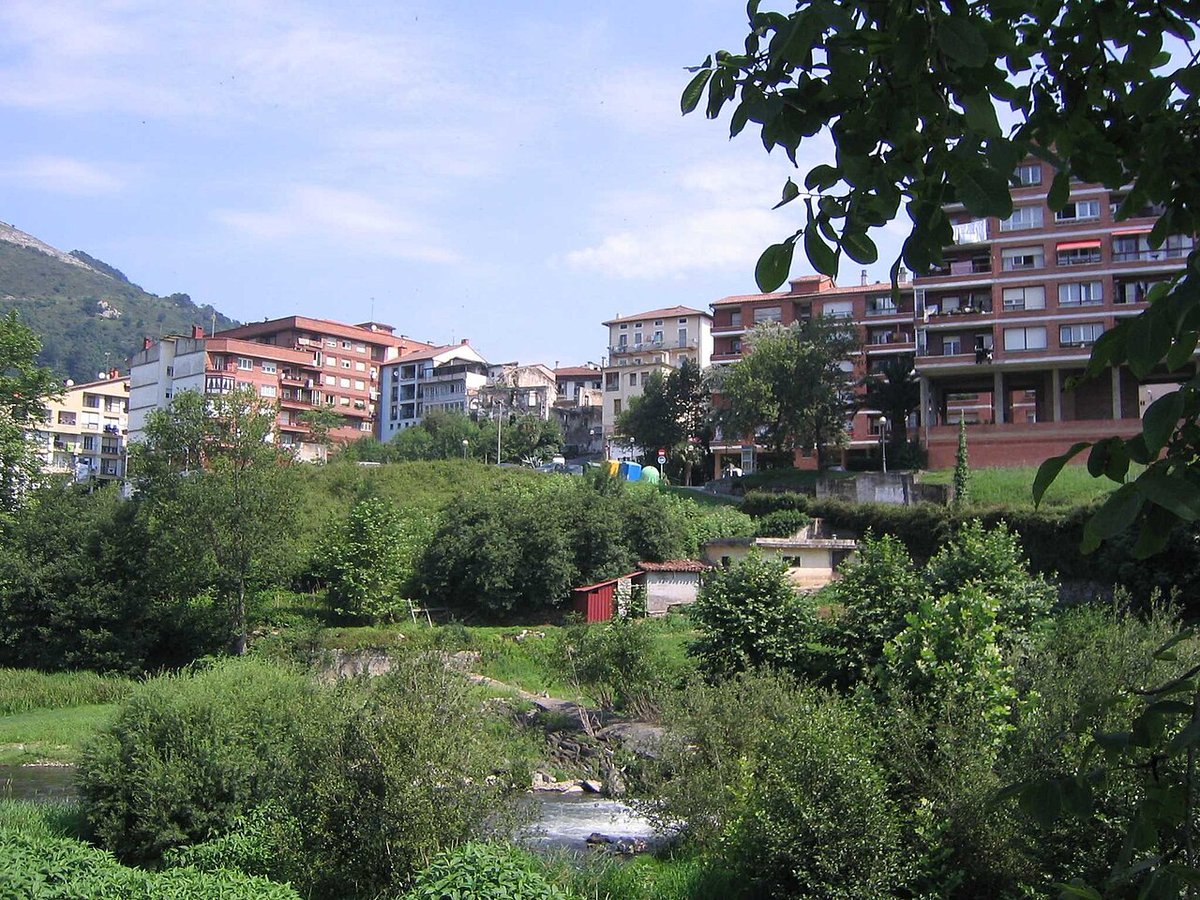
- The Urola riverbank path is pancake-flat, tarmacked and popular with parents pushing buggies. It ends after 2 km at an abandoned textile mill where kingfishers nest in broken windows – a reminder that this “rural” valley once hummed with looms.
After rain – and it rains 180 days a year – the clay sections turn to chocolate mousse. Lightweight walking shoes are fine for the river path, but anything higher needs proper tread; the town’s only outdoors shop, on the ground floor of a garage, sells Decathlon’s entire Basque range in case you arrive unprepared.
Food That Doesn’t Require a Dictionary
British palates find refuge in three local staples. Txuleton – a Flintstone-sized rib-eye cooked rare over oak embers – appears on every grill menu. Expect €28 for 700 g, enough for two to share unless you’re particularly post-hike ravenous. Tortilla de patata is served by the wedge at every bar; the version in Casa Blanco comes still-warm, the potato slices holding their shape like confit rather than mash. Cider, not wine, is the default accompaniment. Staff will happily demonstrate the two-foot pour – bottle held above head, glass at knee-height – but warn them you’re a novice or you’ll receive a half-litre culín that must be downed in one before the bubbles vanish.
Vegetarians survive on piquillo peppers stuffed with salt-cod brandade; vegans should ask for gildas – skewers of guindilla chilli, olive and anchovy – and simply donate the fish to a grateful neighbour. Sunday lunch starts at 14:00 sharp; arrive at 15:30 and the kitchen is mopping the floor.
Where to Sleep (and Why You Might Not Bother)
Only two establishments target overnight visitors. Hotel Urola, on the main N-1, offers 30 identical rooms with double glazing sturdy enough to mute the nightly convoy of refrigerated lorries. Rates hover around €70 bed-and-breakfast; parking is free and reception speaks serviceable English. The smarter choice is Casa Rural Mailan, a converted 19th-century manor ten minutes’ walk uphill. Vintage sewing machines serve as bedside tables, and breakfast arrives on the garden terrace if the morning cloud base sits above 300 m. British guests on Hotels.com give it 10/10, though one conceded “there is very little to do in the town itself” – a verdict that misses the point entirely.
Most UK visitors treat Urretxu as a pit-stop between Bilbao and San Sebastián. That works: the 09:47 train reaches the latter in 35 minutes, making a day-trip to the coast perfectly feasible. Staying two nights, however, lets you experience the valley’s light change from pewter to jade, and to discover that the “nothing to do” includes eavesdropping on octogenarians debating Athletic Bilbao’s latest signing while their wives feed breadcrumbs to sparrows outside the church.
The Honest Verdict
Urretxu will never compete with Hondarribia’s pastel façades or Getxo’s glamorous mansions. Its old quarter amounts to two short streets; the 1960s blocks are here to stay; and if you arrive on a drizzly Sunday you’ll wonder why you didn’t push on to the coast. Yet for travellers who prefer their Spain lived-in rather than curated, the town offers a concise lesson in how Basques balance industry, agriculture and community without turning the place into a theme park. Come with curiosity rather than a checklist, pack waterproof shoes, and you’ll leave understanding why 6,700 people choose to call this unassuming strip of valley home – and why, so far, they’re happy for the rest of us merely to pass through.