Full Article
about Zarautz (Zarauz)
Cantabrian Sea, cliffs and seafaring taste in the Basque heart.
Hide article Read full article
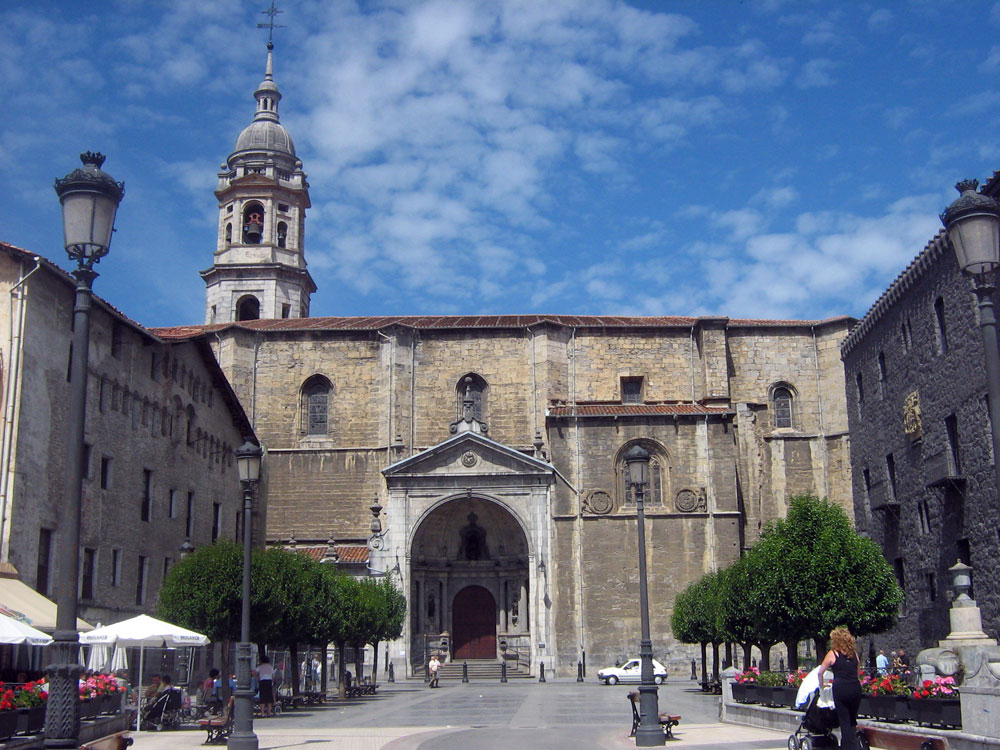
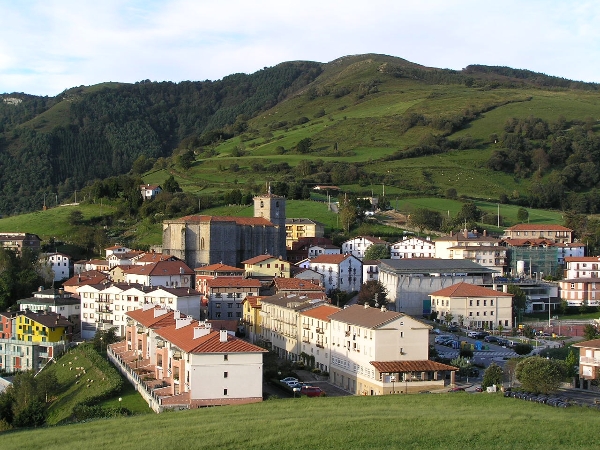
At nine in the morning, mist tears away from Mount Talaimendi like a grey sheet. From the seafront promenade, the towers of the old quarter appear slowly: first the outline of Santa María la Real, then the sharp profile of Torre Luzea. The Cantabrian Sea carries the scent of crushed seaweed and warm bread drifting from a nearby café. Waves break with a dry, regular sound, like a metronome setting the pace of the town.
Time that lingers
In Zarautz, time seems to move by its own rules. Part of it is the pale northern light, which gives colours a washed, hand‑rinsed look. Part of it is how the town keeps its past close without drawing attention to it. On the façade of the Palacio de Narros, 16th‑century windows face the sea with the same calm they had when the royal court began spending summers here in the 19th century. The name of Isabel II often comes up in any conversation about the building. She is said to have stayed in Zarautz in search of sea air and some distance from Madrid.
The palace sits right by the promenade. Through its gate, a carefully kept lawn stretches out, crossed by pale gravel paths that crunch underfoot. Local guides sometimes tell old stories of the place, shipwrecks, sailors who did not return, in the same steady tone used here for talking about the weather or the tide. It does not feel like a performance. It sounds closer to something passed on over time, from one voice to another.
Sand and stone
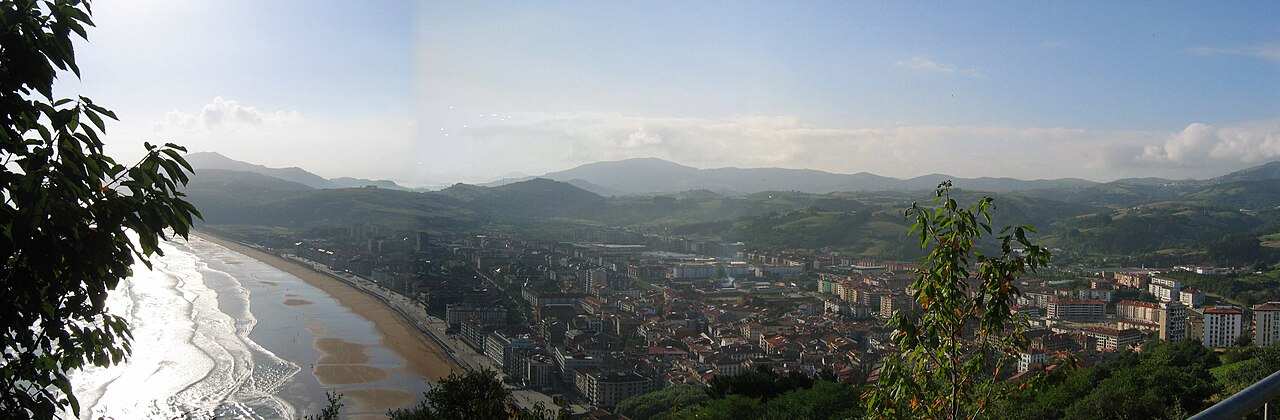
Zarautz beach runs for more than two kilometres, though the figure matters less than how it changes through the day. In the morning, with only shore anglers and early surfers around, the sand is damp and firm and dogs run freely. By midday, when the sun hits the façades along the seafront, the sand turns pale and hot, and the air mixes sun cream with the smell of grilling food coming from nearby homes.
Later in the day, as the tide rises and surfboards line up like saw teeth against the sky, the shoreline fills with teenagers in wetsuits and older residents stepping slowly into the water, speaking in Euskera, the Basque language, as they move forward one careful step at a time.
Behind the beach, the promenade still reflects the Zarautz that grew as a summer destination in the 19th century. Three‑storey buildings with iron balconies stand in a row. Benches face the sea. A wooden kiosk opens when the weather improves. On some afternoons, more languages are heard than Euskera or Spanish. When asked if the town is always this calm, the answer tends to be the same: it depends on the month. In August, especially at weekends, the rhythm changes and the quiet of the morning does not last long.
The taste of the tide
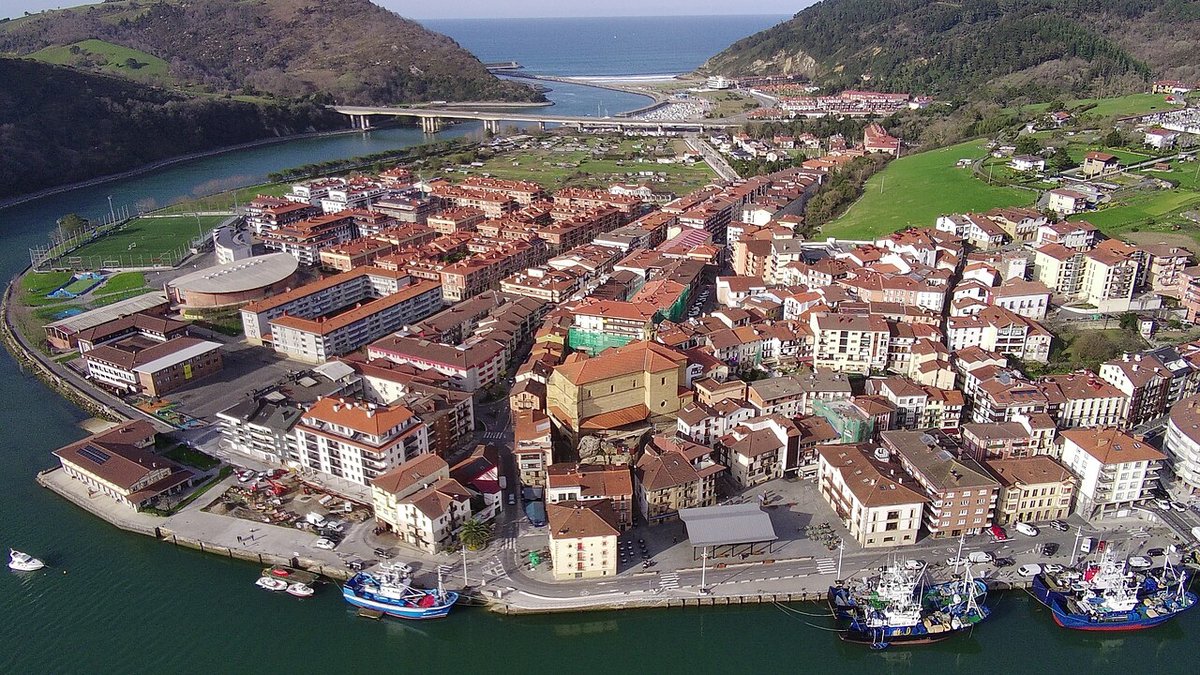
Around the small harbour area, traces of the old maritime trade are still visible. Boats return and unload crates of fish that still shine with silver scales. Seagulls wait on lampposts. Metal boxes knock against the quay. Someone cleans nets, leaning over the side.
The smell of the sea blends with hot oil from many kitchens in the old quarter. Garlic, parsley, paprika. Simple flavours that have been repeated here for generations. In food shops in the centre, Idiazábal cheese is easy to find. It carries the scent of sheep’s milk and a gentle wood smoke. Cut into thick wedges, it is often paired with something sweet, quince paste or honey.
Zarautz has a long connection with the sea. For centuries, the Basque coast took part in whaling and in other long fishing expeditions. Today, that past belongs more to memory than to everyday work, yet on very clear days someone might mention having seen cetaceans passing offshore during migration.
When the sun drops behind the mountain
The walk up Talaimendi is part of local routine. The path begins near the golf course and winds through eucalyptus trees that creak when a north‑west wind blows. It is not a long climb, though the slope is noticeable if the ground is damp, which is quite common in this part of Gipuzkoa.
From the top, the coastline opens out. Getaria appears in the distance with Mount San Antón, its shape resembling a grounded ship, and Zarautz beach forms a long crescent in front of the town. Red roofs cluster near the water. The Cantabrian shifts colour every few minutes, from grey to deep green.
Towards the end of the day, the wind usually picks up and eyes narrow against it. Below, the first lights along the promenade begin to glow while the sea continues its steady movement, heavy and calm, much as it has been all day.
When to go: September is often a good moment to see the town with more space. The sea still holds some of the summer’s warmth and surfers remain on the beach, yet the promenade regains a measure of calm. Weekends in August can be much noisier. In winter, it is worth coming prepared: here, conditions can turn damp and cool.