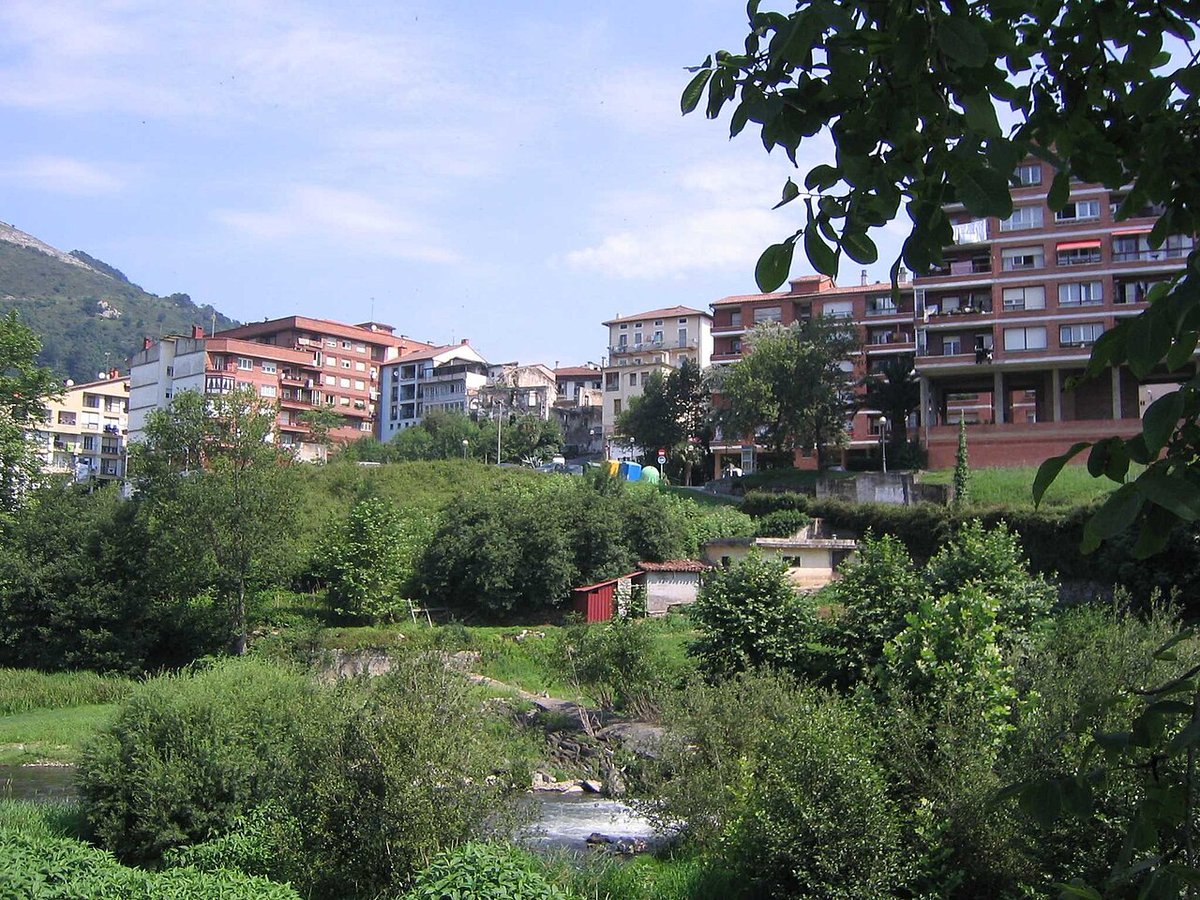
Cestona
No machine-readable author provided. Txo assumed (based on copyright claims). · Public domain
País Vasco · Atlantic Strength

Zestoa (Cestona)

The church bell in Zestoa strikes seven and the river answers back. Not with bells, but with the sudden rush of water released from the upstream da...

3,933 inhabitants · INE 2025
m Altitude

Why Visit

Historic quarter Walks

Best Time to Visit

summer

Things to See & Do
in Zestoa (Cestona)

Heritage

  • Historic quarter
  • parish church
  • main square

Activities

  • Walks
  • Markets
  • Local food
  • Short trails

Full Article
about Zestoa (Cestona)

Between mountains and sea, Basque tradition and good food in every square.

Ocultar artículo Leer artículo completo

The church bell in Zestoa strikes seven and the river answers back. Not with bells, but with the sudden rush of water released from the upstream dam—an evening ritual that sends a low rumble through the old spa town and reminds everyone that the Urola, not the road, is still in charge.

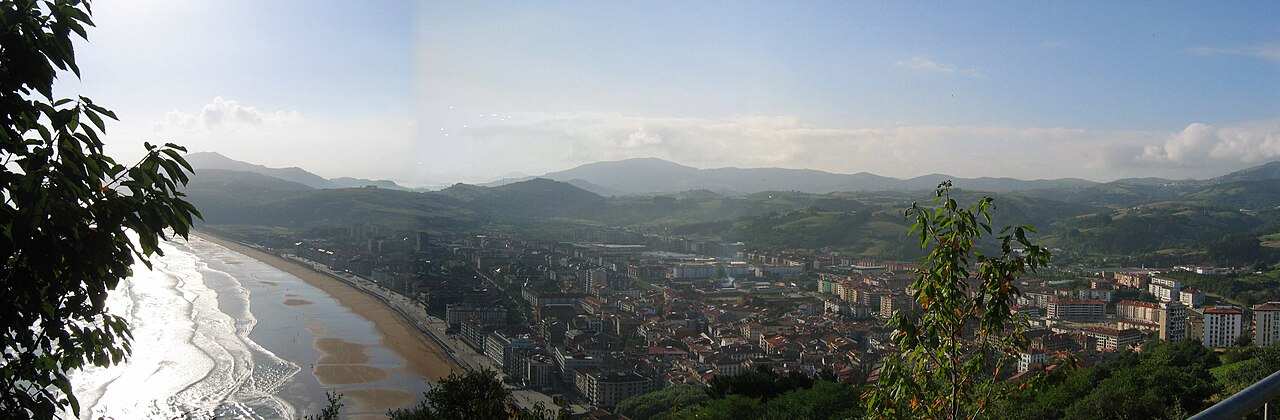
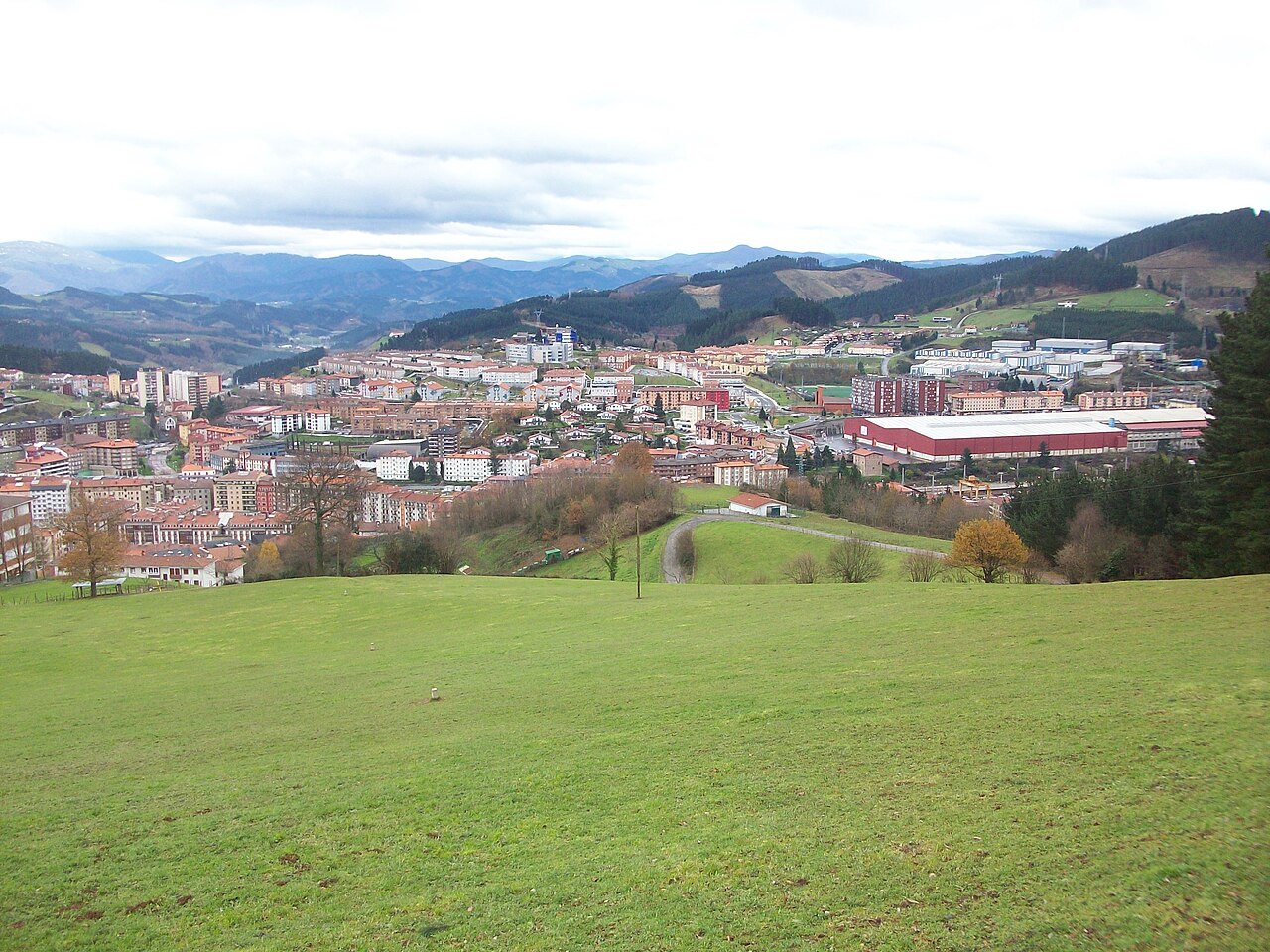
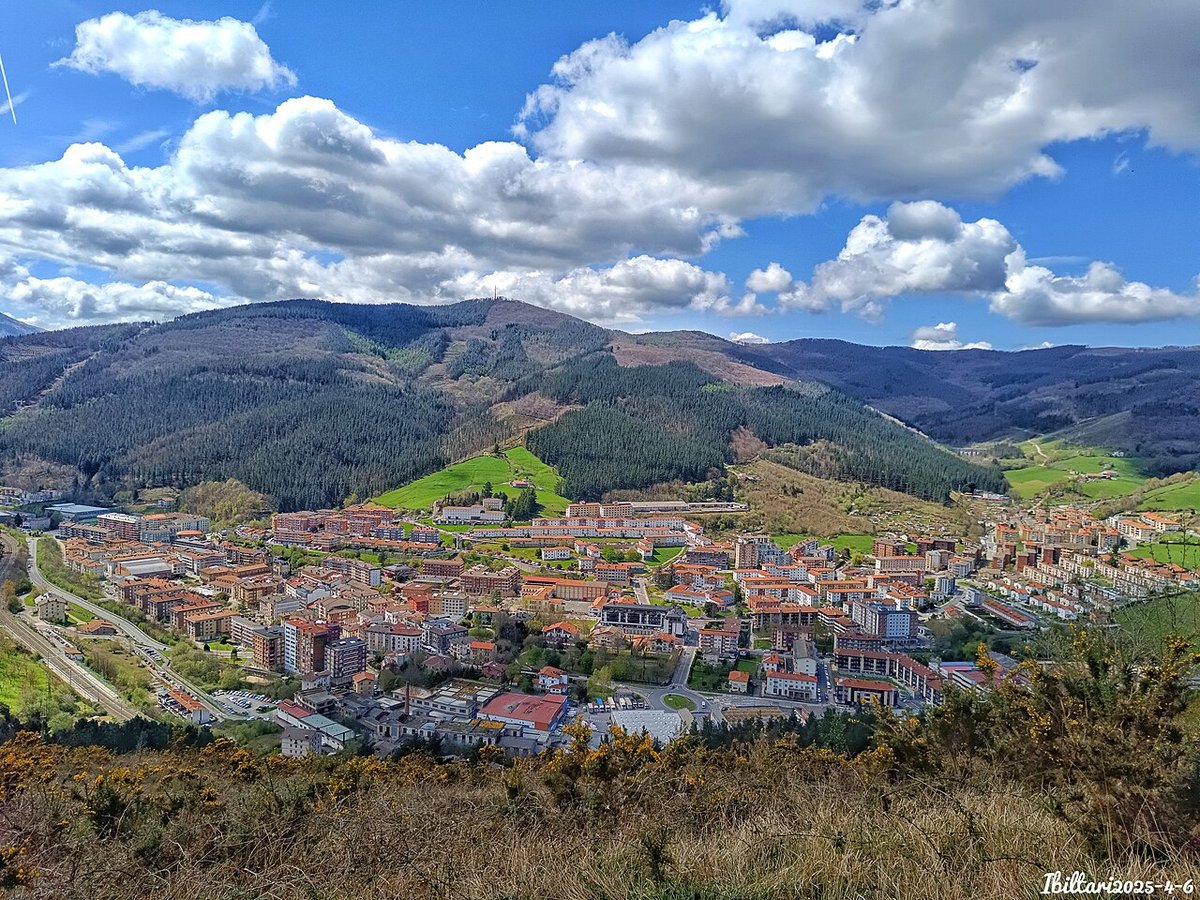
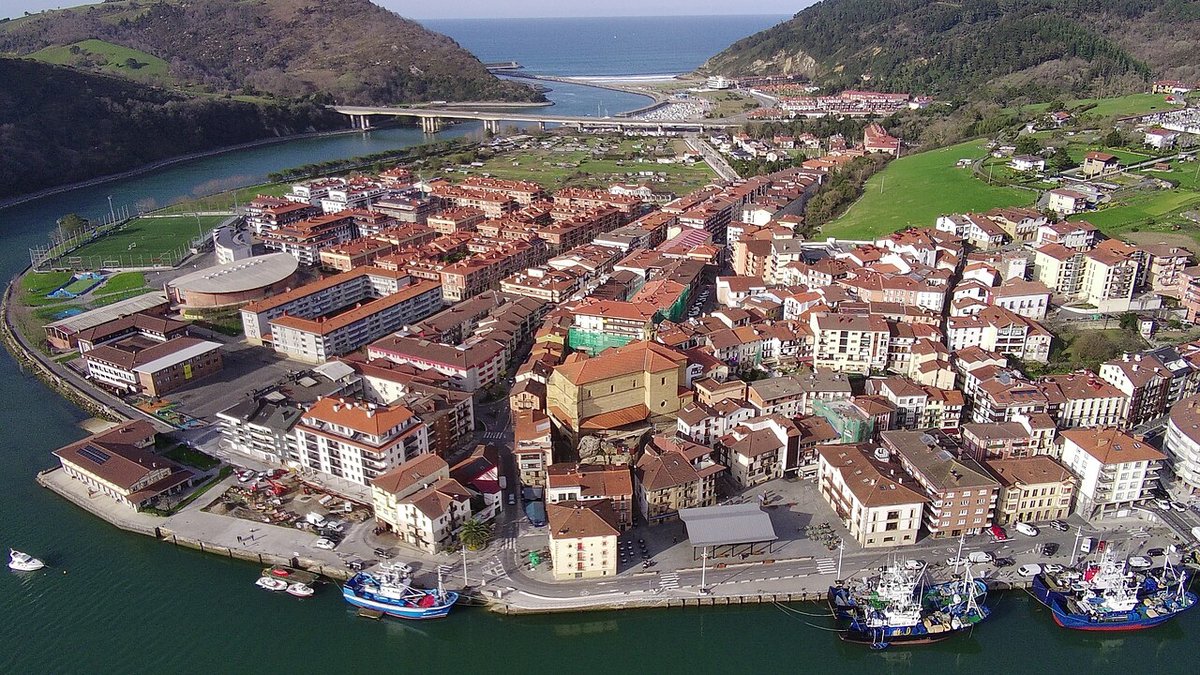
Most visitors barrel down the A-8 between Bilbao and San Sebastián without realising the valley exists. Turn inland at Zarautz, climb eight kilometres past apple orchards and smallholdings wedged into terraces, and the motorway roar gives way to something simpler: green so dark it looks navy in the shade, cowbells, and stone houses the colour of burnt cream. Zestoa—Cestona in Spanish, though nobody here uses it—sits at the bottom of a limestone trough, 43 m above sea level yet hemmed in by 600 m ridges. The altitude keeps mornings cool even in July; by October the cloud lid is often stuck shut.

The Waters That Built the Town

The balneario’s wrought-iron gates open at 09:00 sharp. If you arrive earlier you’ll share the driveway with delivery vans bringing linen for the 1890 hotel next door; the night porter still signs for towels by hand. The building is pure belle époque: brickwork painted Pompeii red, balconies wide enough for Victorian convalescents to take the air. Inside, the thermal circuit smells faintly of eggs—hydrogen sulphide at 38 °C, pumped from 200 m below the riverbed. A day pass costs €28 and includes the pool under the stained-glass skylight; treatments (mud wraps, carbonated baths, “sub-aquatic massages”) start at €55 for 25 minutes. Sunday is locals-only, so book by Thursday or you’ll be turned away.

British visitors tend to treat the spa as a curiosity rather than a cure. The café does a respectable riff on afternoon tea: strong black tea served in proper cups, churros standing in for scones, and a ramekin of Idiazabal instead of clotted cream. It is, whisper it, better value than most hotel teas in Bath.

A Cave You Can Enter (and the One You Can’t)

Three kilometres south-east of the church, the road narrows to a single track and mobile-phone reception cuts out. This is where Ekainberri hides—an exact replica of the Ekain cave, whose real Magdalenian paintings have been sealed since the 1980s to stop fungal decay. Only twelve visitors are allowed inside every half hour; English tours run at 11:00 and 15:00, €9 in advance, no exceptions. The guide dims the lights until you can just see your own boots, then swings a torch onto the ceiling: horses’ heads overlap in motion, as if the herd is moving through the rock itself. The reproduction is so precise that experts use it for research; you can still smell the fresh gypsum plaster behind the bison.

The walk from town takes fifteen minutes along the river path, but most people drive and then discover there is no car park. Use the free gravel area behind the electrical substation on the NA-3400—coordinates 43.240, -2.260—and count on a five-minute riverside stroll to the entrance gate.

What Passes for a High Street

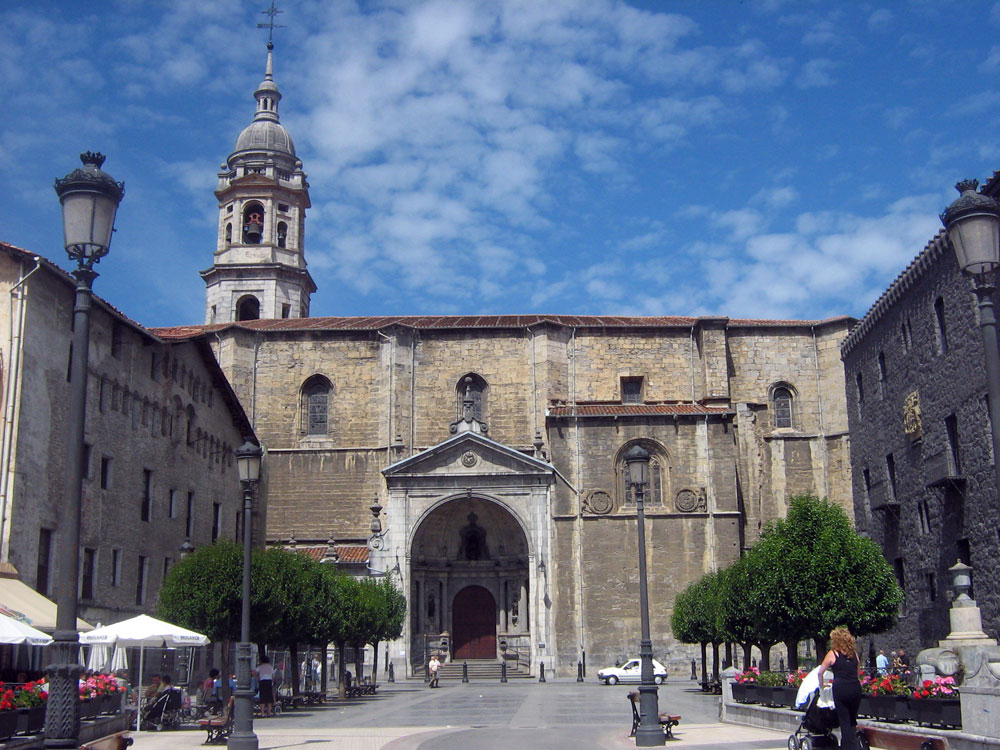
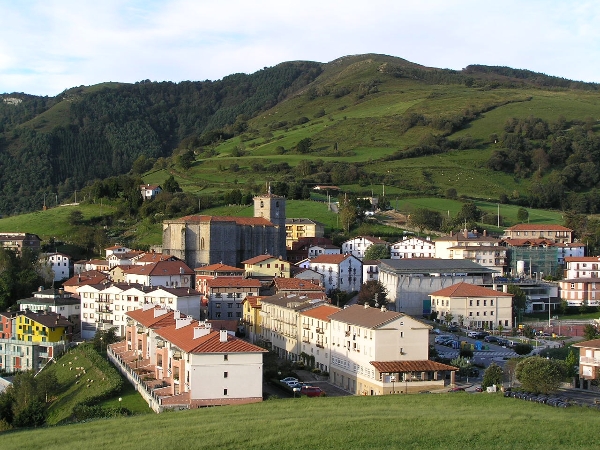
Zestoa’s centre is two streets and a square. The Iglesia de San Martín anchors one end; the other peters out into allotments where elderly residents grow lettuces under plastic cloches. The church blends Romanesque bones with 18th-century Baroque dress—note the walnut choir stalls carved with mermaids whose hair turns into vine leaves. The square’s café terraces fill at 11:00 with men in berets drinking short coffees and debating football; by 14:00 they’ve vanished, shutters half-closed against the sun or the rain, whichever arrived first.

Shopping is practical rather than pretty: a bakery that sells still-warm talo (corn flatbread), a pharmacy whose window displays postcards from 2005, and an Eroski supermarket that doubles as the only cash point for miles. The machine shuts at 21:00 when the store closes; several bars still only take cash, so queue before dinner or you’ll be washing dishes.

Eating Without Show

Menus are written on chalkboards because they change with the tide and the weather. At Restaurante Bedua—16th-century stone mansion where the Spanish rom-com Ocho Apellidos Vascos filmed its wedding scene—a three-course menú del día costs €18 and might bring grilled hake with clams, or beef cheek that collapses under the fork. Staff will swap chips for salad without fuss; they’re used to British spa guests counting calories between treatments.

For something quicker, Txoko Zestoa lines up pintxos on the bar: tortilla squares still runny in the middle, croquetas flavoured with salt-cod, and wedges of Idiazabal smoked over hawthorn. Point, eat, keep the toothpicks; the bill is counted from the sticks at the end. Dinner service ends by 22:00, last orders often called by the chef’s mother who doubles as waitress.

Walking It Off

The Urola Greenway starts behind the petrol station and follows the old railway track for 18 km to the coast at Zumaia. The first section out of Zestoa is asphalt, flat, and shared with tractors heading to market—keep left. After two kilometres the surface turns to packed gravel, the valley widens, and buzzards circle overhead. Turn round when the viaduct at Aizarnazabal appears, or press on to Zumaia’s flysch cliffs if you’ve left the car at the spa (the hourly Lurraldebus back costs €1.75).

If you prefer height to distance, climb the track past Ekainberri to Sastarrain. The gradient is gentle but relentless; 45 minutes of zig-zag through beech brings you to a meadow where horses graze and the whole valley opens like a green cathedral. In March the slopes are yellow with celandine; by November the same paths are ankle-deep in leaves like wet cornflakes. Carry a waterproof—it can go from bright to biblical in twenty minutes.

When Things Go Quiet

Evenings in Zestoa are low-watt. The last bus to Zarautz leaves at 20:15; after that, silence is broken only by the river and the occasional motorbike echoing off the gorge. Bars close around 23:00 and there is no taxi rank—pre-book a return ride or be prepared for a very dark 3 km walk to the nearest farmhouse with rooms. Sunday lunchtime is dead: spa treatments are paused, the bakery sells out by 11:00, and even the church bells seem reluctant.

Rain doesn’t stop play, it just changes the rules. Paths turn slick as soap; leave the white trainers at home and accept that trousers will be speckled with mud the colour of milk chocolate. On heavy days the cave is the only indoor option—book the first slot and you’ll have the replica almost to yourself while valley water drips from the ceiling like a leaky tent.

Worth the Detour?

Zestoa will never compete with San Sebastián’s Michelin parade or Bilbao’s Guggenheim swagger. That, paradoxically, is its appeal. Come for half a day and you’ll tick the cave, the spa façade, and a decent lunch. Stay overnight—there are 28 rooms in the thermal hotel, doubles from €120 B&B—and you’ll hear the river release its evening surge, watch mist fill the valley like steam in a punchbowl, and understand why locals say the water keeps their clocks. Bring waterproof shoes, pre-book the cave, and don’t expect fireworks after dark. If that sounds like enough, Zestoa is already waiting; if not, the motorway back to the coast is only eight kilometres away.

Key Facts

Region
País Vasco
District
Urola Kosta
INE Code
20027
Coast
No
Mountain
No
Season
summer

Livability & Services

Key data for living or remote work

2024
ConnectivityFiber + 5G
HealthcareHealth center
EducationElementary school
Housing~5€/m² rent · Affordable
CoastBeach nearby
January Climate9.9°C avg
Sources: INE, CNMC, Ministry of Health, AEMET

Official Data

Institutional records and open data (when available).

  • Ekainberri
    bic Monumento ~0.8 km
  • Yacimiento arqueológico de Idiakaitz
    bic Monumento ~0.6 km
  • Balneario de Zestoa
    bic Monumento ~0.8 km
  • Palacio Lili
    bic Monumento ~0.3 km
  • Pequeño Tren de Iraeta - Tren de cinco pulgadas
    bic Monumento ~1.8 km

Planning Your Visit?

Discover more villages in the Urola Kosta.

View full region →

More villages in Urola Kosta

Traveler Reviews