Full Article
about Zumaia (Zumaya)
Cantabrian Sea, cliffs and seafaring flavor in the heart of the Basque Country.
Ocultar artículo Leer artículo completo
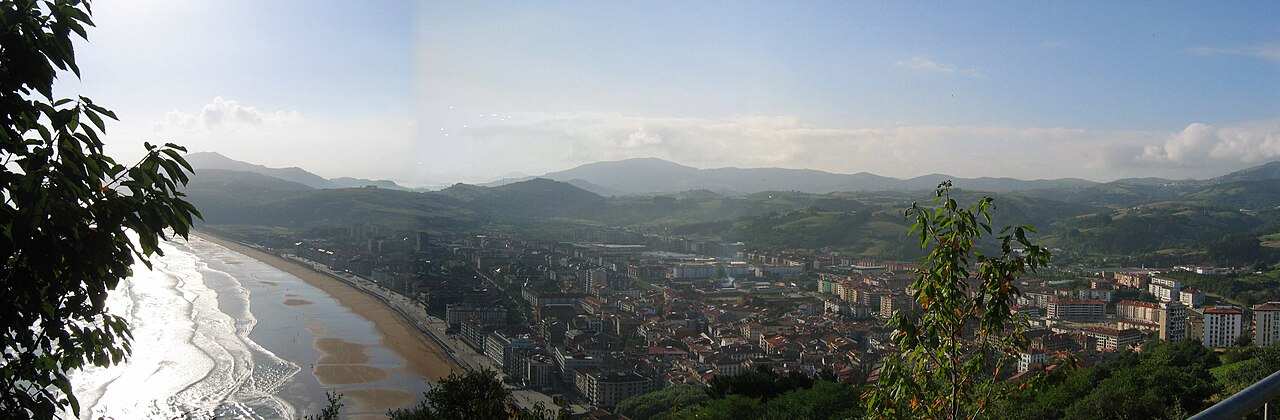
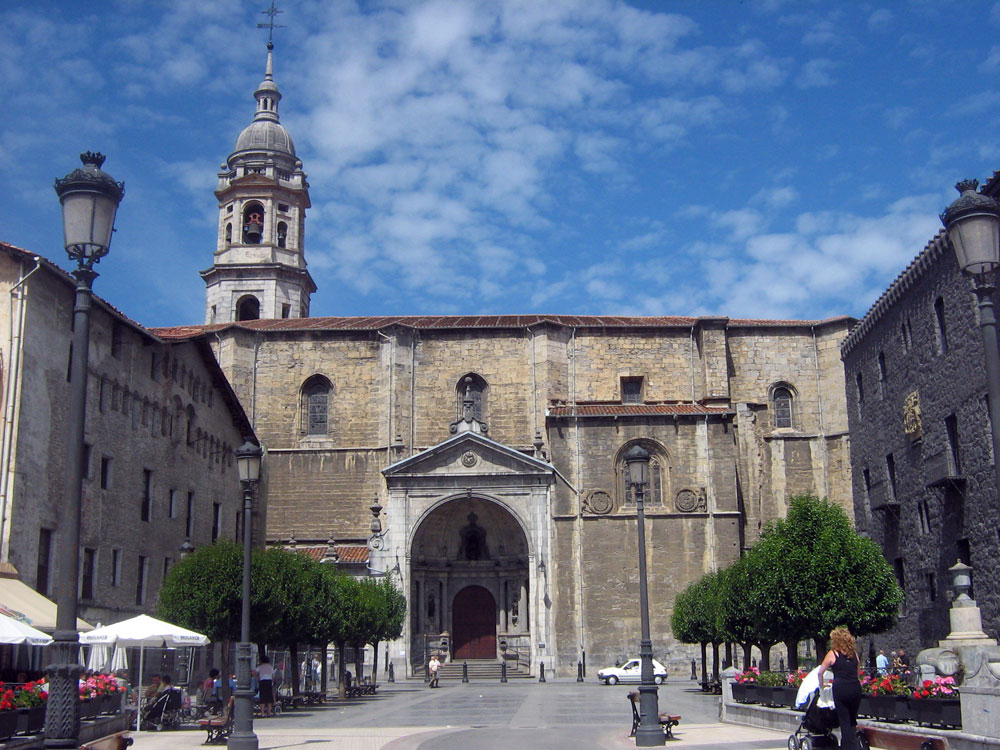
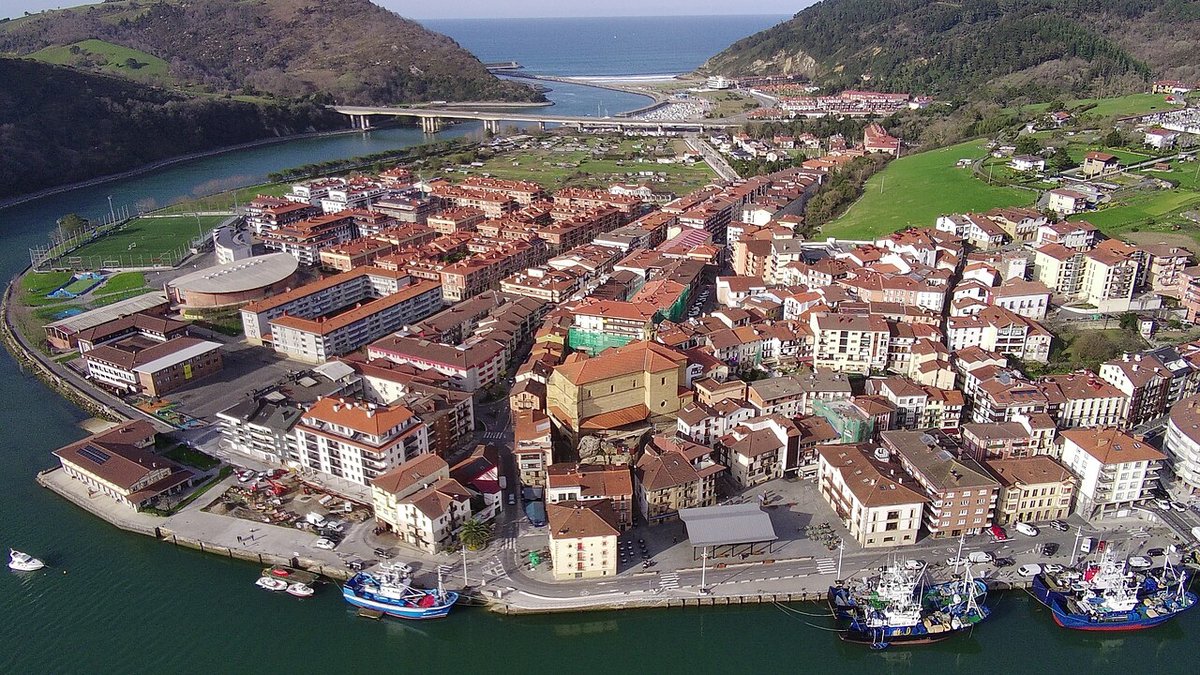
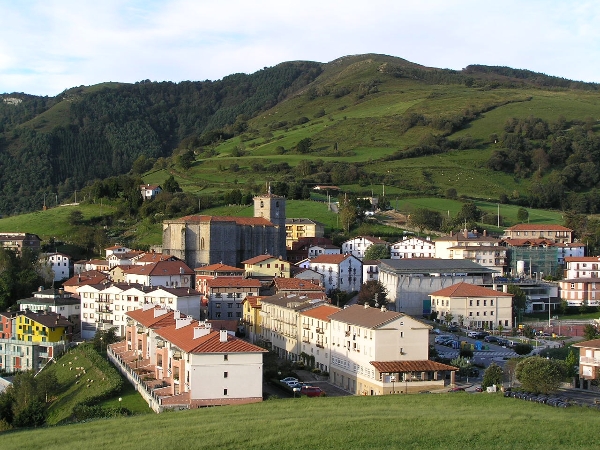
The 09:17 Euskotren from San Sebastián drops you beside a level-crossing barrier that never quite finishes clanging. From the platform, Zumaia looks sideways-on: blocks of flats painted the colour of ship hulls, a church tower that leans a fraction into the wind, and behind it all the Urola estuary sliding towards the sea. The train took forty-eight minutes, cost €3.05 with a contactless tap, and delivered you to a town that still answers first to fishing forecasts, second to Instagram.
Rock Pages and Salt Clocks
Itzurun beach is three minutes from the station, but the smart money pauses at the tourist office for a tide timetable. When the water retreats, the flysch cliffs reveal themselves: limestone and sandstone pressed into pages, each layer a million-year ledger of depth, temperature, and whatever happened to be swimming at the time. Geologists call it one of the planet’s most complete marine archives; locals call it “the library”. Either way, the shelves are slippery. Trainers with tread are advised; flip-flops will dump you on your hip and the rock will tattoo your skin with Jurassic bruises.
The full story is easier to read on a guided walk (€10, Wed & Sat mornings, book at the office). Guides carry laminated cards that point out the dark stripe from the asteroid that finished off the dinosaurs—handy dinner-party ammunition later. Independent visitors can still get the gist by following the red-and-white markers of the Algorri coastal path, but should leave the rock pools at least an hour before the tide turns; the Cantabrian refills the cove faster than you can pronounce “K-T boundary”.
A Town that Works for its Living
Turn away from the sea and Zumaia stops performing. Along Kale Nagusia, delivery vans double-park beside bars where men in boiler suits knock back cortados at ten-past nine. The pharmacy window advertises anti-inflammatory gel in three sizes; the ironmonger still weighs nails by the kilo. Tourism is welcome, but it is not the payroll. Peek through the gates of the lonja (auction hall) on the harbour at 17:30 and you’ll see crates of hake and spider crab moving from boat to buyer in under ten minutes. The auctioneer rattles figures in Basque; prices flash on a wall-mounted screen like a 1980s stock exchange. Visitors may watch from the mezzanine, no flash photography, coats zipped—inside feels colder than the sea.
For supper that evening, Labarra Taverna plates the catch as arroz negro: squid-ink risotto the colour of a chalkboard, rings of baby squid that still hold the grill’s bite. The dish tastes of the ocean but stops short of briny overload, a safe bridge for palates that think “paella” means yellow rice with peas. Vegetarians retreat to Ardora bistro on the corner; its roasted-piquillo-pepper burger comes with triple-cooked chips and a little flag announcing gluten-free buns. Txakoli, the local slightly-fizzy white, costs €3.80 a glass and benefits from the theatrical pour—bottle held high, glass held low, thin stream catching air and turning brighter.
When the Wind Writes the Timetable
Zumaia’s weather keeps its own calendar. A Tuesday in May can begin with buttery sunshine, swing through sideways hail by coffee, and settle into a soft evening that smells of wet laurel. The advice locals repeat is “capa y media” (layer and a half). Even in July, when Spanish school holidays ram the seafront, the breeze at San Telmo chapel—ten minutes uphill—can slice through cotton. The chapel itself is locked more often than not, but the balustrade gives a bird’s-eye view of Itzurun’s zebra cliffs and, to the west, the scythe-shaped ridge that stood in for Dragonstone in Game of Thrones. Expect tripod gridlock at sunset; arrive an hour earlier and you’ll share the panorama with only joggers and one man walking his cat on a lead.
Rain doesn’t cancel the programme, it just swaps it. The narrow-gauge railway museum (free, donations welcome) houses a 1928 electric engine you can climb into; kids get to blow the horn while parents study sepia photos of the line’s British contractors. If the sky really unloads, the fronton roof on the main square drums like snare practice—Basque pelota matches carry on regardless, the ball a white blur against green concrete. Betting is casual: the loser buys the winners’ cider round.
Walking Off the Set
Once the cliffs feel familiar, the coastal path west to Deba offers emptiness in exchange for effort. The trail is 14 km, hugs the rim for most of it, and involves 500 m of cumulative ascent—think South-West-Coast-Path light. Spring brings drifts of wild garlic and the last of the migrant whales; October paints the gorse gold and reduces footfall to locals plus the odd German with trekking poles. Buses back to Zumaia run roughly every two hours, cashless only, so keep a card handy and check the last departure before you set off. Miss it and you’ll discover how thin the taxi network becomes after dark.
Shorter loops follow the Urola upstream past watermills turned into glass-blowing studios and a shepherd who sells Idiazabal cheese from a fridge in his garage (€18 a kilo, he’ll slice with a penknife you hope he also uses for apples). The valley smells of mown grass and river stones; the only soundtrack is the clack of the narrow-gauge freight that still runs three times a week, delivering paper to the last printing plant in Gipuzkoa.
Beds, Buses and Budgets
Accommodation clusters around the estuary. Pension Txiki Polit offers five attic rooms with sloping ceilings and duvets thick enough to muffle the 07:30 fishing-boat throb; doubles from €85 including coffee and a loaf-sized croissant. Newer is Hotel Flysch, all concrete angles and rain-shower cubicles, €130 with breakfast and a rooftop that flirts with the cliff edge. Both places will lend wellies and tide charts; neither has a lift, so pack light.
Arriving without wheels is straightforward. Euskotren runs every half-hour until 22:30; the last train back to San Sebastián leaves at 23:07, but Spaniards keep late hours and you’ll rarely be hustled out of a bar before midnight. Drivers should aim for the free car park on Ardantzabide Kalea—navigate past the football ground, ignore the sat-nav that tries to thread you into the medieval core. The old town’s lanes are single-track, signed for residents only, and wide enough for a donkey, not a Ford Focus.
The Take-Home
Zumaia refuses to stay in the neat “pretty fishing village” box. It can feel brusque when the wind whips, dull when the tide is high and the cliffs hidden, overcrowded when half of Bilbao descends on a sunny Sunday. Yet the same variables deliver drama: rock layers glowing like embers after rain, the smell of grilled sardines drifting across a plaza that still belongs to the people who live there rather than the ones passing through. Come prepared for contradictions, check the tide clock more often than your phone, and the town will write its own chapter in your trip—no dragons required.