Full Article
about Zumarraga
Between mountains and sea, Basque tradition and good food in every square.
Ocultar artículo Leer artículo completo
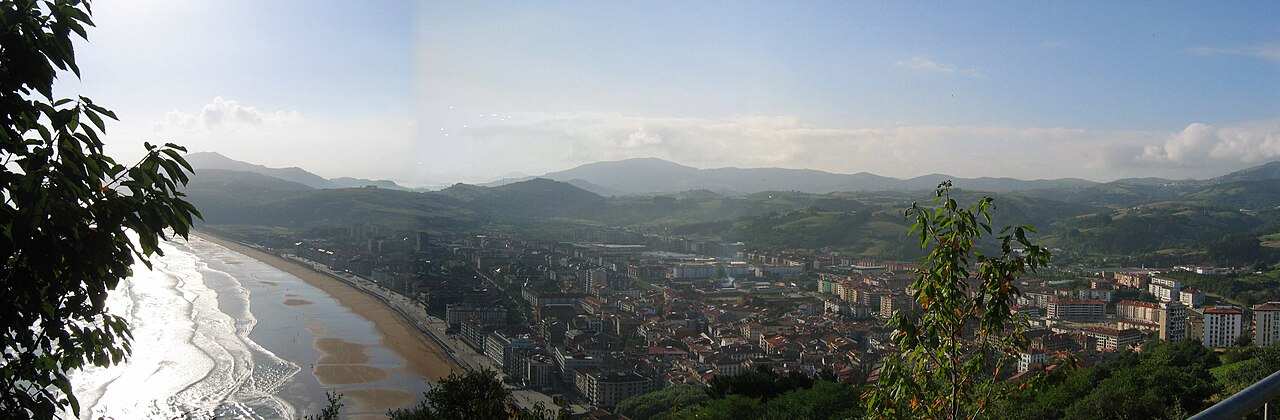
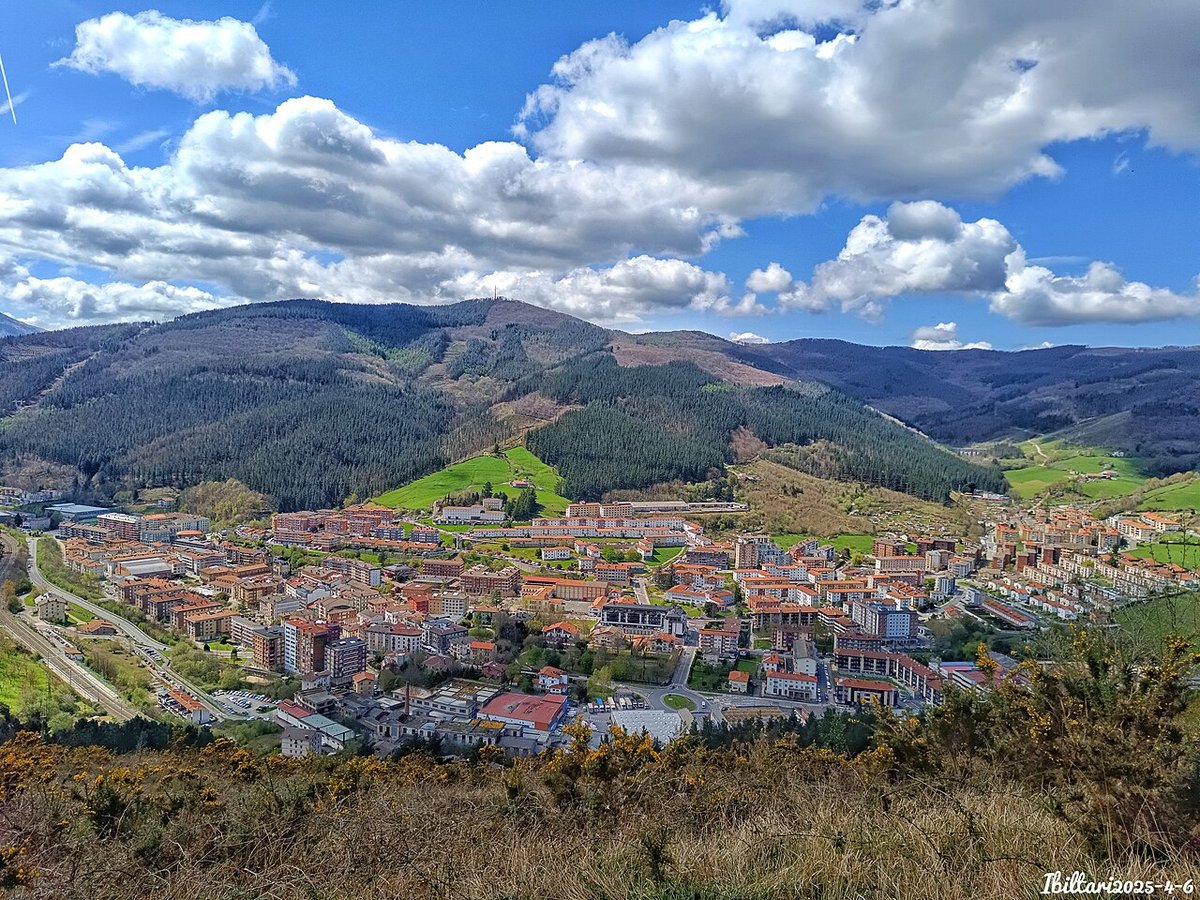
The morning train from Bilbao climbs through beech forests before dropping into the Urola valley, where Zumarraga's 19th-century steelworks chimney rises above terracotta roofs like a industrial exclamation mark. At 420 metres above sea level, this Basque town sits in a natural amphitheatre of green slopes that funnel Atlantic weather straight through its streets—meaning that waterproof jacket you're glad you packed will probably get its first outing within the hour.
A Working Town, Not a Postcard
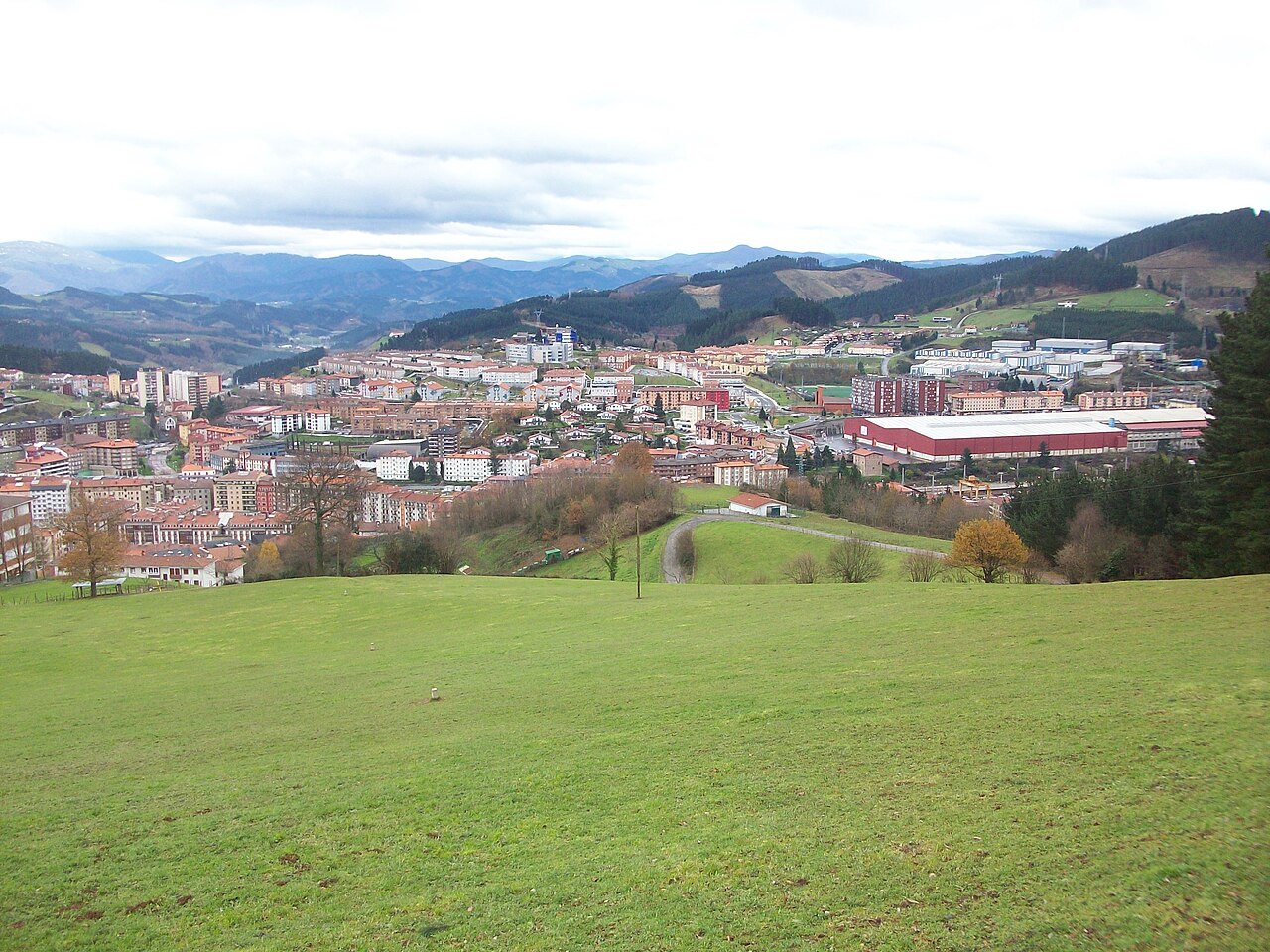
With 10,000 residents and a functioning industrial estate, Zumarraga operates on Basque time rather than tourist time. The morning pintxo rush starts at 11 sharp when factory workers pour into bars along Kale Nagusia for gilda skewers—those addictive combinations of anchovy, olive and guindilla pepper that taste exactly the same whether you're paying €1.80 in Zumarraga or €3.50 in San Sebastián's old town. By 11:30, the queues have vanished and the barmen are wiping down counters before the lunchtime service.
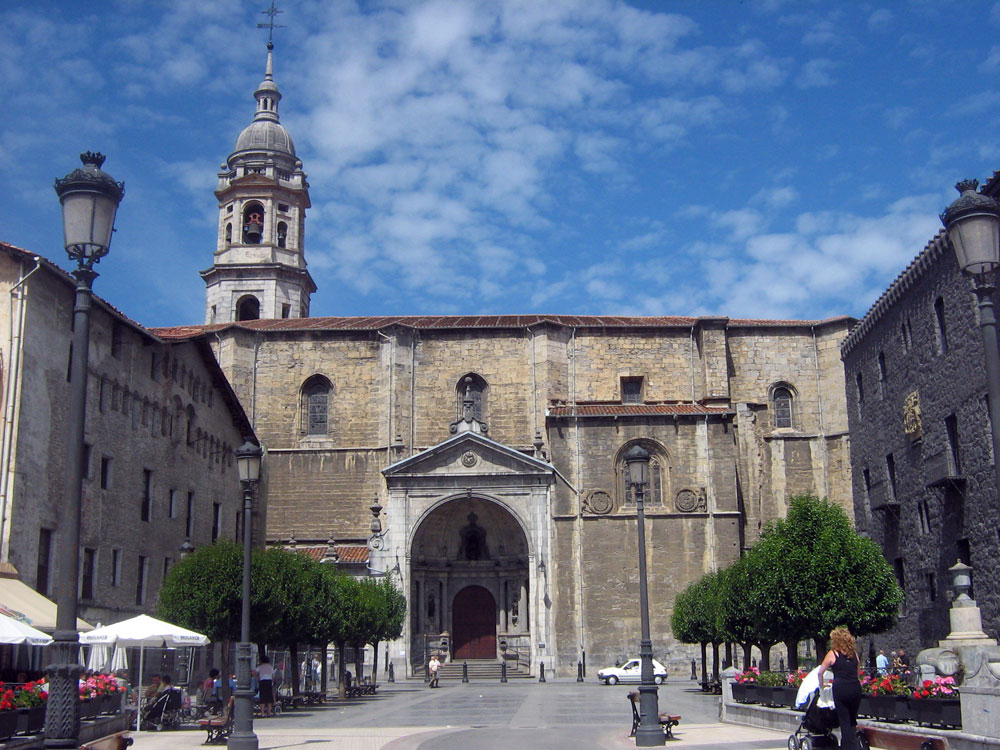
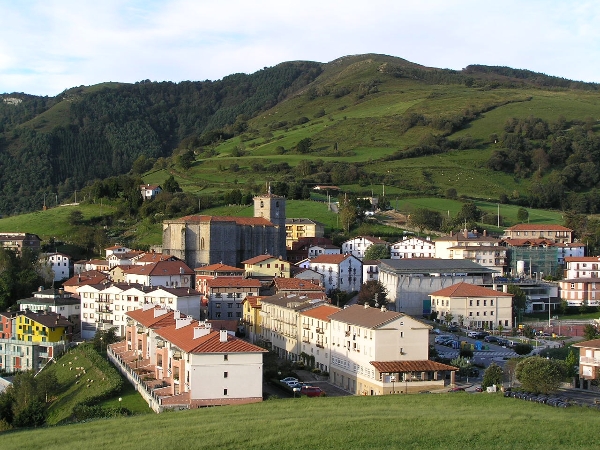
The town's pragmatic character reveals itself in the architecture. Stone mansions with family crests share walls with 1970s apartment blocks, while the Gothic tower of Nuestra Señora de la Asunción church dominates a square where teenagers practice kickflips beside a 16th-century fountain. There's no pretty medieval quarter to tick off—instead, the interest lies in watching daily Basque life unfold: elderly women in berets buying bread at Iparraguirre bakery, delivery vans double-parking on narrow streets, the rhythmic clack of pelota balls from the fronton court.
Following the River, Climbing the Heights
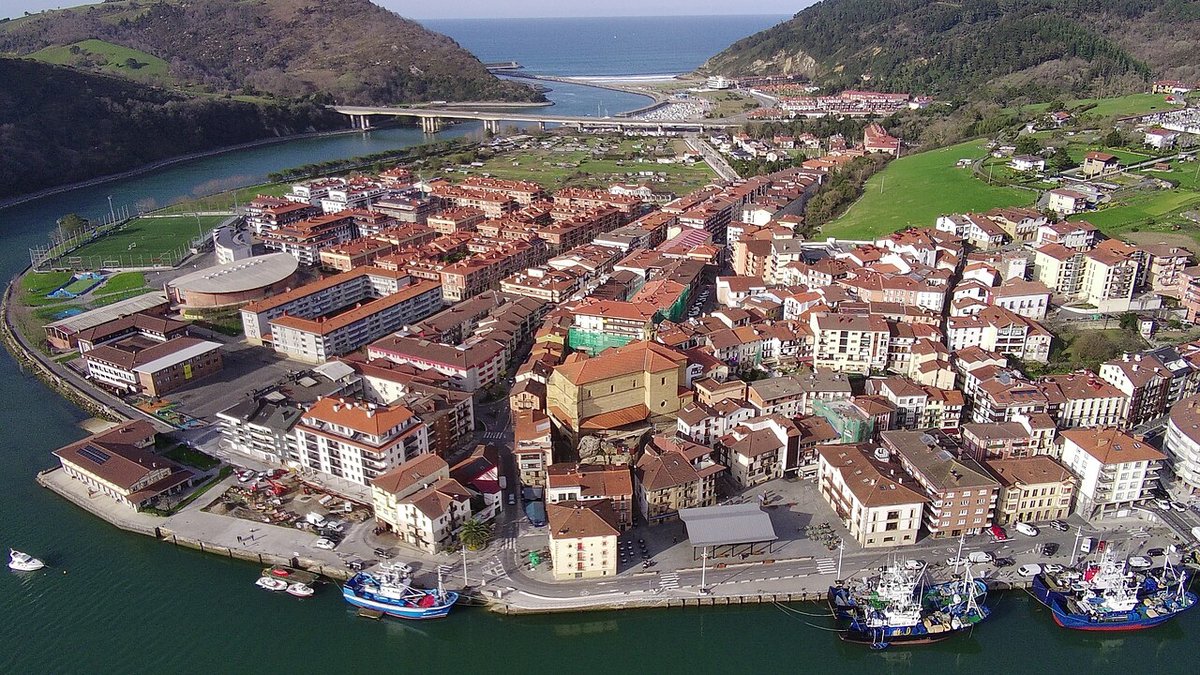
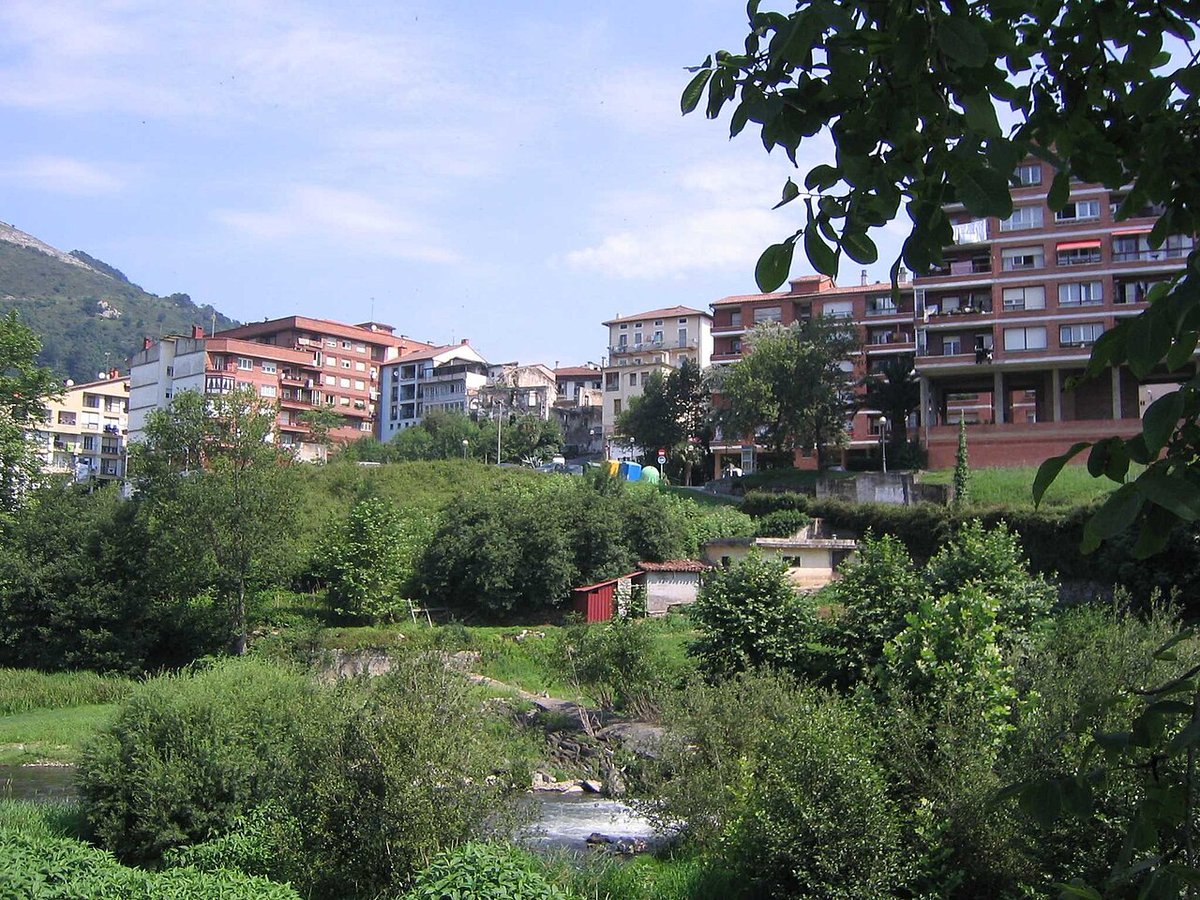
The Urola river walk provides the gentlest introduction to Zumarraga's geography. This flat, 2-kilometre path threads between plane trees and former mill buildings, offering shelter on windy days when clouds scud low over the valley. Kingfishers dart between the supports of iron railway bridges, while herons stand motionless in shallows where salmon leap during autumn runs. It's popular with power-walking locals and provides a useful reference point—the minute you leave the riverside, you're climbing.
Monte Irimo rises directly north of town, its 838-metre summit accessible via a signed path that starts behind the football pitch. The ascent takes 90 minutes through oak and chestnut woods, emerging onto sheep-cropped grassland where Basque shepherds still move flocks using traditional latxa sheepdogs. Views extend across the entire Urola valley to the limestone ridge of Aizkorri-Aratz natural park, though weather can close in rapidly—what starts as a clear morning might end with your map turning to papier-mâché in sideways rain.
For serious walkers, the GR-121 long-distance path passes through Zumarraga, linking to the 17th-century Sanctuary of Arantzazu after 12 kilometres of steady climbing. This isn't Lake District-style walking with tea shops every mile—carry water and snacks, as the only refreshment between town and sanctuary is a seasonal fountain that locals warn "runs only when it's been raining properly."
What to Eat Between the Hills
Food here reflects both industrial heritage and pastoral surroundings. The local speciality is buzkantza, a blood sausage made with sheep's blood that's notably milder than Spanish morcilla—perfect for cautious British palates. Try it grilled at Bar Nagusia where it arrives sizzling on a clay dish with roasted piquillo peppers for €6. Idiazabal cheese appears on every menu; the smoked version proves less challenging than the farmhouse variant, its nutty flavour developing as it warms to room temperature.
Weekday lunch menus offer exceptional value—three courses with wine costs €12-15 at most bars. Expect hearty Basque cooking: salt cod in pil-pil sauce, beef cheeks slow-cooked in Rioja, and vegetable soups thick enough to stand a spoon in. Vegetarians should note that "ensalada" often comes topped with tuna—specify "sin atún" unless you fancy fish with your leaves.
The covered market (Tuesday, Thursday, Saturday mornings) showcases the town's dual economy. One stall sells welding equipment alongside sheep's-milk cheese; another offers hand-forged knives from local workshops beside punnets of woodland mushrooms. Arrive before 10 am for the best selection of latxa sheep cheese—this native breed produces milk so rich that just 5 litres makes a kilo of cheese.
When the Mist Rolls In
Zumarraga's valley location creates its own microclimate. Summer mornings often start clear before clouds build against surrounding hills, producing afternoon thunderstorms that empty streets faster than a fire drill. Winter brings proper mountain weather—snow isn't unusual above 600 metres, and the Irimo path can ice over between December and February. Spring proves most reliable for walking, when the valley glows an almost unnaturally green and wild garlic scents the river path.
The town's industrial past means accommodation options remain limited. Hotel Urola, the only proper hotel, occupies a 1950s building on the riverfront with functional rooms from €65 including breakfast. Its restaurant serves the best tortilla in town—thick, slightly runny, and big enough for two. Alternatively, Casa Rural Arotz-Enea offers stone farmhouse accommodation 5 kilometres outside town, though you'll need a car unless you fancy navigating rural bus timetables that seem designed by someone who doesn't believe in public transport.
Practicalities Without the Pain
Zumarraga works brilliantly as a base for exploring interior Gipuzkoa, sitting 45 minutes from both San Sebastián and Vitoria-Gasteiz on the A-1 motorway. Free parking exists in two municipal car parks signed "APARCAMIENTO PÚBLICO"—use the one near the train station for easiest access to town centre. Trains connect hourly with Bilbao (1 hour 20 minutes, €6.50) and San Sebastián (40 minutes, €3.20), though Sunday services drop to every two hours and fill with hikers returning from mountain routes.
The town's compact size means everything sits within 15 minutes' walk, but those walks often involve serious gradients. What looks like a gentle stroll on Google Maps might include staircases that would embarrass a medieval fortress designer. Comfortable walking shoes aren't optional—they're essential for navigating streets that follow goat tracks established centuries before town planners existed.
Zumarraga won't suit everyone. Visitors seeking medieval charm should head to nearby Segura or Tolosa instead. But for travellers interested in seeing how modern Basques live, work and play in a landscape that's remained essentially unchanged since shepherds first drove sheep up these valleys, it offers something increasingly rare: a mountain town that functions for its residents first, tourists second. Just remember to check the weather forecast before heading uphill—and maybe pack that extra jumper. The Atlantic clouds gathering over Irimo have a habit of dropping temperature by ten degrees faster than you can say "eskerrik asko."