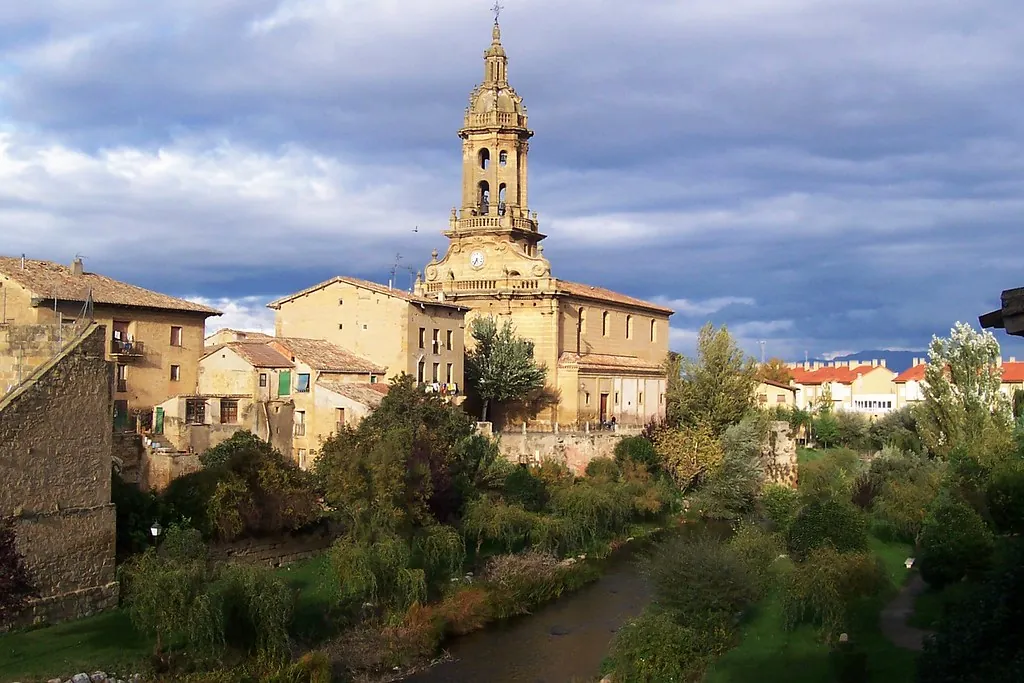
Riverside Villages in La Rioja
22 villages
·
40 - 152,150 inhabitants
·
Gastronomy 67/100
Riverside Villages in La Rioja: key facts
- 22 villages total
- Logroño (152,150 inh.)
- Calahorra (25,367 inh.)
- Autol (4,958 inh.)
- Altitude range: 285 – 950 m
La Rioja, famed for its vineyards, also possesses a wealth of riverside villages, each with its own distinct character and history. Twenty-two municipalities fall into this category, their average population around 9,211 inhabitants, and altitudes ranging from 285 to 950 metres. These settlements owe their existence and prosperity to the rivers that flow through the region, providing water for agriculture and shaping the landscape. Logroño, the capital, sits on the Ebro, its Concatedral de La Redonda a prominent landmark. Further downstream, Calahorra, known for its Roman heritage as Calagurris Iulia, also thrives on the river's bounty. These villages offer a glimpse into a more traditional way of life, where agriculture and local customs still play a central role. From the fertile plains of the Ebro valley to the foothills of the Sierra de la Demanda, the riverside villages of La Rioja present a diverse and compelling destination for exploration.
22 villages to explore
Logroño
Calahorra
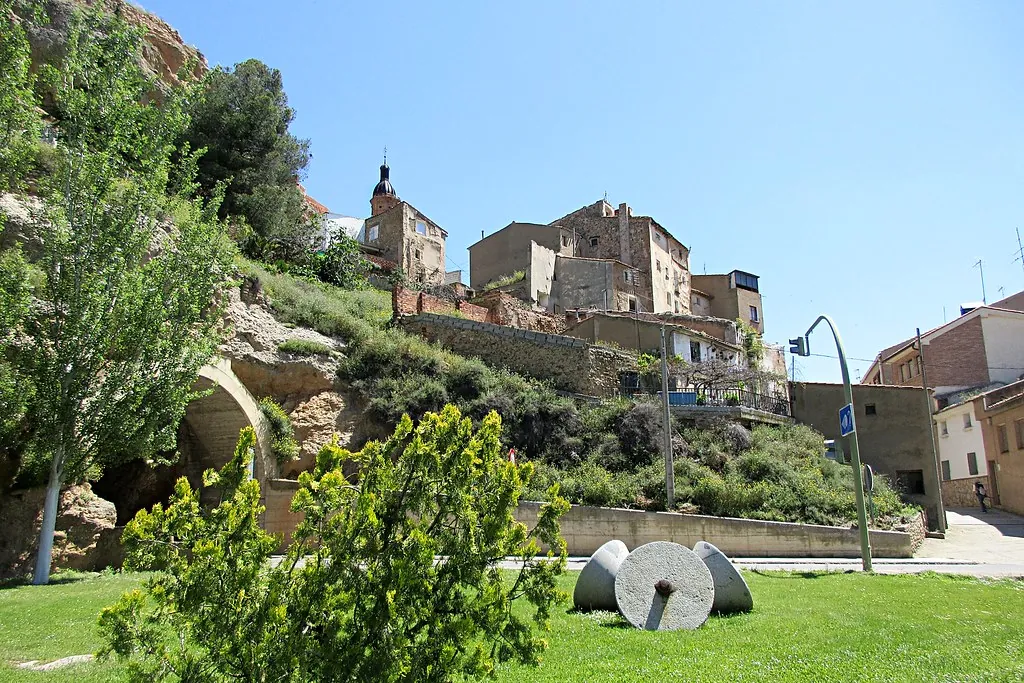
Autol
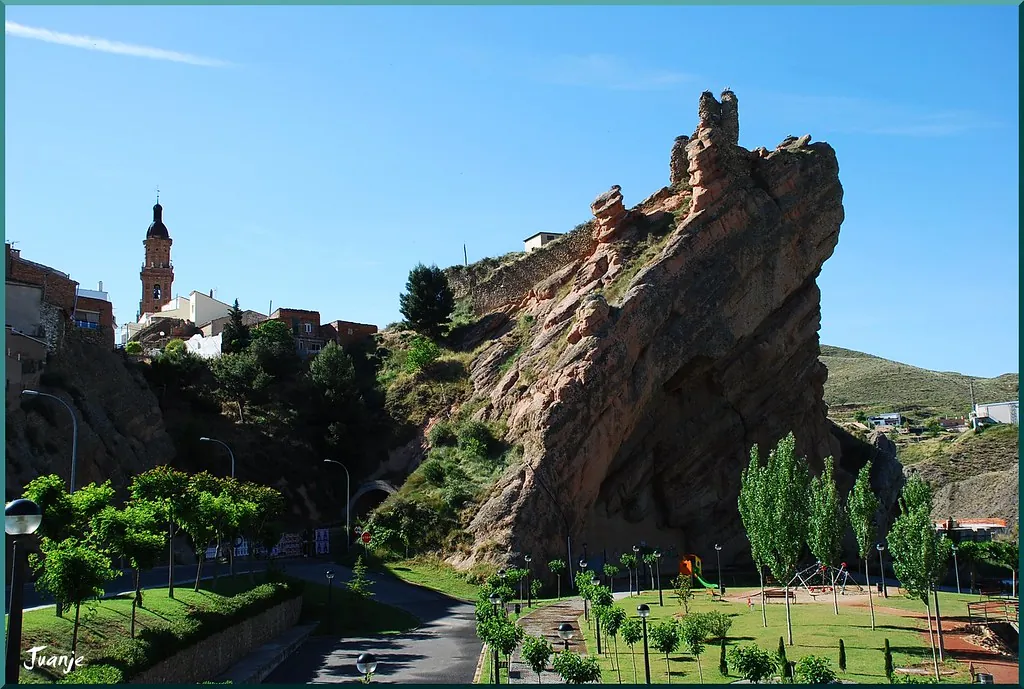
Autol
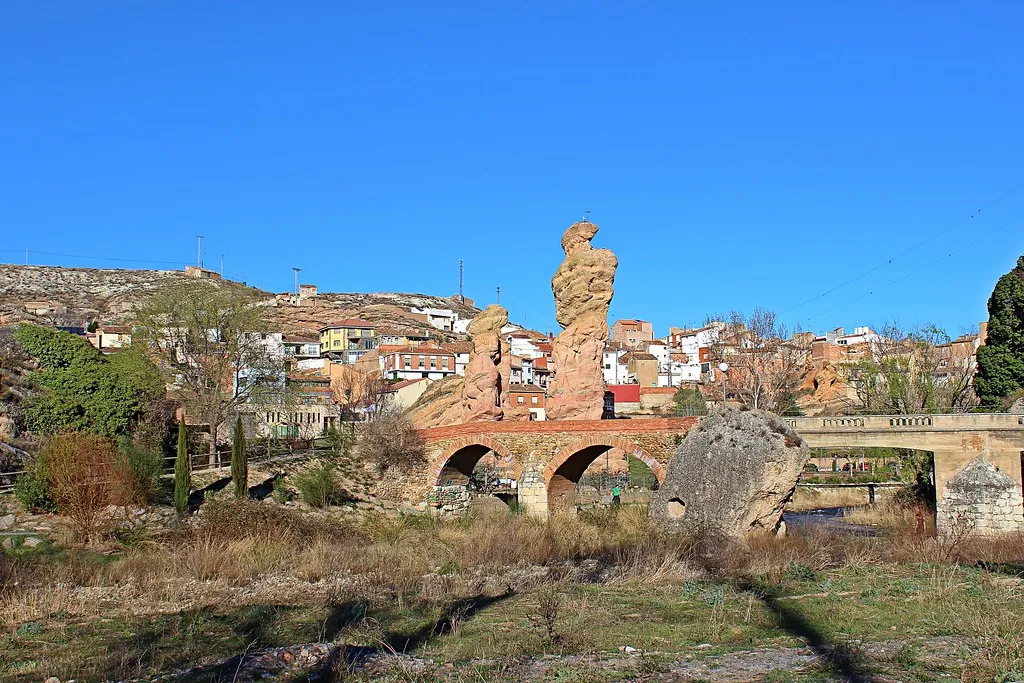
Autol
Rincón de Soto
Albelda de Iregua
Pradejón
Aldeanueva de Ebro
Murillo de Río Leza
Alcanadre
Arrúbal