Rural Accommodation Villages in Cantabria

51 villages · 164 - 35,577 inhabitants · Nature 78/100

Rural Accommodation Villages in Cantabria: key facts

  • 51 villages total
  • Cieza (35,577 inh.)
  • Santa María de Cayón (9,538 inh.)
  • Entrambasaguas (5,693 inh.)
  • Altitude range: 10 – 950 m

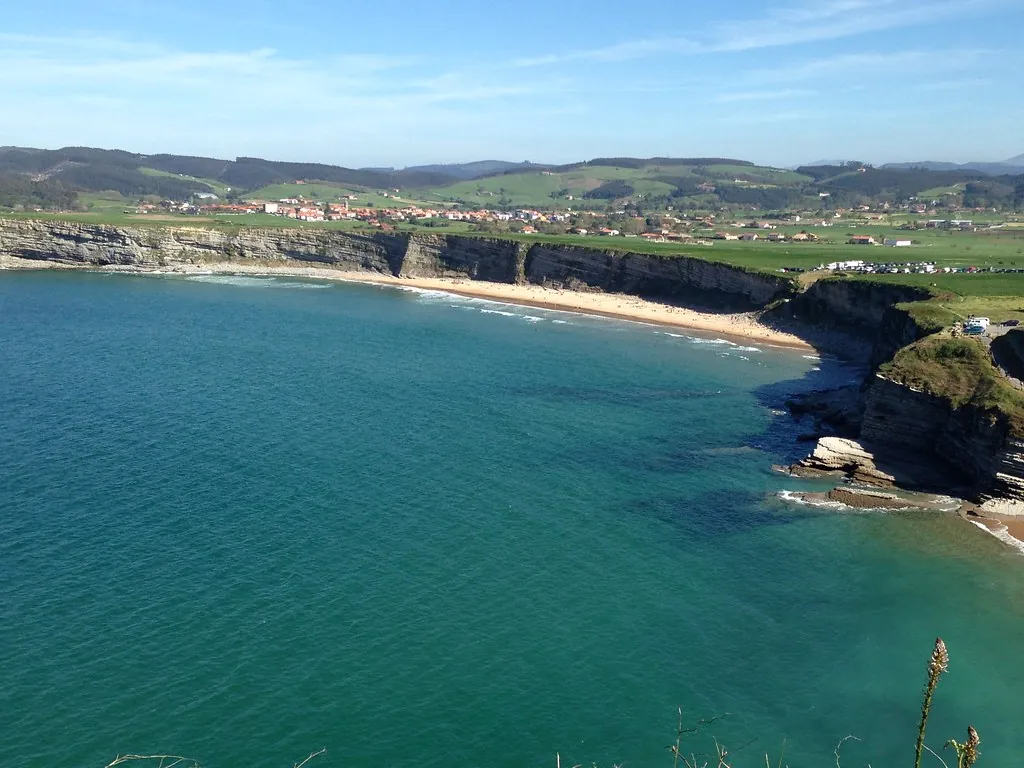
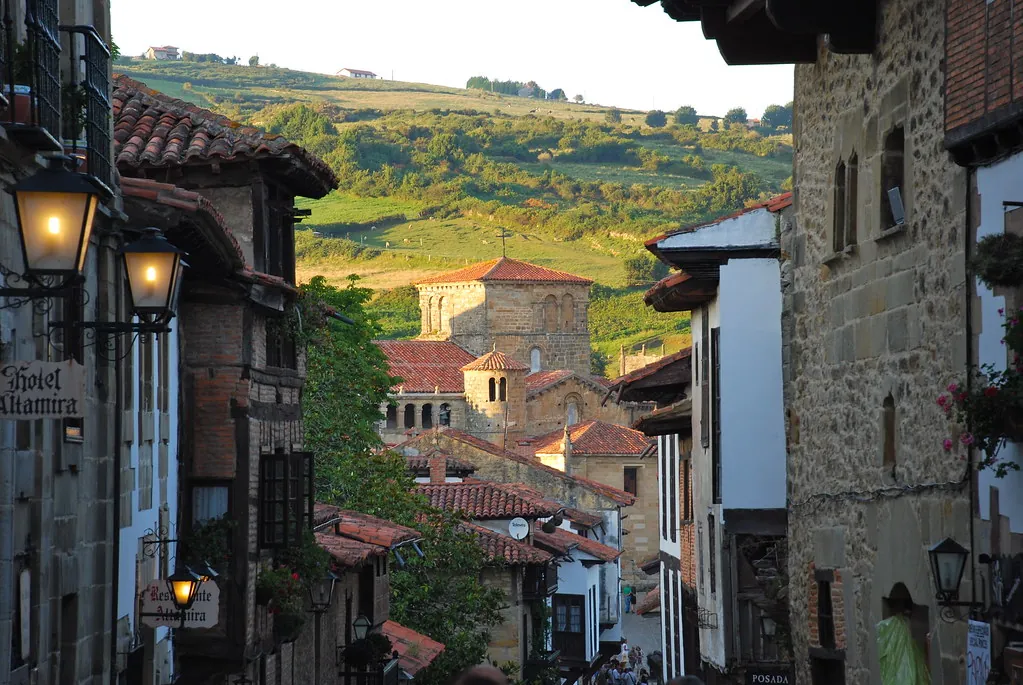
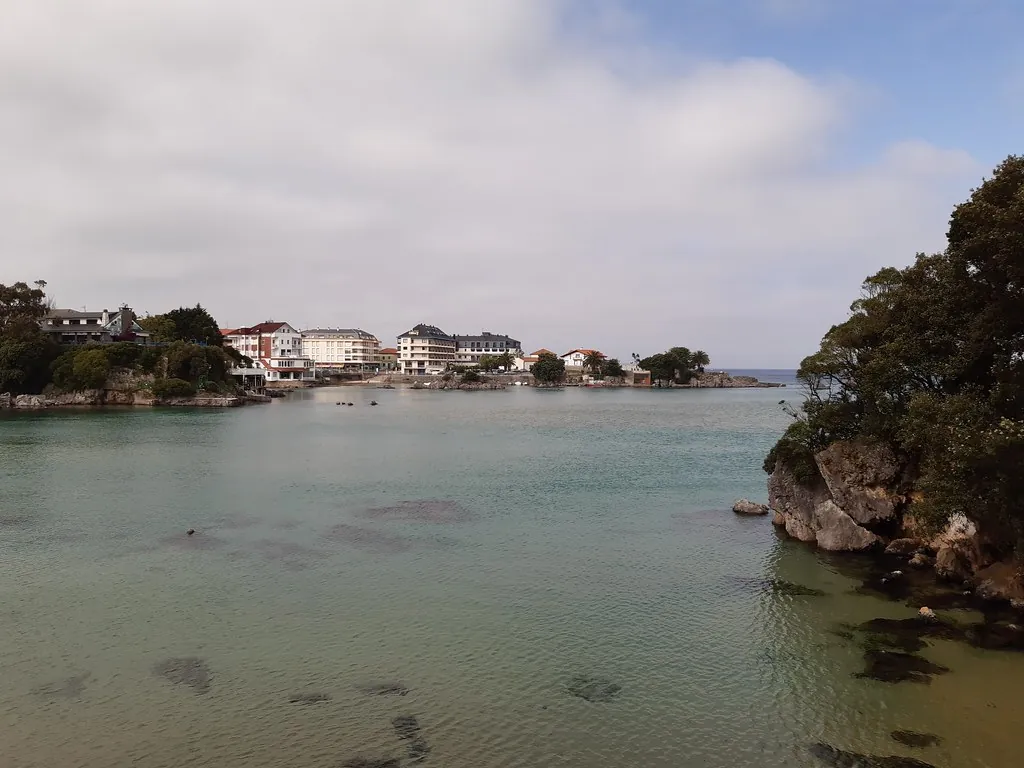
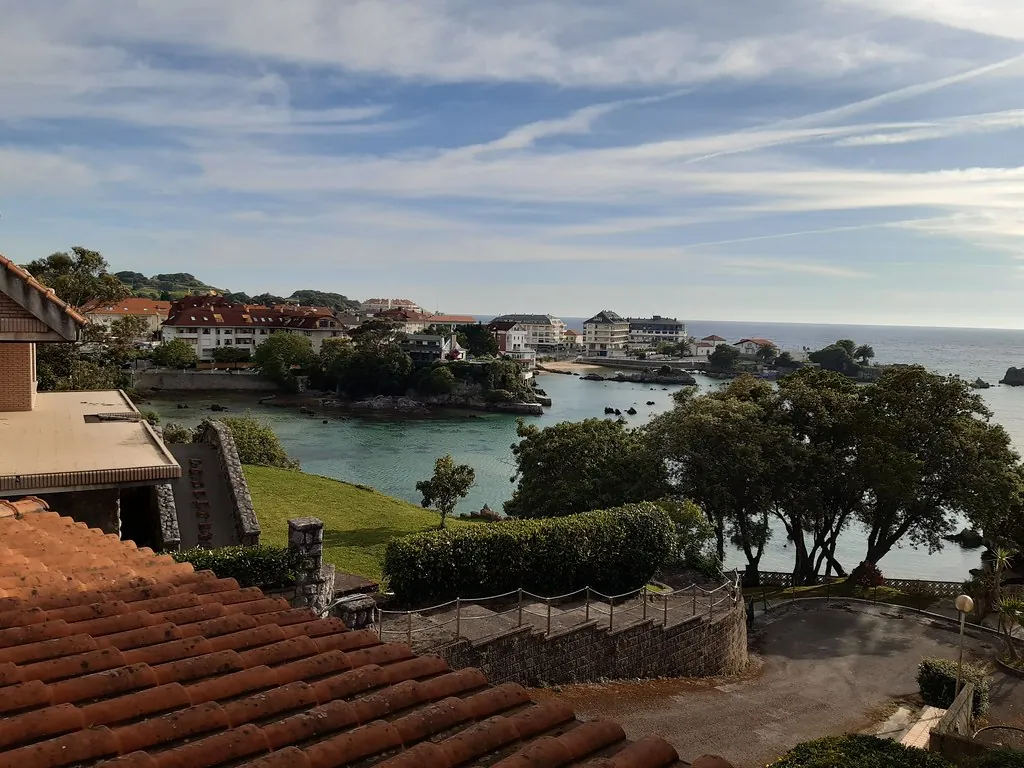
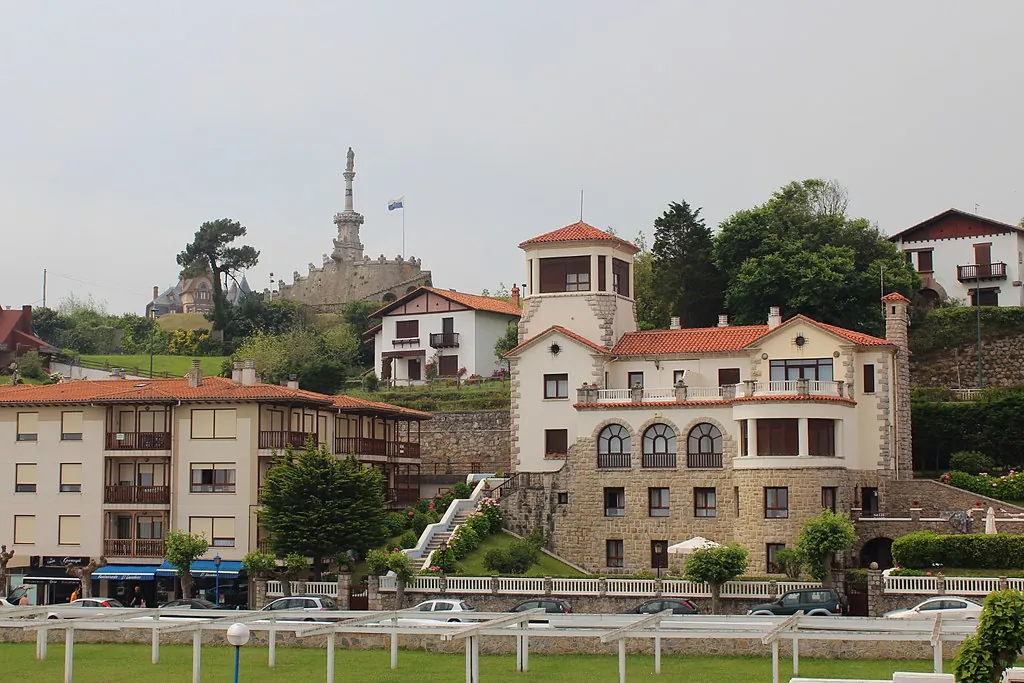
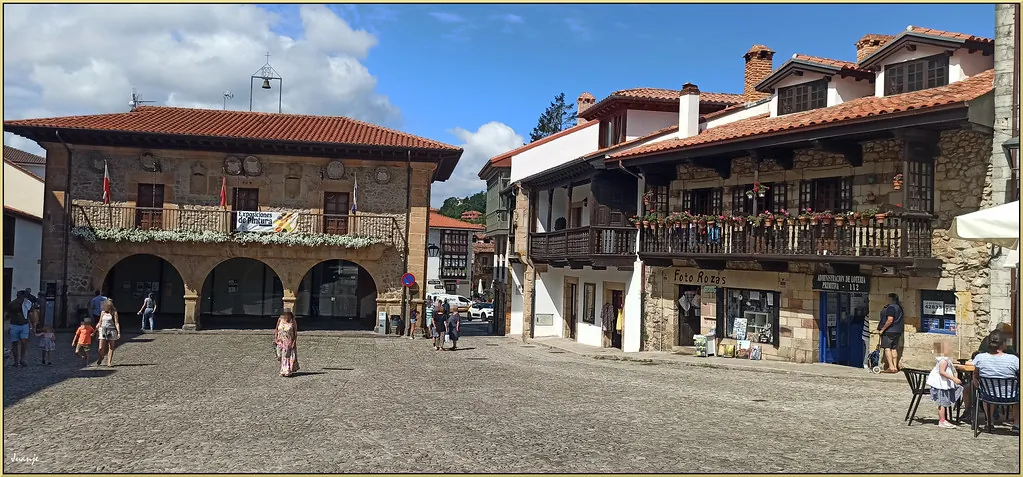
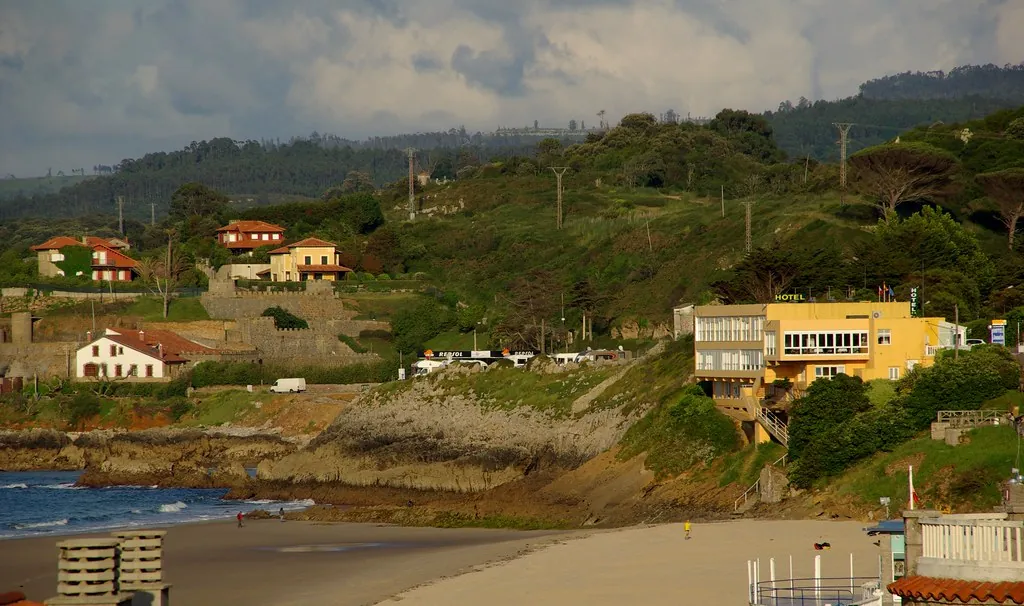
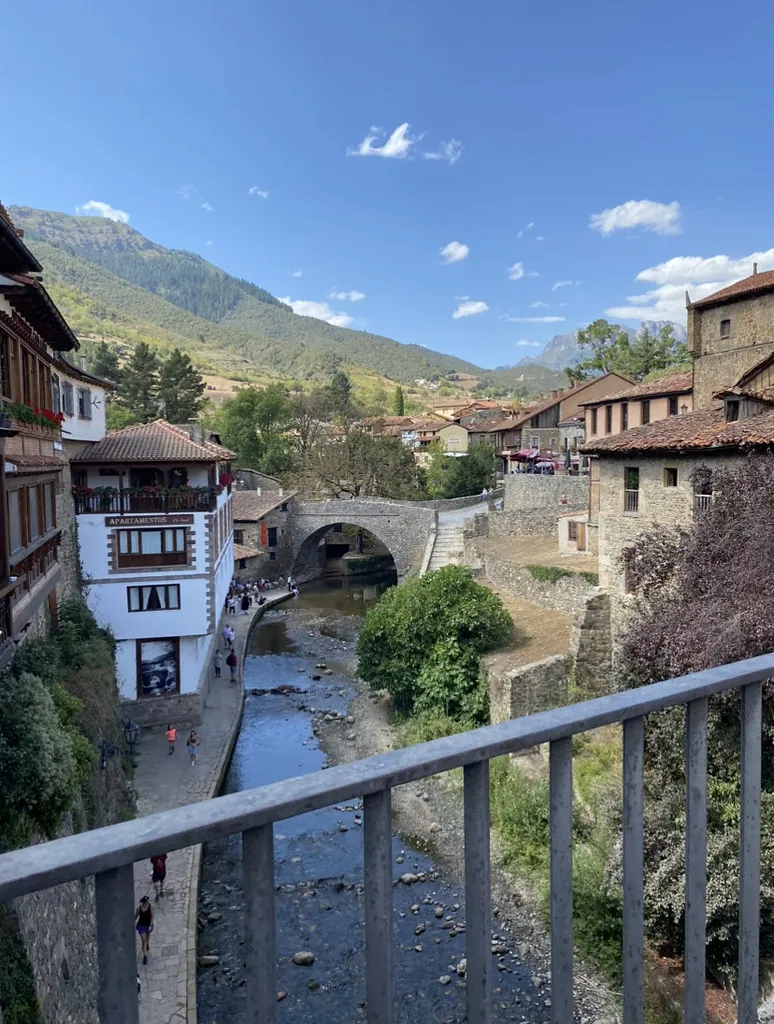
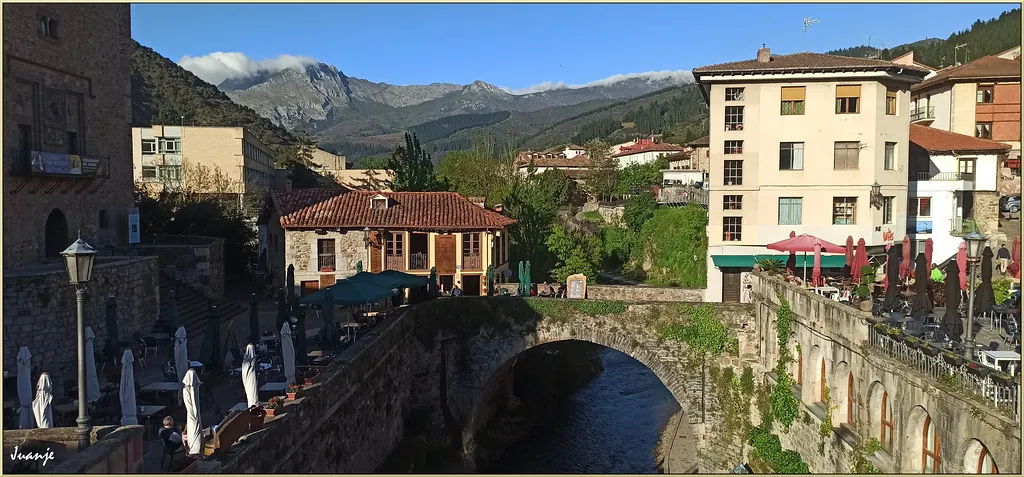
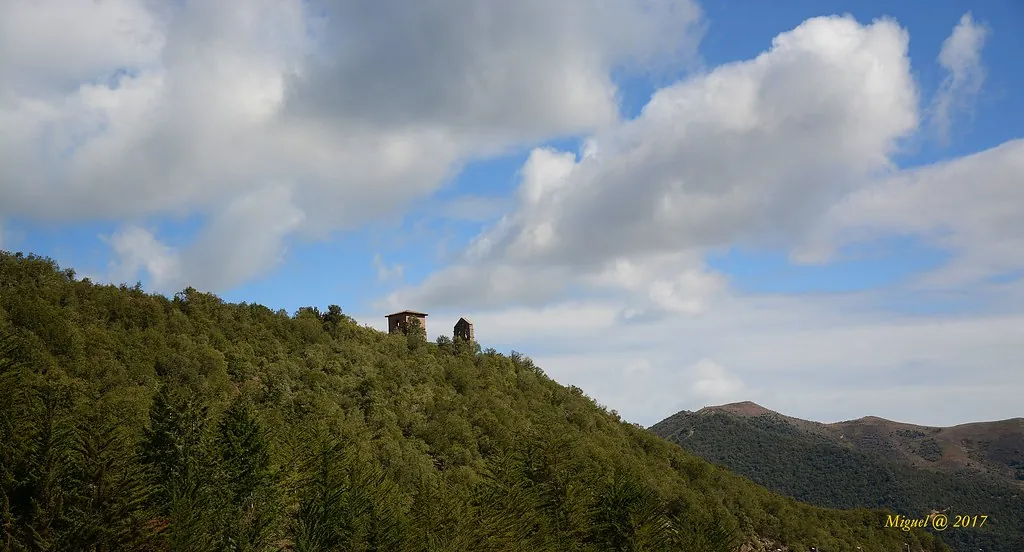
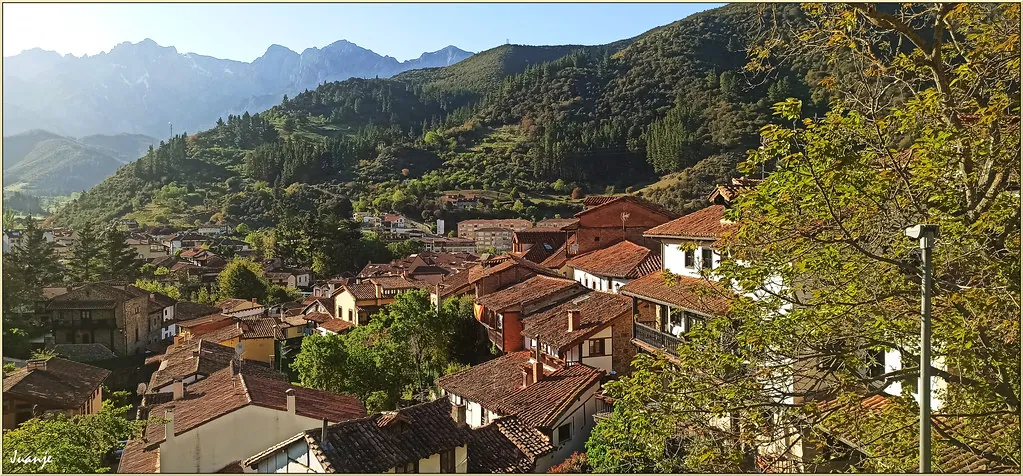
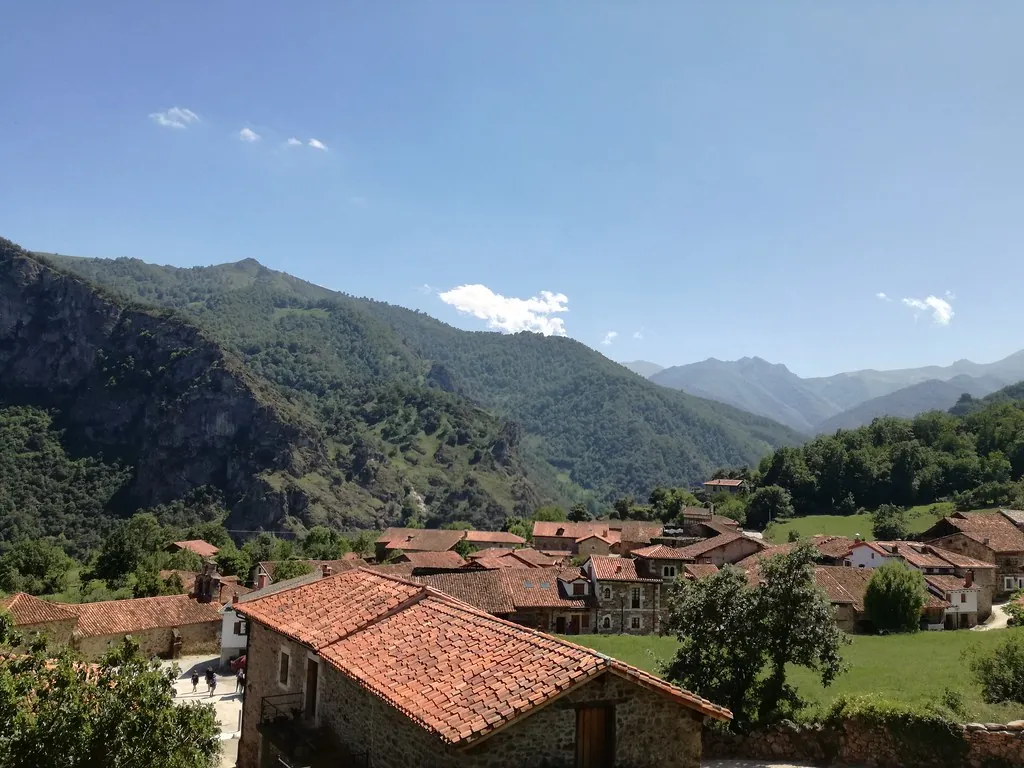
Cantabria, a region sculpted by the Cantabrian Mountains and the Atlantic coastline, offers a network of rural villages providing lodging for travellers seeking an immersion in northern Spanish life. These 51 municipalities, with an average population of 2,516 inhabitants, are spread across a diverse landscape, ranging from 10 metres above sea level near the coast to 950 metres in the mountainous interior. Consider Santa María de Cayón, within the Pas-Miera comarca, where the 12th-century Romanesque church of Santa María stands as a testament to the region's historical depth. Or explore Entrambasaguas, in the Trasmiera comarca, home to the Palacio de Elsedo, an 18th-century baroque structure surrounded by historical gardens. These villages offer more than just accommodation; they provide access to the cultural and natural heritage of Cantabria, from its historical architecture to its distinct culinary traditions. The rural accommodation options range from restored farmhouses to modern guesthouses, each offering a unique perspective on Cantabrian village life.

51 villages to explore

Cieza

Región de Murcia · 35,577 hab.

Santa María de Cayón

Pas-Miera · 9,538 hab.

Entrambasaguas

Trasmiera · 5,693 hab.
Ribamontán al Mar

Ribamontán al Mar

Trasmiera · 4,605 hab.

Ampuero

Asón-Agüera · 4,518 hab.
Santillana del Mar

Santillana del Mar

Costa Occidental · 4,189 hab.

Campoo de Enmedio

Campoo-Los Valles · 3,729 hab.

Ramales de la Victoria

Asón-Agüera · 3,099 hab.
Voto

Voto

Trasmiera · 2,971 hab.

Puente Viesgo

Pas-Miera · 2,893 hab.

Val de San Vicente

Costa Occidental · 2,775 hab.
Noja

Noja

Costa Oriental · 2,661 hab.
Noja

Noja

Costa Oriental · 2,661 hab.
Noja

Noja

Costa Oriental · 2,661 hab.
Noja

Noja

Costa Oriental · 2,661 hab.
Noja

Noja

Costa Oriental · 2,661 hab.
Noja

Noja

Costa Oriental · 2,661 hab.
Noja

Noja

Costa Oriental · 2,661 hab.

Ribamontán al Monte

Trasmiera · 2,535 hab.

San Felices de Buelna

Besaya · 2,379 hab.

Liérganes

Pas-Miera · 2,365 hab.

Valdáliga

Costa Occidental · 2,135 hab.

Bareyo

Trasmiera · 2,124 hab.
Comillas

Comillas

Costa Occidental · 2,075 hab.
Comillas

Comillas

Costa Occidental · 2,075 hab.
Comillas

Comillas

Costa Occidental · 2,075 hab.

Limpias

Asón-Agüera · 1,983 hab.
Hazas de Cesto

Hazas de Cesto

Trasmiera · 1,957 hab.
Hazas de Cesto

Hazas de Cesto

Trasmiera · 1,957 hab.

Argoños

Trasmiera · 1,884 hab.

Selaya

Pas-Miera · 1,868 hab.

Arenas de Iguña

Besaya · 1,735 hab.

Santiurde de Toranzo

Pas-Miera · 1,726 hab.

Riotuerto

Trasmiera · 1,682 hab.

Villacarriedo

Pas-Miera · 1,670 hab.

Cillorigo de Liébana

Liébana · 1,386 hab.
Potes

Potes

Liébana · 1,323 hab.
Potes

Potes

Liébana · 1,323 hab.
Potes

Potes

Liébana · 1,323 hab.
Potes

Potes

Liébana · 1,323 hab.
Potes

Potes

Liébana · 1,323 hab.

Solórzano

Trasmiera · 1,144 hab.

Ruente

Saja-Nansa · 1,083 hab.

Villafufre

Pas-Miera · 1,022 hab.

Rasines

Asón-Agüera · 980 hab.

Cabuérniga

Saja-Nansa · 976 hab.
Camaleño

Camaleño

Liébana · 964 hab.

Valderredible

Campoo-Los Valles · 922 hab.

About this region

The rural villages of Cantabria are distributed across several distinct comarcas, each with its own character and traditions. The Trasmiera comarca, for example, is home to Ribamontán al Mar, a coastal municipality known for Playa de Somo, a surfing destination on the northern coast of Spain. Here, the local cuisine revolves around fresh seafood, particularly enjoyed at the chiringuitos along the beach. Inland, in the Asón-Agüera comarca, lies Ampuero, a village known for the Santuario de la Bien Aparecida, a site of pilgrimage dedicated to the patron saint of Cantabria. The Pas-Miera comarca offers a different experience, with villages like Santa María de Cayón showcasing Romanesque architecture and traditional mountain cuisine, such as cocido montañés. Further east, the landscape shifts, and the cultural influences blend with those of neighbouring regions. The altitude of these villages varies considerably, influencing both the climate and the agricultural practices. The local gastronomy reflects this diversity, with each village offering its own take on Cantabrian specialities, from sobaos pasiegos to hearty stews. Exploring these rural villages provides a deeper understanding of Cantabria's cultural and geographical complexity.