Rural Accommodation Villages in La Rioja

42 villages · 86 - 4,958 inhabitants · Gastronomy 69/100

Rural Accommodation Villages in La Rioja: key facts

  • 42 villages total
  • Autol (4,958 inh.)
  • Rincón de Soto (4,041 inh.)
  • Albelda de Iregua (3,930 inh.)
  • Altitude range: 285 – 1,098 m

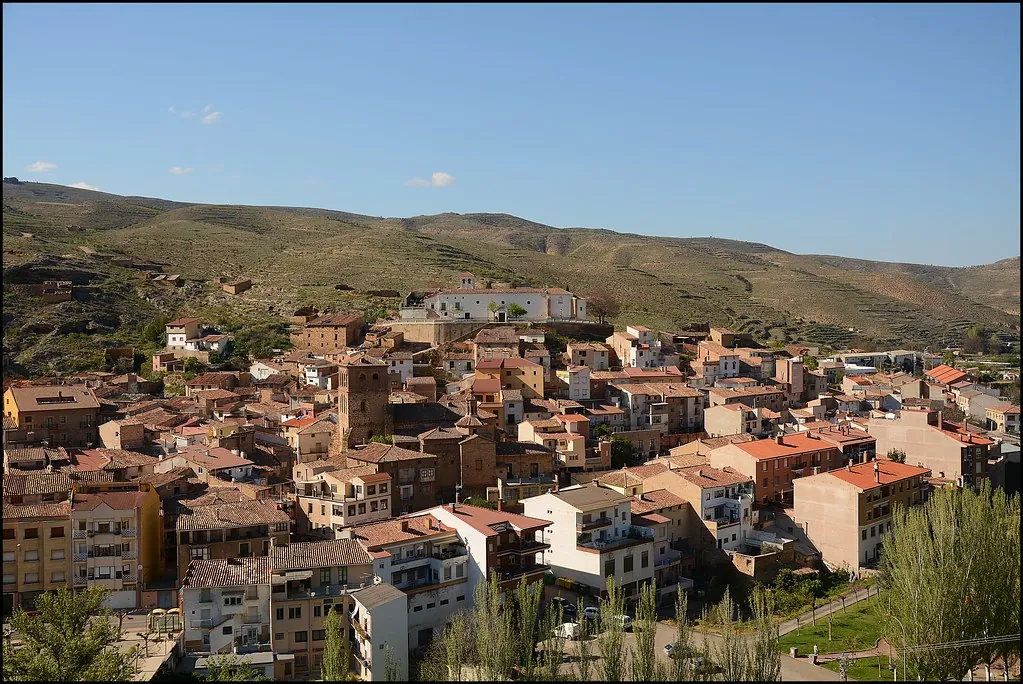
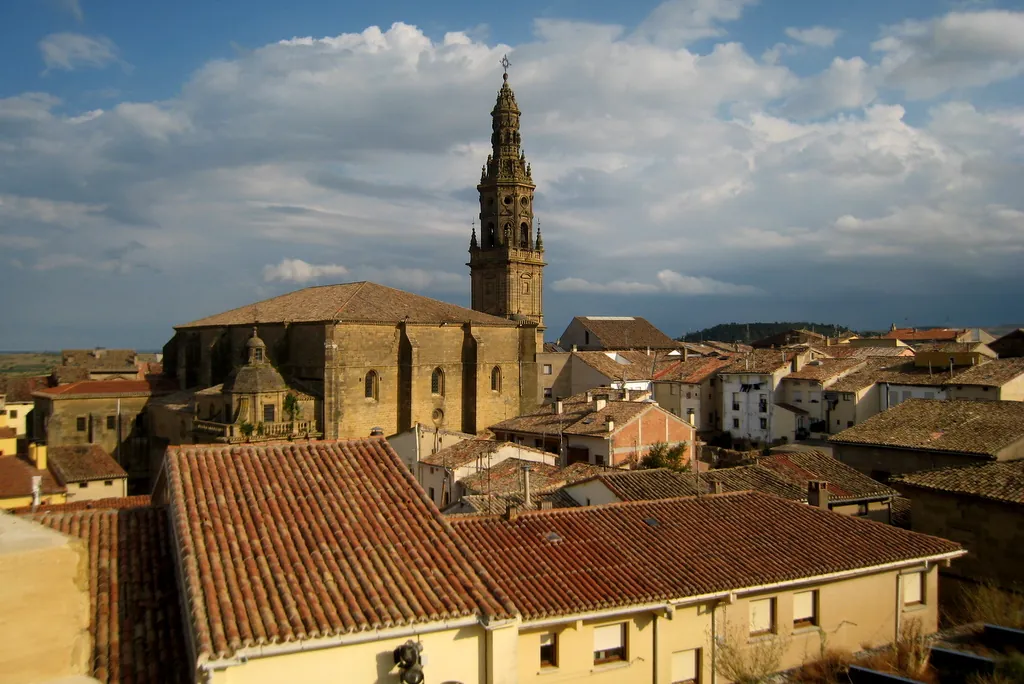
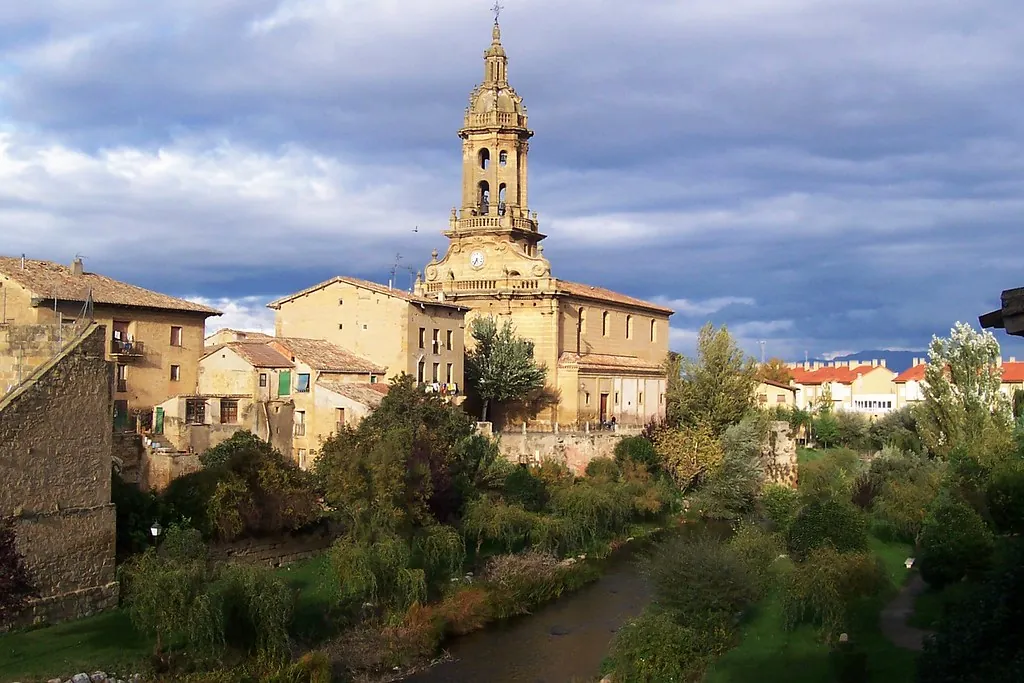
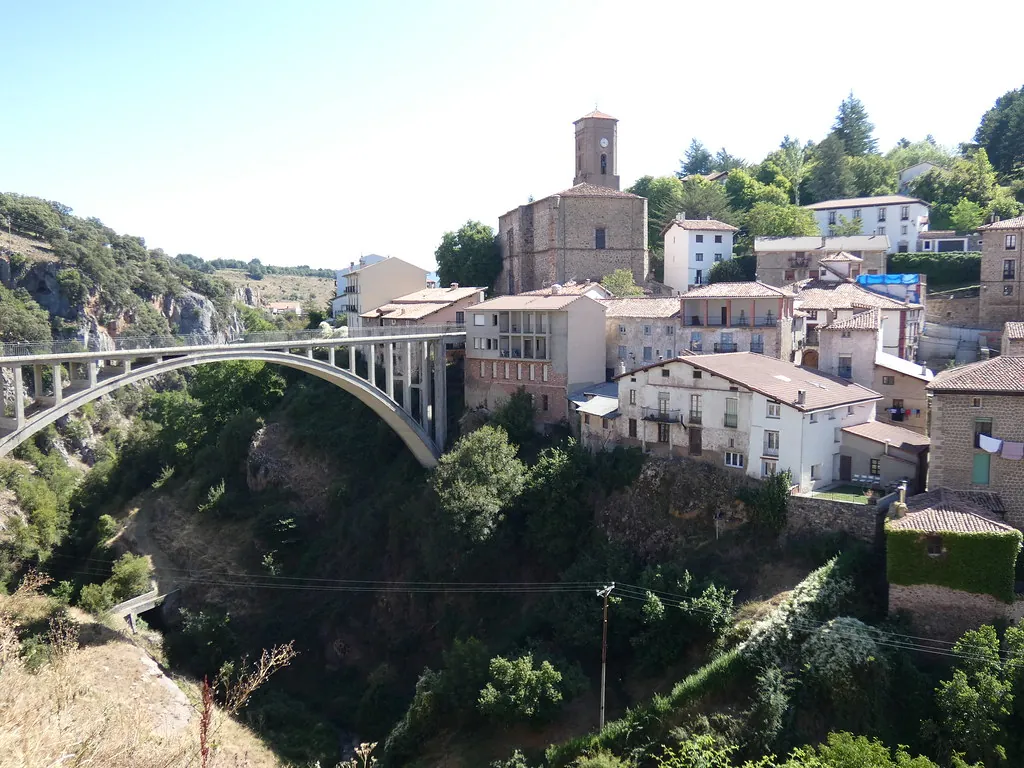
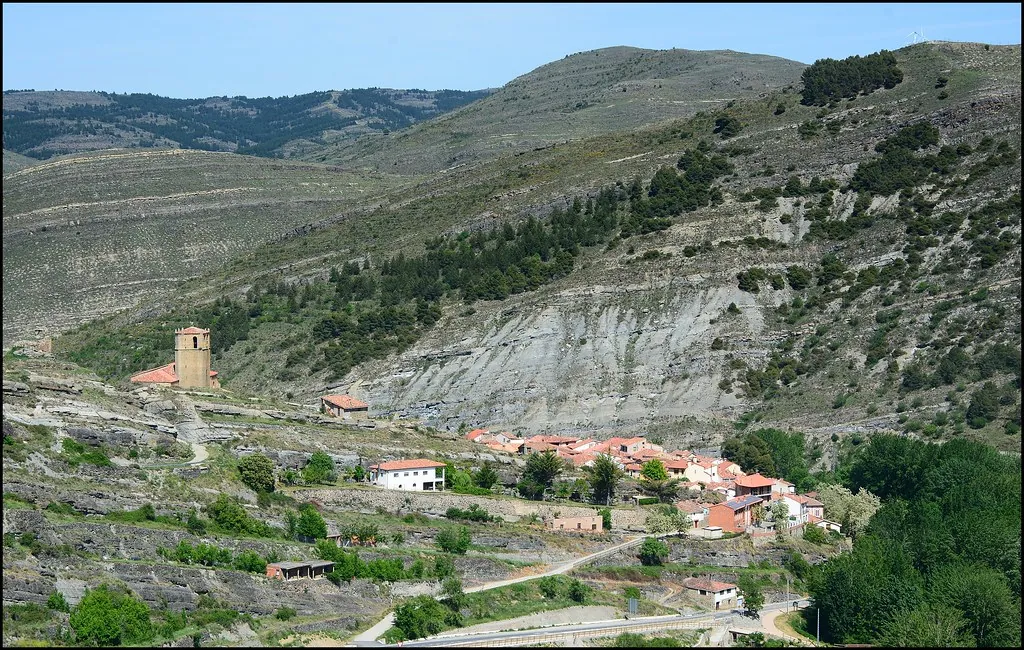
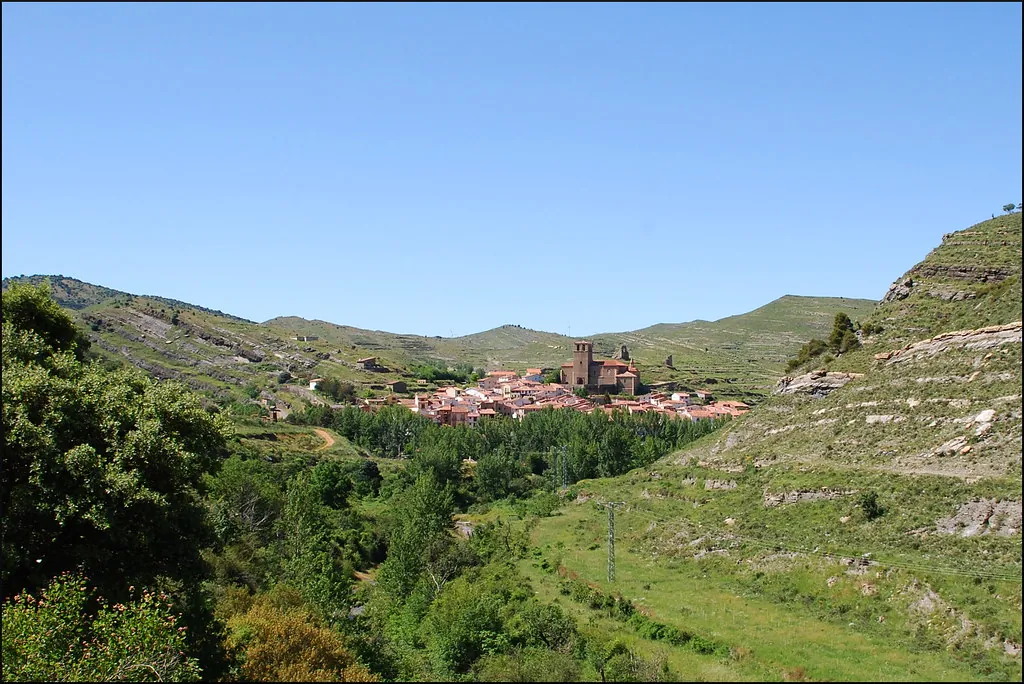
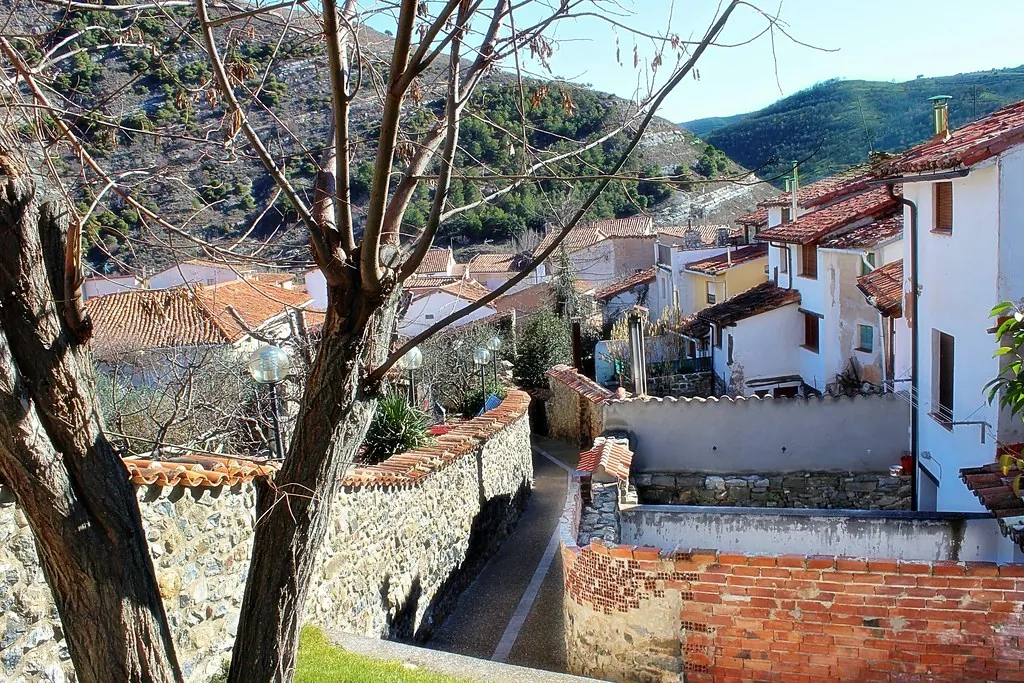
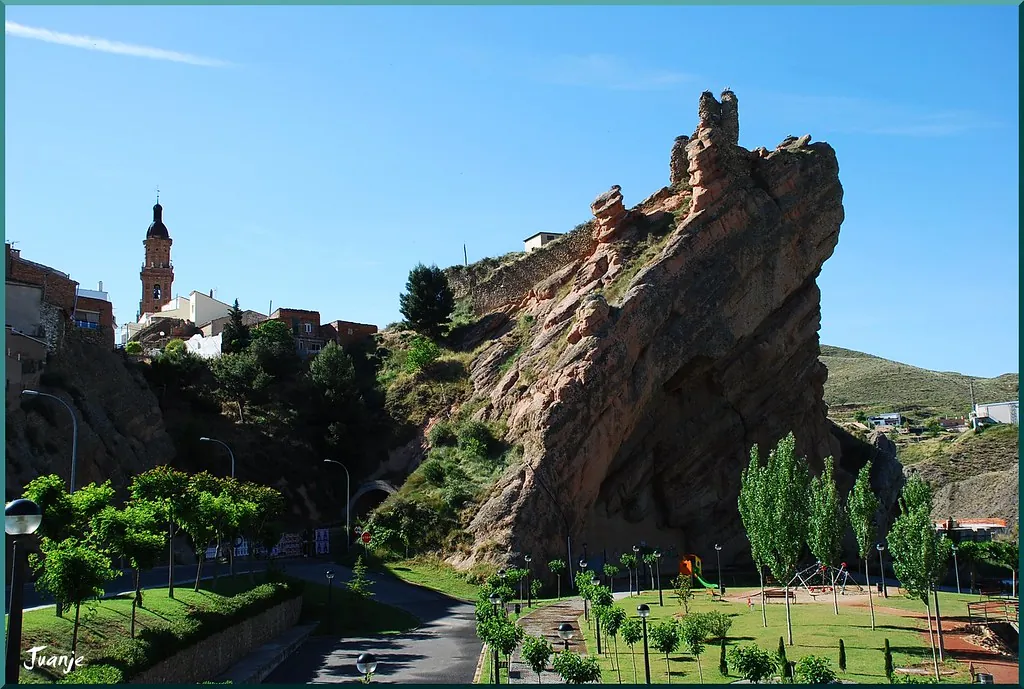
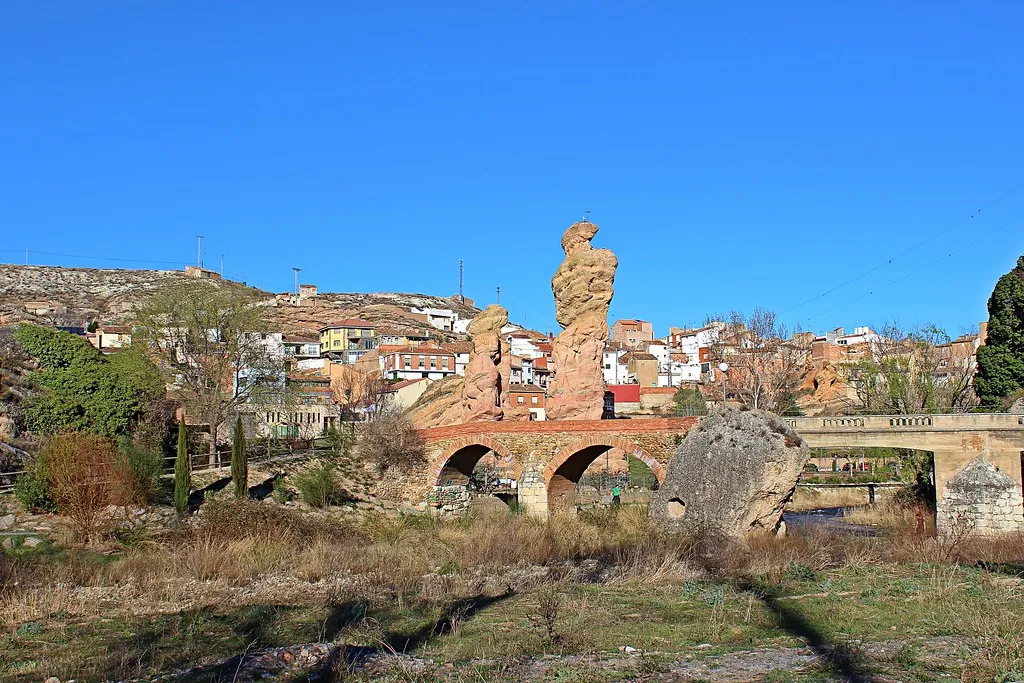
La Rioja, a region celebrated for its viticulture, also offers a wealth of rural villages providing unique accommodation experiences. Forty-two municipalities fall into this category, each offering a distinct perspective on rural Spanish life. The average population of these villages is 1329, with altitudes ranging from 285 metres to 1098 metres, influencing both the landscape and local customs. These villages provide an opportunity to experience the region's cultural heritage, from its agricultural traditions to its distinctive culinary offerings. Consider, for example, Autol, in the Calahorra comarca, known as the national capital of the mushroom, with a population of nearly 5000. Or, Rincón de Soto, in the Alfaro comarca, where the Ebro river shapes the landscape and the locally grown pears are a culinary highlight. These rural villages offer a slower pace of life, inviting visitors to explore the region's diverse offerings beyond its famed wineries, and providing an immersion into the authentic rhythm of rural Spain.

42 villages to explore
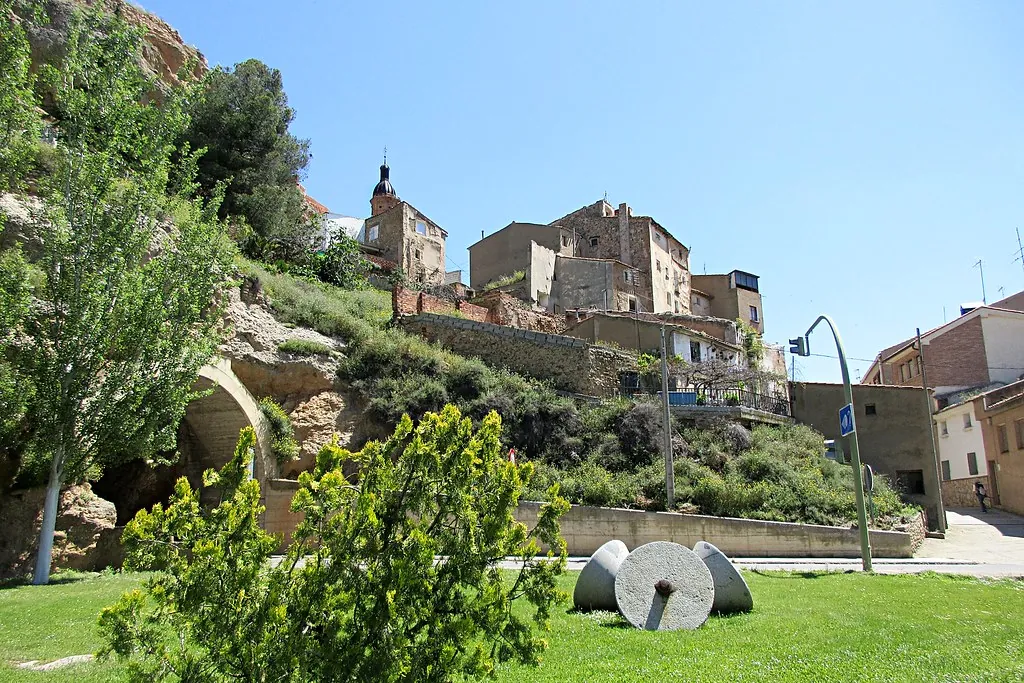
Autol
Autol
Calahorra · 4,958 hab.
Autol

Autol

Calahorra · 4,958 hab.
Autol

Autol

Calahorra · 4,958 hab.

Rincón de Soto

Alfaro · 4,041 hab.

Albelda de Iregua

Logroño · 3,930 hab.

Pradejón

Calahorra · 3,742 hab.

Fuenmayor

Logroño · 3,281 hab.

Navarrete

Logroño · 3,061 hab.

Aldeanueva de Ebro

Alfaro · 2,753 hab.

Alberite

Logroño · 2,743 hab.
Cervera del Río Alhama

Cervera del Río Alhama

Cervera · 2,237 hab.

Cenicero

Logroño · 2,173 hab.
Ezcaray

Ezcaray

Ezcaray · 2,067 hab.

Entrena

Logroño · 1,660 hab.

Murillo de Río Leza

Logroño · 1,656 hab.

Baños de Río Tobía

Nájera · 1,589 hab.

Agoncillo

Logroño · 1,464 hab.

Nalda

Logroño · 1,307 hab.

Casalarreina

Haro · 1,094 hab.

Ribafrecha

Logroño · 1,076 hab.

San Vicente de la Sonsierra

Haro · 1,054 hab.

Uruñuela

Nájera · 1,007 hab.

Huércanos

Nájera · 856 hab.
Briones

Briones

Haro · 752 hab.
Briones

Briones

Haro · 752 hab.
Briones

Briones

Haro · 752 hab.

Sojuela

Logroño · 690 hab.

Alcanadre

Logroño · 685 hab.
Igea

Igea

Cervera · 638 hab.

Arrúbal

Logroño · 566 hab.
Cuzcurrita de Río Tirón

Cuzcurrita de Río Tirón

Haro · 565 hab.

Anguiano

Anguiano · 488 hab.

Alesanco

Nájera · 486 hab.

Torrecilla en Cameros

Cameros · 474 hab.

Arnedillo

Arnedo · 433 hab.

Villoslada de Cameros

Cameros · 351 hab.

Ocón

Logroño · 312 hab.

Corera

Logroño · 281 hab.

Arenzana de Abajo

Nájera · 257 hab.
Ortigosa de Cameros

Ortigosa de Cameros

Cameros · 214 hab.

Cihuri

Haro · 205 hab.
Enciso

Enciso

Arnedo · 167 hab.
Enciso

Enciso

Arnedo · 167 hab.
Enciso

Enciso

Arnedo · 167 hab.

Rasillo de Cameros (El)

Cameros · 149 hab.

Redal (El)

Logroño · 138 hab.

San Roman de Cameros

Cameros · 127 hab.

Baños de Rioja

Santo Domingo de la Calzada · 86 hab.

About this region

Exploring La Rioja's rural accommodation villages reveals a tapestry of distinct comarcas, each with its own character. The comarca of Logroño, for example, is home to Albelda de Iregua, a village where the Iglesia de San Martín stands as a testament to local history, and where traditional asadores serve chuletillas al sarmiento. Further east, in the Calahorra comarca, lies Pradejón, notable for its Museo del Champiñón, a unique institution dedicated to the region's mushroom cultivation, and Autol, distinguished by the Picuezo y Picueza rock formations. The Alfaro comarca features Rincón de Soto, situated on the banks of the Ebro, where pear orchards thrive under a protected designation of origin. The gastronomic traditions in these villages are deeply rooted in local produce, with mushrooms, pears, and grilled meats featuring prominently. Fuenmayor, also in the Logroño comarca, offers a different experience, with its ruta de las bodegas allowing visitors to explore traditional wine cellars carved into the rock. These villages, each with populations under 5000, offer an intimate glimpse into the heart of La Rioja, showcasing the region's diverse landscapes, culinary heritage, and cultural traditions.