Villages With a Train Station in Galicia

156 villages · 130 - 294,489 inhabitants · Gastronomy 71/100

Villages With a Train Station in Galicia: key facts

  • 156 villages total
  • Vigo (294,489 inh.)
  • A Coruña (251,543 inh.)
  • Ourense (105,769 inh.)
  • Avg. altitude: 3 m

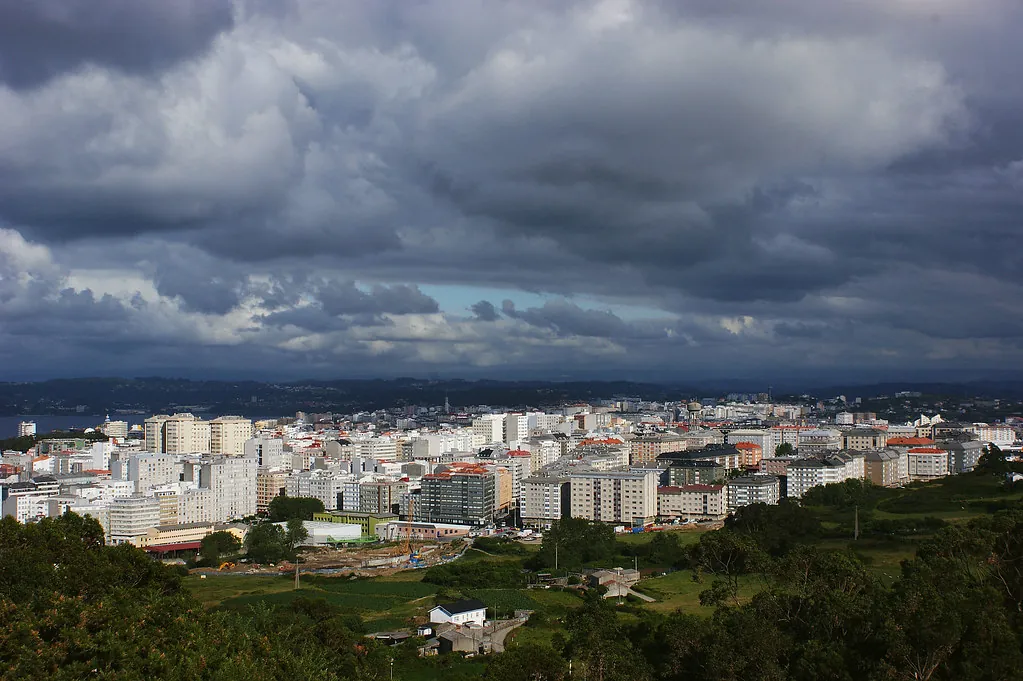
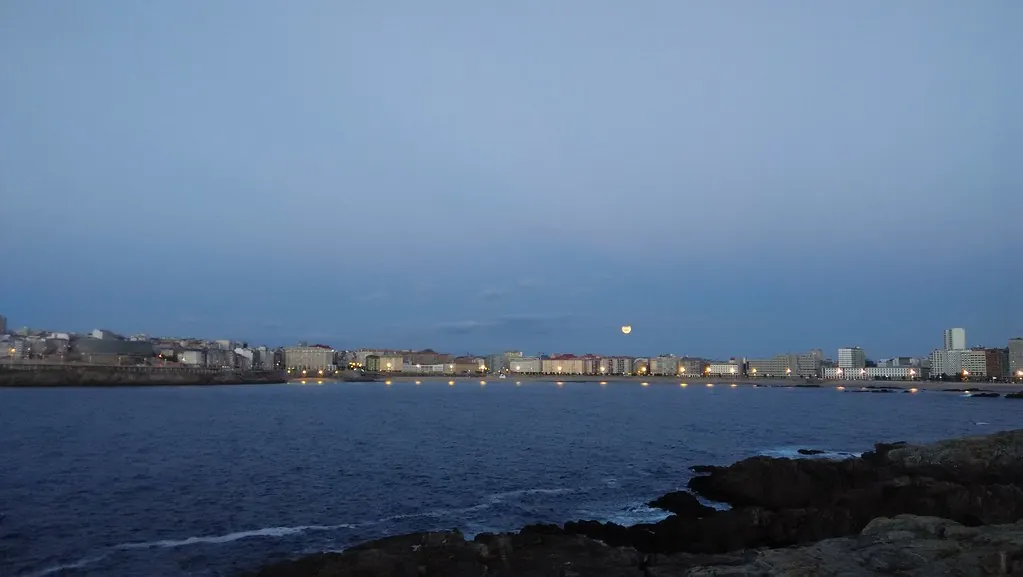
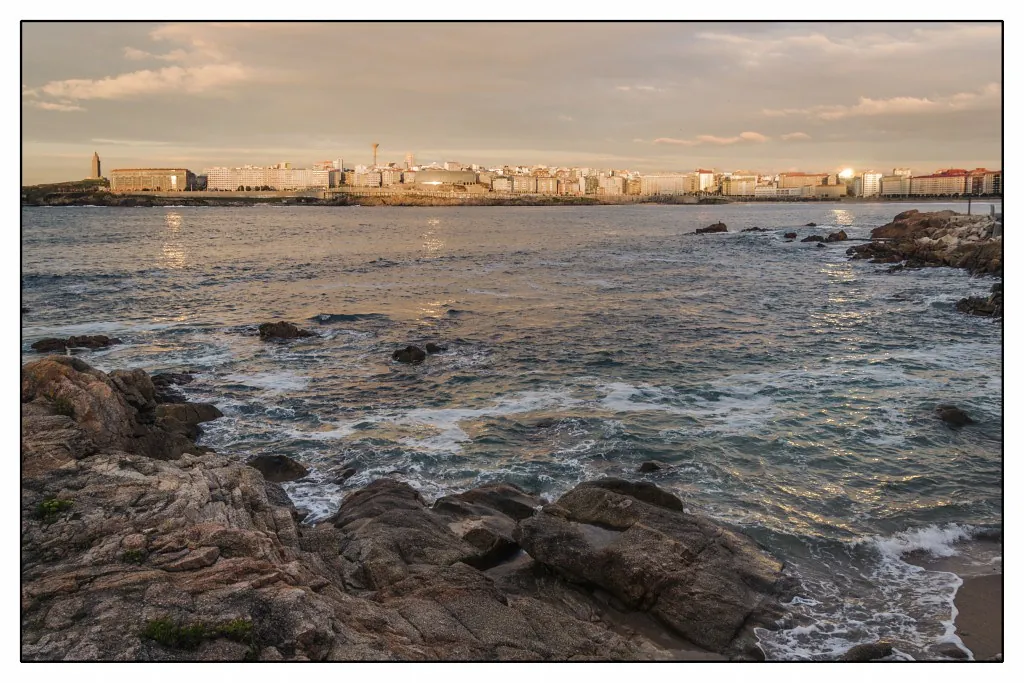
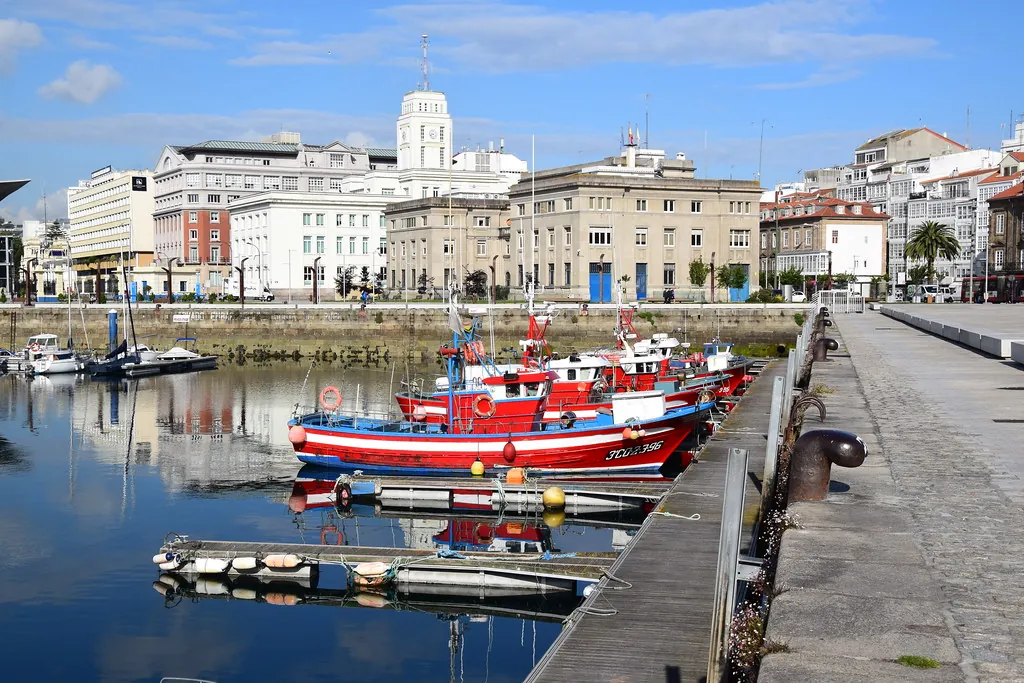
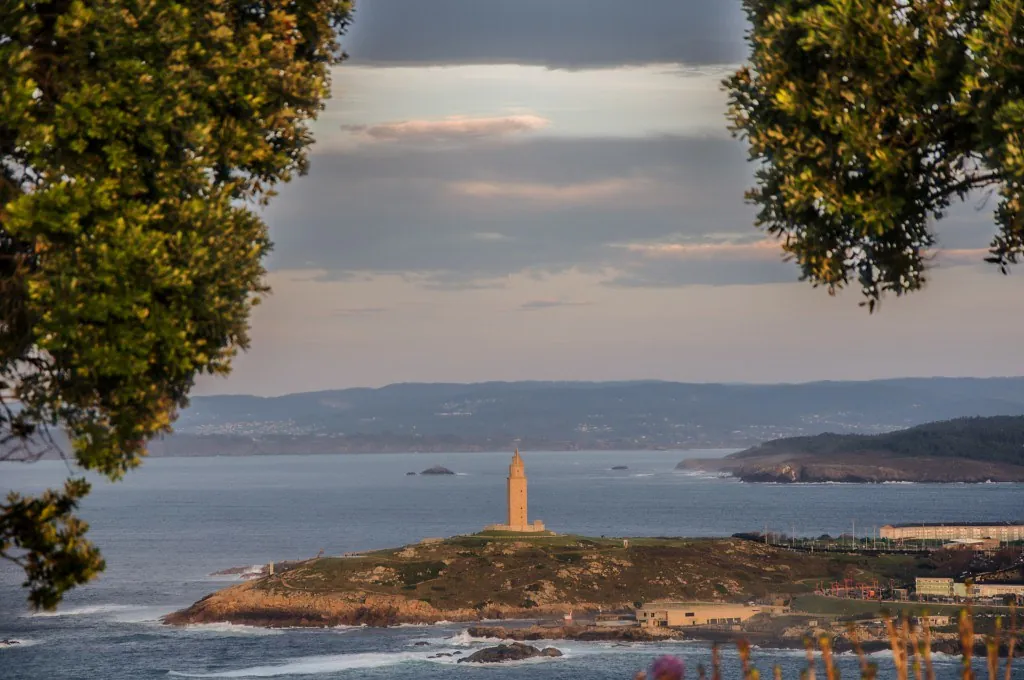
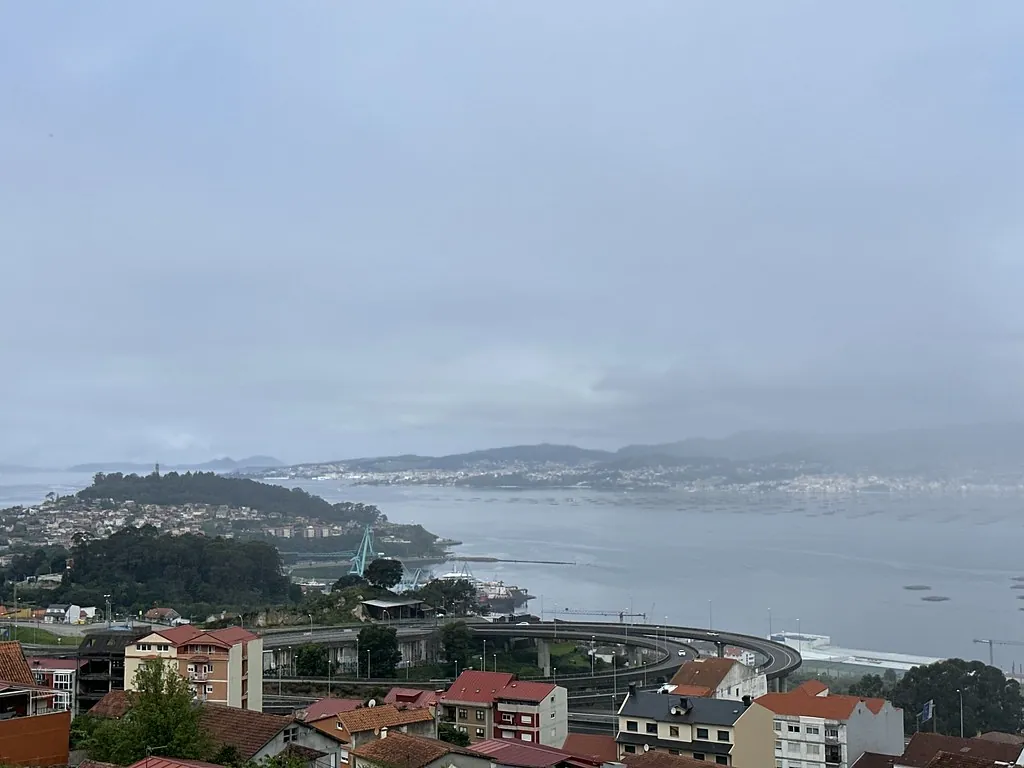
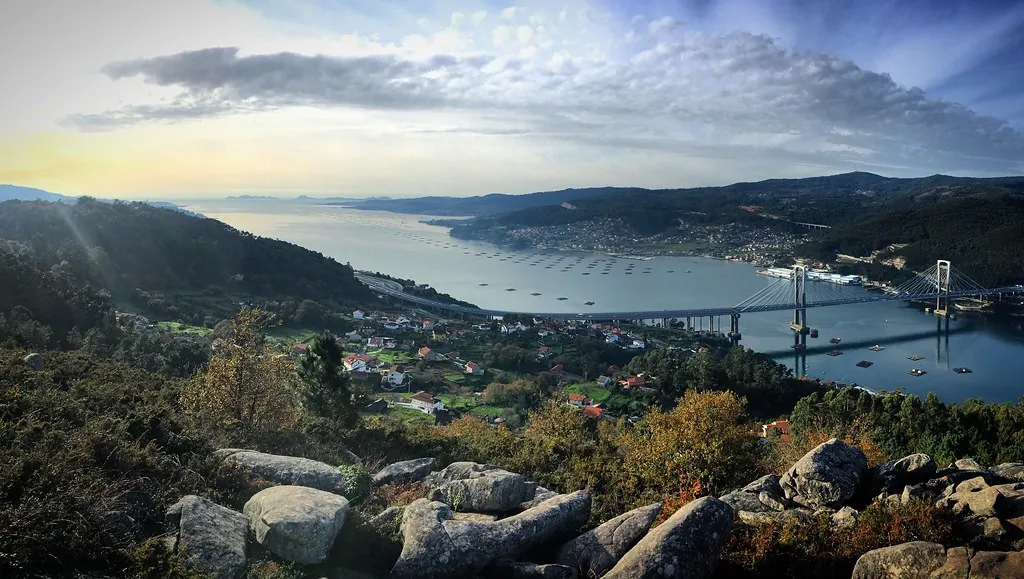
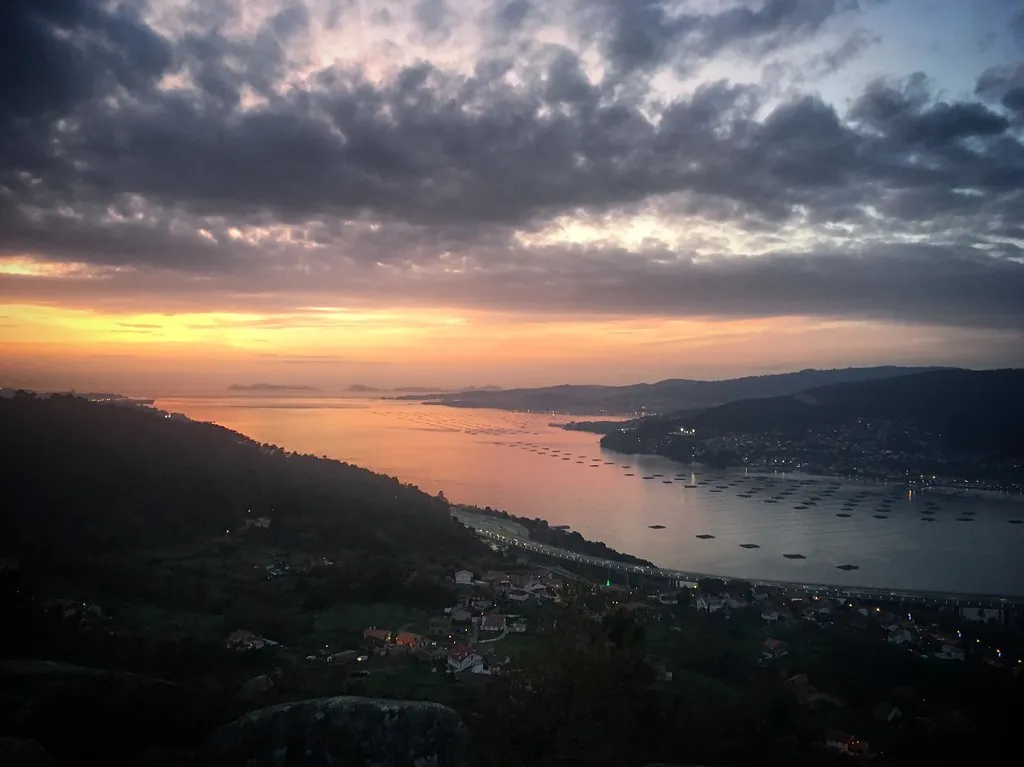
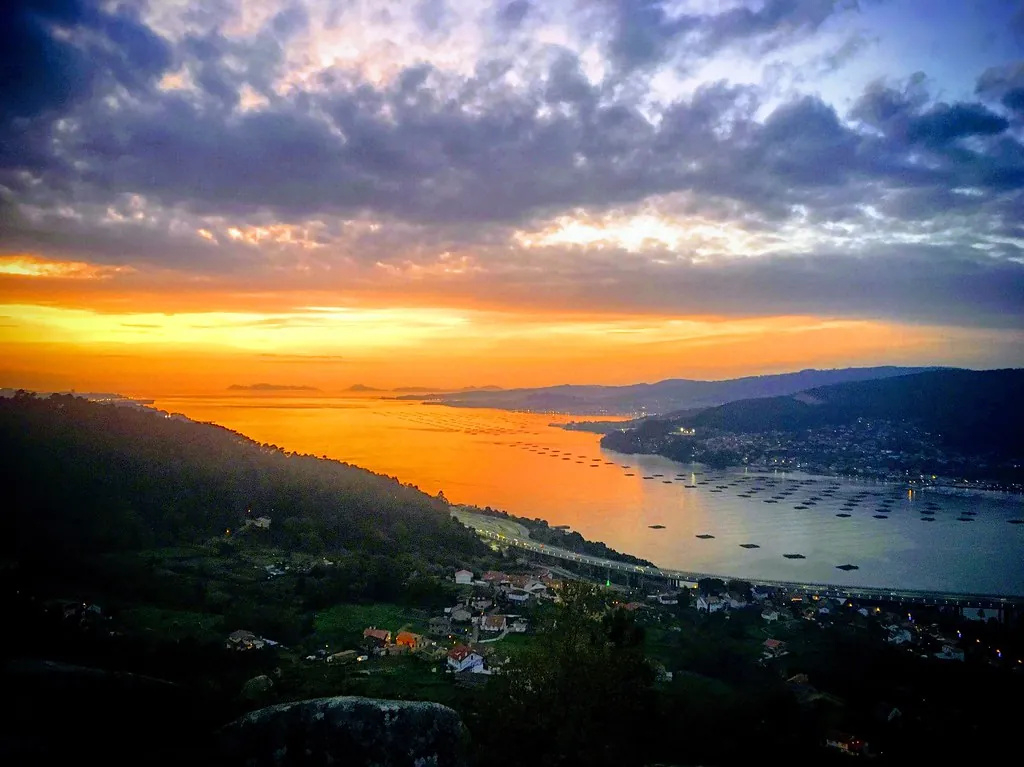
Galicia, a region in northwestern Spain, offers a unique blend of coastal landscapes and inland traditions, easily accessible via its railway network. Of the 156 municipalities in Galicia, many are served by train stations, providing convenient access for visitors. The average population of these municipalities is 12,989, with altitudes ranging from sea level to 508 metres. This makes exploring the diverse terrain, from coastal plains to rolling hills, straightforward. Consider starting your journey in Vigo, a major port city within the Vigo comarca. Here, you can witness the sunset from El Castro, overlooking the Rías Baixas. Alternatively, A Coruña, in the A Coruña comarca, offers the historic Tower of Hercules, a Roman lighthouse still in operation. These transport links allow for exploration of Galicia's cultural and culinary heritage, from sampling fresh seafood to experiencing local festivals. The train network connects urban centres with smaller communities, offering a glimpse into Galician life beyond the main tourist routes. This makes it easy to experience the region's unique character.

156 villages to explore

Vigo
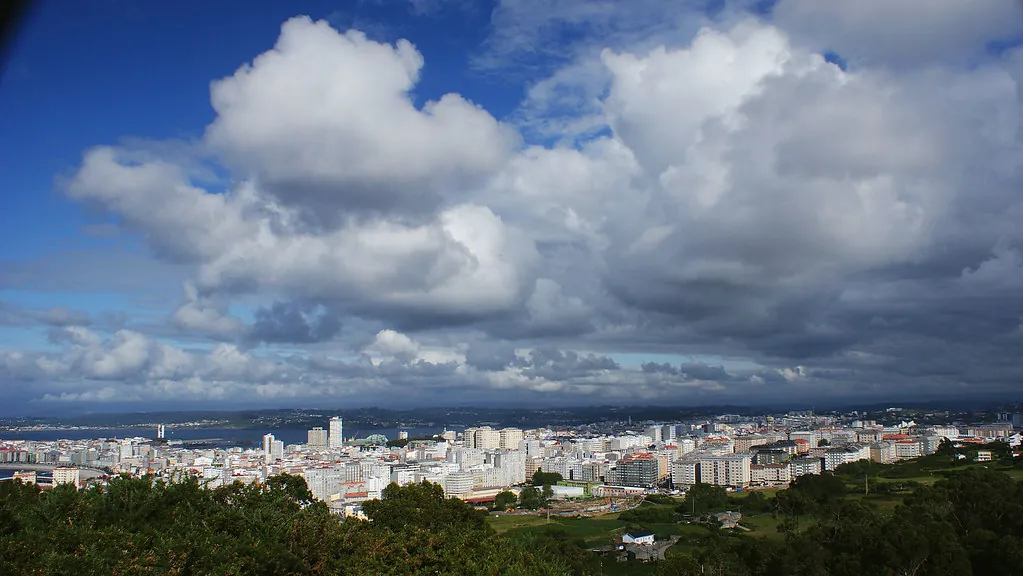
Vigo · 294,489 hab.
A Coruña

A Coruña

A Coruña · 251,543 hab.
A Coruña

A Coruña

A Coruña · 251,543 hab.
A Coruña

A Coruña

A Coruña · 251,543 hab.
A Coruña

A Coruña

A Coruña · 251,543 hab.
A Coruña

A Coruña

A Coruña · 251,543 hab.
A Coruña

A Coruña

A Coruña · 251,543 hab.
Ourense

Ourense

Ourense · 105,769 hab.
Ourense

Ourense

Ourense · 105,769 hab.
Santiago de Compostela

Santiago de Compostela

Santiago · 100,965 hab.

Lugo

Lugo · 100,143 hab.

Pontevedra

Pontevedra · 83,316 hab.
Ferrol

Ferrol

Ferrol · 64,367 hab.
Ferrol

Ferrol

Ferrol · 64,367 hab.

Narón

Ferrol · 39,953 hab.
Oleiros

Oleiros

A Coruña · 38,793 hab.
Oleiros

Oleiros

A Coruña · 38,793 hab.
Vilagarcía de Arousa

Vilagarcía de Arousa
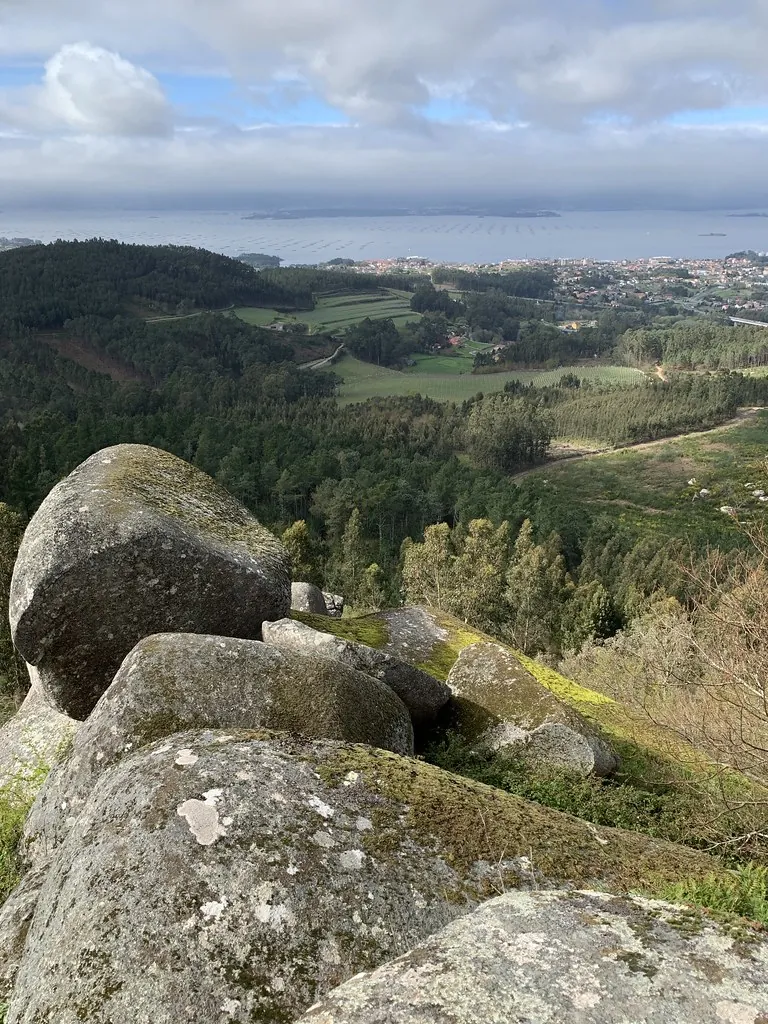
O Salnés · 37,888 hab.
Vilagarcía de Arousa

Vilagarcía de Arousa
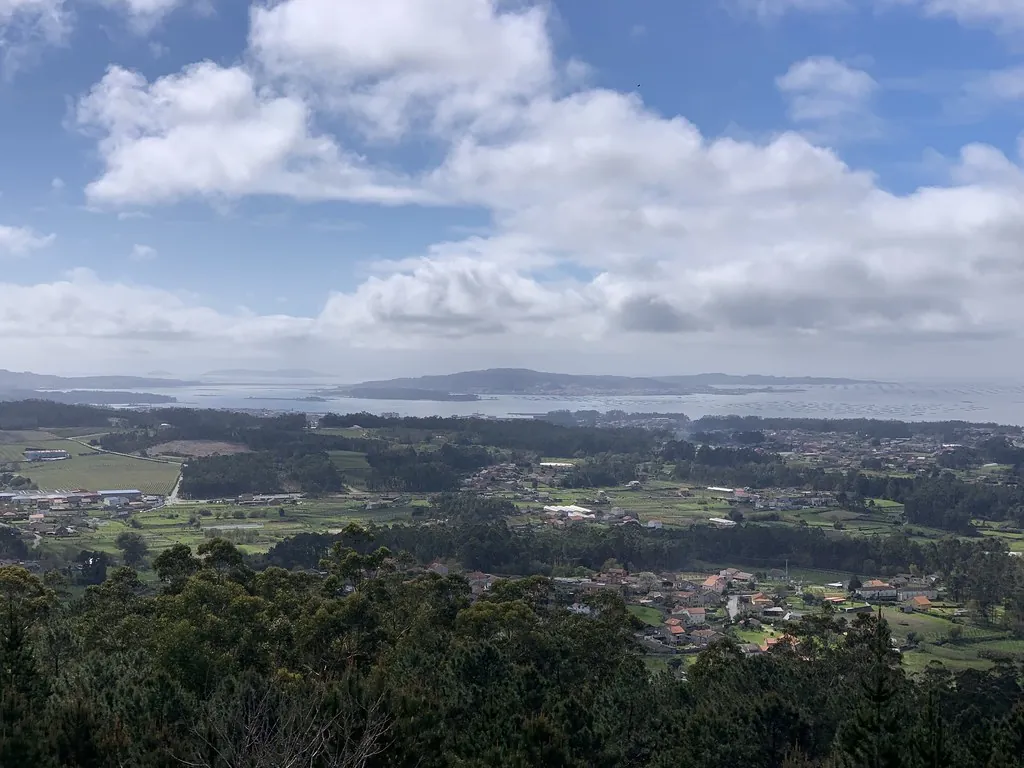
O Salnés · 37,888 hab.
Vilagarcía de Arousa

Vilagarcía de Arousa
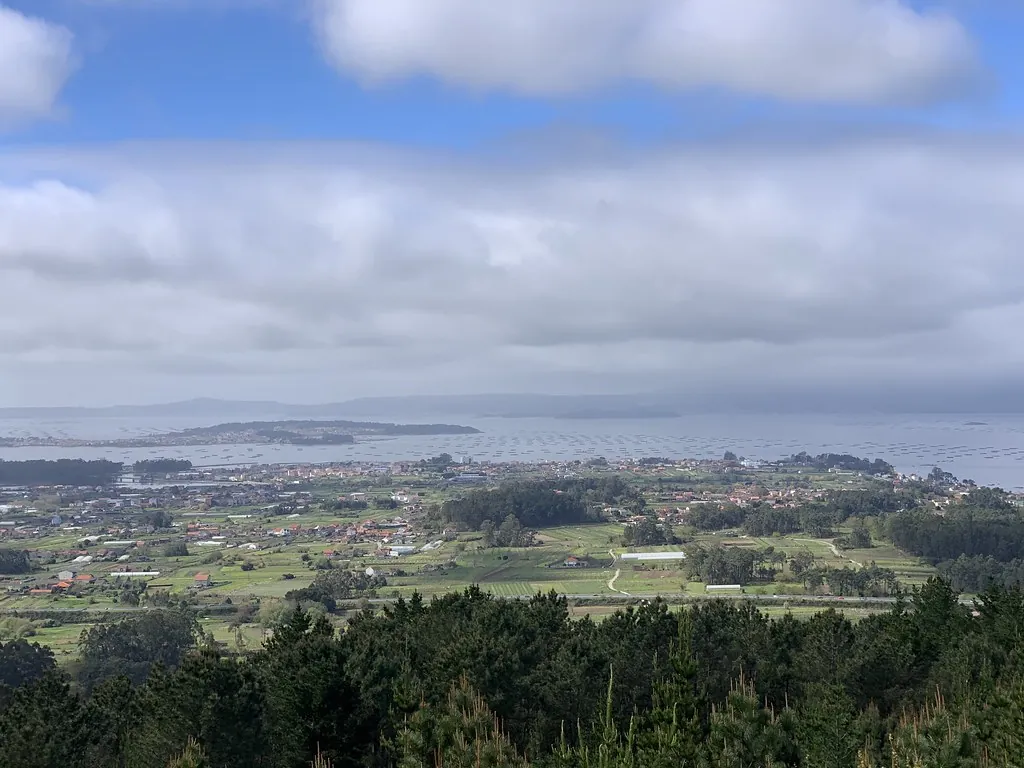
O Salnés · 37,888 hab.
Vilagarcía de Arousa

Vilagarcía de Arousa
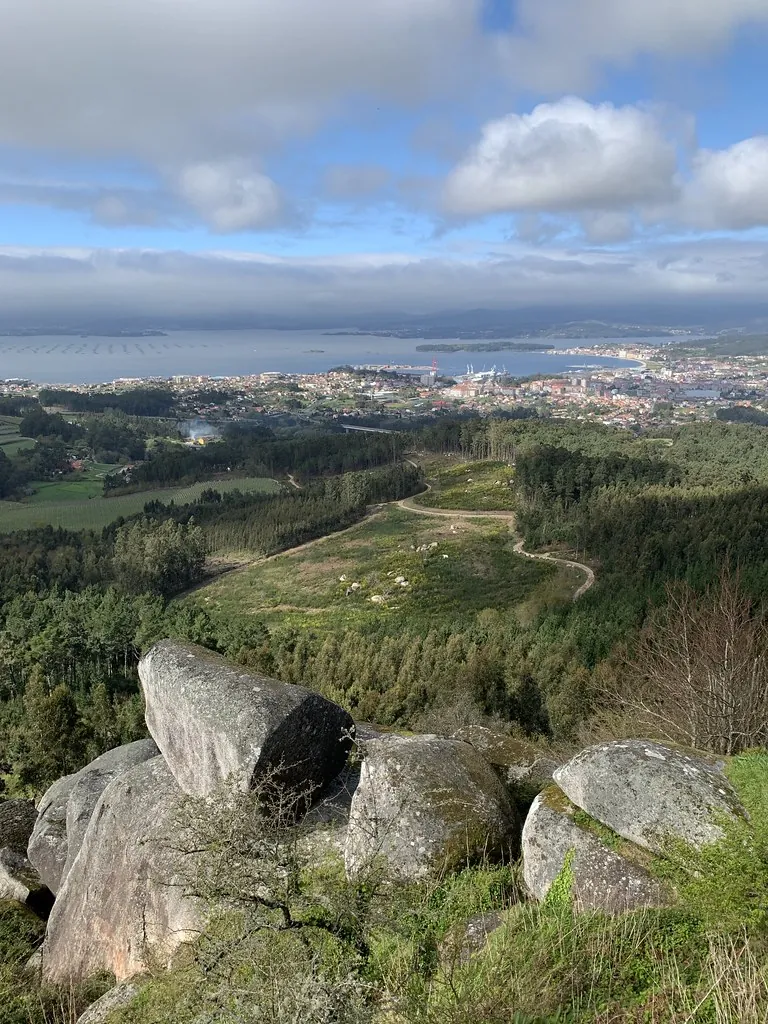
O Salnés · 37,888 hab.
Vilagarcía de Arousa

Vilagarcía de Arousa
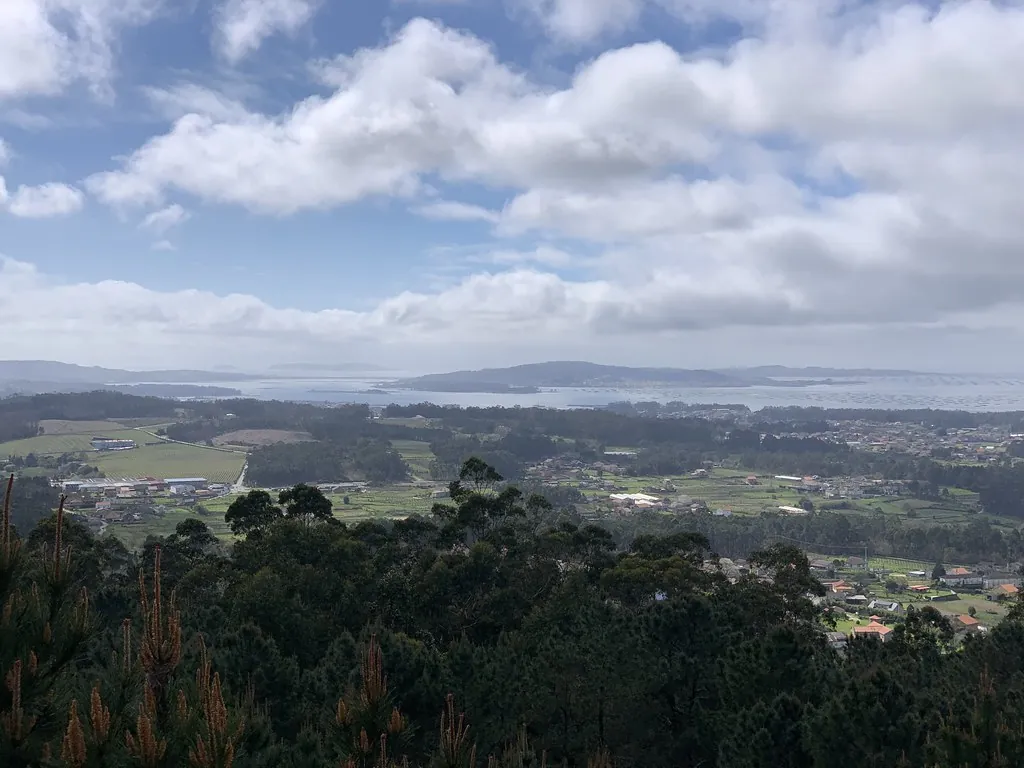
O Salnés · 37,888 hab.
Vilagarcía de Arousa

Vilagarcía de Arousa
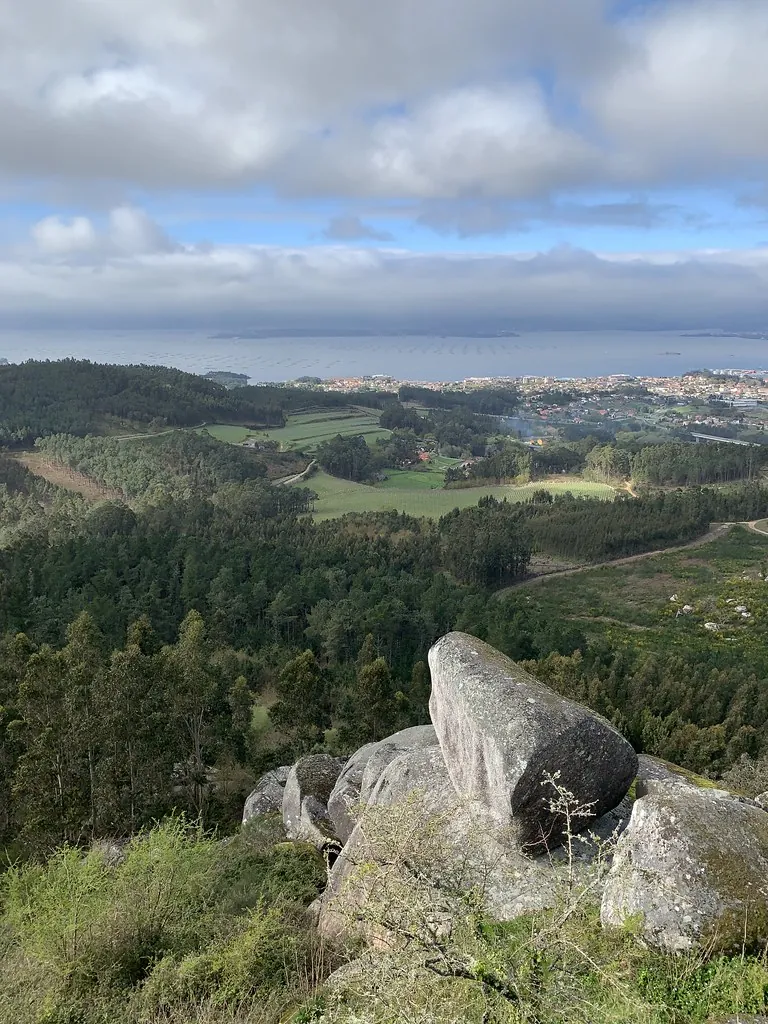
O Salnés · 37,888 hab.
Vilagarcía de Arousa

Vilagarcía de Arousa
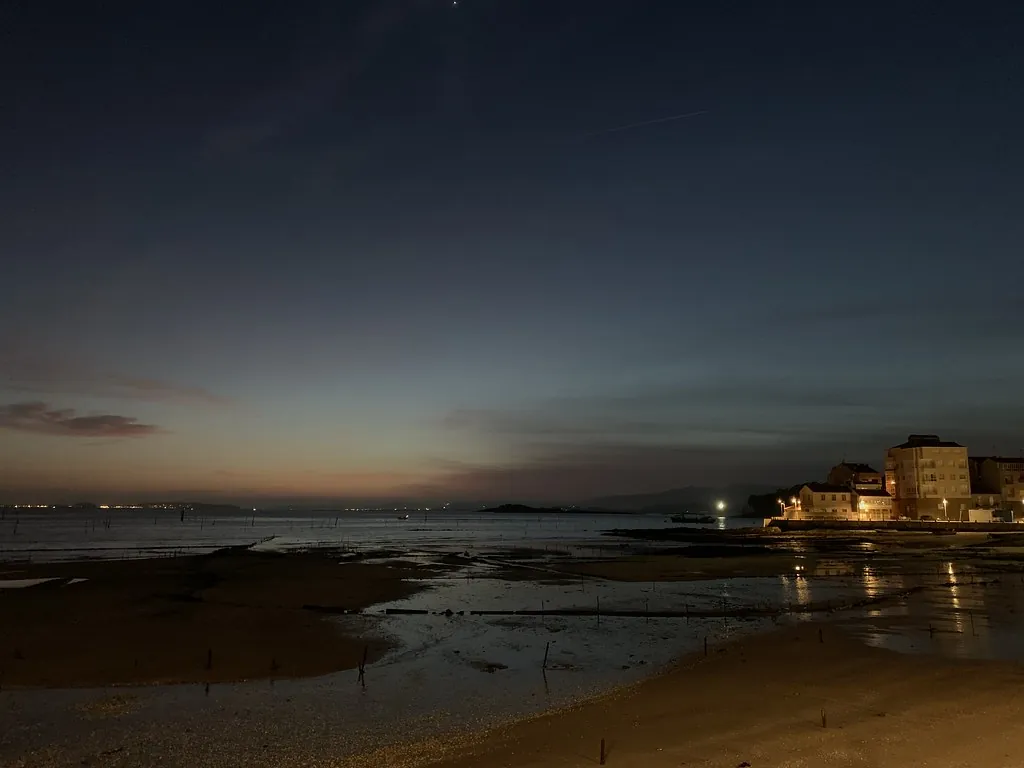
O Salnés · 37,888 hab.
Vilagarcía de Arousa

Vilagarcía de Arousa
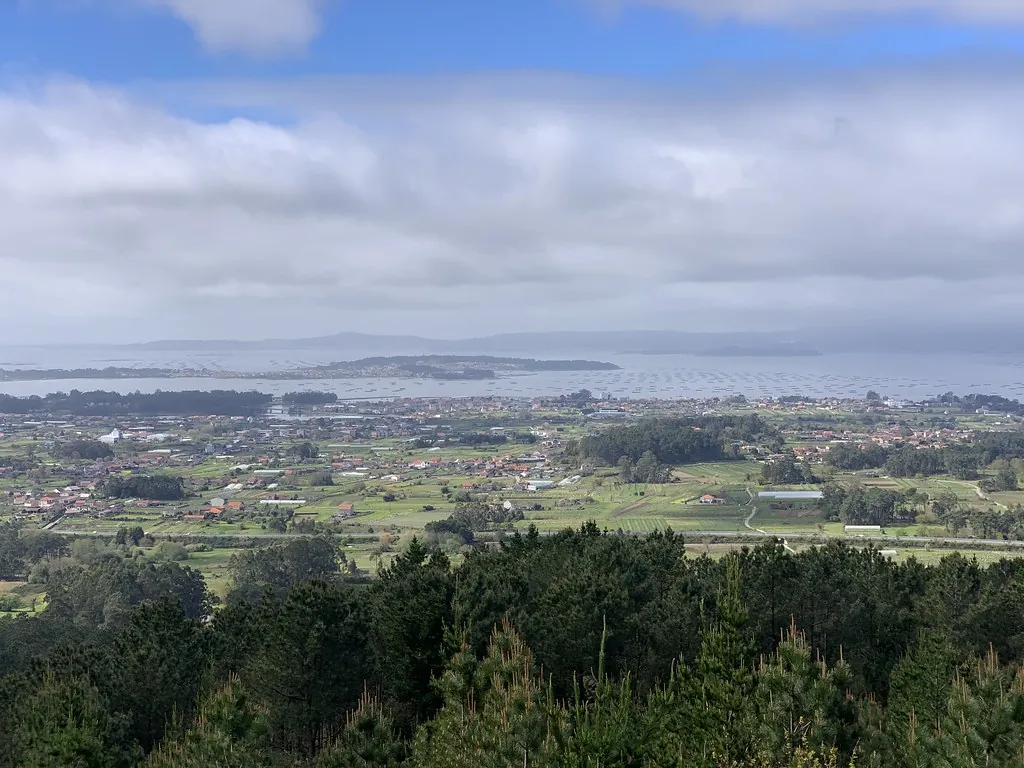
O Salnés · 37,888 hab.
Vilagarcía de Arousa

Vilagarcía de Arousa
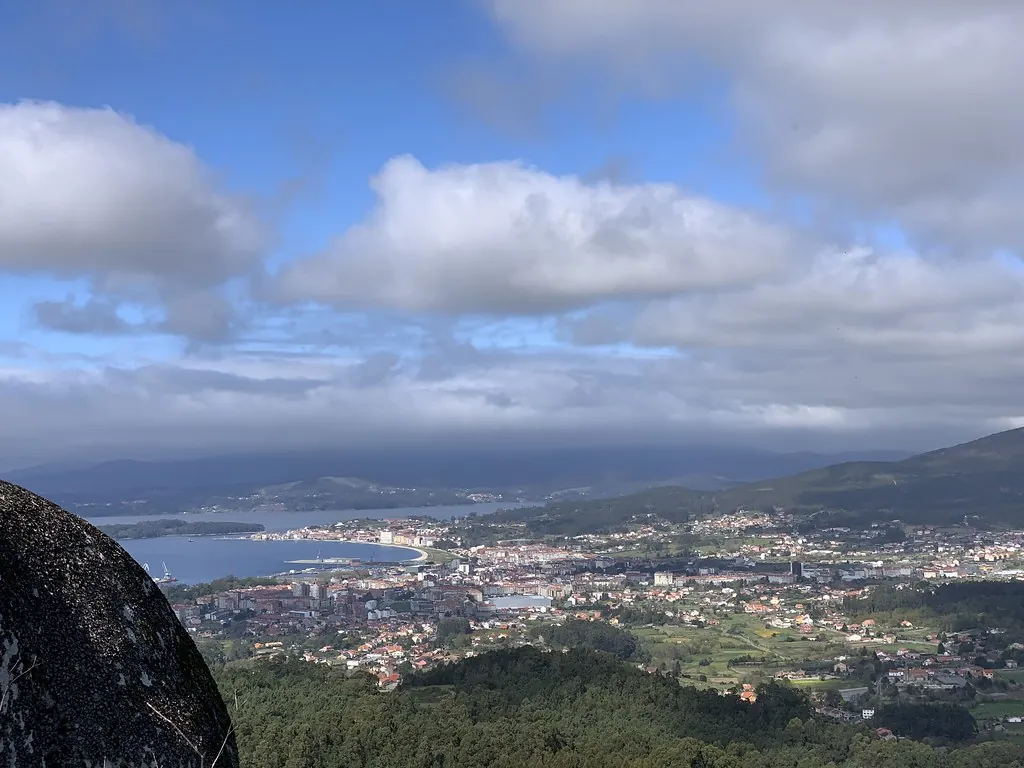
O Salnés · 37,888 hab.
Vilagarcía de Arousa

Vilagarcía de Arousa
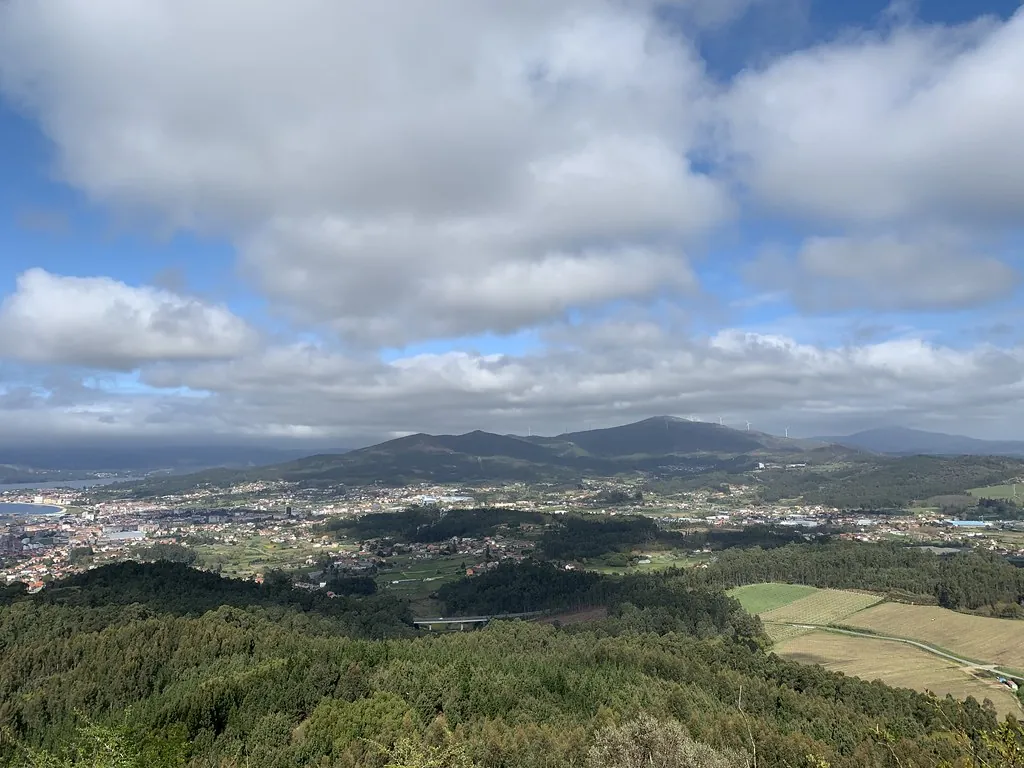
O Salnés · 37,888 hab.
Vilagarcía de Arousa

Vilagarcía de Arousa
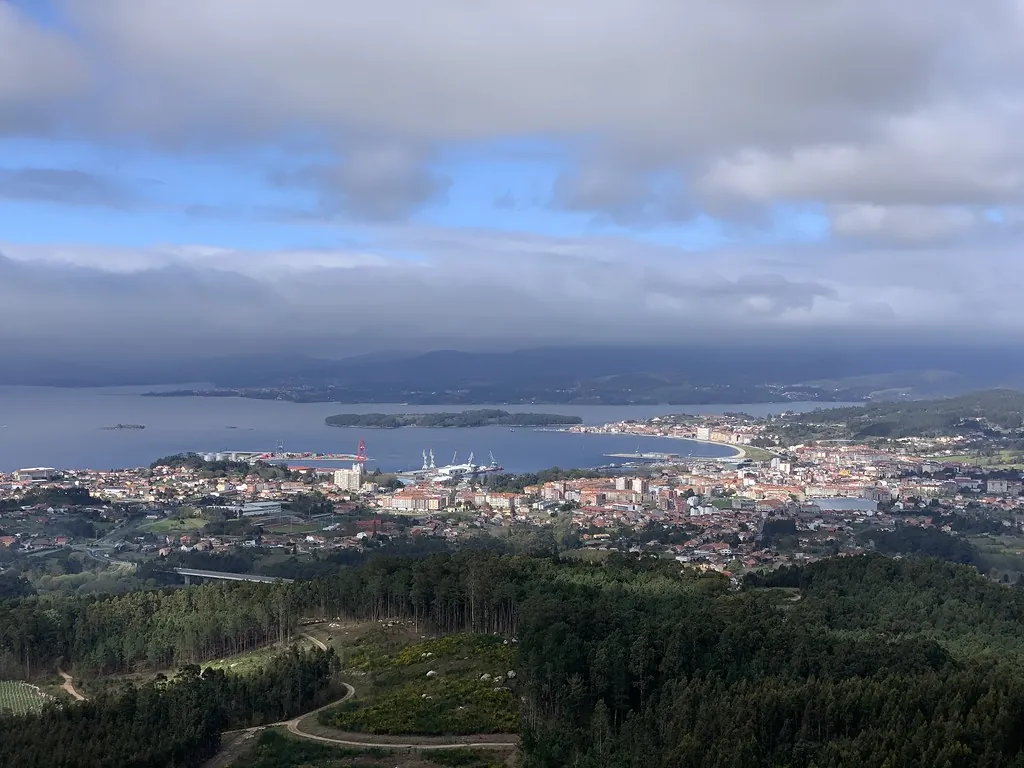
O Salnés · 37,888 hab.
Vilagarcía de Arousa

Vilagarcía de Arousa
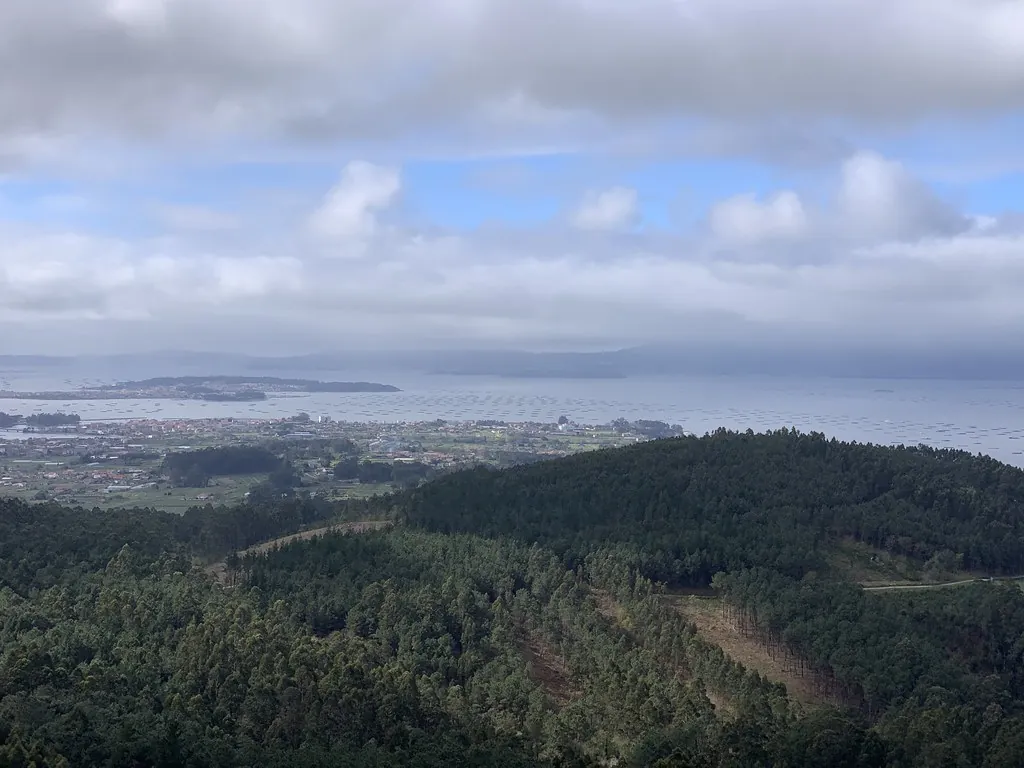
O Salnés · 37,888 hab.
Vilagarcía de Arousa

Vilagarcía de Arousa
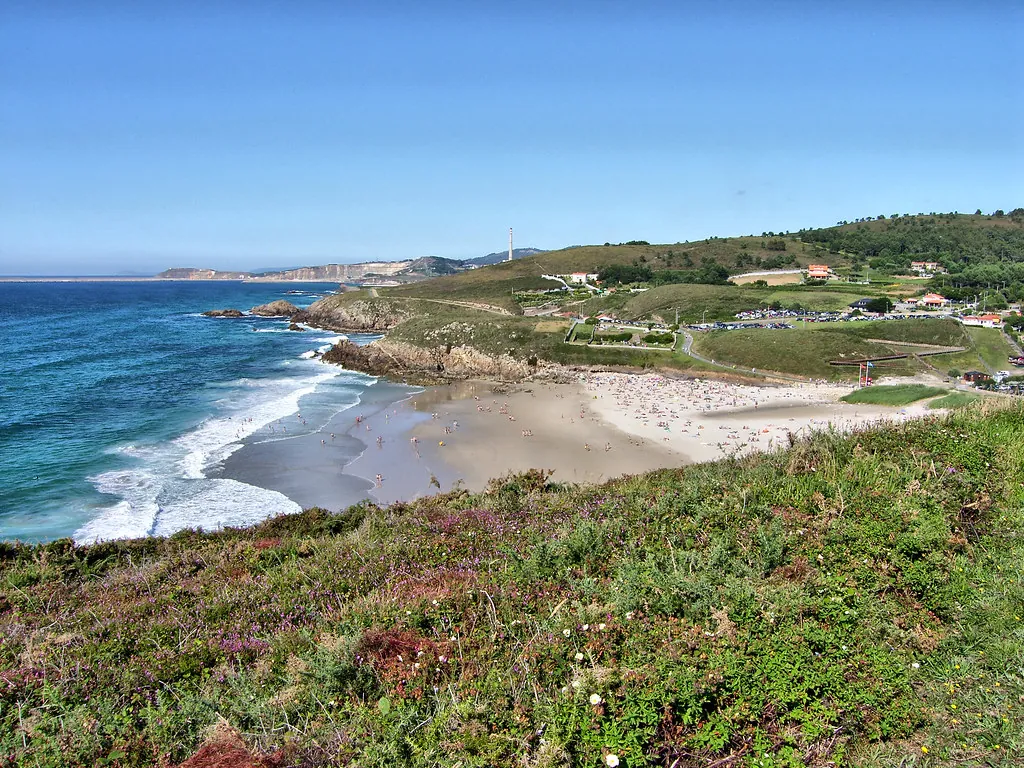
O Salnés · 37,888 hab.
Vilagarcía de Arousa

Vilagarcía de Arousa

O Salnés · 37,888 hab.
Arteixo

Arteixo

A Coruña · 34,403 hab.

Ames

Santiago · 33,276 hab.

Culleredo

A Coruña · 31,254 hab.
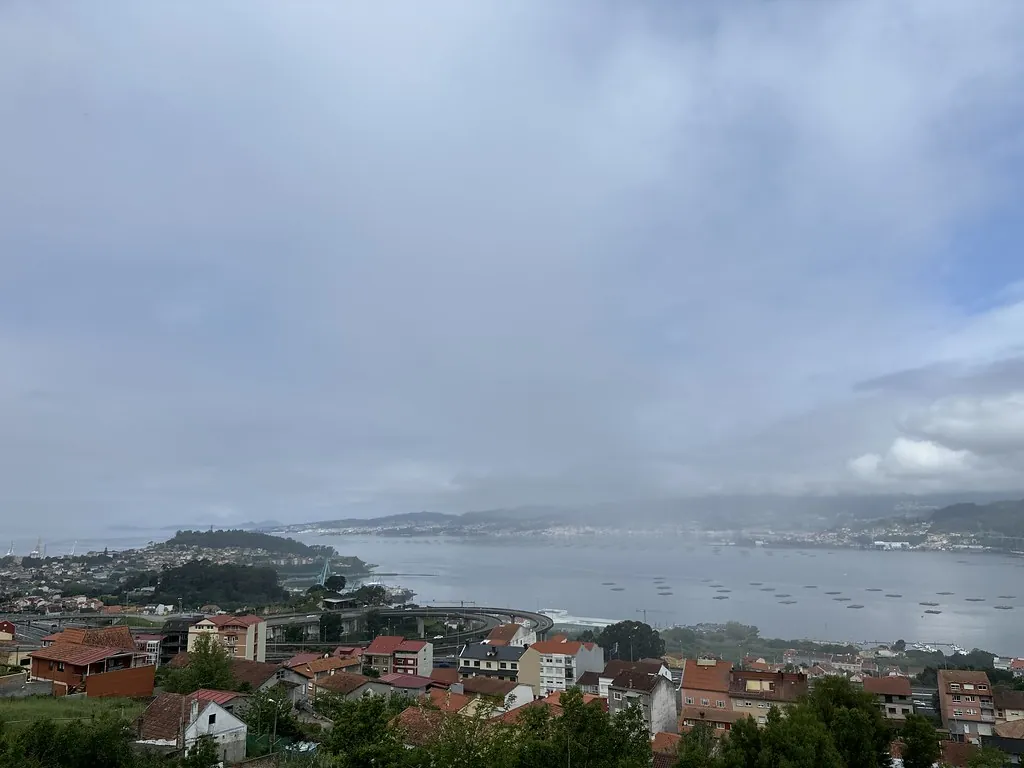
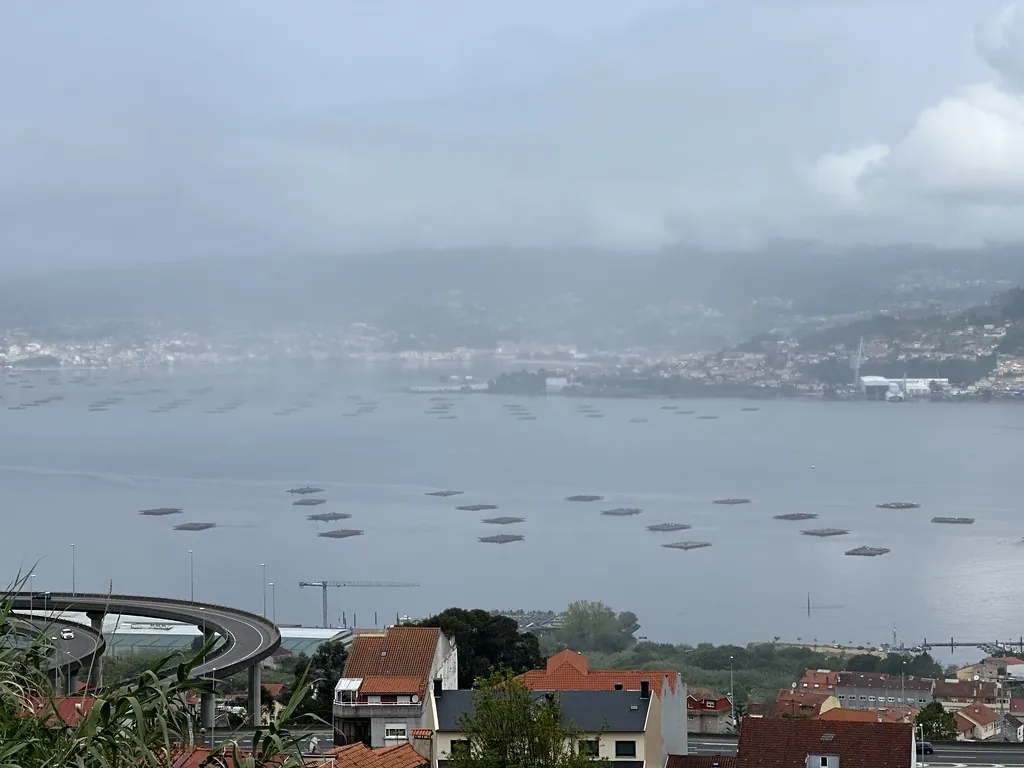
Redondela

Redondela

Vigo · 28,874 hab.
Redondela

Redondela

Vigo · 28,874 hab.
Redondela

Redondela

Vigo · 28,874 hab.
Redondela

Redondela

Vigo · 28,874 hab.
Redondela

Redondela

Vigo · 28,874 hab.
Redondela

Redondela

Vigo · 28,874 hab.
Redondela

Redondela

Vigo · 28,874 hab.
Redondela

Redondela

Vigo · 28,874 hab.
Redondela

Redondela

Vigo · 28,874 hab.
Redondela

Redondela

Vigo · 28,874 hab.
Redondela

Redondela

Vigo · 28,874 hab.
Redondela

Redondela

Vigo · 28,874 hab.
Redondela

Redondela

Vigo · 28,874 hab.
Redondela

Redondela

Vigo · 28,874 hab.

About this region

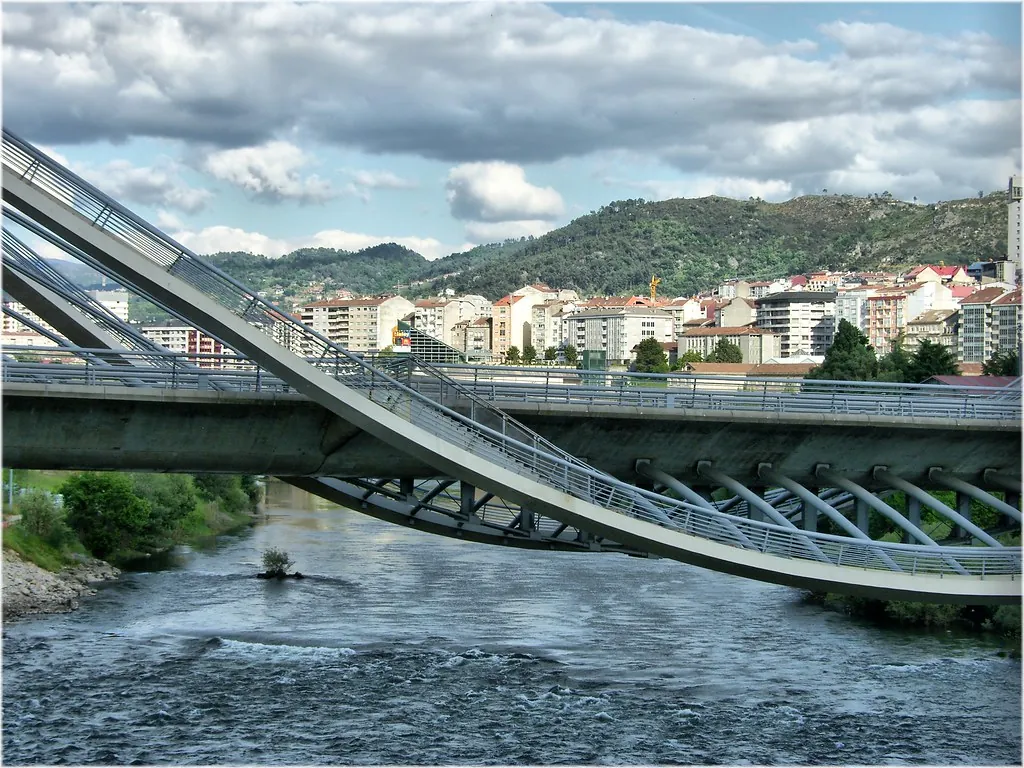
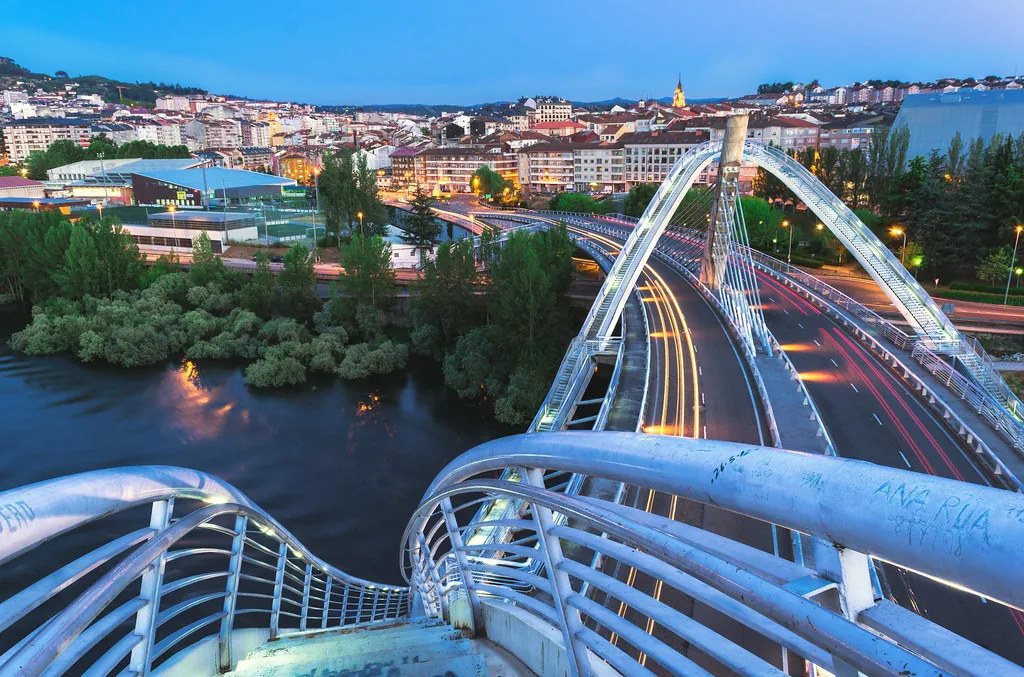
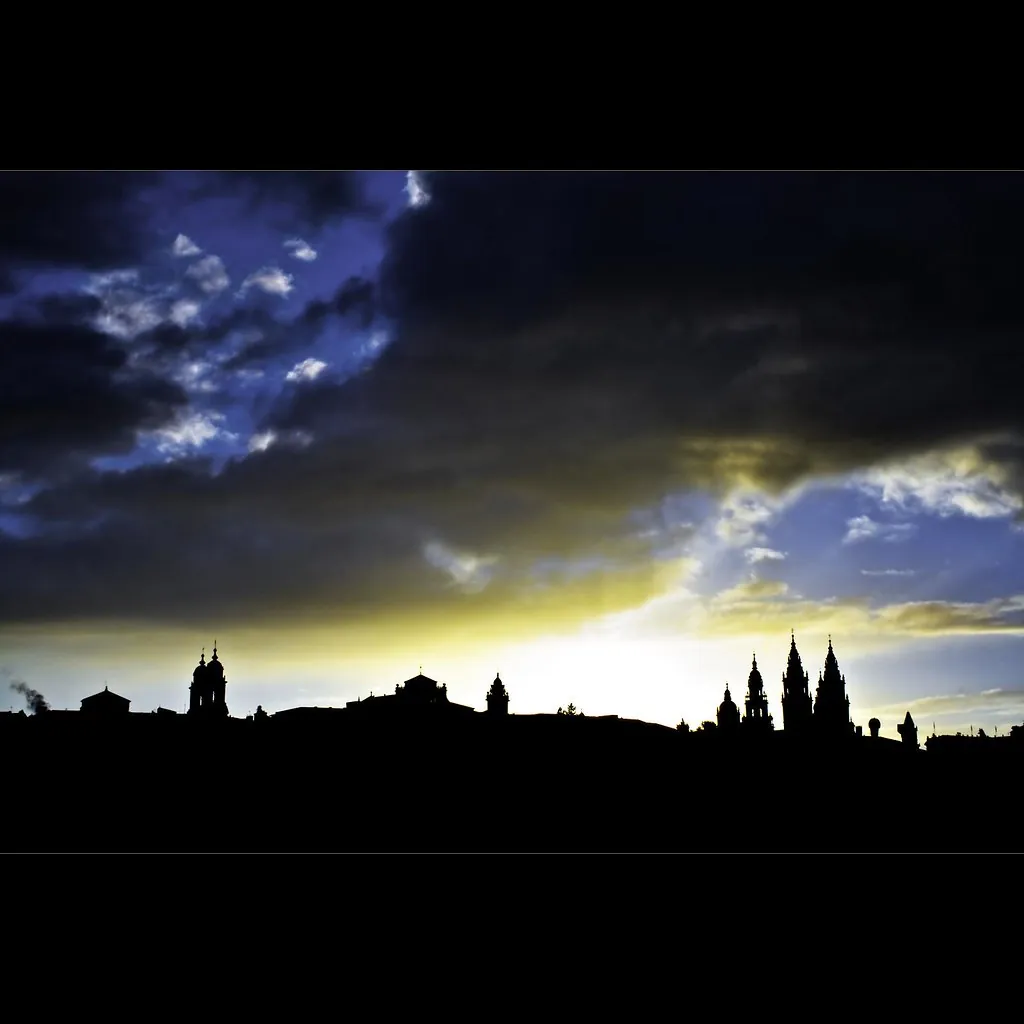
Galicia's railway network provides access to a diverse range of municipalities, each with its own distinct character. The comarcas, or districts, further delineate the regional identities within Galicia. In Ourense, within the Ourense comarca, the Las Burgas hot springs offer a unique experience in the city centre, heated to 67 degrees Celsius. The local cuisine features pulpo á feira, a Galician octopus dish, and empanada de zorza, a savoury pie. Further north, in the Lugo comarca, the city of Lugo boasts the only fully intact Roman wall in the world, a UNESCO World Heritage site. A stroll along the wall at sunset is a must, followed by sampling pulpo á feira in the Plaza del Campo. Santiago de Compostela, in the Santiago comarca, is renowned as the final destination of the Camino de Santiago pilgrimage. The Cathedral, particularly striking at sunset, overlooks the Plaza del Obradoiro. Here, you can sample pulpo á feira in the Mercado de Abastos and tarta de Santiago, an almond cake, in Casa Mora. These municipalities, connected by rail, offer a glimpse into Galicia's rich history, culture, and gastronomy. The ease of access encourages exploration beyond the major cities, revealing the diverse character of the region's smaller towns and villages.