Villages Without a Bar in La Rioja

18 villages · 7 - 29 inhabitants · Nature 75/100

Villages Without a Bar in La Rioja: key facts

  • 18 villages total
  • Rabanera (29 inh.)
  • Pazuengos (24 inh.)
  • Cabezón de Cameros (23 inh.)
  • Altitude range: 424 – 1,158 m

La Rioja, famed for its vineyards, also harbours a lesser-known facet: a collection of 18 villages that currently lack a bar. These settlements, scattered across the diverse landscapes of the region, offer a glimpse into a quieter, more traditional way of life. The average population in these municipalities hovers around a mere 17 inhabitants, reflecting the ongoing rural exodus affecting many parts of Spain. Altitudes vary considerably, ranging from 424 metres to 1158 metres, influencing both the climate and the agricultural practices of each village. For instance, Pazuengos, situated at 1158 metres in the comarca of Ezcaray, boasts cooler temperatures and is known for its beech forests surrounding the Iglesia de San Martín. Conversely, villages at lower elevations experience milder conditions, better suited for cultivating the produce that forms the basis of Riojan cuisine. Exploring these communities provides an opportunity to appreciate the resilience and resourcefulness of rural communities in La Rioja, where social life revolves around communal events and family gatherings rather than the traditional bar setting. Rabanera, with a population of 29, offers panoramic views from its viewpoint and the Iglesia de la Asunción.
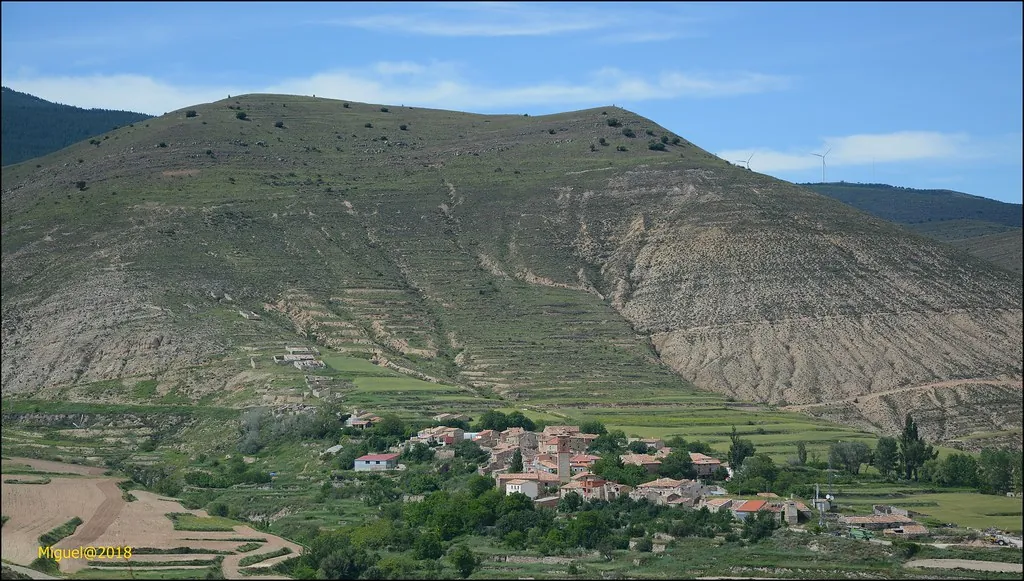
18 villages to explore

About this region

The absence of a bar in these 18 Riojan villages underscores the challenges faced by rural communities in maintaining essential services. These villages are located within various comarcas, each possessing its own distinct character. The comarca de Cameros, for example, is home to several of these settlements, including Cabezón de Cameros, Jalón de Cameros and Rabanera. Cabezón de Cameros, with a population of 23, features the Iglesia de Santa Marina and the Leza River. Jalón de Cameros, also with 23 residents, offers a glimpse into traditional architecture around the Iglesia de San Miguel. The local cuisine in these villages, while simple, is deeply rooted in the region's agricultural heritage. Patatas a la riojana, a potato-based stew, is a staple dish, often adapted with locally sourced ingredients. In Robres del Castillo (population 21), situated in the comarca of Logroño, the dish incorporates produce from local gardens. The village also features a medieval bridge and the remains of a castle. Pazuengos, in the comarca of Ezcaray, stands out for its high altitude and surrounding beech forests. Despite the lack of a bar, social life persists, often centred around religious festivals, communal meals, and neighbourly cooperation. The altitude range, from 424m to 1158m, dictates the agricultural possibilities, shaping the culinary traditions of each village. These communities, though small, represent a vital part of La Rioja's cultural heritage.