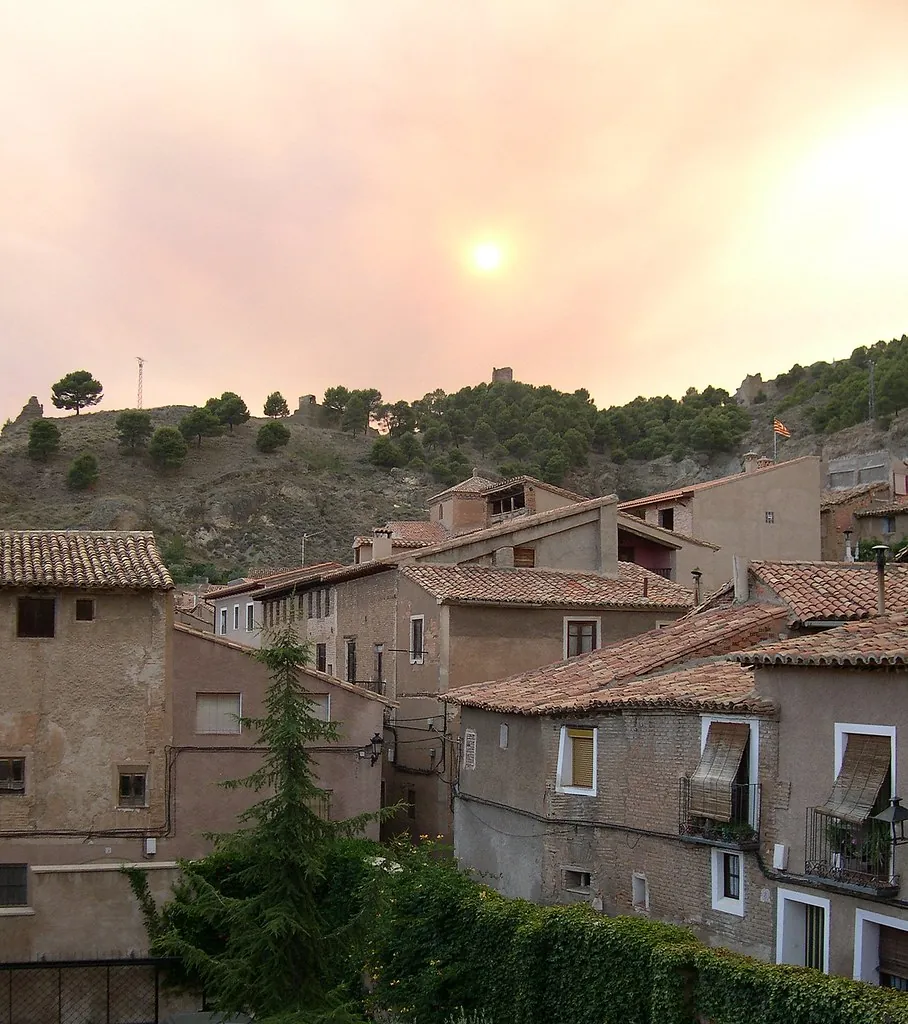
Wine Region Villages in Aragon
101 villages
·
Gastronomy 67/100
Wine Region Villages in Aragon: key facts
- 101 villages total
- Huesca (55,454 inh.)
- Calatayud (20,158 inh.)
- Monzón (18,525 inh.)
- Avg. altitude: 226 m
Aragon, a region in northeastern Spain, boasts a rich viticultural heritage, reflected in its 101 municipalities classified as wine region villages. These villages, with an average population of 2,045, are scattered across the Aragonese landscape, ranging in altitude from sea level to 797 metres. This area offers a deep dive into Spanish rural life, far from crowded tourist trails. The region's wine production is intrinsically linked to its cultural identity, influencing local traditions, gastronomy, and architecture. Consider visiting Calatayud, a town known for its Colegiata de Santa María la Mayor, a UNESCO World Heritage site showcasing Aragonese Mudéjar architecture. Alternatively, explore Huesca, where the Gothic cathedral, complete with a retablo by Damián Forment and a Romanesque cloister, stands as a testament to the region's historical significance. These wine villages provide a unique insight into Aragon's blend of history, agriculture, and cultural practices.
101 villages to explore
Huesca
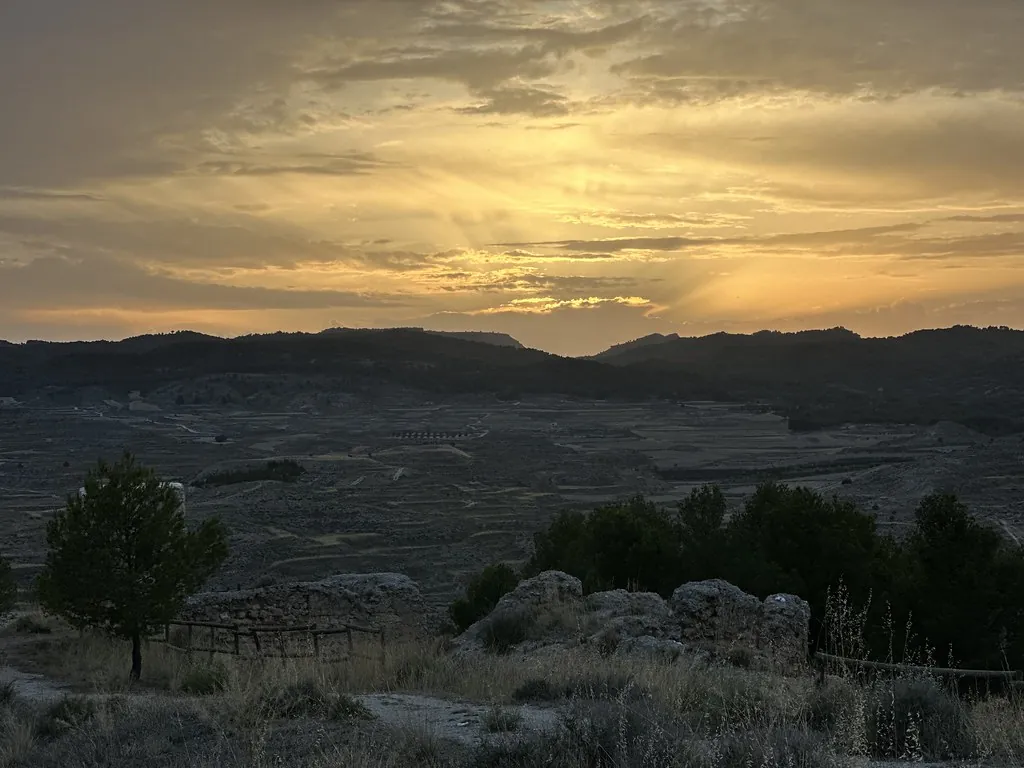
Calatayud
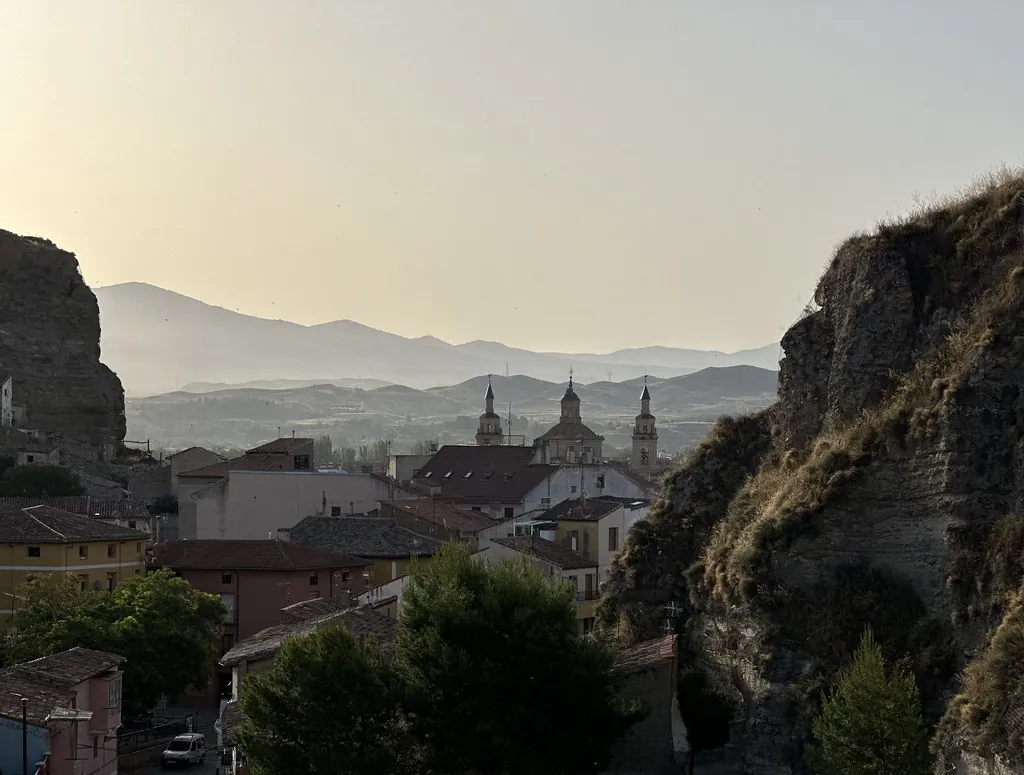
Calatayud
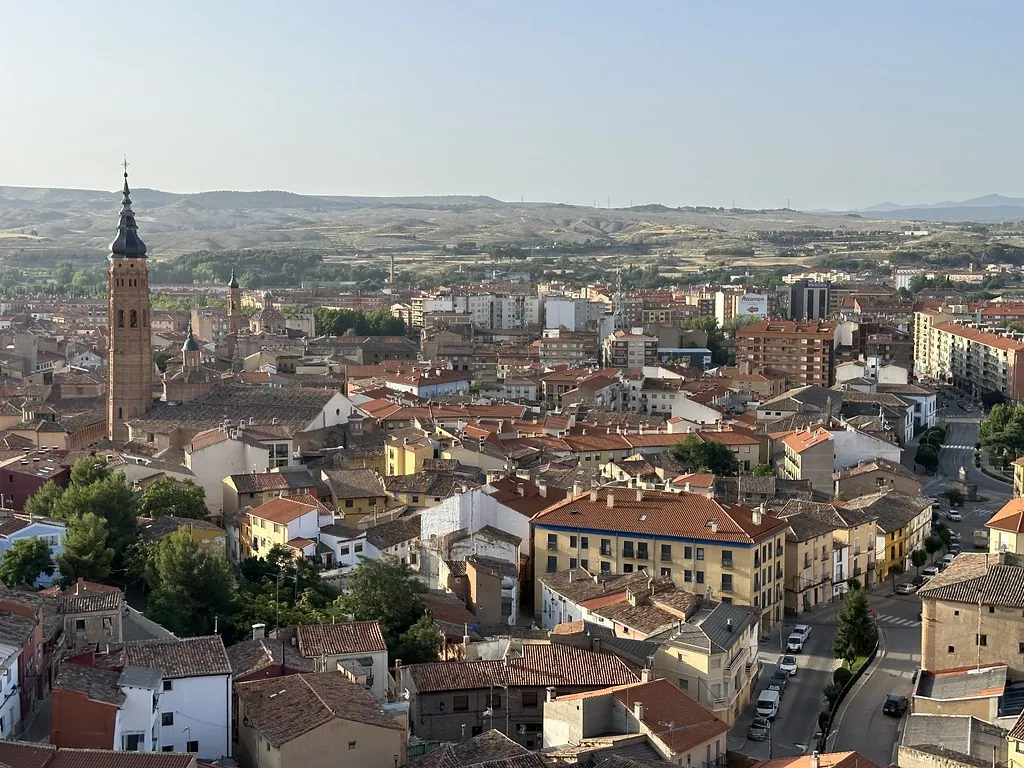
Calatayud
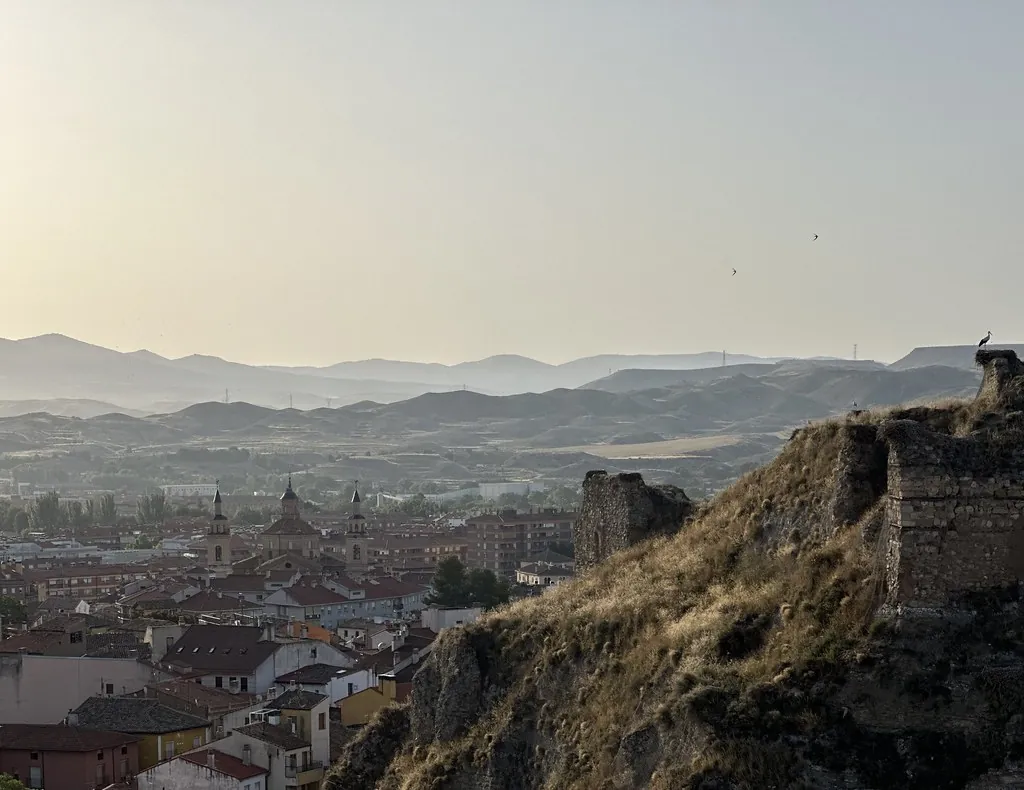
Calatayud
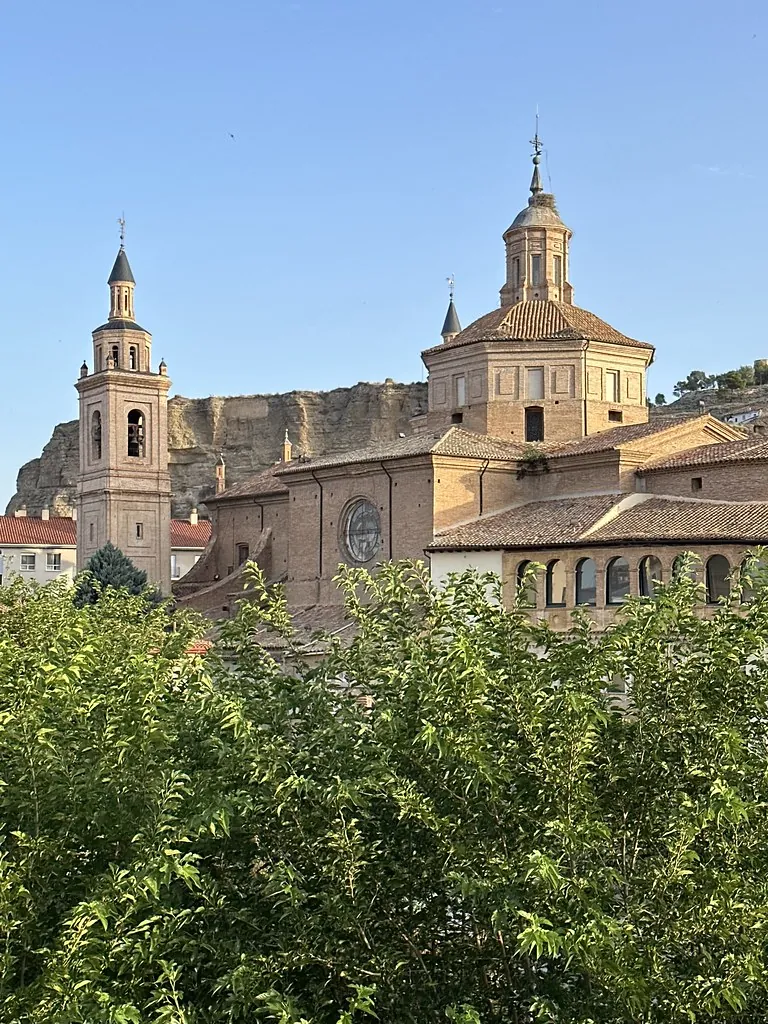
Calatayud
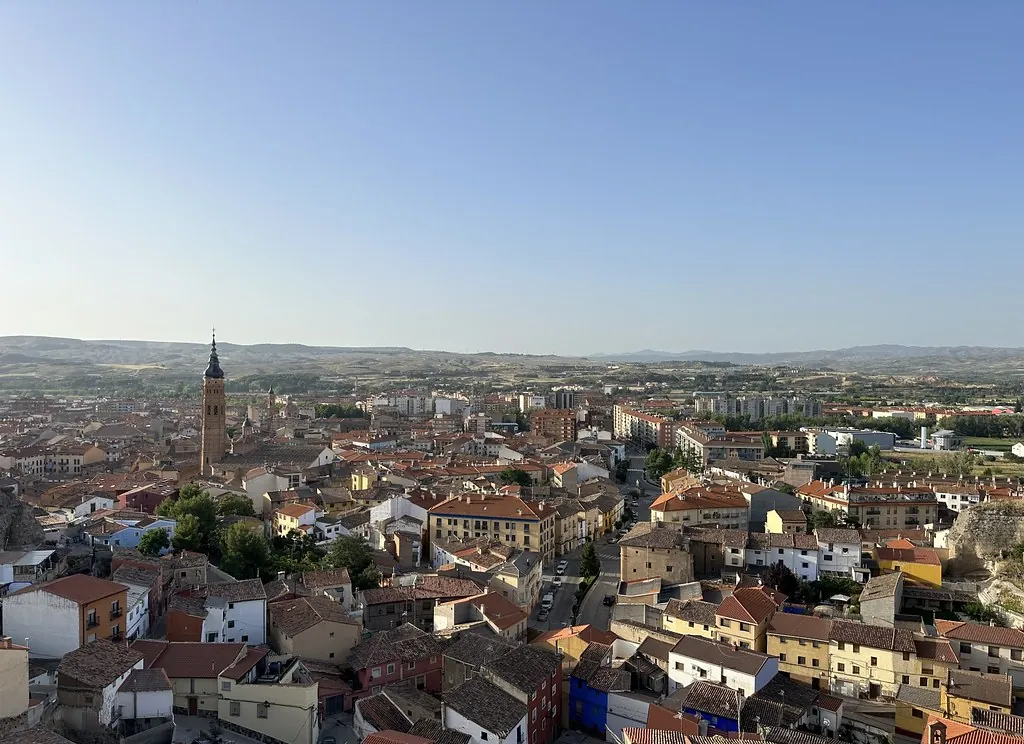
Calatayud
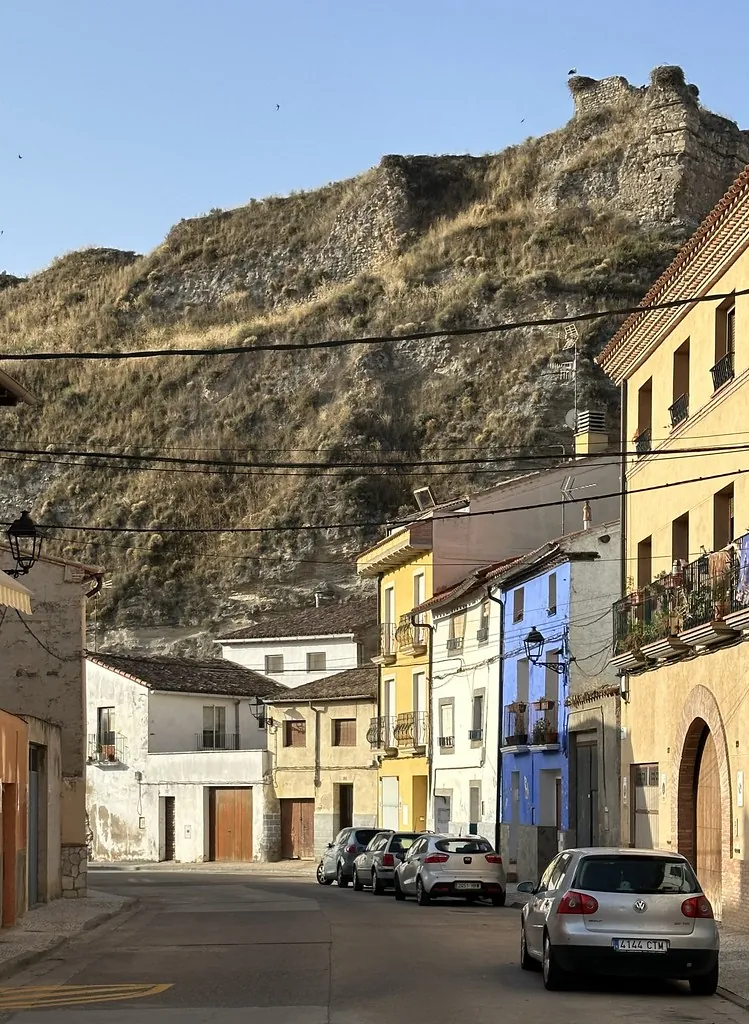
Calatayud
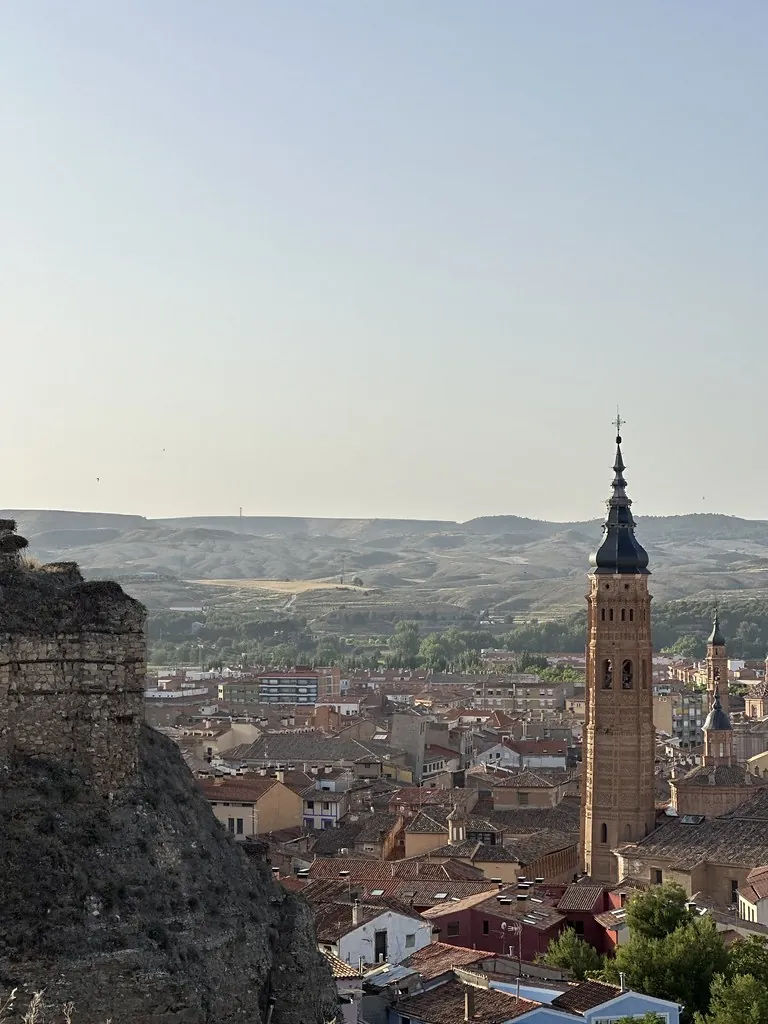
Calatayud
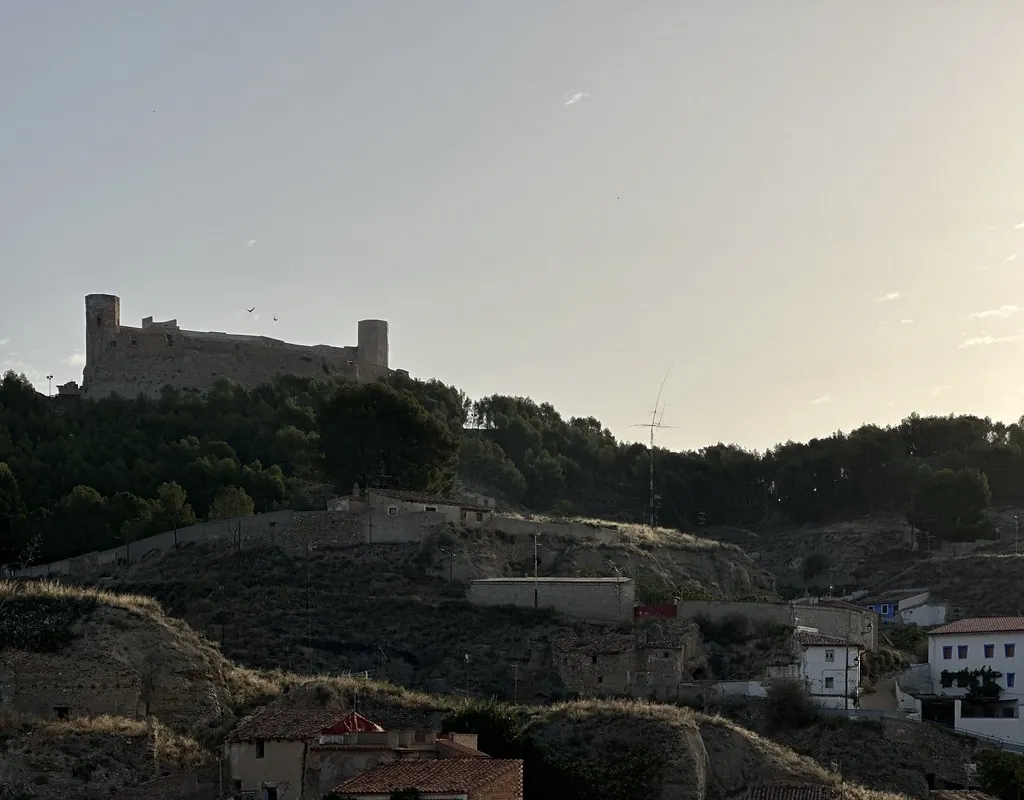
Calatayud
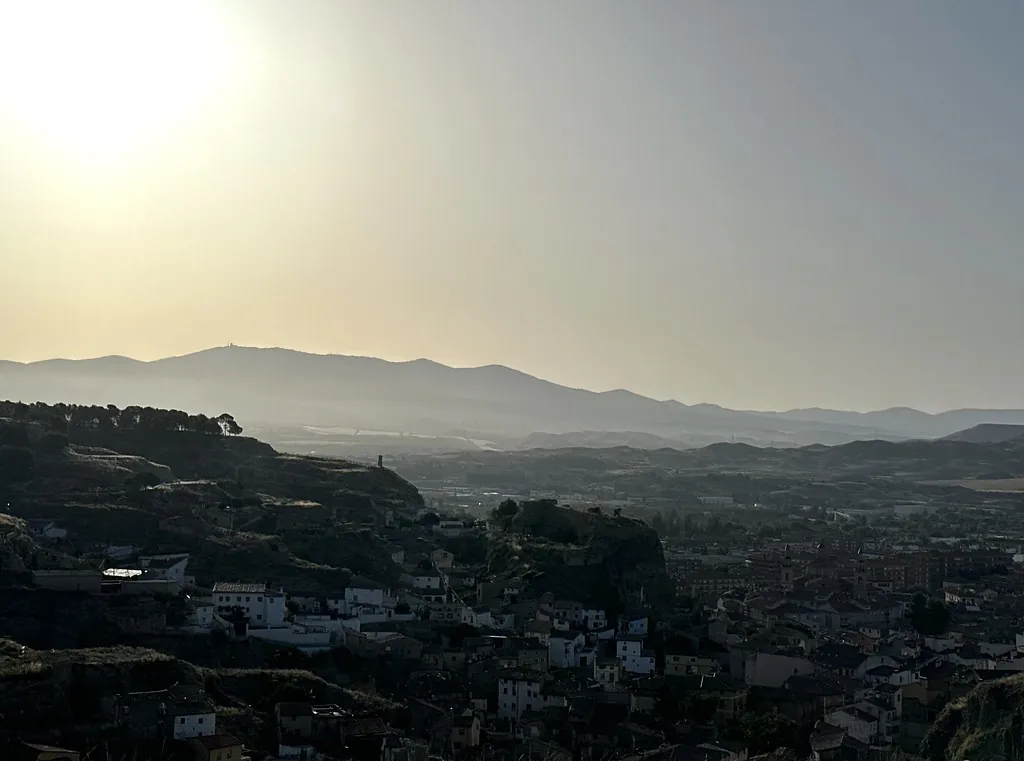
Calatayud
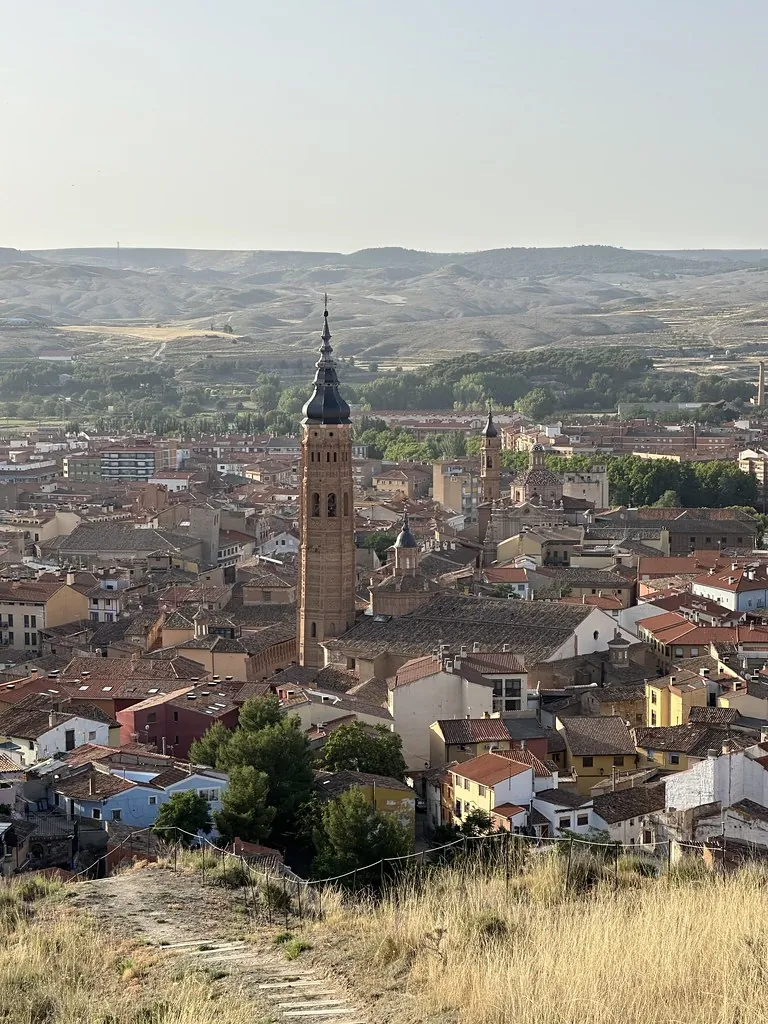
Calatayud
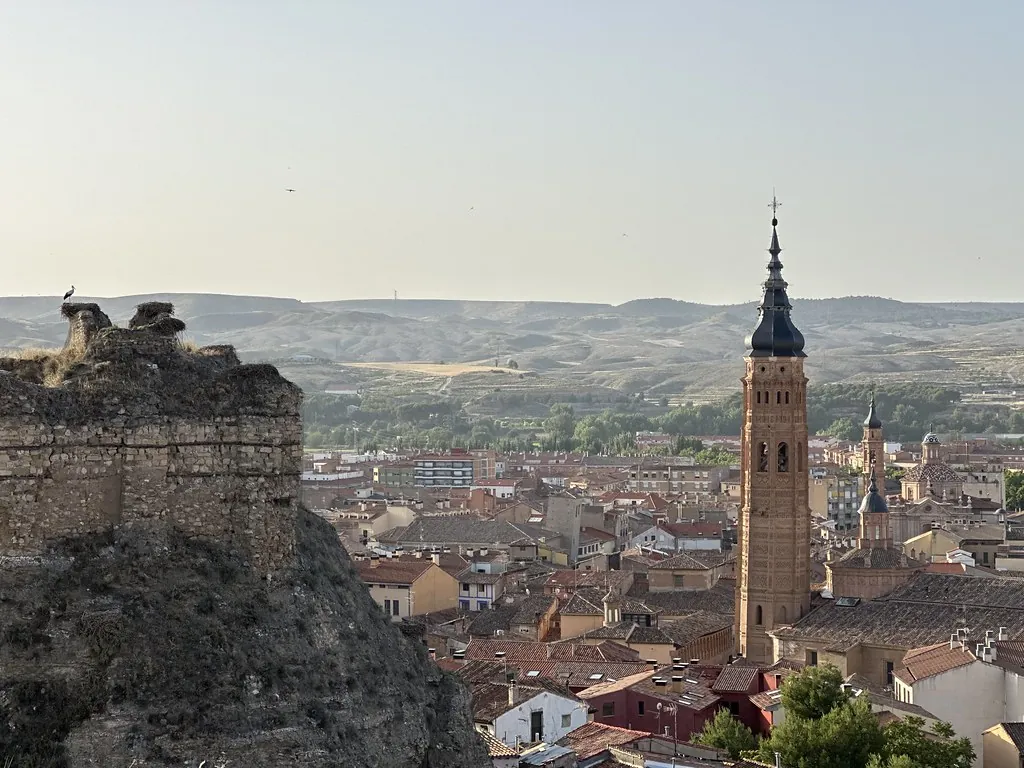
Calatayud
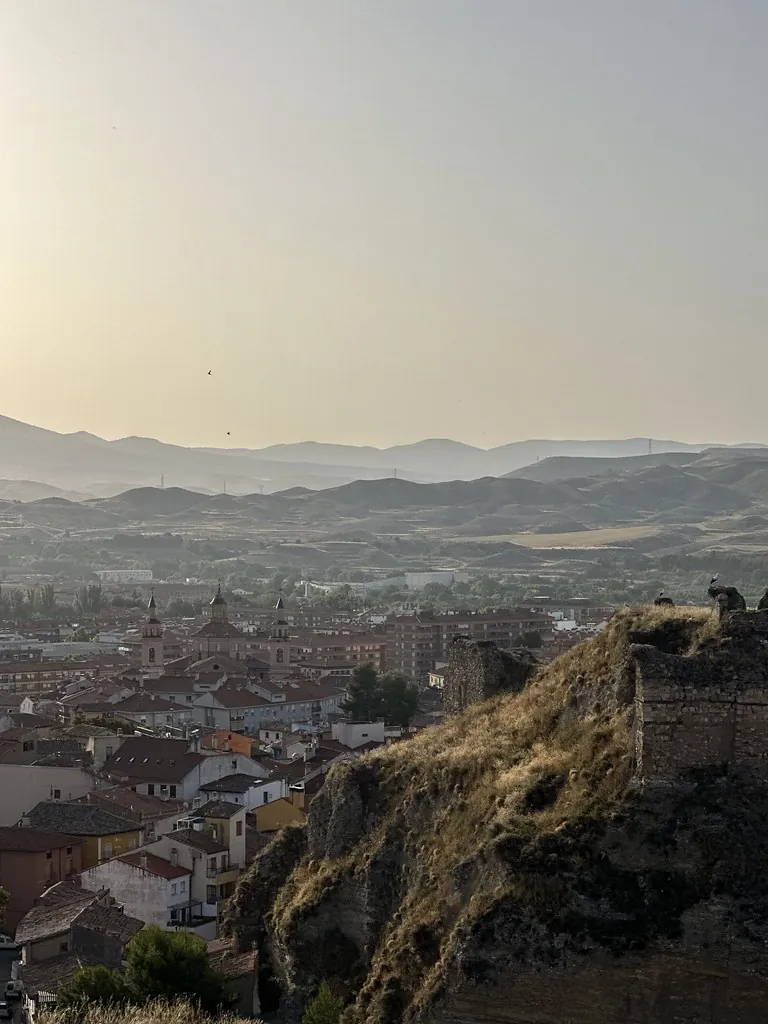
Calatayud
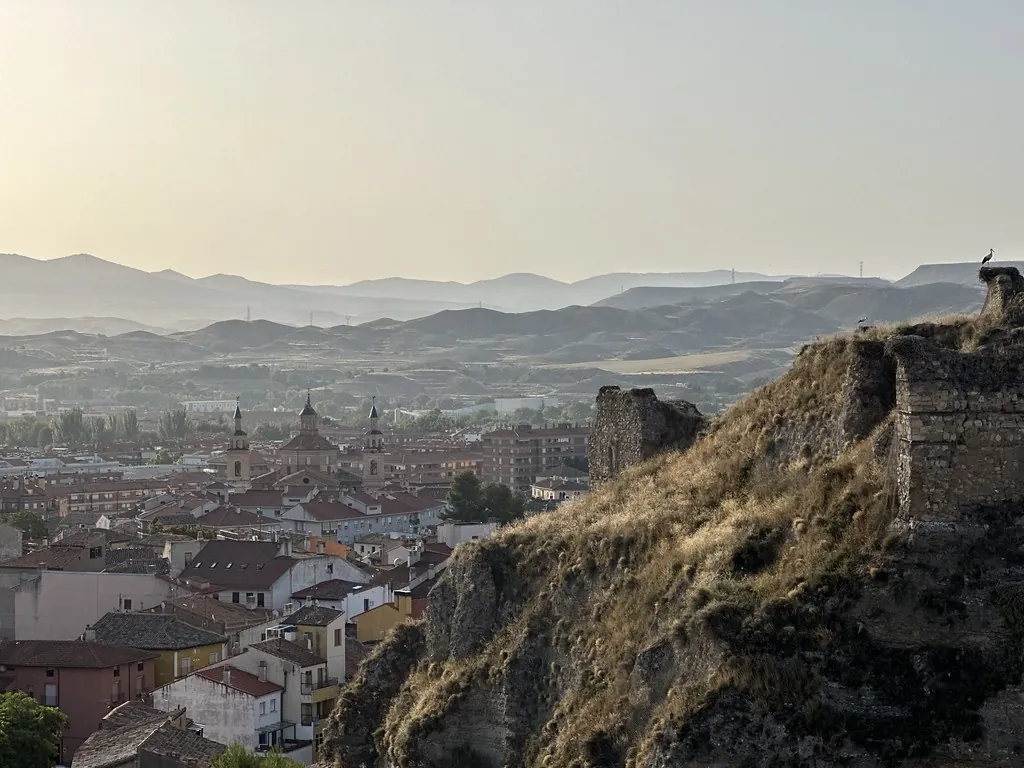
Calatayud
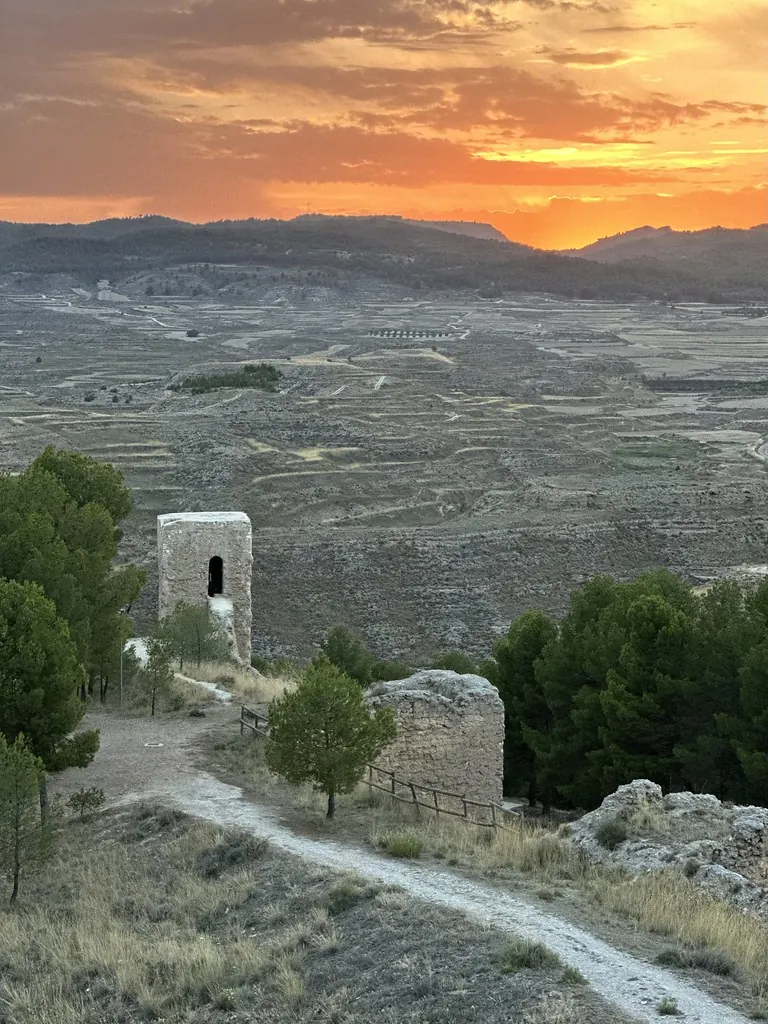
Calatayud
Monzón
Barbastro
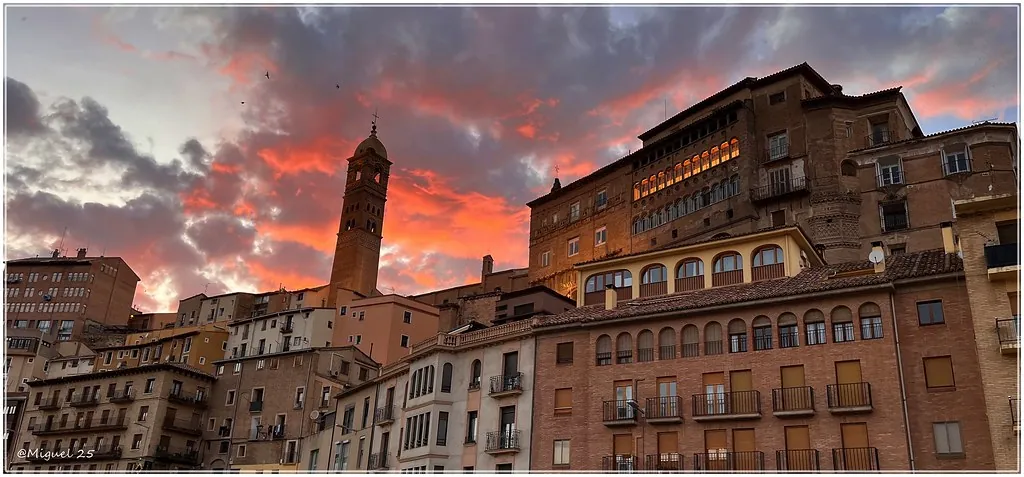
Tarazona
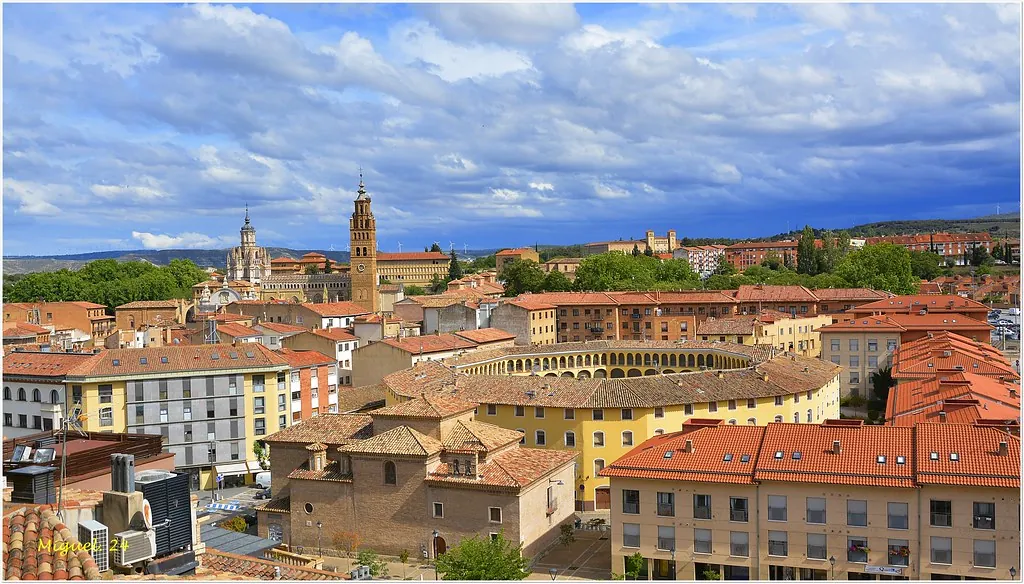
Tarazona
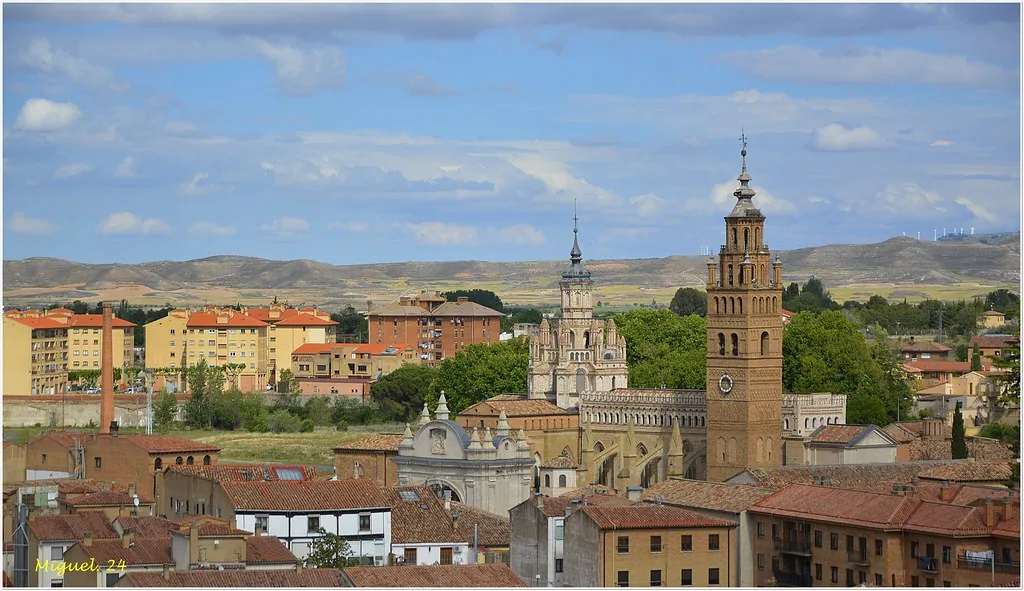
Tarazona
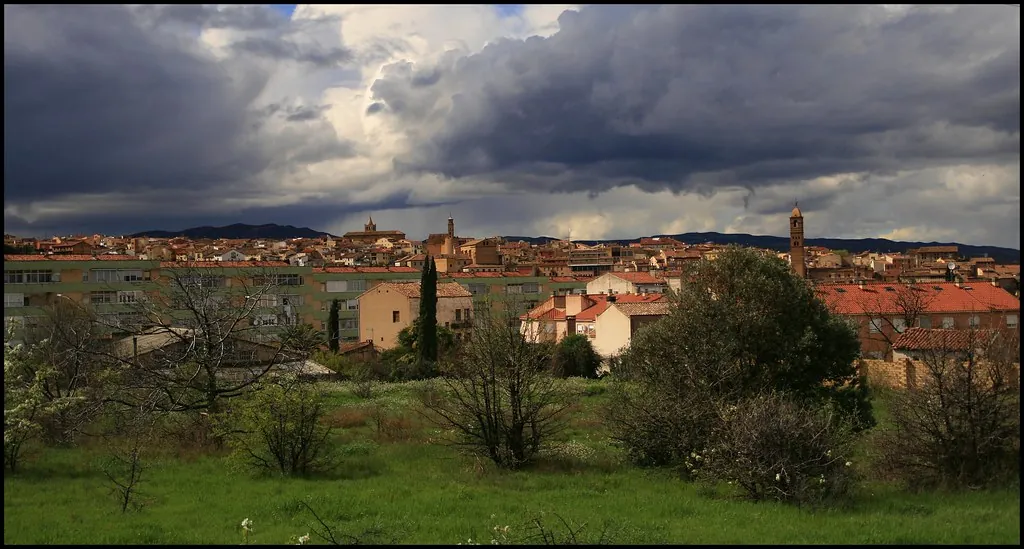
Tarazona
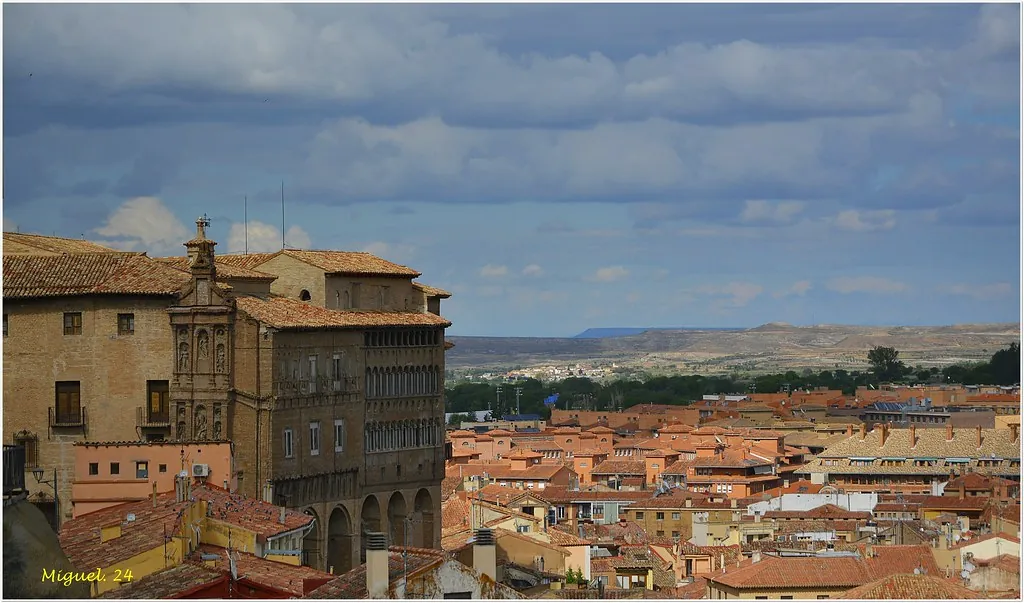
Tarazona
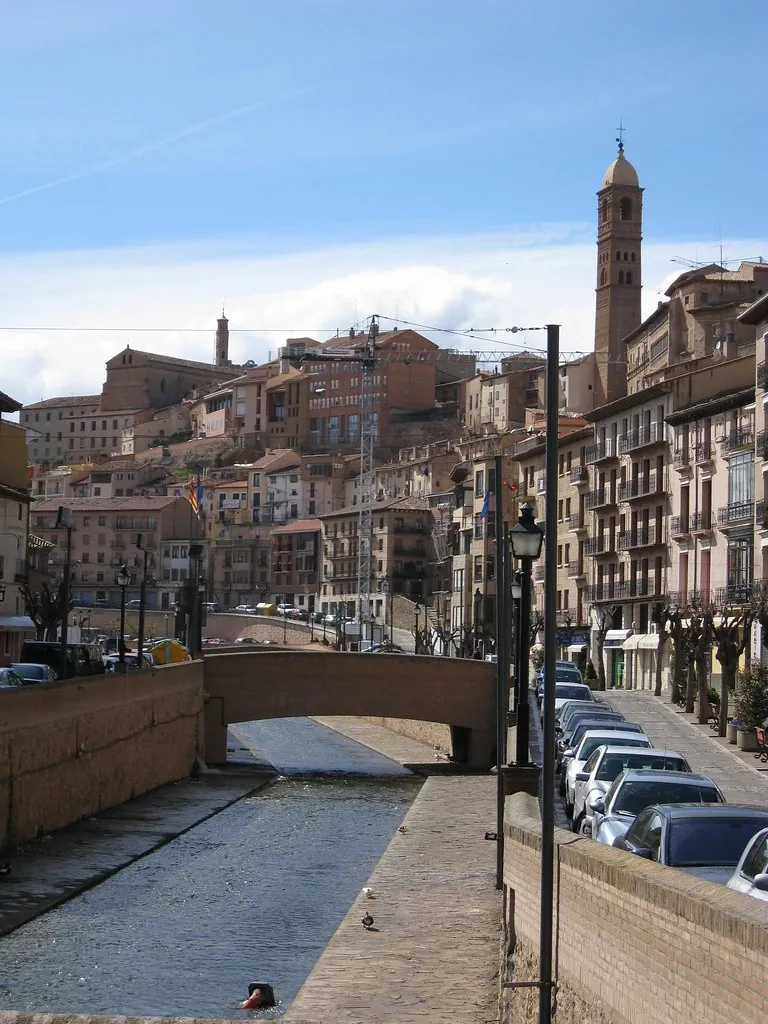
Tarazona
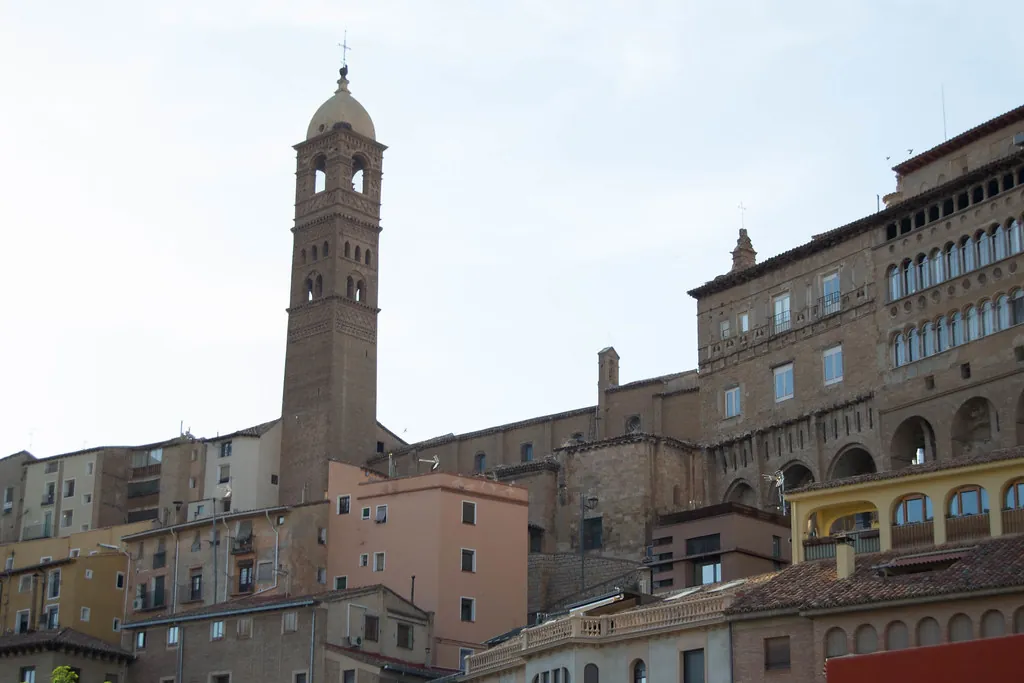
Tarazona
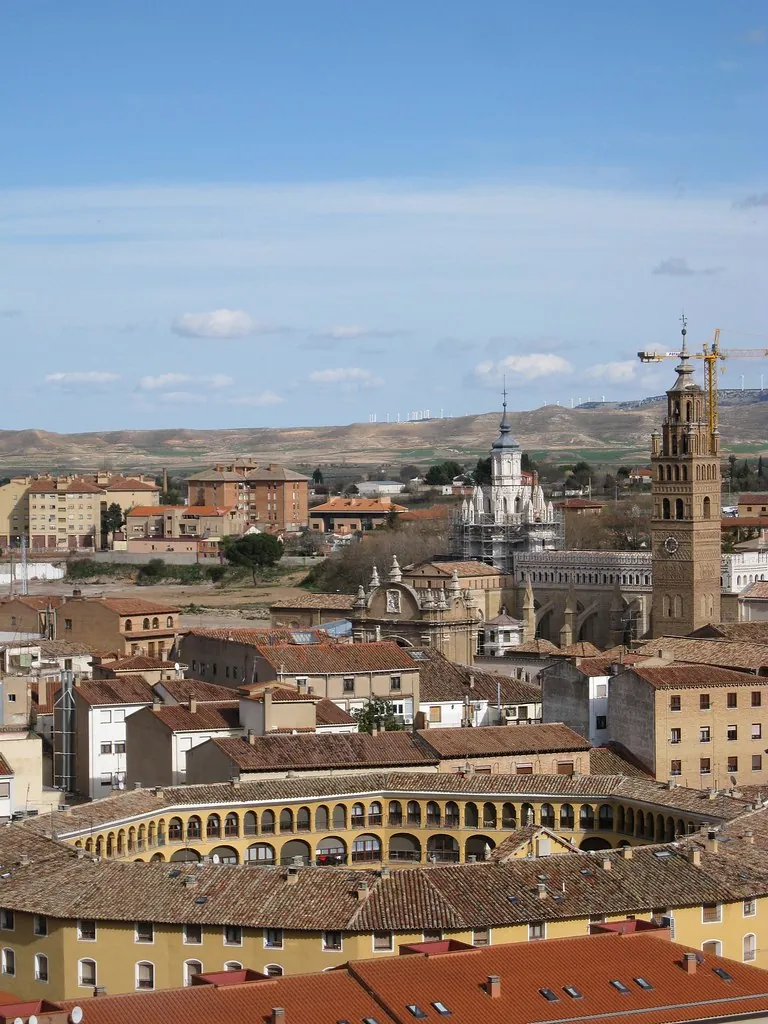
Tarazona
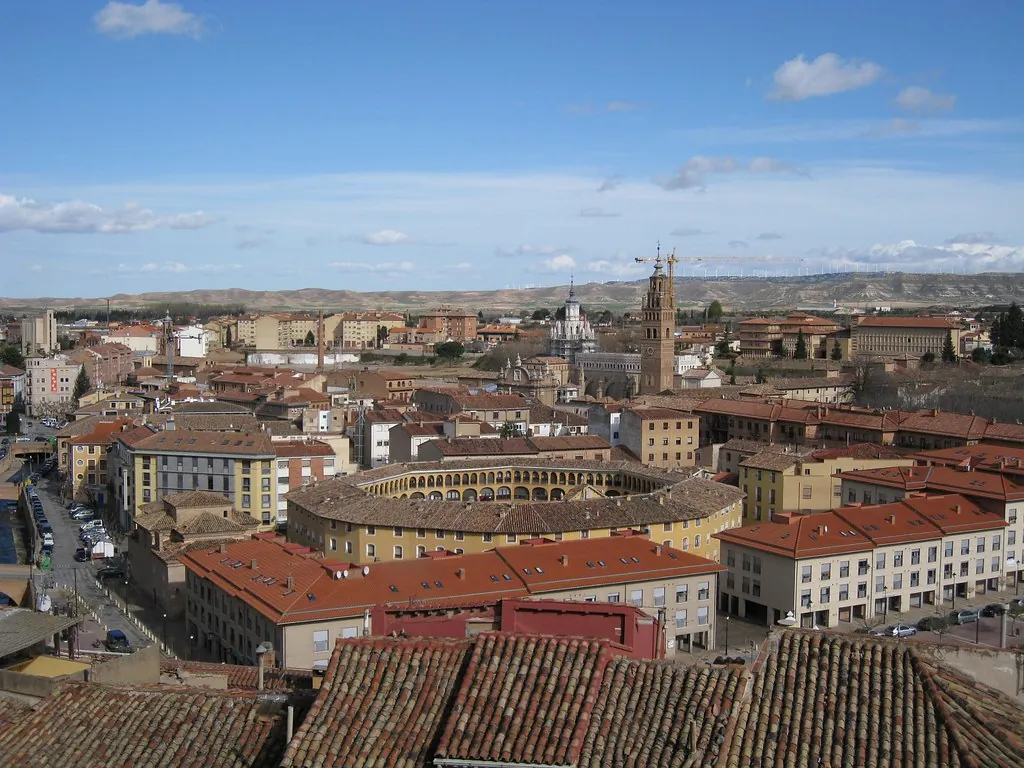
Tarazona
Caspe
Borja
Épila
Cadrete
Pedrola
Cariñena
Ricla
Mallén
Illueca
Aínsa-Sobrarbe