Wine Region Villages in Basque Country

50 villages · 122 - 260,699 inhabitants · Gastronomy 83/100

Wine Region Villages in Basque Country: key facts

  • 50 villages total
  • Vitoria-Gasteiz (260,699 inh.)
  • Portugalete (44,843 inh.)
  • Mungia (Munguía) (18,129 inh.)
  • Avg. altitude: 211 m

The Basque Country offers more than just coastal vistas; its inland villages, particularly those associated with wine production, present a compelling facet of Basque culture. Across 50 municipalities, averaging a population of 8268, these settlements range from sea level to 752 metres in altitude, each contributing uniquely to the region’s viticultural heritage. The comarcas, or districts, each possess distinct characteristics. For example, Vitoria-Gasteiz, the capital, located in the Llanada Alavesa comarca, stands at 0m altitude and boasts a population of 260,699. Contrast this with Ortuella in Gran Bilbao, a municipality with a population of 8735 at 66m altitude, reflecting the diverse landscapes and population densities across the Basque Country. Exploring these villages provides insight into the traditions, gastronomy, and landscapes that define this northern Spanish region. The proximity to larger urban centres like Bilbao and San Sebastián also allows for easy access to these rural areas, making them ideal for day trips or longer explorations.

50 villages to explore

Vitoria-Gasteiz
Llanada Alavesa · 260,699 hab.
Portugalete

Portugalete

Gran Bilbao · 44,843 hab.
Portugalete

Portugalete

Gran Bilbao · 44,843 hab.
Portugalete

Portugalete

Gran Bilbao · 44,843 hab.
Portugalete

Portugalete

Gran Bilbao · 44,843 hab.

Mungia (Munguía)

Uribe Kosta · 18,129 hab.

Pasaia (Pasajes)

Donostialdea · 15,820 hab.

Ortuella

Gran Bilbao · 8,735 hab.

Balmaseda (Valmaseda)

Encartaciones · 7,718 hab.
Gorliz

Gorliz

Uribe Kosta · 6,034 hab.
Gorliz

Gorliz

Uribe Kosta · 6,034 hab.
Gorliz

Gorliz

Uribe Kosta · 6,034 hab.
Gorliz

Gorliz

Uribe Kosta · 6,034 hab.
Gorliz

Gorliz

Uribe Kosta · 6,034 hab.

Villabona-Amasa (Villabona)

Tolosaldea · 5,900 hab.

Urduña/Orduña

Arratia-Nervión · 4,247 hab.

Oion (Oyón)

Cuadrilla de Laguardia-Rioja Alavesa · 3,476 hab.

Oyón/Oion

Rioja Alavesa · 3,476 hab.

Zamudio

Gran Bilbao · 3,442 hab.

Getaria (Guetaria)

Urola Kosta · 2,887 hab.

Bakio (Baquio)

Uribe Kosta · 2,857 hab.

Busturia

Busturialdea-Urdaibai · 1,693 hab.

Bastida (Labastida)

Cuadrilla de Laguardia-Rioja Alavesa · 1,558 hab.

Labastida

Rioja Alavesa · 1,558 hab.

Muxika (Múgica)

Busturialdea-Urdaibai · 1,546 hab.

Guardia (Laguardia)

Cuadrilla de Laguardia-Rioja Alavesa · 1,459 hab.

Laguardia

Rioja Alavesa · 1,459 hab.

Gamiz-Fika (Gámiz-Fica)

Uribe Kosta · 1,414 hab.

Lemoiz (Lemóniz)

Uribe Kosta · 1,347 hab.

Elciego

Rioja Alavesa · 971 hab.

Eltziego (Elciego)

Cuadrilla de Laguardia-Rioja Alavesa · 971 hab.

Lantaron

Cuadrilla de Añana · 929 hab.

Lapuebla de Labarca

Rioja Alavesa · 895 hab.

Lapuebla Labarka (Lapuebla de Labarca)

Cuadrilla de Laguardia-Rioja Alavesa · 895 hab.

Ea

Busturialdea-Urdaibai · 824 hab.

Etxebarria (Echevarría)

Lea Artibai · 791 hab.

Lanciego/Lantziego

Rioja Alavesa · 700 hab.

Lantziego (Lanciego)

Cuadrilla de Laguardia-Rioja Alavesa · 700 hab.

Aulesti (Murélaga)

Lea Artibai · 639 hab.

Berantevilla

Cuadrilla de Añana · 461 hab.

Urizaharra (Peñacerrada)

Cuadrilla de Campezo-Montaña Alavesa · 332 hab.

Elvillar

Cuadrilla de Laguardia-Rioja Alavesa · 315 hab.

Elvillar/Bilar

Rioja Alavesa · 315 hab.

Murueta

Busturialdea-Urdaibai · 311 hab.

Samaniego

Cuadrilla de Laguardia-Rioja Alavesa · 292 hab.

Baños de Ebro/Mañueta

Rioja Alavesa · 286 hab.

Mañueta (Baños de Ebro)

Cuadrilla de Laguardia-Rioja Alavesa · 286 hab.

Ekora (Yécora)

Cuadrilla de Laguardia-Rioja Alavesa · 278 hab.

About this region

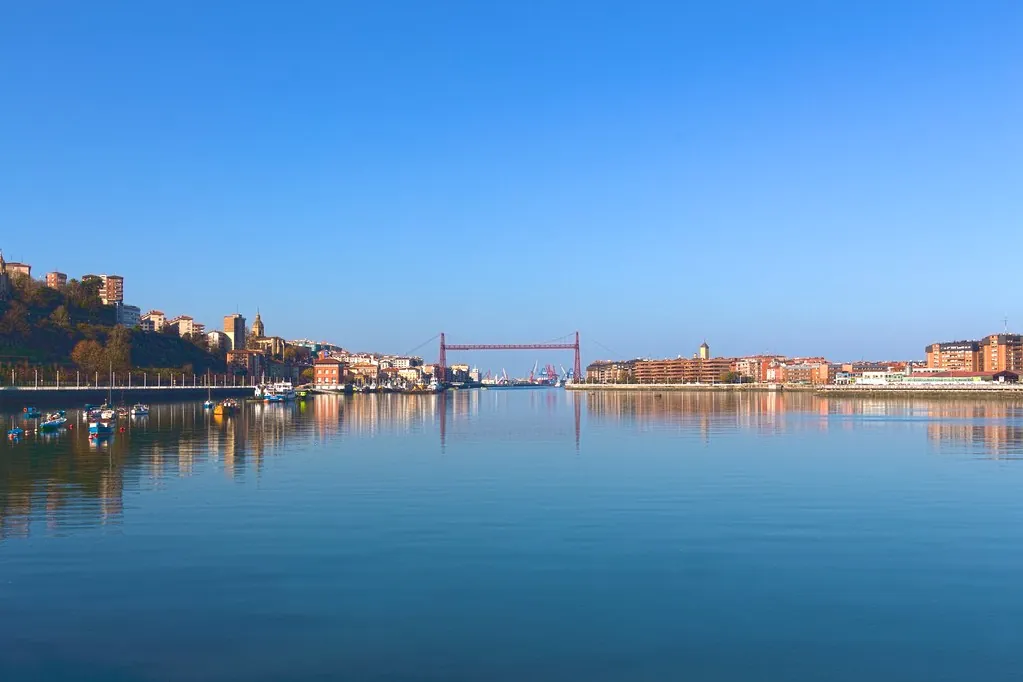
The Basque Country's wine region villages offer a diverse range of experiences, reflecting the region's complex geography and cultural traditions. The comarcas play a significant role in shaping local identity and customs. In the Llanada Alavesa, Vitoria-Gasteiz presents a blend of urban sophistication and rural charm. Visitors can explore the Catedral de Santa María, participate in guided tours of the ongoing restoration, stroll through the Anillo Verde (Green Ring), and experience the vibrant atmosphere of the Plaza de la Virgen Blanca. The city's gastronomy shines with pintxos in the Casco Medieval and innovative restaurants showcasing local produce. Moving towards the coast, Portugalete, in the Gran Bilbao comarca, offers a different perspective. Here, the Paseo provides views of the iconic Puente Colgante (hanging bridge), while the casco histórico tempts with pintxos and traditional bacalao a la vizcaína (cod in Biscay sauce). Further east, in the Uribe Kosta comarca, Mungia (Munguía) centres around its main square, a hub of market activity, and the parish church of San Pedro. The local culinary scene features txuleta a la brasa (grilled steak) and classic pintxos. Finally, Pasaia (Pasajes), in the Donostialdea comarca, showcases its historic port, from which Elcano's expedition departed, and the colourful houses of San Juan. The portside asadores (grills) serve succulent txuleta de buey (ox steak), while the local restaurants offer freshly caught chipirones en su tinta (squid in ink sauce). Even Ortuella, again in Gran Bilbao, retains its mining history, reflected in its architecture and traditional cuisine.