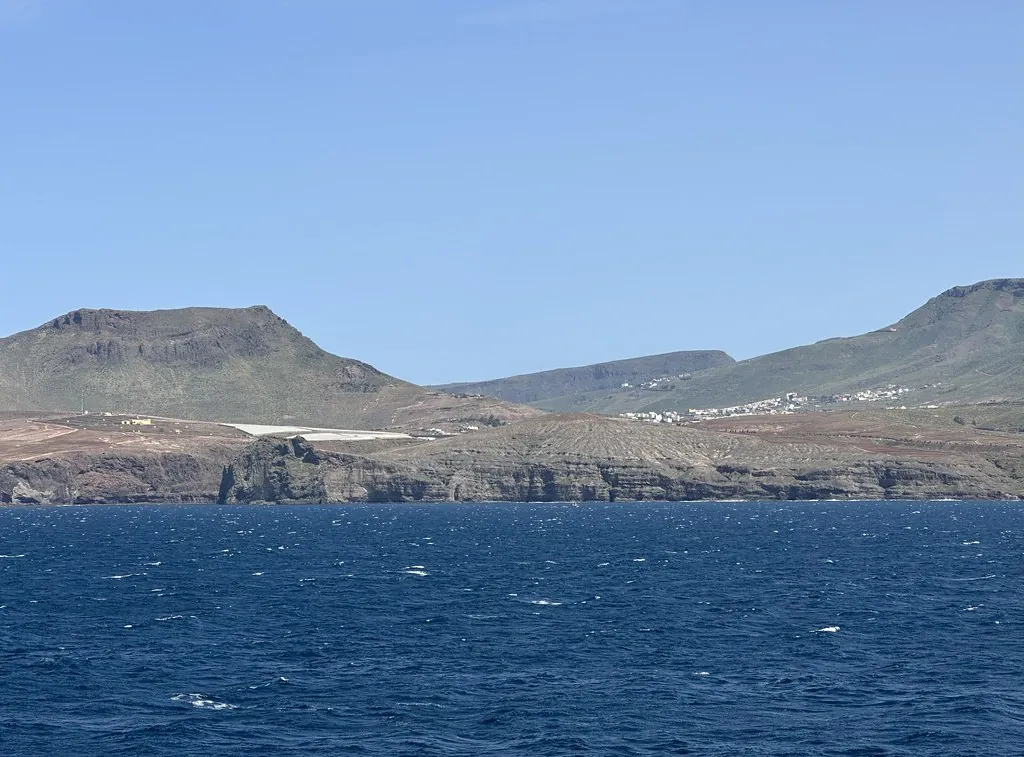
Wine Region Villages in Canary Islands
24 villages
·
146 - 37,867 inhabitants
·
Nature 76/100
Wine Region Villages in Canary Islands: key facts
- 24 villages total
- Los Realejos (37,867 inh.)
- Tacoronte (24,619 inh.)
- Icod de los Vinos (24,616 inh.)
- 19 on the coast
The Canary Islands, an archipelago off the coast of Northwest Africa, offer a distinctive viticultural landscape. Across 24 municipalities, wine production thrives, shaped by volcanic soils and unique microclimates. The average population of these wine-producing areas is 12,879, with altitudes ranging from 10 metres near the coast to 1500 metres in the highlands. This variation influences grape varietals and winemaking traditions. The comarcas, or districts, each possess distinct characteristics, contributing to the diversity of Canarian wines. For example, in Los Realejos, within the Valle de La Orotava, the combination of altitude (350m) and fertile land creates ideal conditions for specific grape varieties. Similarly, Tacoronte, situated in the Acentejo comarca at 510m, benefits from coastal breezes and volcanic terrain. These factors, combined with local culinary traditions, define the wine region villages of the Canary Islands, offering a rich tapestry of experiences for visitors interested in viticulture and local culture. From Tenerife to Gran Canaria, the wine villages offer a unique insight into the islands' heritage.
24 villages to explore
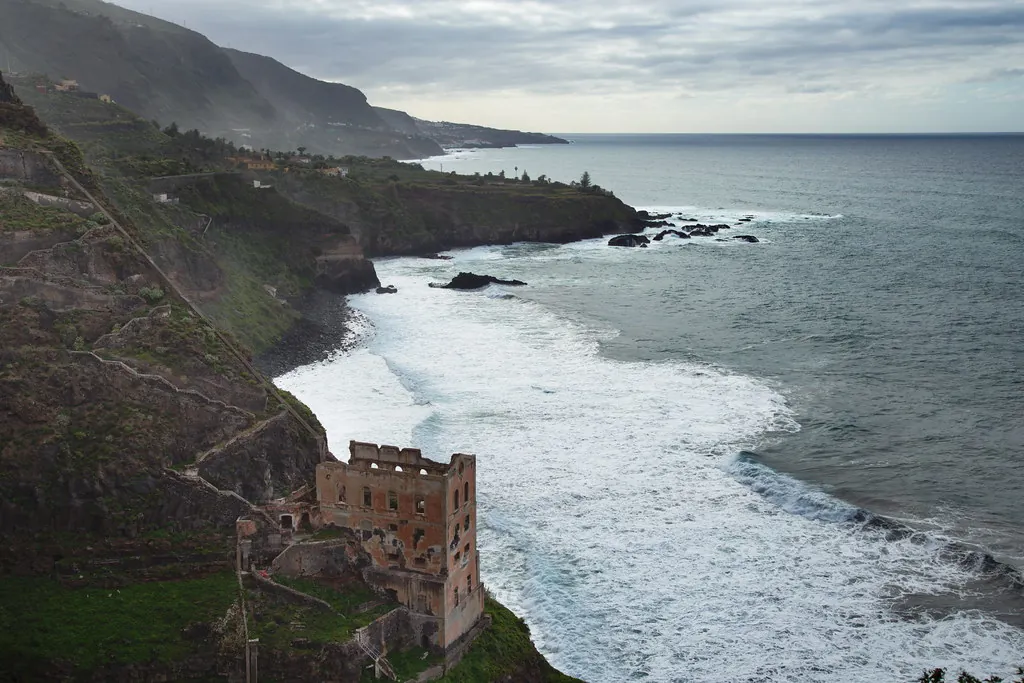
Los Realejos
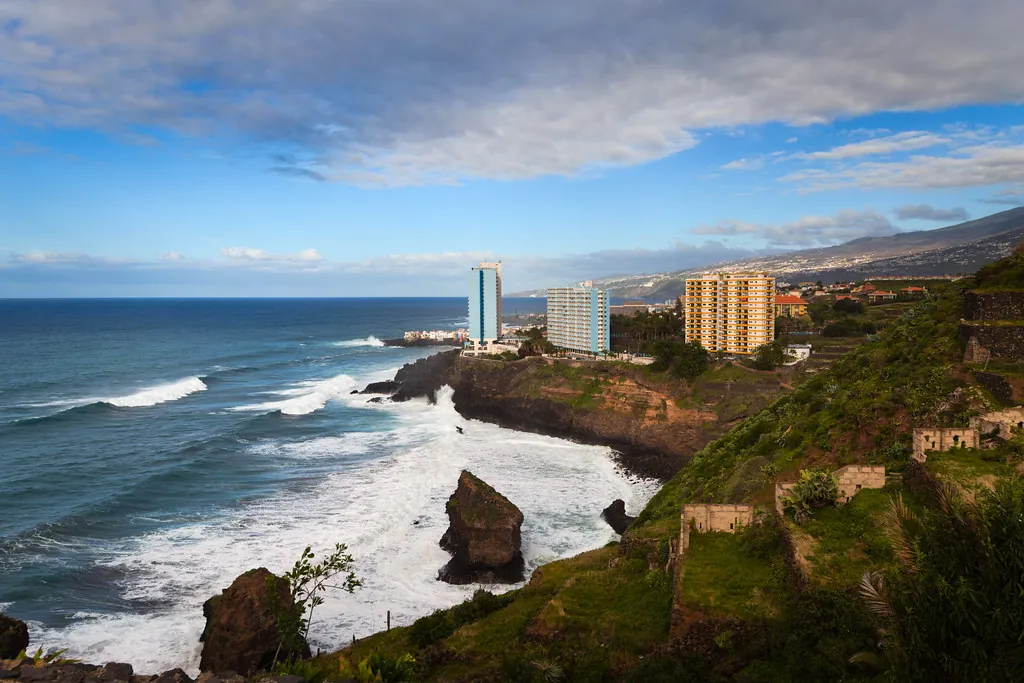
Los Realejos

Tacoronte
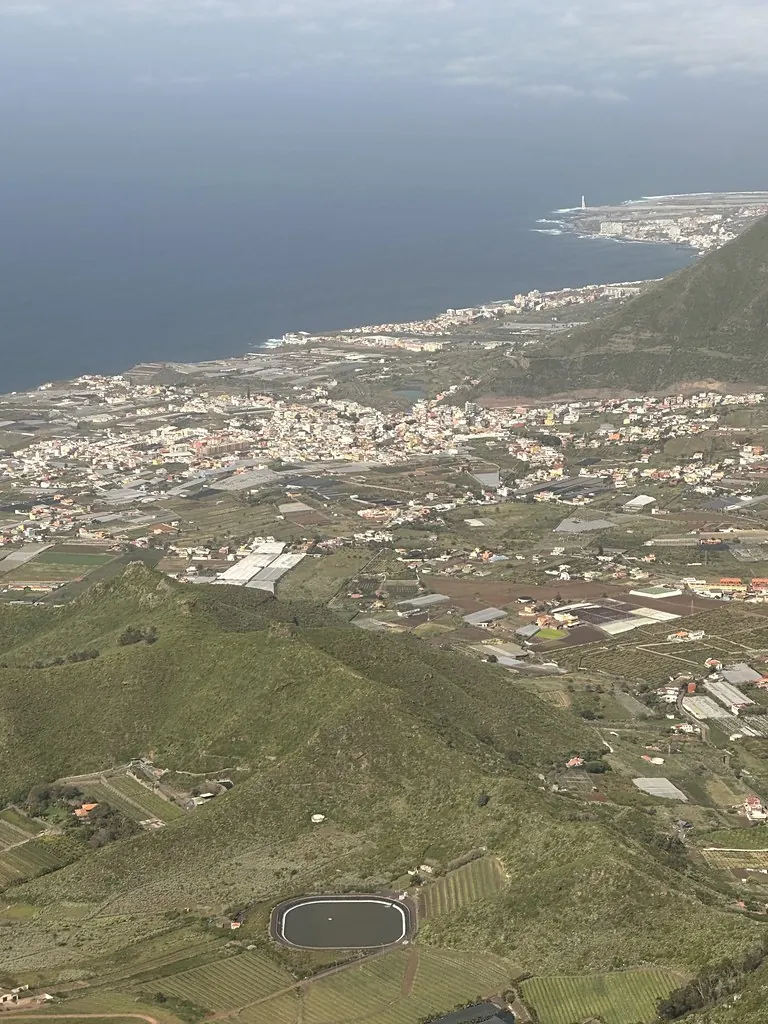
Tacoronte
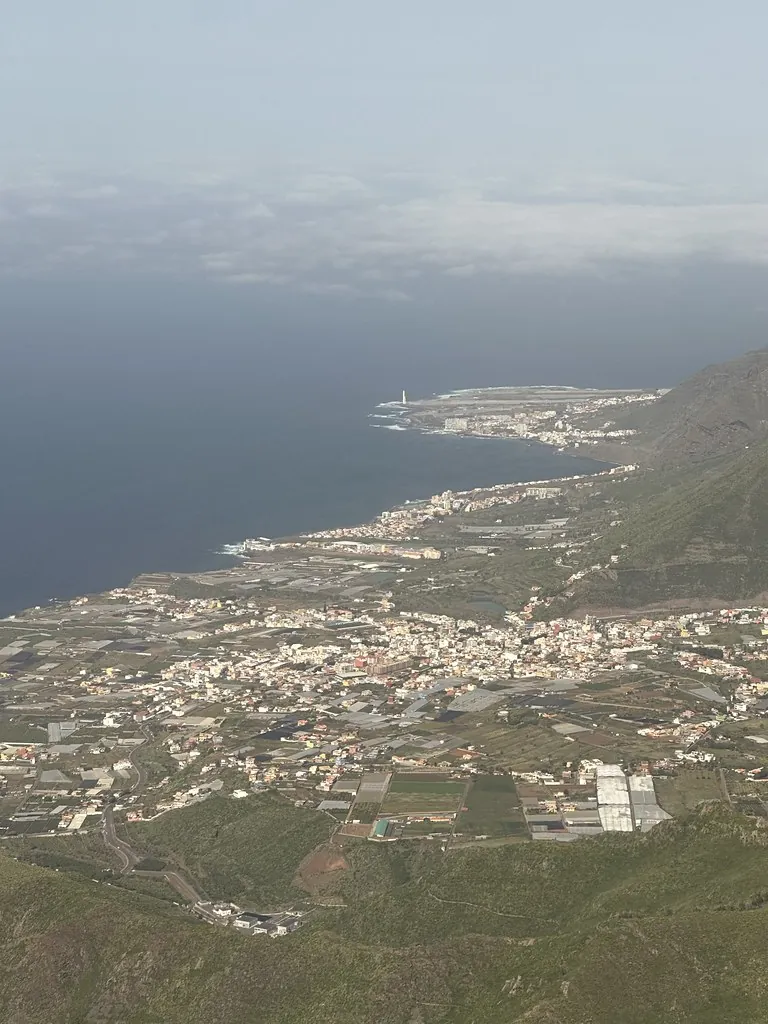
Tacoronte
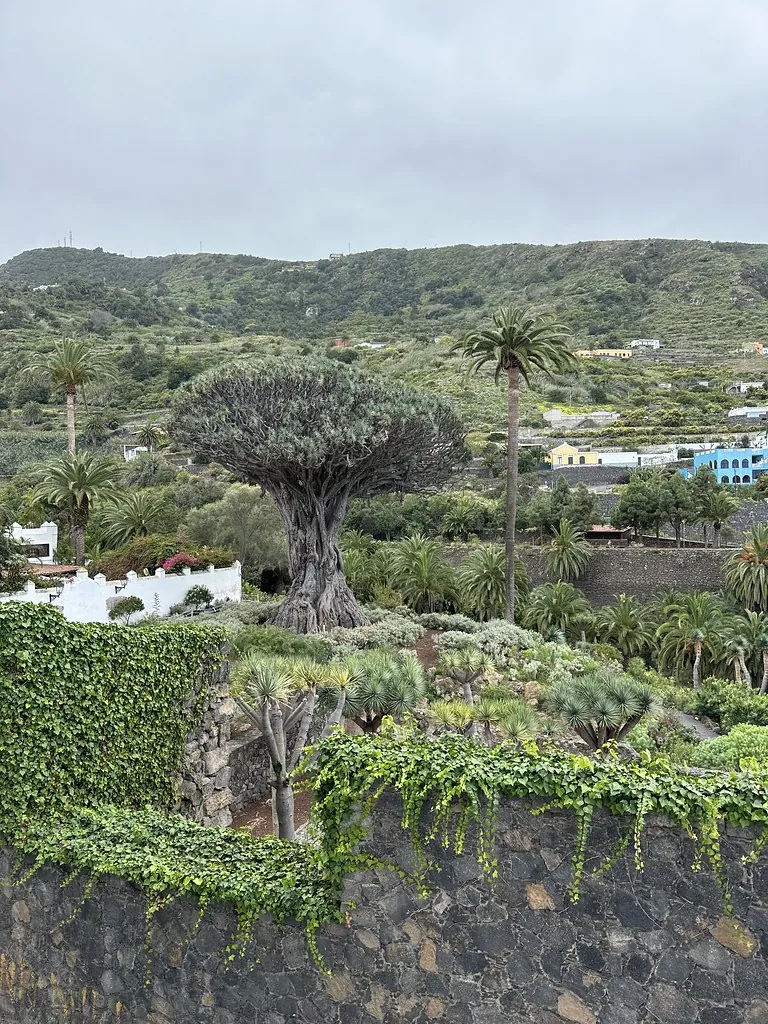
Icod de los Vinos
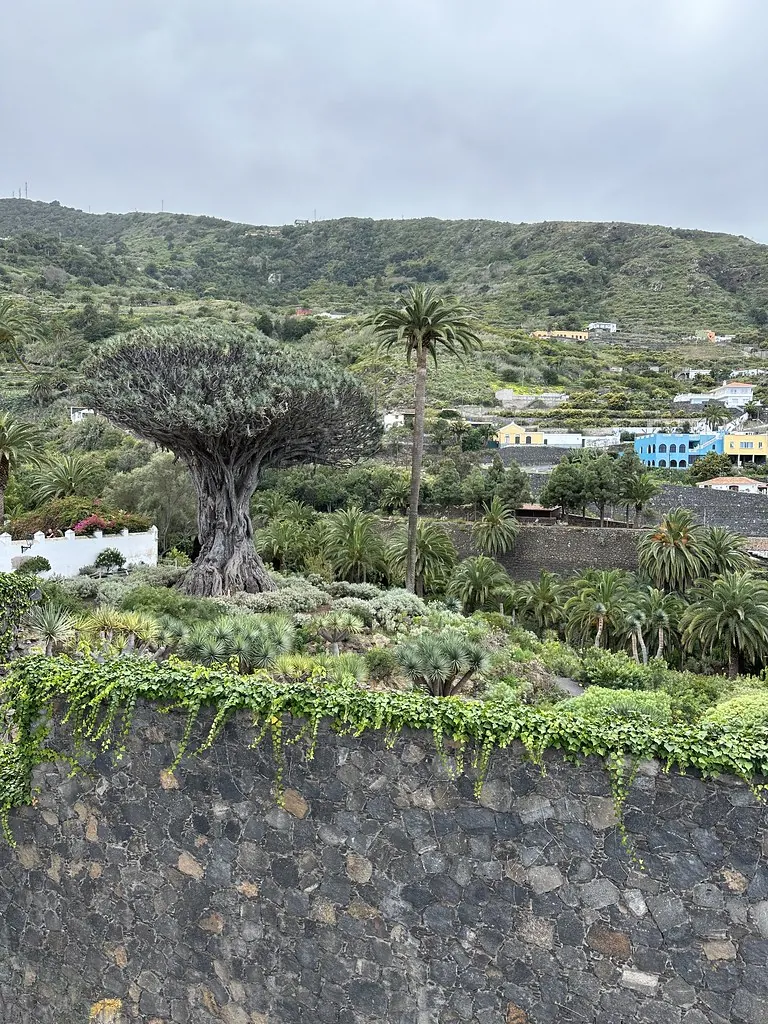
Icod de los Vinos
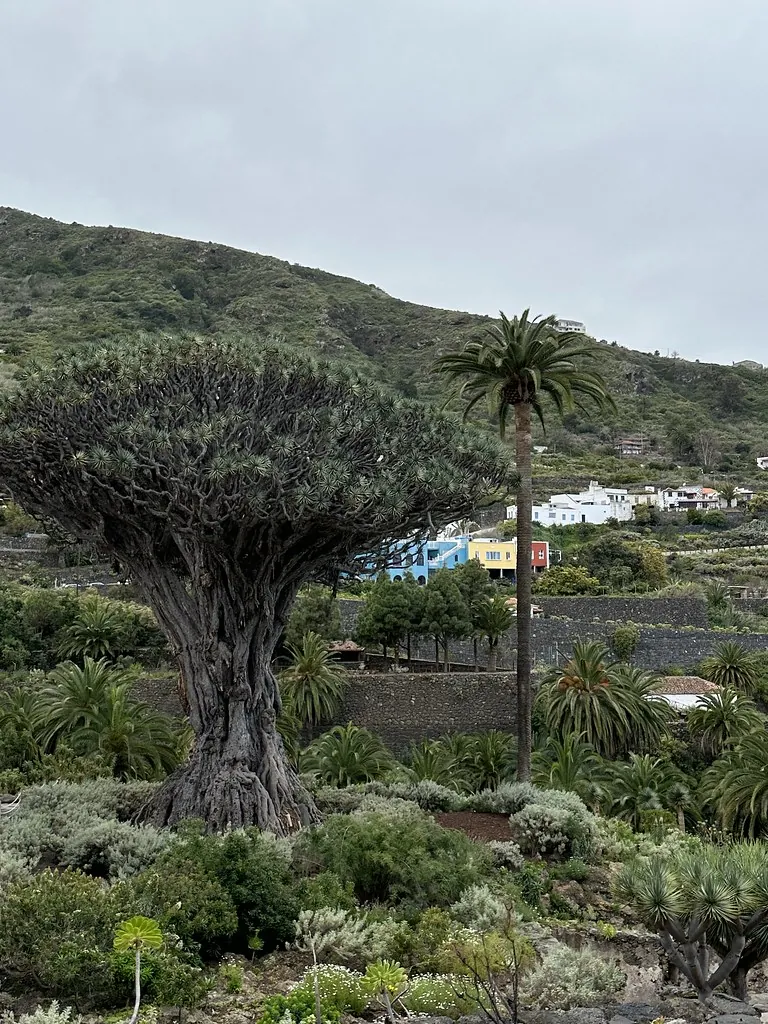
Icod de los Vinos
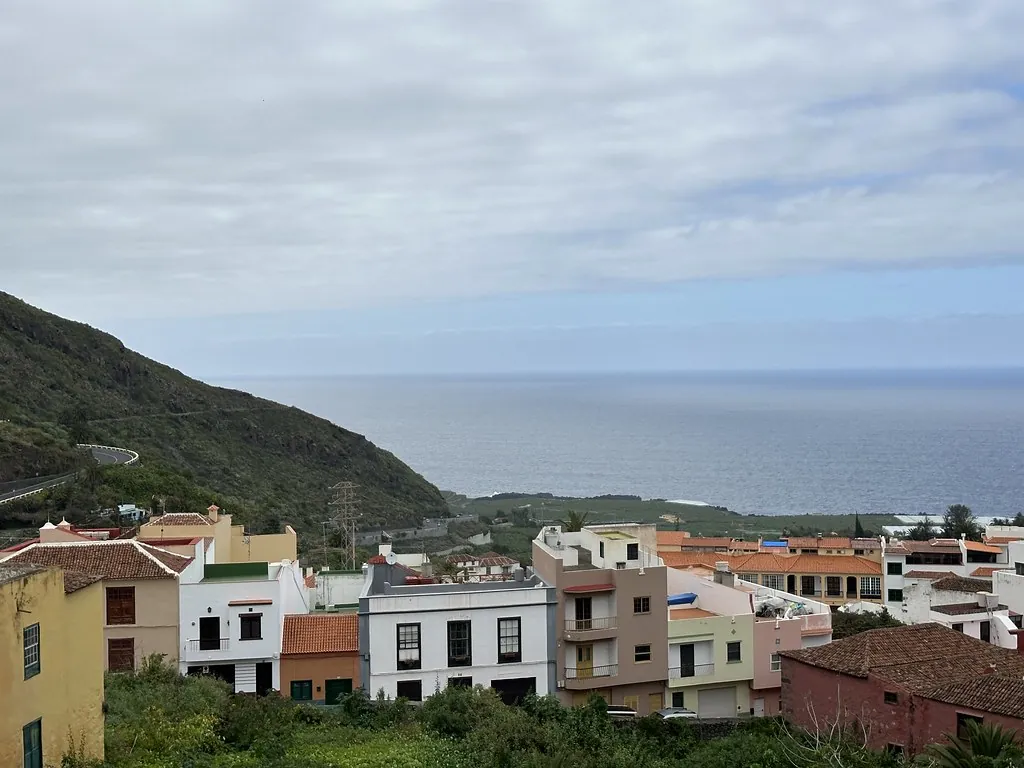
Icod de los Vinos
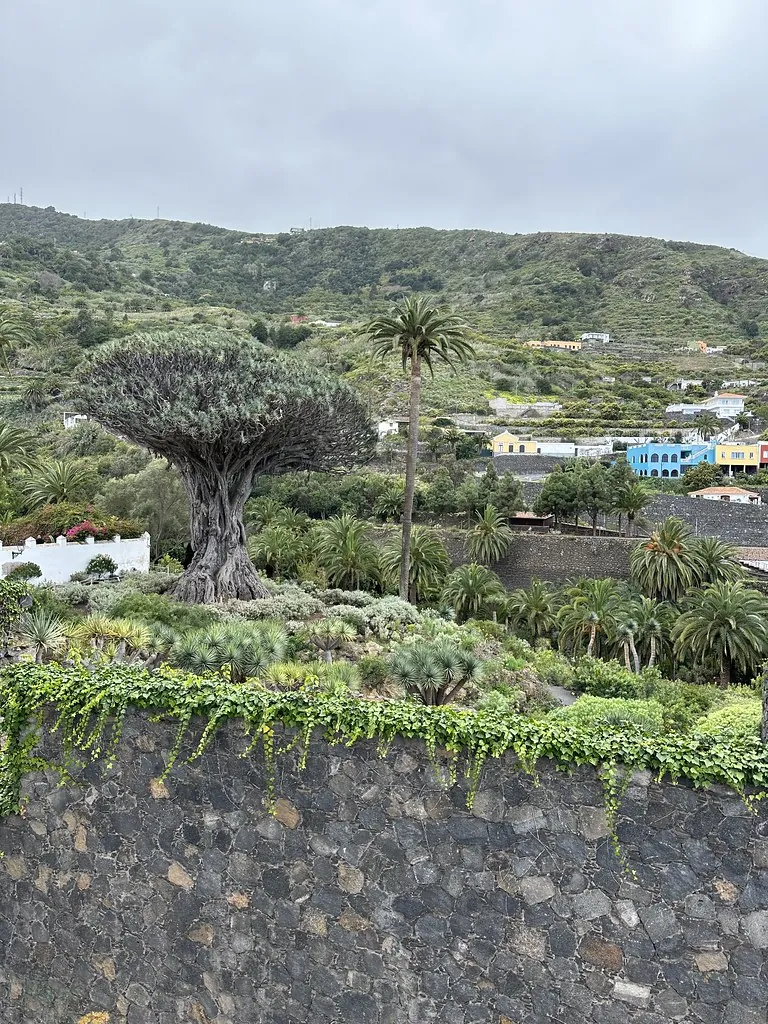
Icod de los Vinos
San Miguel de Abona
Güímar
Tías
San Bartolomé
Yaiza
Santa Brígida
Santa Úrsula
Tegueste
La Victoria de Acentejo

El Sauzal
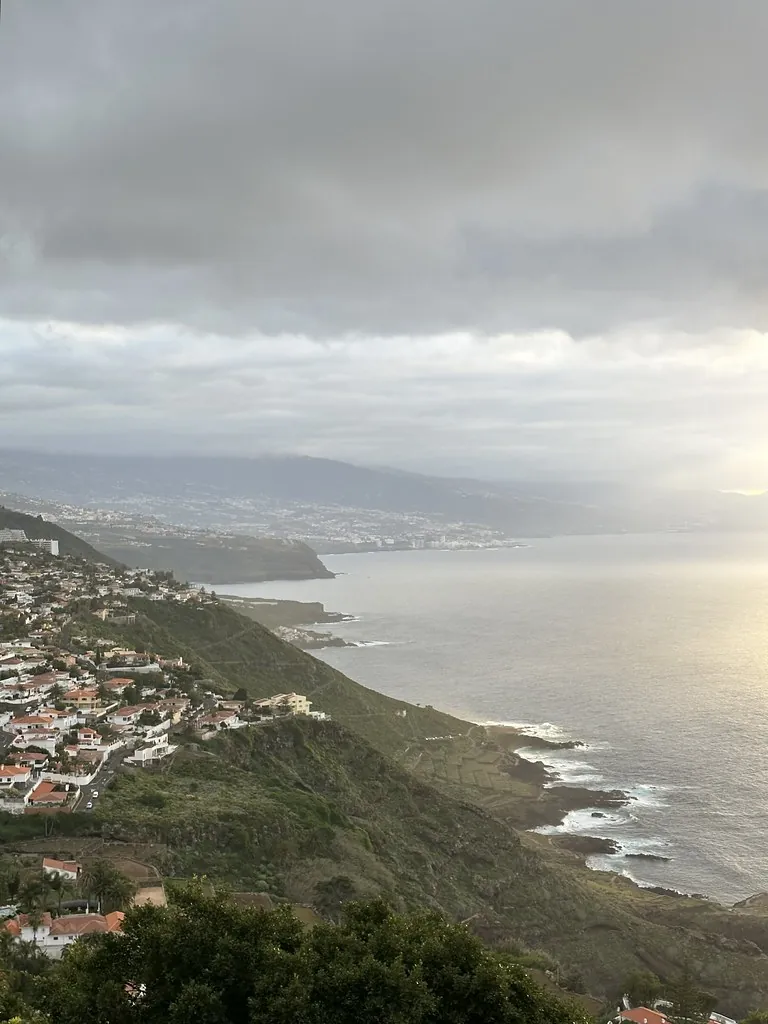
El Sauzal

El Sauzal

El Sauzal

El Sauzal

El Sauzal

El Sauzal
La Matanza de Acentejo
Tinajo
Arafo
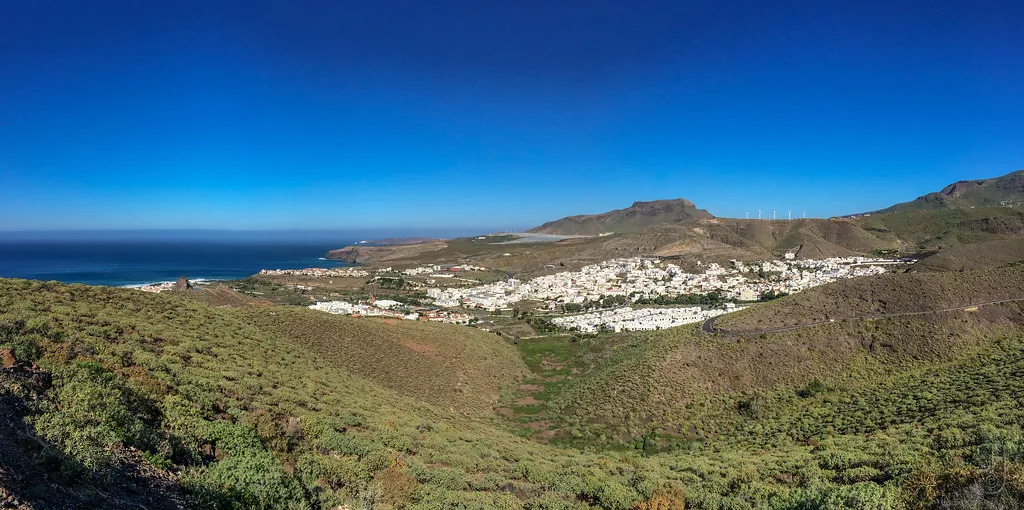
Agaete