Wine Region Villages in Catalonia

229 villages · 53 - 79,007 inhabitants · History 66/100

Wine Region Villages in Catalonia: key facts

  • 229 villages total
  • Rubí (79,007 inh.)
  • Vic (47,545 inh.)
  • Vilafranca del Penedès (40,056 inh.)
  • Altitude range: 5 – 1,135 m

Catalonia boasts a wealth of viticultural villages, each offering a unique perspective on the region's rich winemaking heritage. Across the Catalan landscape, 229 municipalities contribute to this vibrant sector, their average population hovering around 4231 inhabitants. The altitude of these villages varies considerably, ranging from a mere 5 metres above sea level to a lofty 1135 metres, influencing the terroir and character of the wines produced. From the inland comarcas to the coastal plains, the dedication to wine production is palpable. Consider Vilafranca del Penedès, in the Alt Penedès, famed not only for its cava production but also for the awe-inspiring human towers, the *castellers*, that rise in the Plaça de la Vila during festivals. Or explore El Vendrell, in the Baix Penedès, where the legacy of Pau Casals, the celebrated cellist, resonates alongside the flavours of the local *xató* salad. These villages are more than just production centres; they are living embodiments of Catalan culture and tradition, offering visitors a chance to immerse themselves in the authentic rhythm of rural life.

229 villages to explore

Rubí

Vallès Occidental · 79,007 hab.

Vic

Osona · 47,545 hab.

Vilafranca del Penedès

Alt Penedès · 40,056 hab.
El Vendrell

El Vendrell

Baix Penedès · 39,601 hab.
Tortosa

Tortosa

Baix Ebre · 33,890 hab.
Tortosa

Tortosa

Baix Ebre · 33,890 hab.
Tortosa

Tortosa

Baix Ebre · 33,890 hab.
Tortosa

Tortosa

Baix Ebre · 33,890 hab.
Tortosa

Tortosa

Baix Ebre · 33,890 hab.
Tortosa

Tortosa

Baix Ebre · 33,890 hab.

Sant Pere de Ribes

Garraf · 31,688 hab.
Calafell

Calafell

Baix Penedès · 30,631 hab.
Calafell

Calafell

Baix Penedès · 30,631 hab.

Valls

Alt Camp · 25,014 hab.

Castellar del Vallès

Vallès Occidental · 24,939 hab.
El Masnou

El Masnou

Maresme · 23,831 hab.
El Masnou

El Masnou

Maresme · 23,831 hab.
Torredembarra

Torredembarra

Tarragonès · 17,670 hab.
Torredembarra

Torredembarra

Tarragonès · 17,670 hab.

La Garriga

Vallès Oriental · 16,788 hab.

Piera

Anoia · 16,787 hab.

Lliçà d'Amunt

Vallès Oriental · 15,801 hab.

Vallirana

Baix Llobregat · 15,658 hab.

Cunit

Baix Penedès · 15,278 hab.

Sant Sadurní d'Anoia

Alt Penedès · 12,863 hab.

Castellbisbal

Vallès Occidental · 12,776 hab.

Castell-Platja d'Aro

Baix Empordà · 12,566 hab.

Calonge i Sant Antoni

Baix Empordà · 12,083 hab.

Pallejà

Baix Llobregat · 11,736 hab.

Alella

Maresme · 10,079 hab.

El Molar

Cuenca del Medio Jarama · 9,999 hab.

Masquefa

Anoia · 9,744 hab.

Arenys de Munt

Maresme · 9,413 hab.

Llagostera

Gironès · 9,157 hab.

Vilassar de Dalt

Maresme · 9,128 hab.

Tiana

Maresme · 9,110 hab.

Sant Fruitós de Bages

Bages · 9,025 hab.

Sant Esteve Sesrovires

Baix Llobregat · 7,889 hab.
Roda de Berà

Roda de Berà

Tarragonès · 7,829 hab.

Gelida

Alt Penedès · 7,814 hab.

Santa Eulàlia de Ronçana

Vallès Oriental · 7,740 hab.

Cabrils

Maresme · 7,729 hab.

Santa Margarida i els Monjos

Alt Penedès · 7,624 hab.
Montblanc

Montblanc

Conca de Barberà · 7,456 hab.

Begues

Baix Llobregat · 7,300 hab.

Constantí

Tarragonès · 6,788 hab.

Teià

Maresme · 6,635 hab.

Sant Antoni de Vilamajor

Vallès Oriental · 6,483 hab.

About this region

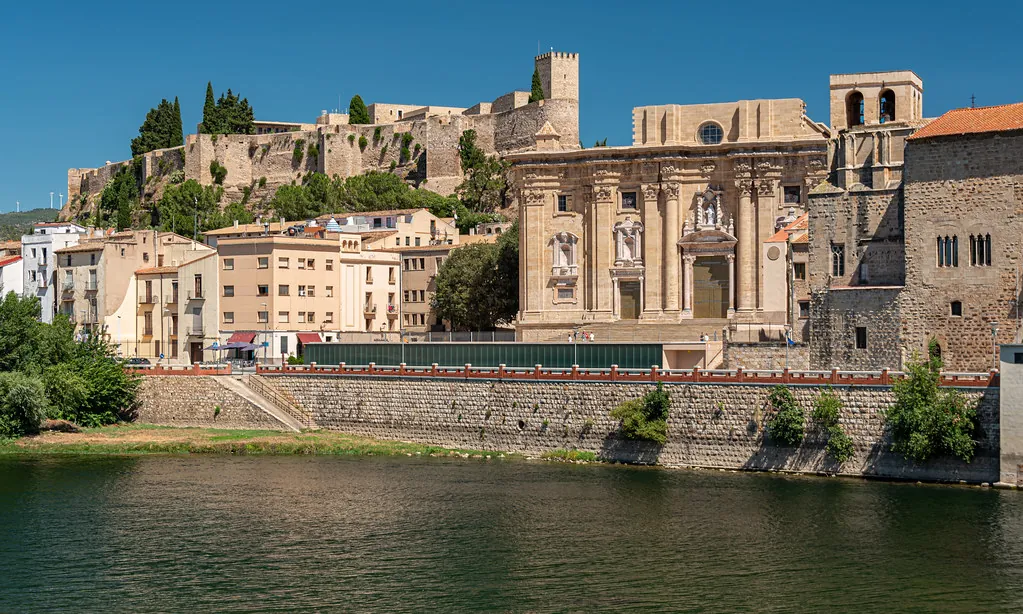
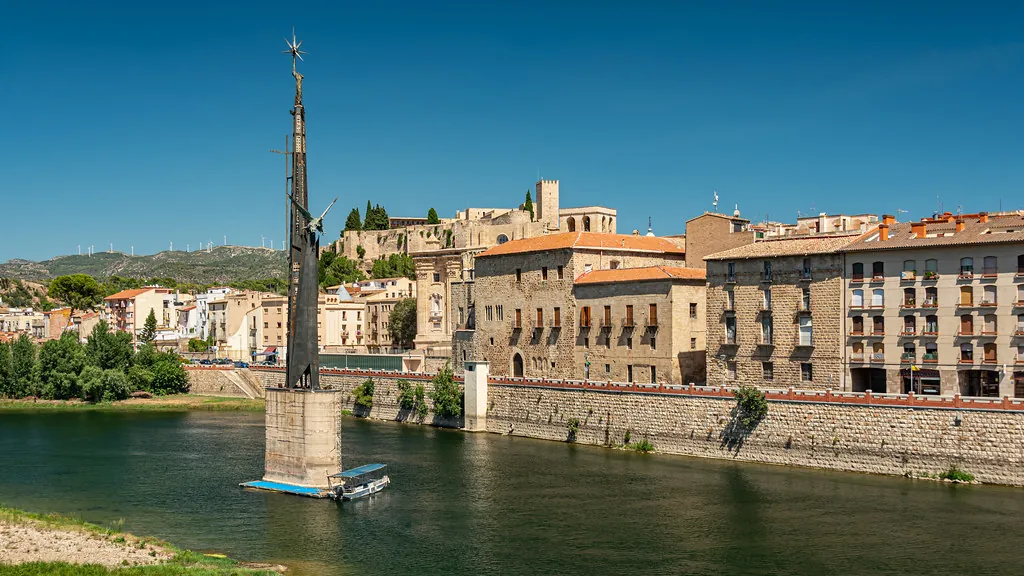
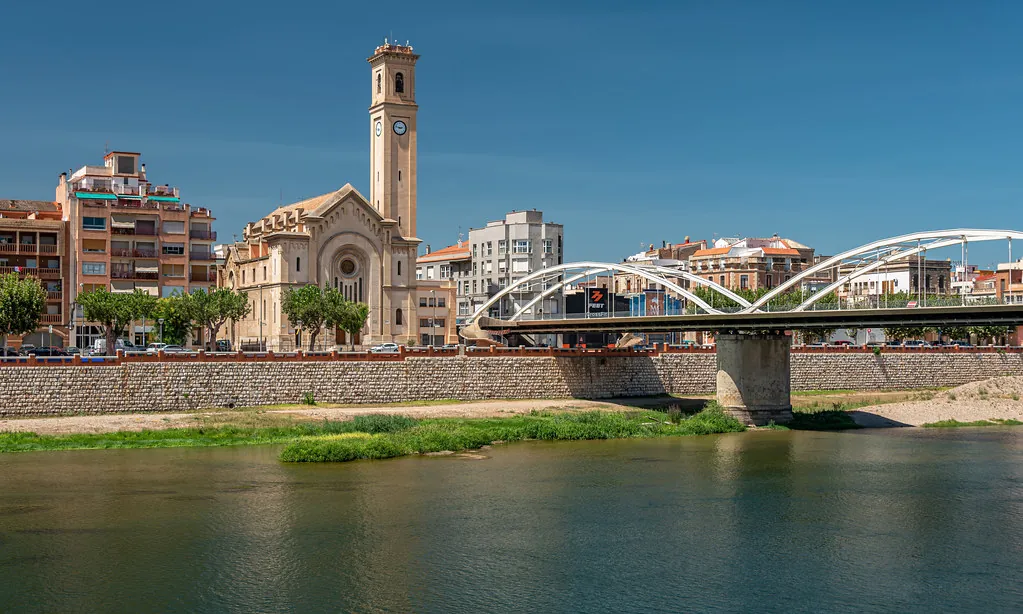
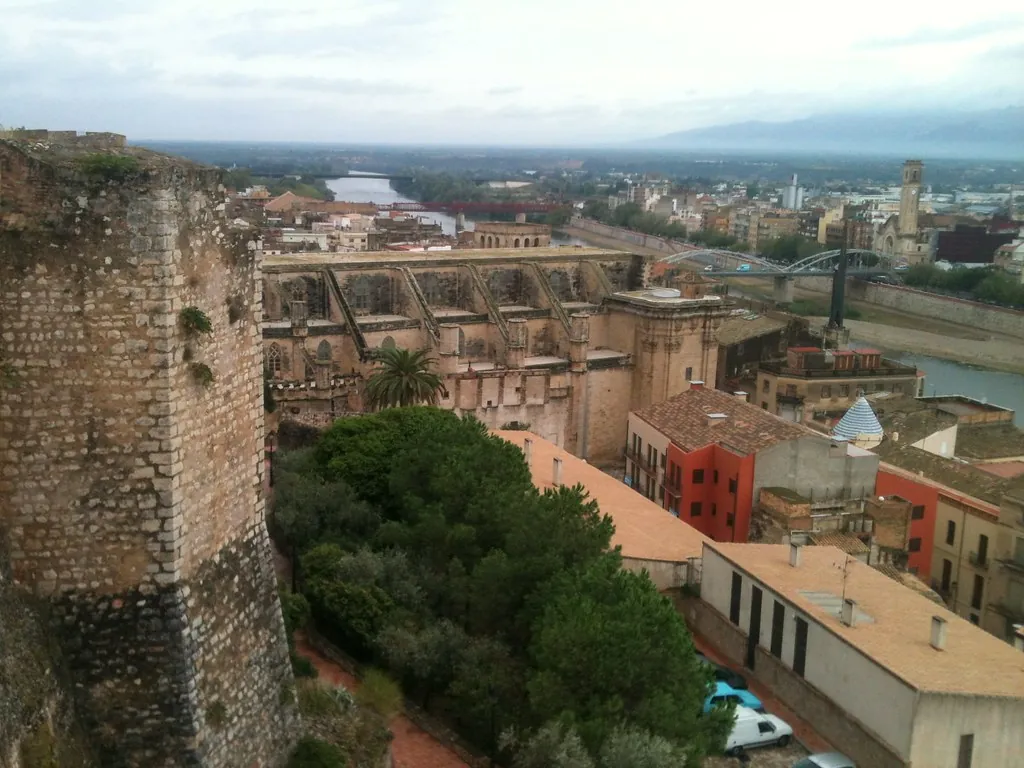
The wine region villages of Catalonia offer a diverse tapestry of experiences, shaped by geography, history, and a deep-rooted connection to the land. The comarcas, or counties, each contribute distinct characteristics to the wines and the local culture. In the Vallès Occidental, Rubí stands out, its skyline dominated by the medieval Castillo de Rubí, offering panoramic views of the surrounding area. Here, seasonal *calçots* and traditional Catalan cuisine are staples in the local restaurants. Moving inland to Osona, Vic's Plaza Mayor transforms during the Mercat Medieval, one of Spain's most impressive historical reenactments. The air is filled with the aroma of *llonganissa de Vic* and artisanal *fuet*, cured sausages crafted in centuries-old workshops. Further south, in the Baix Ebre, Tortosa's architectural grandeur is reflected in the waters of the Ebro River, where the Catedral de Santa María showcases a unique blend of Gothic and Baroque styles. The local gastronomy features *arròs de riu amb anguiles* (rice with eels) from the Ebro Delta and *coca de recapte tortosina*, a savoury flatbread. Vilafranca del Penedès, in the heart of Alt Penedès, is synonymous with cava production and the tradition of *castellers*, while El Vendrell, in Baix Penedès, celebrates its musical heritage alongside its distinctive *xató vendrellenco* salad, seasoned with romesco sauce.