Wine Region Villages in Navarre
40 villages
·
47 - 17,421 inhabitants
·
History 68/100
Wine Region Villages in Navarre: key facts
- 40 villages total
- Sada (17,421 inh.)
- Corella (8,756 inh.)
- Cintruénigo (8,565 inh.)
- Altitude range: 0 – 850 m
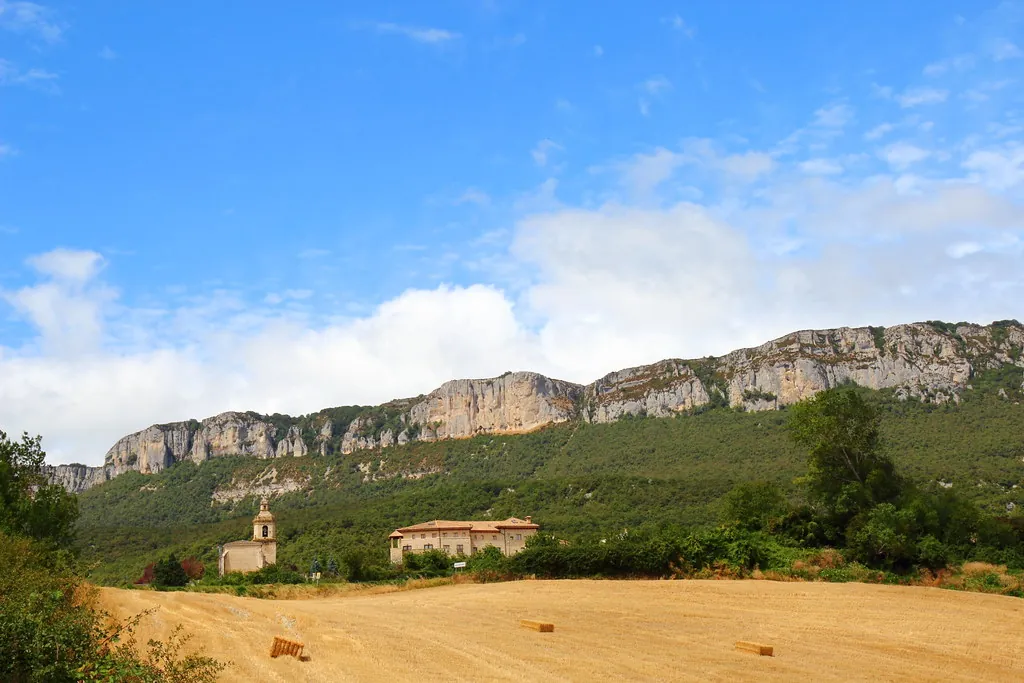
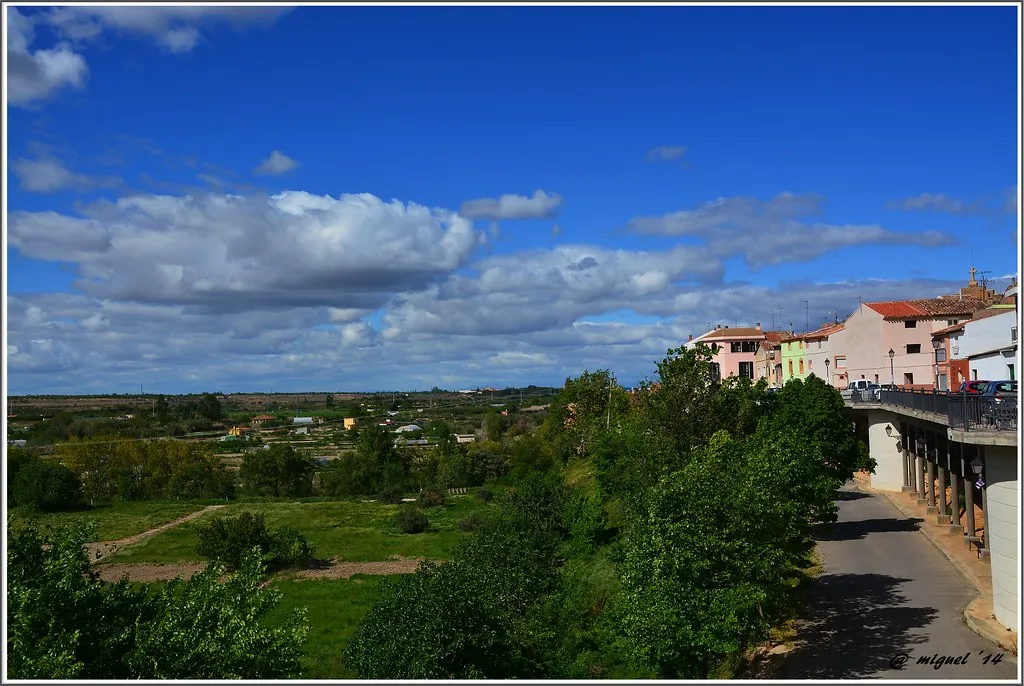
Navarre, a region celebrated for its diverse landscapes and robust viticulture, boasts a collection of approximately 40 villages deeply intertwined with the production of wine. These municipalities, averaging a population of 2,040, are scattered across the region, their altitudes ranging from sea level to 850 metres, reflecting the varied terrain that influences the character of the local wines. The southern reaches of Navarre, particularly the Ribera region, are home to many of these wine-producing villages. Here, the Ebro River carves its way through the landscape, nourishing the vineyards that yield the grapes for the region's renowned wines. The cultural fabric of these villages is interwoven with centuries of winemaking tradition, evident in their architecture, festivals, and gastronomy. Consider Corella, with its Iglesia del Rosario and Casa de las Cadenas, a town where history and viticulture converge. Or Cintruénigo, known for its Mudéjar tower and the Paseo de los Fueros, offering a glimpse into the blend of cultures that have shaped Navarre. These villages offer a unique perspective on the region's heritage, where the rhythm of life is dictated by the seasons of the vineyard.
40 villages to explore
Sada
Corella
Cintruénigo
Viana
Cascante
Murchante
Olite
Andosilla
Ablitas
Ayegui
Fustiñana
Fitero
Lerín
Cabanillas
Villatuerta
Sesma
Los Arcos
Cárcar
Monteagudo
Allo
Oteiza
Cáseda
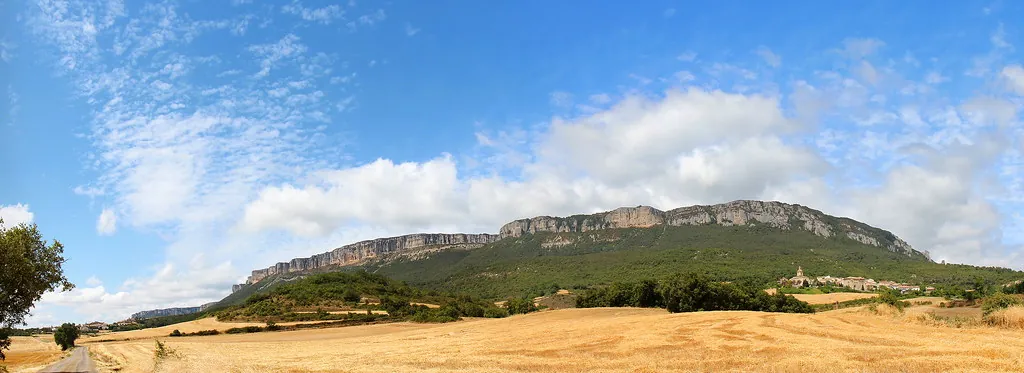
Allín