Full Article
about Galera
Archaeologically rich site with Argaric settlements; known for its mummies and the Castellón Alto village.
Hide article Read full article
A Landscape Shaped by Time
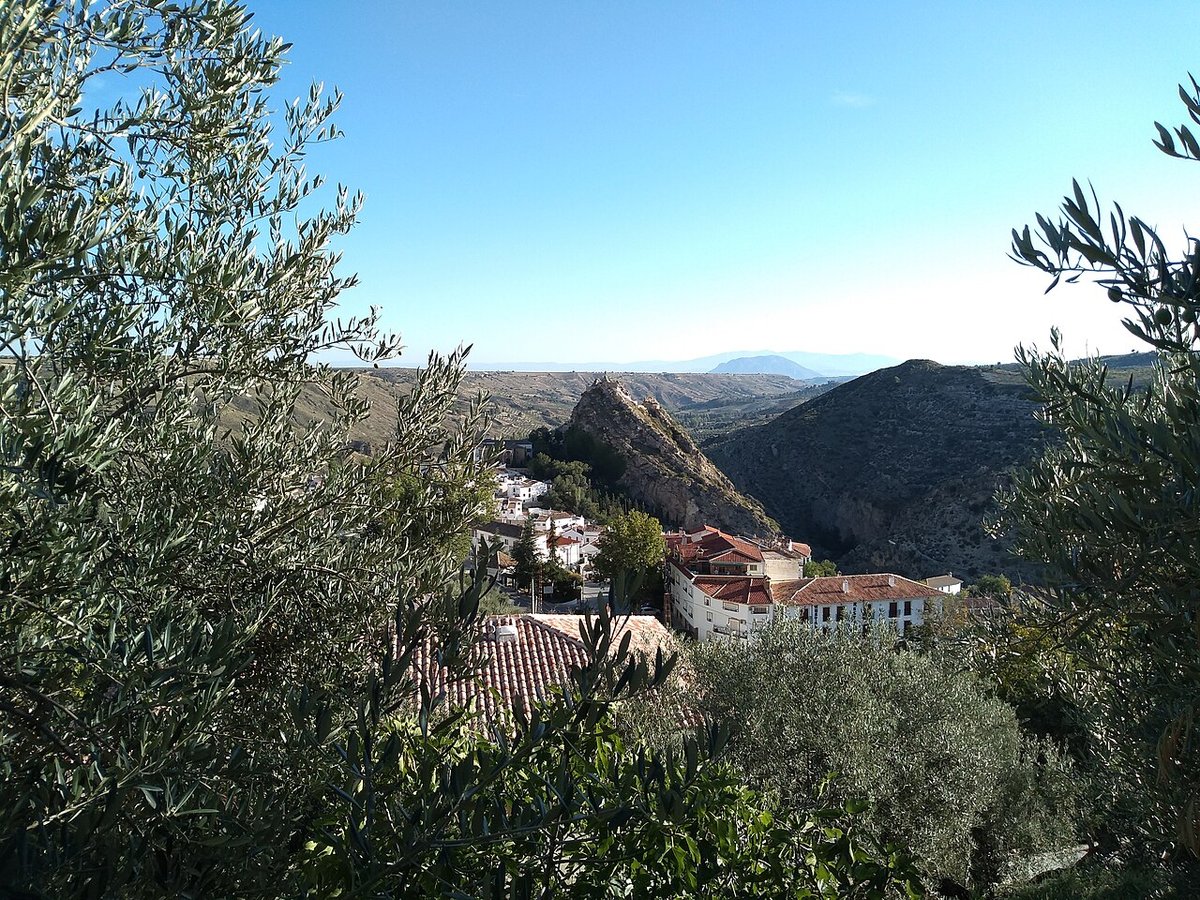
At the eastern edge of the province of Granada, close to the border with Murcia, lies Galera. Tourism here tends to begin in the same place: archaeology. That focus is no accident. Around this small town, set at about 840 metres above sea level in the Huéscar district, evidence of human settlement stretches back more than four thousand years.
The setting helps explain that long continuity. Open plateaus, dry ravines and isolated hills define the landscape. It is a terrain that feels exposed and expansive, yet practical for communities who knew how to work it. Over centuries, different cultures chose to establish themselves here, leaving visible traces in the hills that surround the present-day town.
Galera is more than a place with a few ancient remains scattered around. It functions almost like a compact map of successive occupations. From the Bronze Age through Iberian and Roman times, communities made use of this territory and marked it in ways that can still be read in the land today.
The town itself keeps a calm scale. Short streets, whitewashed houses and a daily rhythm closely tied to agriculture shape everyday life. History is not staged as a backdrop. It appears when you walk towards the nearby hills or step inside the local museum.
Cerro del Real and the Necropolis of Tútugi
The key archaeological site is Cerro del Real, a hill close to the town centre where an important settlement of the Argaric culture was documented. This group occupied much of south-eastern Iberia during the Bronze Age, roughly between 2200 and 1550 BC. Excavations have made it possible to reconstruct aspects of their social organisation and the way they inhabited and structured the territory.
Not far away lies the Iberian necropolis of Tútugi, officially recognised as a Bien de Interés Cultural, a category used in Spain for protected heritage sites. It is an extensive funerary complex with dozens of tombs cut into the ground. Some of these burials contained grave goods including ceramics and weapons, as well as imported objects that point to relatively wide exchange networks for the period.
Many of the finds from these sites are preserved in the Museo Arqueológico de Galera. Among the most notable pieces is the Dama de Galera, a small Iberian sculpture of a seated female figure that probably had a ritual function. The piece was discovered at the beginning of the 20th century in the necropolis of Tútugi. Today it is frequently cited in discussions of Iberian culture in the south-east of the peninsula.
Taken together, Cerro del Real, Tútugi and the museum create a clear framework for understanding how this part of Granada was inhabited over millennia. The remains are not isolated curiosities but parts of a broader historical sequence that can still be traced in the surrounding hills.
The Town and the Church of Nuestra Señora de la Anunciación
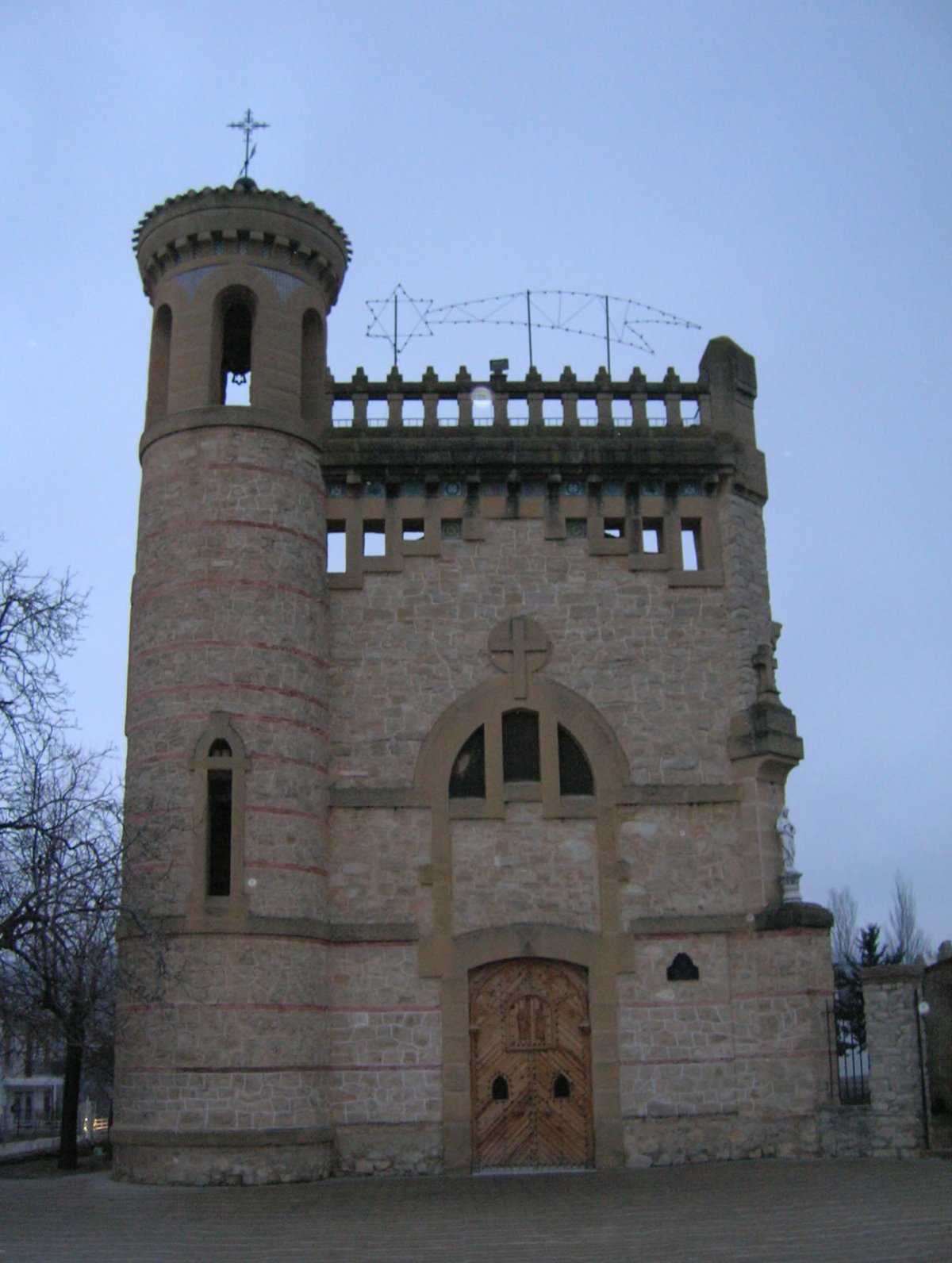
Galera’s urban centre is small and easy to explore on foot. Its main landmark is the church of Nuestra Señora de la Anunciación, built in the 16th century after the territory was incorporated into the Crown of Castile. This period followed the Christian conquest of the Kingdom of Granada, and many churches in the region date from those decades of transition.
The building combines Renaissance elements with solutions inherited from the Mudéjar tradition, a style that developed under Christian rule but drew on Islamic artistic and construction techniques. This blend is common in this part of Granada and reflects the layered history of the area.
The church tower acts as a point of orientation from almost any street. Around it, blocks of whitewashed houses are arranged with interior patios. In areas where the terrain allows, there are also cave houses. This way of living, built into the earth itself, is widespread across the Granada altiplano and responds to both climate and landscape.
Walking through the town does not involve grand monuments or long itineraries. The scale is modest. The experience comes from moving between the church, the residential streets and the edges of the settlement where the land begins to open out.
Badlands and the Character of the Altiplano
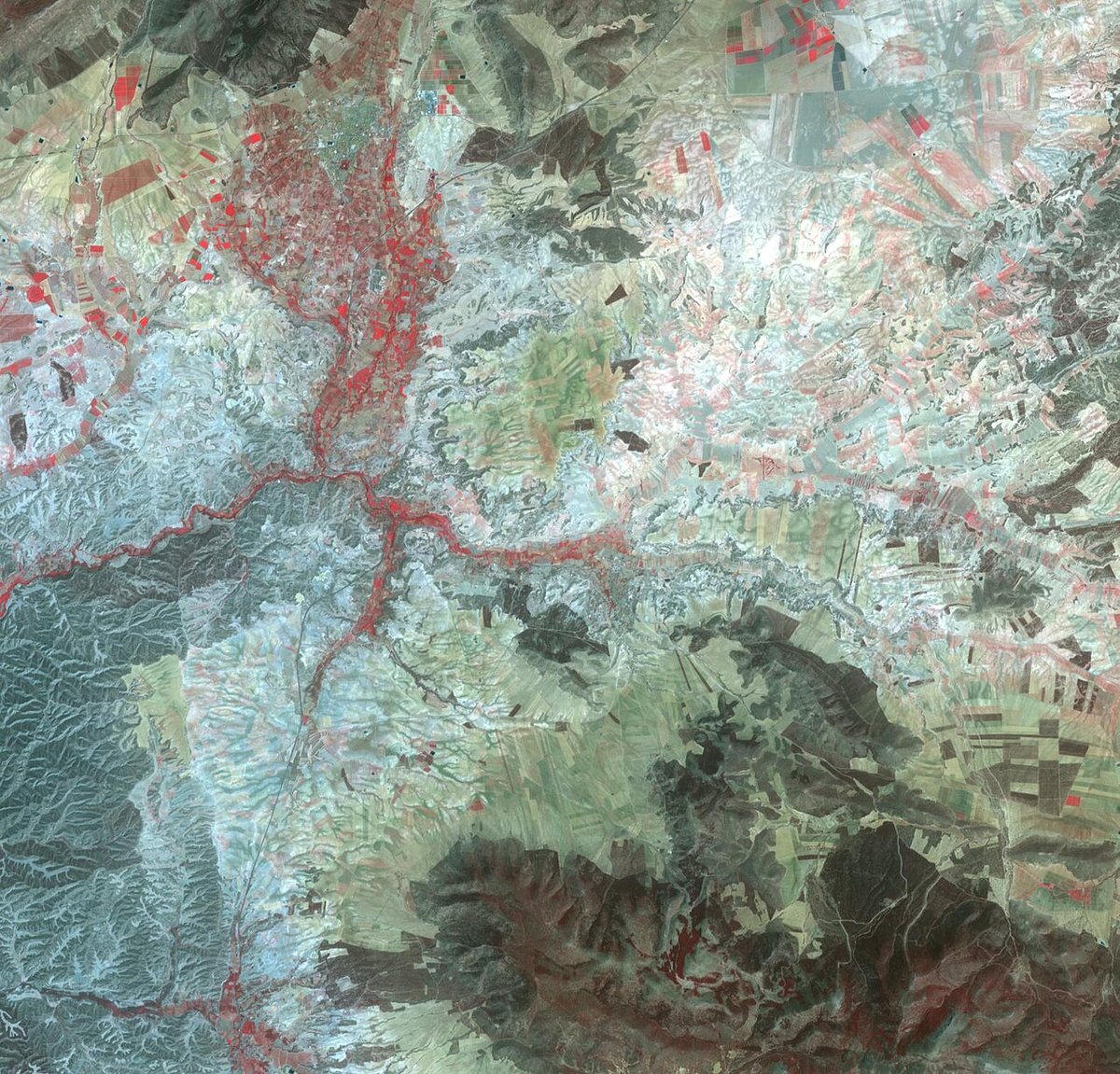
The landscape around Galera has a distinct personality. Clay soils and irregular rainfall have shaped a relief of deeply marked gullies and ravines. Their forms shift noticeably depending on the light at different times of day.
These gullies, sometimes referred to as badlands, appear in various parts of the municipality. They are not high mountain ranges or dramatic viewpoints. Instead, they are eroded terrain in ochre and grey tones, a reminder of how fragile this soil becomes once it loses its vegetation cover.
Agricultural tracks make it possible to approach some of these areas on foot or by bicycle. Moving through them gives a clearer sense of the relationship between the town, the surrounding cereal and almond crops, and the eroded zones that cut through the altiplano.
The result is a landscape that feels open and exposed rather than monumental. Its interest lies in texture and scale, in the way cultivation and erosion sit side by side. For anyone exploring the wider plateau of Granada, Galera provides a useful point of reference.
Fiestas and Local Traditions
Galera’s festive calendar combines religious celebrations with more recent events. San Sebastián is one of the town’s patron saints, and his feast day continues to hold importance in winter.
During the summer, the patronal festivities in honour of the Virgen de los Remedios take place over several days, with activities held in the streets. These events form part of the annual rhythm and bring residents together in shared celebrations.
In May, the tradition of the Mayos is usually celebrated. Patios and corners of the town are decorated with flowers and ephemeral compositions. This custom is widespread across different villages of the altiplano and still sees strong local participation in Galera.
A Visit at an Unhurried Pace
Galera is not defined by monumental landmarks or a long checklist of attractions. A visit typically revolves around the museum and the nearby archaeological sites. After that, the landscape completes the picture.
For those interested in the archaeology of south-eastern Iberia, there is substantial context here to understand it. For anyone travelling through the Granada altiplano more generally, Galera helps place the long history of this territory into perspective.
Its appeal lies in continuity rather than spectacle. The hills around the town still hold the marks of Bronze Age communities. The Iberian necropolis remains a structured memory of ancient rituals. The church stands at the centre of a settlement shaped by early modern history. All of this unfolds within a landscape that continues to dictate the rhythm of daily life.