Full Article
about Orce
Key site for European prehistory thanks to its fossil beds; it has an Arab castle and highly interesting museums.
Hide article Read full article
A landscape shaped by deep time
Orce is defined by its geology. This town in the north of Granada province, within the Huéscar region, sits on terrain that has been a focus for palaeontologists for decades. Some of the oldest documented human fossil remains in Europe were found in its surrounding badlands. The present-day village, with just over a thousand inhabitants, exists alongside that immense chronology.
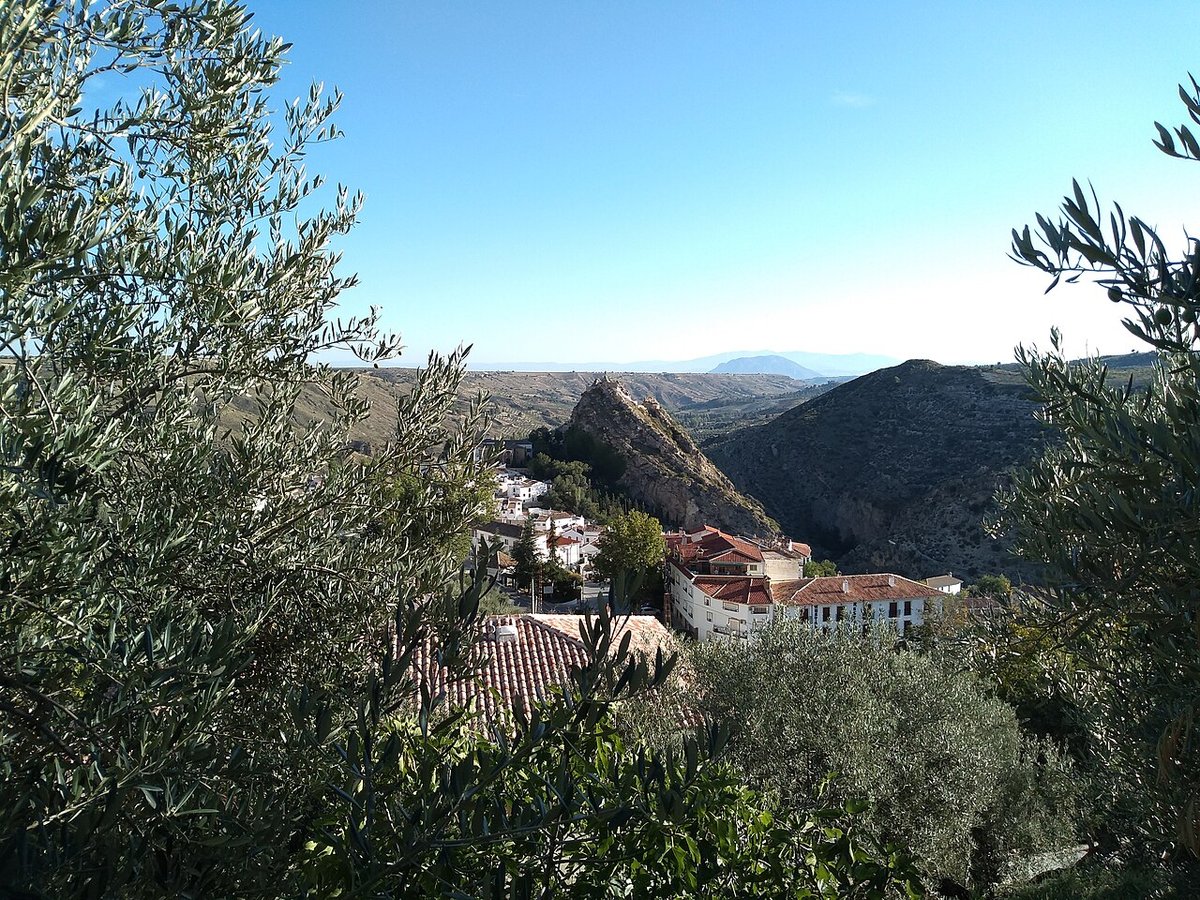
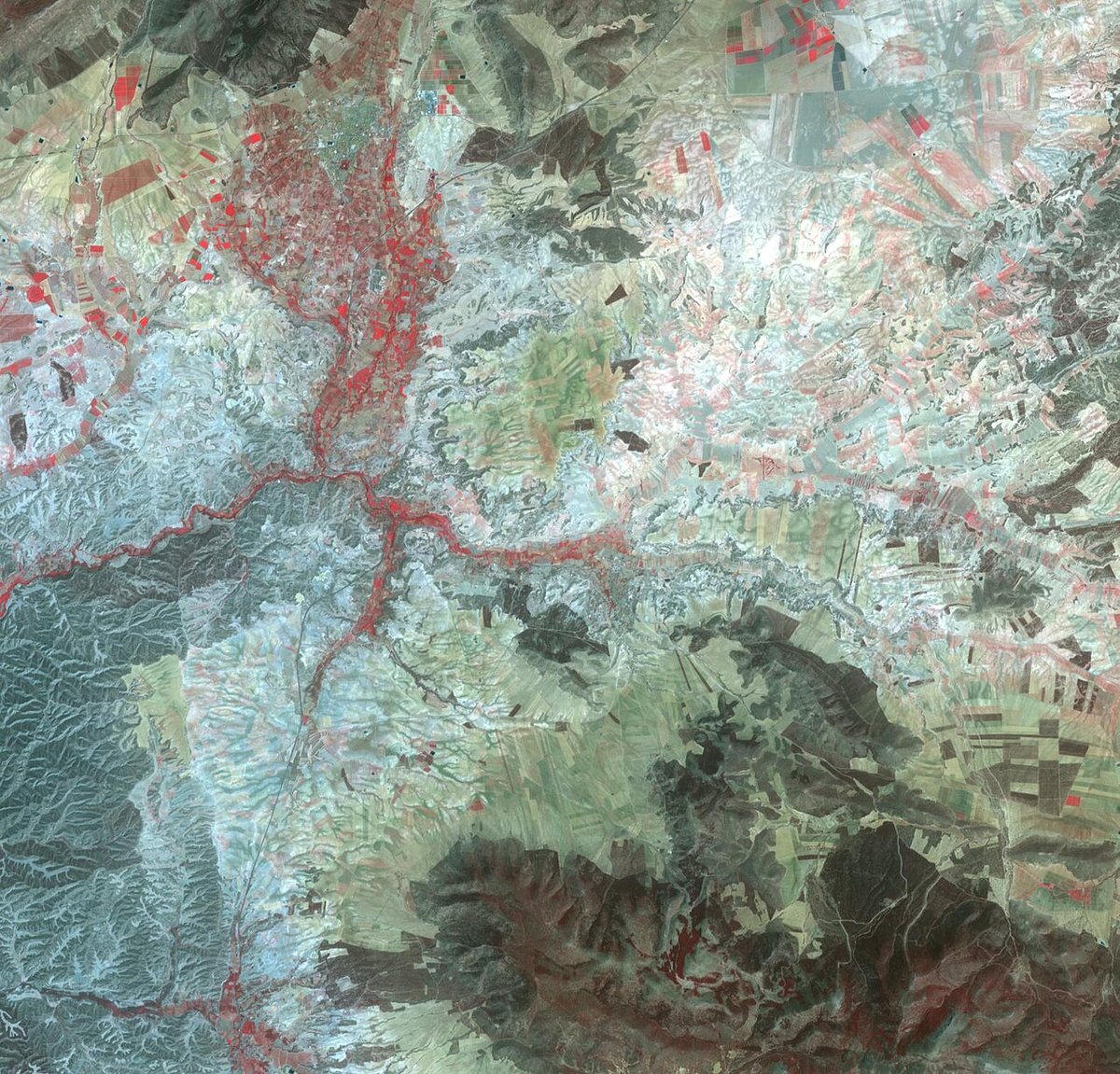
The landscape explains the discovery. It is a terrain of ramblas and deeply eroded ravines, where gullies cut through the earth to expose ancient sediments. The colour shifts from ochre to a dusty red depending on the hour. At times, the open horizons and sparse vegetation feel closer to parts of North Africa than to the common image of Granada. It is a stark, exposed setting.
The historic core
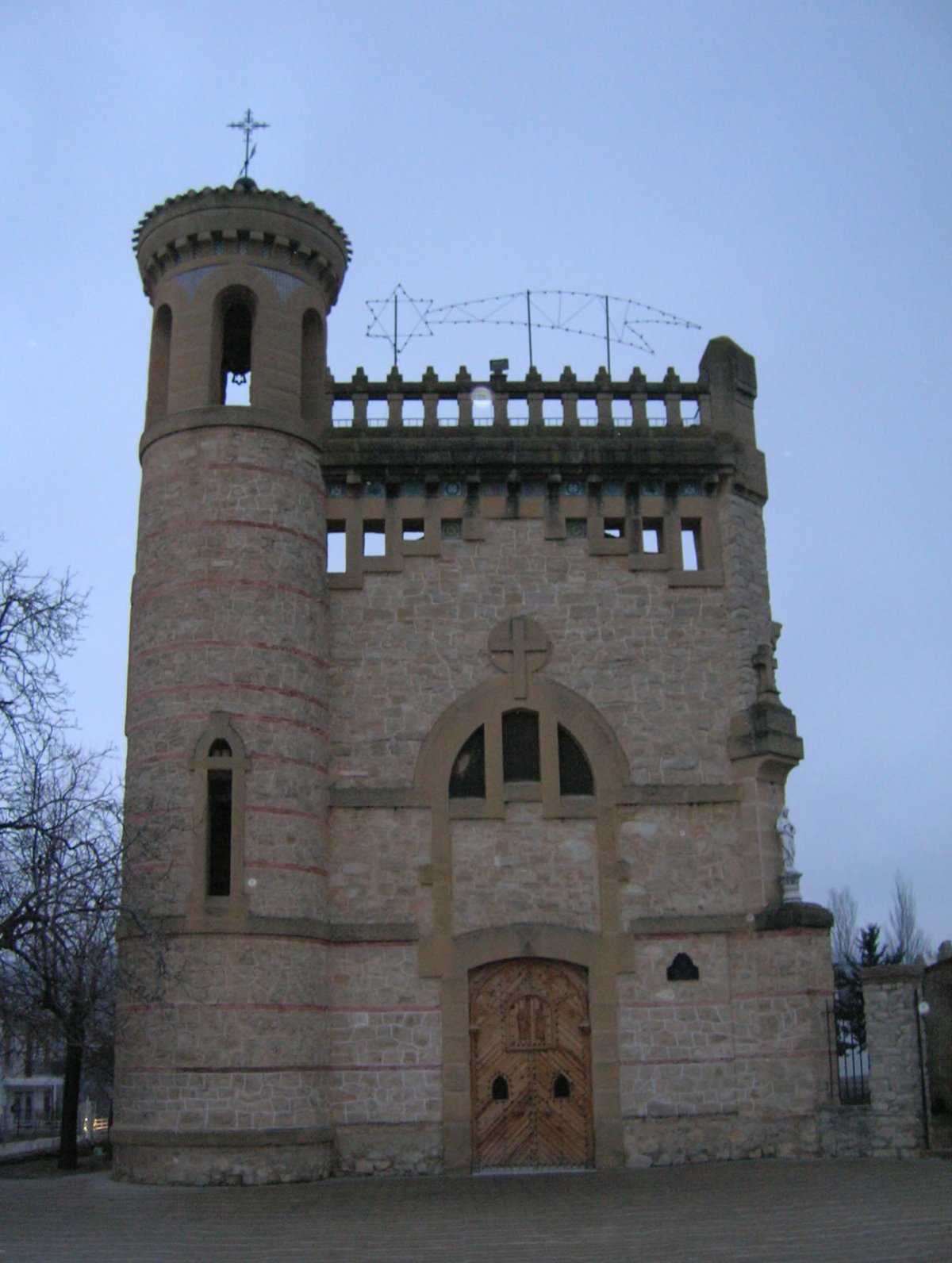
The town centre is compact, built on a rise. Whitewashed houses line narrow streets that follow the contours of the land. The church of Nuestra Señora de la Anunciación, from the 16th century with later modifications, holds the high point. Its bell tower is a reference visible from the surrounding fields. Inside, Baroque altarpieces and sculptures are not merely decorative; they are used in the town’s religious observances.
A short walk away is the Palacio de los Segura, also from the 16th century. Its scale hints at Orce’s former role as a local administrative centre, beyond its agricultural function. If you look closely at some house walls, you can trace sections of medieval masonry, repurposed over centuries.
The sites of discovery
Scientific activity concentrates on three main sites: Venta Micena, Fuente Nueva and Barranco León. They are protected and accessible through guided visits. These are not tourist attractions in a conventional sense; there are no reconstructions. The value is in the ground itself—the stratigraphy visible in the canyon walls. A guide explains how researchers work and what the different layers contain.
Walking through these badlands with that context changes how you see the terrain. The exposed strata become a record. The lack of dense vegetation allows you to follow the lines of erosion, to see where fossils might emerge. It is a landscape that requires explanation to be fully understood.
This is also habitat for steppe birds. You might spot bustards in certain areas, though sightings are never guaranteed. Quiet observation and binoculars help.
A practical cuisine
The local cooking follows the logic of a livestock-raising area with harsh winters. Dishes are hearty. Segureño lamb is common. You will also find migas and gazpacho manchego—a dense stew of game, not the cold soup—which are filling and practical. In season, households prepare cured meats and game stews. For a sweet, roscos or tortas de aceite are typical.
Calendar and context
The town’s festivities retain a local character. In March, the celebrations for Nuestra Señora de la Anunciación mix religious events with communal activities. Summer brings night-time gatherings in the squares.
More recently, a prehistory week has been added to the calendar, with talks and workshops focused on the archaeological work. It is an attempt to bridge the gap between the specialist research and daily life in Orce.
Visiting Orce
To understand Orce, you need to look beyond its streets. Start in the town centre, which can be walked in under an hour. Then go to the viewpoints overlooking the badlands.
Before visiting the archaeological sites, it is worth stopping at the local interpretation centre. The context it provides turns a walk through the ravines from a geological curiosity into a readable record. With that background, the connection between the quiet town and its profound past becomes clear. Wear sturdy shoes; the ground is rough and uneven.