Full Article
about Puebla de Don Fadrique
The northernmost municipality in Granada; at the foot of the Sagra with mountain climate and rich sausage cuisine.
Hide article Read full article
A high village that keeps its distance
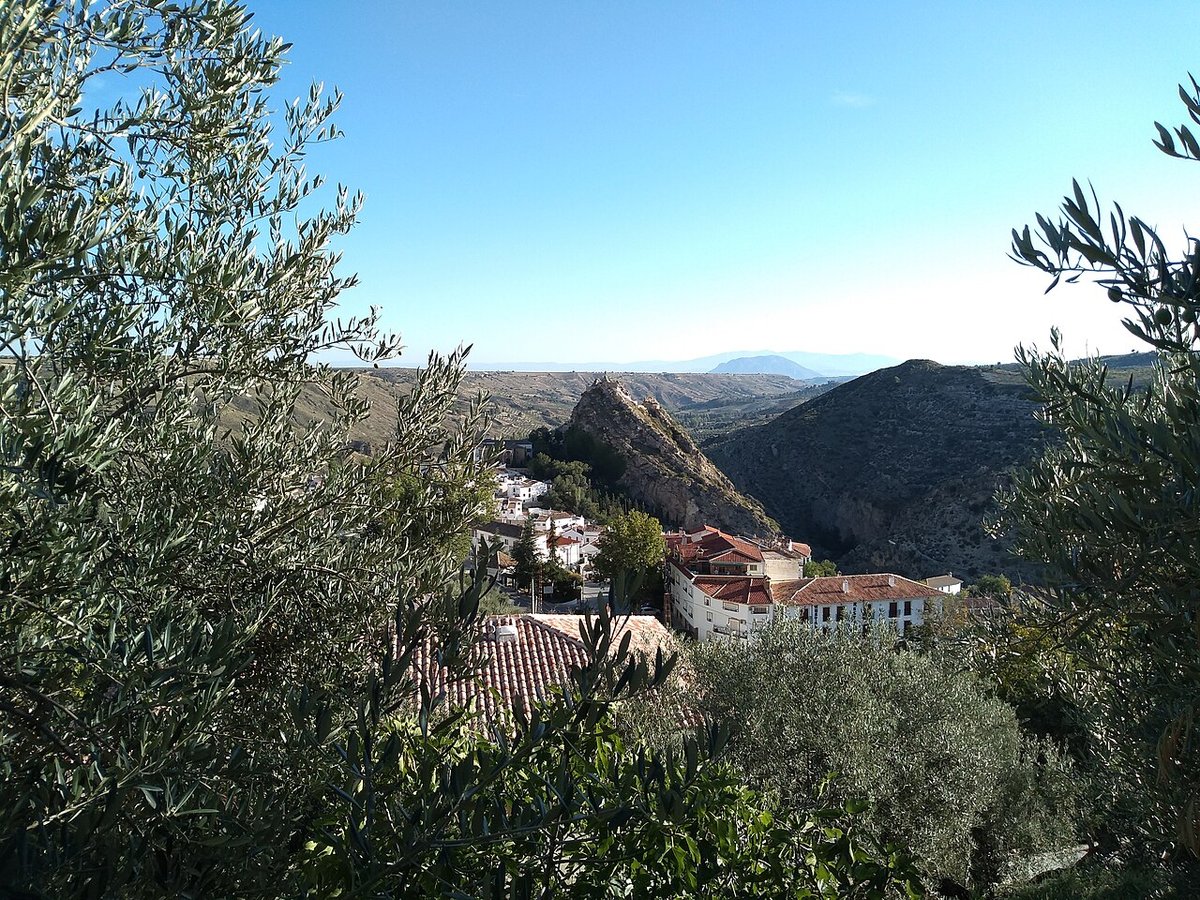
Puebla de Don Fadrique sits more than a thousand metres above sea level in the north of Granada province, and it feels like it. The wind has a habit of arriving unannounced and staying longer than expected, and the streets can fall quiet in a way that catches visitors off guard. Red-brick houses cling to the slope as if carefully placed there, one by one, before everyone agreed that this would do.
There is no rush here. At certain times of day the place can seem almost paused, with very little movement beyond the occasional passer-by. That sense of stillness is part of its character rather than a lack of life. It simply runs at a different pace.
From Bolteruela to a longer name
The history of Puebla de Don Fadrique has a small twist. For centuries it was known as Bolteruela, a name that has largely faded from everyday use. In the 16th century it took on its current name, linked to the family of the Duke of Alba and to Fadrique de Toledo, a figure with influence in this part of Spain at the time.
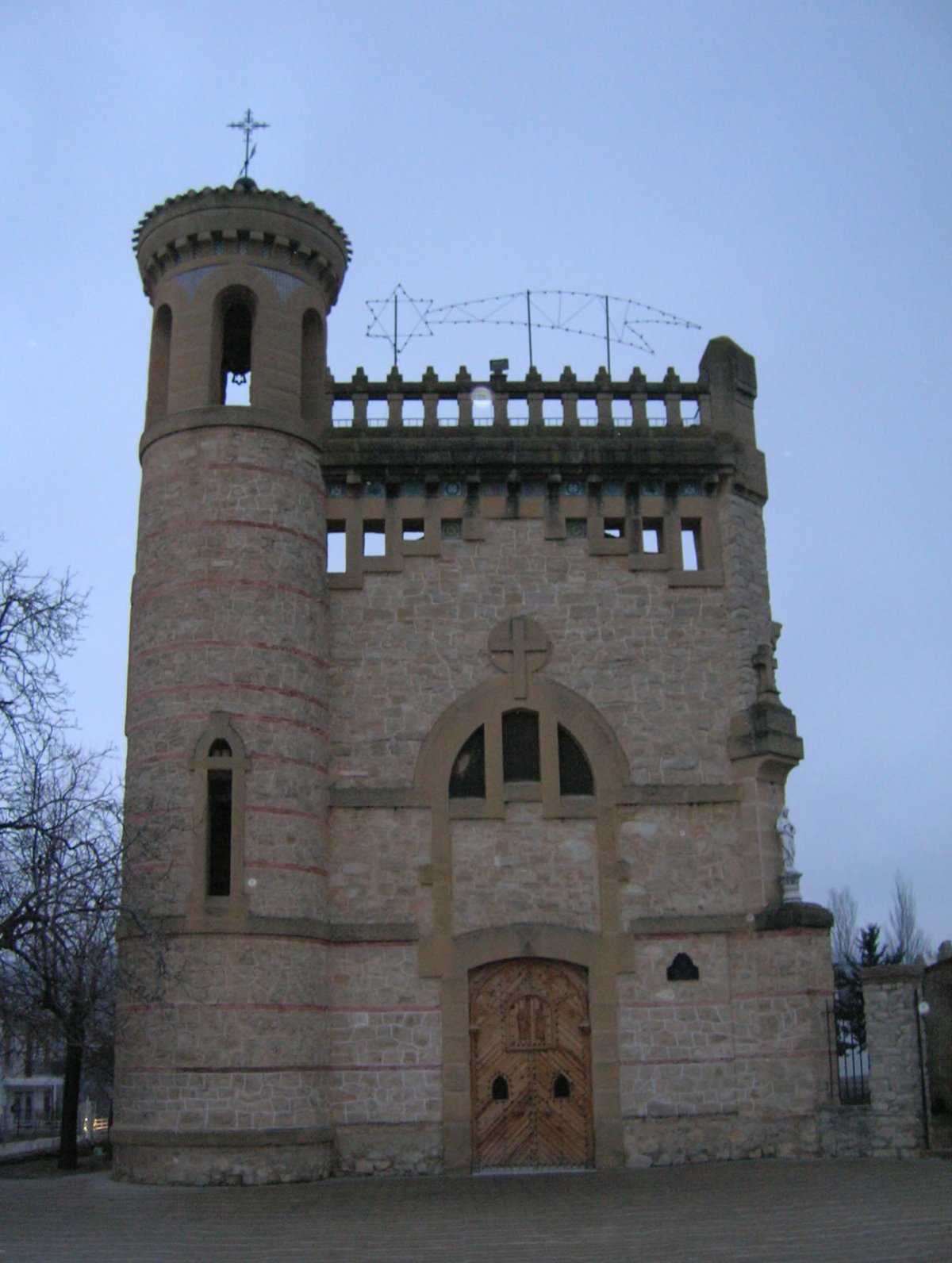
At some point, the village seems to have aimed high in scale. The Iglesia de Santa María de la Quinta Angustia stands as the clearest example. Locals often call it “la Catedralita”, the little cathedral, and the nickname makes sense as soon as it comes into view. For a municipality with just over two thousand residents, the building feels oversized, almost unexpected. Construction began in the 16th century, and its appearance carries the weight of a place that once had both ambition and resources.
Where the sky becomes the main attraction
A few kilometres from the town centre, in the area known as La Sagra, there is an astronomical observatory. The journey there follows a mountain road with curves that steadily pull you away from everything else. By the time night falls, the reason for its location becomes obvious. The sky here demands attention, the kind that keeps your head tilted upwards for longer than planned.
For those who prefer something simple, staying near the observatory and watching the stars is enough. The darkness and altitude do most of the work. For anyone inclined towards walking, the Pico de la Sagra rises nearby. It is one of the best-known peaks in northern Granada.
The usual ascent takes several hours in total, counting the way up and down. Conditions vary depending on the time of year. Wind can make itself felt, and in colder months snow adds a more serious edge to the route. On clear days at the top, the landscape opens out in every direction. It gives the impression of distance stretching far beyond what the eye can comfortably measure.
Bringing water and something to eat is essential. Up there, there is little beyond rock, air and the view.
Food that follows the seasons
Cooking in Puebla de Don Fadrique is direct and tied to the time of year. Gachas de mosto appear when temperatures drop, a thick and comforting dish that feels designed for cold days. It has a straightforward effect: warmth and fullness without much ceremony.
Migas con uvas come with their own quiet debate. Each household prepares them in its own way, and each version is defended as the correct one. The mix of crumbs and grapes balances savoury and sweet in a way that invites comparison rather than agreement.
Around All Saints’ Day, a traditional dish known as olla de los Santos is prepared. It is a substantial stew associated with autumn and long meals that stretch into the afternoon. When local celebrations arrive or when winter sets in, tortas de chicharrones make frequent appearances. They tend to start as a small taste and quickly turn into something more.
There is nothing styled for display here. The food answers hunger first, presentation second.
Festive days that bring everyone back
Celebrations in Puebla de Don Fadrique follow a different rhythm from those in larger cities. There are no large-scale setups designed for visitors. Instead, the focus stays on tradition and reunion.
Festivities dedicated to Santa Rita and Santa Rosa de Lima take place towards the end of spring. They carry a strong sense of return. People come back, families gather, and conversations resume as if they had only been paused since the previous year.
Autumn brings its own important dates around the Virgen del Carmen. Then there is the Pascua de Resurrección, Easter, which is marked here with notable intensity and has official recognition within Andalusia. During those days, the village fills with processions, drums and activity from early on. It is not staged for tourism. It is something that has been repeated for generations and continues in the same spirit.
A place that does not try to impress
Puebla de Don Fadrique is not a destination built around ticking off sights. Time tends to slow down without much effort. There are no souvenir shops lining the streets and no signs translated into several languages. What you find instead are quiet corners, steady routines and places where unfamiliar faces are noticed at first.
That initial distance rarely lasts long. A simple question about where someone has come from is often enough to start a conversation, and from there the tone shifts.
Colder months suit the area particularly well. The surrounding landscape appears sharper, the nearby sierra feels more present, and the village settles into its everyday version. A walk through the main square, a visit inside the church out of curiosity, or a short trip towards La Sagra is enough to get a sense of the place.
It does not leave visitors with a long checklist of completed stops. What it offers instead is time spent somewhere that continues to function on its own terms, without much interest in changing for anyone passing through.